Artwork
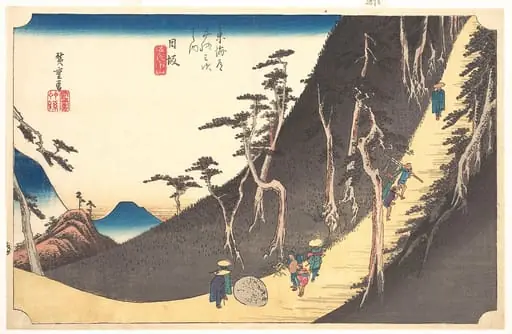
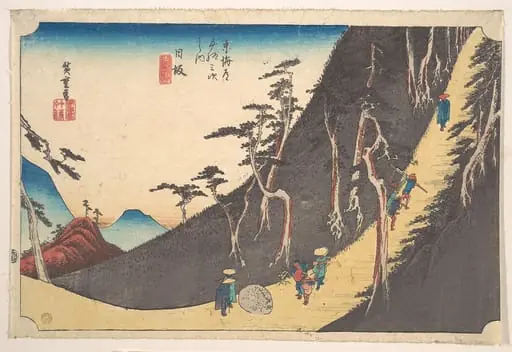
Nissaka: The Night-Weeping Stone at Sayo no Nakayama, from the series The Fifty-Three Stations of the Tōkaidō
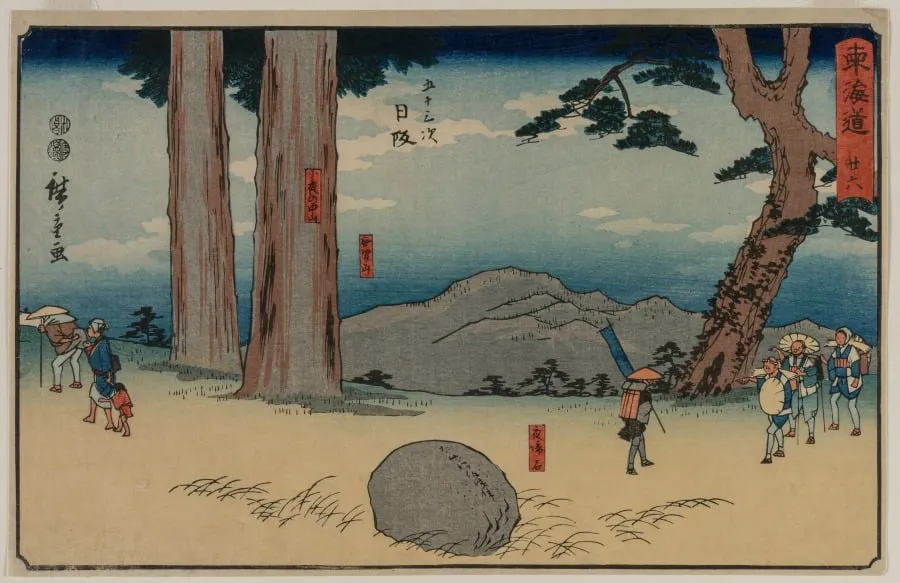
Nissaka: The Night-Weeping Stone at Sayo no Nakayama, from the series The Fifty-Three Stations of the Tōkaidō is a print by the Romanticist artist Utagawa Hiroshige. It dates from 1849 and is held in the collection of the Cleveland Museum of Art. The print depicts the Nissaka pass, one of the stations on the historic Tōkaidō route that linked Kyoto with Edo.
- Accession no.
- 1985.323
- Credit line
- The Kelvin Smith Collection, given by Mrs. Kelvin Smith
About this work
The boulder is said to weep at night, marking the spot where bandits killed a pregnant woman long ago.
A dark mountain road winds past a mossy boulder. Travelers in straw hats trudge by lantern-light. The boulder glows faintly, as if wet.
This print shows one stop on the Tōkaidō road. The boulder is said to weep at night, marking the spot where bandits killed a pregnant woman long ago. Hiroshige turns a ghost story into a quiet, moonlit scene.
If you like this, look up subject: japan, edo period (1615–1868).
Overview
The print depicts the Nissaka pass, one of the stations on the historic Tōkaidō route that linked Kyoto with Edo. In the foreground a large, moss‑covered stone dominates the composition, while a winding mountain road recedes into a dimly lit landscape populated by travelers in straw hats.
Subject & Meaning
The stone is linked to a local legend in which bandits murdered a pregnant woman on the road; her blood is said to have stained the rock, which then weeps each night. According to the tale, the nocturnal sobbing alerts a passing monk, identified with the bodhisattva Kannon, to the infant’s survival, leading to the child’s eventual vengeance.
Technique & Style
Rendered in the ukiyo‑e woodblock tradition, the image employs muted ink washes and subtle color accents to convey a moonlit atmosphere. The artist uses delicate line work for the figures and a soft, almost luminous treatment of the stone, suggesting moisture and a faint glow.
History & Provenance
Created as part of the series The Fifty‑Three Stations of the Tōkaidō, the print was produced in the early nineteenth century by the renowned Edo‑period artist Hiroshige. The series was widely circulated as a set of multicolored woodblock prints, popular among travelers and collectors of the time.
Context
The Tōkaidō stations were common subjects for ukiyo‑e artists, who combined topographical detail with folklore. This particular scene illustrates how Hiroshige incorporated a regional ghost story into a broader visual record of the road, blending narrative and landscape.
Artist & collection
Artist
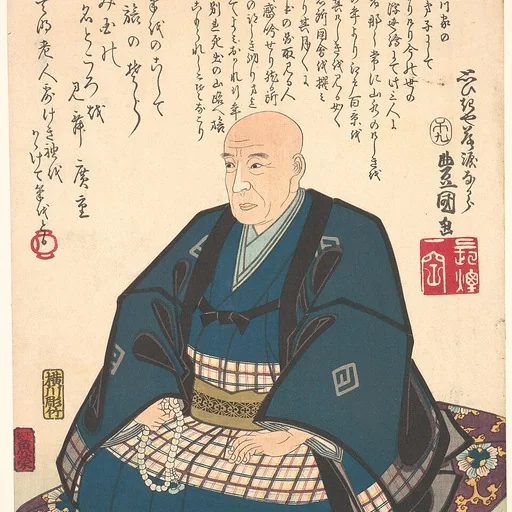
Utagawa Hiroshige (歌川 広重) or Andō Hiroshige (安藤 広重), born Andō Tokutarō (安藤 徳太郎; 1797 – 12 October 1858), was a Japanese ukiyo-e artist, considered the last great master of that tradition.

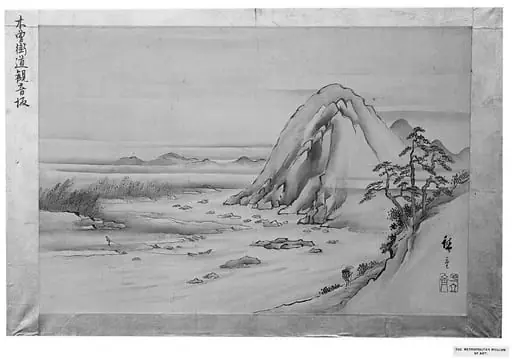
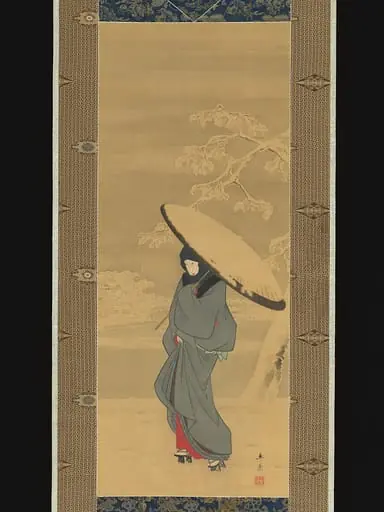
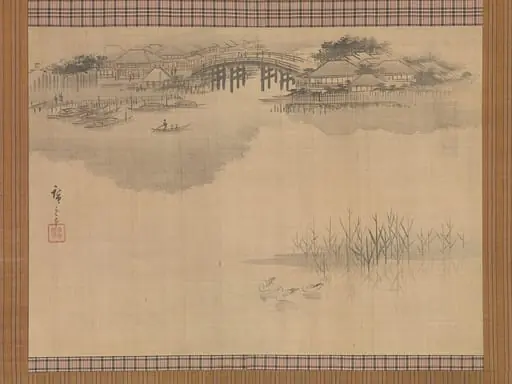
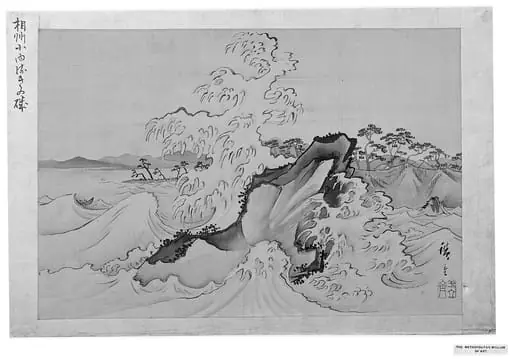
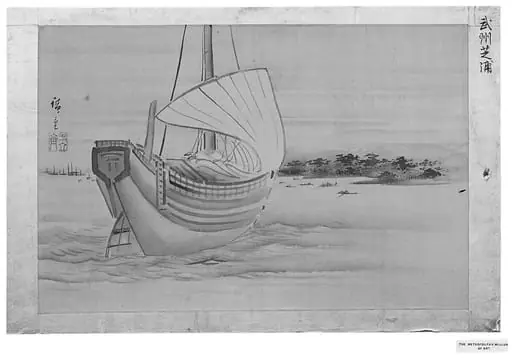
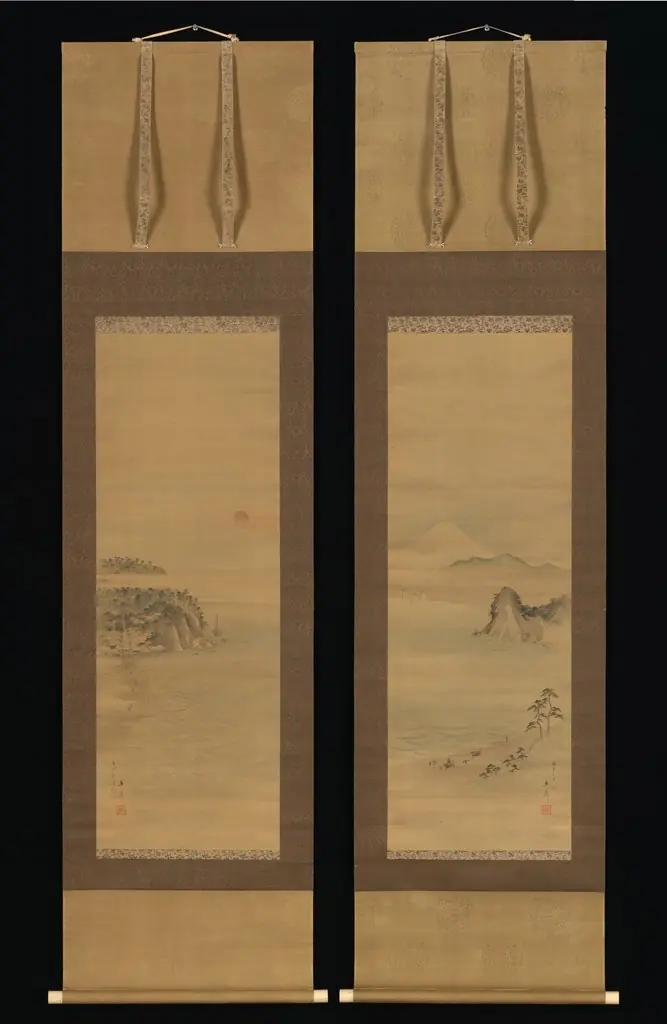
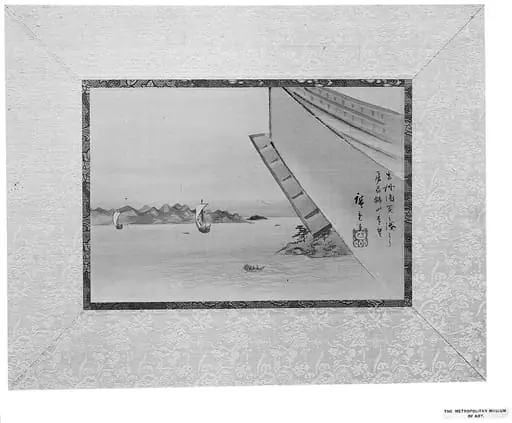
- Nissaka-sayo no Naka Yama|東海道五十三次之内 日坂 佐夜の中山|Station Twenty-six: Nissaka, Sayo no Nakayama, from the Fifty-three Stations of the Tokaido
 東海道五十三次之内 日坂 佐夜の中山|Nissaka, Sayo Nakayama
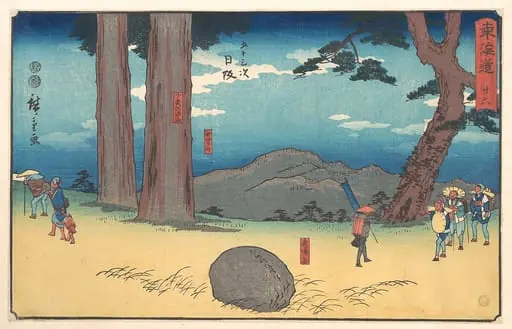 東海道五十三次 日阪 夜啼石 無間山 小夜の中山|Nissaka
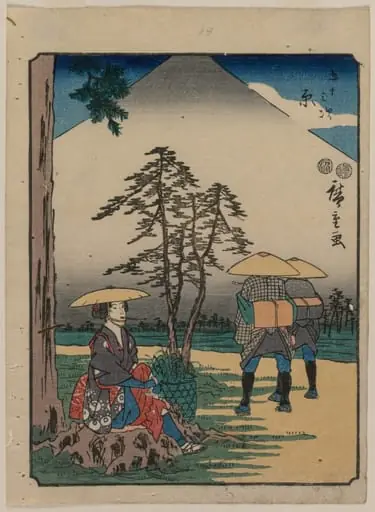 The Fifty-Three Stations of the Tokaido: Hara
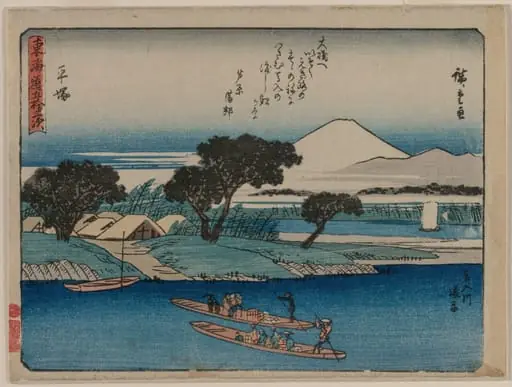 The Fifty-Three Stations of the Tokaido: Hiratsuka
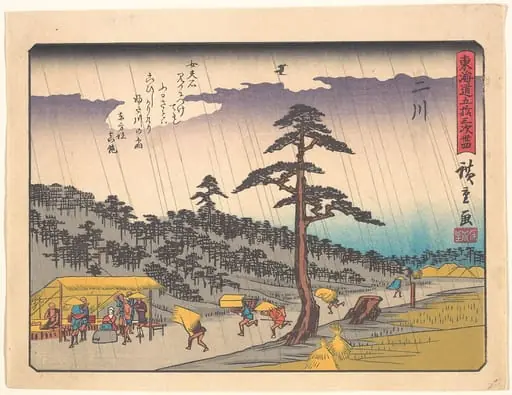 東海道五十三次 二川|Futakawa, from the series The Fifty-three Stations of the Tōkaidō Road
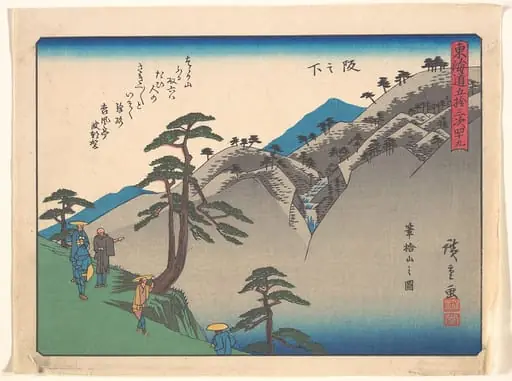 東海道五十三次 阪之下|Sakanoshita, from the series The Fifty-three Stations of the Tōkaidō Road
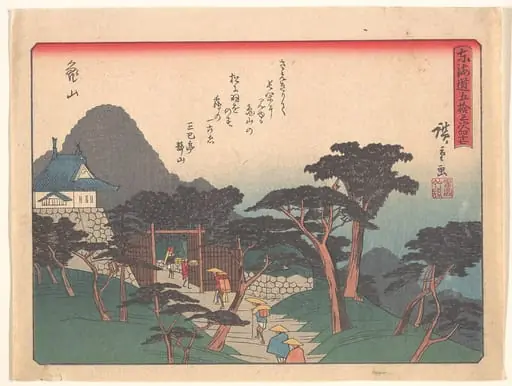 東海道五十三次 亀山|Kameyama, from the series The Fifty-three Stations of the Tōkaidō Road
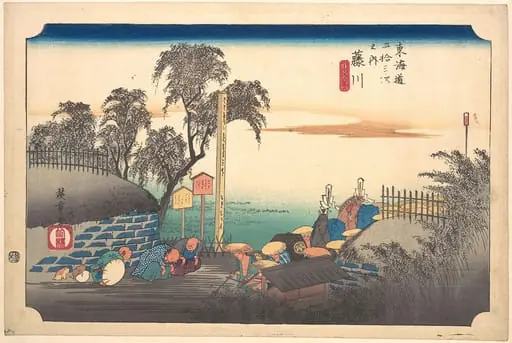 東海道五十三次之内 藤川 棒鼻の図|Station Thirty-Eight: Fujikawa, Scene at the Border, from the Fifty-Three Stations of the Tokaido