Artwork
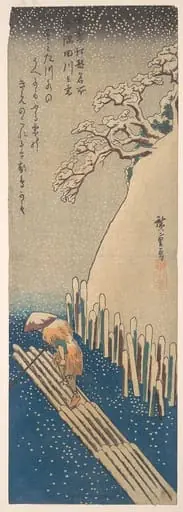
Sumidagawa no yuki|Sumida River in the Snow, from the series "Famous Places in Edo in the Four Seasons"
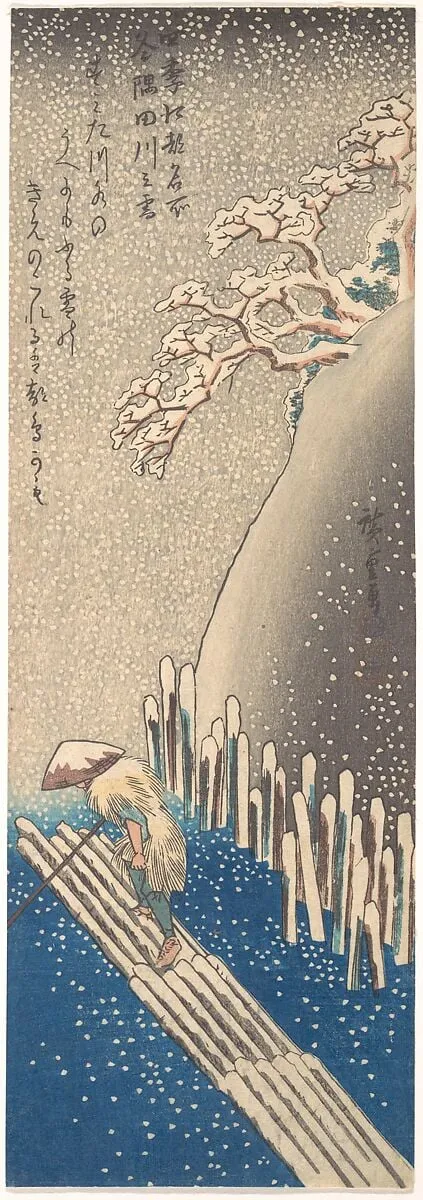
Sumidagawa no yuki|Sumida River in the Snow, from the series "Famous Places in Edo in the Four Seasons" is an ink print by the Romanticist artist Utagawa Hiroshige. It dates from 1834 and is held in the collection of the Metropolitan Museum of Art.
- Accession no.
- JP2503
About this work
Overview
Created in 1834 by Utagawa Hiroshige, this tanzaku-format woodblock print is part of a series depicting Edo’s landscapes through the seasons.
Created in 1834 by Utagawa Hiroshige, this tanzaku-format woodblock print is part of a series depicting Edo’s landscapes through the seasons. Unlike typical ukiyo-e subjects centered on theater or pleasure quarters, Hiroshige turned his attention to quiet, everyday natural settings. The print captures a winter night along the Sumida River, rendered in ink and subtle color on paper, emphasizing atmosphere over narrative.
Subject & Meaning
A solitary traveler, cloaked and leaning on a staff, moves along a snow-covered path beside the river. Tall bamboo stalks rise sharply in the foreground, their dark forms contrasting with the pale snow. The river, marked by faint white dots, suggests frozen stillness.
The lone figure and sparse vegetation evoke solitude and the quiet endurance of nature, reflecting a contemplative mood common in late Edo-period landscape art.
Technique & Style
Hiroshige employed fine, controlled lines to suggest the weight of snow on branches and the texture of bamboo bark. Subtle gradations of ink and pale color convey the chill of night without bold contrasts. The composition uses negative space to amplify the sense of cold and silence. Cross-hatching and minimal detail guide the viewer’s eye toward the lone figure, reinforcing the scene’s meditative tone.
History & Provenance
This print was produced during Hiroshige’s early period of landscape-focused work, shortly after the release of his first major series. It was part of a commercially successful set that helped redefine ukiyo-e’s scope. Original impressions were widely distributed among Edo’s middle class, and surviving examples are now held in major museum collections, including the Metropolitan Museum of Art and the British Museum.
Context
In the 1830s, Edo’s growing urban population developed a taste for prints depicting familiar local scenery. Travel guides and illustrated itineraries fueled interest in regional landmarks. Hiroshige’s series responded to this trend, offering intimate, seasonal views of the city’s outskirts, transforming ordinary places into subjects worthy of artistic attention.
Legacy
Hiroshige’s approach to landscape influenced later Japanese artists and, through exports to Europe, impacted 19th-century Western painters like Van Gogh and Monet. His emphasis on mood, seasonal change, and quiet observation helped shift ukiyo-e from entertainment toward poetic realism. This print remains a key example of how everyday nature could be rendered with emotional depth through woodblock technique.
Artist & collection
Artist
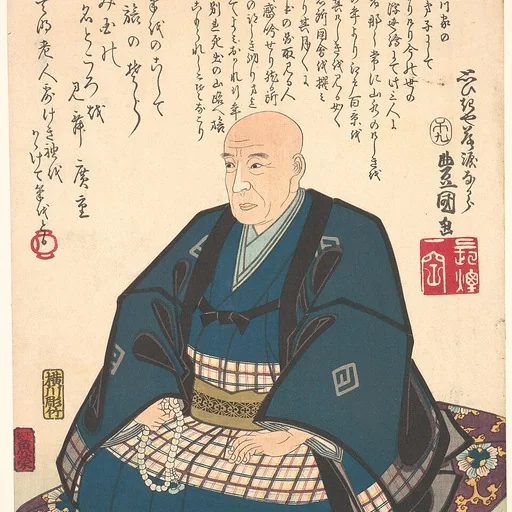
Utagawa Hiroshige (歌川 広重) or Andō Hiroshige (安藤 広重), born Andō Tokutarō (安藤 徳太郎; 1797 – 12 October 1858), was a Japanese ukiyo-e artist, considered the last great master of that tradition.

 Untitled
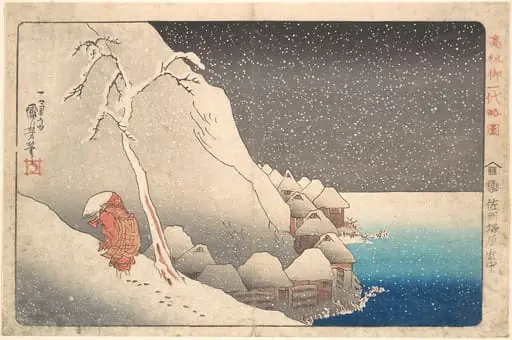 歌川国芳画 「高祖御一代略図 佐州塚原雪中」|Concise Illustrated Biography of Monk Nichiren: In Snow at Tsukahara on Sado Island
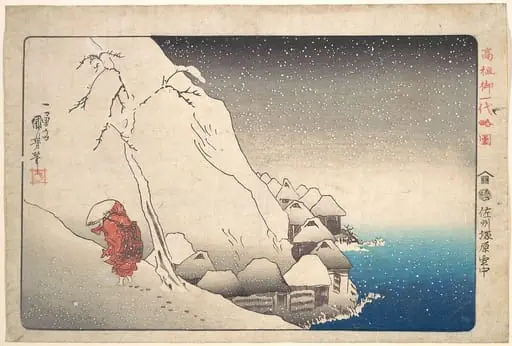 Sashu Tsukahara setchu|Nichiren in Snow at Tsukahara, Sodo Province
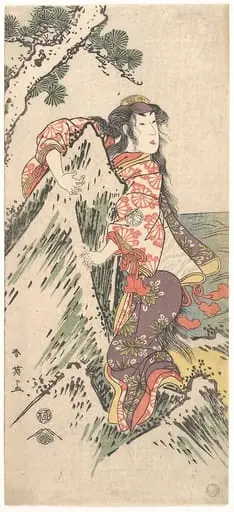 三代目瀬川菊之丞|Kabuki Actor Segawa Kikunojō III in a Female Role
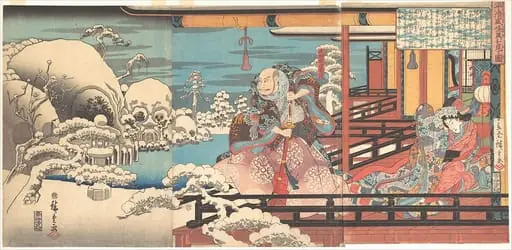 歌川広重画 「平清盛怪異を見る図」|Taira no Kiyomori's Spectral Vision
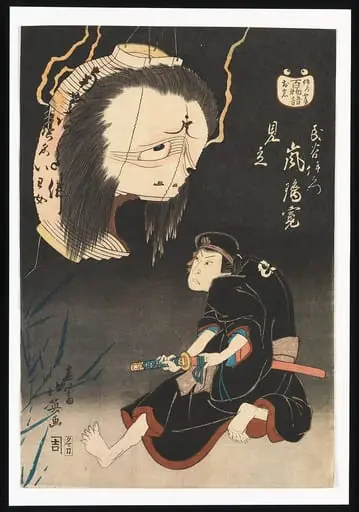 春江斎北英画 二代目嵐璃寛 見立 「百物語」|Kabuki Actor Arashi Rikan II as Iemon Confronted by an Image of His Murdered Wife, Oiwa, on a Broken Lantern, Referring to Katsushika Hokusai’s Hyaku monogatari (One Hundred Ghost Stories)
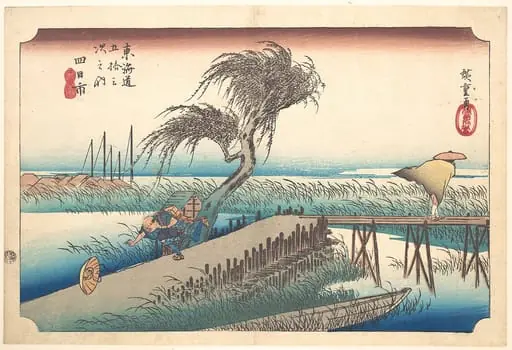 東海道五十三次之内 四日市 三重川|Mie River at Yokkaichi
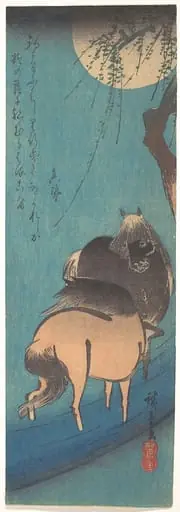 Untitled
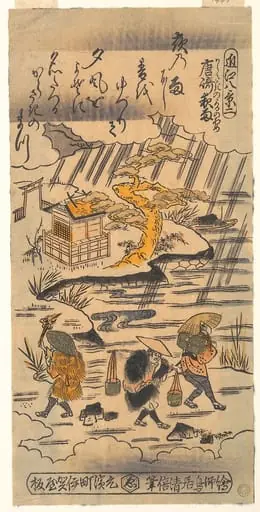 Untitled