Artwork
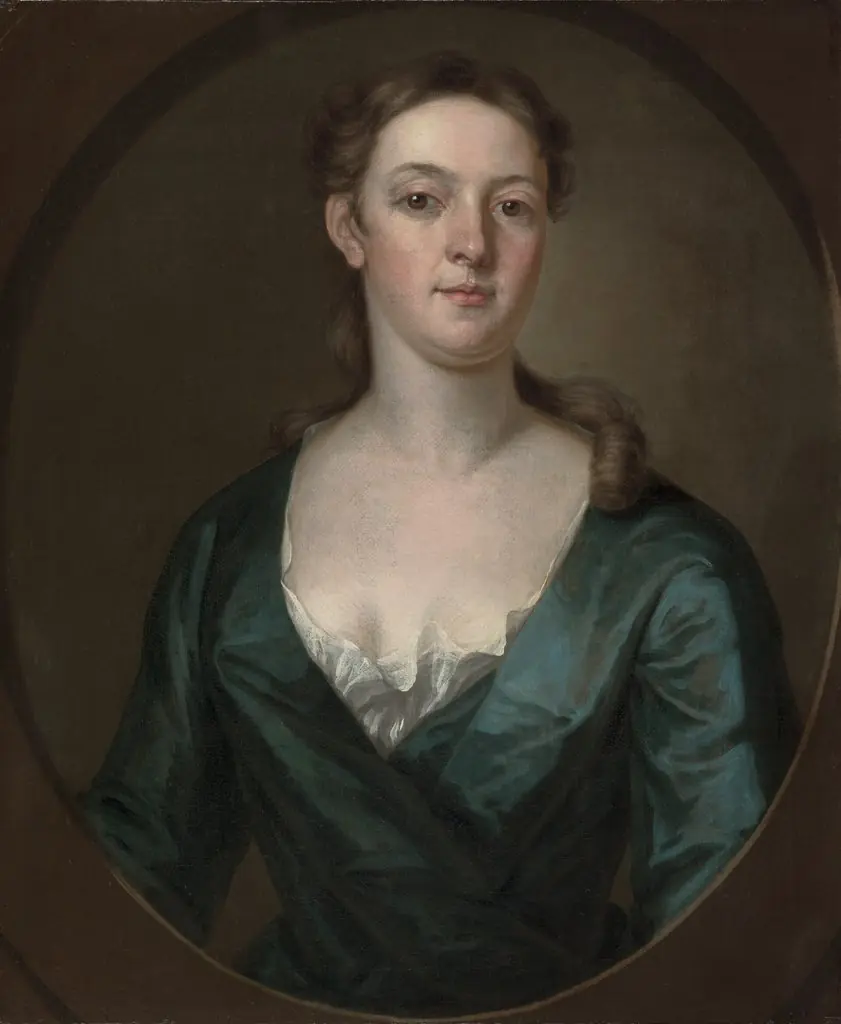
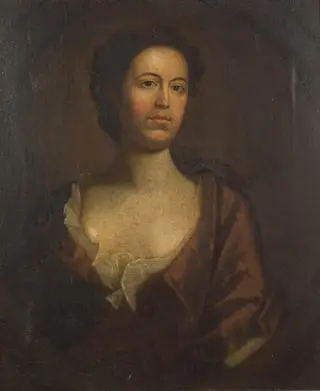
Portrait of a Lady
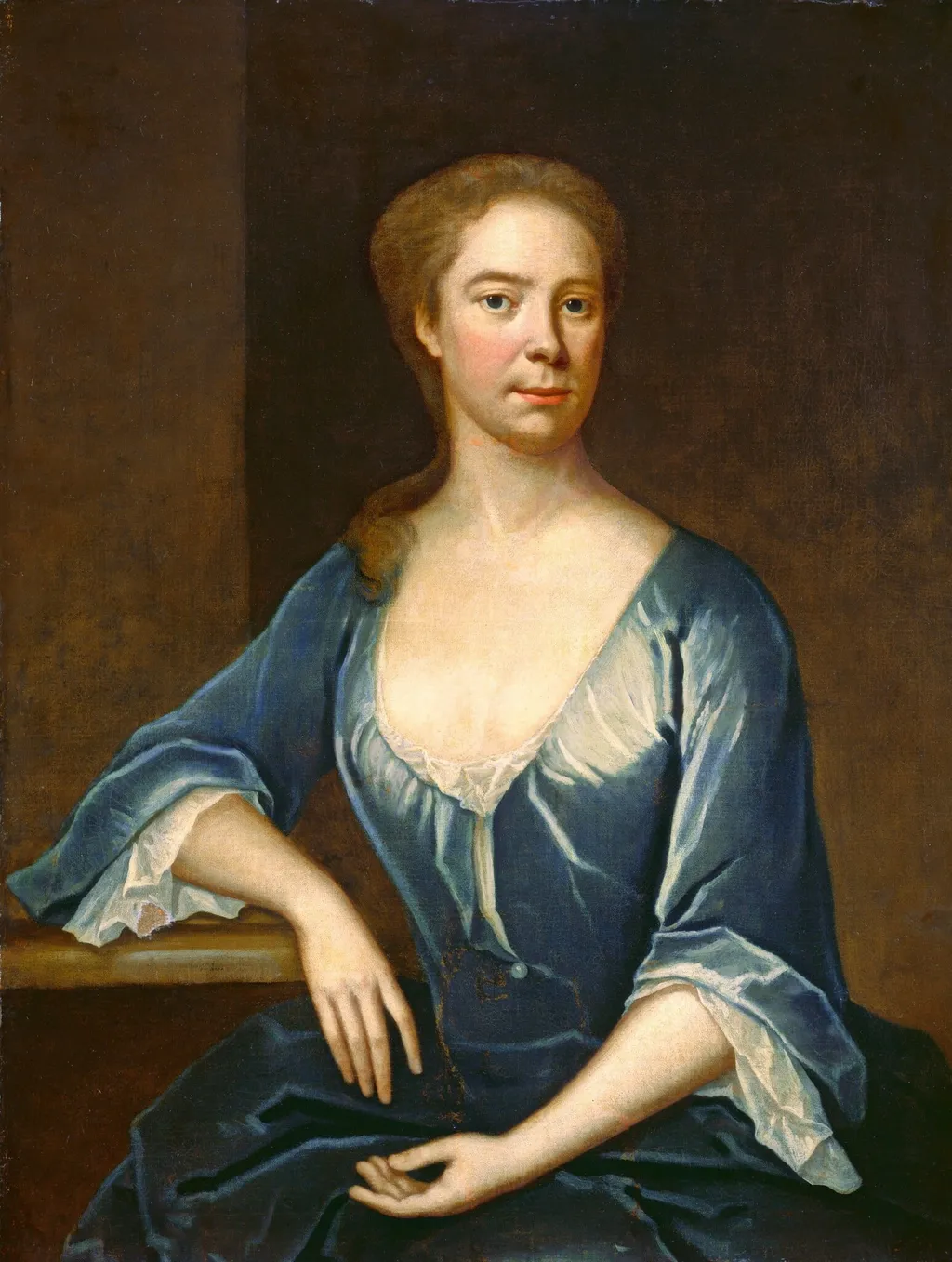
Portrait of a Lady is an oil painting by the Baroque artist Maria Verelst. It dates from 1722 and is held in the collection of the National Gallery of Art.
- Inscription
- Inscribed:falsely signed and dated, lower left on ledge: Jn.Smibert.fecit.1746
About this work
Subject & Meaning
The sitter is shown in contemporary attire that signals aristocratic status, suggesting the painting functions as a visual record of elite colonial identity.
The work presents a full‑length portrait of an adult woman, identified in the 1924 sale as Susannah de Lancey, Lady Warren, though the attribution is noted as unverified in scholarly notes. The sitter is shown in contemporary attire that signals aristocratic status, suggesting the painting functions as a visual record of elite colonial identity. No additional iconographic attributes or symbolic objects accompany the figure, leaving the meaning primarily tied to representation of social position rather than allegorical narrative. The subject’s gender and refined dress underscore contemporary ideals of femininity and status among the American elite.
Technique & Style
The Portrait of a Lady is an oil painting on canvas, created in 1715 and measuring approximately 91.4 cm in height by 71.1 cm in width. It is executed in oil paint on a canvas support, a technique typical of early 18th‑century portraiture. The work belongs to the portrait genre and represents a woman, consistent with its classification in the corpus.
The painting was produced by Maria Verelst, a Dutch portraitist, and later entered the National Gallery of Art through the Andrew W. Mellon collection.
History & Provenance
The painting was created in 1715 by Maria Verelst, executed in oil on canvas. Its early provenance is uncertain: the dealer Rose M. de Forest of New York supplied a chain tracing the work to James de Lancey of New York, brother of the supposed sitter, but this account has been described as unsatisfactory and unverifiable, according to Henry Wilder Foote's 1950 study of John Smibert. On 2 July 1924, de Forest sold the work to Thomas B. Clarke in New York, at which point it was attributed to John Smibert and identified as a portrait of Susannah de Lancey, Lady Warren.
Following Clarke's death in 1931, his executors transferred the painting to M. Knoedler & Co. in New York. On 29 January 1936, it was purchased from Knoedler as part of the Clarke collection by The A.W. Mellon Educational and Charitable Trust, which gifted it to the National Gallery of Art in 1947.
The painting is held by the National Gallery of Art in Washington, D.C., as part of the Andrew W. Mellon Collection. It entered the institution in 1947 as a gift from The A.W. Mellon Educational and Charitable Trust, which had purchased it on 29 January 1936 from M. Knoedler & Co. in New York. The Knoedler acquisition was made from the executors of Thomas B. Clarke (1848–1931), who had bought the work on 2 July 1924 from Mrs. Augustus de Forest, also in New York, at which point it was attributed to John Smibert and identified as a portrait of Susannah de Lancey, Lady Warren.
The earlier provenance from James de Lancey, supplied by the dealer de Forest, has been described as unsatisfactory and unverifiable. A 1928 Clarke exhibition catalogue documented the work during Clarke's ownership.
Context
The work entered the National Gallery of Art through the bequest of the Andrew W. Mellon Educational and Charitable Trust, having previously been owned by Thomas B. Clarke and the dealer M. Knoedler & Co. Scholars have highlighted the tenuous provenance, noting that the claimed lineage from James de Lancey is unverified and that the attribution to Maria Verelst rests on stylistic comparison rather than documentary evidence (see Clarke exhibition catalogue, annotated by Knoedler files; Foote 1950). As a 1715 oil portrait, it exemplifies early Georgian portraiture and is catalogued in the NGA’s collection as part of the Verelst corpus, underscoring the artist’s role in introducing Dutch portrait conventions to England.
Legacy
The painting entered the National Gallery of Art in 1947 through the A.W. Mellon Educational and Charitable Trust, marking its acceptance as a significant example of early Georgian portraiture. Scholars such as Henry Wilder Foote have examined its provenance and attributed it to Maria Verelst, reinforcing its role in studies of 18th‑century women artists. Its inclusion in the Clarke collection exhibition catalogue and subsequent museum displays has heightened scholarly attention to Verelst’s oeuvre and to the broader narrative of colonial‑era portraiture. The work remains a reference point in catalogues and academic publications on British‑American art.
Overview
Maria Verelst's "Portrait of a Lady," painted around 1722, is an oil on canvas depicting an unidentified woman. This work exemplifies the portraiture common in the early 18th century, focusing on the sitter's composed demeanor and social standing. The artist utilizes a restrained palette to emphasize the subject's presence within the frame, characteristic of the period's aesthetic.
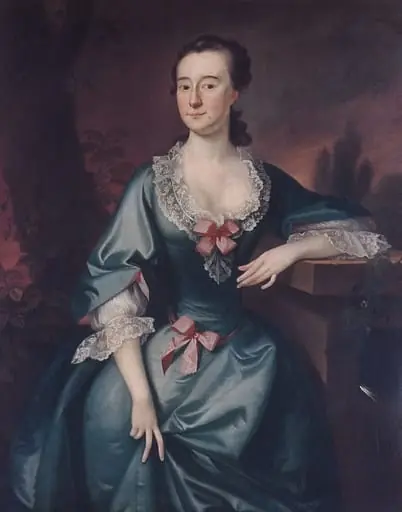
Own this work as a print
Artist & collection
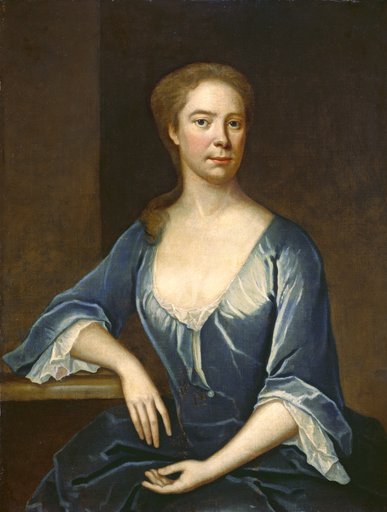

- Mrs. David Chesebrough
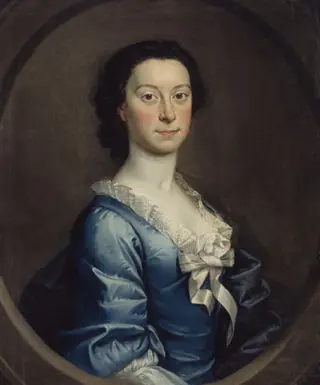 Possible Portrait of Hester Vanhomrigh ('Vanessa') (1690-1723)
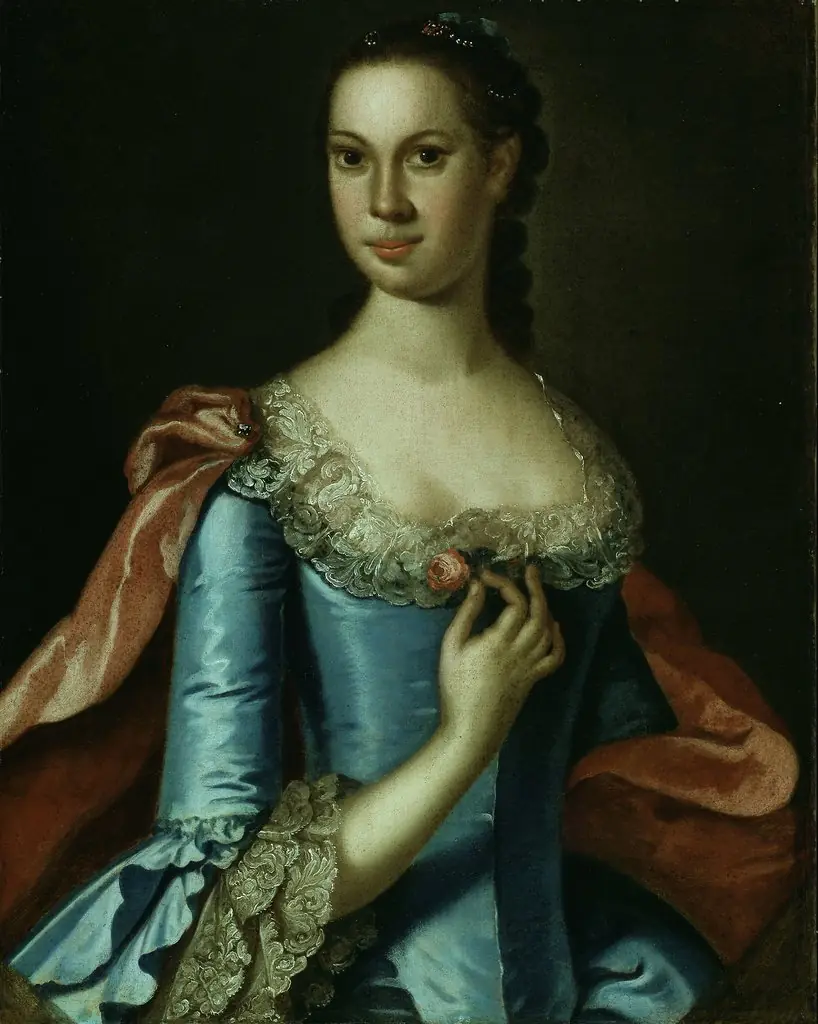 Mrs. William Carmichael
 Portrait of a Woman (Judith Colman Bulfinch?)
 Mrs. Tyng
 Portrait of a Woman (Judith Colman Bulfinch?)
 Mrs. Joseph Warren (Elizabeth Hooton)
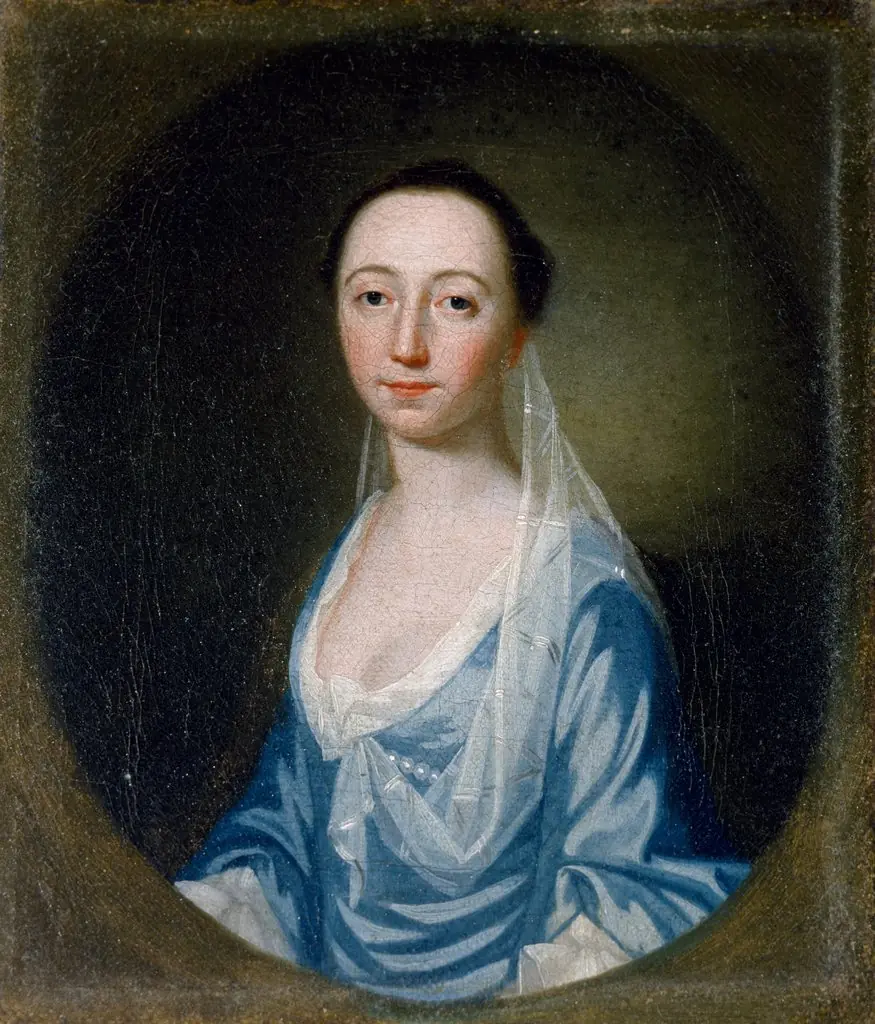 Millicent Watson
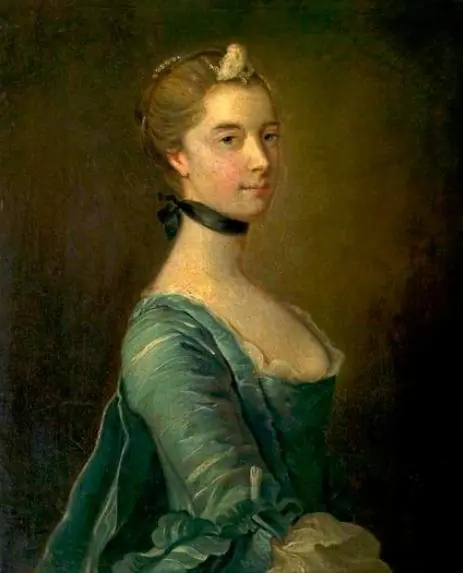 Portrait of an Unknown Woman (possibly Laura Walpole)
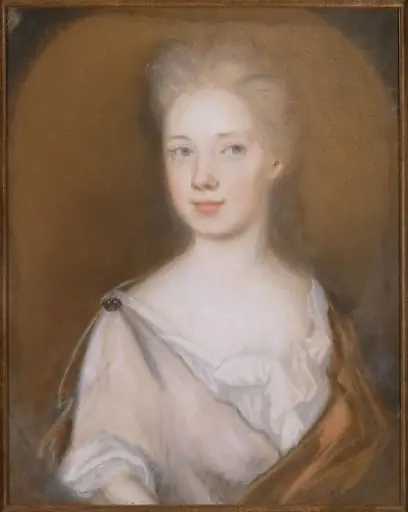 Mrs. Pierre Bacot (Marianne Fleur Du Gue)
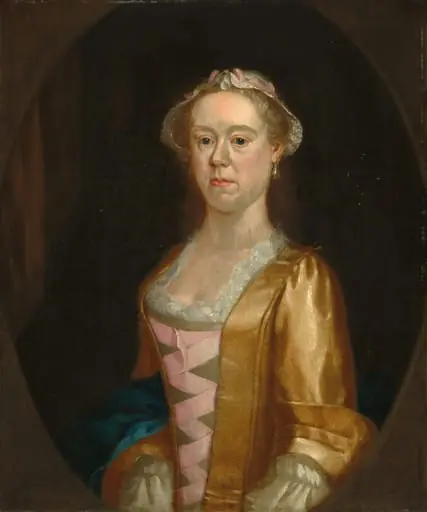 Portrait of a Lady
 Mrs Edward Lloyd