Artwork
Francis Bacon
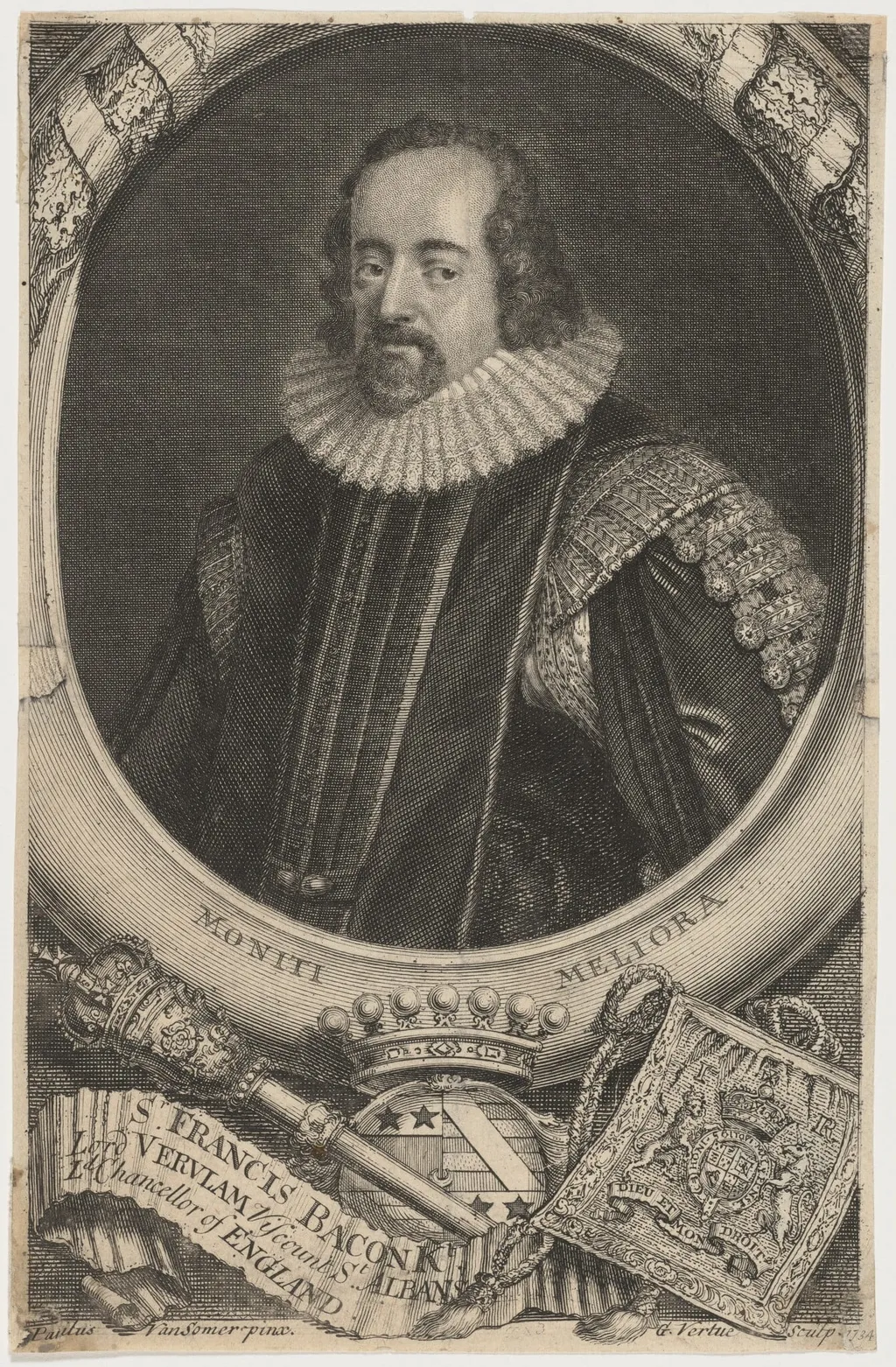
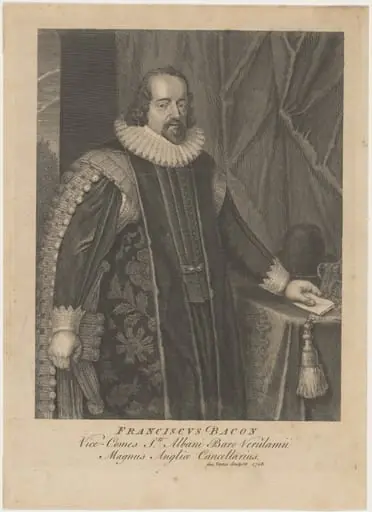
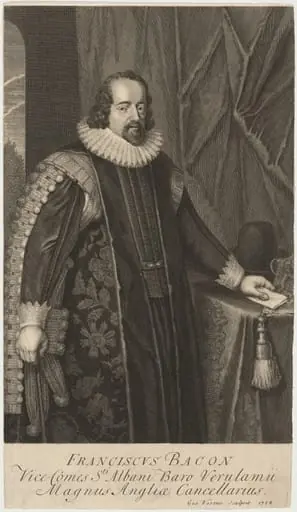
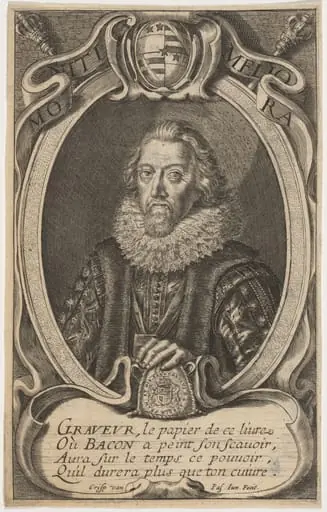
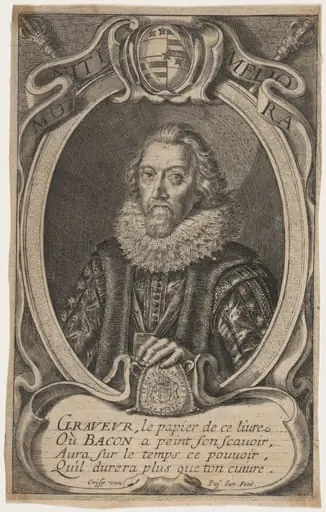
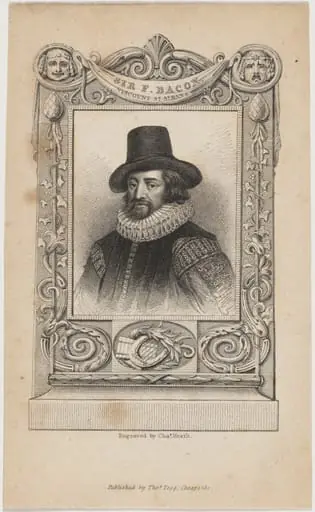
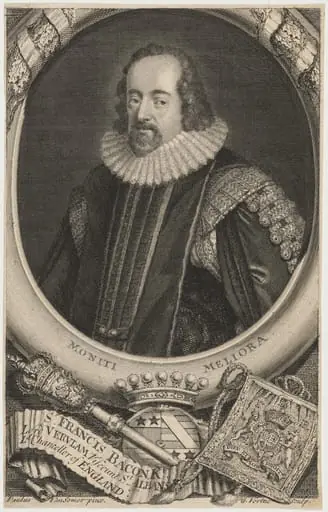
Francis Bacon is an ink print by the Baroque artist George Vertue. It dates from 1734 and is held in the collection of the National Gallery of Art.
About this work
Overview
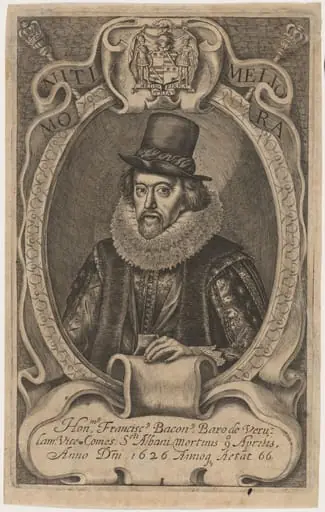
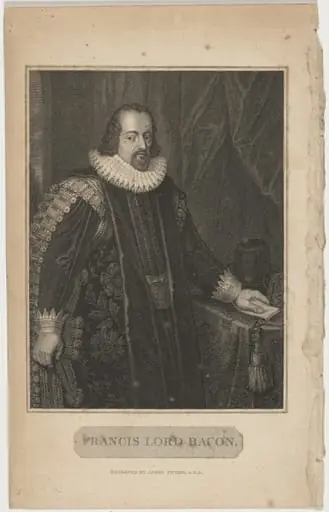
This 1734 engraving by George Vertue depicts Francis Bacon, a prominent historical figure, in a formal, old-fashioned attire, set within an ornate circular frame.
Subject & Meaning
The subject, Francis Bacon, is identified in the inscription as Viscount St. Alban and Chancellor of England, highlighting his significant political and intellectual stature in the 17th century.
Technique & Style
Executed as a black-and-white engraving, the work features detailed, carved lines on a metal plate, characteristic of the medium. The composition includes a stiff, ruffled collar, a dark robe with a fur-lined hood, and an elaborately patterned frame crowned at the bottom.
History & Provenance
Created in 1734 by George Vertue, the engraving portrays a figure from the preceding century, suggesting a commemorative or biographical intent behind its creation.
Context
The portrayal of Bacon in formal, somewhat archaic dress reflects the artistic conventions of depicting historical figures in attire of their time, even when the artwork is produced later.
Legacy
As a representation of a pivotal intellectual and political figure, this engraving contributes to the visual legacy of Francis Bacon, though its specific impact or influence on subsequent art or historical perception is not distinctly outlined by the available information.
Own this work as a print
Artist & collection