Artwork
Maria Josepha of Saxony
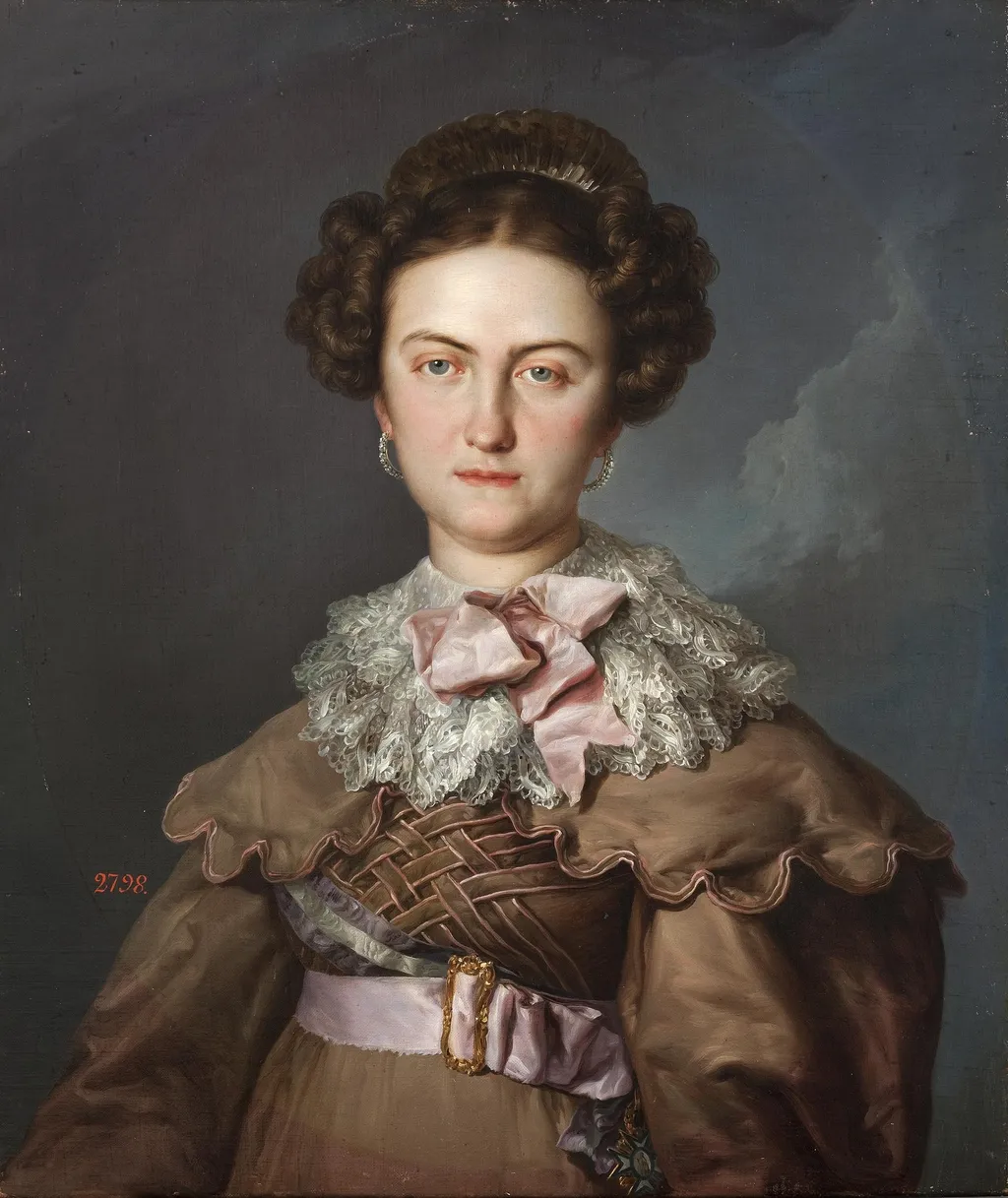
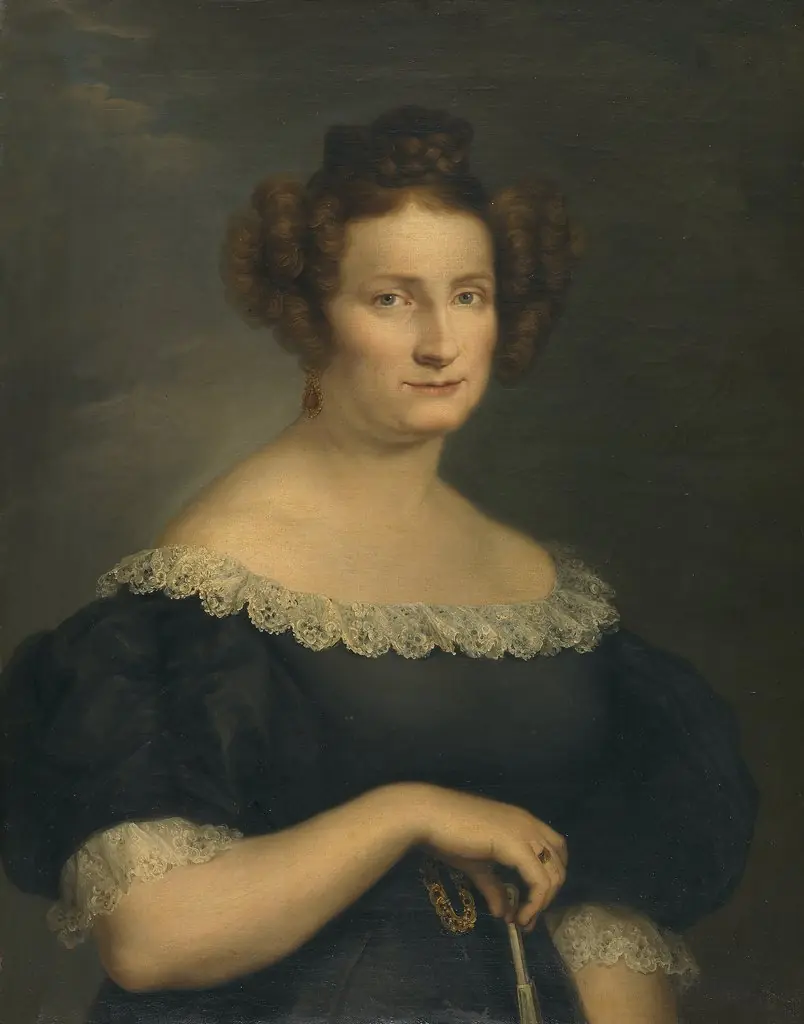
Maria Josepha of Saxony is an oil painting by Vicente López Portaña. It dates from 1828 and is held in the collection of the Museo del Prado.
About this work
The level of detail and realism in this painting is impressive, particularly in the depiction of the woman's clothing and accessories.
This portrait painting depicts a woman with dark hair styled in an updo, adorned with a white lace collar and a pink bow. She wears a brown dress featuring a pink belt and a woven design on her chest. The background of the painting is a dark gray color.
The woman's attire and hairstyle suggest that the painting was created in the 19th century. Her expression is neutral, and she appears to be looking directly at the viewer.
The level of detail and realism in this painting is impressive, particularly in the depiction of the woman's clothing and accessories. To learn more about the artist behind this work, look up Vicente López Portaña.
Subject & Meaning
This 1828 oil painting by Vicente López Portaña depicts Maria Josepha Amalia of Saxony as its primary subject. The work functions as a formal portrait, capturing the likeness of the Saxon princess who became Queen of Spain. A key element of the composition's iconography is the inclusion of the Order of Queen Maria Luisa, a prestigious chivalric order, which the subject is shown wearing.
This specific decoration serves as a symbol of her royal status and official recognition within the Spanish court. The painting represents her identity not just as an individual, but as a figure of institutional power and nobility, defined by the honors bestowed upon her.
Technique & Style
Created in 1828 by Vicente López Portaña, the portrait of Maria Josepha of Saxony is executed in oil paint on a canvas support. The work measures 70 cm in height and 59 cm in width, adhering to the dimensions recorded for the piece held by the Museo del Prado. As a formal portrait, the painting depicts the sitter wearing the Order of Queen Maria Luisa. The composition is currently kept in museum storage.
History & Provenance
The portrait of Maria Josepha of Saxony was produced by Vicente López Portaña in 1828, executed in oil paint on canvas. The work was created as a portrait depicting Maria Josepha Amalia of Saxony, shown wearing the Order of Queen Maria Luisa. It is now part of the collection of the Museo del Prado, where it is held in museum storage.
The sources do not provide further details regarding the original commission, the circumstances of its creation, or the chain of ownership prior to its acquisition by the Museo del Prado.
The painting is part of the Museo del Prado collection and is stored in its reserves. It was created in 1828 by Vicente López Portaña and measures 70 cm in height by 59 cm in width. The work has been exhibited at the Museo del Prado in Madrid.
Context
The 1828 portrait by Vicente López Portaña depicts Maria Josepha Amalia of Saxony wearing the Order of Queen Maria Luisa, reflecting her status and diplomatic connections within the Spanish court. Its current location in Museo del Prado storage, rather than public display, suggests evolving scholarly assessment of its significance within the artist's oeuvre and broader neoclassical portraiture. Contemporary analyses of López Portaña's work often contextualize this piece alongside his royal commissions, highlighting its technical mastery and role in documenting aristocratic identity during a transitional period in Iberian art history.
Research on the painting's iconography and provenance contributes to understanding colonial-era representations of European nobility, particularly how such portraits functioned as tools of political symbolism and dynastic legitimacy in the early 19th century.
Legacy
The portrait remained in the Museo del Prado collection, where it was catalogued as part of the museum’s holdings of 19th‑century Spanish portraiture. Its depiction of Maria Josepha Amalia of Saxony, rendered in oil on canvas, contributed to scholarly discussions of royal iconography in early‑century Spanish art. The work’s inclusion in museum storage after its initial display highlighted its historical significance within the institution’s archives.
Overview
In 1828, Vicente López Portaña, a prominent Spanish portraitist of the early nineteenth century, painted a formal likeness of Maria Josepha Amalia of Saxony. The oil on canvas presents the duchess in a restrained pose, her gaze meeting the viewer, and is now part of the Museo del Prado’s collection.
Own this work as a print
Artist & collection
Artist
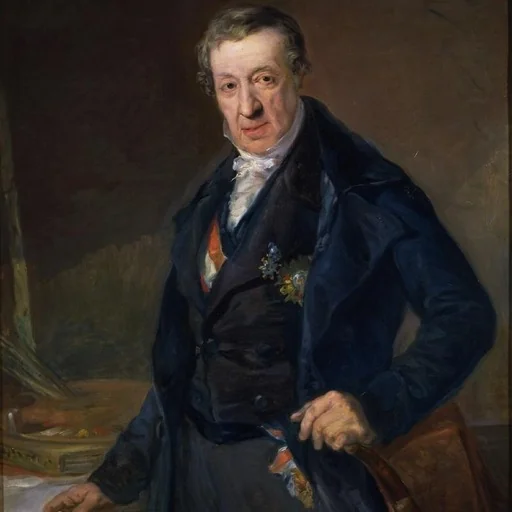
Vicente López Portaña (Spanish:; 19 September 1772 – 22 July 1850) was a Spanish painter, considered one of the best portrait painters of his time.

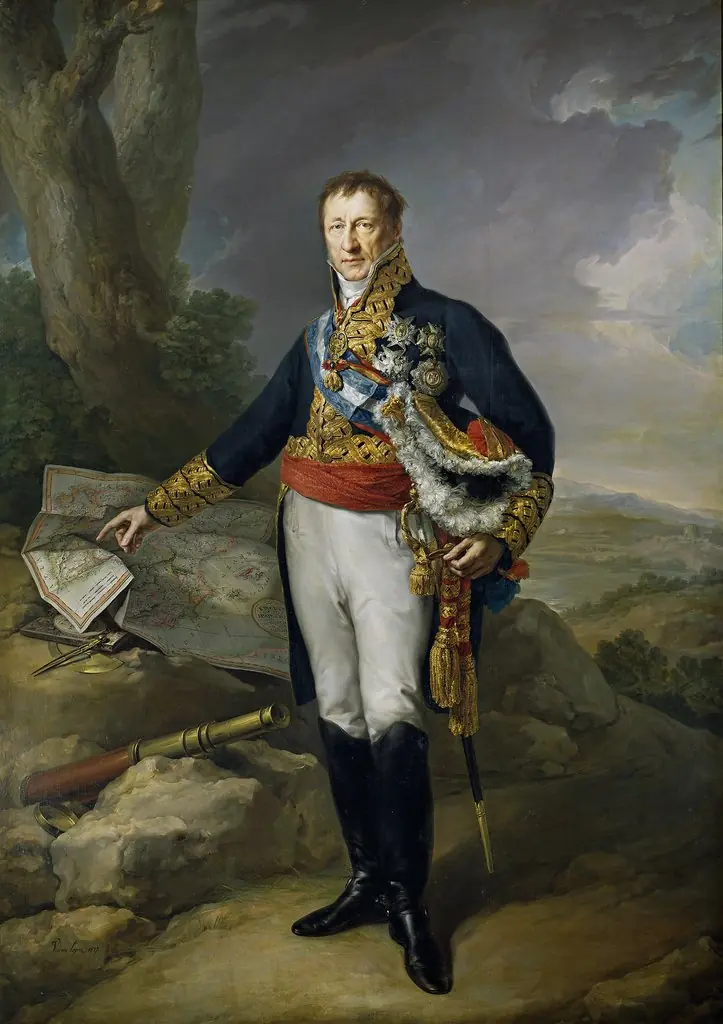 Pedro de Alcántara Álvarez de Toledo y Salm Salm, XIII duque del Infantado
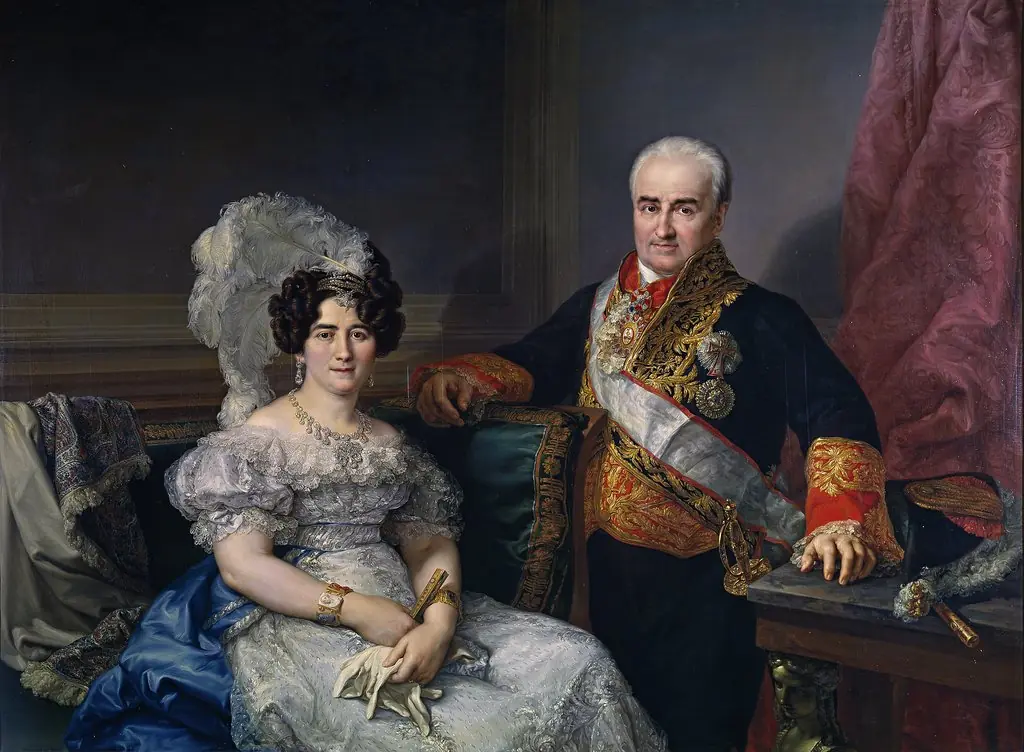 Antonio Ugarte and his wife Maria Antonia Larrazábal
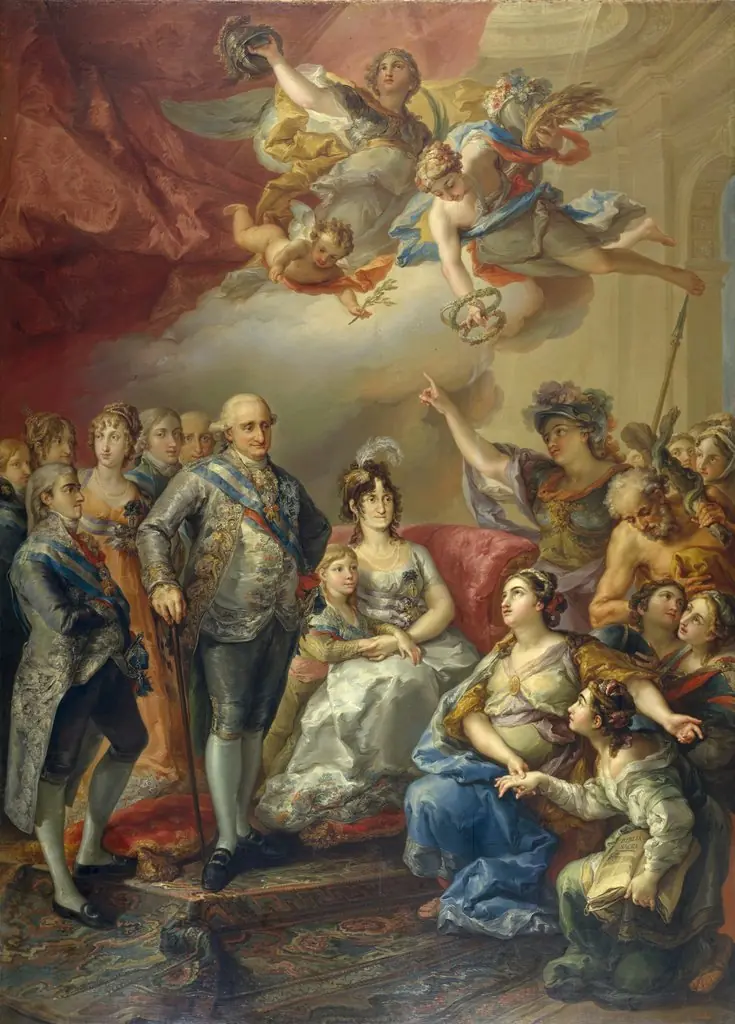 Charles IV and his Family honoured by the University of Valencia
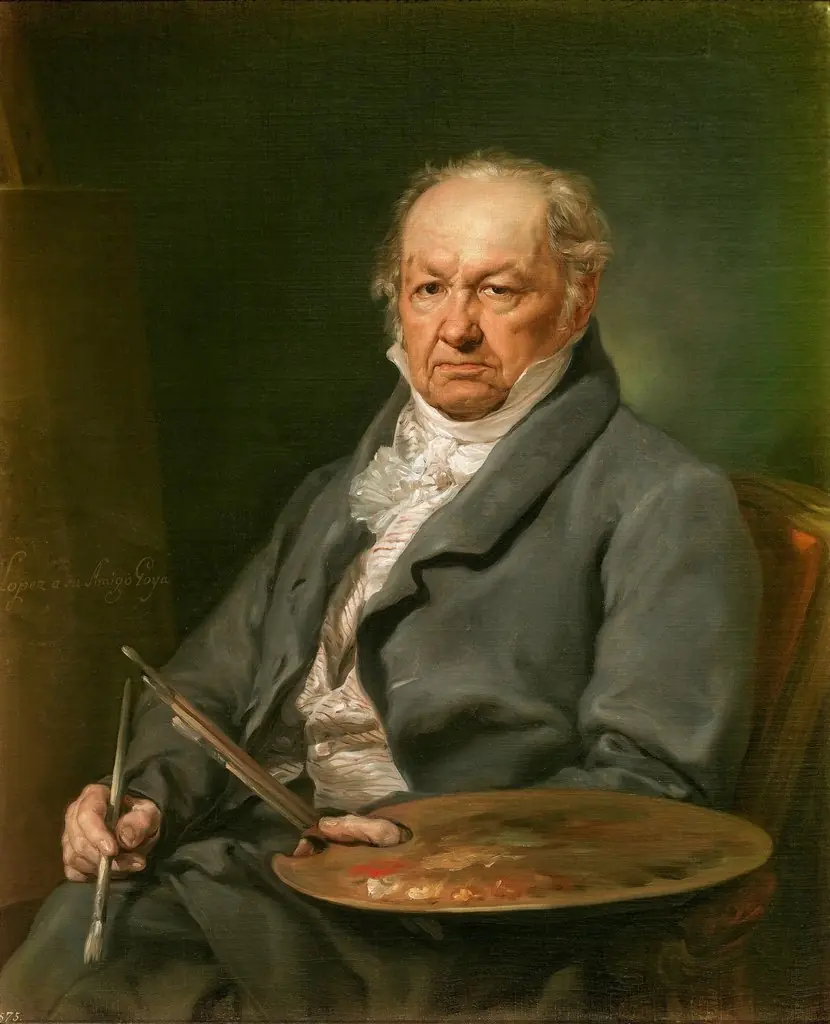 The Painter Francisco Goya
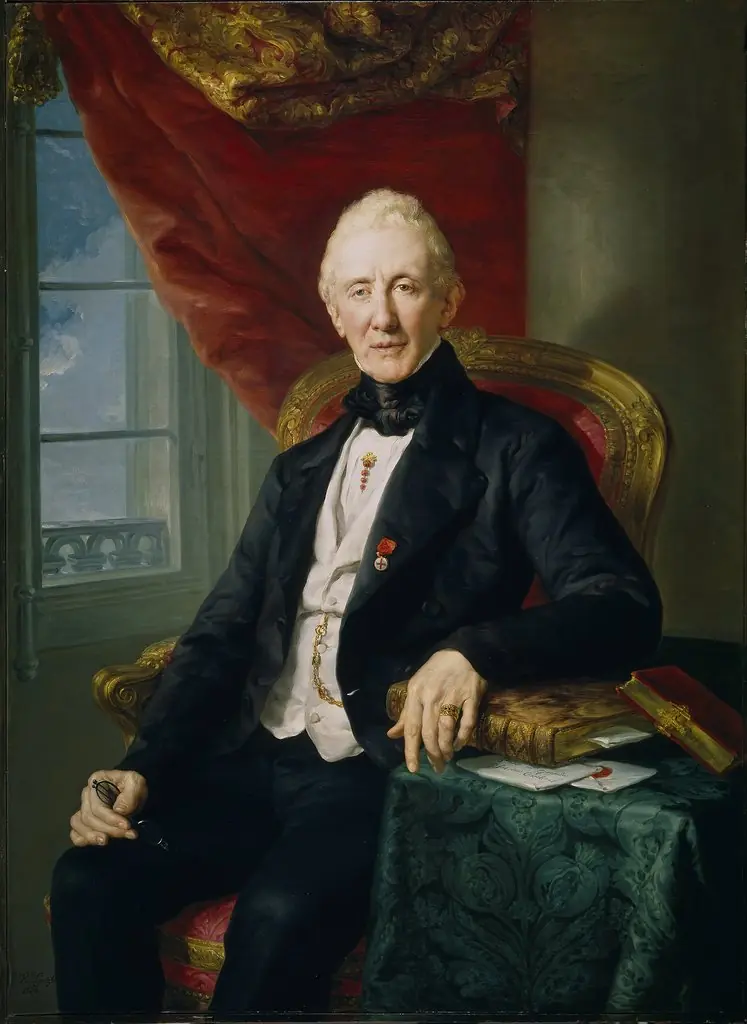 José Gutiérrez de los Ríos
 Portrait of Marie-Thérèse Geoffrin, geb. Rodet (1699-1777)
 Félix Máximo López, First Organist of the Royal Chapel
 María Pilar de la Cerda y Marín de Resende, Duchess of Nájera
 Portrait of Leontyna Aniela Aszpergerówna
 Portrait of Adriana Johanna van Wijck, Wife of Johannes Ploos van Amstel
 Manuela Tolosa y Aviñón
 María Cristina de Borbon, Queen of Spain
 Emilie Henriette Massmann, gift 1824 med kammerjunker Frederik Wilhelm Caspar von Benzon
 Portrait of an Adolescent Girl
 Portrait of Elisabeth Troost (1730-1790)
 Marie Raffenberg, the Artist's Betrothed
 Portrait of Celina Radziwiłł née Sulistrowska (1805–1836)
 Cecilia Santos
 Anastasia Rudeanu, sora actorului Grigore Manolescu
- Maria Amalia of Saxony, Queen of Spain