Artwork
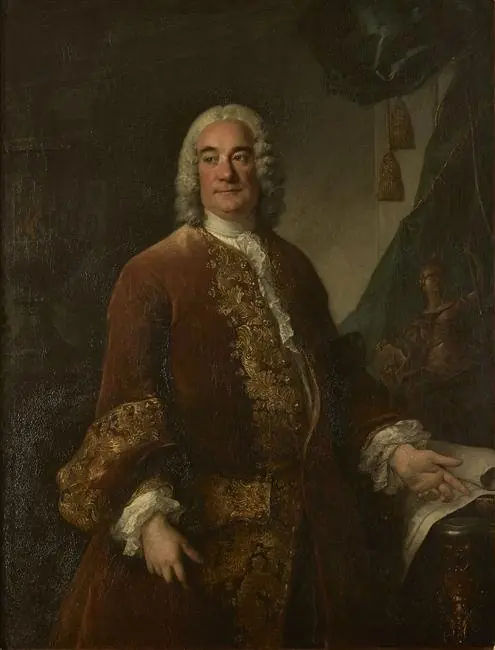
Portrait of Lorenz Spengler, Ivory Turner and Curator of the Royal Danish Kunstkammer
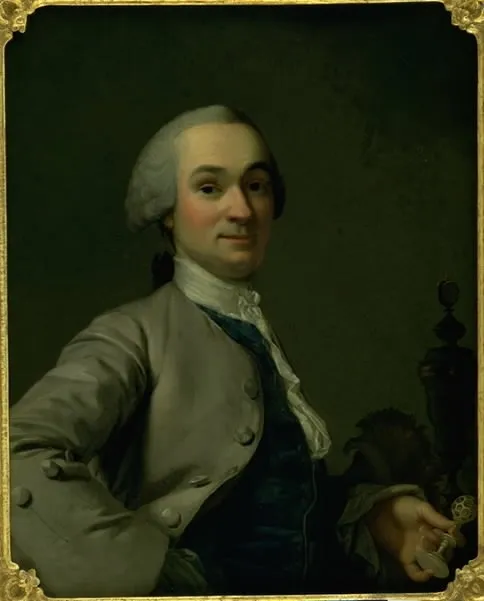
Portrait of Lorenz Spengler, Ivory Turner and Curator of the Royal Danish Kunstkammer is an oil painting by the Rococo painting artist Vigilius Eriksen. It dates from 1756 and is held in the collection of the Statens Museum for Kunst.
About this work
Subject & Meaning
As a formal portrait, the image functions primarily as a likeness of Spengler, capturing his status during the mid-eighteenth century.
Painted by Vigilius Eriksen in 1756, this oil on canvas work depicts Lorenz Spengler, identified as an ivory turner and the curator of the Royal Danish Kunstkammer. As a formal portrait, the image functions primarily as a likeness of Spengler, capturing his status during the mid-eighteenth century. The painting is currently held in the collection of the Statens Museum for Kunst.
While the specific iconographic details or symbolic attributes within the composition are not described in the available records, the work serves as a visual document of Spengler's professional identity and role within the Danish royal institution.
History & Provenance
The painting was created in 1756 by Vigilius Eriksen, depicting Lorenz Spengler, who served as Ivory Turner and Curator of the Royal Danish Kunstkammer. It was executed in oil on canvas, measuring 78.5 cm in height and 62 cm in width. The work entered the collection of the Statens Museum for Kunst, where it remains on display.
Provenance records indicate the painting was commissioned for the Royal Danish Kunstkammer and has been part of the museum's holdings since its creation, reflecting its enduring significance within Danish artistic and institutional history.
Overview
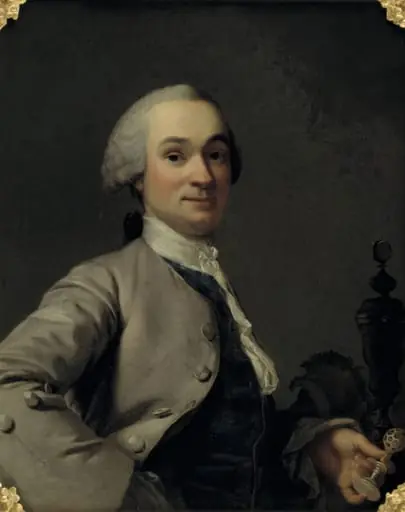
Vigilius Eriksen, the Danish court painter active under King Christian VI, executed an oil portrait of Lorenz Spengler in 1756. The canvas presents the ivory turner and curator of the royal Kunstkammer in a composed pose, his gaze meeting the viewer. The painting belongs to the collection of the Statens Museum for Kunst and exemplifies mid‑ eighteenth‑century Danish portraiture.
Technique & Style
Eriksen employs the Rococo’s refined elegance, using a restrained palette and soft modelling of light. The contrast between the dark background and the illuminated figure creates a chiaroscuro effect that gives the portrait a three‑dimensional presence. Brushwork remains smooth and precise, emphasizing the sitter’s features without overt dramatization.
Context
The work reflects the conventions of mid‑eighteenth‑century court portraiture in Denmark, where artists like Eriksen balanced decorative Rococo elements with the dignified representation of officials. As curator of the Kunstkammer, Spengler’s portrait also signals the growing importance of scientific and artistic collections within the Enlightenment era court.
Artist & collection
Artist
Vigilius Eriksen (2 September 1722 in Copenhagen – 25 May 1782 in Rungstedgård) was a Danish painter. He was the royal portraitist to Christian VI of Denmark.

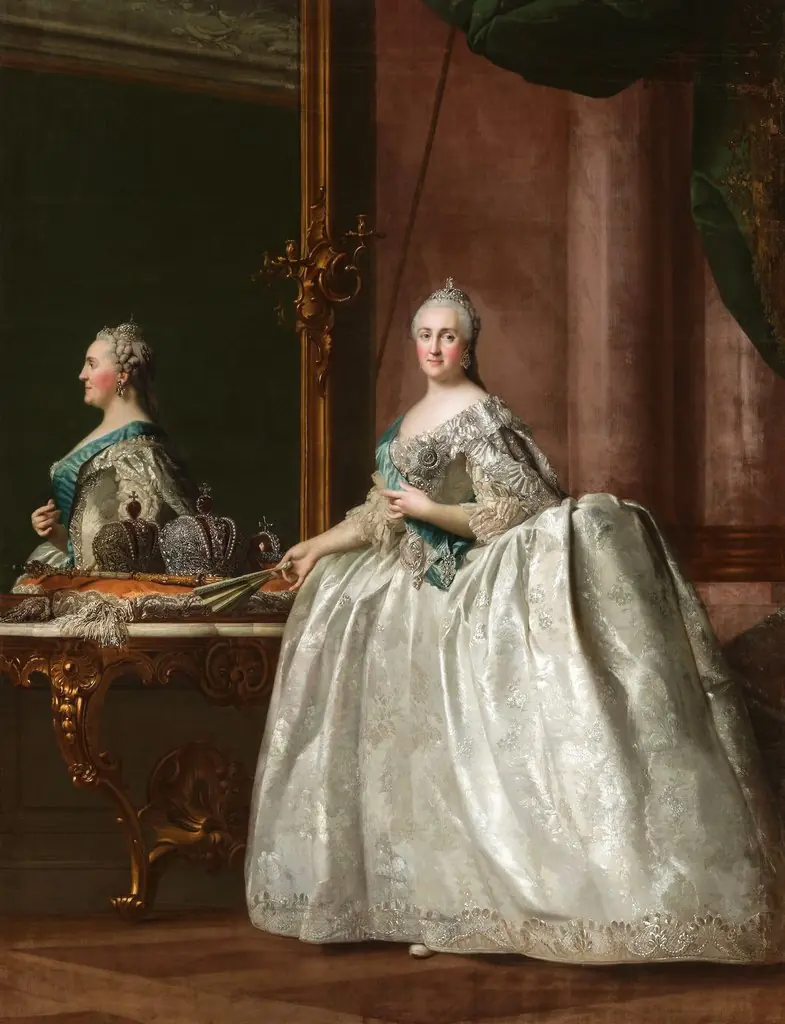 Portrait of Catherine II in front of a Mirror
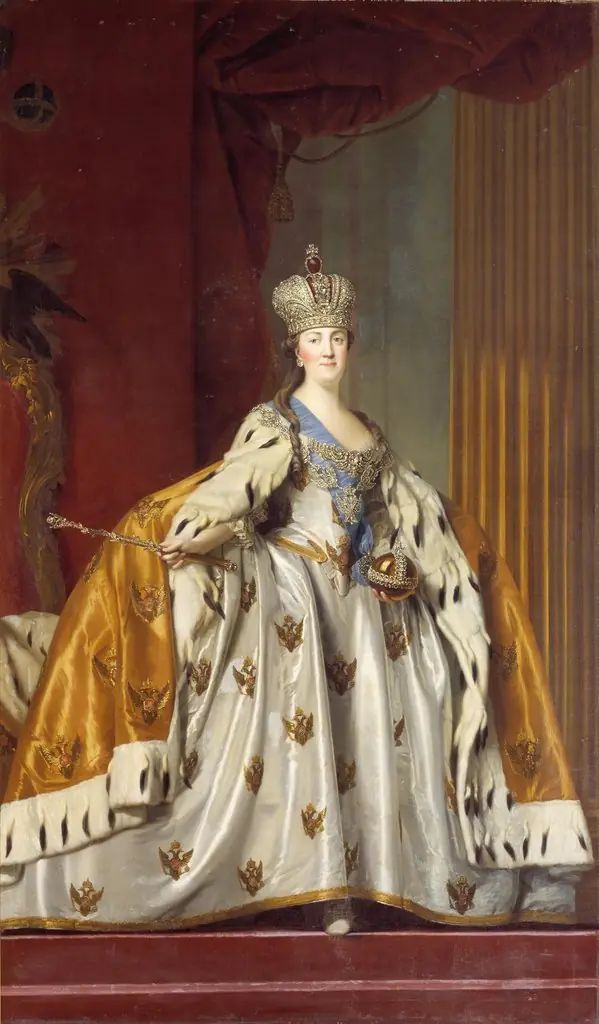 Catherine II, Empress of Russia (1729-1796)
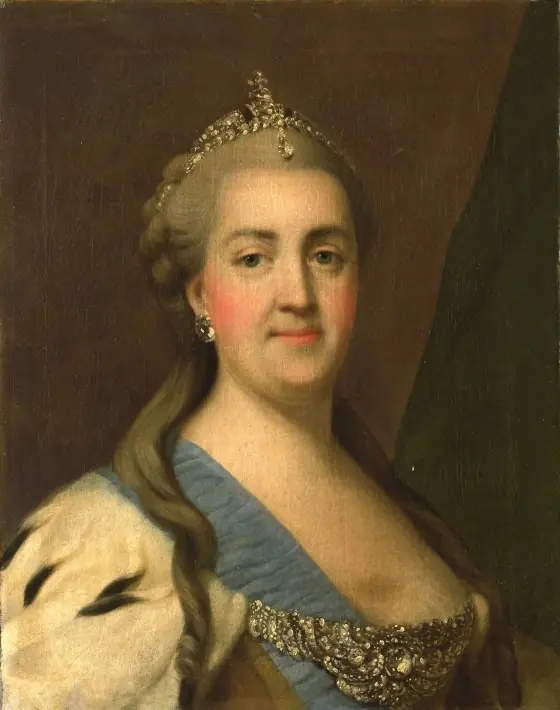 Portrait of Catherine II (1729-96), empress of Russia
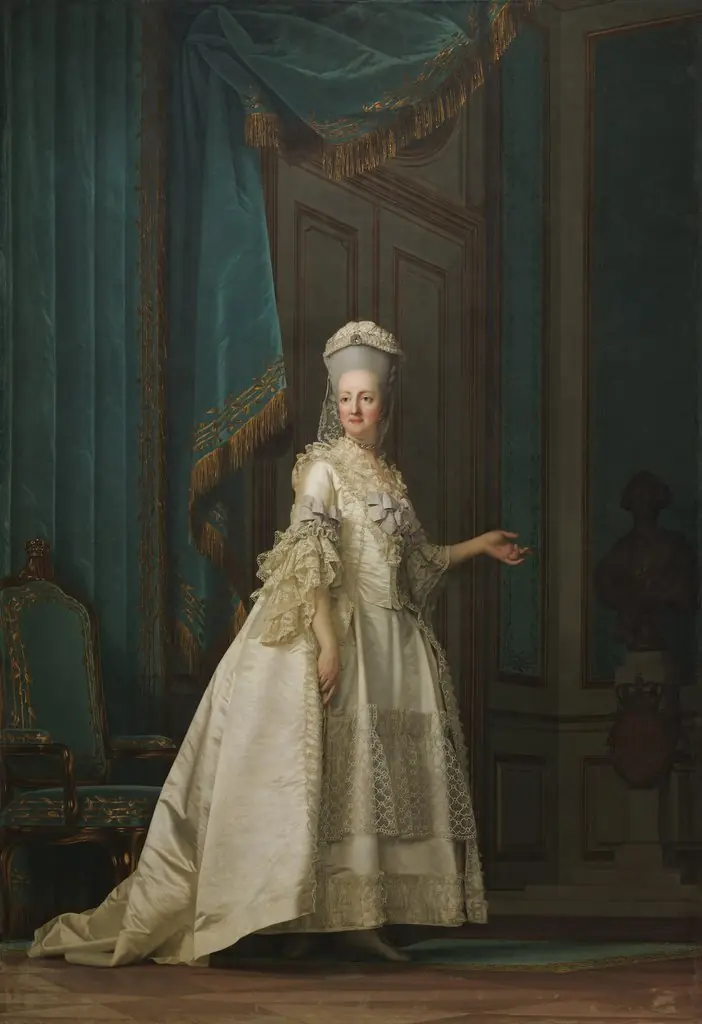 The Queen Dowager Juliane Marie
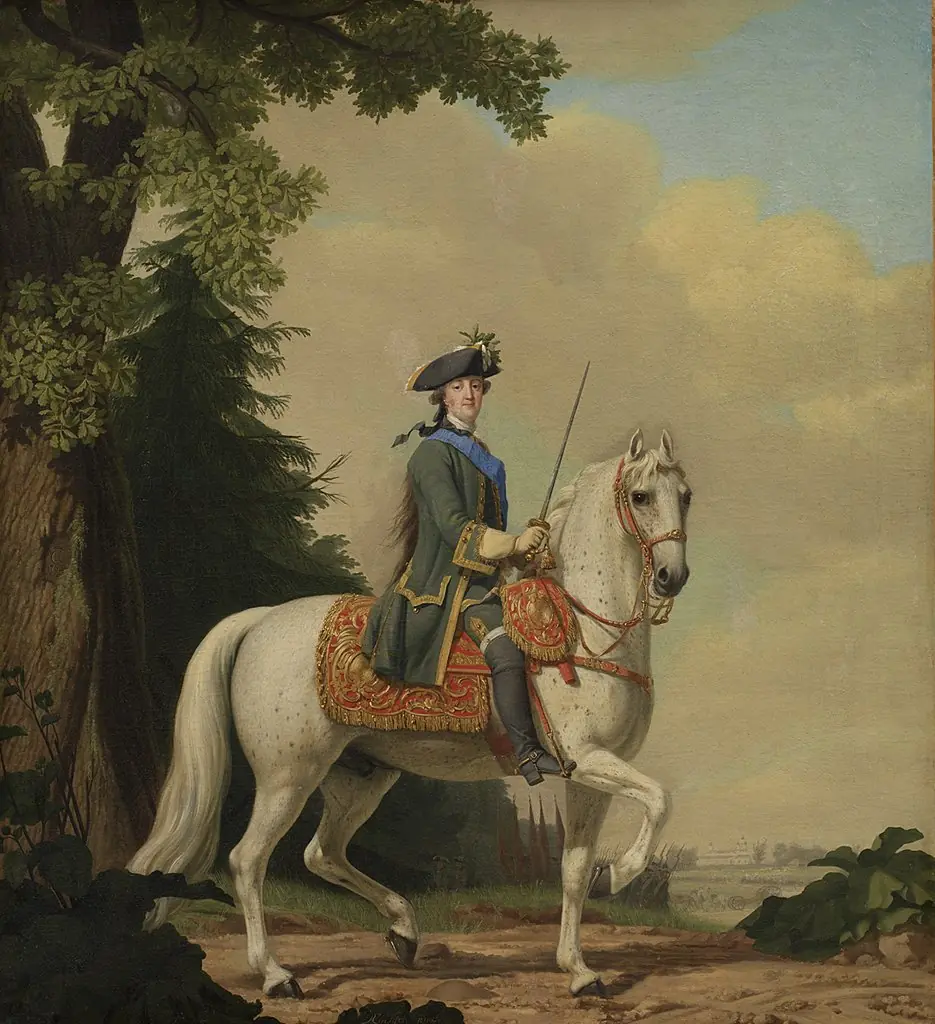 Catharina II of Russia and her stallion Brillante
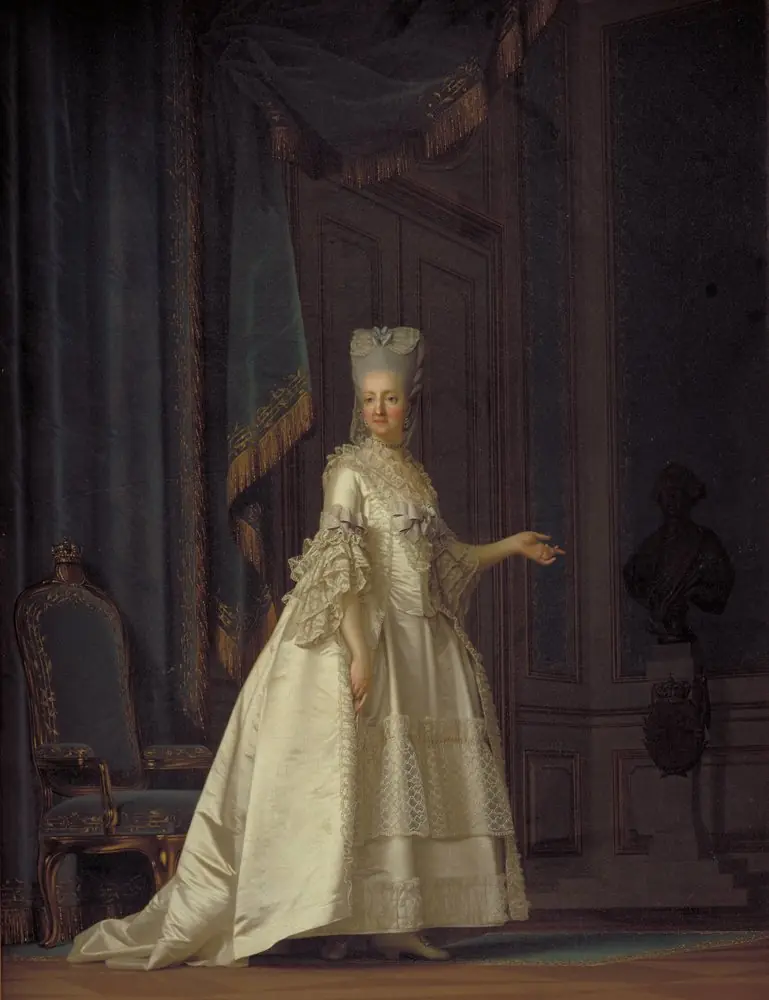 The Dowager Queen Juliane Marie of Denmark
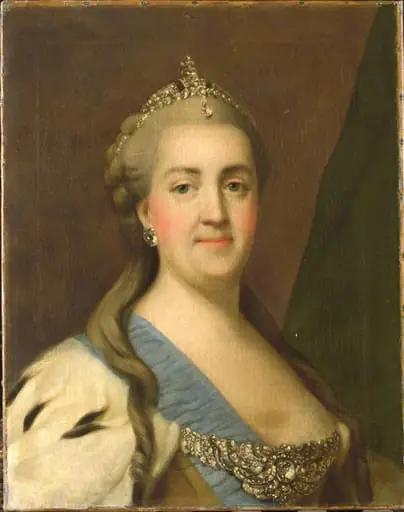 Catherine II (1729-96), Empress of Russia
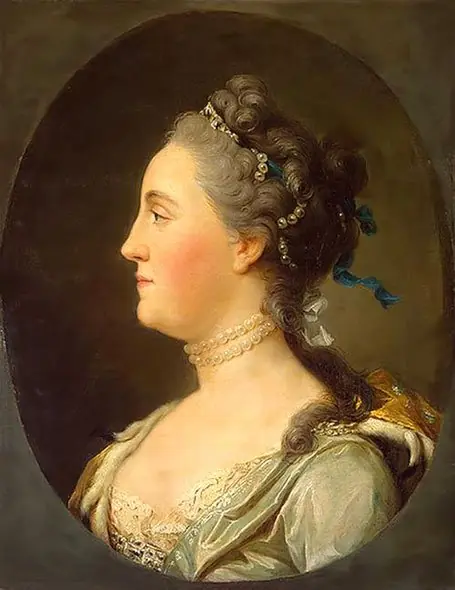 Portrait of Catherine II in Profile
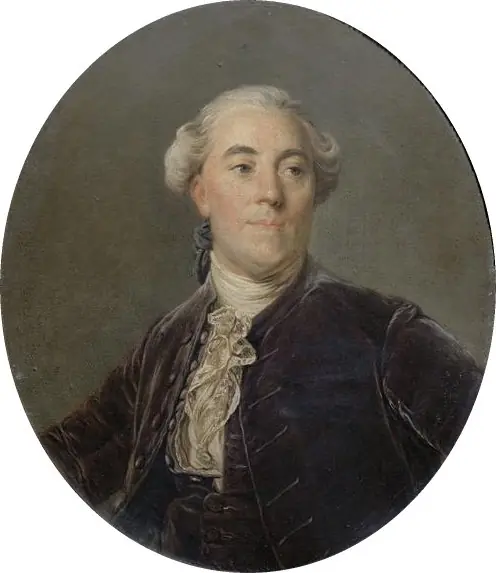 Portrait of Jacques Necker (1732-1804)
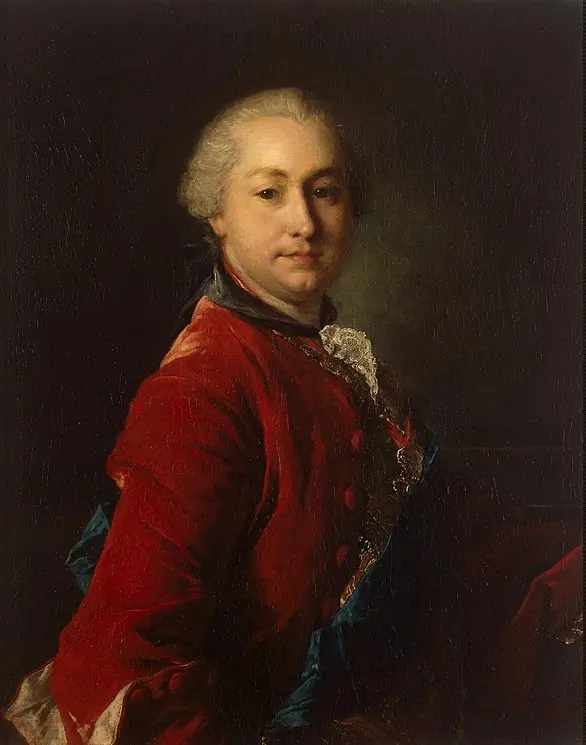 Portrait of Ivan Shuvalov
 Nuori ylimys
 Selbstbildnis
 Portrait of a Man
 Charles-Nicolas Cochin (1715-1790)
 Portrait of Pieter Nicolaas Rendorp, Amsterdam Brewer
 Portrait of Claude Tolozan (1728-1798)
 Portrait of a Man, formerly Known as Sir Richard Robinson, Archibishop of Armagh (1709-1794)
 Portrait of Louis Tocqué
 Portrait of Charles François Paul Le Normant de Tournehem (1684-1751)
- Portrait of Lorenz Spengler, Ivory Turner and Curator of the Royal Danish Kunstkammer