Artwork
Catherine II (1729-96), Empress of Russia
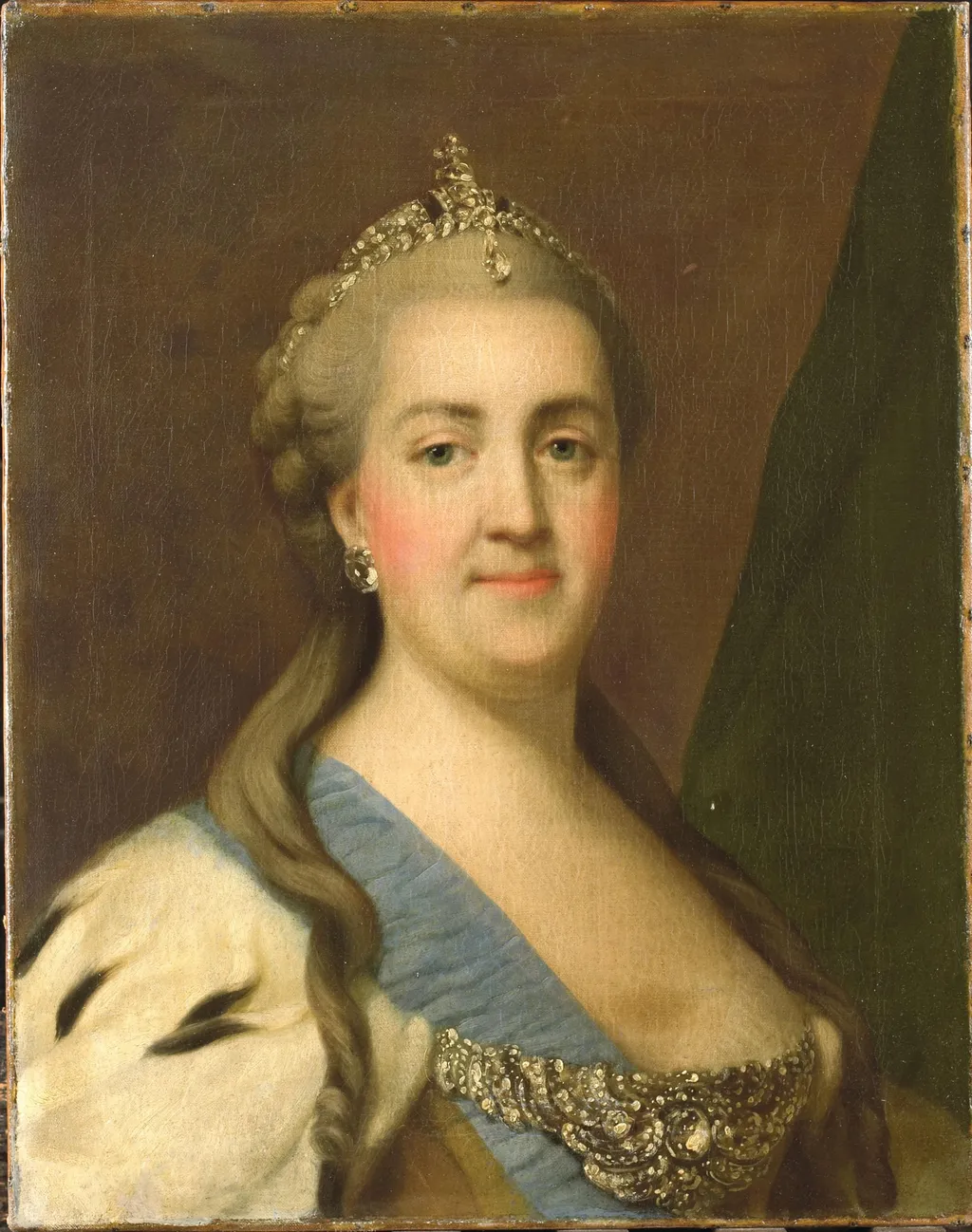
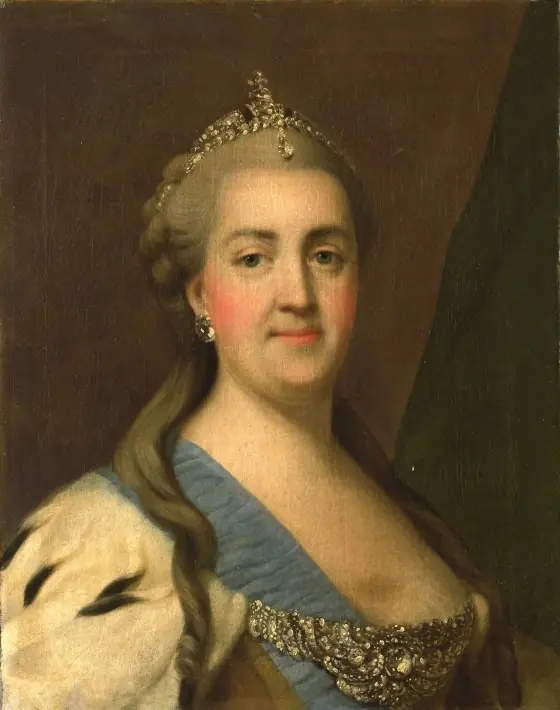
Catherine II (1729-96), Empress of Russia is an unspecified painting by the Rococo painting artist Vigilius Eriksen. It dates from 1766 and is held in the collection of the Rijksmuseum. The work depicts a young Catherine, later Empress of Russia, presented in profile with a dark gown and a jeweled crown.
About this work
Subject & Meaning
A specific equestrian version of the subject, housed in Chartres and Tsarskoïe Selo, shows the monarch in the uniform of the Preobrazhensky Regiment.
The work depicts Catherine II as the Empress of Russia, portrayed in the genre of a formal royal portrait. A specific equestrian version of the subject, housed in Chartres and Tsarskoïe Selo, shows the monarch in the uniform of the Preobrazhensky Regiment. This depiction carries significant iconographic weight, as the Empress is shown mounting a horse like a man rather than riding side-saddle in the traditional manner for women. This choice of attire and posture symbolizes her authority, military command, and departure from conventional gender roles of the era. The artist, Vigilius Erichsen, was renowned for his accurate reproduction of his subjects, ensuring the likeness conveyed the power and stature of the Russian ruler.
History & Provenance
Vigilius Erichsen, a Danish painter, created portraits of Catherine II during his tenure as imperial court painter in Saint Petersburg, a position he held between 1757 and 1772. The specific equestrian portrait depicting the Empress in the uniform of the Preobrazhensky Regiment was executed in 1762. This work is currently housed at the Catherine Palace in Tsarskoye Selo. Another version of this equestrian portrait, also by Erichsen, is located in the Musée des Beaux-Arts de Chartres. Additionally, the artist produced a miniature portrait of Catherine II, which was donated to the Louvre in Paris by Félix Doisteau in 1909. A separate oil painting of the Empress is held by the Rijksmuseum in Amsterdam. The overall date range for the artist's active production of this subject spans from 1749 to 1782.
Multiple versions of Vigilius Erichsen's portraits of Catherine II are held in institutions across Europe. In France, the equestrian portrait depicting the Empress in a Preobrazhensky Regiment uniform is located at the Musée des Beaux-Arts de Chartres (inventory 58.1.2), while a miniature on vellum resides in the Louvre (INV. RF 4313). The Netherlands houses an oil-on-canvas portrait at the Rijksmuseum in Amsterdam. In Russia, the Hermitage in Saint Petersburg holds the work titled 'Catherine II before a mirror,' and the Catherine Palace at Tsarskoye Selo possesses the 1762 equestrian portrait. The United Kingdom's Kelvingrove Art Gallery and Museum in Glasgow holds a version attributed to the artist's circle, acquired as the Euing donation in 1874. In Denmark, the David Collection in Copenhagen contains a portrait of Grand Duke Paul, and the Rosenborg Castle holds a portrait of Queen Juliane Marie. The artist's works were exhibited at the Jeu de Paume in Paris in 1928 during an exhibition on Danish art.
Context
Vigilius Eriksen trained in Copenhagen under Johann Salomon Wahl and was awarded a gold medal at the Royal Danish Academy of Fine Arts in 1755, though the Academy denied him formal membership. Between 1757 and 1772 he worked in Saint Petersburg as imperial court painter, producing multiple portraits of Catherine the Great and other royals before returning to Denmark as a royal portraitist to Christian VI. Contemporary admirers compared his likenesses to those of Titian, with one enthusiast writing that "You Eriksen even in just Rank must find - with Titian, Urbin, even with Angelo." Although the Academy that had rejected him in youth never formally affiliated him, he was granted the honorary rank of counselor on the same terms as departing Academy directors. His equestrian portrait of Catherine II in the uniform of a Preobrazhensky officer, held at the Chartres museum of Fine Arts and at Tsarskoye Selo, drew particular scholarly attention for depicting the Empress mounted astride in masculine dress rather than sidesaddle, a striking image associated with her self-presentation as a ruler.
Legacy
Vigilius Erichsen painted several portraits of Catherine II during his tenure as imperial court painter in Saint Petersburg between 1757 and 1772, a period when he developed his reputation for precise reproduction of elite subjects. His depiction of the Empress in masculine riding attire, particularly in the equestrian portrait commissioned for Tsarskoe Selo, sparked contemporary discussion over her portrayal in military uniform rather than traditional feminine regalia, reflecting broader cultural dialogues about gender and imperial authority. The work was later featured in the 1928 Paris Jeu de Paume exhibition showcasing Danish art, and reproductions of the miniature enamel versions of Catherine II appear in Rosenborg Palace’s collection alongside other royal commissions. His royal portraits of Catherine II and associated court figures contributed to the visual legacy of Enlightenment-era Russian empresses through repeated reproduction and institutional preservation across European collections.
Own this work as a print
Artist & collection
Artist
Vigilius Eriksen (2 September 1722 in Copenhagen – 25 May 1782 in Rungstedgård) was a Danish painter. He was the royal portraitist to Christian VI of Denmark.

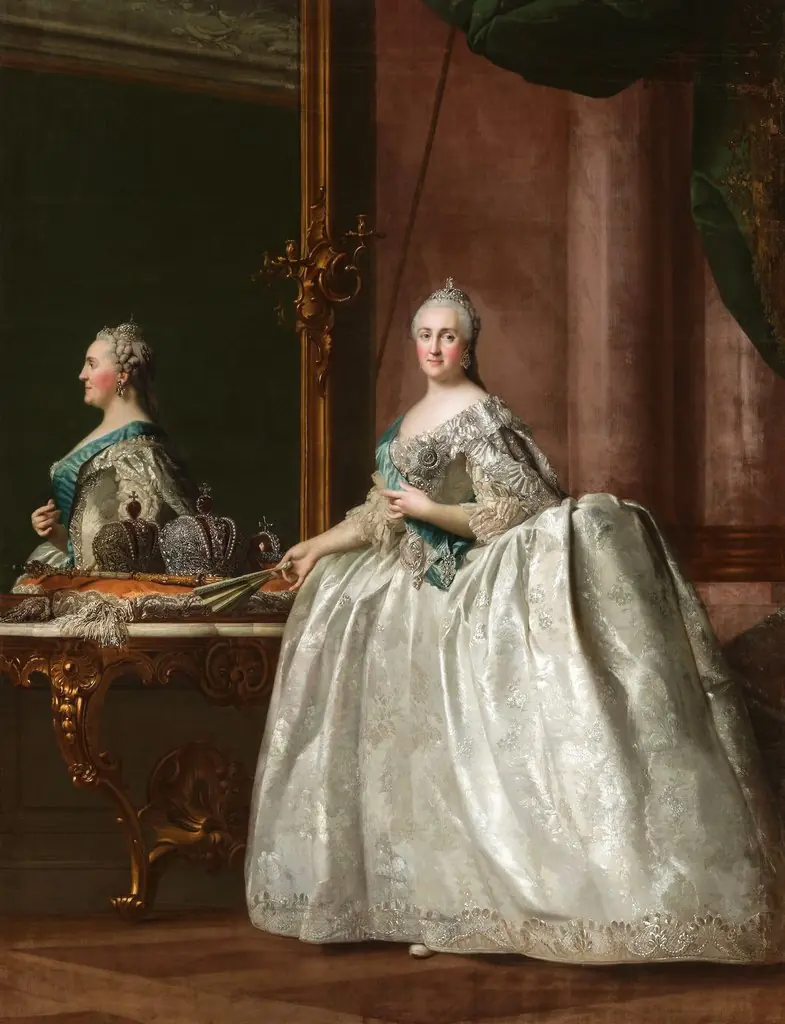 Portrait of Catherine II in front of a Mirror
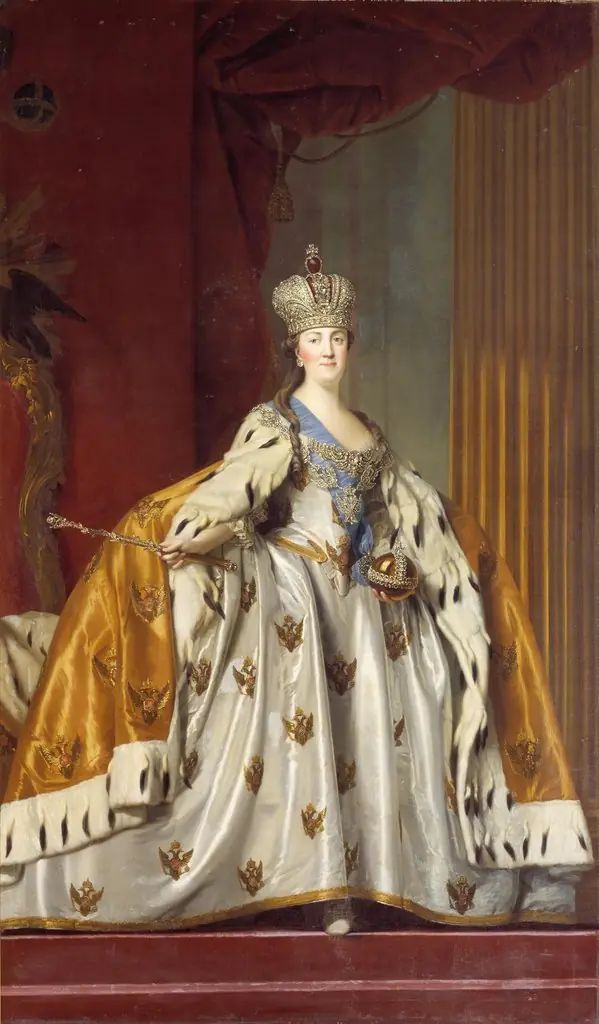 Catherine II, Empress of Russia (1729-1796)
- Portrait of Catherine II (1729-96), empress of Russia
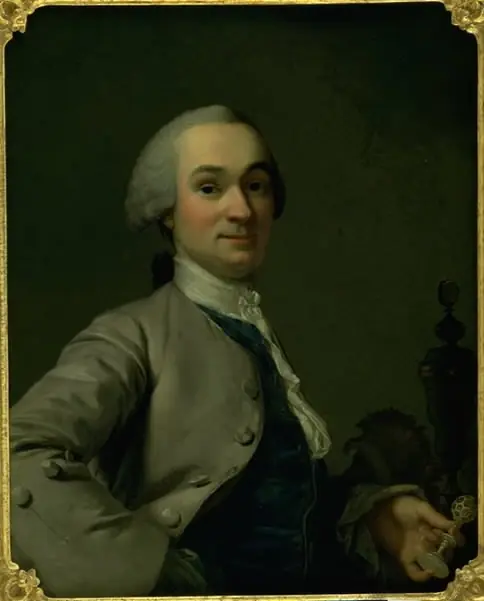 Portrait of Lorenz Spengler, Ivory Turner and Curator of the Royal Danish Kunstkammer
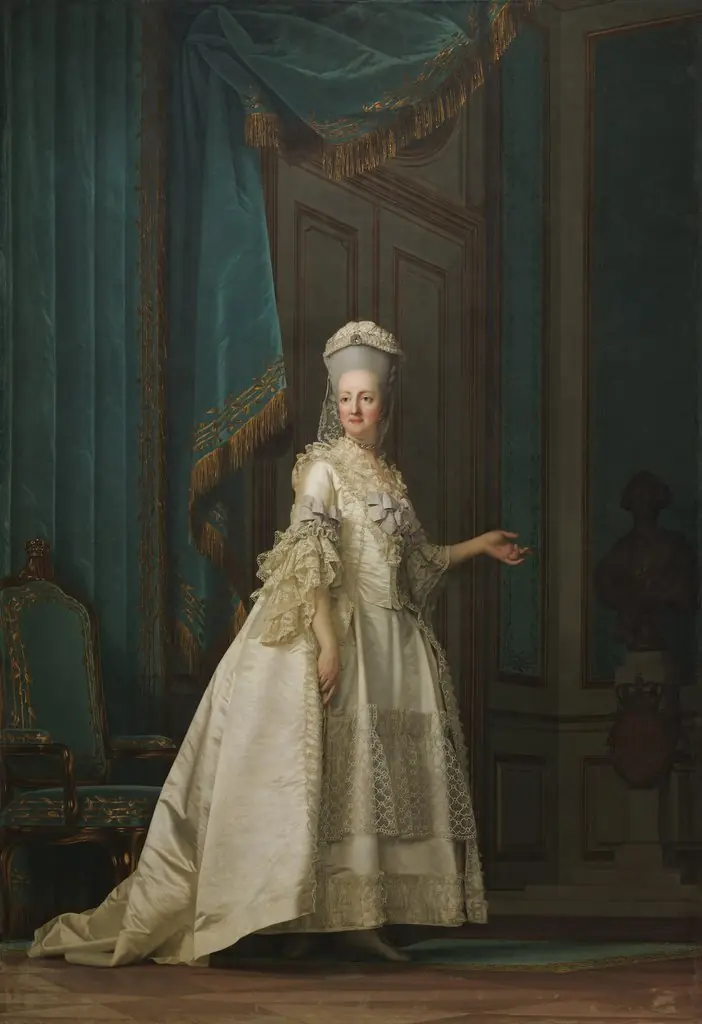 The Queen Dowager Juliane Marie
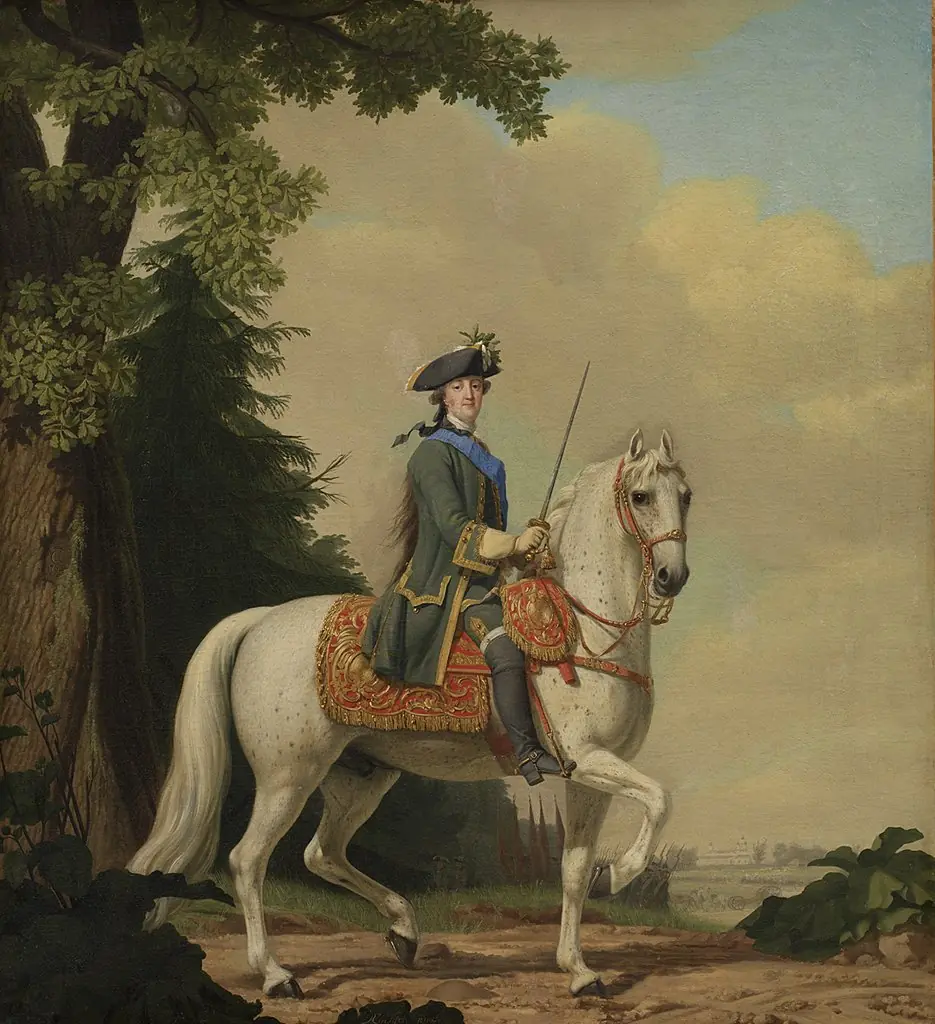 Catharina II of Russia and her stallion Brillante
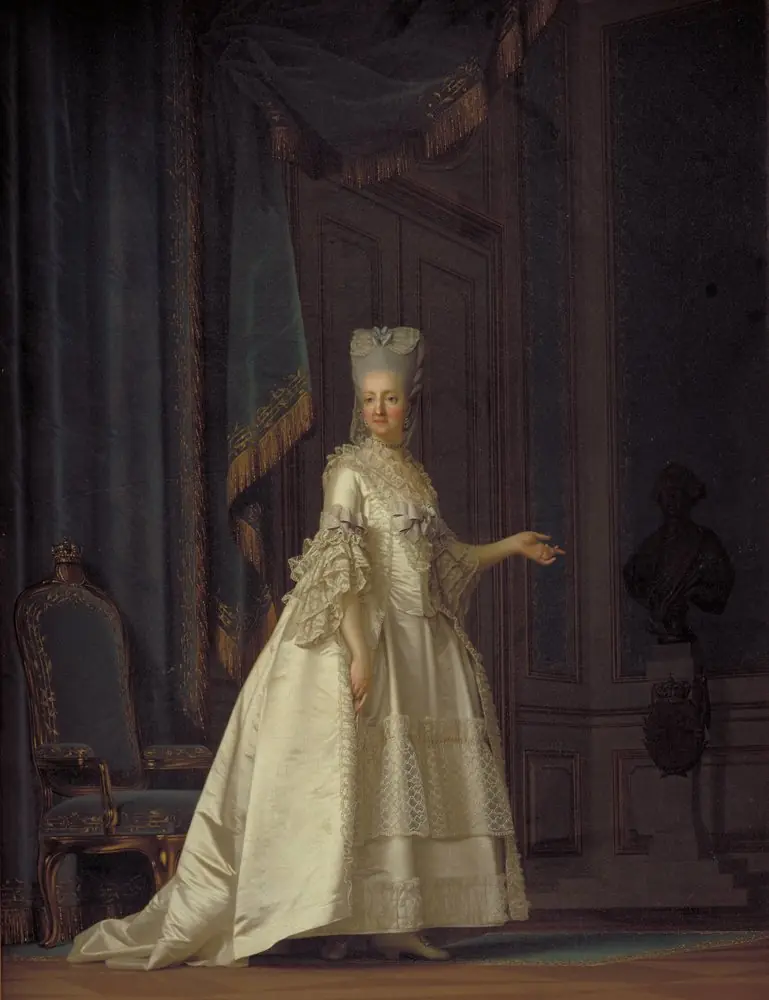 The Dowager Queen Juliane Marie of Denmark
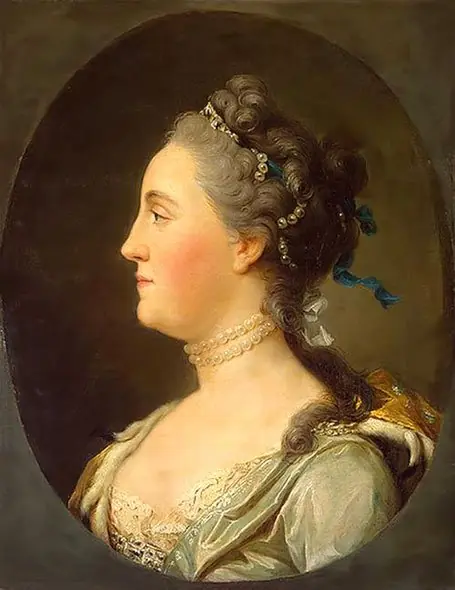 Portrait of Catherine II in Profile
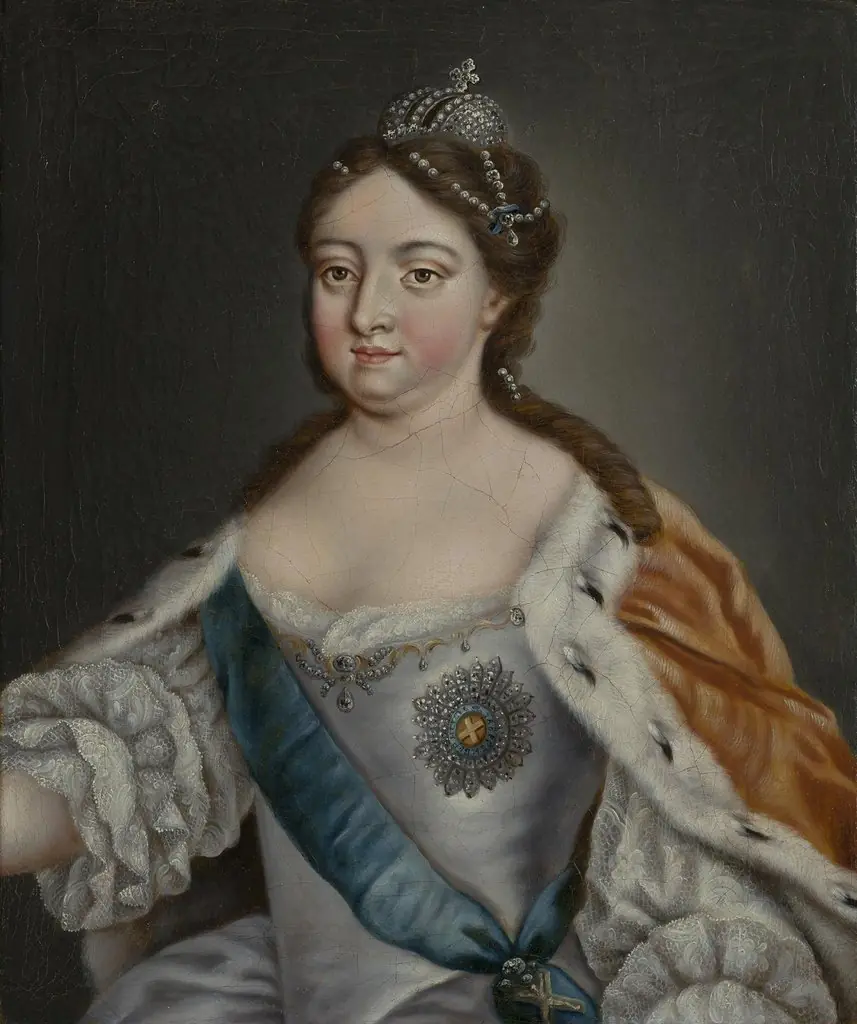 Portrait of Empress Anna Ioannovna
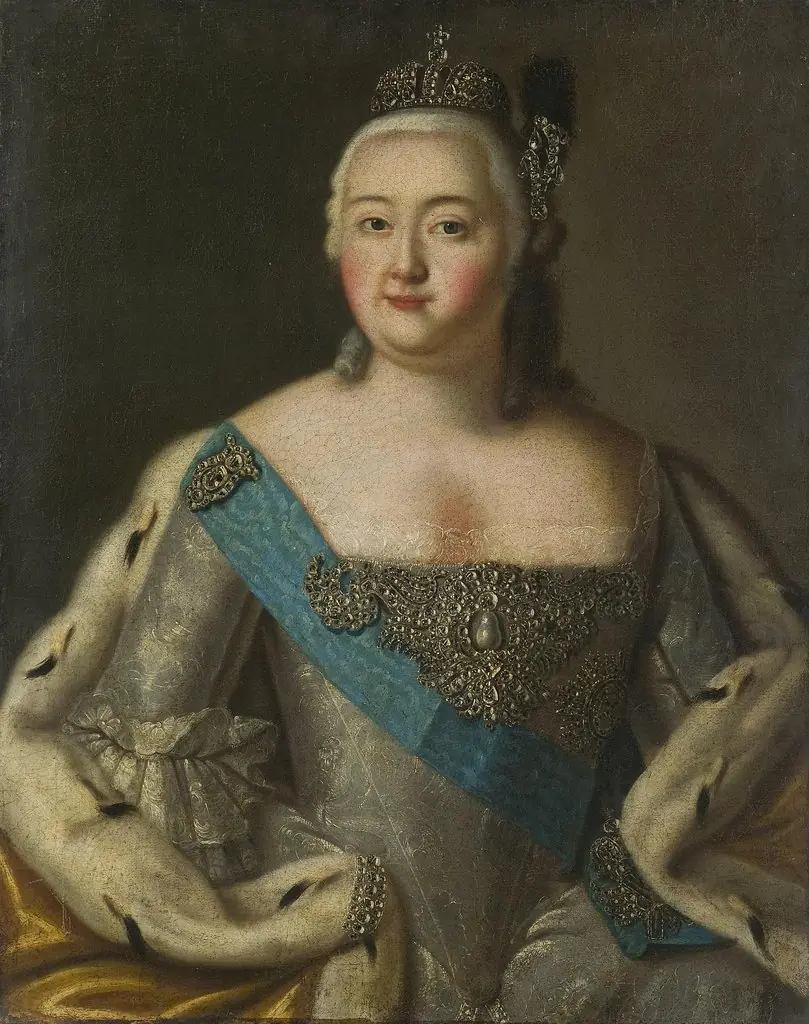 Portrait of Empress Elizabeth Petrovna
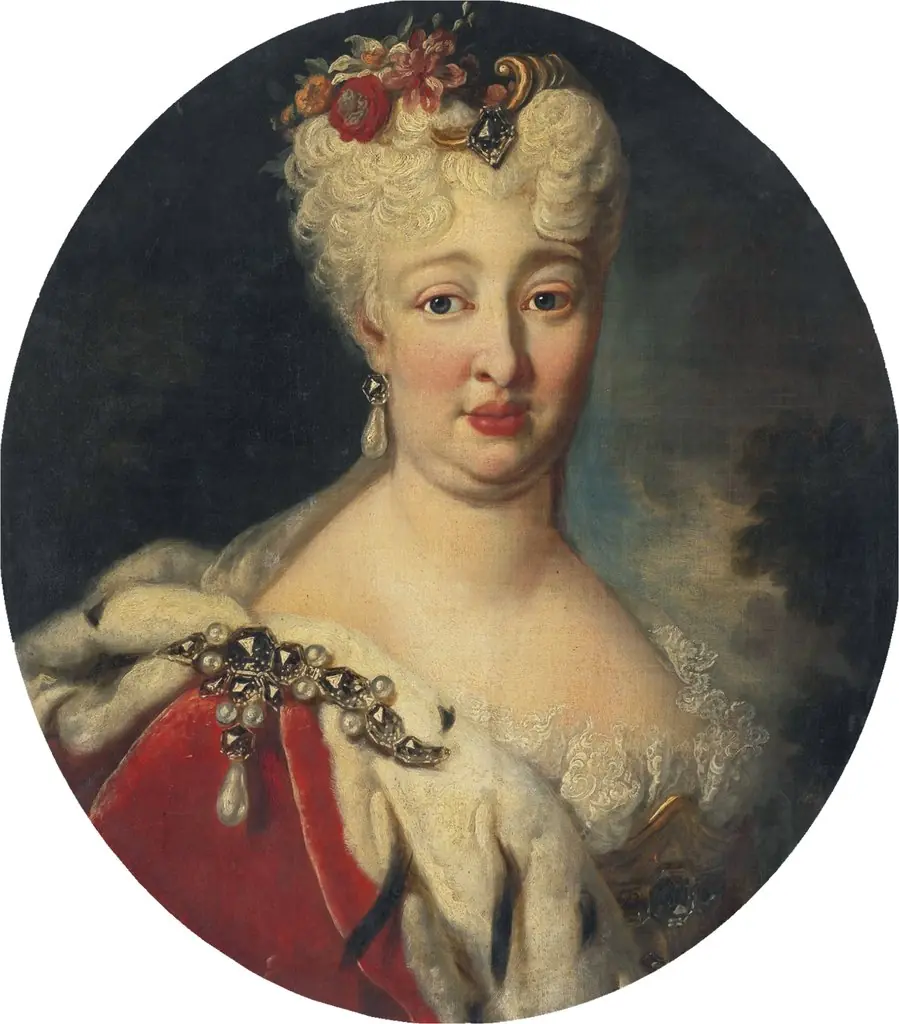 Portrait of Countess Palatine Elisabeth Auguste Sofie of Neuburg (1693 - 1728)
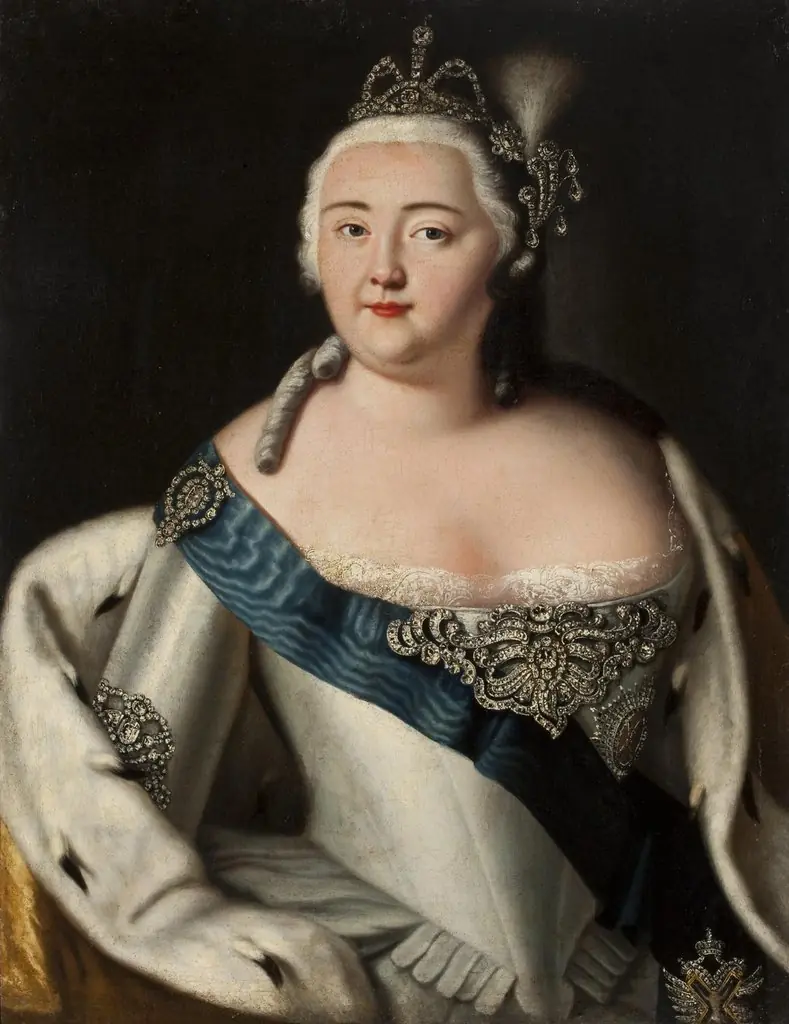 Portrait of Elizaveta Petrovna
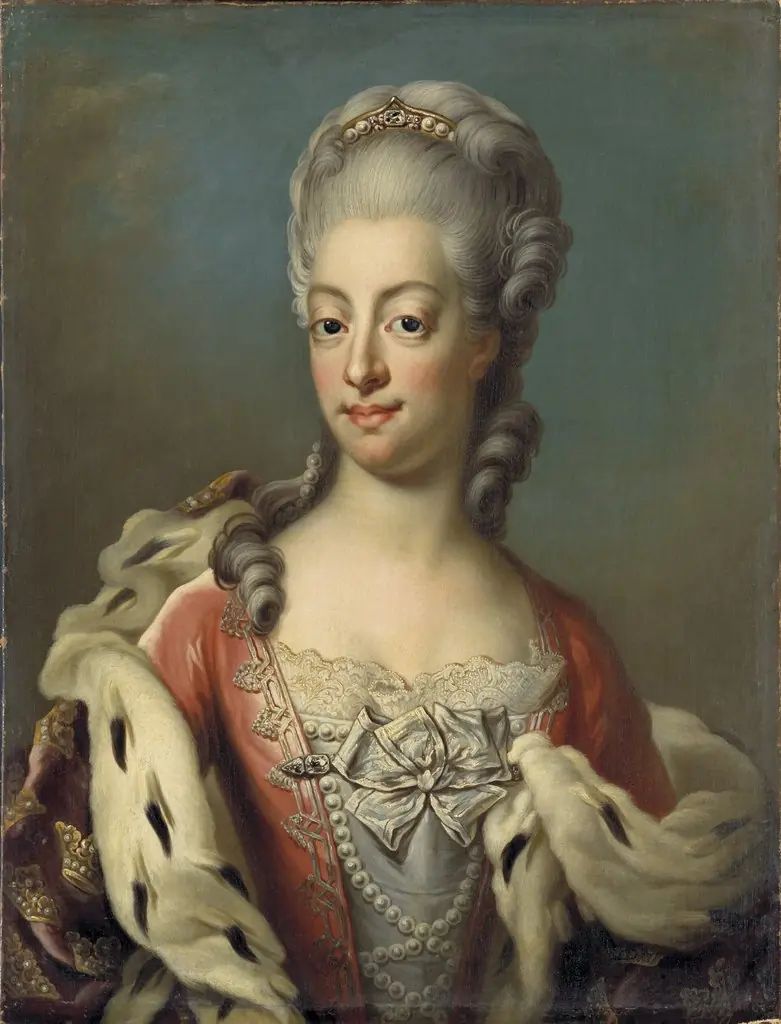 Sofia Magdalena, 1746-1813, Prinsessa av Danmark, drottning av Sverige
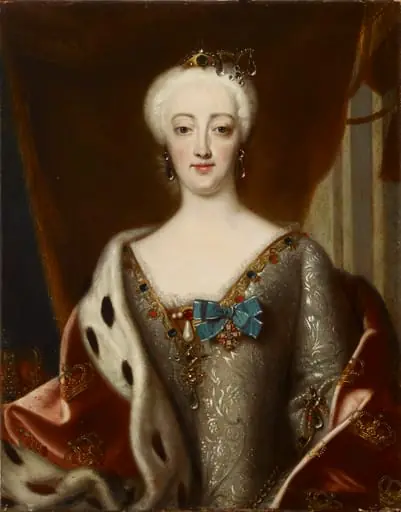 Tanskan kuningatar Sofia Magdalena
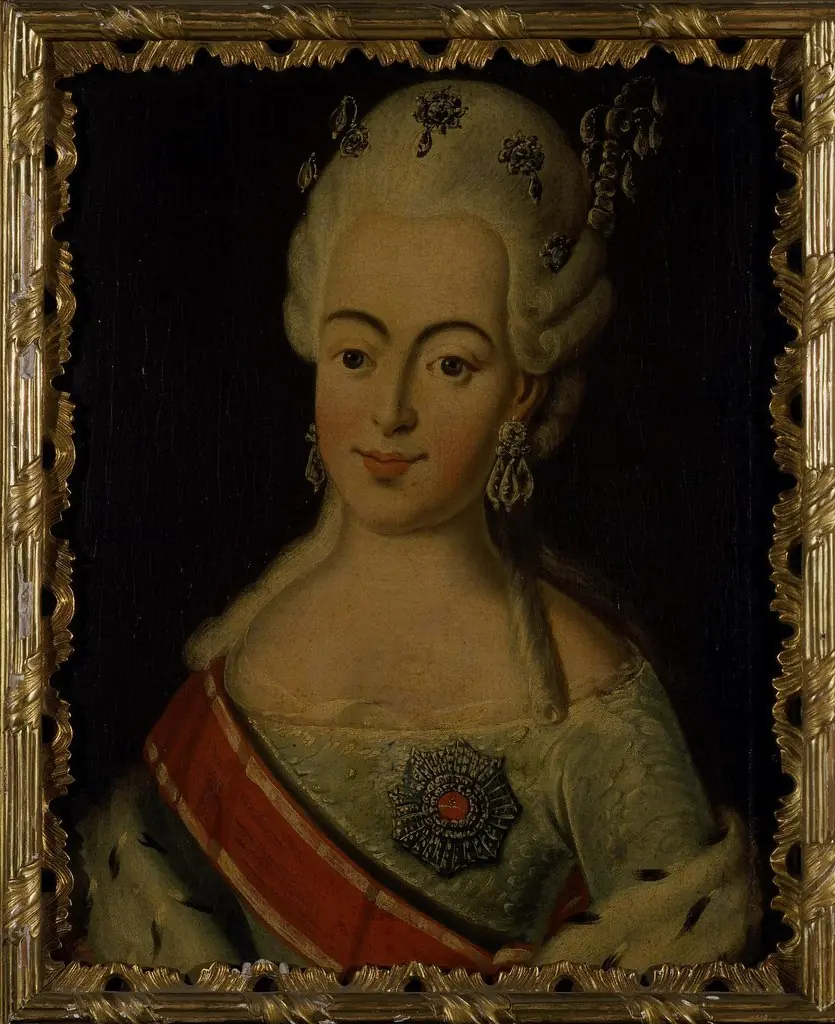 Portrait of Grand Duchess Natalya Alexeyevna