Artwork
Lohani Caravan
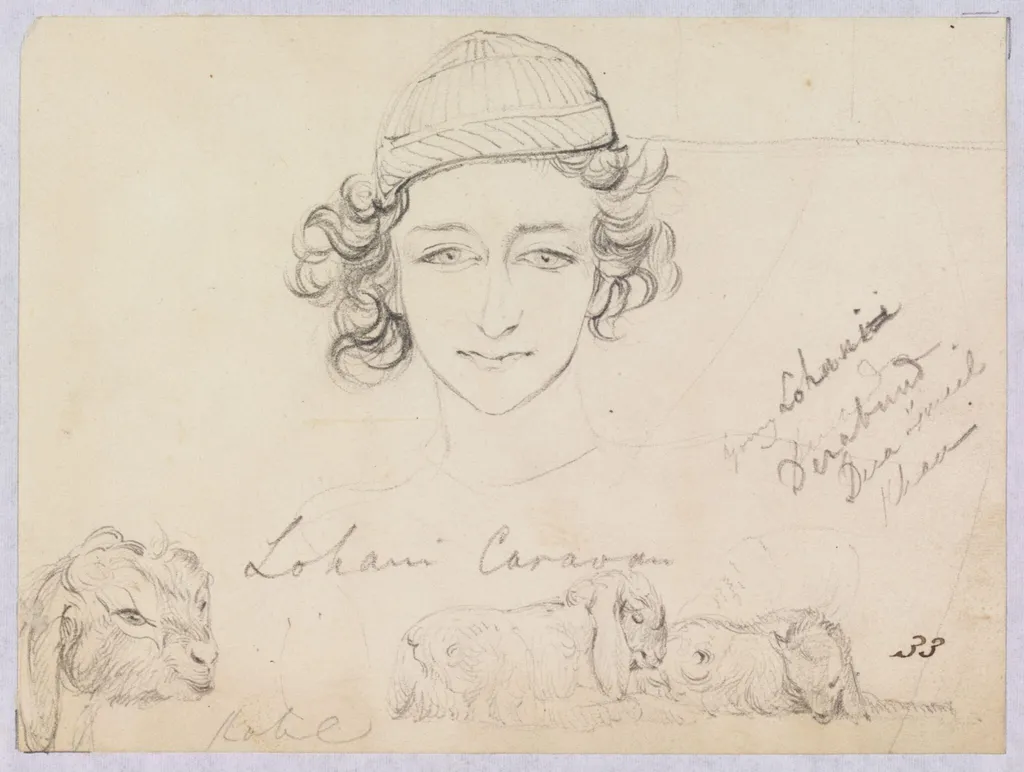
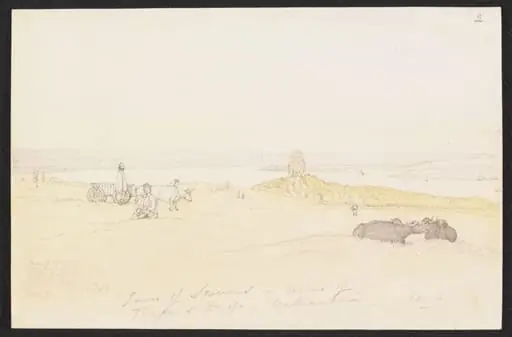
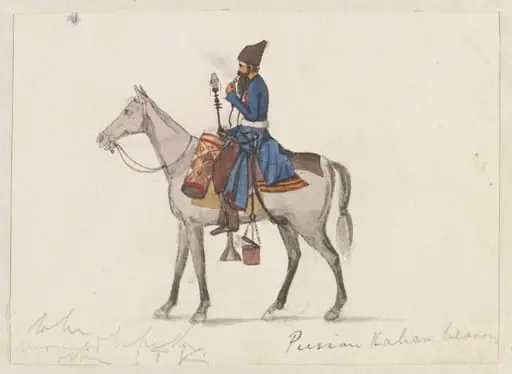
Lohani Caravan is a watercolor work on paper by the Romanticist artist Godfrey Thomas Vigne. It dates from 1836 and is held in the collection of the Victoria and Albert Museum.
About this work
Overview
Created during Vigne’s own travel with the group in the 1830s, the work serves as a visual record of a transient trade community.
This watercolour by Godfrey Thomas Vigne captures a Lohani caravan moving across a desert landscape between Multan and Kabul. Created during Vigne’s own travel with the group in the 1830s, the work serves as a visual record of a transient trade community. Executed in delicate washes, it conveys the rhythm of desert travel through subtle tonal shifts and restrained detail, avoiding dramatic flourish in favor of observational clarity.
Subject & Meaning
The scene depicts Lohani traders and their animals, camels, goats, and people, moving along a dusty path under a golden sky. Their attire and pack animals reflect the practical demands of long-distance commerce across arid regions. The composition emphasizes movement and endurance rather than spectacle, suggesting the quiet persistence of nomadic trade networks that connected South Asia with Central Asia in the early 19th century.
Technique & Style
Vigne employed transparent watercolour washes to render the soft contours of dunes and the textured folds of clothing. Brushwork is light and deliberate, with minimal outlining, allowing the paper’s white to suggest sunlight and sand. The palette, ochres, browns, and muted greens, reinforces the arid environment. While often associated with Romanticism, the work prioritizes documentary precision over emotional idealization.
History & Provenance
Vigne created the piece during his 1835–1837 journey through the region, later publishing an account of his travels in 1840. The watercolour remained in his family until 1971, when it was acquired from his great-nephew. Its preservation within the artist’s lineage underscores its role as a personal record rather than a commercial product, linking it closely to Vigne’s firsthand experience of the caravan route.
Context
The Lohanis were a Pashtun trading group active along routes linking Punjab with Afghanistan and beyond. Their seasonal migrations carried goods such as wool, horses, and dried fruit through politically unstable terrain. Vigne’s depiction aligns with broader British colonial interest in documenting regional economies, yet his approach remains grounded in direct observation rather than imperial narrative.
Legacy
The work endures as a quiet testament to the mobility and resilience of Central Asian trade communities. It contributes to historical records of pre-colonial and early colonial movement across South Asia, offering insight into daily life beyond political or military events. Its modest scale and restrained style distinguish it from more theatrical Orientalist works of the period.
Own this work as a print
Artist & collection


- Madame Cezanne
 H Beard Print Collection
 Etude
Etude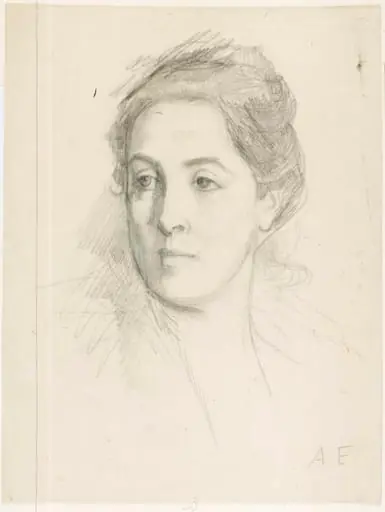 Taiteilijan vaimon muotokuvapää, harjoitelma maalausta varten
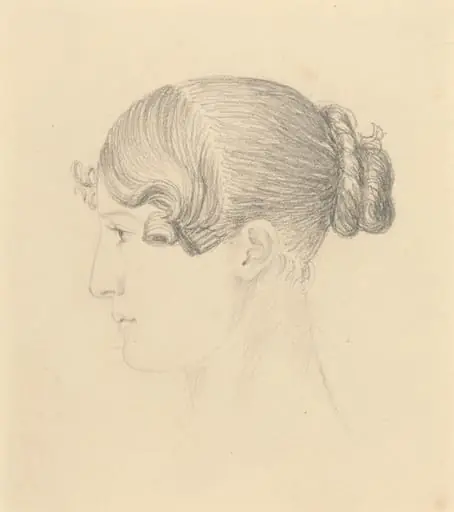 Head of a Woman (Theresa Turner?)
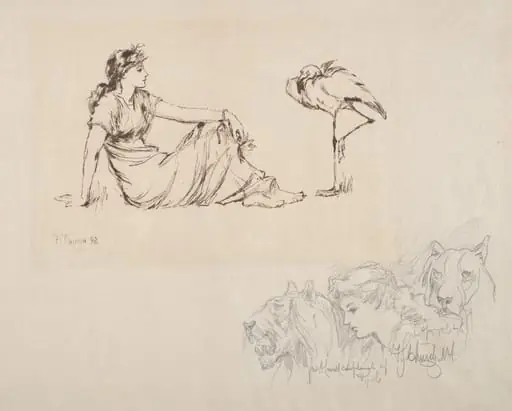 Woman and a Crane (Vigilance?)
![Two Head Studies and a Crouching Nude Woman; Two Women's Heads and a Head of Child [recto], by Paul Gauguin](https://artifactworldgallery.com/img/paul-gauguin--two-head-studies-and-a-crouching-nude-woman-two-women-s-head--fe3fee334eaa34d1-w320.webp) Two Head Studies and a Crouching Nude Woman; Two Women's Heads and a Head of Child [recto]
Two Head Studies and a Crouching Nude Woman; Two Women's Heads and a Head of Child [recto]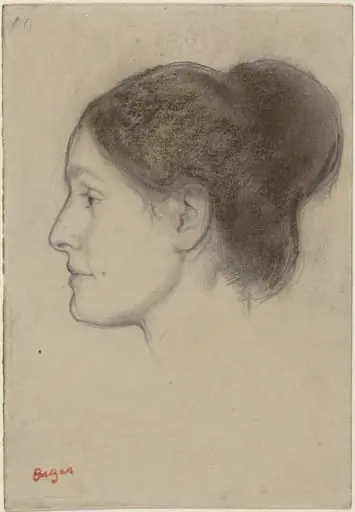 Hortense Valpinçon
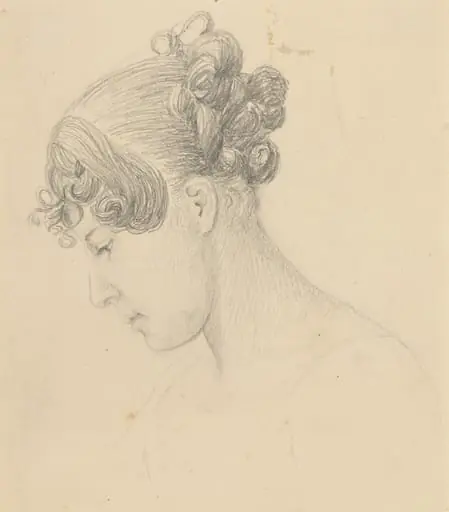 Head of a Woman Looking Down (Theresa Turner?)
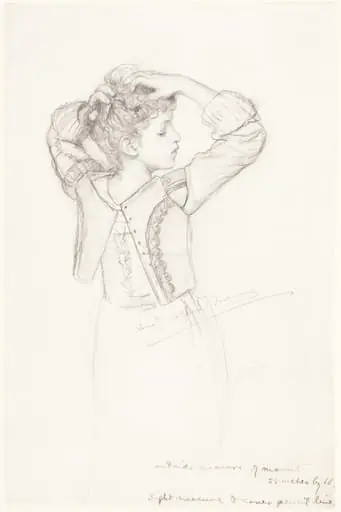 Young Girl Dressing
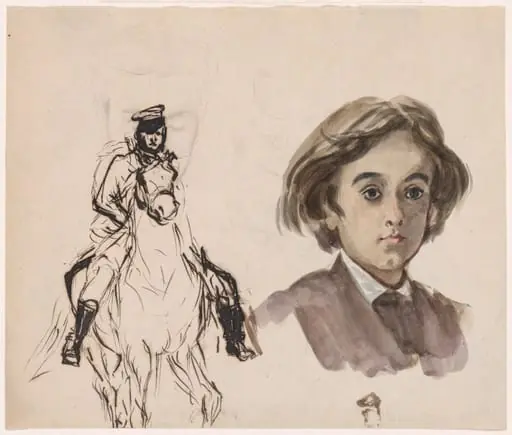 Study Sheet
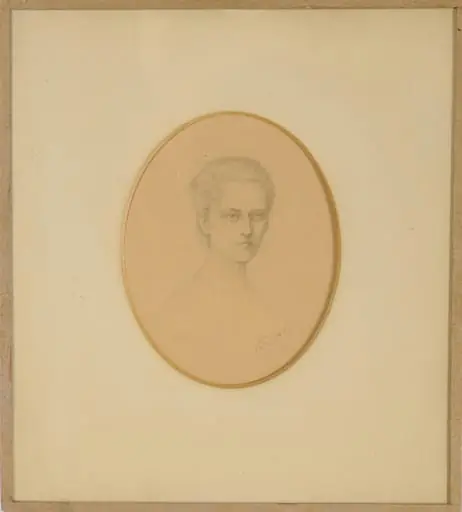 Προσωπογραφία της Ρωξάνης Καρατζά