Artwork
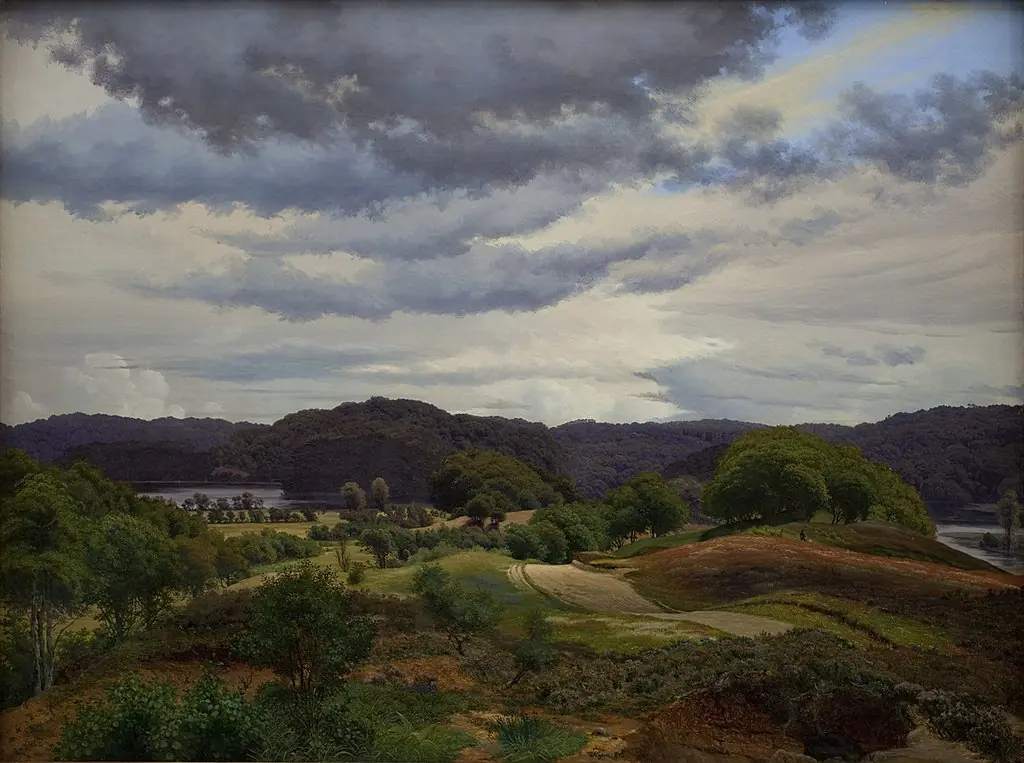
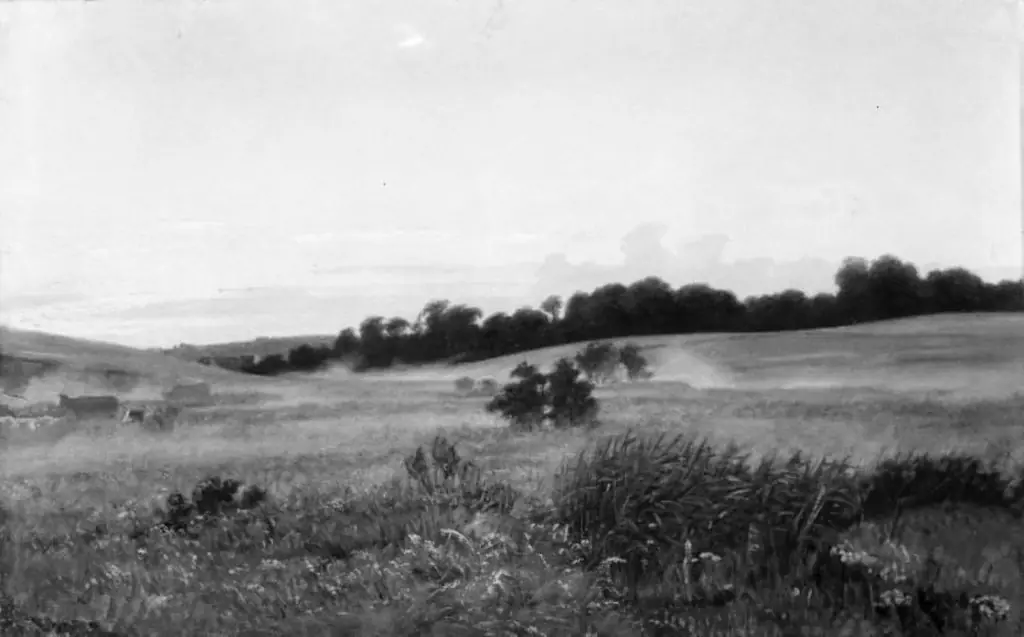
Juniaften. Landskab ved Rørvig
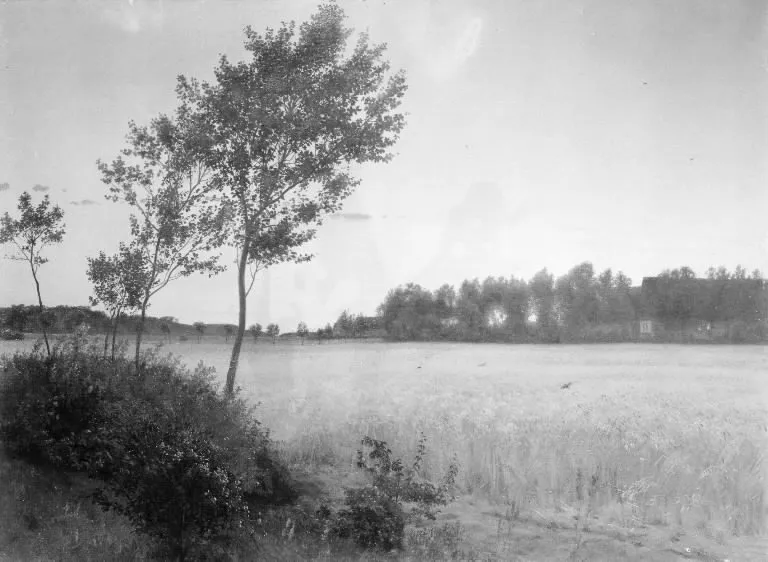
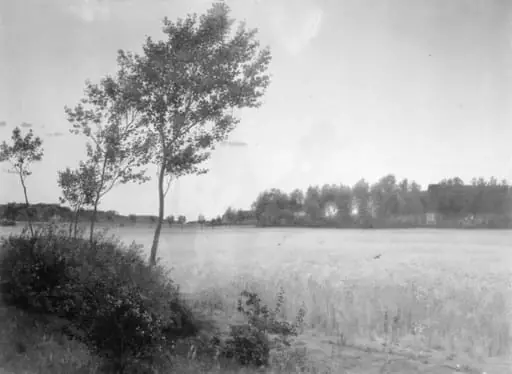
Juniaften. Landskab ved Rørvig is an oil painting by the Naturalist artist Vilhelm Kyhn. It dates from 1850 and is held in the collection of the Statens Museum for Kunst. Painted around 1850, Juniaften.
About this work
Overview
It reflects the naturalist tendencies of mid-19th-century Danish art, capturing a quiet rural scene near the coastal village of Rørvig.
Painted around 1850, Juniaften. Landskab ved Rørvig is an oil on canvas landscape by Danish artist Vilhelm Kyhn. It reflects the naturalist tendencies of mid-19th-century Danish art, capturing a quiet rural scene near the coastal village of Rørvig.
Kyhn, trained in the Danish Golden Age, maintained a traditional approach even as artistic movements evolved. The work is part of the permanent collection at Statens Museum for Kunst in Copenhagen.
Subject & Meaning
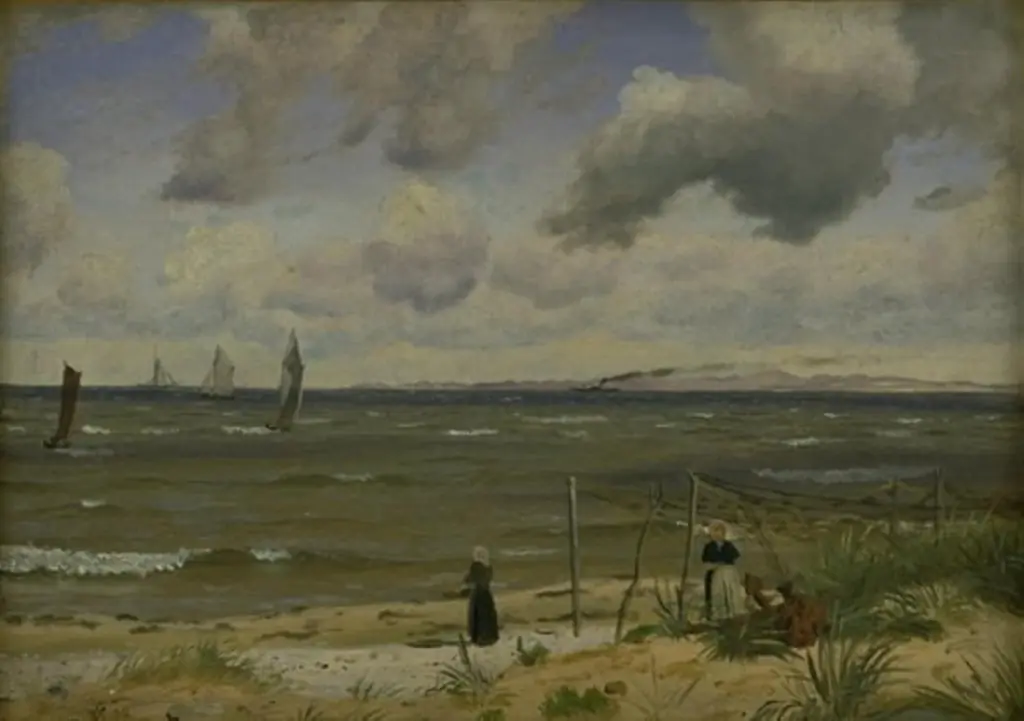
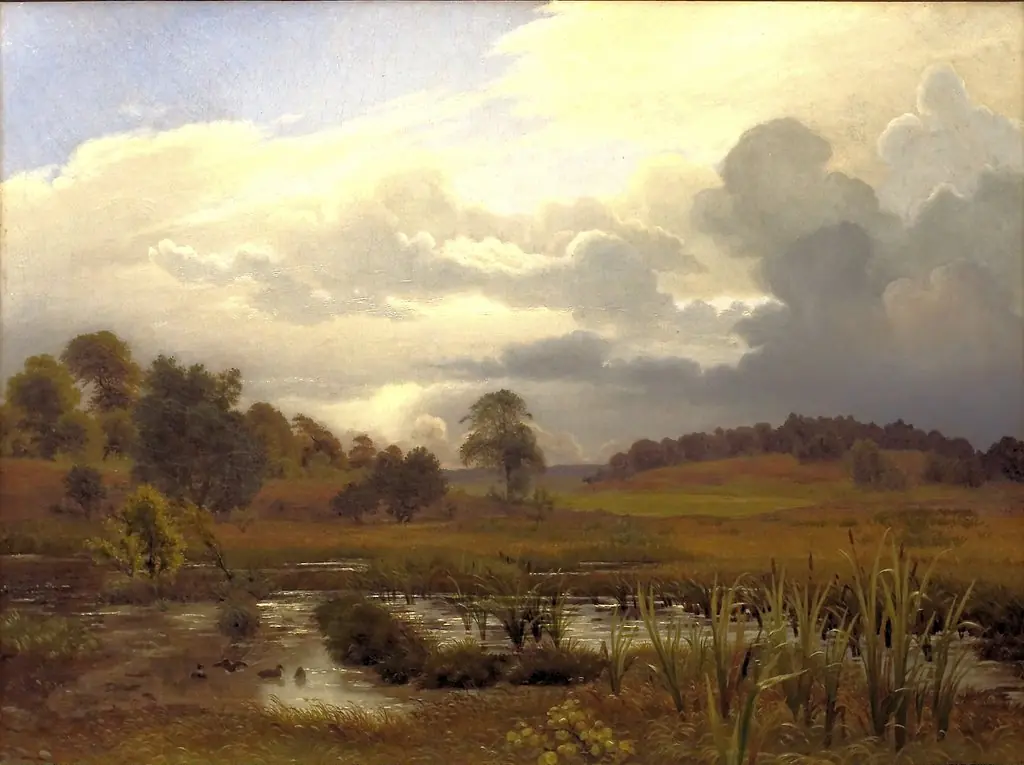
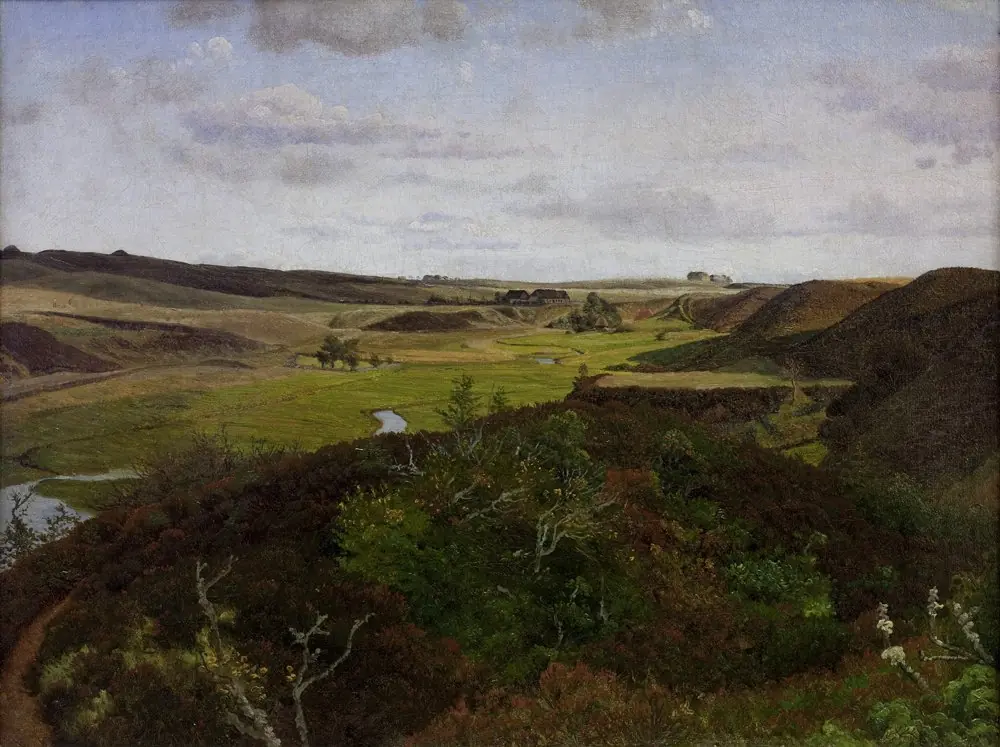
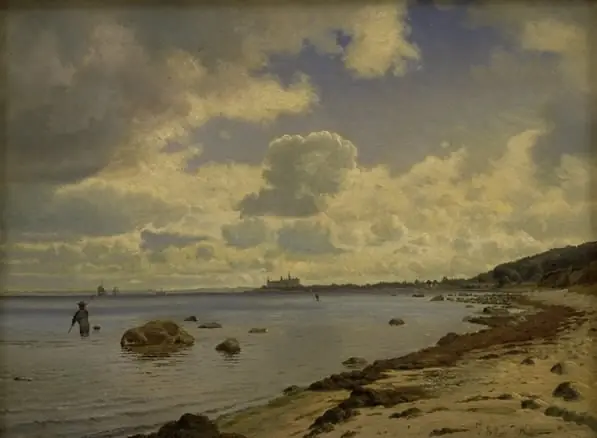
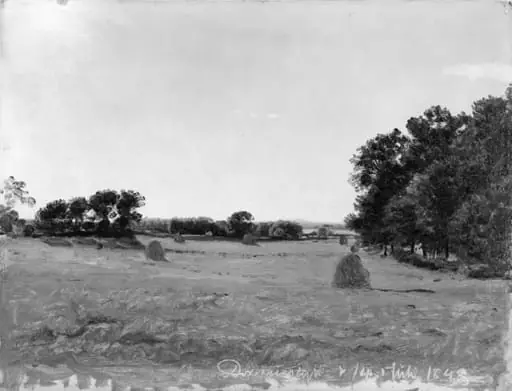
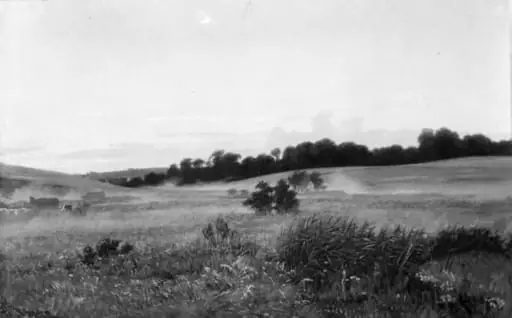
The painting portrays a tranquil summer evening in a Danish countryside, with tall, golden grasses swaying in the breeze under an open sky. Sparse trees in the foreground and denser foliage in the distance frame the scene without introducing human figures. The absence of narrative or activity emphasizes the quiet dignity of the land, aligning with a broader cultural reverence for nature during a period of national identity formation in Denmark.
Technique & Style
Kyhn employs subtle gradations of light and shadow to model the terrain and suggest atmospheric depth. The grasses are rendered with loose, directional brushwork that mimics their movement, while the trees are defined by darker, more solid forms. Color is restrained but effective: warm golds in the foreground contrast with cooler greens in the background, creating spatial harmony without dramatic contrast or stylization.
History & Provenance
The painting has remained in public ownership since its creation, entering the collection of Statens Museum for Kunst in Copenhagen. It was not widely exhibited outside Denmark during Kyhn’s lifetime, reflecting his focus on local subjects and pedagogical work rather than international acclaim. Its preservation within a national institution underscores its significance as a representative example of Danish landscape painting from the period.
Context
In the 1850s, Danish artists increasingly turned to domestic landscapes as expressions of national character, moving away from idealized historical or mythological themes. Kyhn’s work aligns with this trend, capturing unembellished rural scenes with observational precision. His role as an educator, including founding one of Denmark’s first art schools for women, further situates him within a broader cultural shift toward accessibility and regional identity in the arts.
Legacy
Though Kyhn did not pioneer radical stylistic innovations, his commitment to direct observation and his influence as a teacher left a lasting imprint on Danish art. His students, including Anna Ancher, carried forward his emphasis on naturalism. Juniaften.
Landskab ved Rørvig endures as a quiet testament to the value placed on everyday landscapes in 19th-century Danish culture, preserved as a reference point in the nation’s artistic heritage.
Artist & collection
Artist
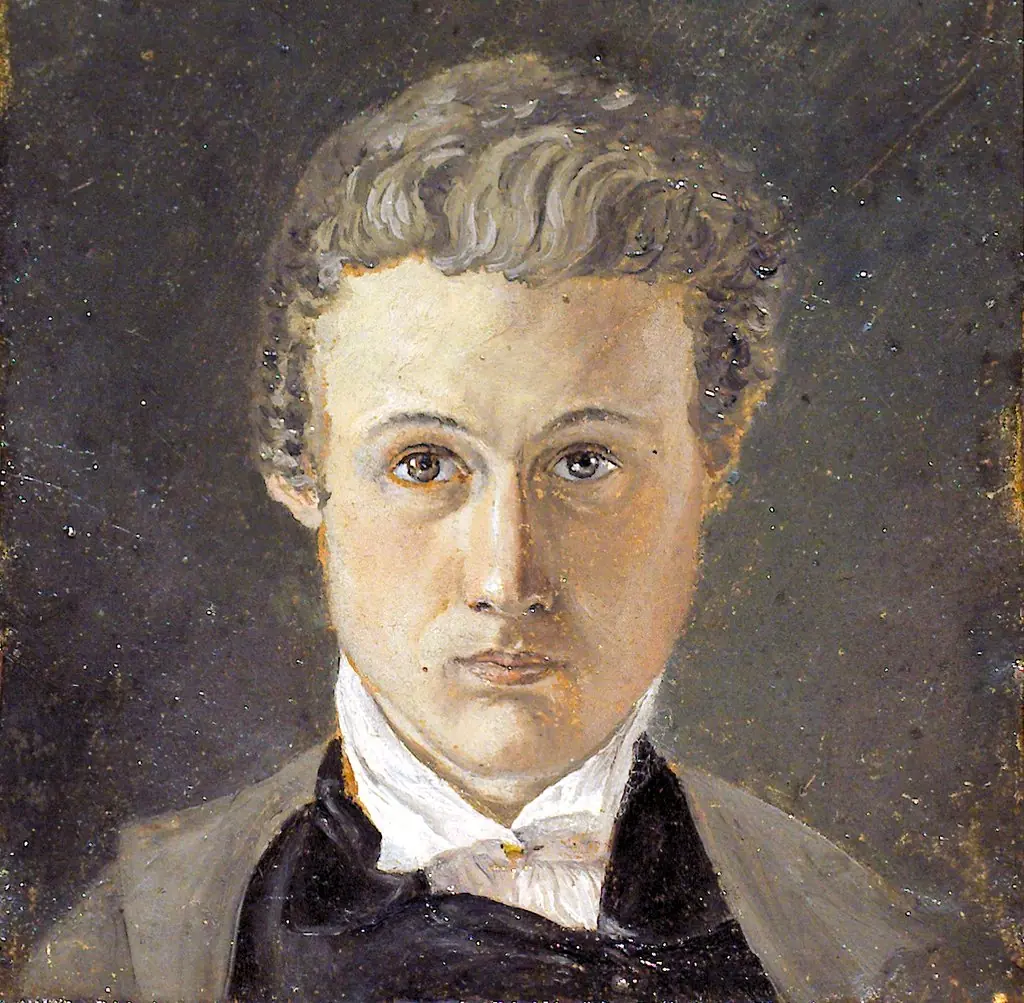
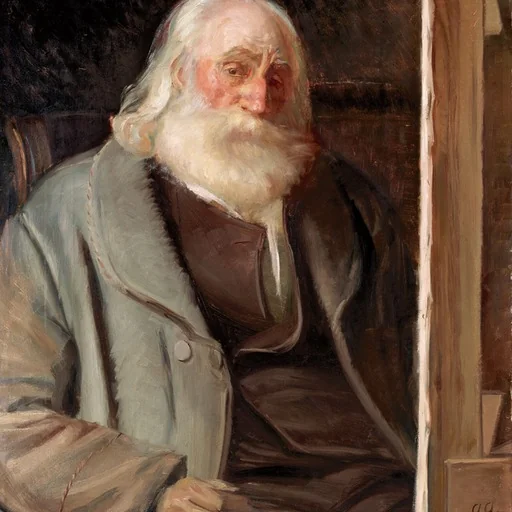
Peter Vilhelm Carl Kyhn (March 30, 1819 – May 11, 1903) was a Danish landscape painter who belonged to the generation of national romantic painters immediately after the Danish Golden Age and before the Modern Breakthrough.