Artwork
Still Life: Potatoes in a Yellow Dish
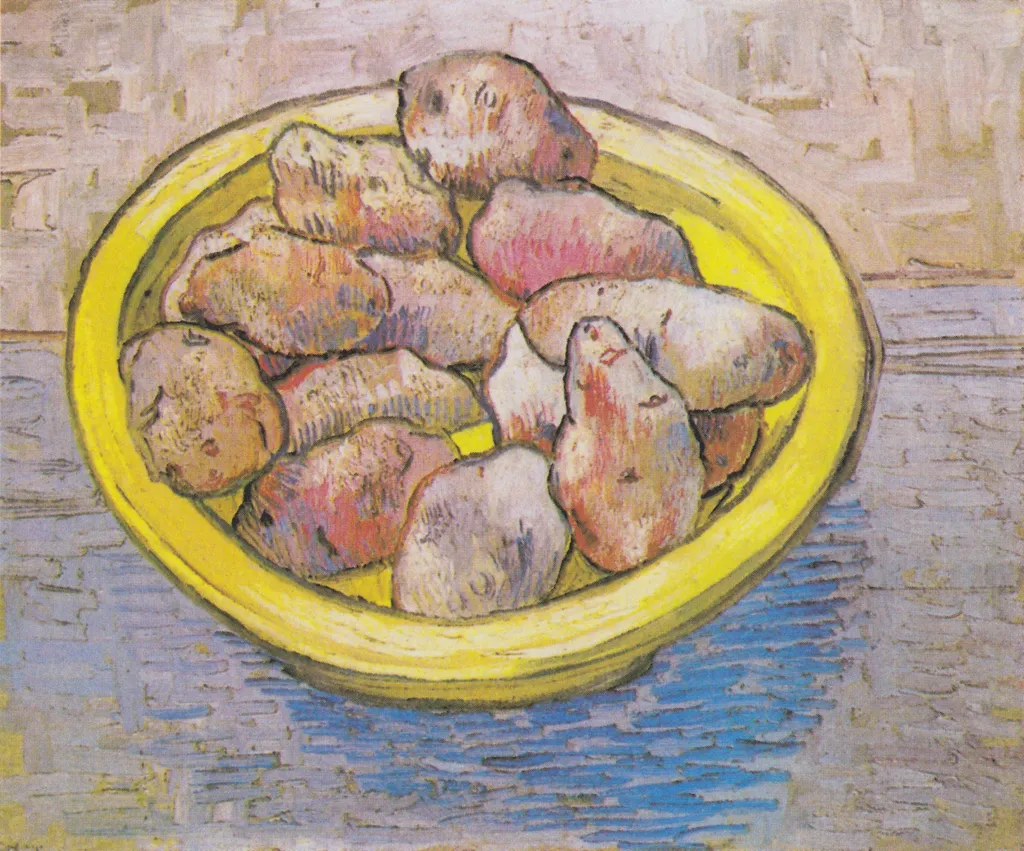
Still Life: Potatoes in a Yellow Dish is an oil painting by the Post-Impressionist artist Vincent van Gogh. It dates from 1888 and is held in the collection of the Kröller-Müller Museum.
About this work
Overview
The composition is unadorned, focusing entirely on the textures and forms of everyday objects, reflecting van Gogh’s interest in the dignity of humble subjects.
Painted in 1888, Still Life: Potatoes in a Yellow Dish is an oil on canvas work by Vincent van Gogh. It depicts a modest arrangement of potatoes within a yellow ceramic bowl, placed on a table with a muted blue and grey surface. The background is a soft, earth-toned wall.
The composition is unadorned, focusing entirely on the textures and forms of everyday objects, reflecting van Gogh’s interest in the dignity of humble subjects.
Subject & Meaning
The painting centers on potatoes, a staple food in rural Europe, rendered with careful attention to their irregular surfaces and muted hues of brown, pink, and white. The yellow bowl, vivid yet grounded, contrasts with the subdued tones around it. Van Gogh often chose such ordinary items to convey quiet resilience and the quiet beauty of labor, avoiding idealization in favor of honest observation.
Technique & Style
Van Gogh applied thick, deliberate brushstrokes to the bowl, creating a tactile, almost sculptural surface. The potatoes are built with varied, rough strokes that emphasize their uneven shapes, while the table and wall are rendered with smoother, more blended marks. This contrast in handling draws attention to the bowl and its contents, reinforcing the painting’s focus on material presence over decorative effect.
History & Provenance
The painting was completed during van Gogh’s time in Arles, a period marked by intense productivity and experimentation with color and form. It entered the collection of Helene Kröller-Müller in the early 20th century and has remained in the Kröller-Müller Museum since its founding. Its continuous presence there reflects the museum’s early commitment to van Gogh’s work.
Context
Created in 1888, this still life aligns with van Gogh’s broader exploration of domestic scenes and peasant life, influenced by his admiration for Jean-François Millet. While in Arles, he sought to express emotional depth through simple subjects, using color not for realism but for psychological resonance. The yellow bowl, for instance, may reflect his interest in complementary contrasts and symbolic warmth.
Legacy
This work contributes to van Gogh’s redefinition of still life as a vehicle for emotional and sensory experience rather than mere representation. Its unpretentious subject and textured execution influenced later artists interested in materiality and everyday beauty. It remains a quiet testament to his belief that profound meaning could be found in the most ordinary things.
Own this work as a print
Artist & collection
Artist
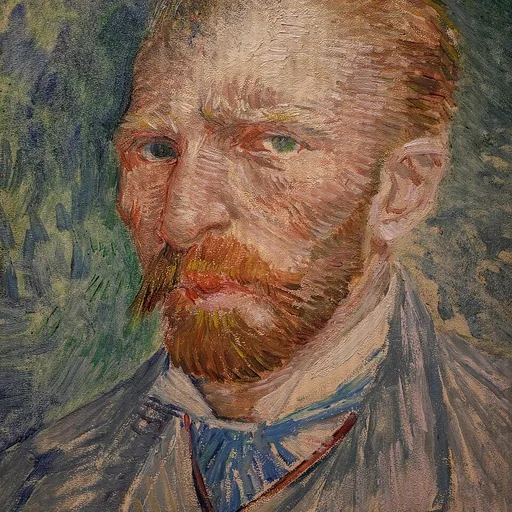
Vincent Willem van Gogh was a Dutch Post-Impressionist painter who is among the most famous and influential figures in the history of Western art.

 Still Life with Onions and Herring
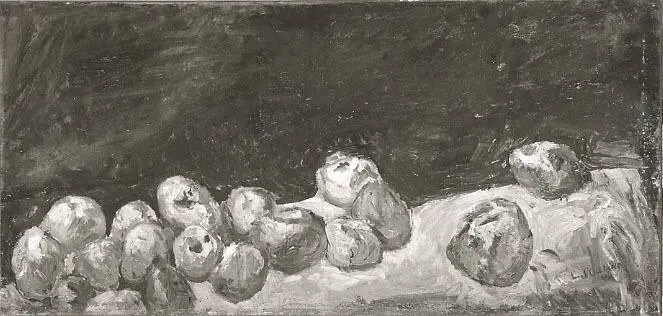 Apples
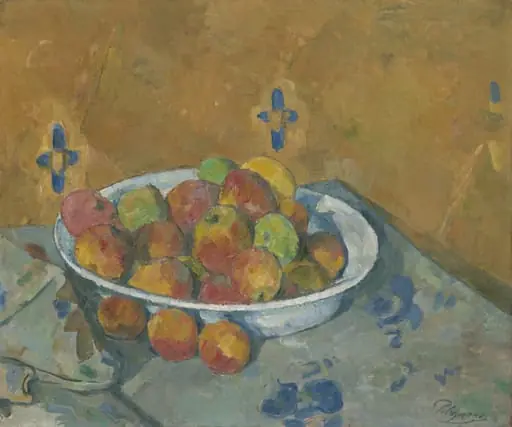 The Plate of Apples
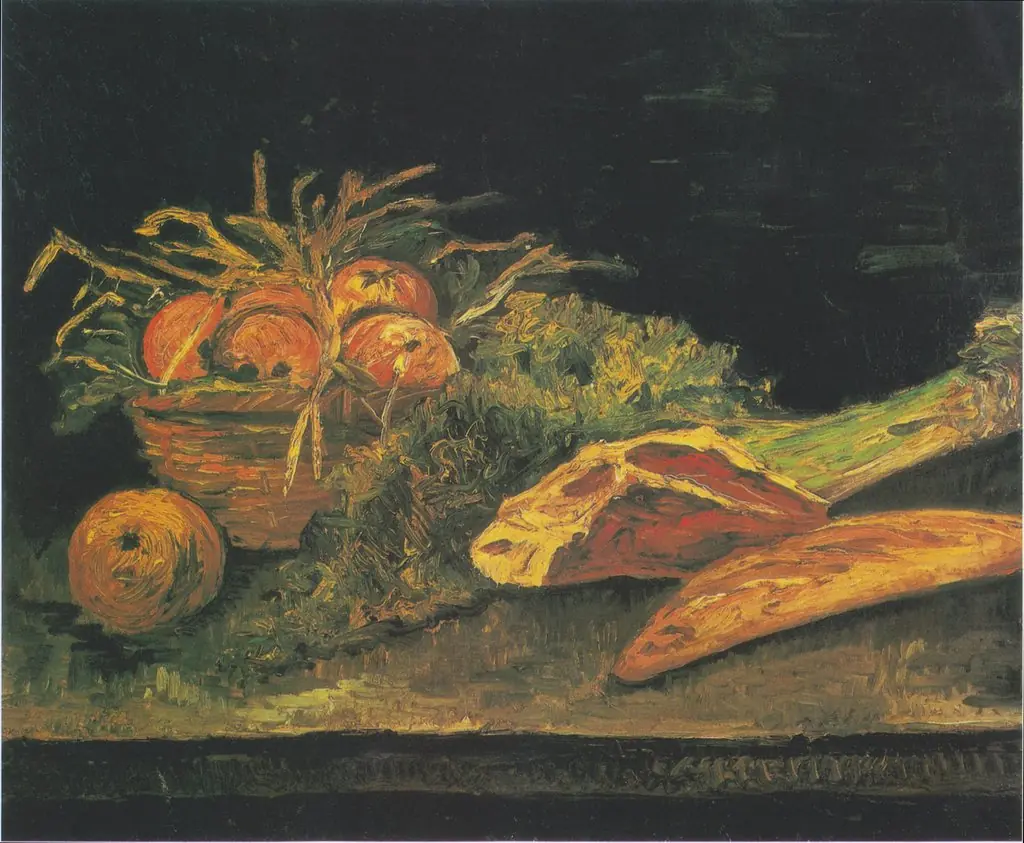 Still Life with Apple Basket, Meat and Bread Rolls
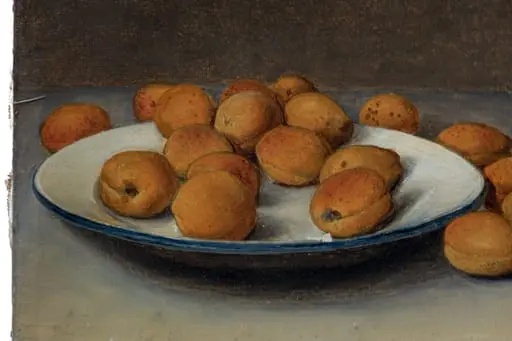 Zarzăre (Zarzăre mari cu farfurie)
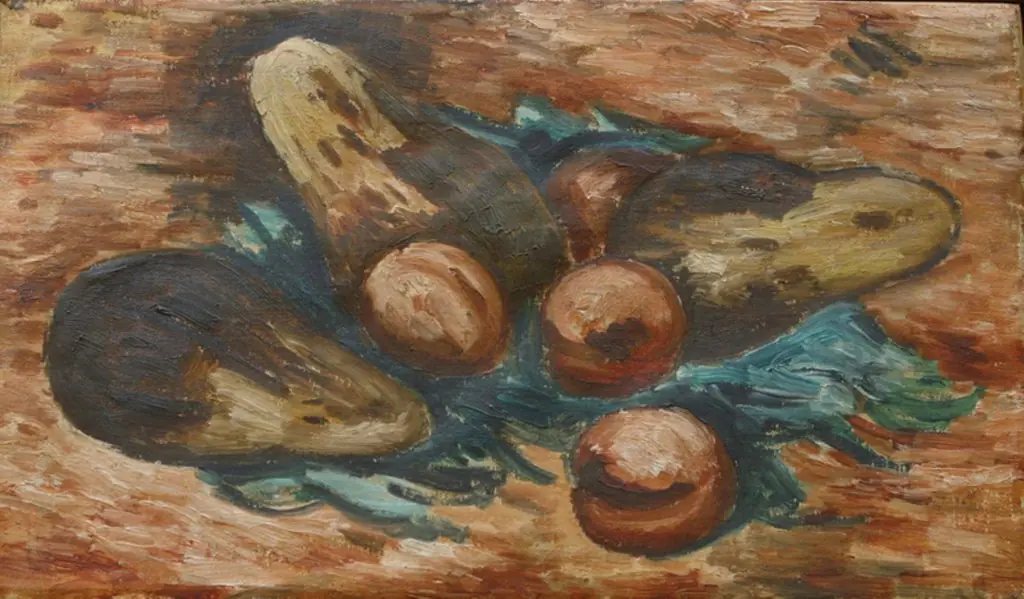 Eggplants and Pomegranates
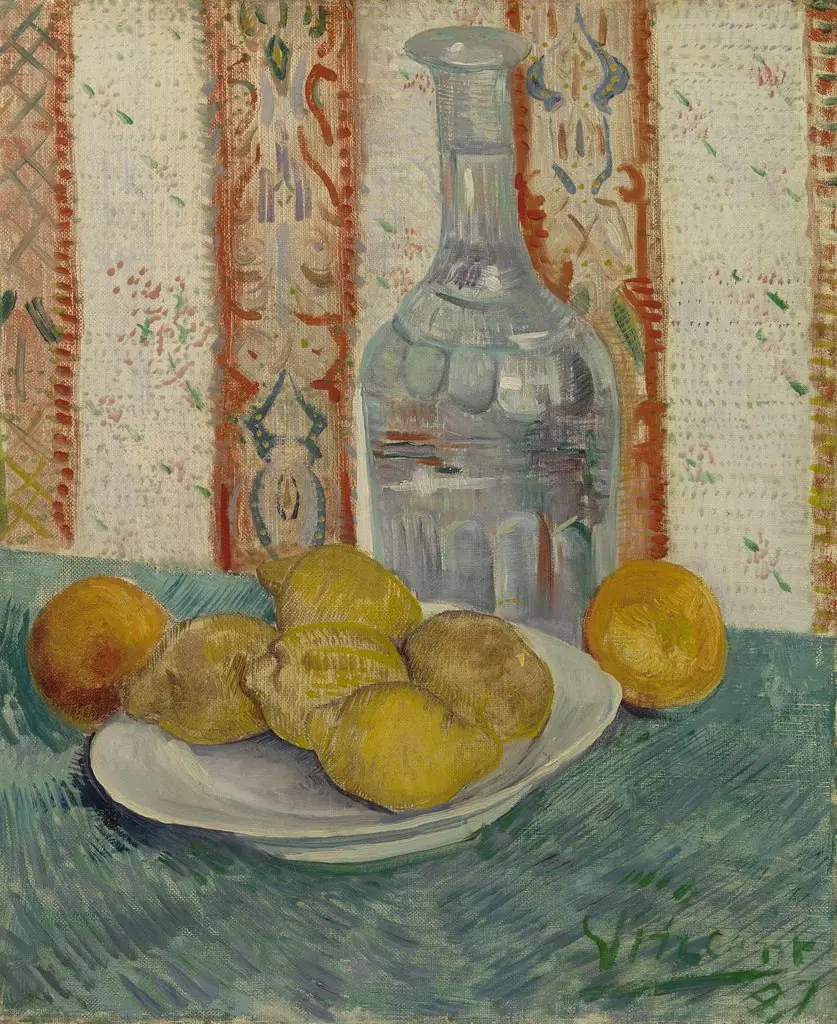 Carafe and Dish with Citrus Fruit
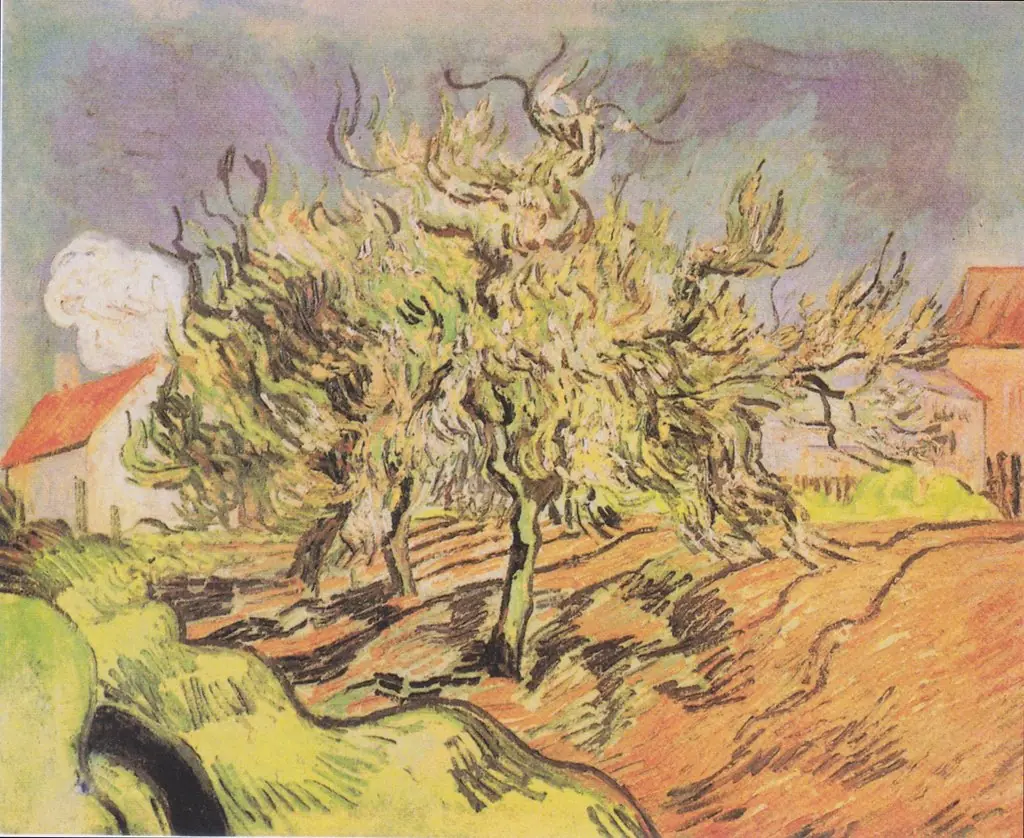 Landscape with three trees and houses
 Eggplants and Pomegranates
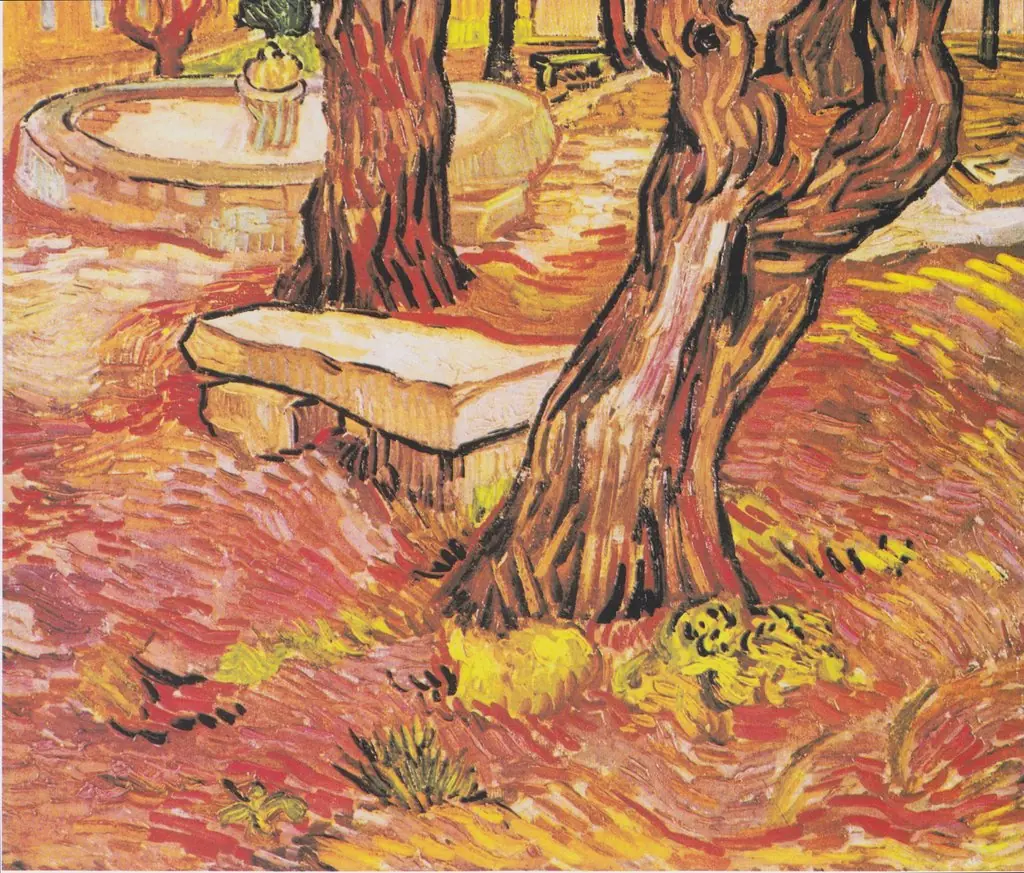 The Stone Bench in the Garden of Saint-Paul Hospital
- Still life with a plate of onions