Artwork
Self-Portrait
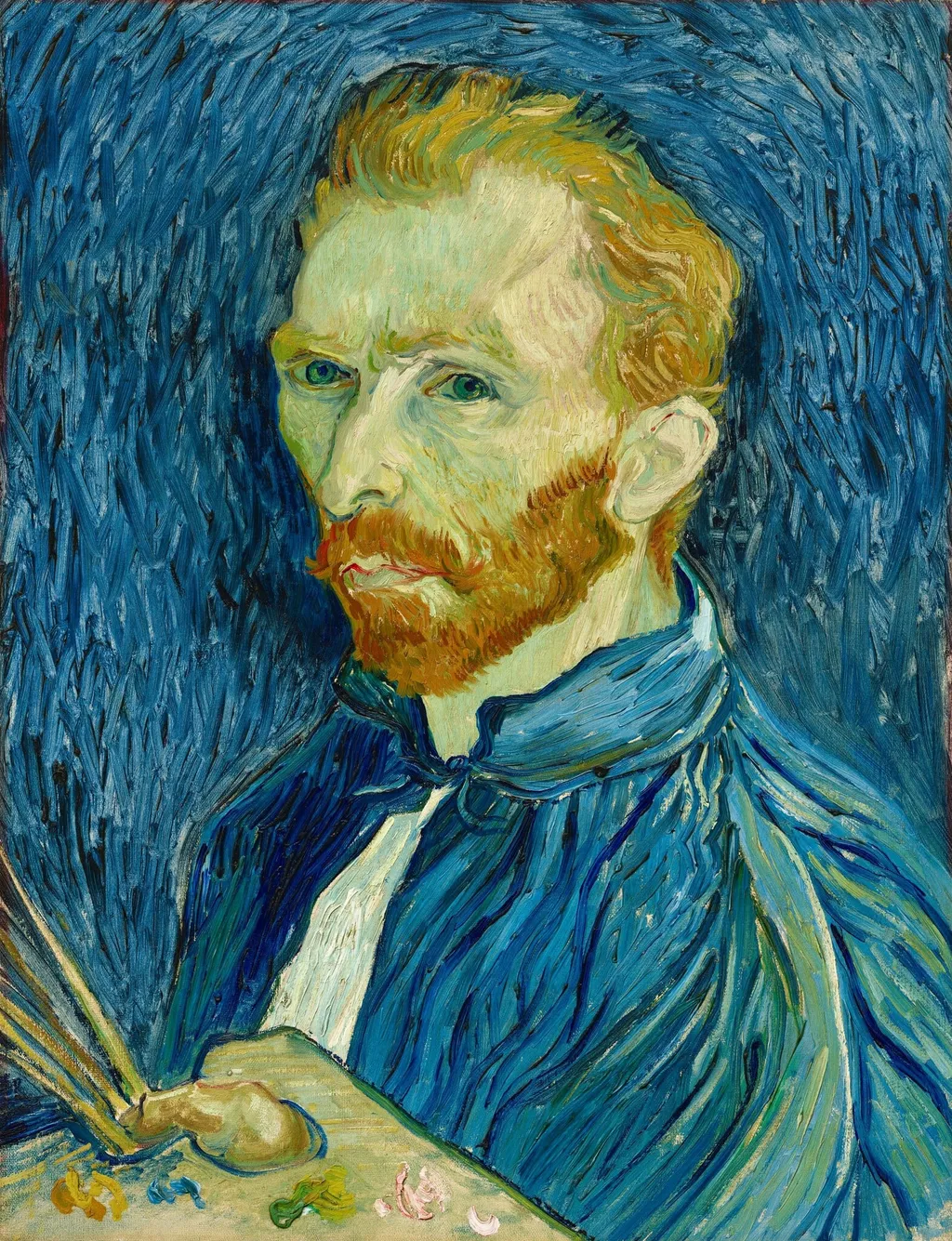
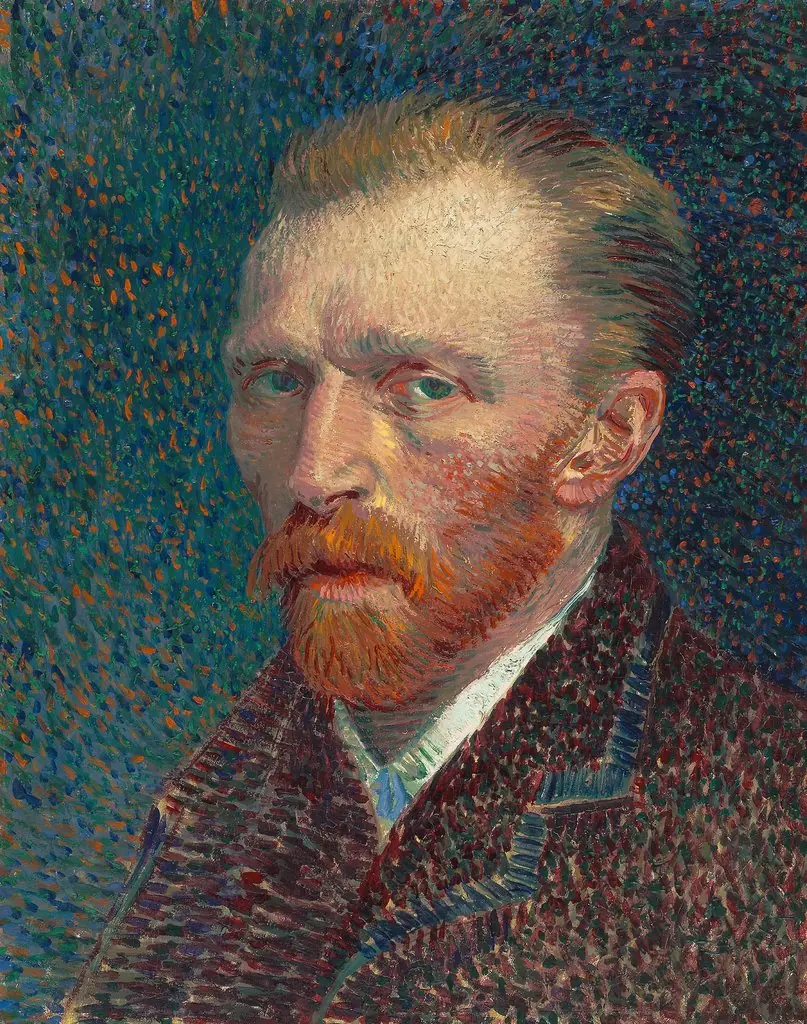
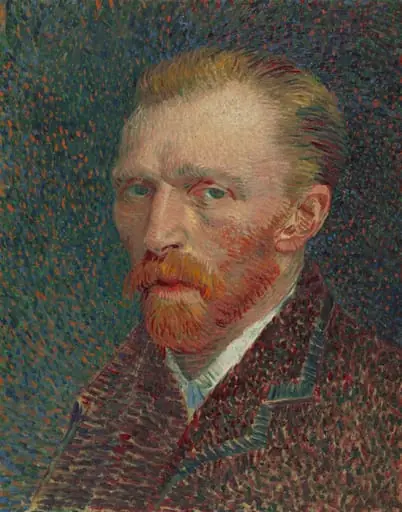
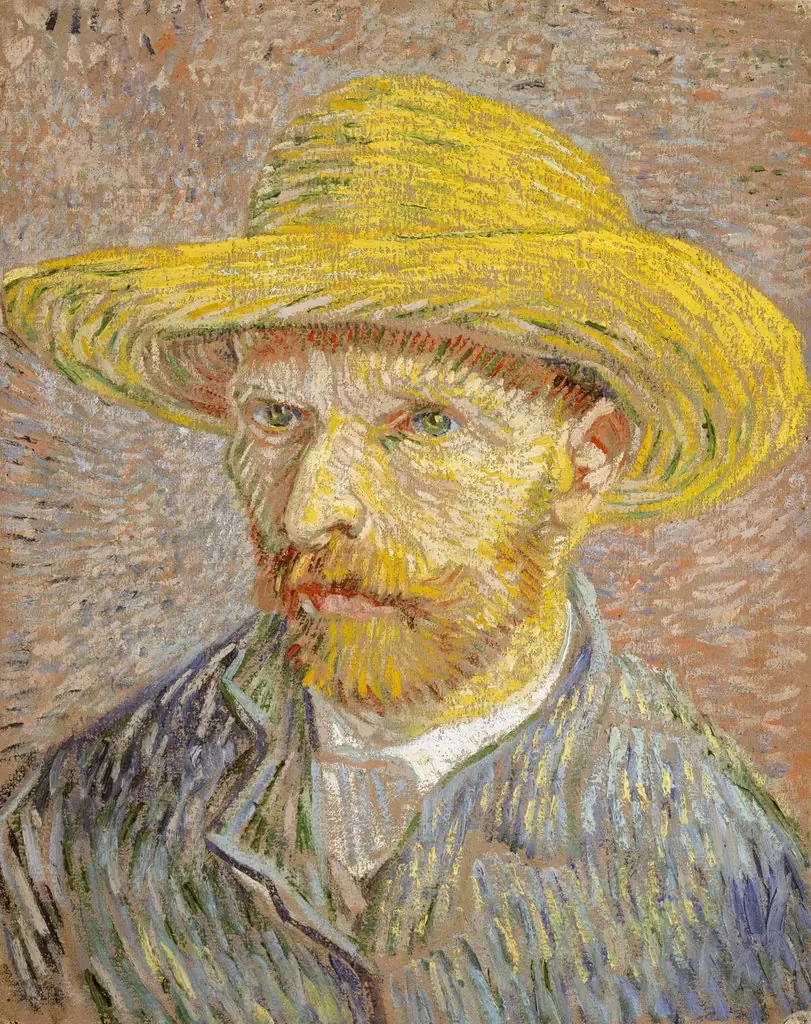
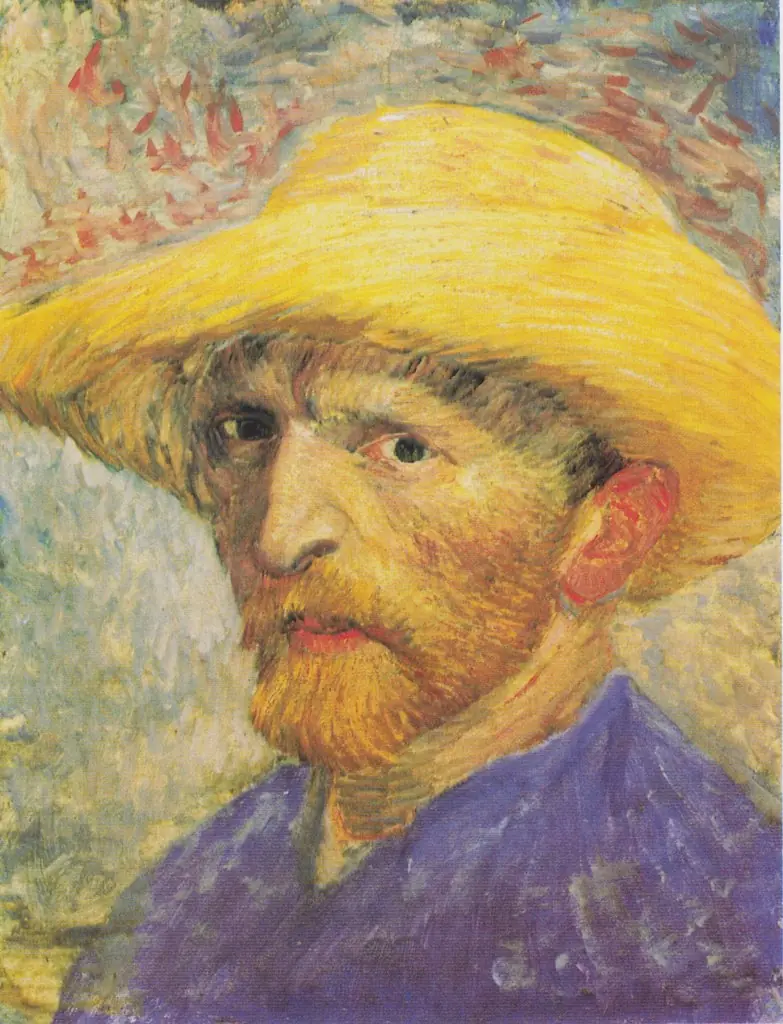
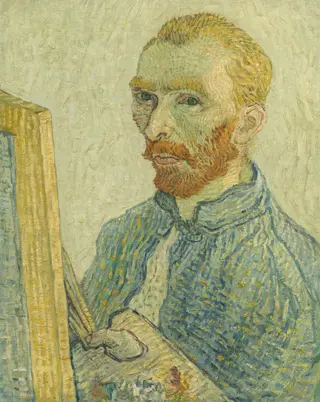
Self-Portrait is an oil painting by the Impressionist artist Vincent van Gogh. It dates from 1889 and is held in the collection of the National Gallery of Art.
About this work
Subject & Meaning
Van Gogh described his appearance in correspondence as emaciated and pale, utilizing contrasting yellowish-green tones to reflect his fragile physical state.
Painted in late August 1889 following a severe mental relapse, this work depicts Vincent van Gogh as a bust-length figure against a blue-violet background. The artist presents himself holding a palette and brushes while wearing a painter's smock, signaling his return to creative labor after confinement. Van Gogh described his appearance in correspondence as emaciated and pale, utilizing contrasting yellowish-green tones to reflect his fragile physical state.
The subject's gaze is characterized by a lack of parallel alignment in the eyes, a deliberate technique suggesting an inward focus on imaginary worlds rather than external reality. This introspective quality, combined with an expression of distrust, serves as an emotional record of the artist's psychological struggle, transforming the self-portrait from a mere technical exercise into a profound exploration of his identity amidst mental illness.
Technique & Style
The work is an oil painting on canvas, created in 1888‑89 in Saint‑Rémy‑de‑Provence. It depicts the artist in bust form against a blue ground, holding a palette, with a thin, pallid face and yellow hair rendered in contrasting greens and yellows. Van Gogh’s brushwork emphasizes a restless, introspective gaze, using non‑parallel eyes to suggest inner focus rather than literal likeness.
The composition follows the tradition of self‑portraiture as psychological inquiry, employing vivid color and textured impasto to convey emotional tension. The painting entered the National Gallery of Art in 1998 after passing through the collections of Hugo Tutein Nolthenius and John Hay Whitney.
History & Provenance
Vincent van Gogh created this oil-on-canvas self-portrait in late August 1889 at the Saint-Paul-de-Mausole asylum in Saint-Rémy-de-Provence, marking his first work following a severe mental health relapse. The painting entered the collection of Joseph Jacob Isaacson in The Hague before passing to Hugo Tutein Nolthenius in Delft by 1904. Following Nolthenius's death in 1944, the work was inherited by his brother Jacques and subsequently consigned to the Katz Gallery in Basel and M. Knoedler & Co. in New York.
It was sold to Mr. and Mrs. John Hay Whitney on June 9, 1947. The Whitney family retained the piece until gifting it to the National Gallery of Art in Washington, D.C., in 1998, where it remains part of the permanent collection.
Vincent van Gogh's 1888 oil-on-canvas self-portrait is held by the National Gallery of Art in Washington, D.C., where it was accessioned in 1998 as a gift from Mr. and Mrs. John Hay Whitney. The work was sold to the Whitneys by M. Knoedler & Co. on June 9, 1947, following consignment from the Katz Gallery in Basel. Prior to this, the painting resided in the collection of Hugo Tutein Nolthenius in Delft.
Historical records indicate the work was lent to exhibitions in Rotterdam in 1904 and 1910. Following Nolthenius's death in 1944, the piece appeared in a 1945 exhibition at the Galerie Schulthess in Basel and a 1946 show at the Kunsthalle Bern, both attributed to a private collection. The painting is cataloged as F 626 in standard Van Gogh indices.
Context
Created in August 1889 during Vincent van Gogh's confinement at Saint-Paul-de-Mausole in Saint-Rémy-de-Provence, this self-portrait stands as a pivotal work of late Post-Impressionism. Produced immediately after a severe mental health crisis, the painting is widely interpreted as a profound exercise in emotional introspection, continuing a tradition established by artists like Rembrandt. The work depicts the artist with a gaunt face and averted, inward-looking gaze, reflecting his psychological state and the difficulty of self-knowledge he expressed in correspondence with his brother Theo.
While van Gogh's career spanned only a decade, his prolific output of at least 36 self-portraits remains a distinctive element of his oeuvre, utilizing the genre for technical and psychological exploration. The painting, cataloged as F 626, entered the National Gallery of Art in Washington, D.C., in 1998, securing its place as a major historical document of the artist's final years.
Legacy
The painting’s legacy is reflected in its distinguished provenance and exhibition history. After van Gogh’s death it passed through the collections of Isaacson, Bremmer and the Tutein Nolthenius family, was lent to Rotterdam exhibitions in 1904 and seen again in 1910, and later appeared in shows at the Galerie Schulthess (Basel, 1945) and Kunsthalle Bern (1946). Acquired by John Hay Whitney in 1947 through Knoedler, it entered the National Gallery of Art, Washington, as a 1998 gift, where it remains on view and continues to shape assessments of van Gogh’s self‑portraiture.
Overview
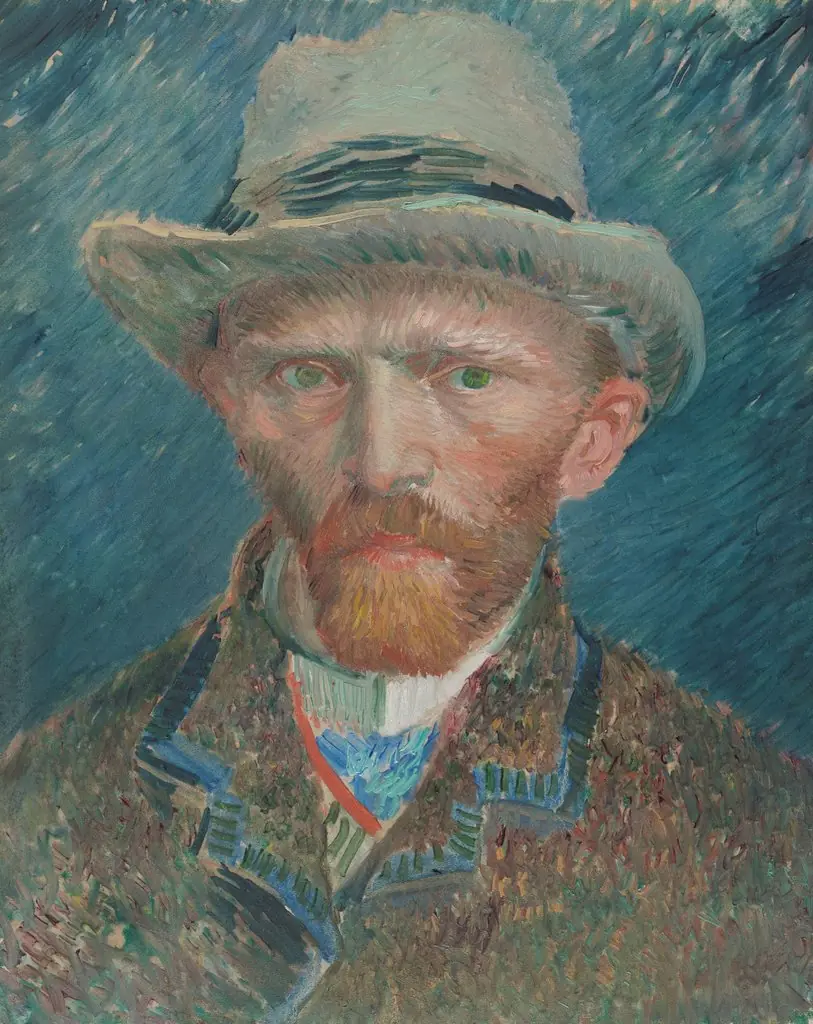
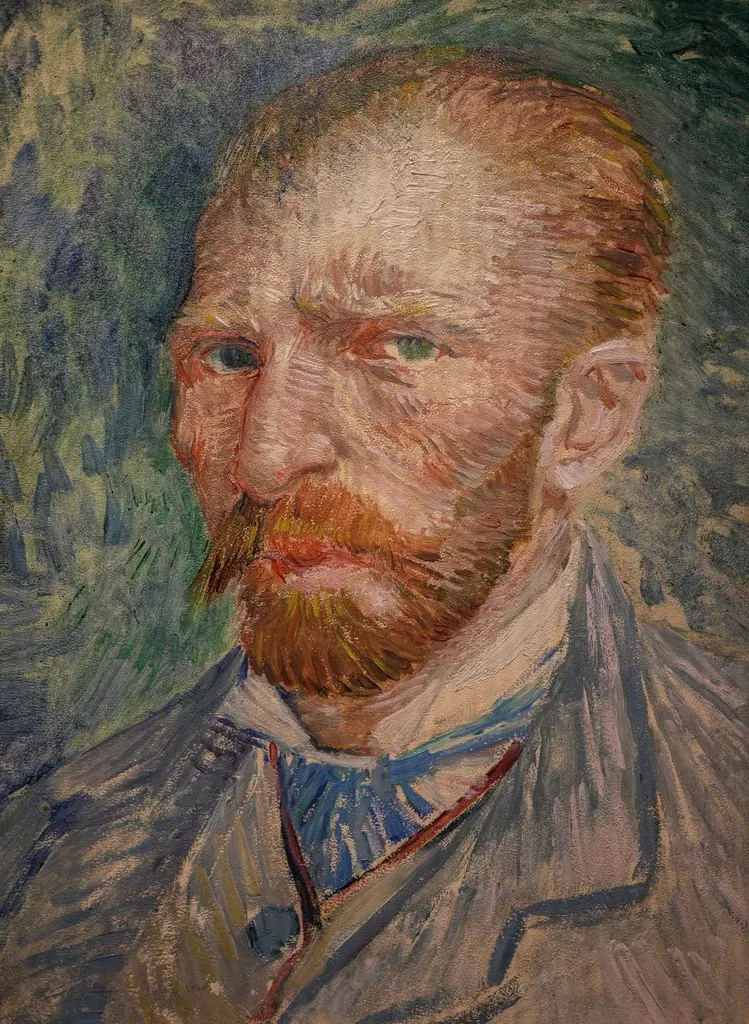
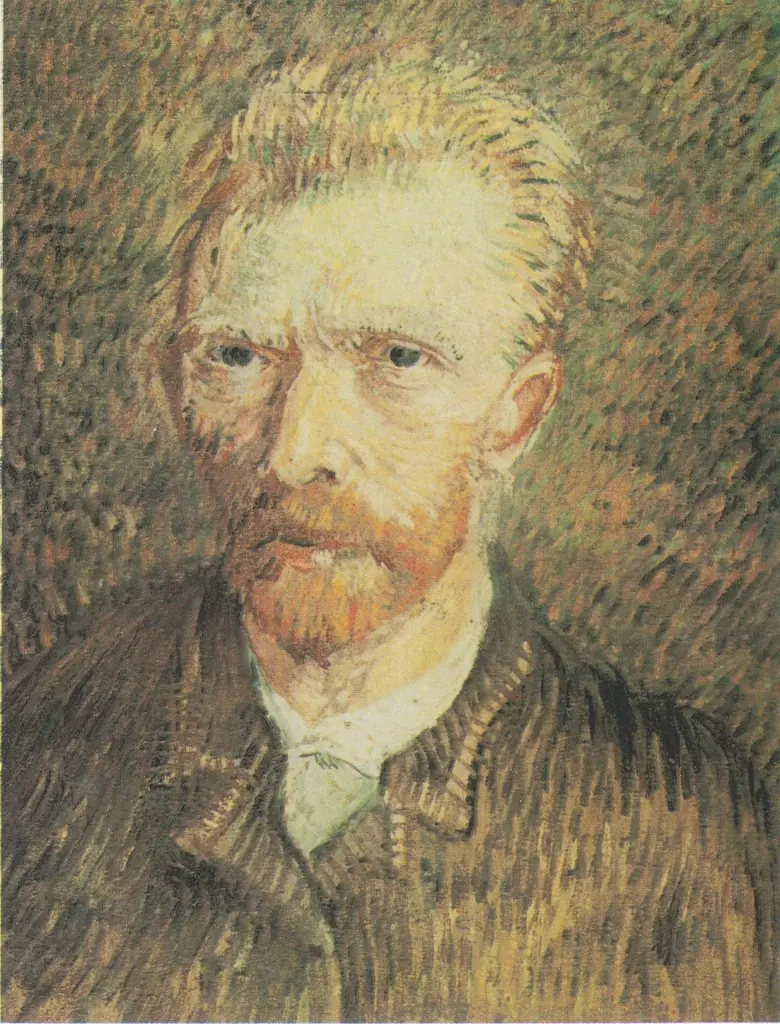
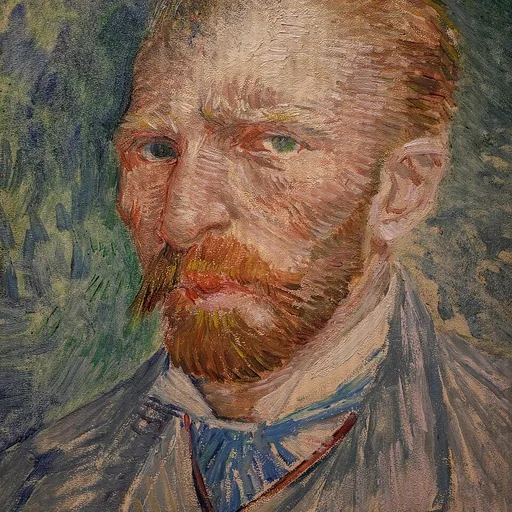
Vincent van Gogh executed this Self-Portrait in oil on canvas in September 1889, shortly before his departure from the asylum at Saint-Rémy-de-Provence. Often cited as his final self-portrait, the work depicts the artist facing forward with a direct, intense gaze. He is shown wearing a dark coat and a hat, with a rough beard framing a serious expression.
The composition is defined by Van Gogh's characteristic Post-Impressionist technique, utilizing bold, rhythmic brushstrokes and thick impasto to create a palpable texture across the surface. The paint application is vigorous, building up the forms of the face and clothing with visible, directional strokes that convey both physical presence and psychological intensity. Created during a period of significant mental and physical strain, this painting stands as a crucial document of the artist's state of mind near the end of his life. It is currently held in the collection of the Musée d'Orsay in Paris.
Own this work as a print
Artist & collection
Artist
Vincent Willem van Gogh was a Dutch Post-Impressionist painter who is among the most famous and influential figures in the history of Western art.