Artwork
Christ giving the Keys to Saint Peter
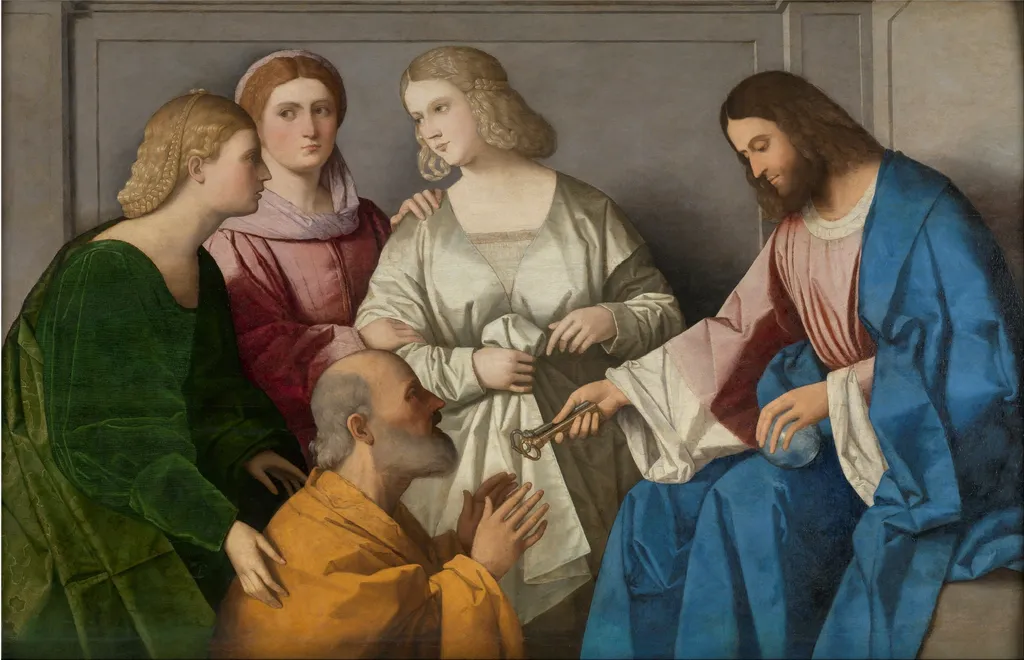
Christ giving the Keys to Saint Peter is an oil painting by the High Renaissance artist Vincenzo Catena. It dates from 1520 and is held in the collection of the Museo del Prado.
About this work
Subject & Meaning
Together, these elements define the work as a representation of the institution of the Church and the specific role of Peter as its first leader.
The painting depicts a religious scene featuring Jesus Christ and Saint Peter, illustrating the biblical moment where Christ entrusts the keys to the Kingdom of Heaven to Peter. This iconography establishes the theological foundation for papal authority within the Catholic tradition. The composition further includes a globus cruciger, or orb, held by Christ, which serves as a symbol of his dominion over the world and reinforces his divine sovereignty in the act of transferring spiritual power.
Together, these elements define the work as a representation of the institution of the Church and the specific role of Peter as its first leader.
Technique & Style
The work is an oil painting executed on wooden panel. It depicts Christ extending a goldfinch-shaped key to Saint Peter, symbolizing the transfer of ecclesiastical authority. The composition features a central, frontal Christ figure flanked by Peter holding a book and an orb, balanced by attendant figures in muted tones.
Formal elements include restrained chiaroscuro, precise linear contours, and a flattened pictorial space characteristic of early 16th-century Venetian altarpiece conventions.
History & Provenance
The work titled Christ giving the Keys to Saint Peter was painted by Vincenzo Catena in 1520. It was created as an oil painting on panel and depicts Saint Peter receiving the keys from Jesus Christ. The composition includes symbolic elements such as an orb held by Christ, reinforcing the papal imagery associated with Saint Peter.
The painting is part of the permanent collection at the Museo del Prado in Madrid, where it has been displayed since its acquisition. Its dimensions are 86 cm in height and 135 cm in width, reflecting its substantial scale within the museum’s Renaissance gallery.
The work’s provenance is closely tied to its creation in the early 16th century, with no records indicating multiple owners prior to its inclusion in the Spanish royal collection. It was later transferred to the Museo del Prado, where it remains accessible to the public as part of the museum’s distinguished holdings of Venetian-influenced Italian Renaissance art.
The work is held in the Museo del Prado, Madrid, where it is inventoried as oil on panel, measuring 86 × 135 cm and dated to 1520.
Its exhibition history includes long-term display at the Museo del Prado as part of its holdings of Venetian Renaissance paintings.
Overview
Vincenzo Catena, an early‑sixteenth‑century painter of the Venetian school, executed the oil painting Christ Giving the Keys to Saint Peter around 1520. The work belongs to the High Renaissance period and is part of the Museo del Prado’s collection. It presents a solemn religious encounter rendered with the characteristic clarity and compositional balance of Venetian art.
Own this work as a print
Artist & collection
Artist
Vincenzo Catena (c. 1480–1531) was an Italian painter of the Renaissance Venetian school. He is also known as Vincenzo de Biagio.

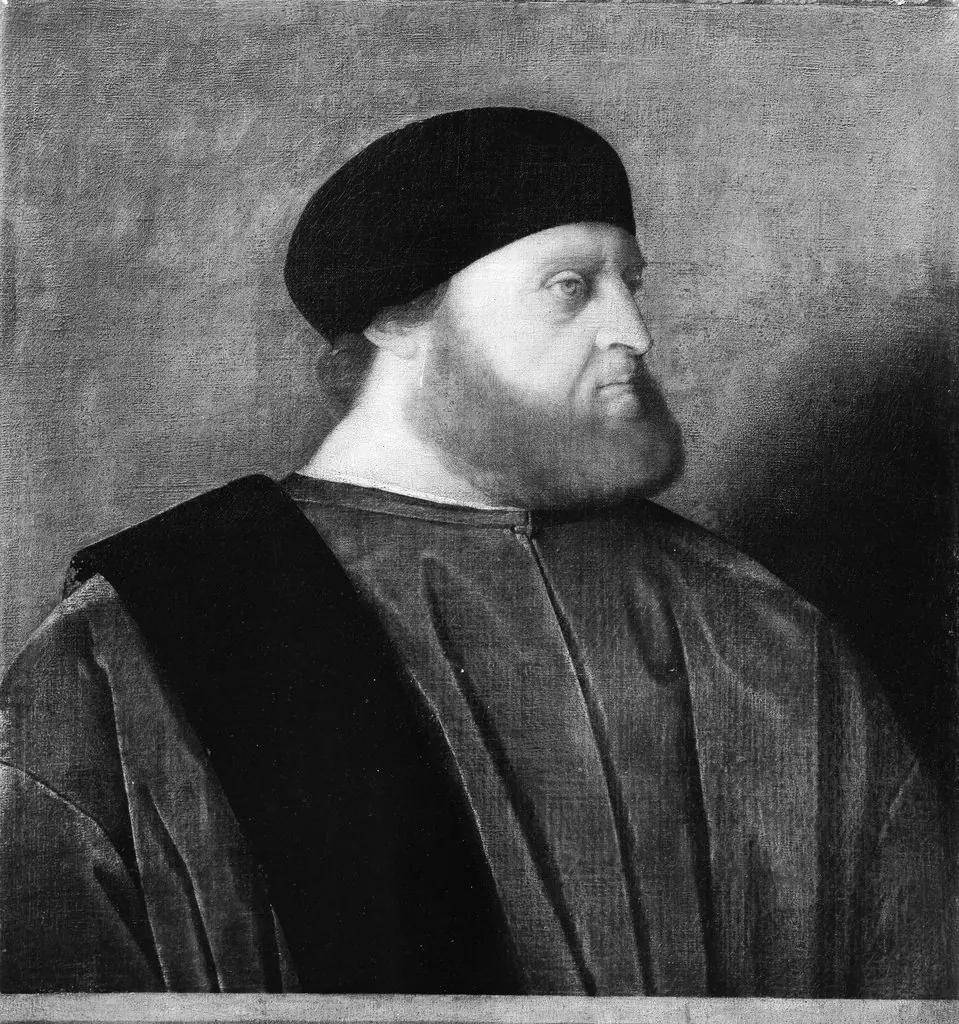
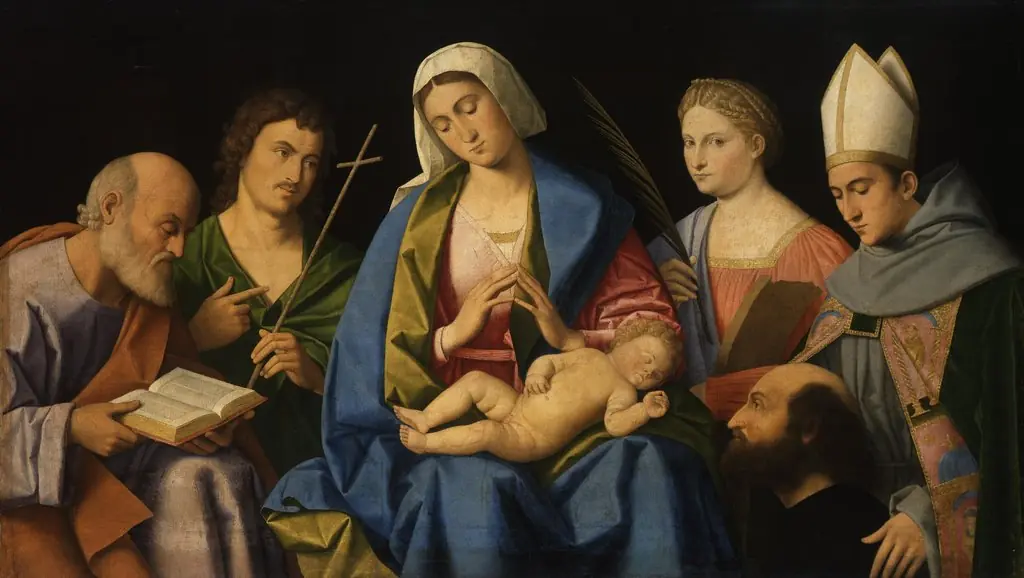
- Christ and the Women of Canaan
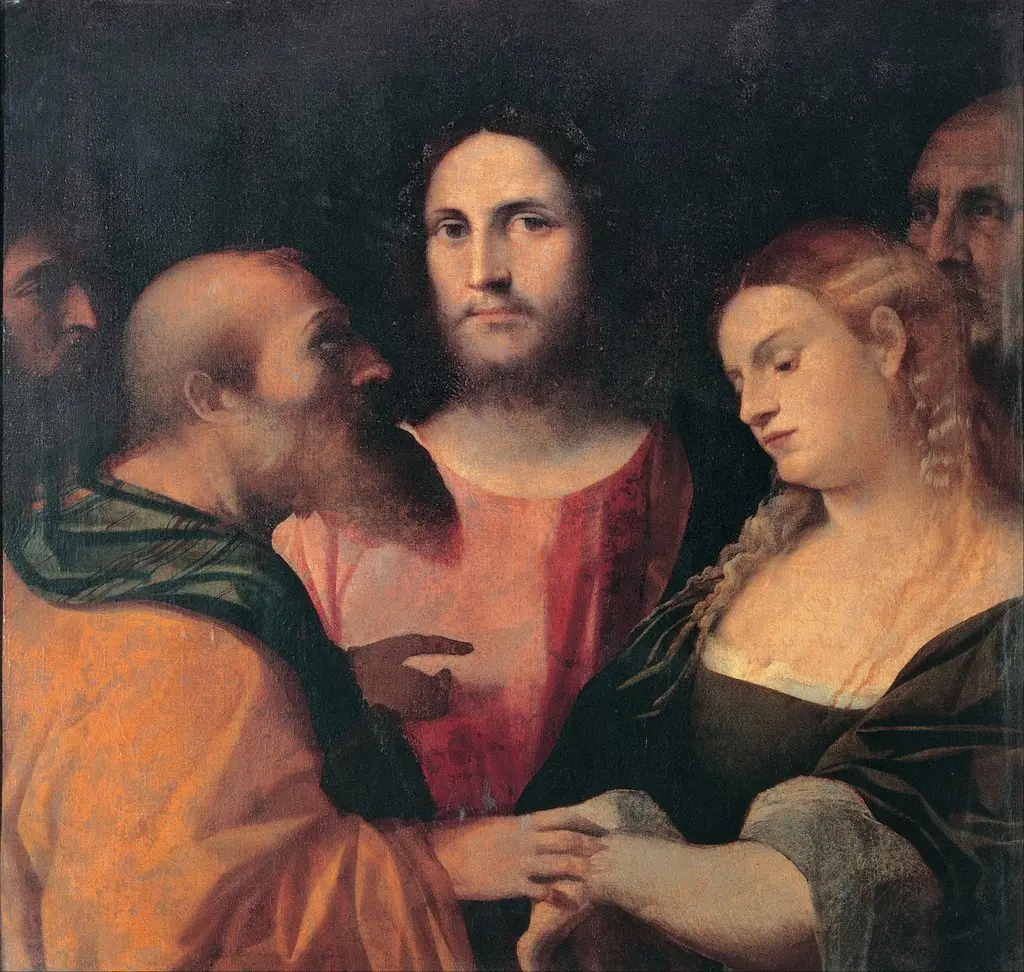 Christ and the adulteress
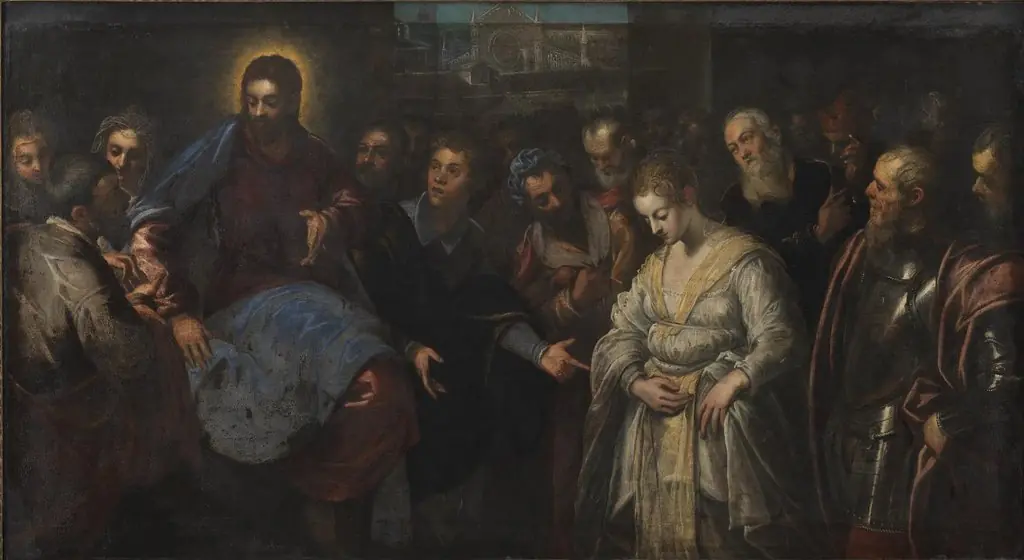 Christ and the Adulteress
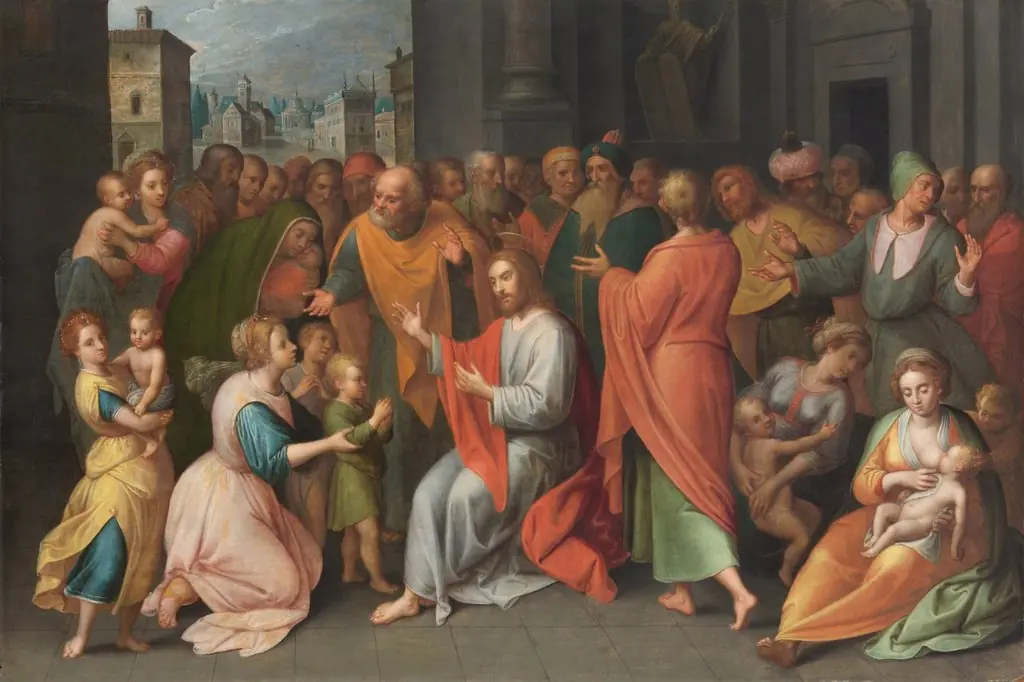 Christ blessing the children
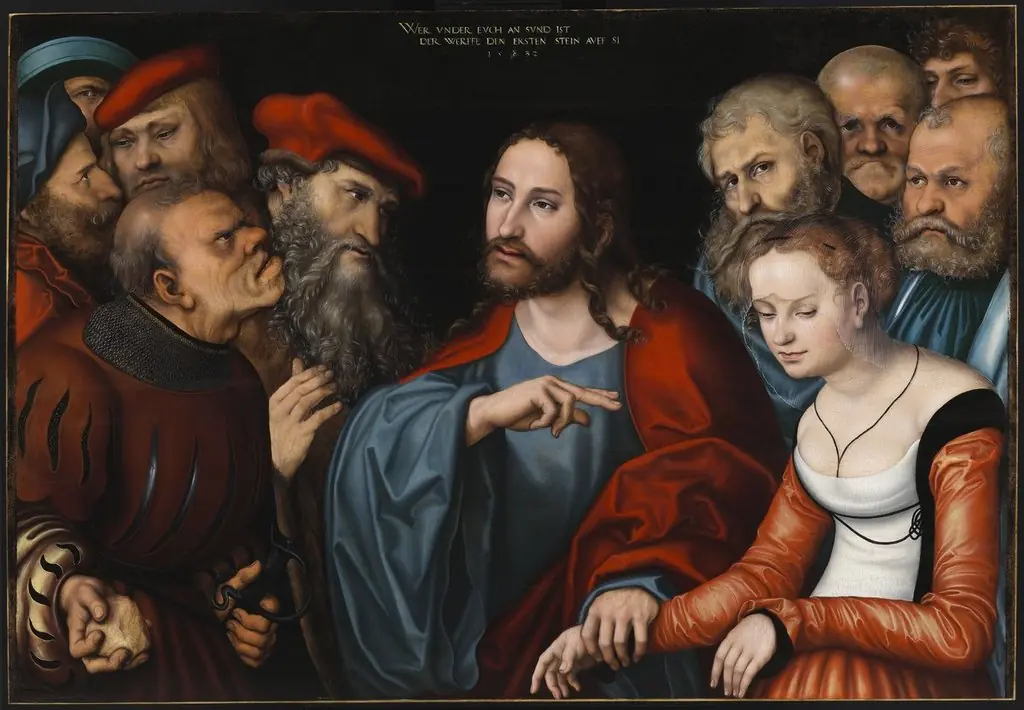 Christ and the Adulteress
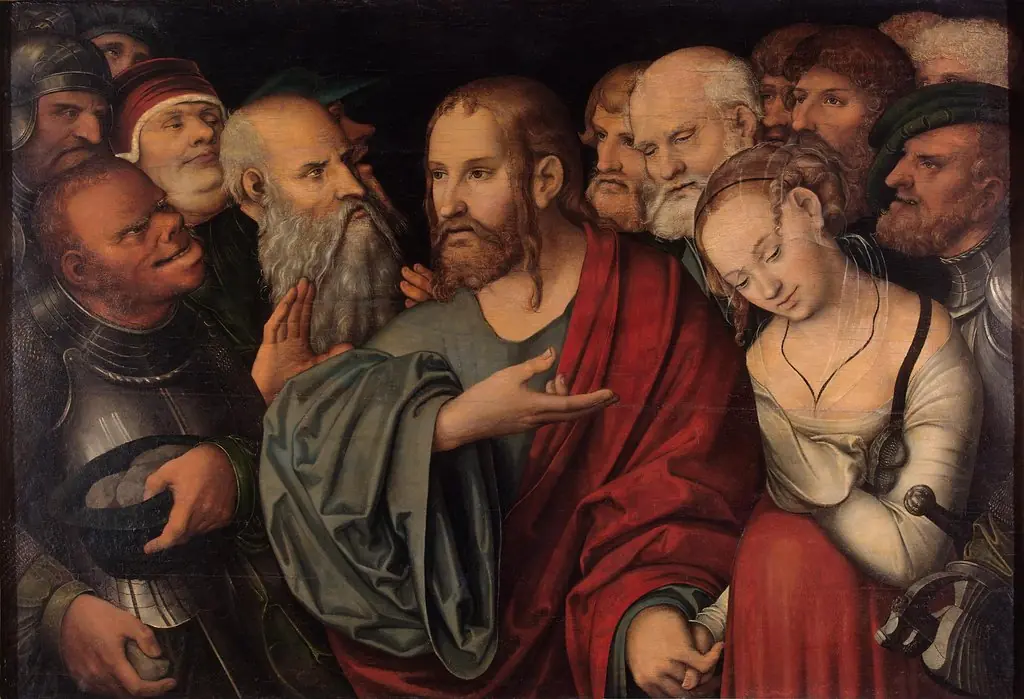 Christ and the Woman Taken in Adultery
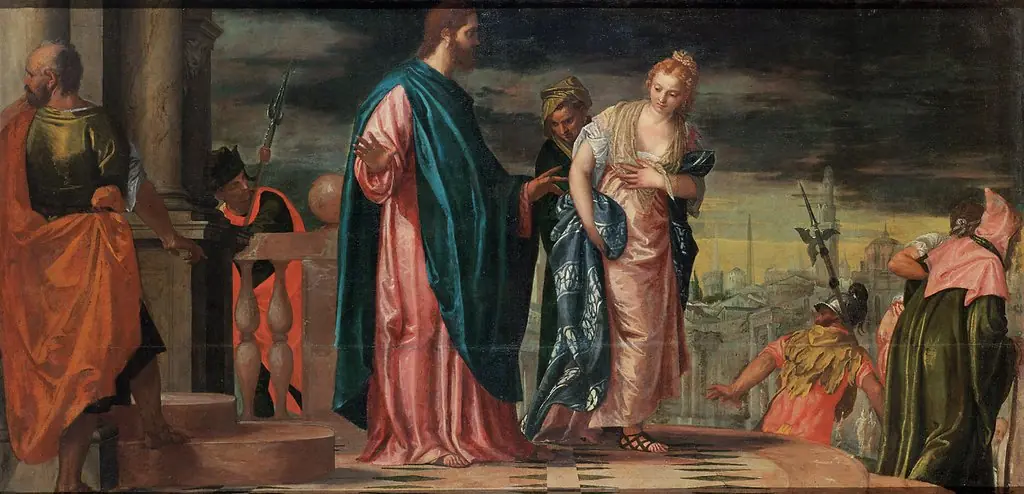 Christ and the Adulteress
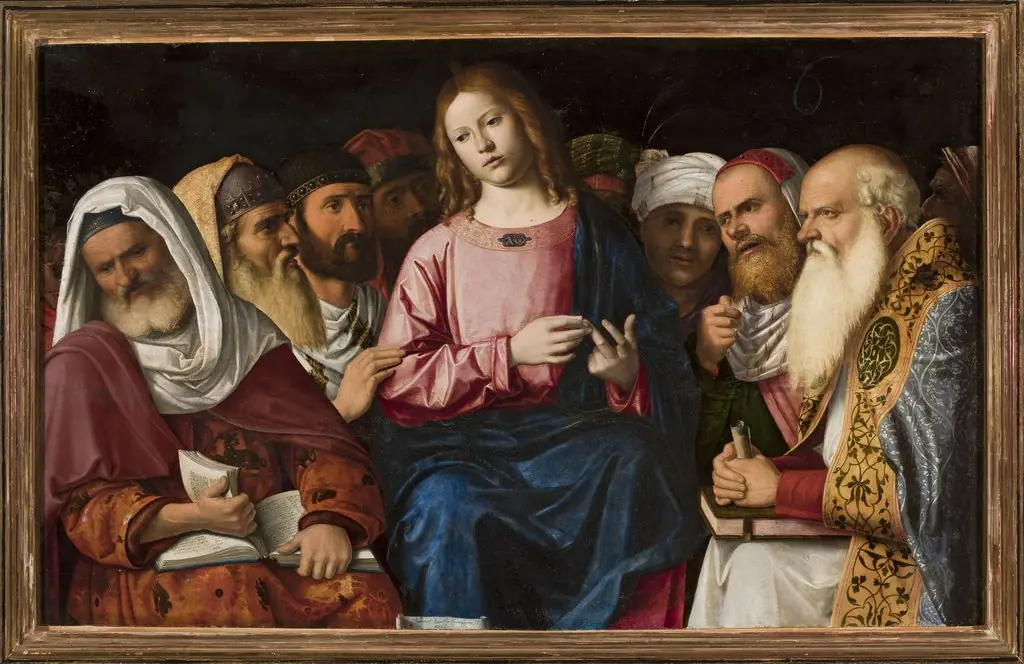 Christ among the Doctors
 Christ and the Adulteress
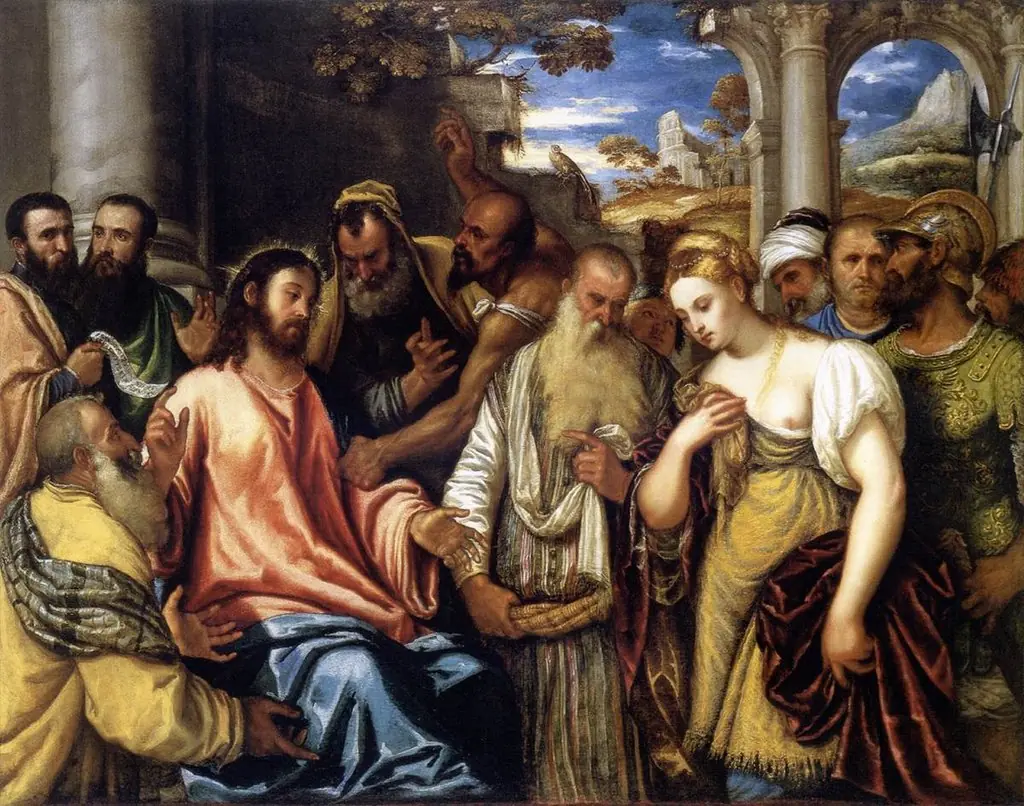 Christ and the Woman in Adultery
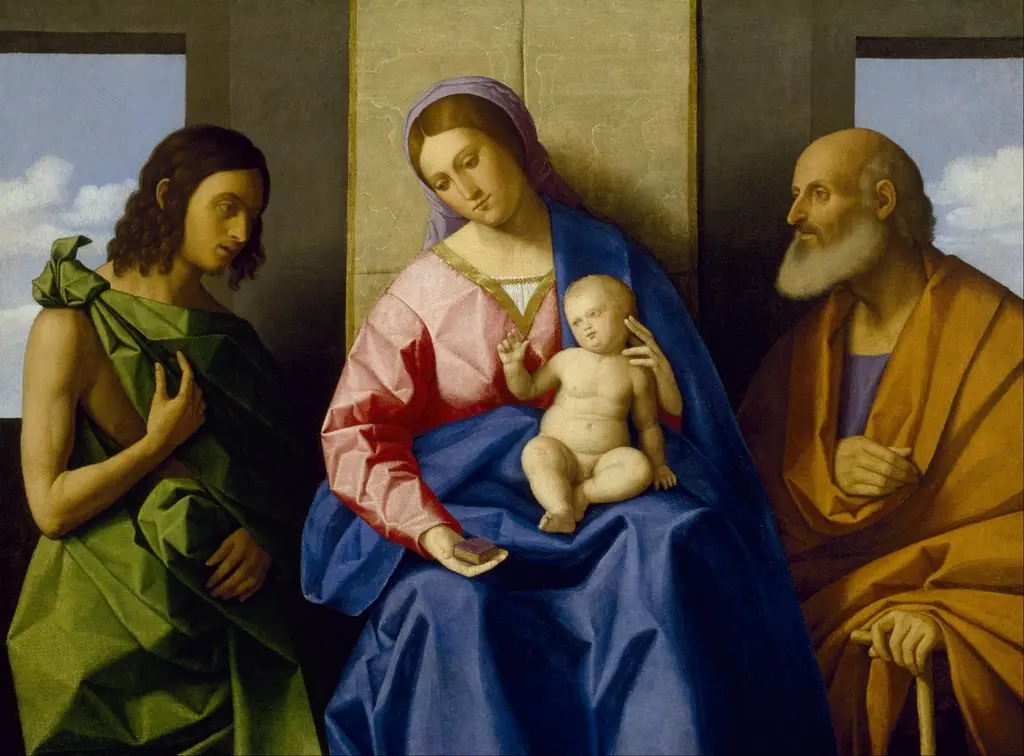 Virgin and Child with Saints John the Baptist and Joseph
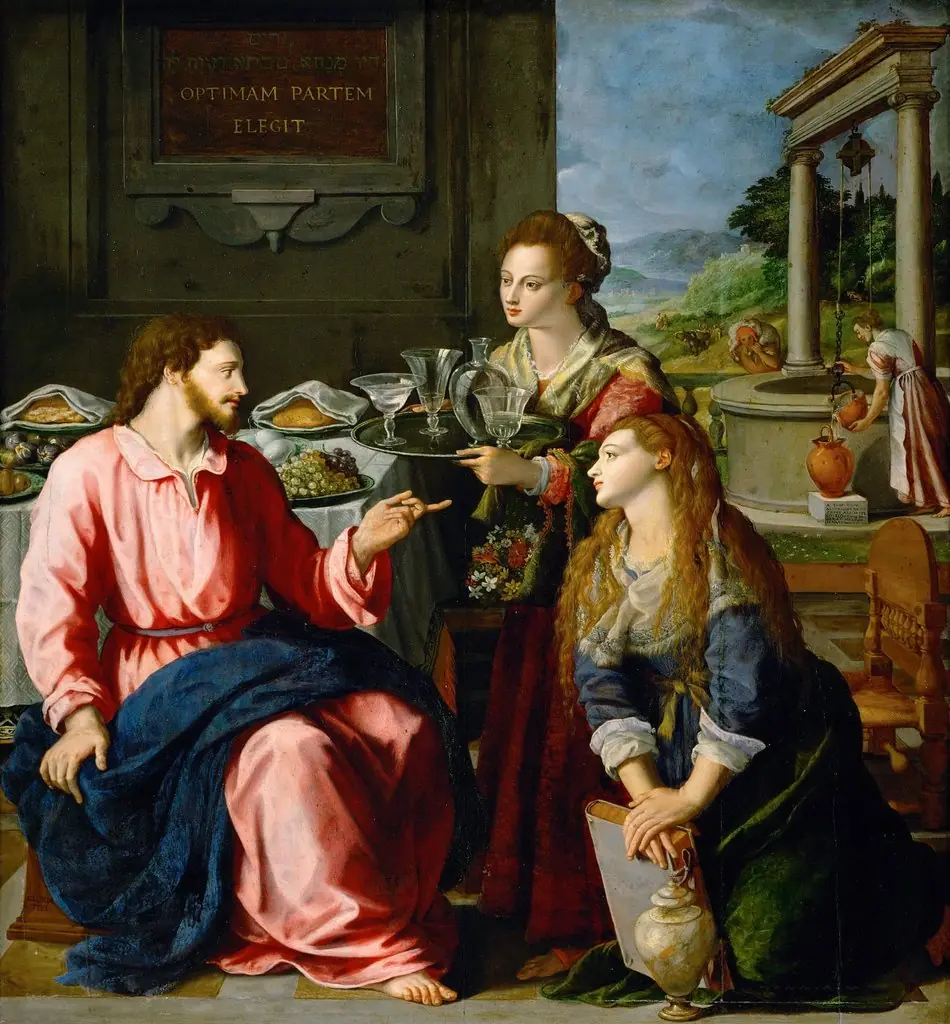 Christ at the house of Martha and Mary