Artwork
The Adoration of the Shepherds
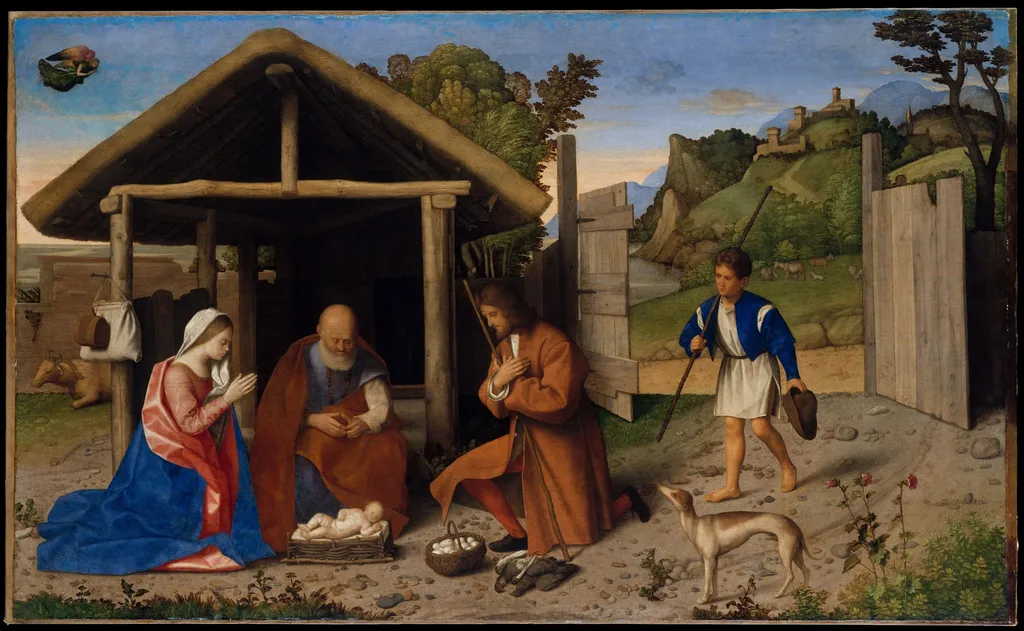
The Adoration of the Shepherds is an oil painting by the High Renaissance artist Vincenzo Catena. It dates from 1520 and is held in the collection of the Metropolitan Museum of Art.
About this work
Subject & Meaning
The presence of a dog within the scene adds a specific element to the iconography, often representing fidelity or the earthly nature of the witnesses.
Executed in 1520, Vincenzo Catena's oil painting illustrates the biblical narrative of the Adoration of the Shepherds. The composition features the Christ Child as the central figure, surrounded by the Virgin Mary and Joseph, who are visited by shepherds. This religious genre work explicitly depicts the moment of reverence paid to the newborn Jesus by humble herdsmen, a traditional subject symbolizing the revelation of the divine to the common people.
The presence of a dog within the scene adds a specific element to the iconography, often representing fidelity or the earthly nature of the witnesses. By gathering these figures around the infant, the artwork visually represents the theological concept of the Incarnation and the universal scope of Christ's birth, bridging the sacred and the mundane through the gathering of holy family and rural observers.
Technique & Style
Executed in 1520 by Vincenzo Catena, this religious painting utilizes oil paint applied to a canvas support. The work presents a horizontal composition measuring approximately 125.7 by 207.6 centimeters, a format that accommodates a gathered group of figures within the scene. The imagery centers on the adoration of the shepherds, featuring the Christ Child, Mary, and Joseph alongside other male figures and a dog.
As an oil on canvas piece from the early sixteenth century, the medium allows for the specific rendering of textures and forms characteristic of the period's devotional art, though specific details regarding current surface condition or distinct brushwork handling are not explicitly detailed in the available records beyond the fundamental material construction.
History & Provenance
Vincenzo Catena painted The Adoration of the Shepherds in 1520 using oil on canvas; the work measures 125.7 cm by 207.6 cm and depicts the biblical scene of shepherds adoring the infant Christ, with Joseph, Mary, and a dog. Its iconography aligns with religious art of the period, emphasizing the moment of worship. The painting has been part of the Metropolitan Museum of Art's collection since its acquisition, listed among its European paintings holdings.
No surviving documentation indicates a specific commissioning patron, no accession number is published in the available records, and the exhibition records consulted do not indicate any documented exhibitions featuring this painting. The dating is anchored to the inscription "1520" recorded in the artist's catalogue entry.
Overview
This oil painting, titled The Adoration of the Shepherds, presents a tranquil depiction of a pivotal biblical event. It captures the moment when humble shepherds arrive to pay homage to the newborn Christ, a common theme in religious art. The composition centers on the Holy Family, surrounded by elements that ground the sacred narrative in a naturalistic setting.
Own this work as a print
Artist & collection
Artist
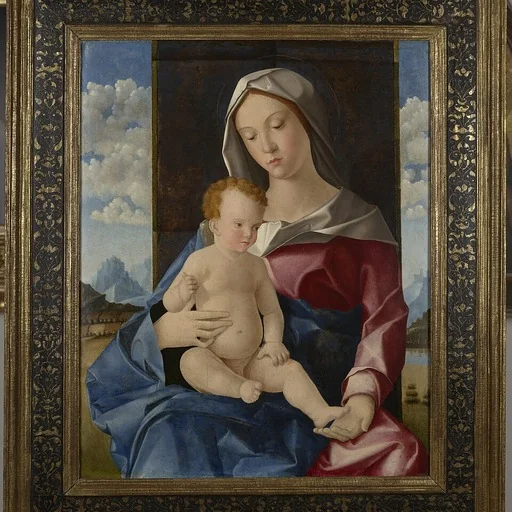
Vincenzo Catena (c. 1480–1531) was an Italian painter of the Renaissance Venetian school. He is also known as Vincenzo de Biagio.


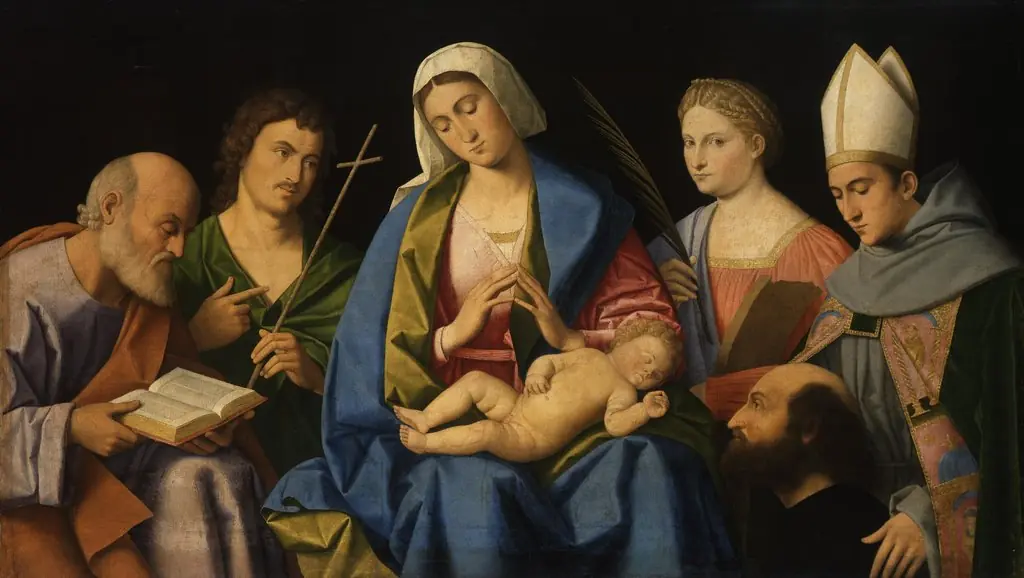
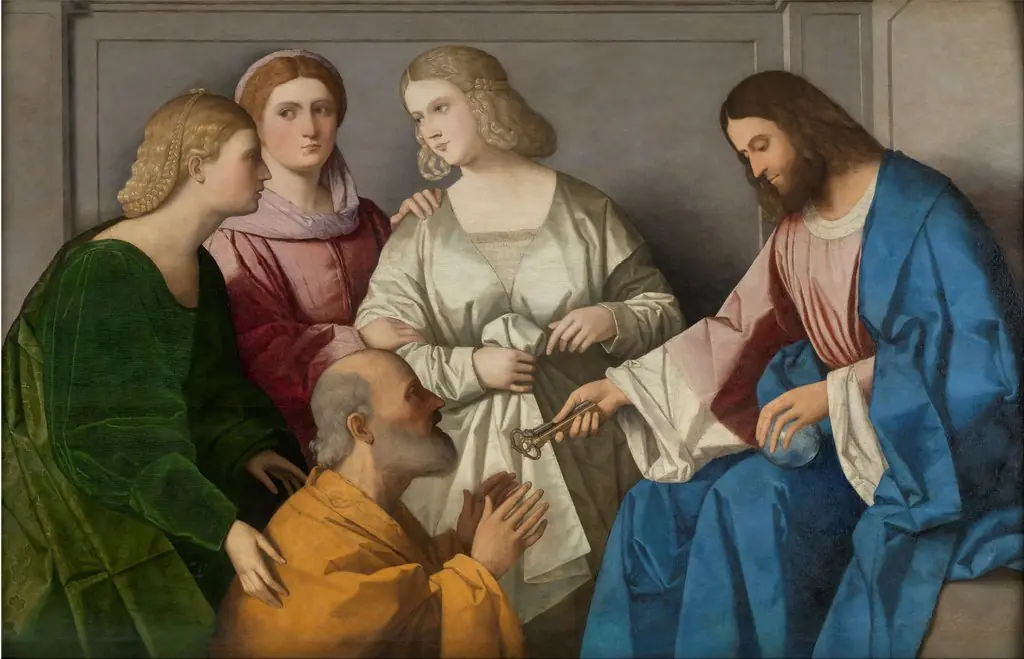
- The Adoration of the Shepherds
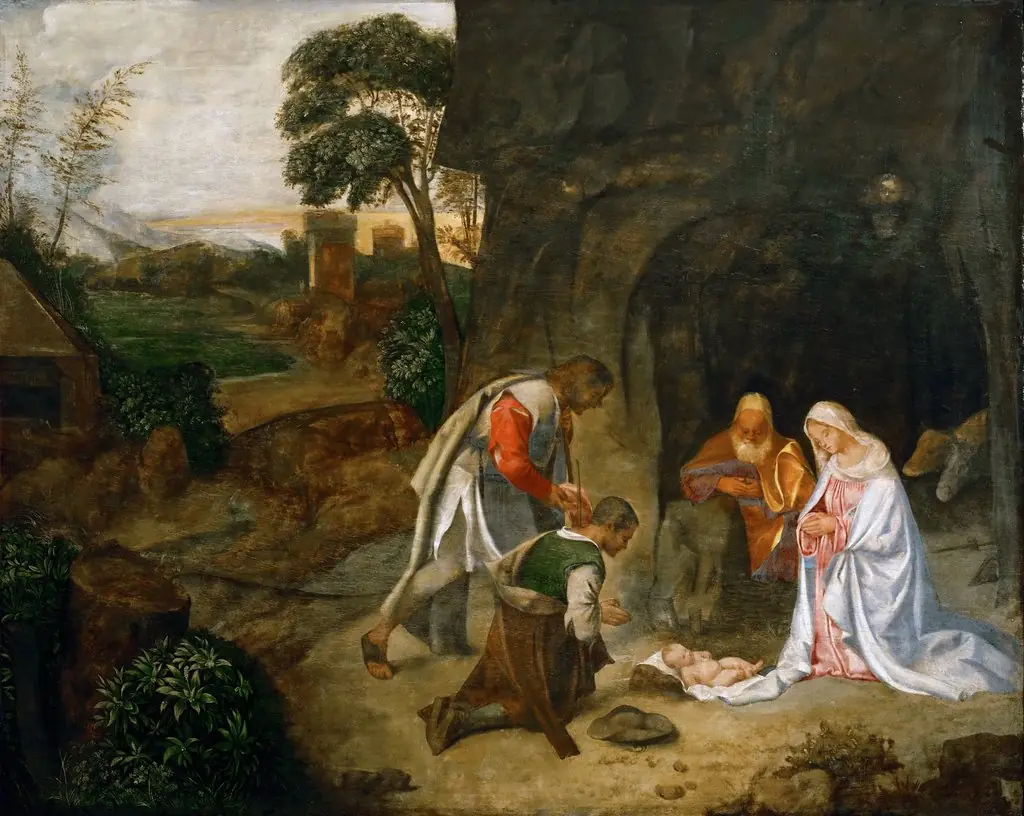
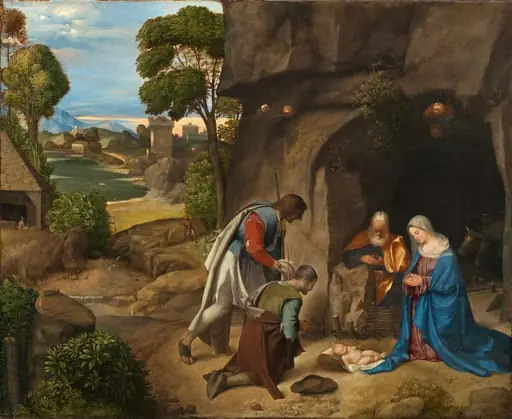 The Adoration of the Shepherds
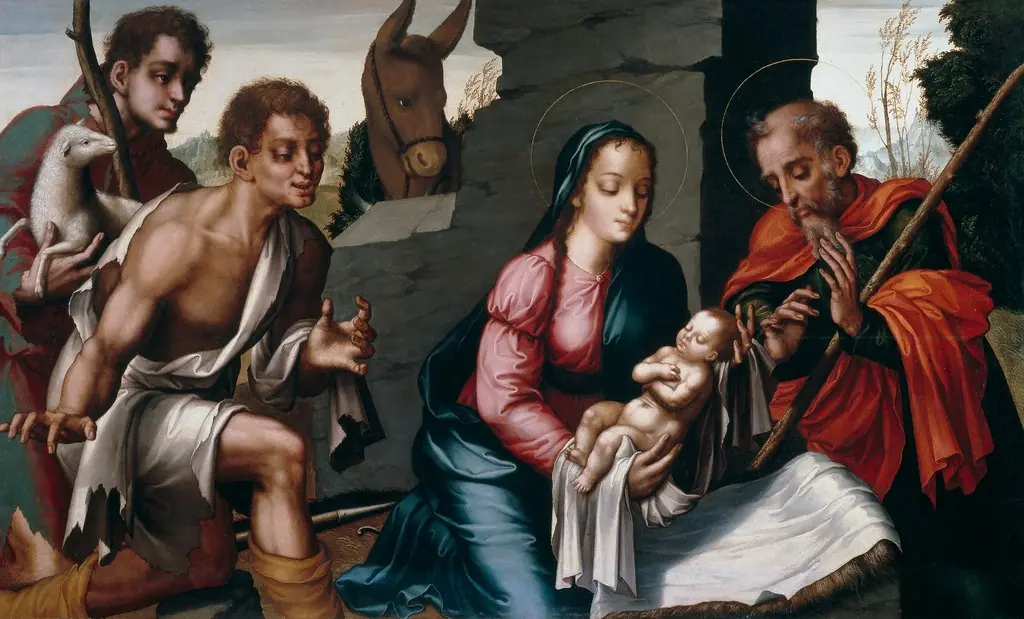 The Adoration of the Shepherds
 The Adoration of the Shepherds
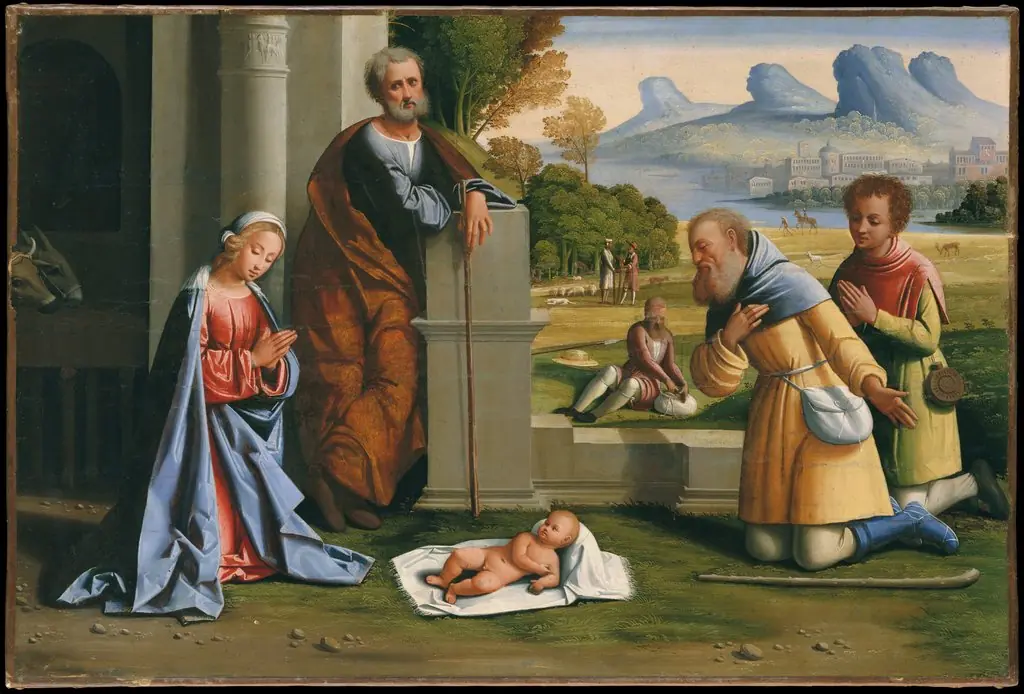 The Adoration of the Shepherds
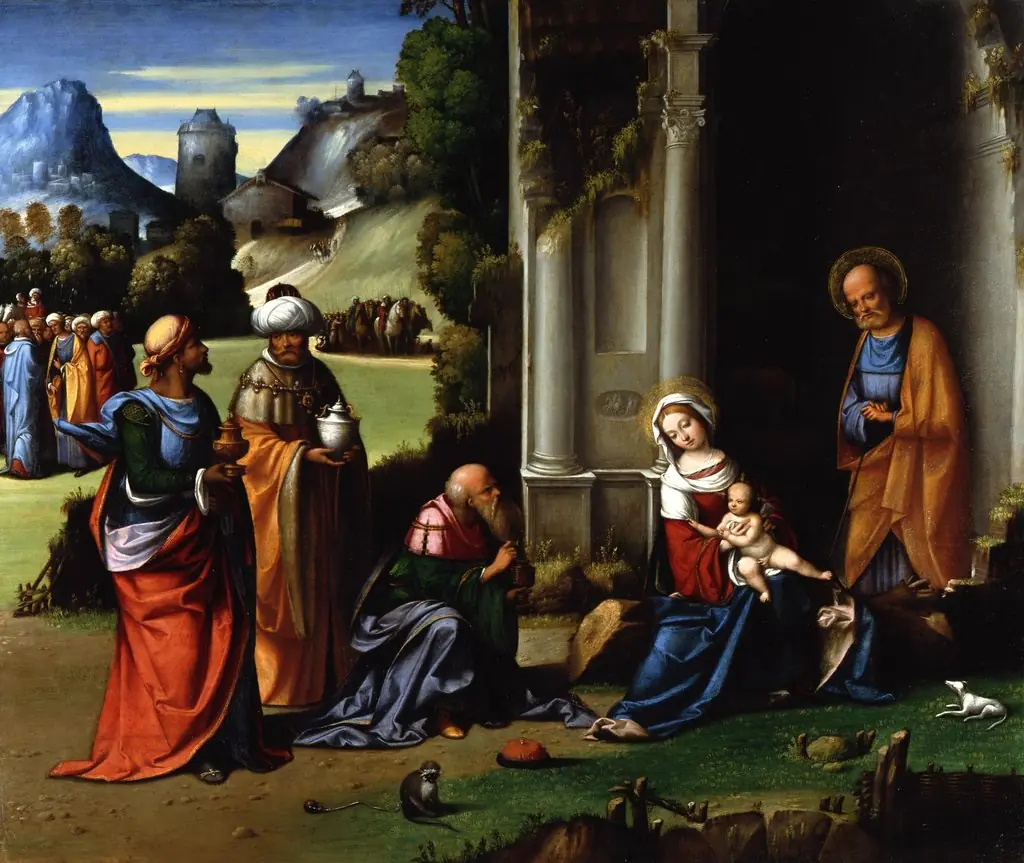 The Adoration of the Magi
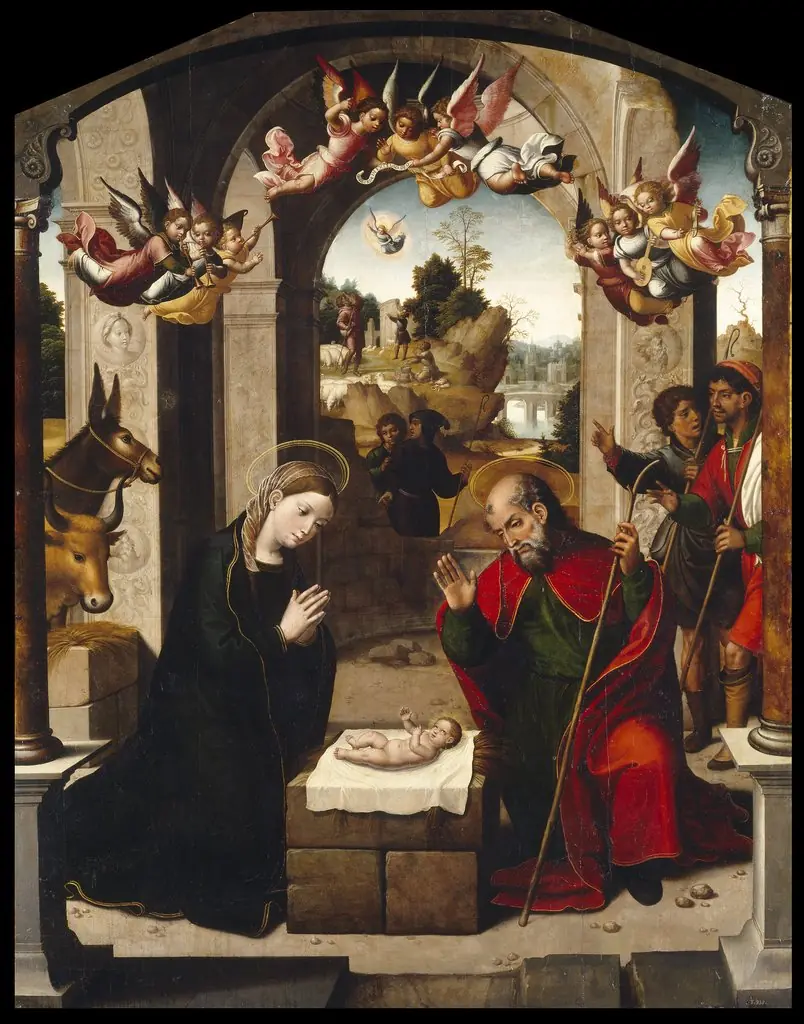 The Nativity
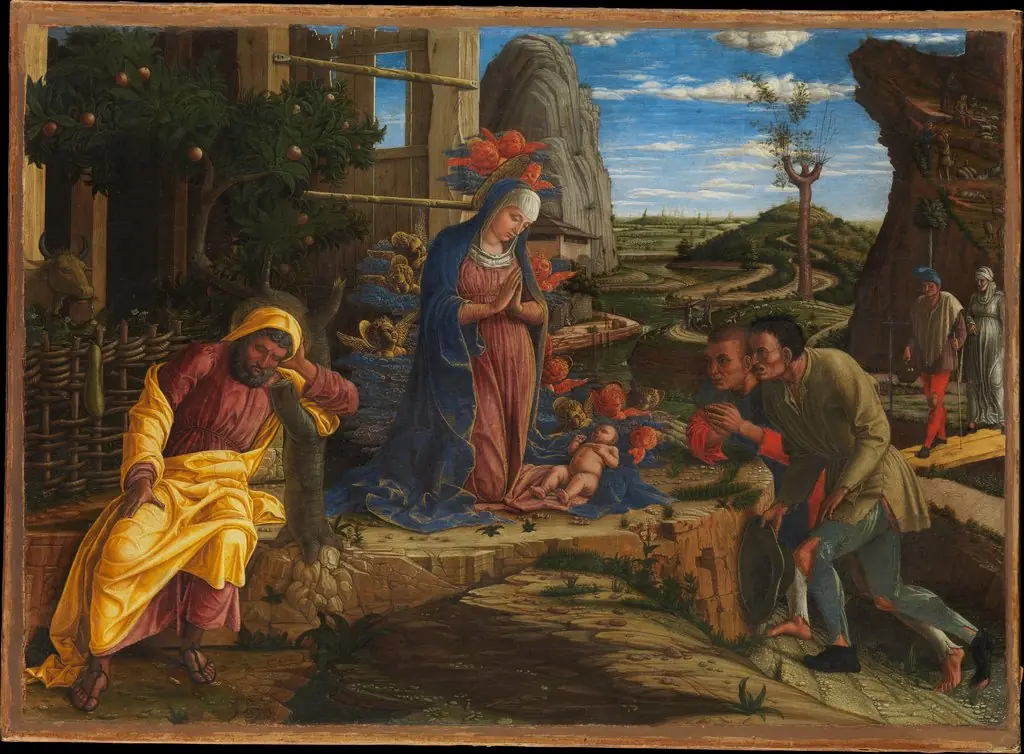 Adoration of the Shepherds
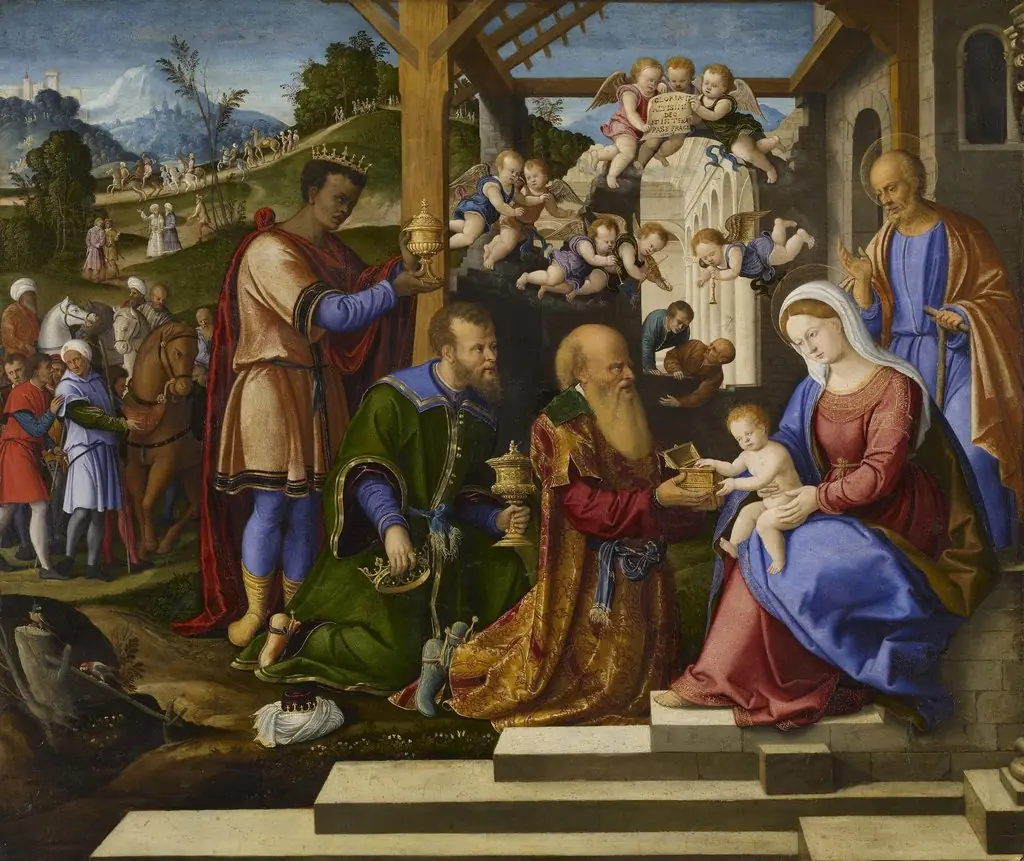 The Adoration of the Three Kings
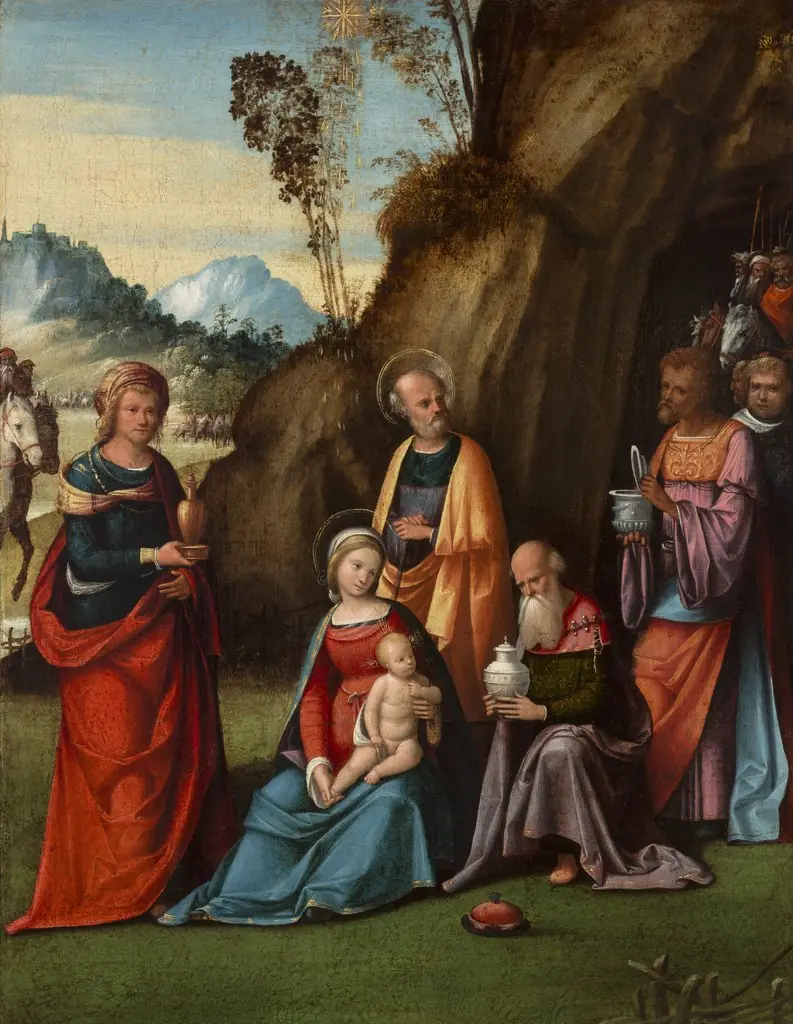 Adoration of the Magi
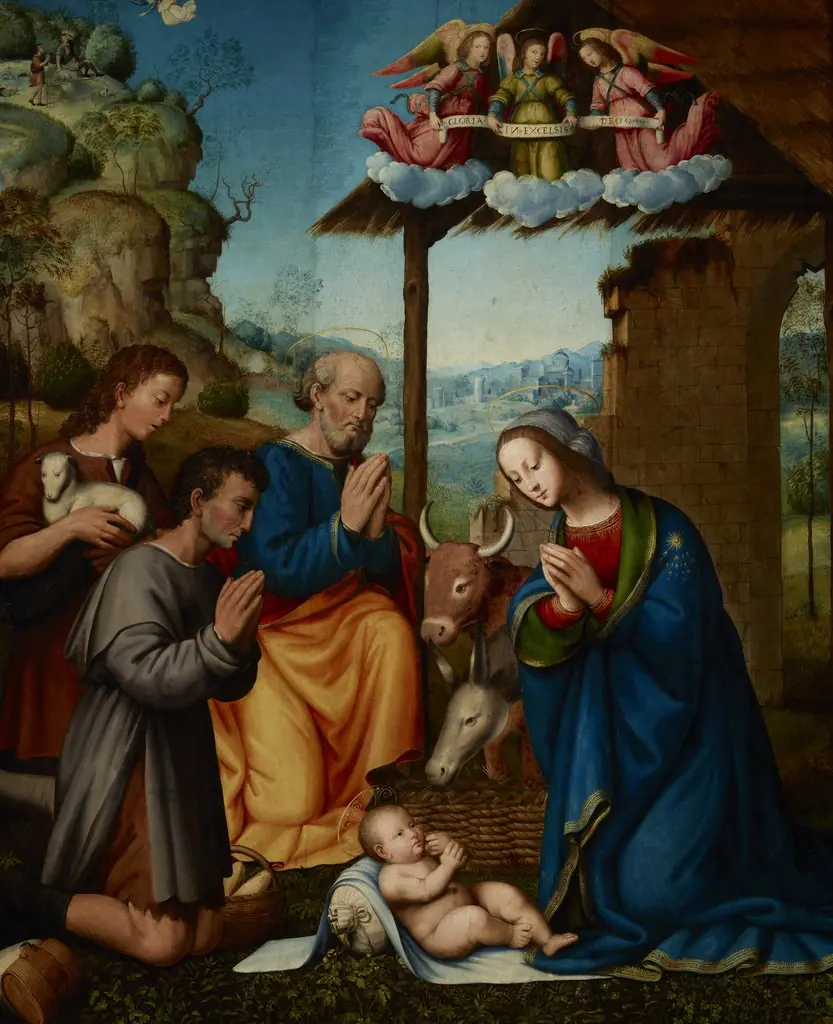 Adoration of the Shepherds (Adoration of the Child by Mary, St Joseph and Shepherds)
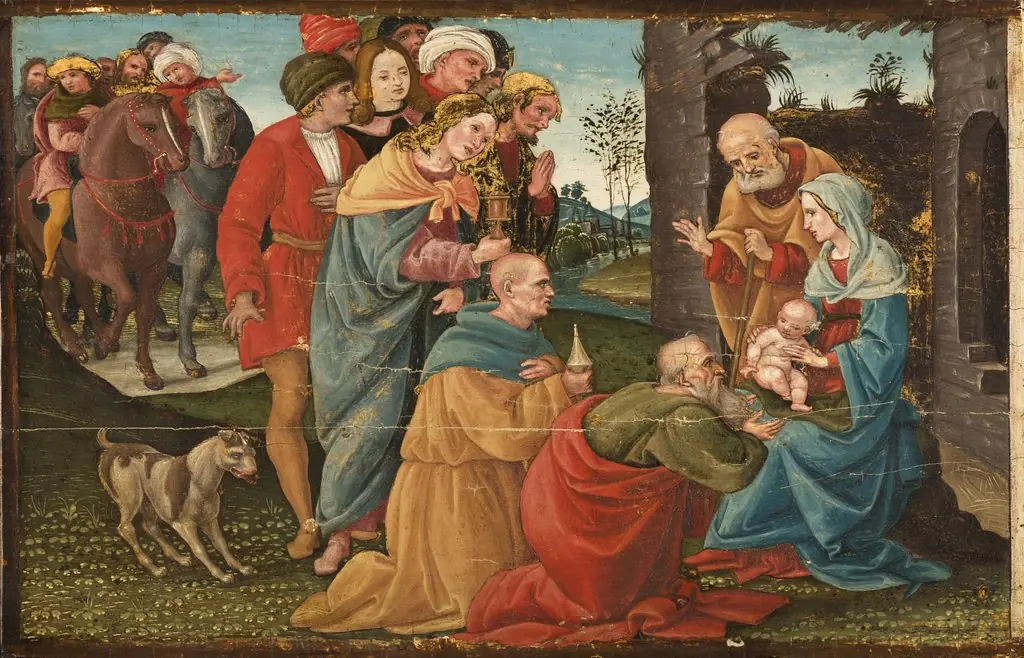 The Adoration of the Magi