Artwork
Self-portrait
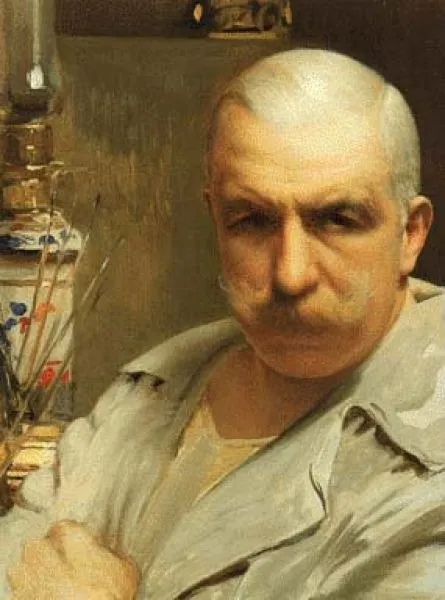
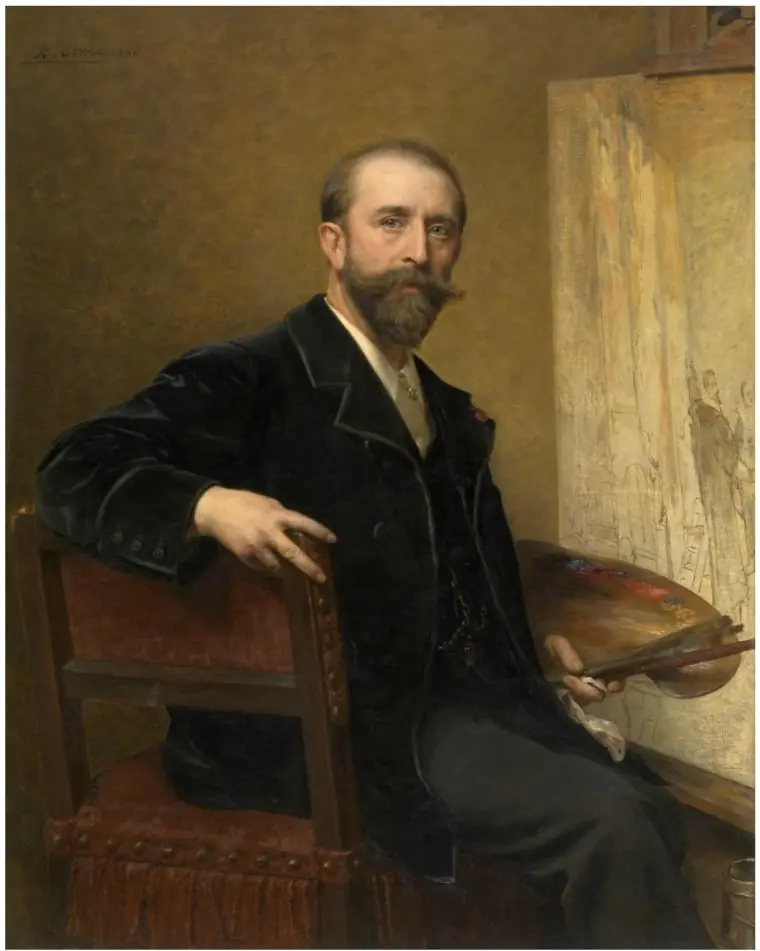
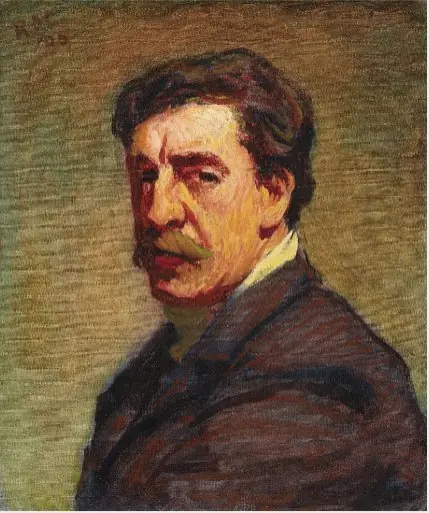
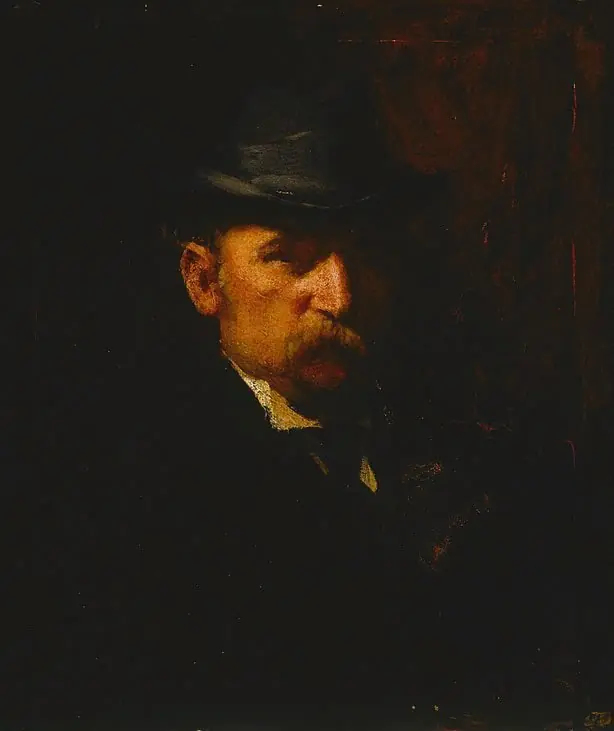
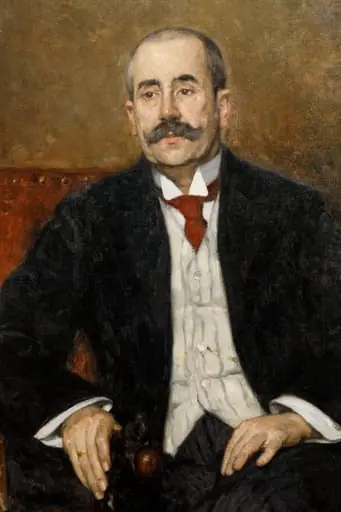
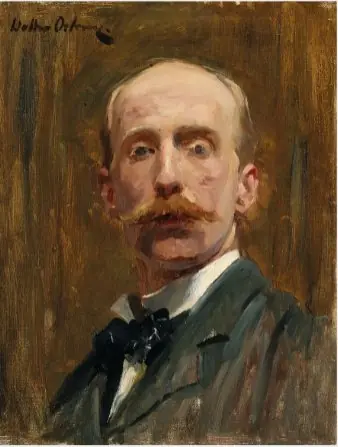
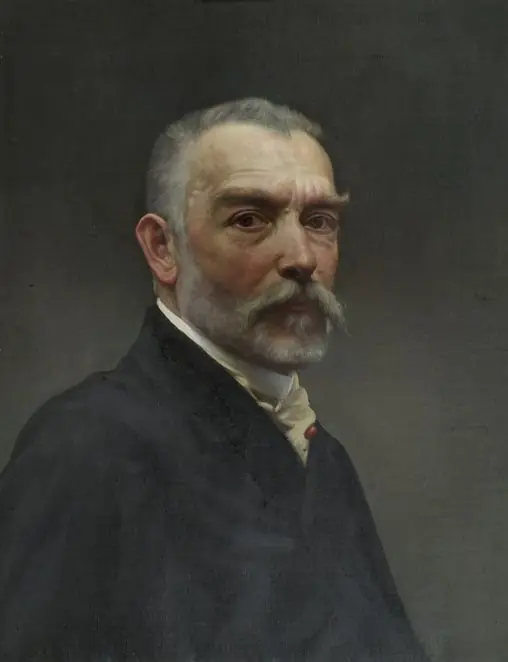
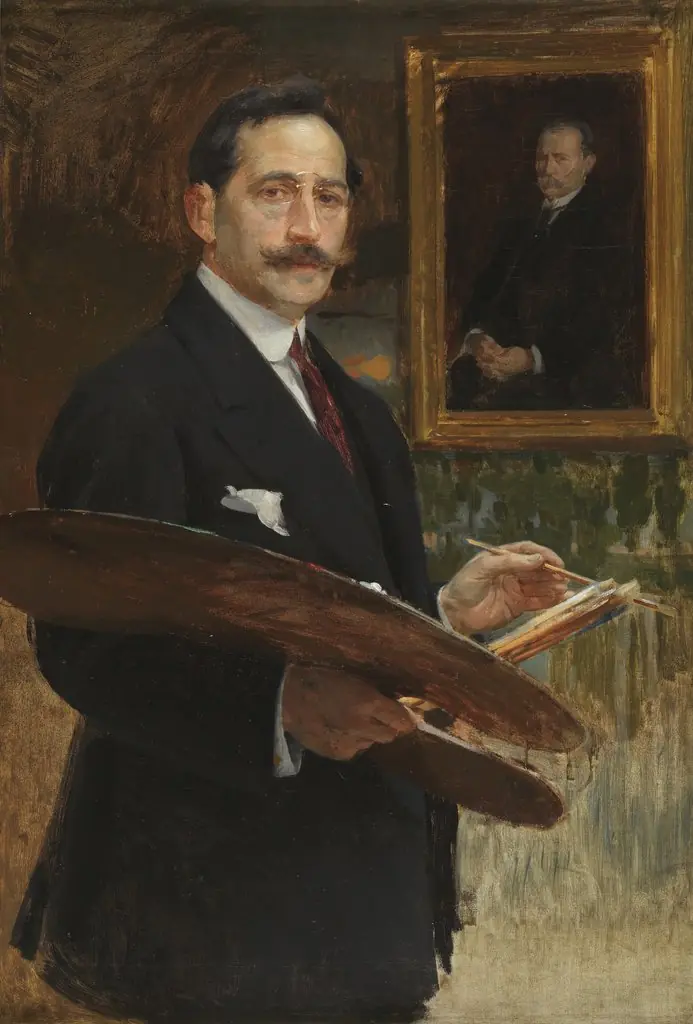
Self-portrait is an oil painting by the Post-Impressionist artist Vittorio Matteo Corcos. It dates from 1913 and is held in the collection of the Uffizi Gallery.
About this work
Overview
The work is part of the Uffizi Gallery’s permanent collection and reflects his engagement with late 19th- and early 20th-century Italian portraiture.
Vittorio Matteo Corcos painted his self-portrait in 1913 using oil on canvas. The work is part of the Uffizi Gallery’s permanent collection and reflects his engagement with late 19th- and early 20th-century Italian portraiture. Though associated with post-impressionist tendencies, the painting prioritizes psychological presence over stylistic experimentation, grounding its impact in quiet realism rather than overt innovation.
Subject & Meaning
Corcos portrays himself seated in his studio, dressed in a white shirt and dark jacket, with a contemplative, downward gaze. The absence of theatricality or adornment suggests an intention to reveal the artist as a thoughtful, solitary figure. The setting, filled with brushes and tools, frames him not as a public persona but as a maker immersed in his craft, emphasizing introspection over self-aggrandizement.
Technique & Style
The painting employs chiaroscuro to model the artist’s form against a dimly lit background, lending volume and spatial depth. Brushwork is controlled and precise, avoiding the loose strokes typical of impressionism. Light falls subtly across the face and hands, drawing attention to the quiet intensity of his expression. The palette remains restrained, dominated by muted tones that reinforce the painting’s subdued mood.
History & Provenance
Completed in 1913, the self-portrait entered the Uffizi’s collection shortly after its creation, likely through direct donation or acquisition by the Italian state. Corcos, already established as a portraitist by this time, had cultivated relationships with cultural institutions. The painting’s early inclusion in a major national gallery signals its recognition as a significant personal document within Italian artistic circles.
Context
In early 20th-century Italy, portraiture remained a vital genre despite the rise of modernist movements. Corcos operated within a tradition of academic realism, yet his work absorbed subtle influences from post-impressionist light handling. This self-portrait reflects a broader cultural moment in which artists turned inward, using their own image to explore identity, labor, and the quiet dignity of creative practice.
Legacy
Though not widely exhibited outside Italy, the painting endures as a representative example of Corcos’s mature style. It contributes to the understanding of Italian portraiture between the 19th-century academic tradition and early modernism. Its presence in the Uffizi ensures continued access for scholars and viewers interested in the quiet, unadorned self-representation of artists during a period of rapid artistic change.
Artist & collection
Artist
Vittorio Matteo Corcos (4 October 1859 – 8 November 1933) was an Italian painter, known for his portraits. Many of his genre works depict winsome and finely dressed young men and women, in moments of repose and recreation.