Artwork
Mound of Butter
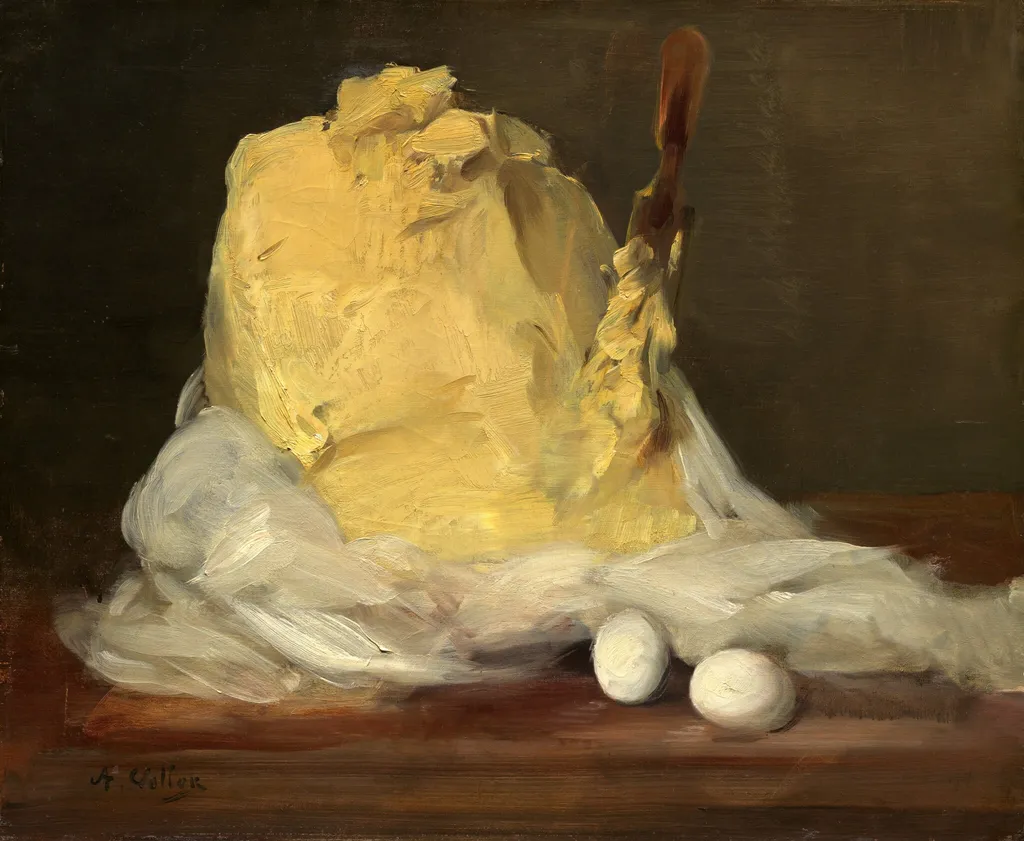
Mound of Butter is an oil painting by the Impressionist artist Antoine Vollon. It dates from 1880 and is held in the collection of the National Gallery of Art.
- Inscription
- Inscribed:lower left: A.Vollon
About this work
Subject & Meaning
The butter is shown loosely wrapped in cheesecloth, a traditional method of storage, with the cloth falling over a couple of eggs beside it.
Mound of Butter is a still life painting depicting a single mound of butter rendered in a rich, deep yellow, the color attributed to the carotene found in the fresh plants consumed by grazing cows. The butter is shown loosely wrapped in cheesecloth, a traditional method of storage, with the cloth falling over a couple of eggs beside it. Vollon layered thick marks across the surface of the mound to evoke the impressions left by a butter knife or wooden spatula during the hand-kneading process by which excess buttermilk is worked out to prolong storage life.
The painting reflects the everyday practice of purchasing hand-churned butter directly from farmers in Vollon's era, situating kitchen scenes and the depiction of common foodstuffs within the established tradition of nineteenth-century still life. By treating such a humble, domestic subject with painterly seriousness, Vollon aligned himself with the legacy of Jean-Baptiste-Siméon Chardin, the earlier French master of still life to whom he was compared in his own lifetime.
Technique & Style
Antoine Vollon's Mound of Butter (1875) is an oil painting on canvas depicting a still life of a butter mound draped with cloth and resting beside eggs. The work showcases thickly layered brushwork that renders the texture of butter and the impression of a butter knife or wooden spatula used in its preparation. The rich yellow hue of the butter reflects the carotene of fresh cream, typical of dairy from grazing cows in 19th-century France.
The painting is housed at the National Gallery of Art in Washington, D.C., and was acquired by the institution in 1992.
History & Provenance
Mound of Butter was painted by Antoine Vollon in 1875. The earliest documented owner in the work's provenance is Galerie André Watteau, where a Vollon still life titled Motte de beurre avec deux oeufs is recorded. The painting subsequently passed through Galerie Jonas in Paris before being acquired on 23 October 1992 by the National Gallery of Art in Washington, D.C., where it remains in the collection.
The work is held by the National Gallery of Art in Washington, D.C., with an accession recorded as part of its collection. It entered the museum on 23 October 1992 after being purchased from Galerie Jonas in Paris, a dealer previously associated with Galerie André Watteau. The painting has been exhibited as part of the National Gallery of Art's permanent collection displays and was highlighted in a New York Times feature describing it as one of "Washington’s Crown Jewels."
Context
Antoine Vollon’s still-life practice, exemplified by Mound of Butter (1875), secured his reputation in the French Realist movement. Critics of his era often compared him to Jean-Baptiste-Siméon Chardin, dubbing him “the Chardin of his day,” while his Salon successes earned the Legion of Honour and sustained broad popularity among collectors such as Alexandre Dumas, fils and William Merritt Chase.
Scholarly attention in recent decades has focused on Vollon’s technical engagement with quotidian subjects. Marni Reva Kessler’s 2008 study situates Mound of Butter within the artist’s broader oeuvre, analyzing its layered brushwork as a deliberate rendering of butter’s material presence and the spatula’s imprint. Though Vollon’s Salon contemporaries like Corot and Fantin-Latour have endured more prominently in art history, his still lifes remain central to understanding the Realist valorization of the everyday.
Legacy
The work has been noted for its vivid depiction of everyday material and its technical precision, influencing later still-life painters who valued textural realism. Contemporary critics praised Vollon's ability to elevate humble subjects, and his reputation as 'the Chardin of his day' persisted into the twentieth century, with collectors such as Alexandre Dumas, fils and William Merritt Chase acquiring his paintings. The painting remains part of the National Gallery of Art's collection, where it is regarded as a highlight of 19th-century French realism.
Overview
Antoine Vollon’s oil painting titled Mound of Butter depicts a solitary heap of butter resting on a plain wooden surface. Executed in the latter part of the 1870s, the work measures roughly a modest size and is now part of the collection at the National Gallery of Art in Washington, D.C. Its quiet composition draws the viewer’s eye to the luminous, almost tactile presence of the dairy product.
Own this work as a print
Artist & collection
Artist
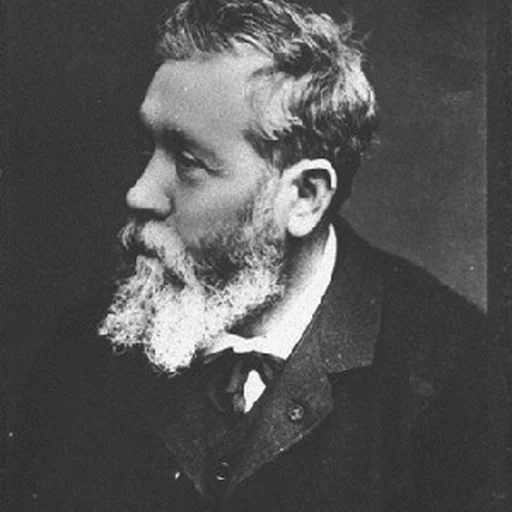
Antoine Vollon (23 April 1833 – 27 August 1900) was a French realist artist, best known as a painter of still lifes, landscapes, and figures.

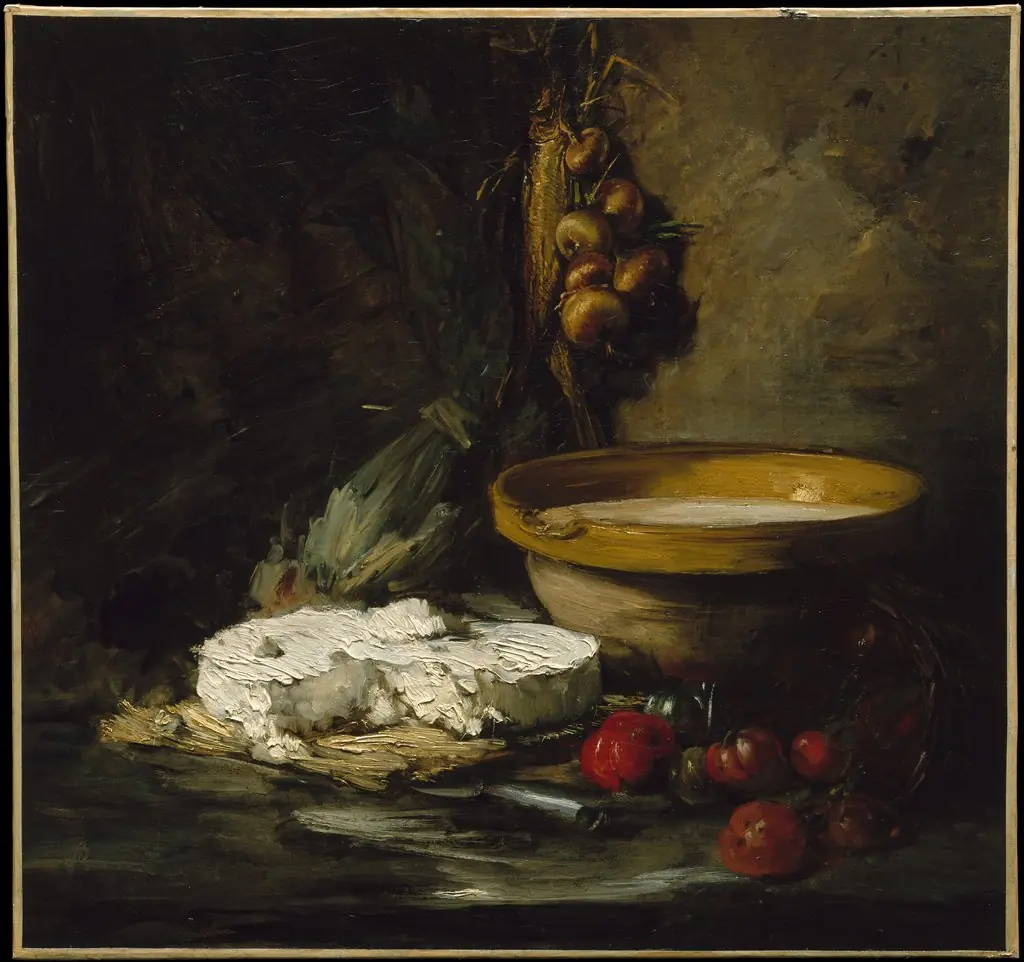
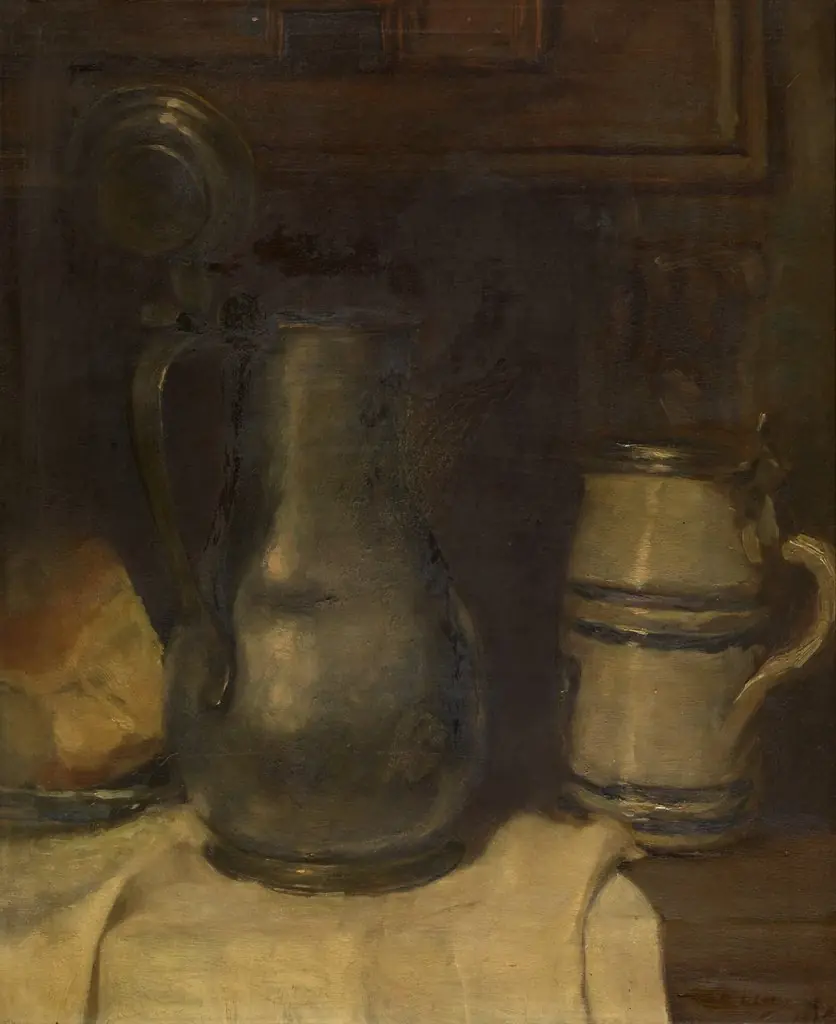
- Still Life with Pewter Jar
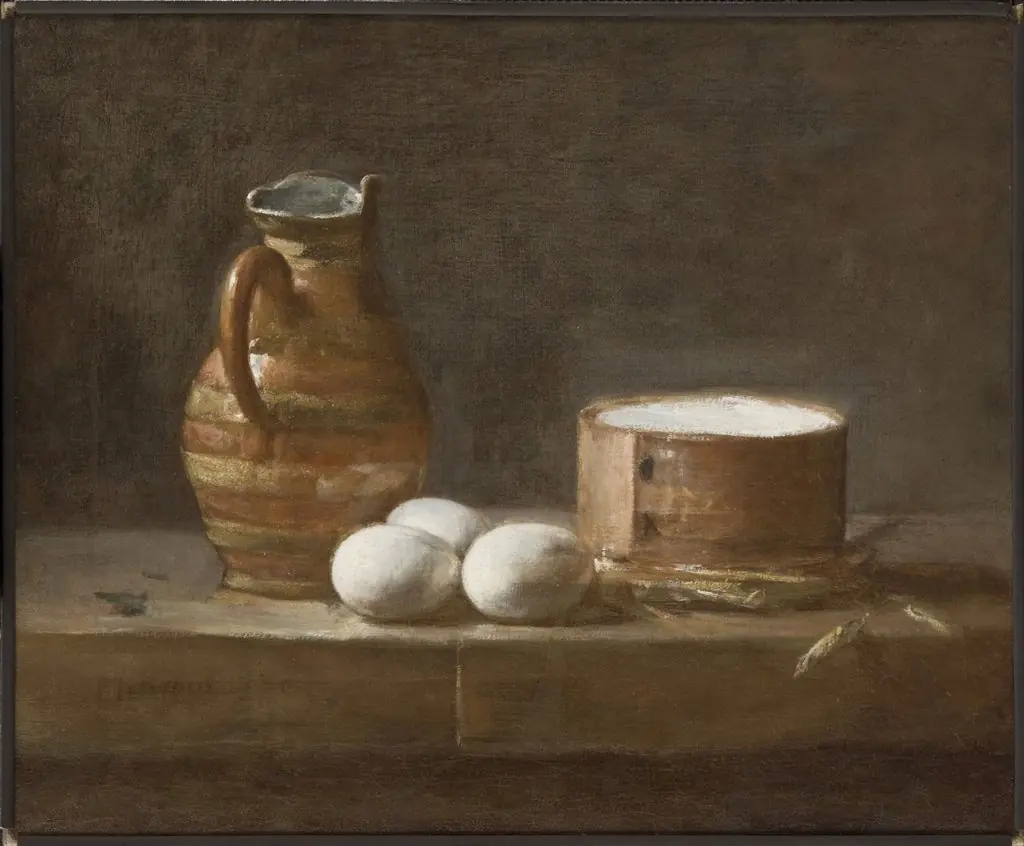 Still Life with Eggs, Cheese, and a Pitcher
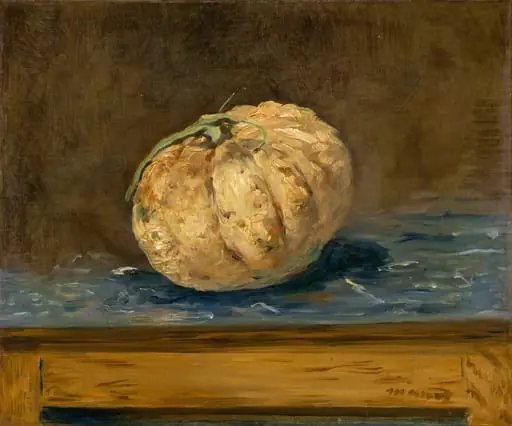 The Melon
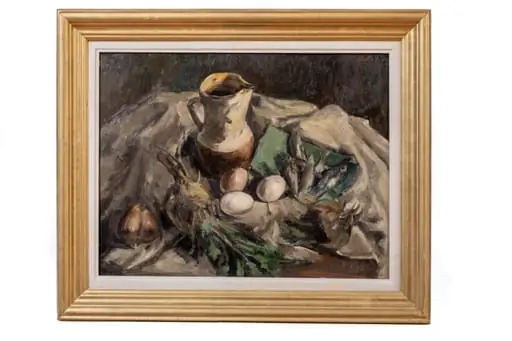 Natură statică
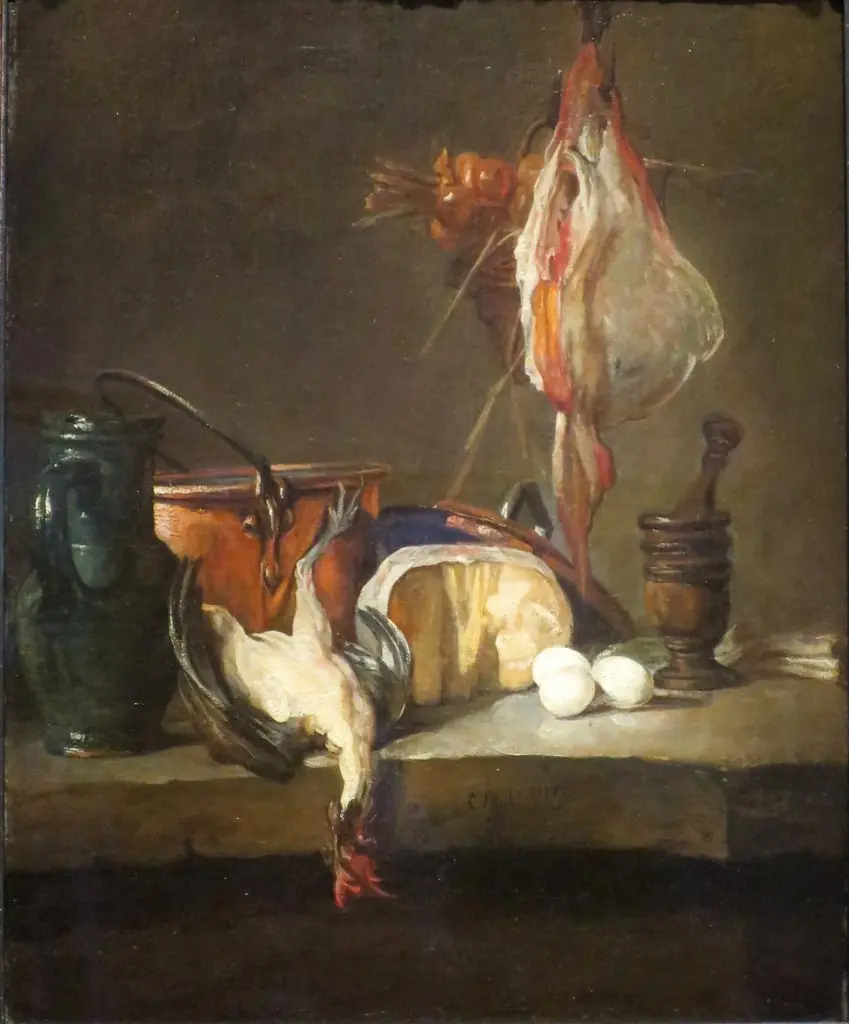 Still Life with Fowl
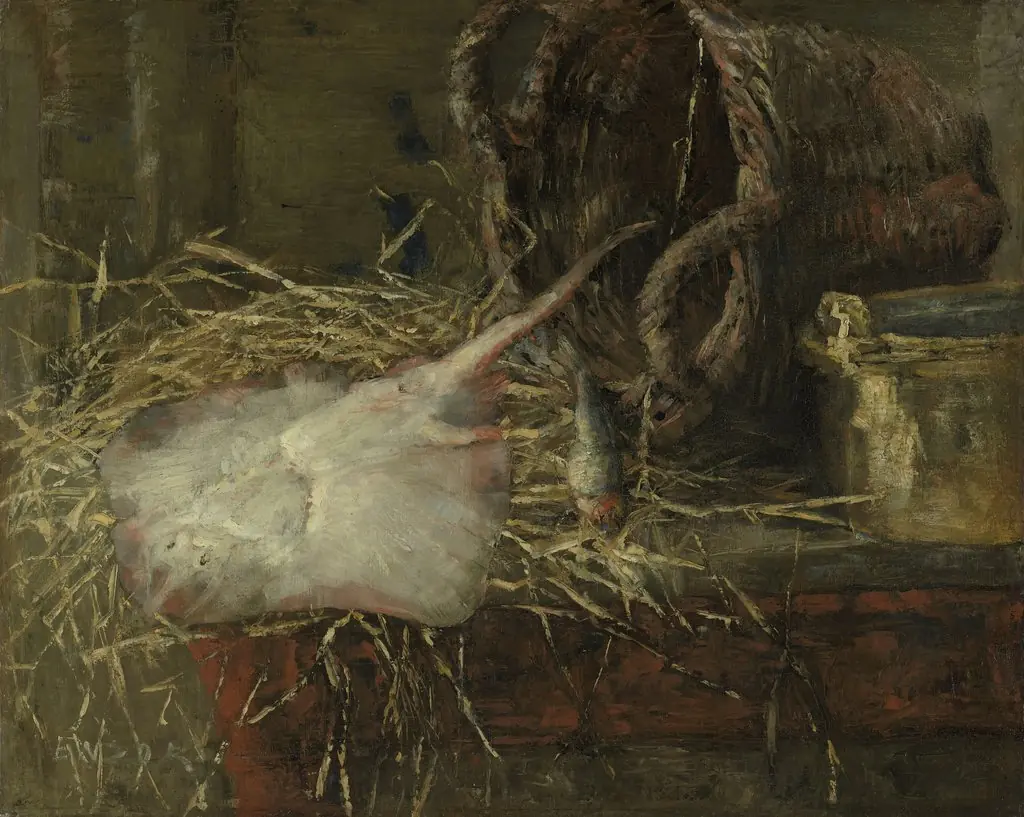 The Skate
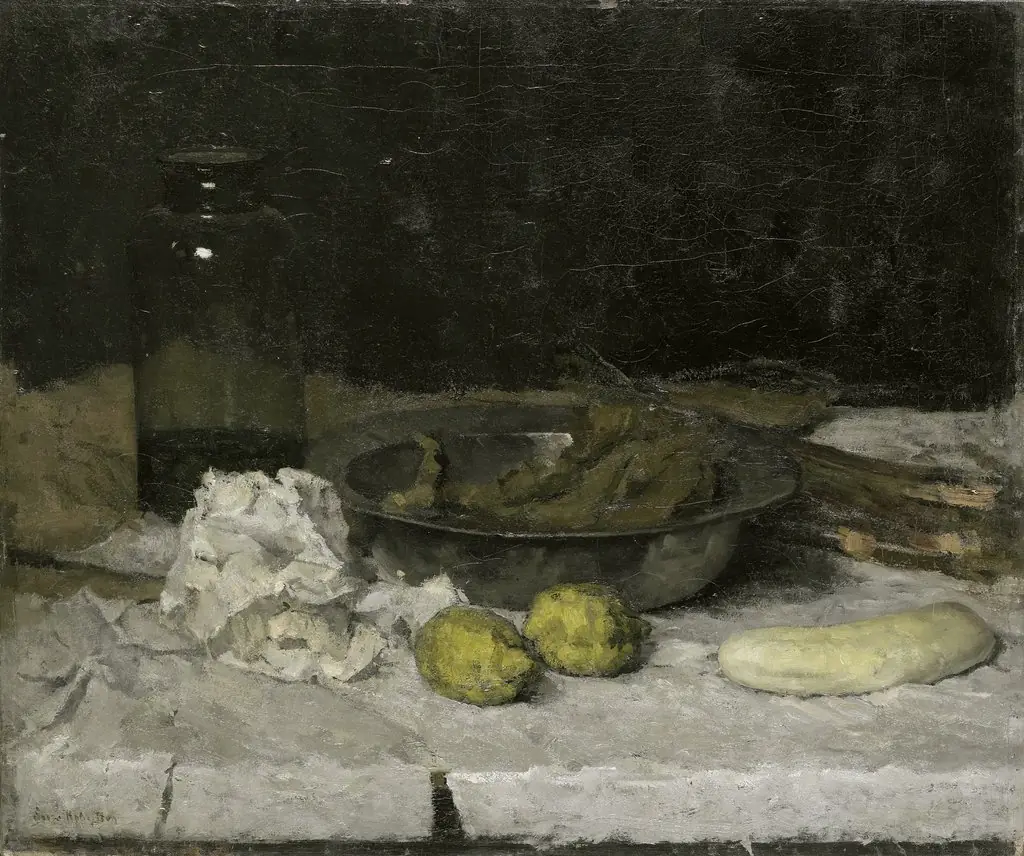 Still life with a a bottle and tin plate
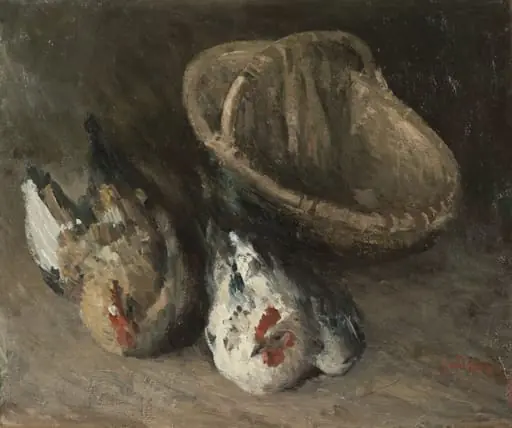 Găinile
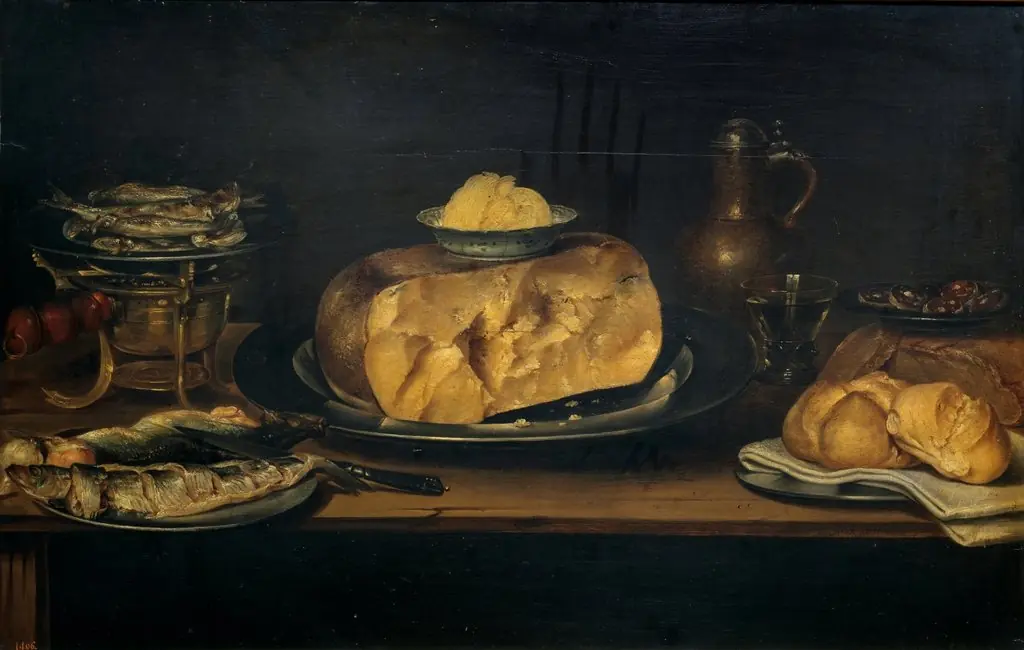 Still life of a table with crockery, cheese, sausage and fish
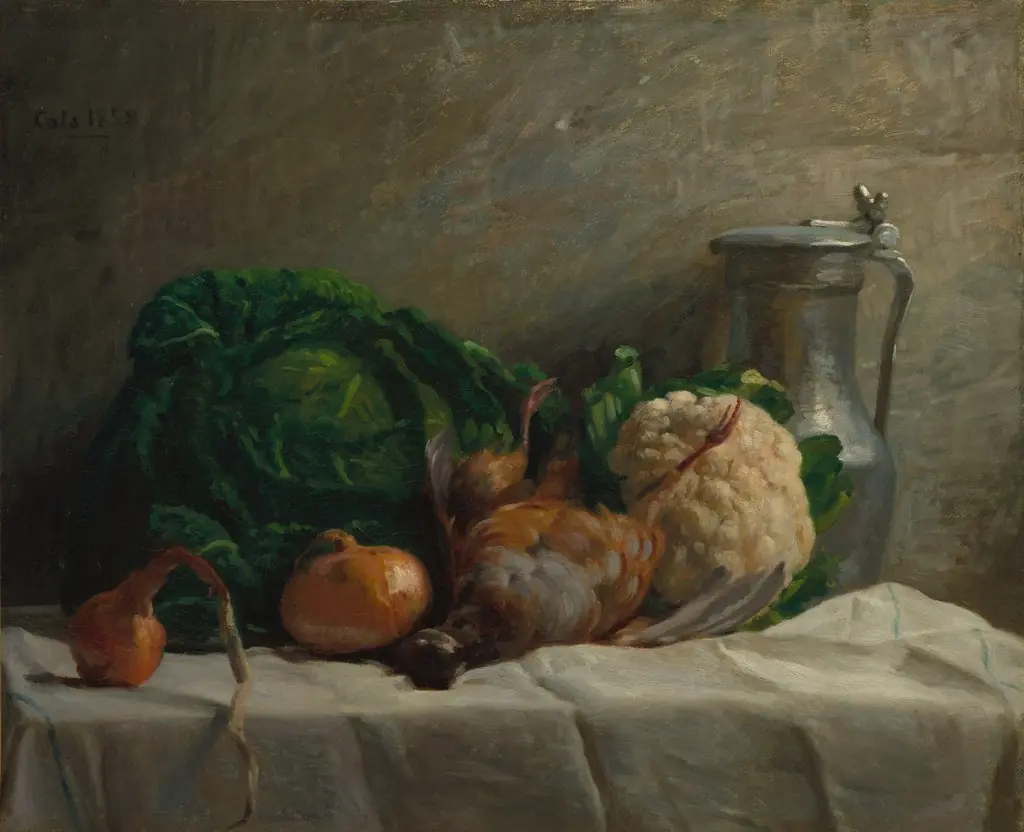 Still Life with Vegetables, Partridge, and a Jug
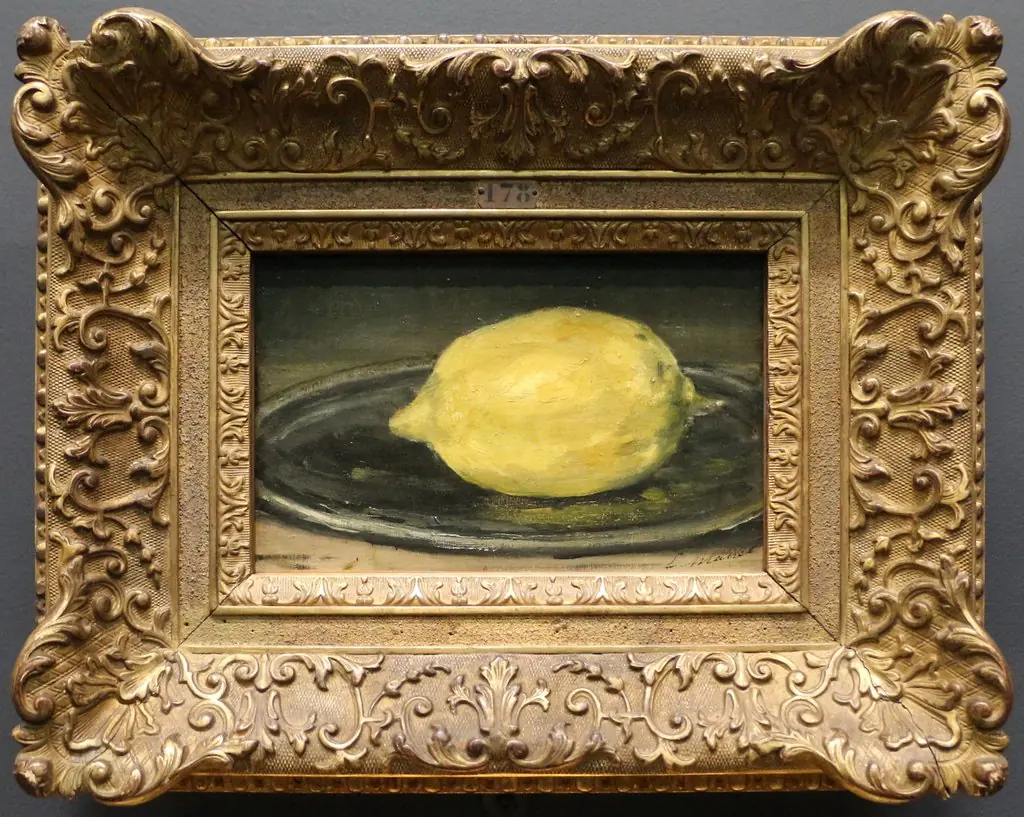 The Lemon
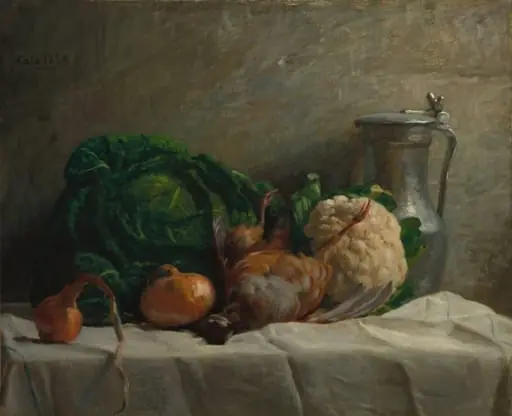 Still Life with Vegetables, Partridge, and a Jug