Subject
Knife
Knife is a subject in art. The gallery holds 103 works in this subject in art, including works by Paolo Veronese, Jacques-Louis David and John Haberle.
Few objects are as old as the knife, yet few have been so quietly persistent in art. As the existing entry notes, the knife is among humanity's earliest tools, attested by the Oldowan stone implements of at least 2.5 million years ago. But as a deliberate *subject*—a thing painters chose to render and to charge with meaning—the knife comes into its own in early modern Europe, above all in the still-life painting of the Netherlandish Golden Age. There, the everyday table knife, with its tapering steel blade and ornately carved handle of bone, ivory, or silver, became a near-obligatory presence on the painted table.
In the Haarlem "banketje" or banquet piece, pioneered in the 1620s–30s by Pieter Claesz (1597/8–1660) and Willem Claesz Heda (1593/4–c. 1680), the knife performs a precise pictorial job. Laid so that its handle juts out over the table's edge, it breaks the picture plane and pulls the viewer's eye into illusionistic depth—a quiet act of trompe-l'œil. Its polished blade catches reflected light, demonstrating the painter's command of metal and sheen. Clara Peeters famously hid her signature in the engraved handles of silver knives, and luxuriously carved bridal or betrothal knives—a customary Dutch and English wedding gift—signalled wealth and matrimony.
The knife also carried meaning. Amid the toppled goblets and snuffed candles of Heda's *Banquet Piece with Mince Pie* (1635, National Gallery of Art) or Claesz's vanitas tables, it spoke of mortality, transience, and human vulnerability; a blade left carelessly askew could even hint at betrayal. In religious painting—such as Joos van Cleve's *The Holy Family*—a knife beside bread and fruit on a ledge evokes sacrifice and the Eucharist, while in hagiography it identifies martyrs like St Bartholomew.
This fascination outlived the Dutch Golden Age. American trompe-l'œil masters such as John Haberle (1856–1933), in works like *A Bachelor's Drawer* (1890–94, Metropolitan Museum), revived the illusionistic ledge and its tactile small objects. From banquet table to bachelor's drawer, the knife endures as a test of a painter's eye and a vessel of meaning.
Key artists

Overview
The knife is one of humanity's oldest and most ubiquitous tools, appearing in artistic representation across virtually every culture and period. Defined simply as a tool or weapon with a cutting edge or blade attached to a handle or hilt, the knife has served as implement, weapon, ritual object, and artistic motif for at least 2.5 million years. Its depiction in art spans from prehistoric rock carvings to contemporary installations, reflecting its fundamental role in human survival, domestic life, and symbolic expression. In the collection under discussion, the knife appears in 123 works, ranging from Dutch Golden Age still lifes to religious scenes and genre paintings, demonstrating its remarkable versatility as an artistic subject.
Iconography & meaning
The knife carries multivalent symbolism in art. As a utilitarian object, it signifies domestic labor, nourishment, and the preparation of food. In religious contexts, it can evoke sacrifice, most notably the near-sacrifice of Isaac or the martyrdom of saints. The German source notes that the knife developed from pure tool and weapon into an object of art, ritual, and even jewelry, accumulating mystical associations that led to elaborately decorated ceremonial examples. In still life painting, particularly the pronkstilleven tradition, knives laid upon tables signal wealth, hospitality, and the transience of earthly pleasures when paired with other vanitas elements. The knife's capacity to wound gives it a latent violence; even in peaceful domestic scenes, its sharp edge introduces tension between nurture and harm. The French source emphasizes how form follows function: blade shape, edge type, and handle design all communicate intended use, whether culinary, military, or surgical.
Across movements & periods
The treatment of the knife in art has evolved substantially across periods and cultures. Prehistoric representations, evidenced by Oldowan tools dating 2.5 million years ago, emphasize the knife's role in human technological development. The German source traces how early knives combined tool and weapon functions, with a formal separation of these roles only emerging in the fifteenth century. In European painting, the Dutch Golden Age elevated the kitchen knife to a subject of aesthetic contemplation through meticulously detailed still lifes. The French source notes that table knives acquired rounded tips only after the fork's introduction, a design change reflecting evolving dining customs that artists duly recorded. Across cultures, the knife's basic construction, blade and handle, remained constant while materials varied from flint and obsidian to bronze, iron, and the Damascus and stainless steels celebrated for their decorative and functional properties. The Dutch sources emphasize that regional manufacturing centers, such as Thiers in France, developed distinctive traditions that influenced both actual production and its artistic representation.
Legacy
The knife's persistence in art reflects its deep embedding in human material culture. As one of the few objects found in virtually all human societies, it offers artists a universally legible symbol that nonetheless admits local inflection. The collection's 123 works testify to this enduring presence, though the specific later influence and reception of these particular depictions are not detailed in the sources. The German source's observation that the knife became part of standard tableware only in the eighteenth century suggests how artistic representation both documented and participated in broader cultural shifts in behavior and status. Contemporary art continues to engage the knife's charged symbolism, though such developments fall outside the scope of the provided sources. What remains clear is that from prehistoric tool to painter's subject, the knife maintains its place as an object where function, violence, and beauty converge.
Works
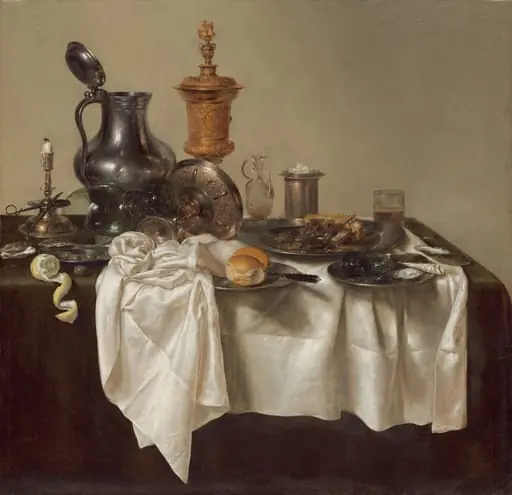 Banquet Piece with Mince Pie
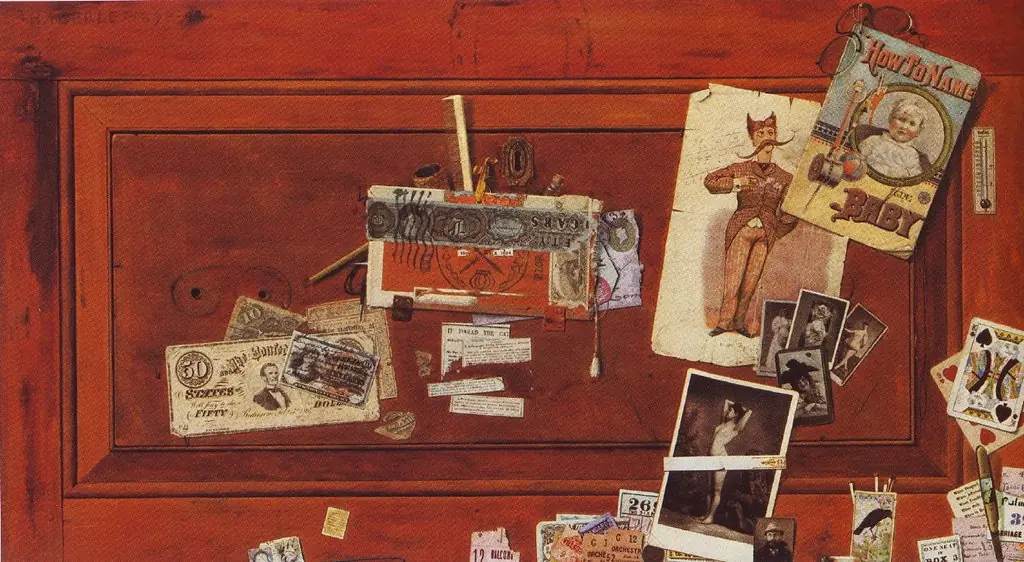 A Bachelor's Drawer
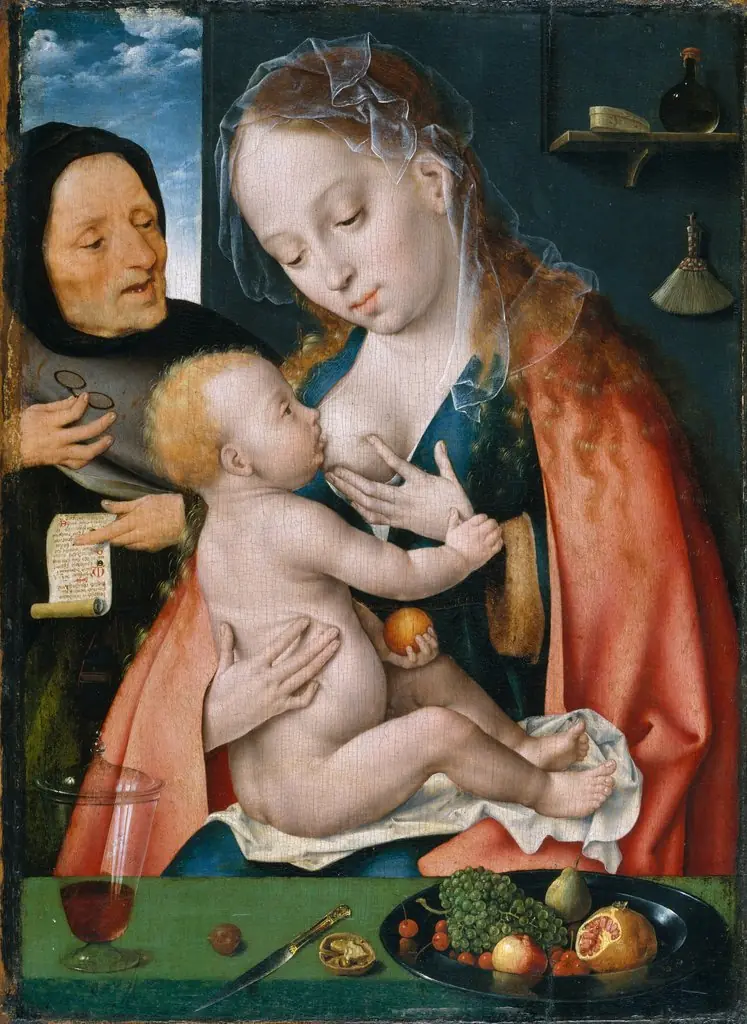 The Holy Family
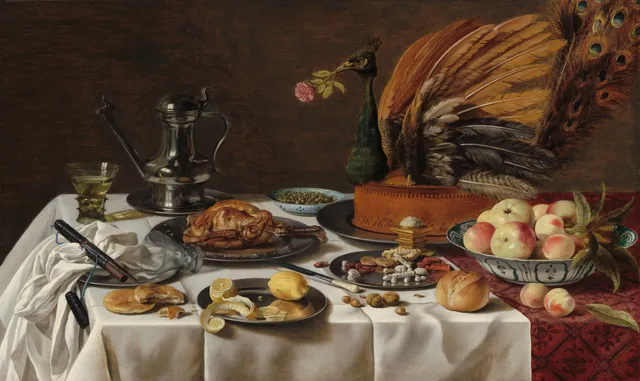
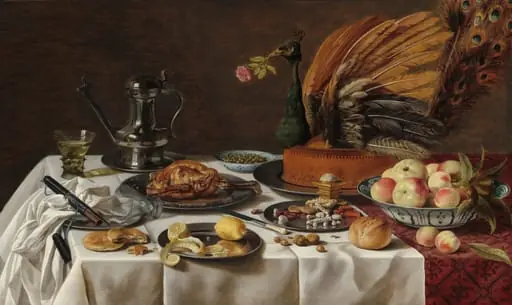 Still Life with Peacock Pie
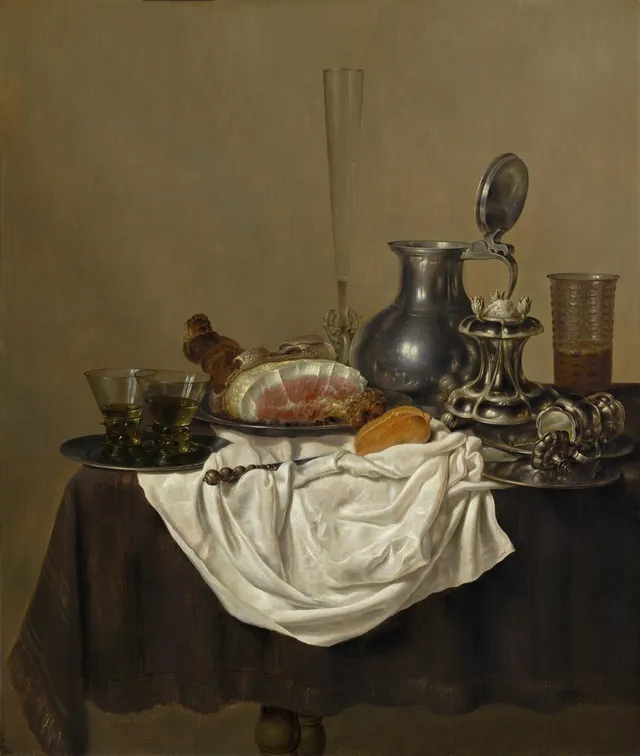
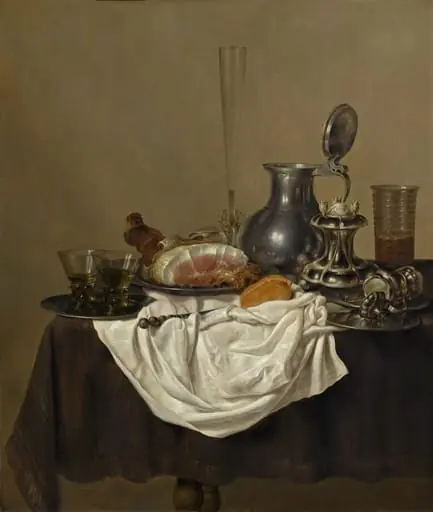 Still Life with Ham
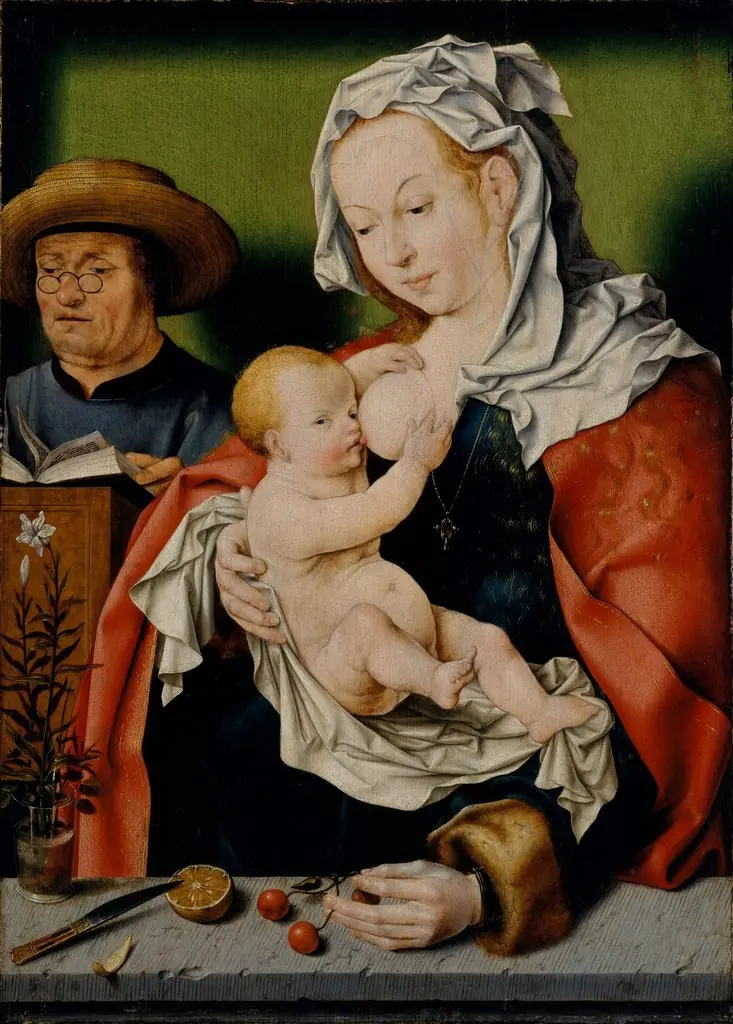 The Holy Family
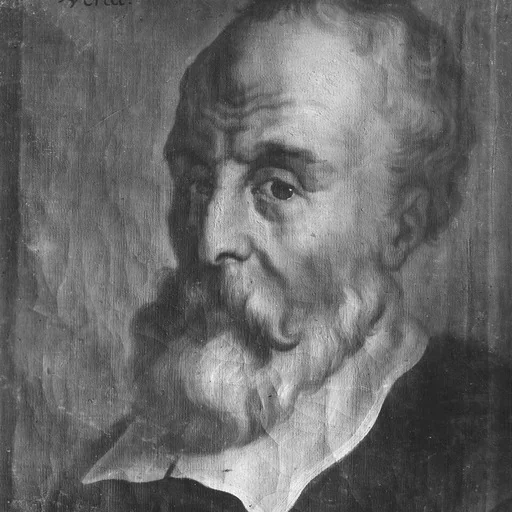
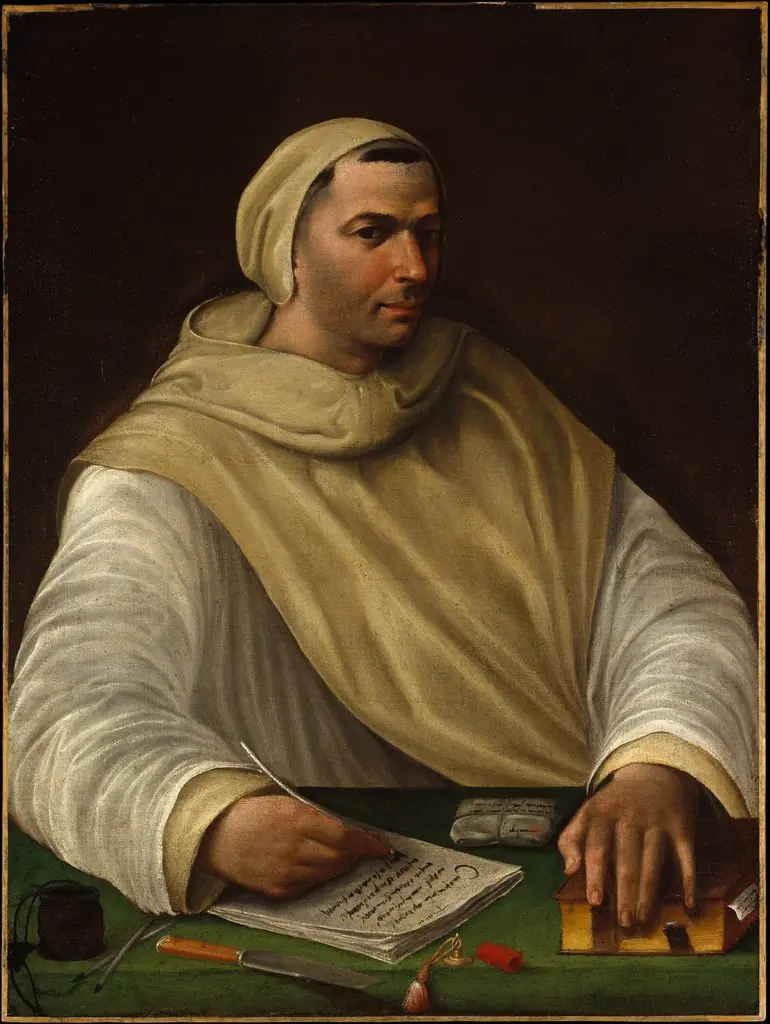 Portrait of an Olivetan Monk
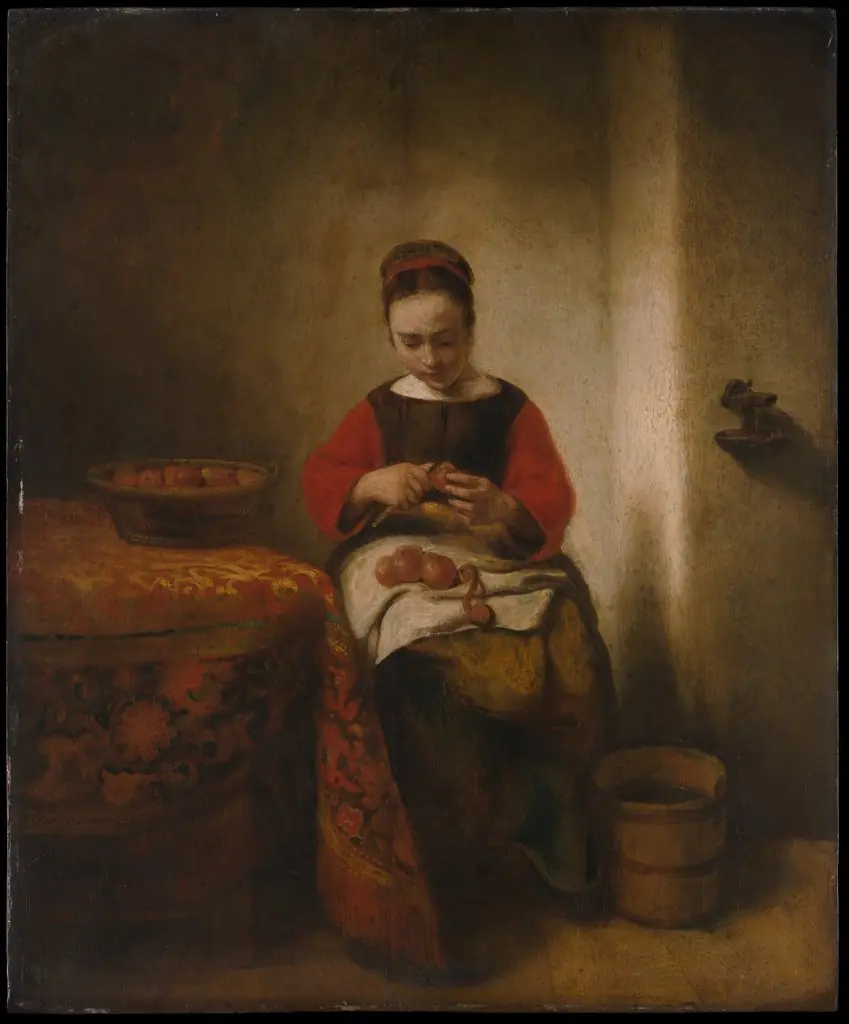 Young Woman Peeling Apples
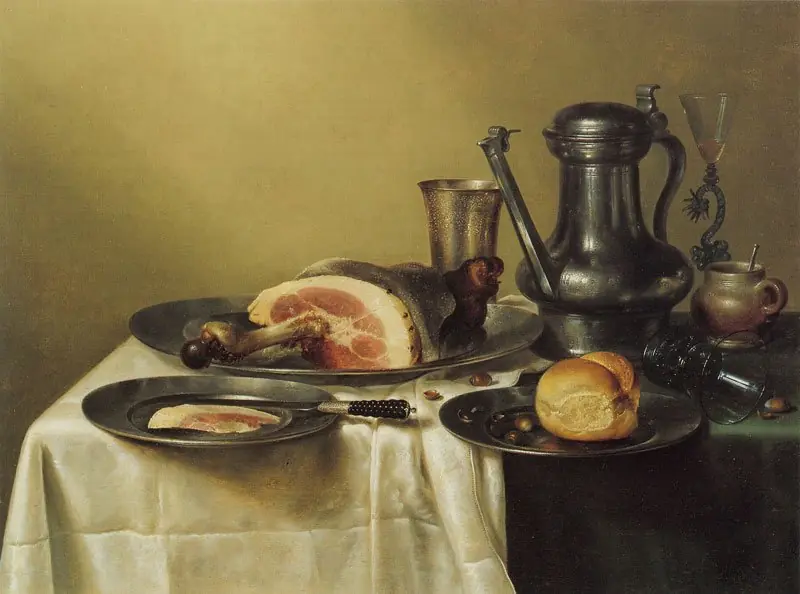 Laid Table with Ham and a Roll
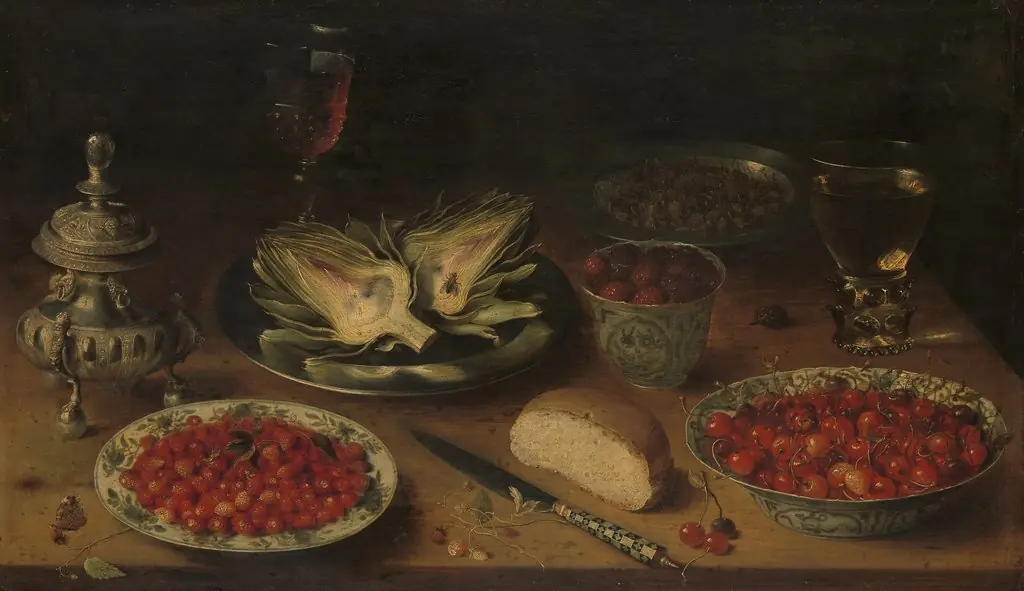 Still life with chinese porcelain, berries, and artichokes
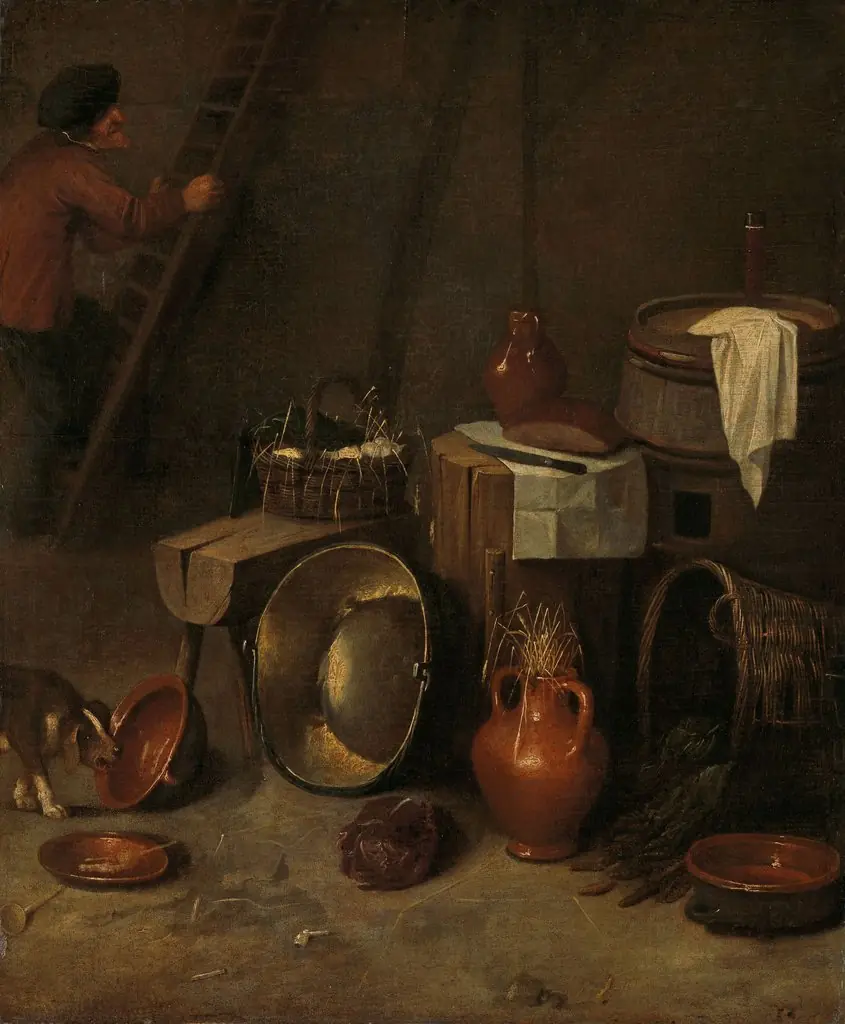 Still life in a stable
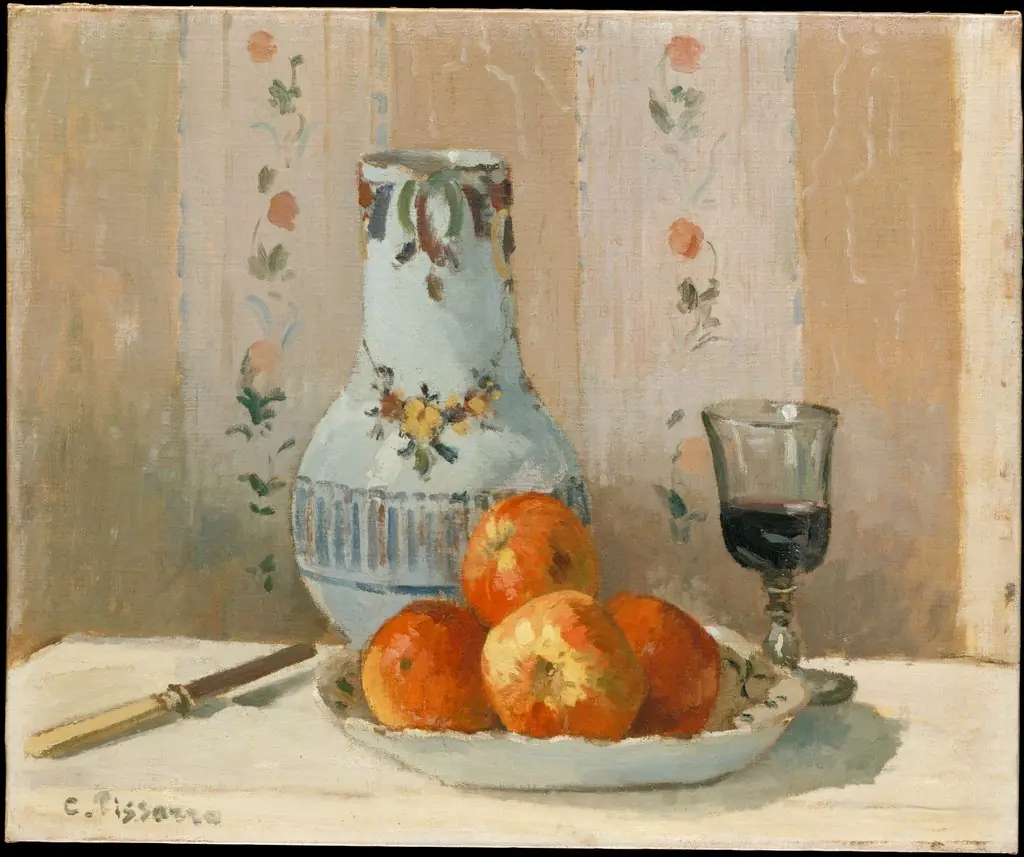 'Ghâtaignier' Apples and Glazed Earthenware on a Table
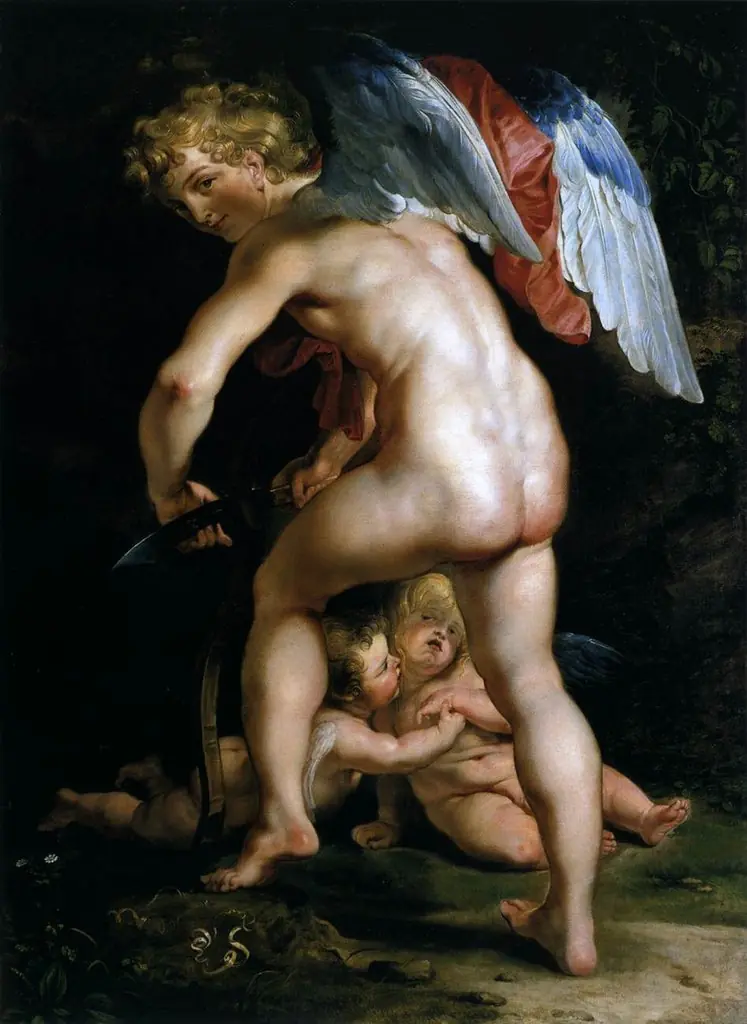 Cupid (Eros) Carves the Bow
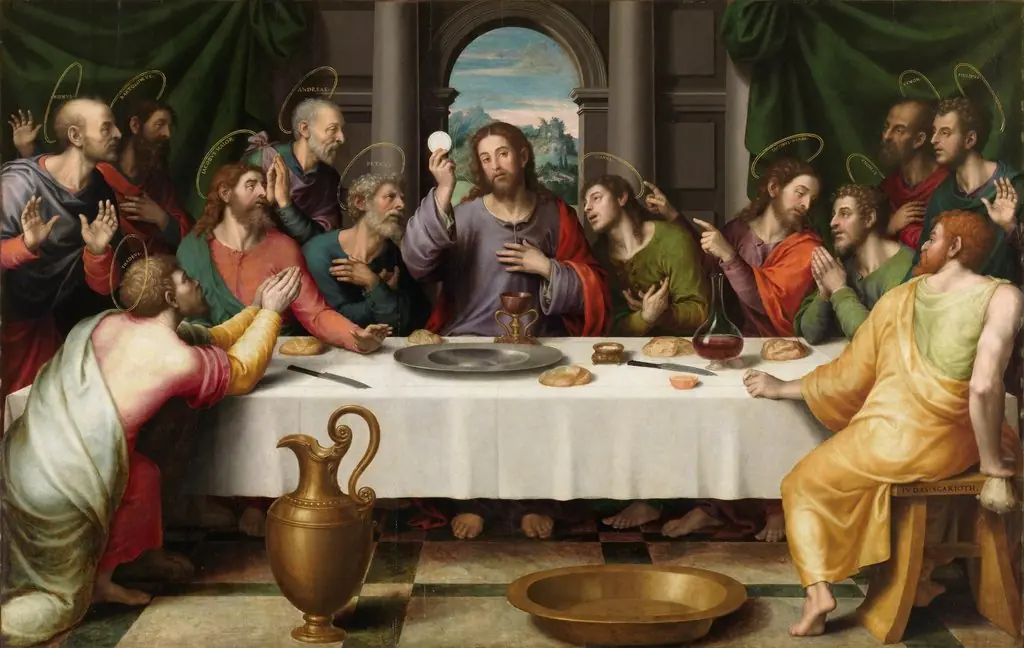 The Last Supper
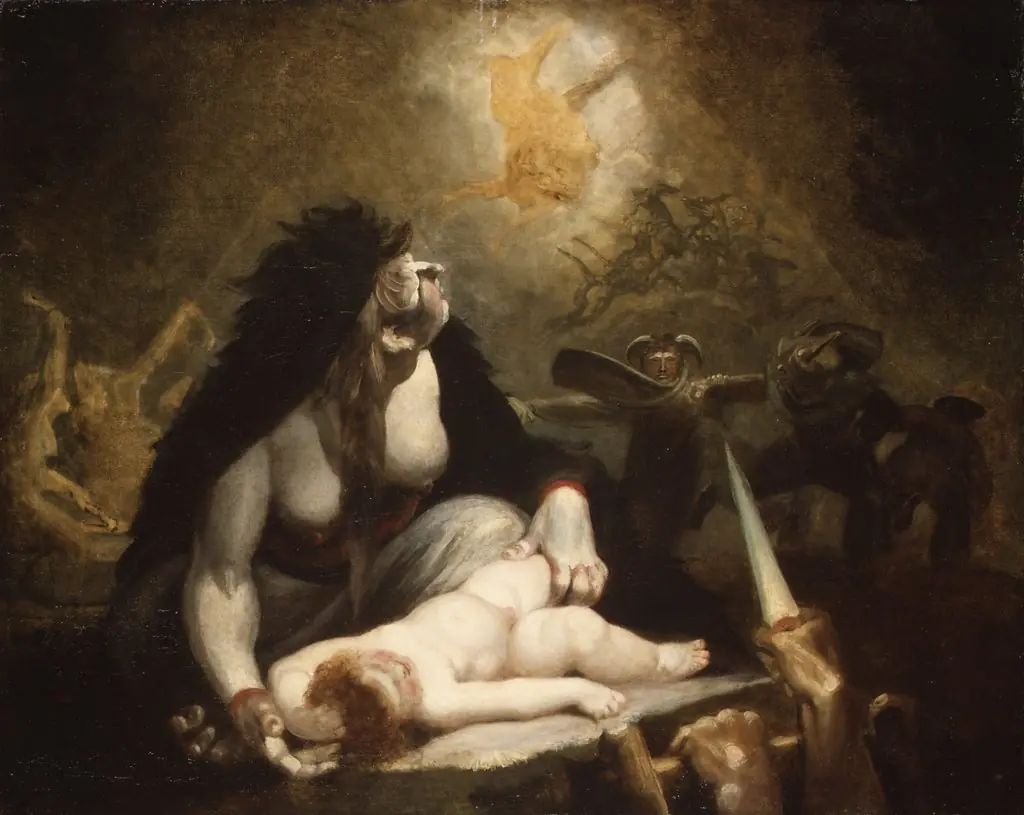 The Night-Hag Visiting Lapland Witches
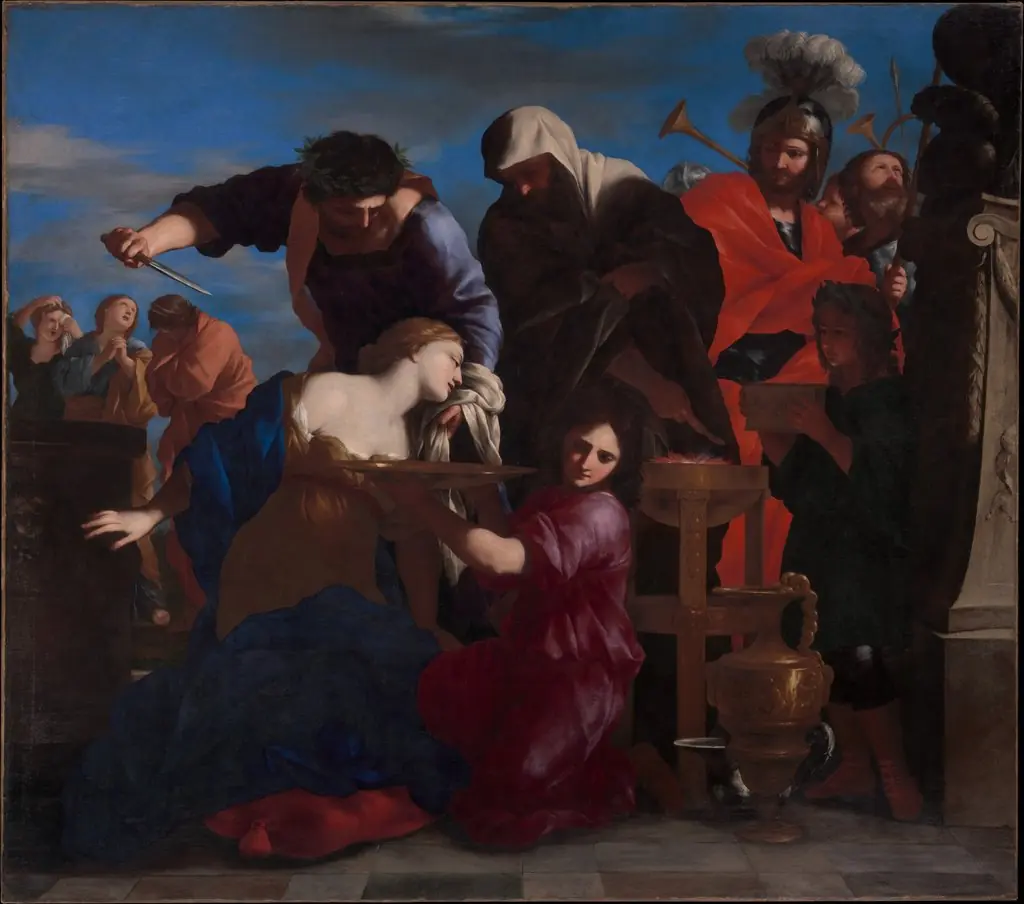 The Sacrifice of Polyxena
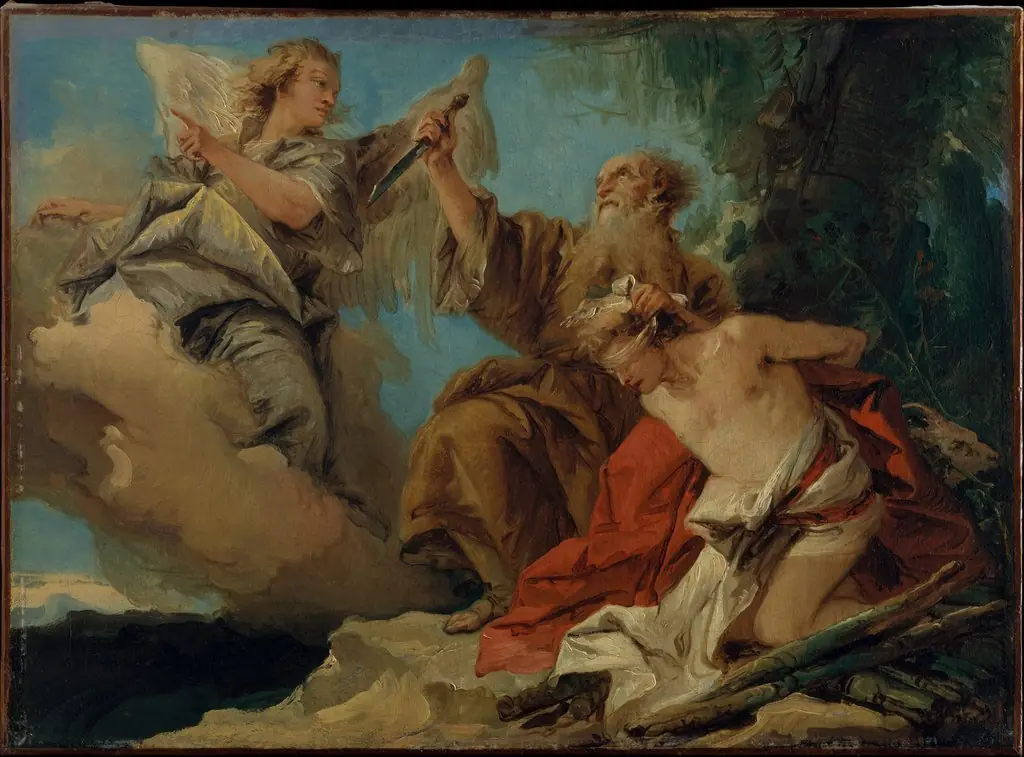 The Sacrifice of Isaac
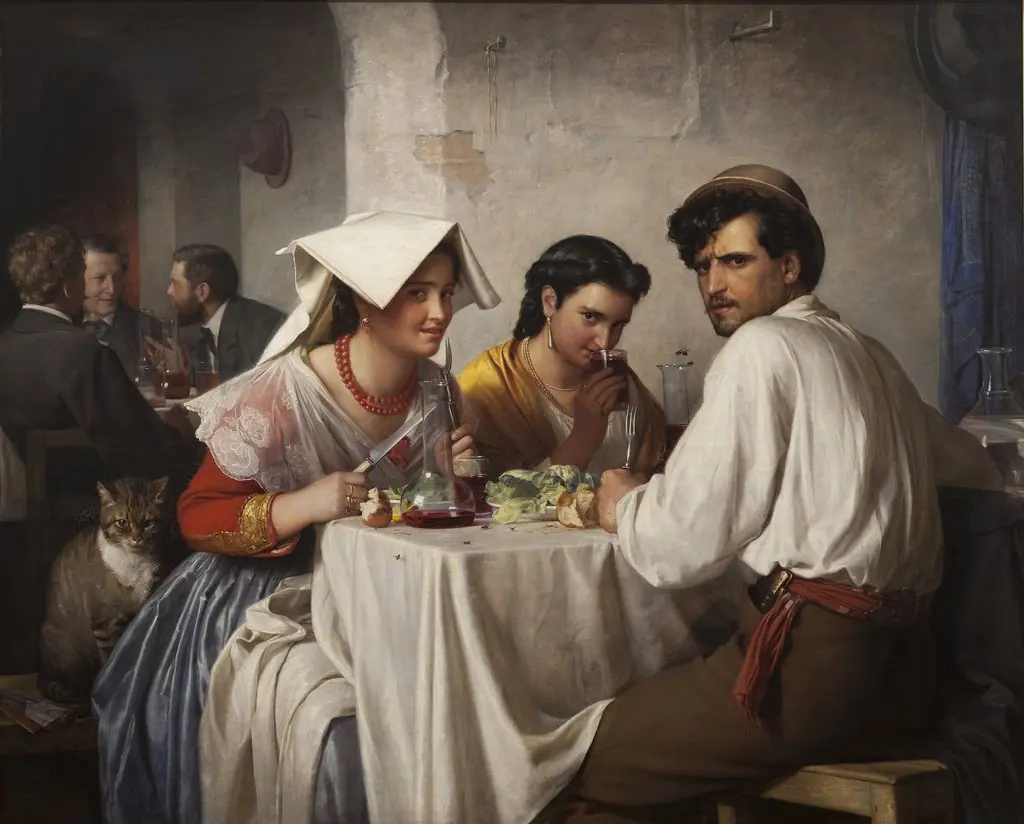 In a Roman Osteria
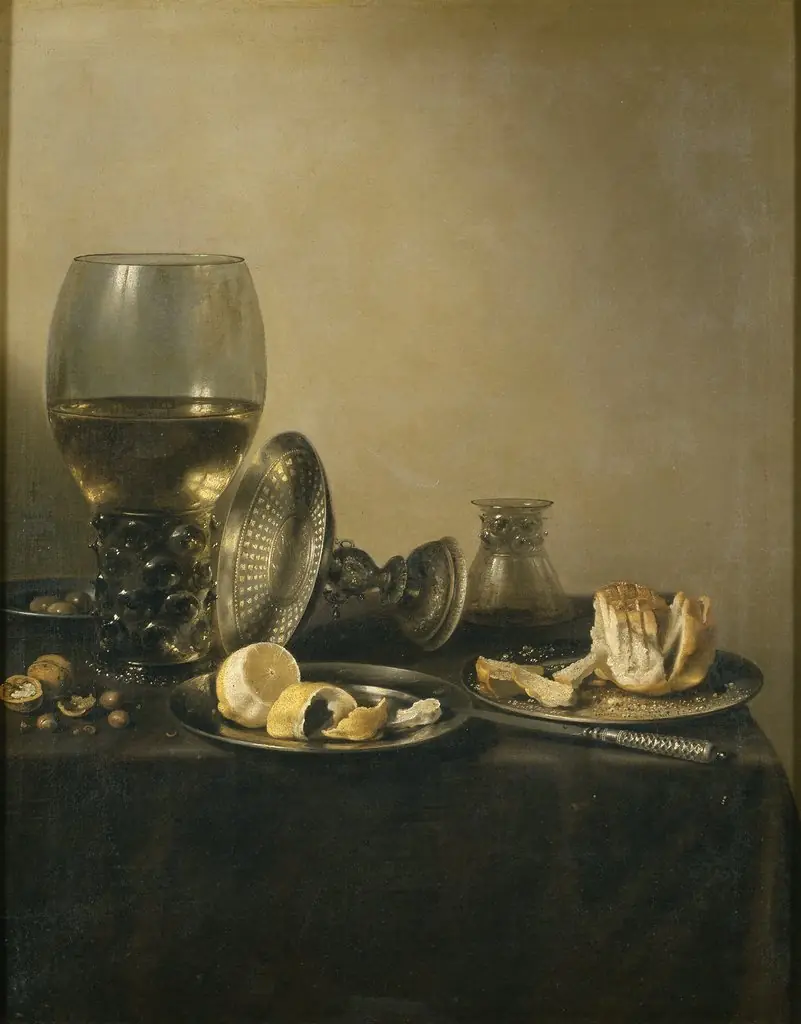 Still Life
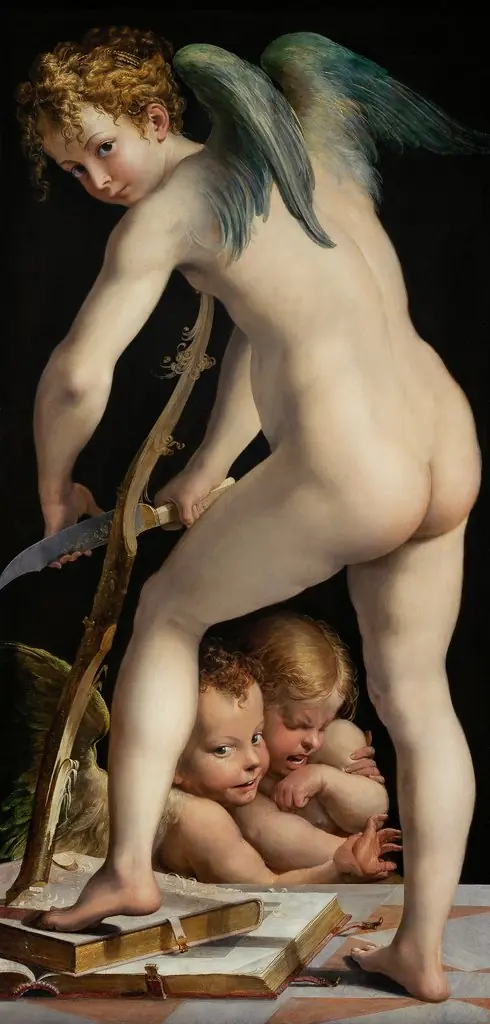 Cupid Making His Arch
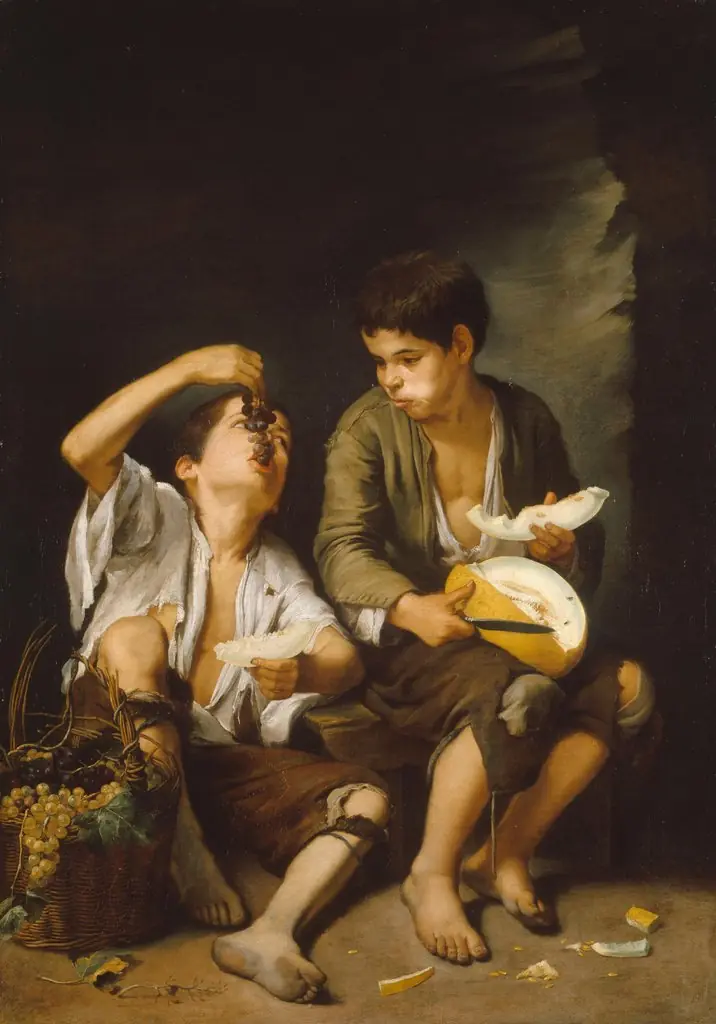 Grape and Melon Eaters
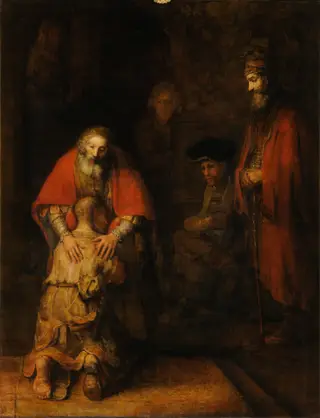 The Return of the Prodigal Son
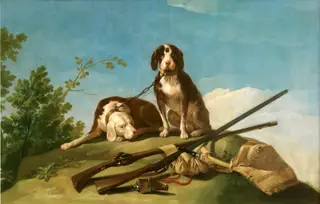 Dogs and hunting gear
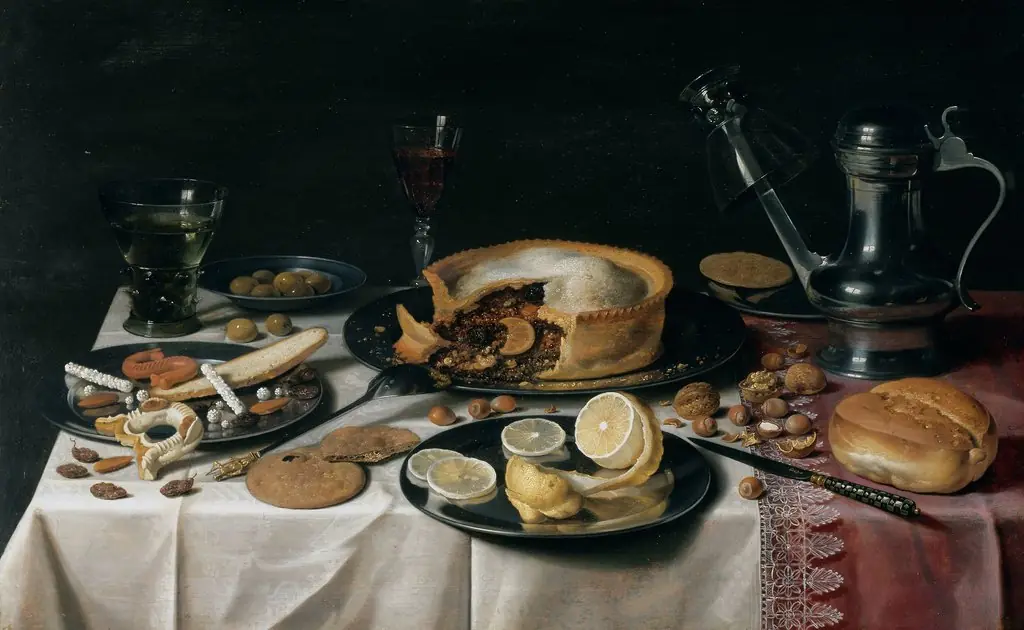 Still Life
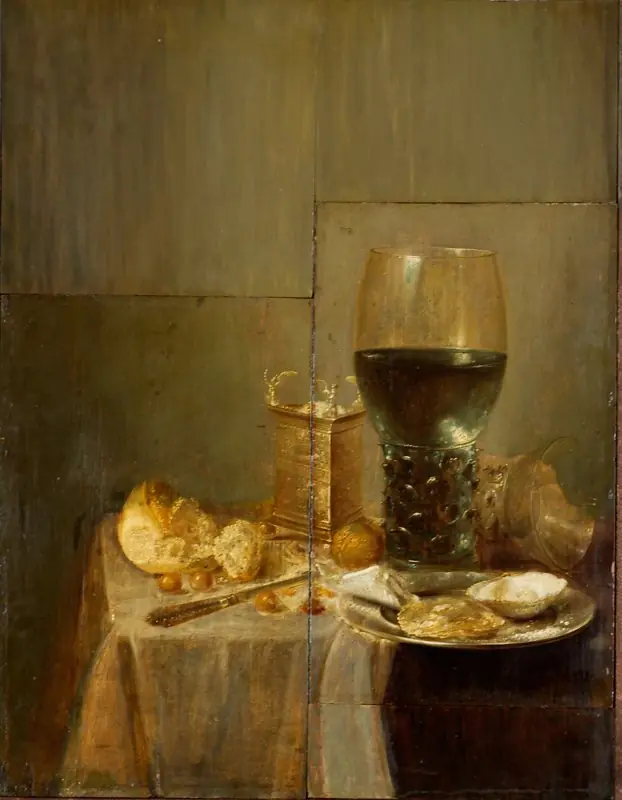 Still Life
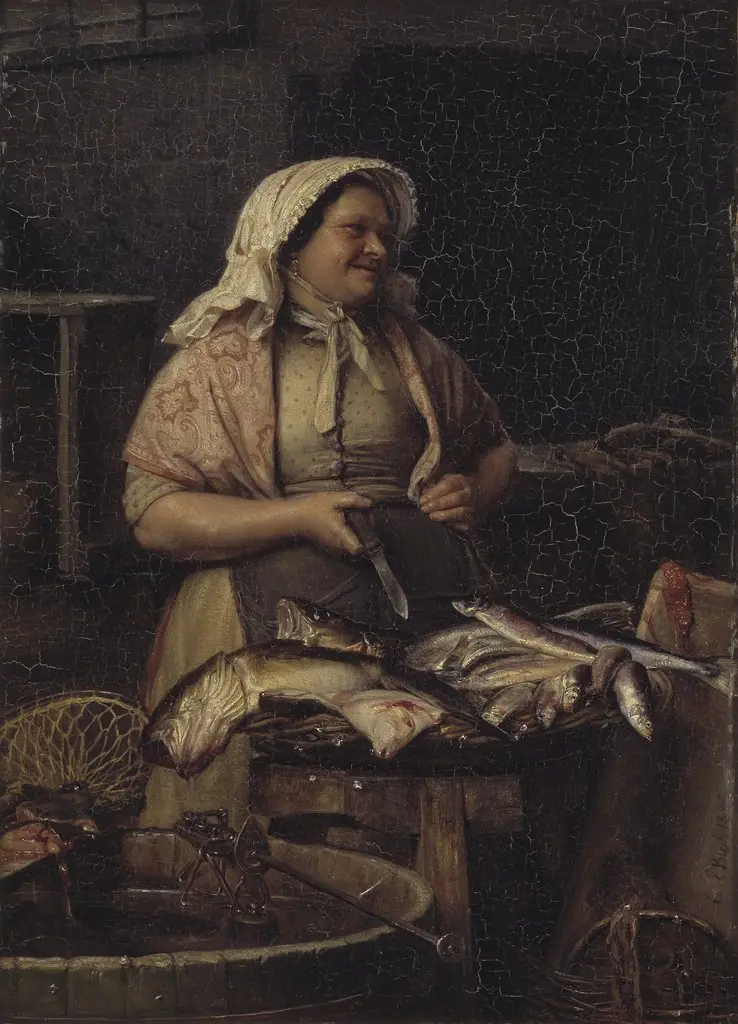 A Fishwife
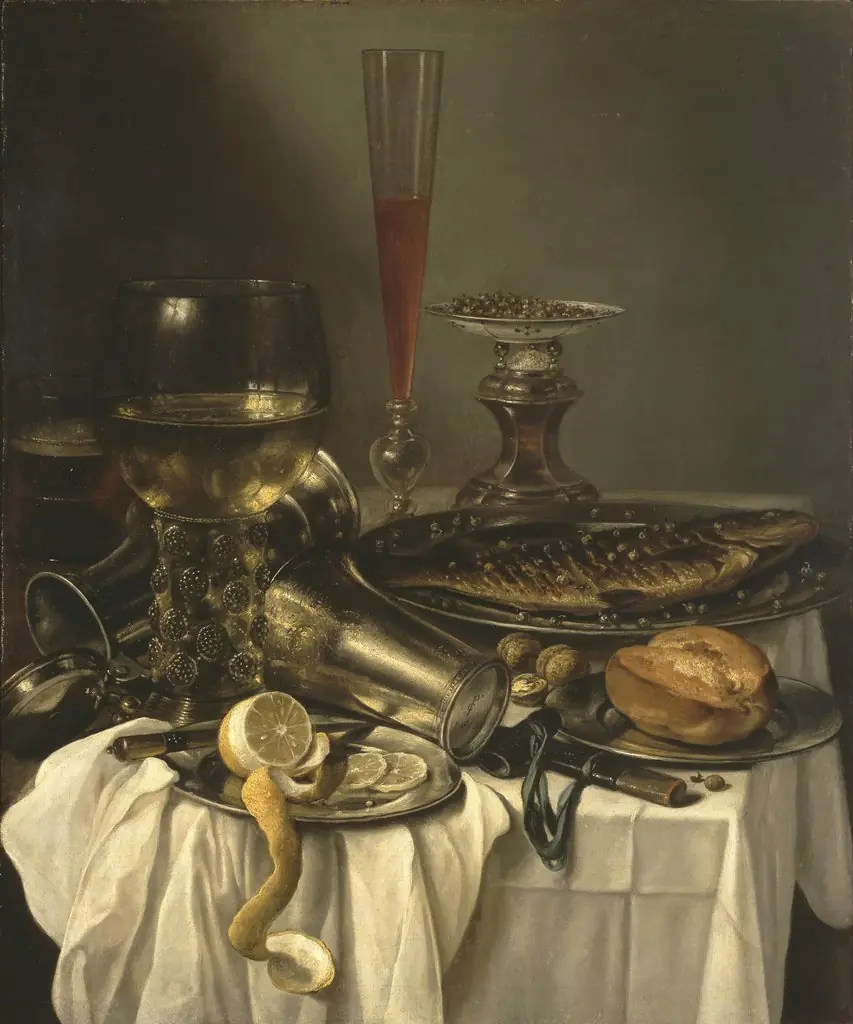 Breakfast with Fish
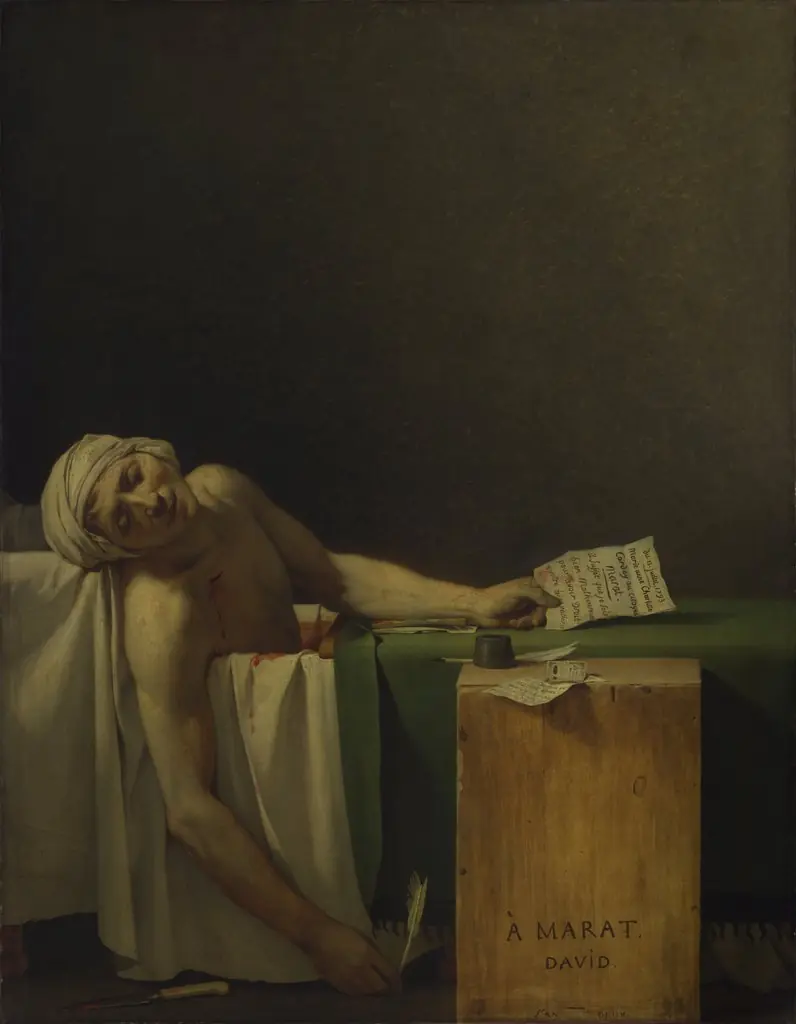 The Death of Marat
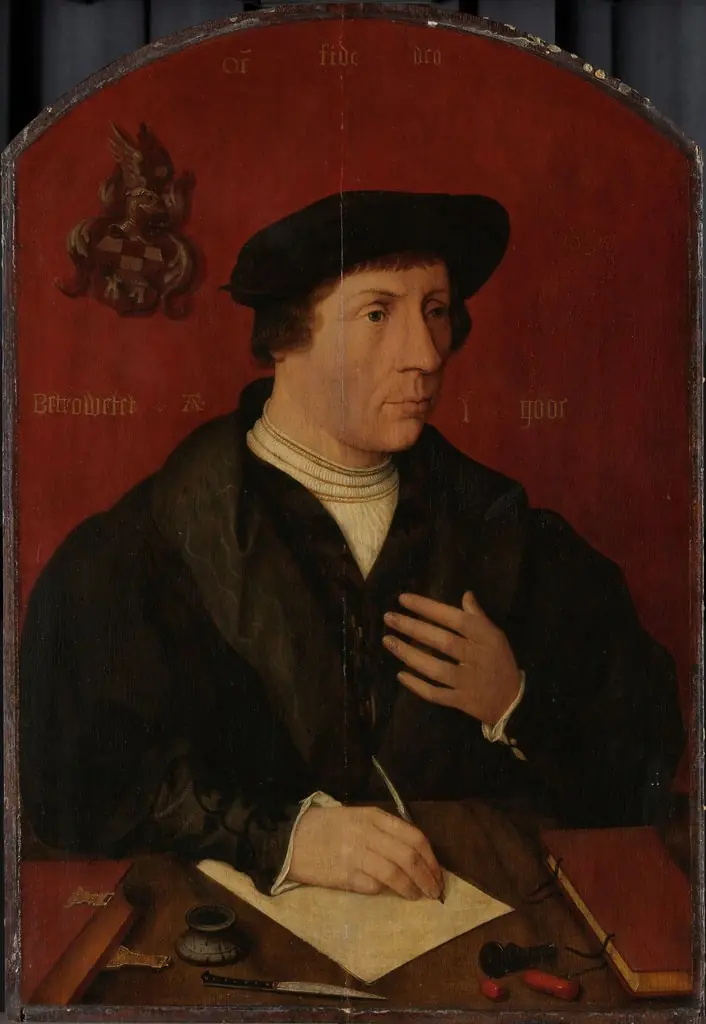 Portrait of a man
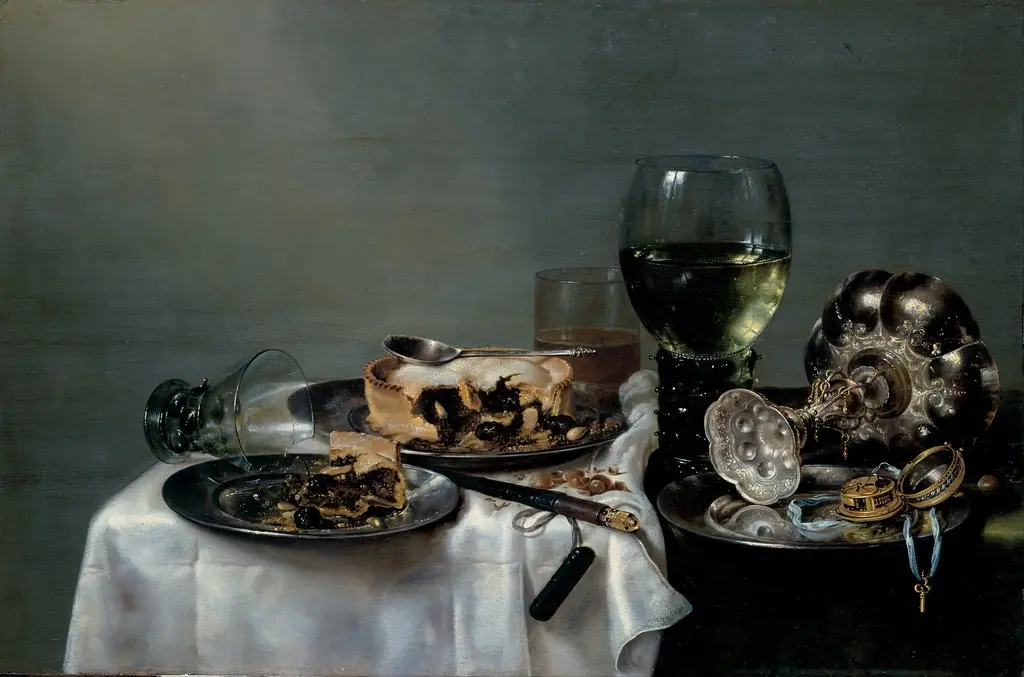 Breakfast Table with Blackberry Pie
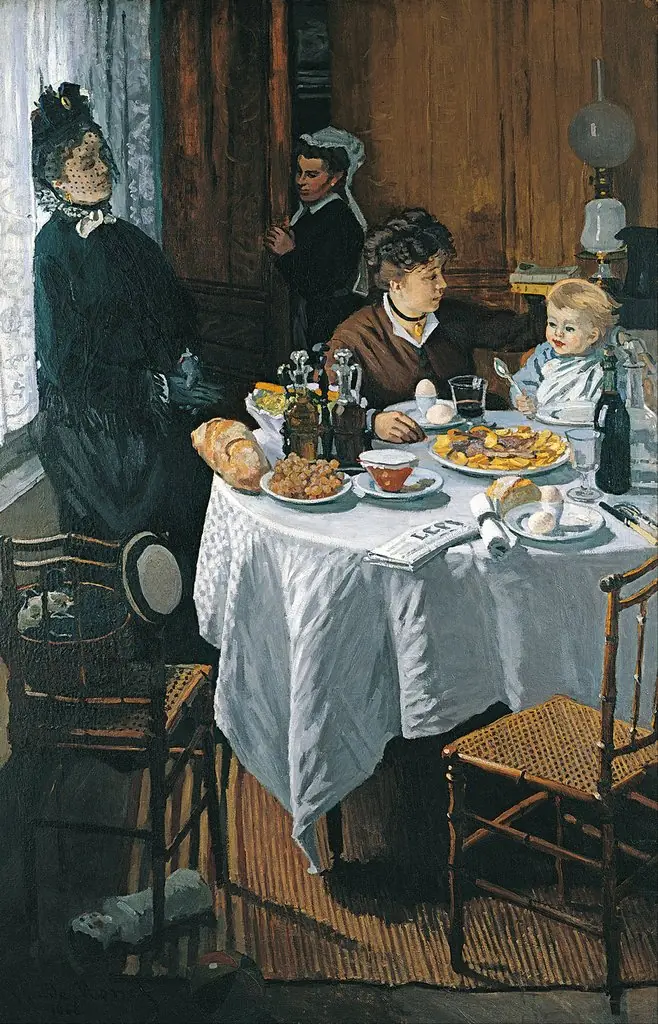 The Luncheon
 The Second of May 1808
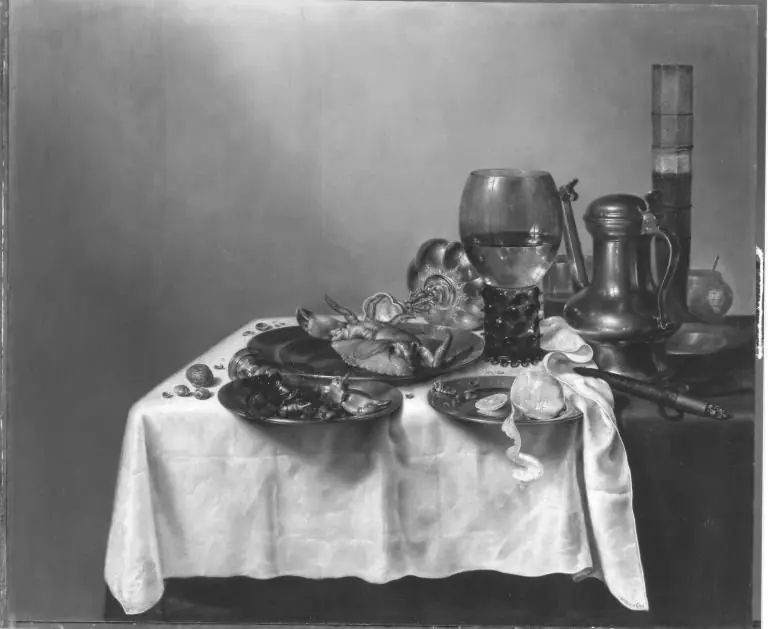 Still life with passglass, Jan Steen pitcher and roemer
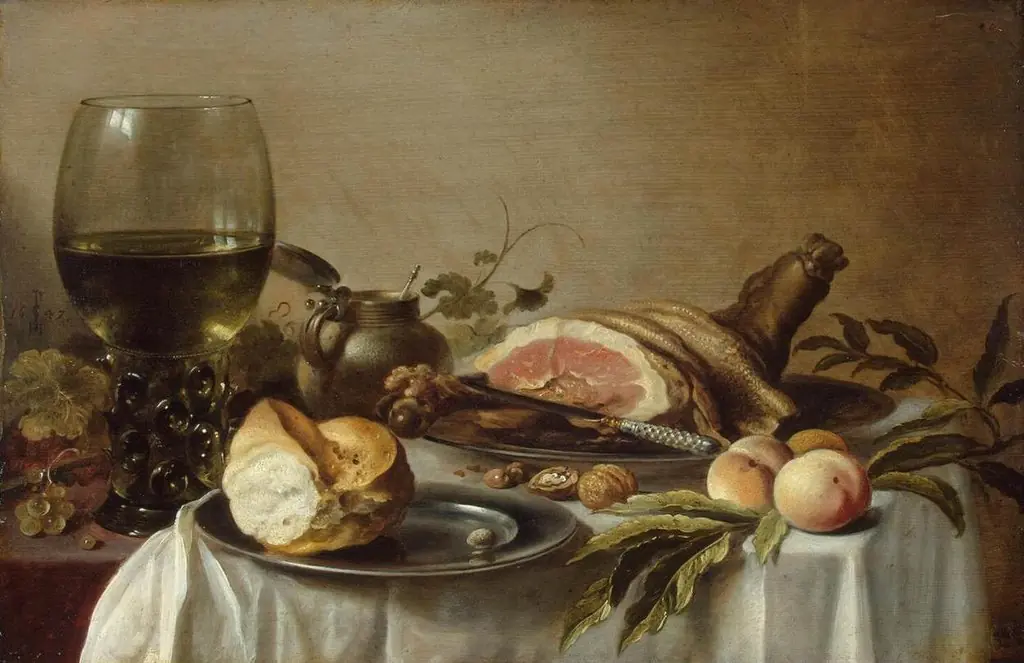 Breakfast with Ham
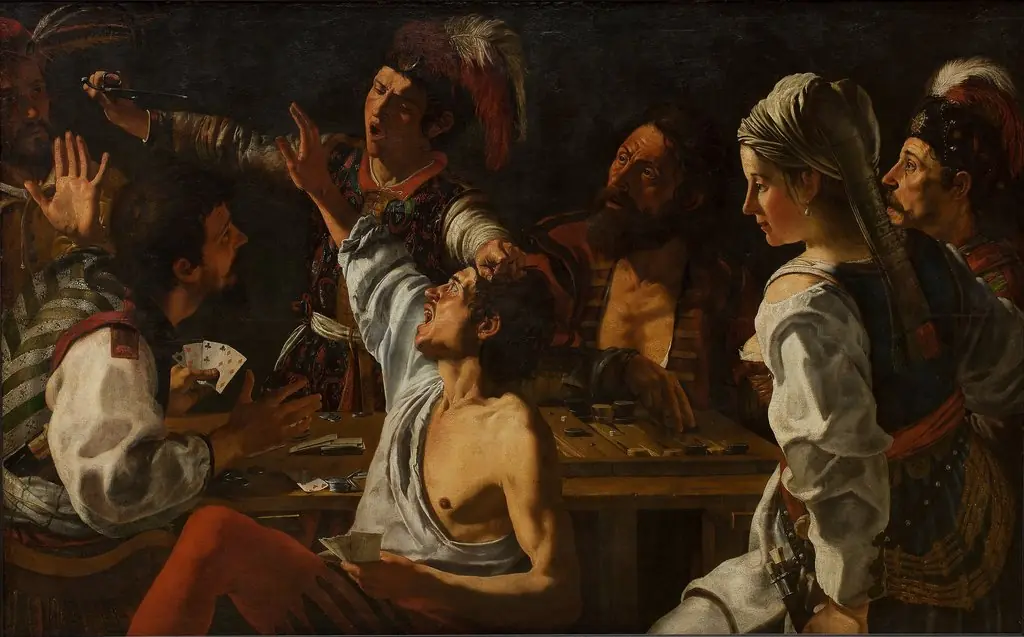 Card and Backgammon Players. Fight over Cards
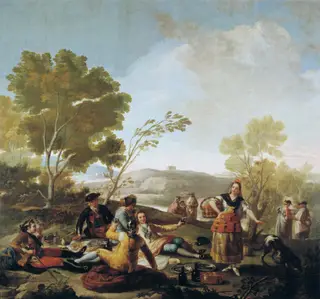 Picnic on the banks of the Manzanares
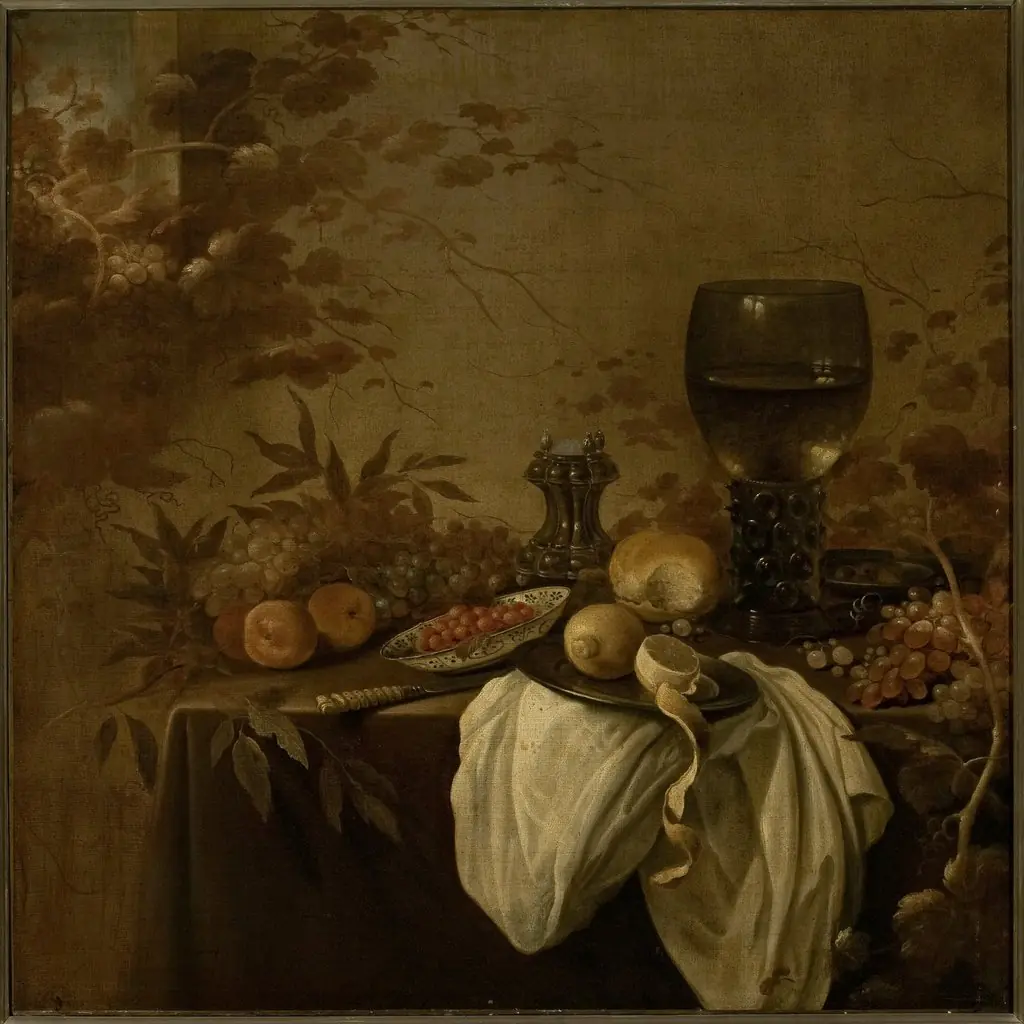 Still life
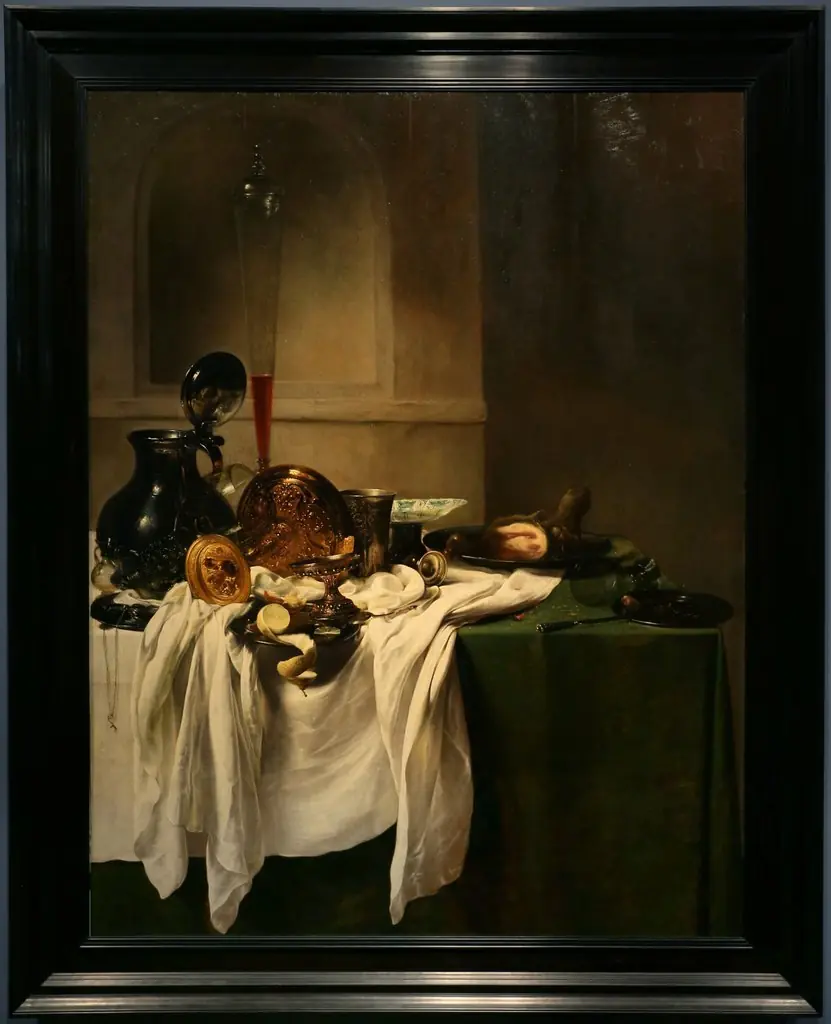 Still life of a laid table with ham and a view of a niche
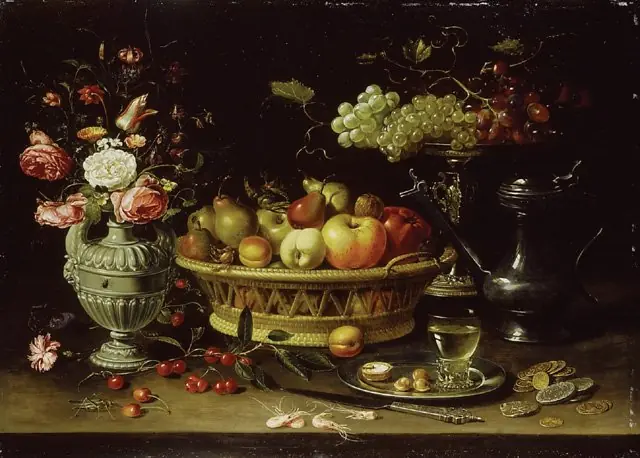 Still life of fruit and flowers
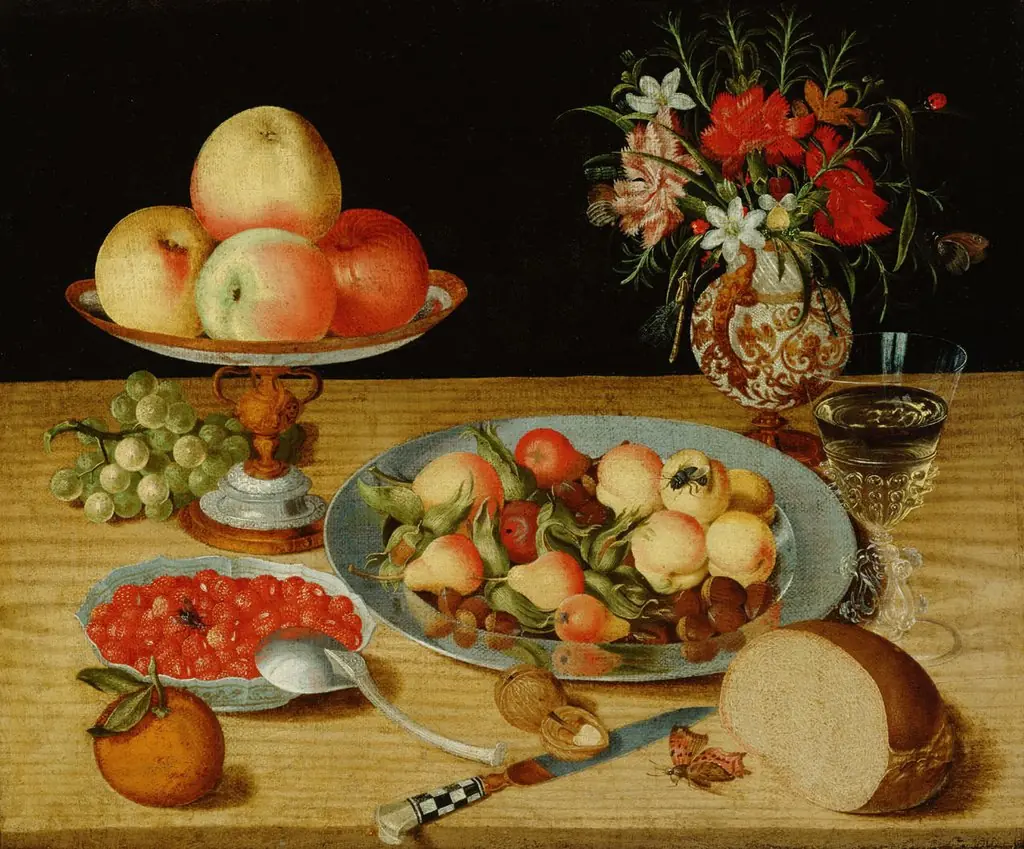 Still life with fruit, wine glass and vase of flowers
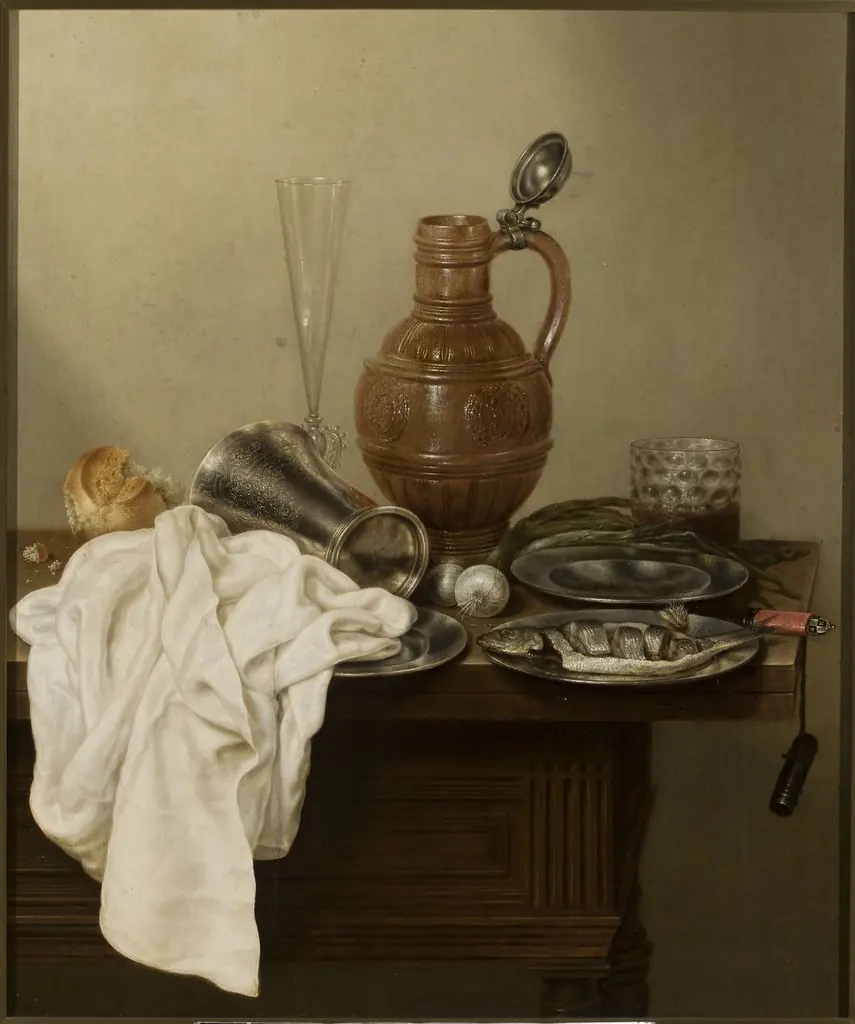 Still life with a herring
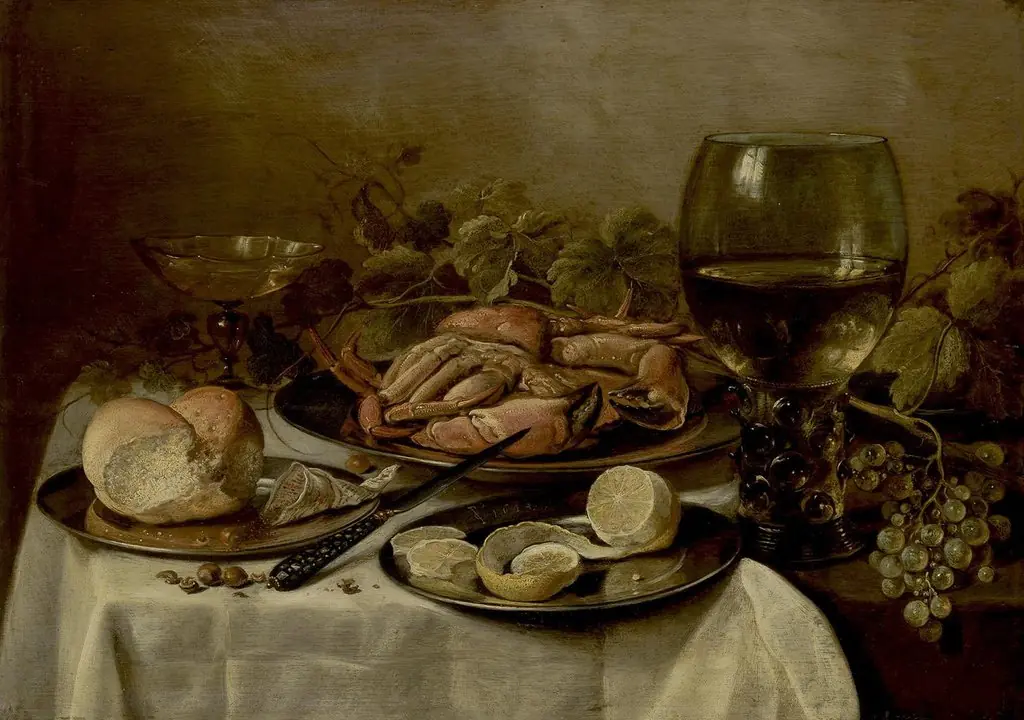 Still Life with Crab, Rummer and Grape
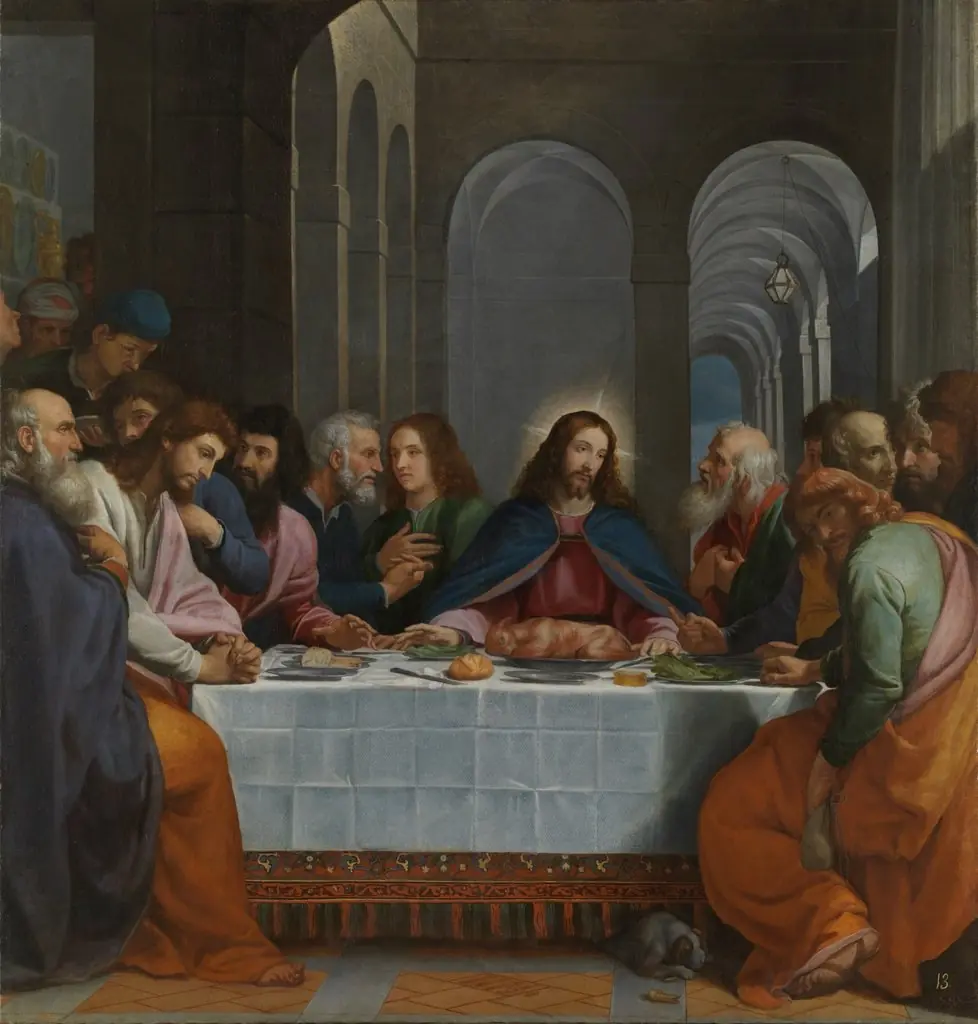 The Last Supper
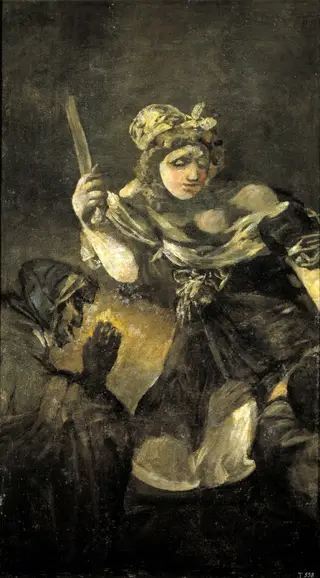 Judith and Holofernes
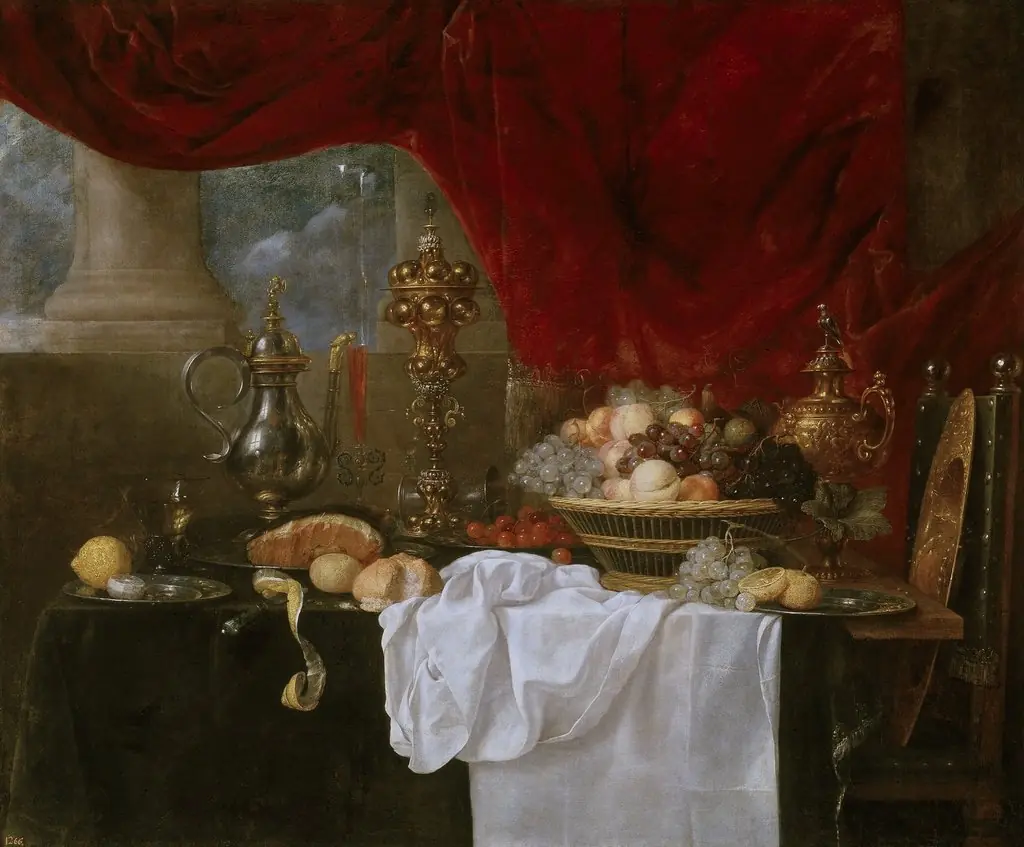 Table
Table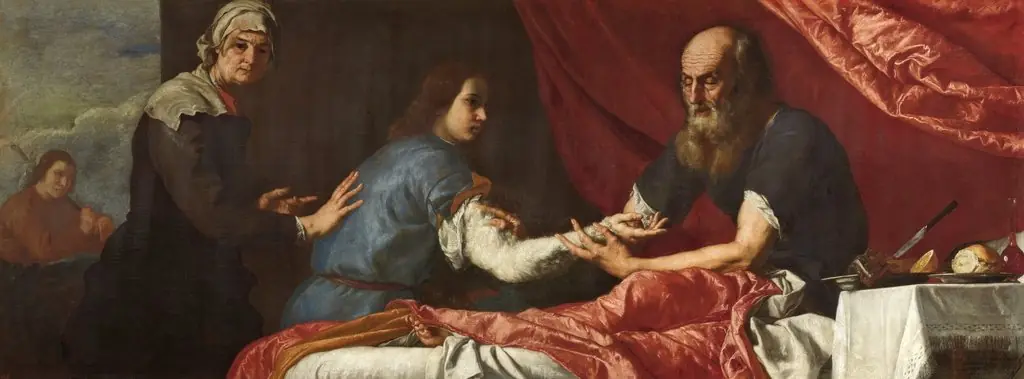 Isaac and Jacob
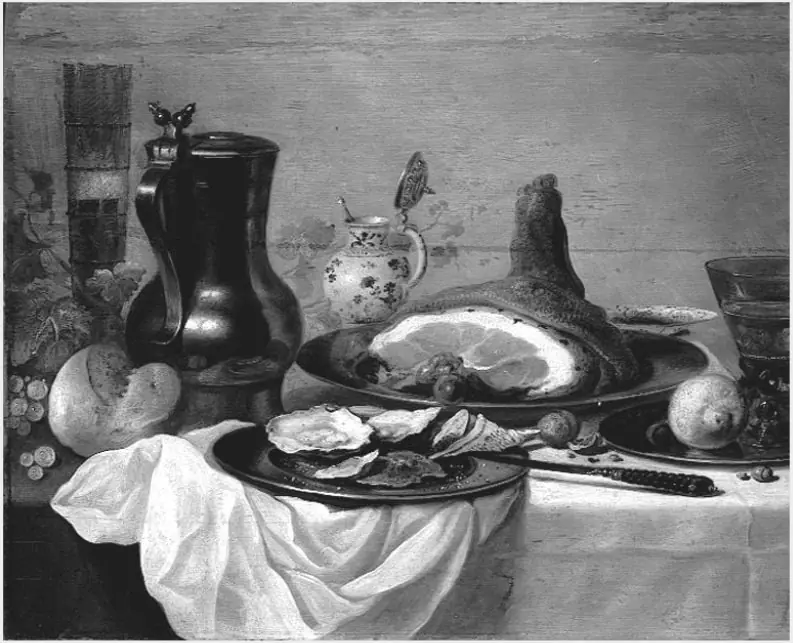 A Breakfast-piece
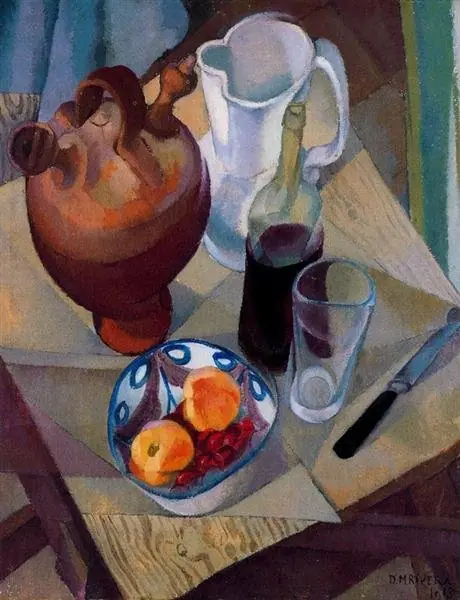 Still Life
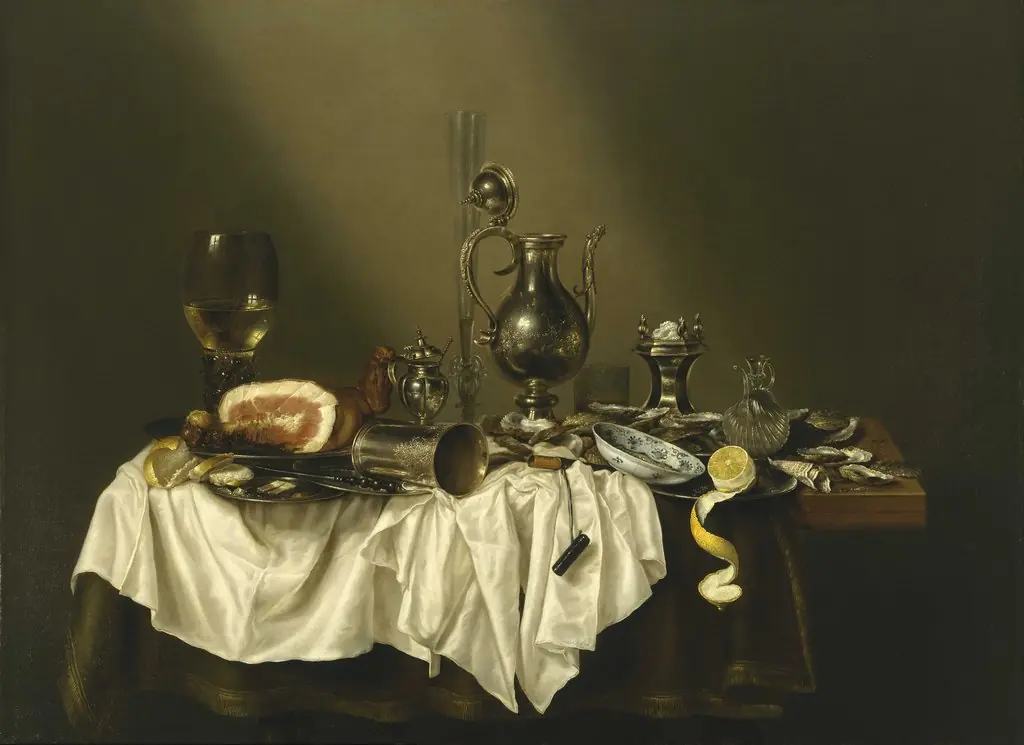 Banquet Piece with Ham
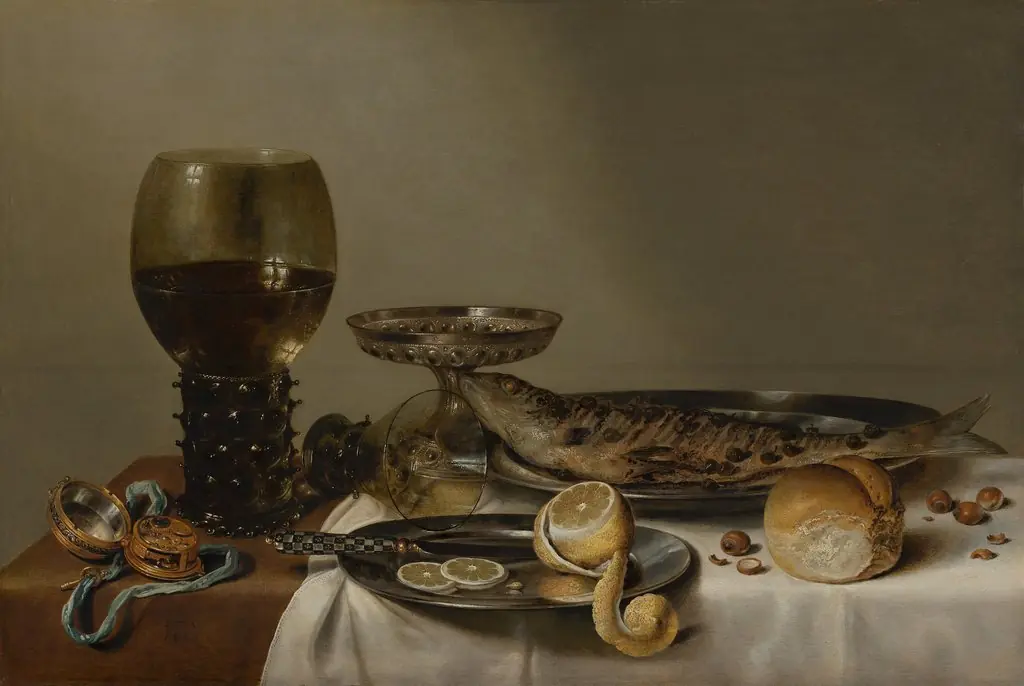 Still Life with a Roemer and a Watch
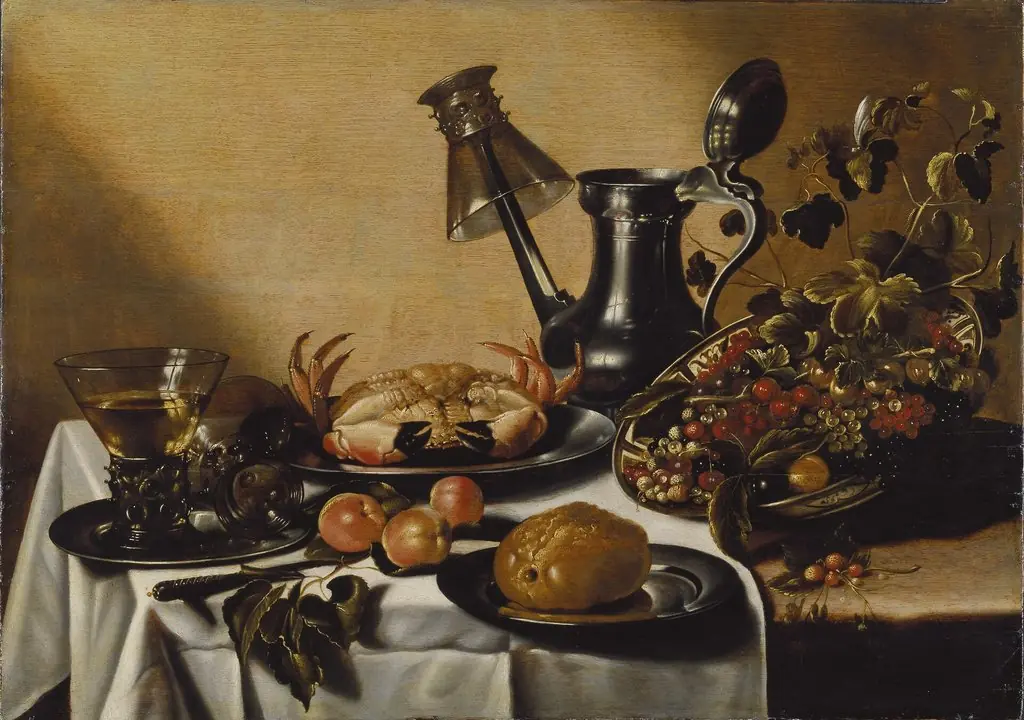 Still Life with Crab and Fruit
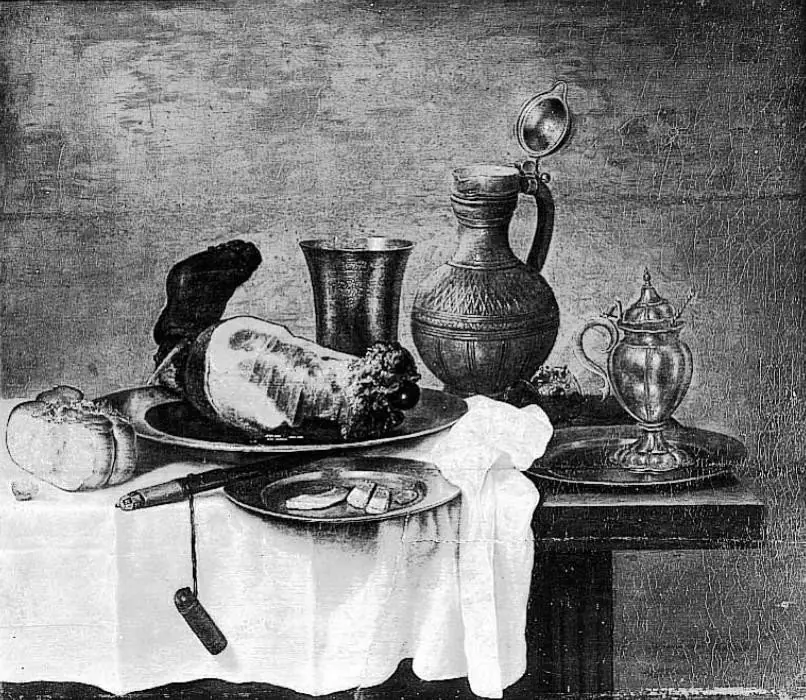 Still life with ham and utensils
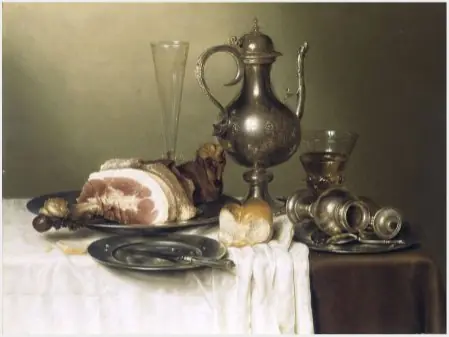 A Banquet-piece
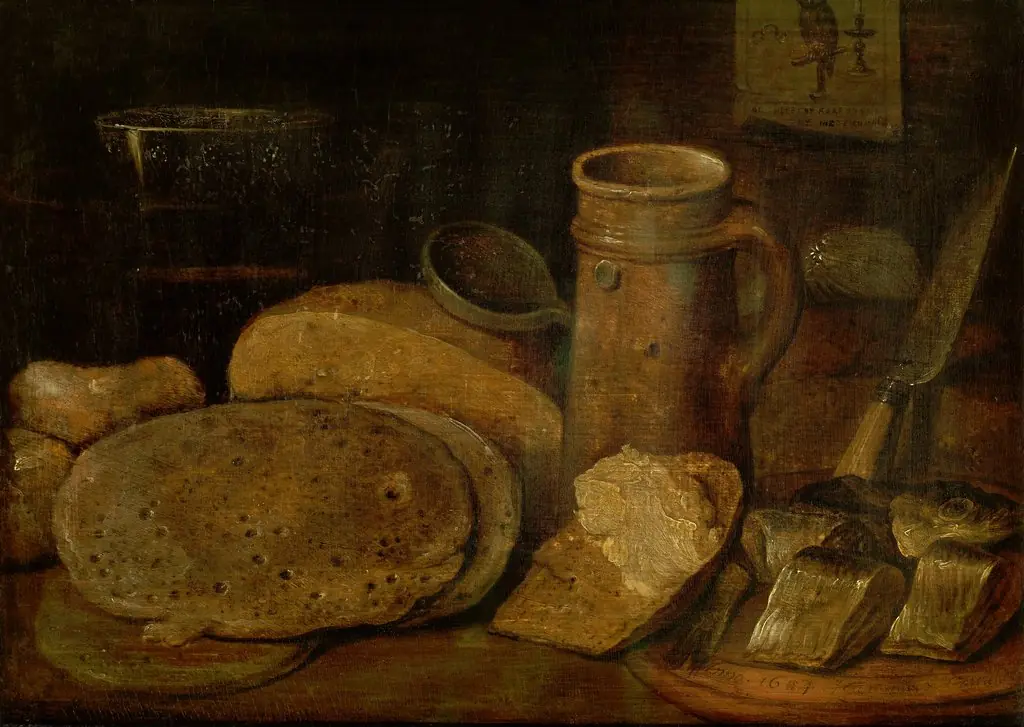 Still life with pottery, herring and pancakes, a print of an owl on the wall
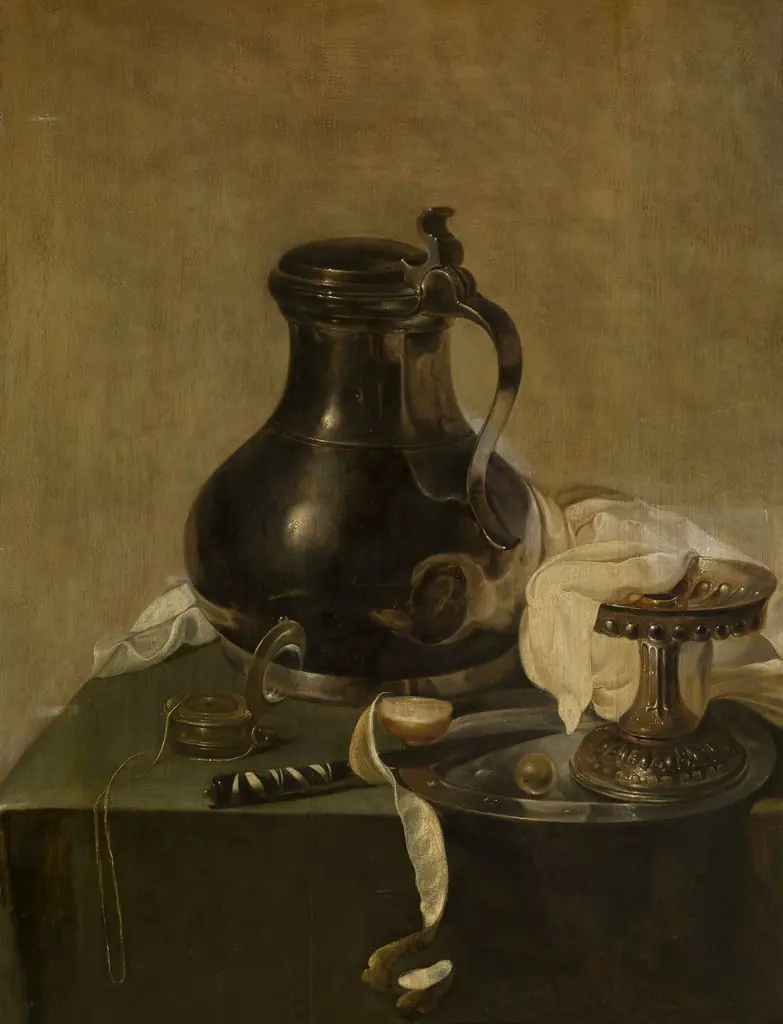 Still life with pewter jug
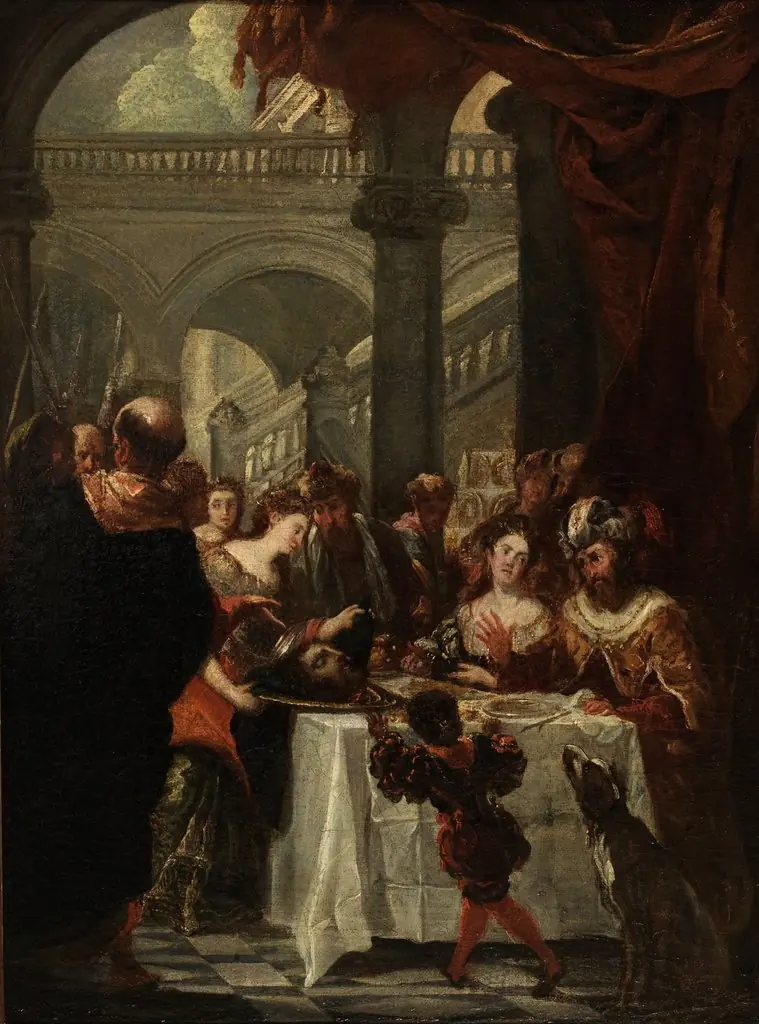 Herod’s Feast (sketch)
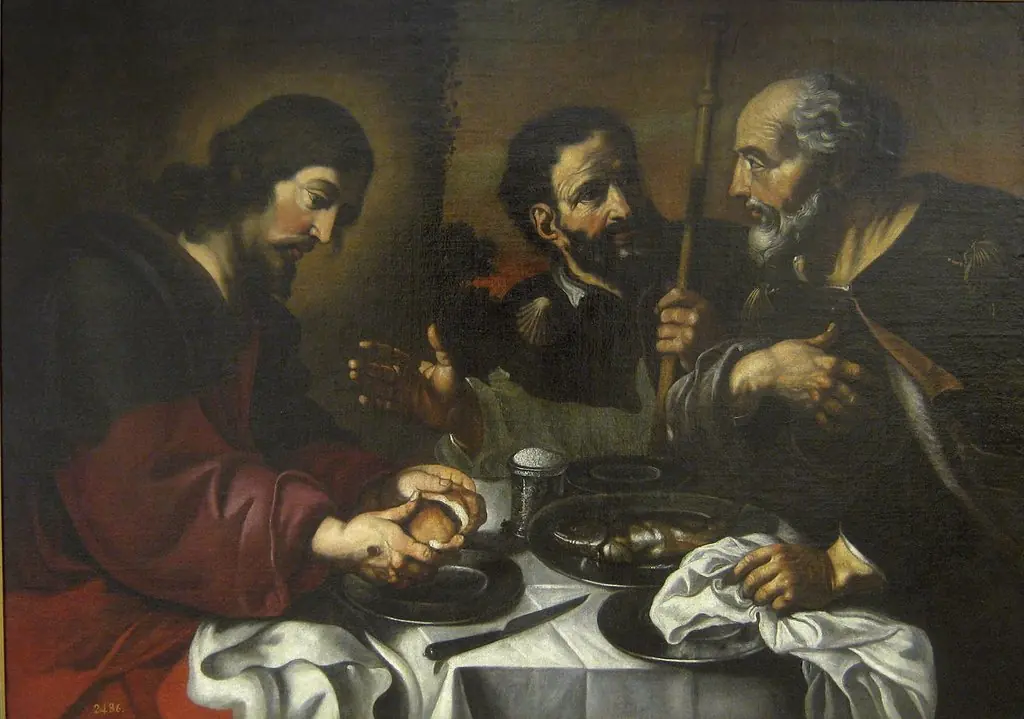 The Supper at Emmaus
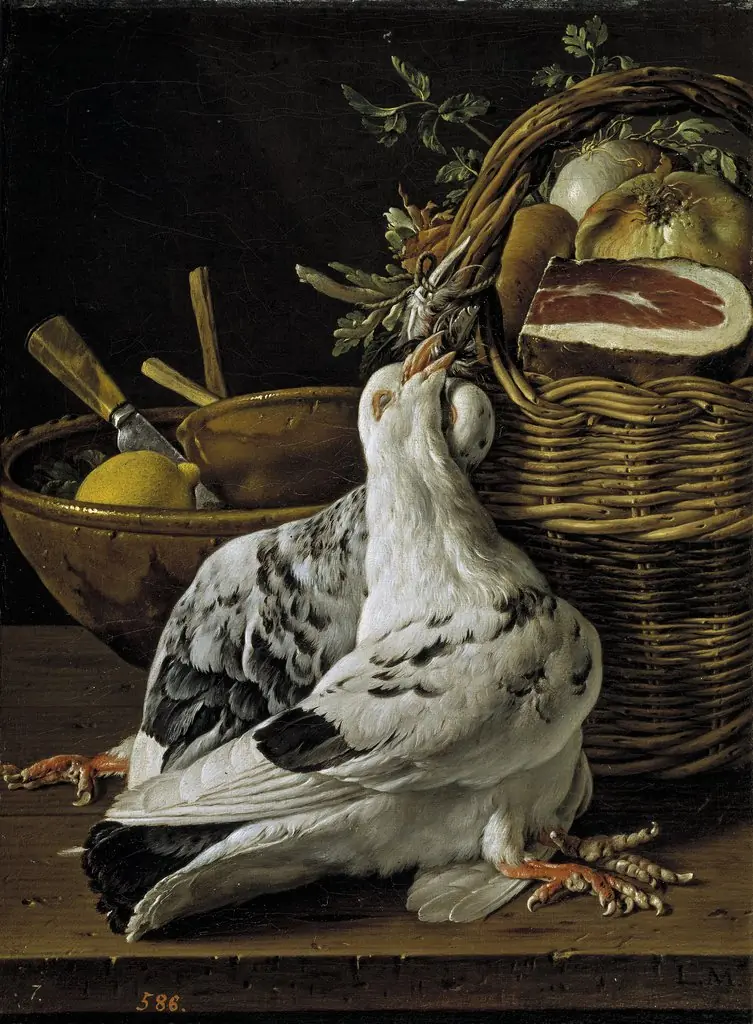 Bodegón con pichones cesta de comida y cuencos
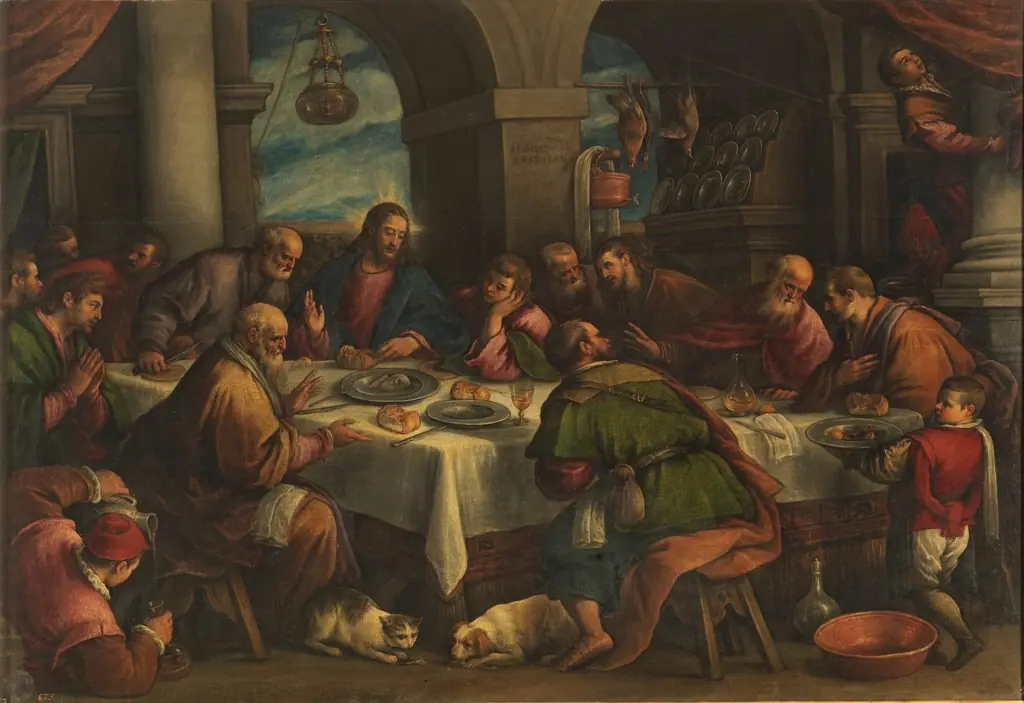 Last Supper
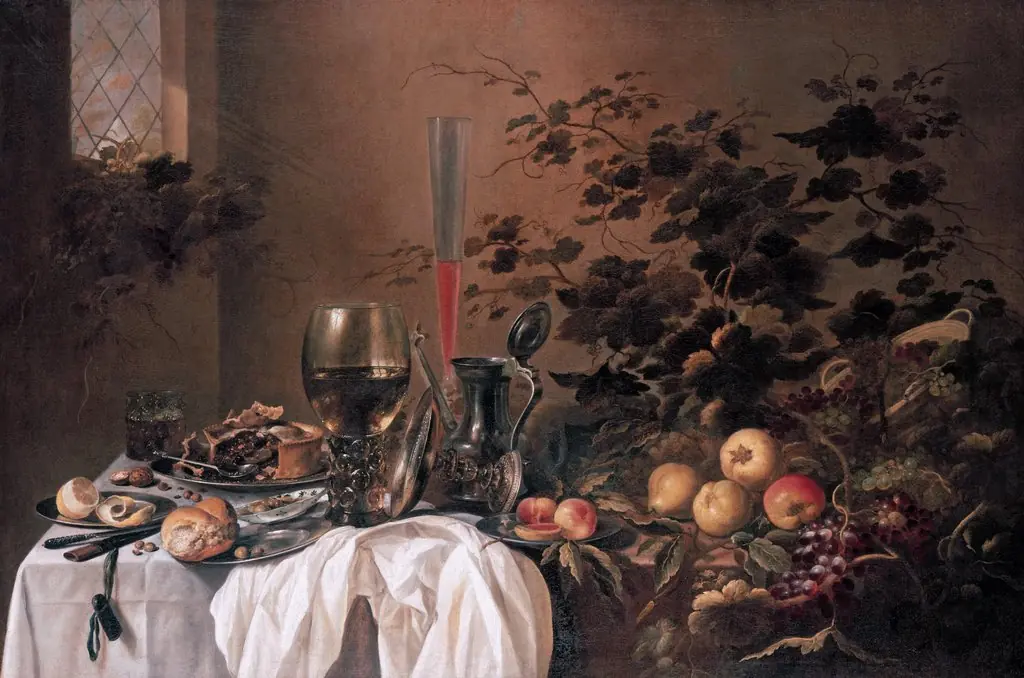 Still life with tumblers and fruit
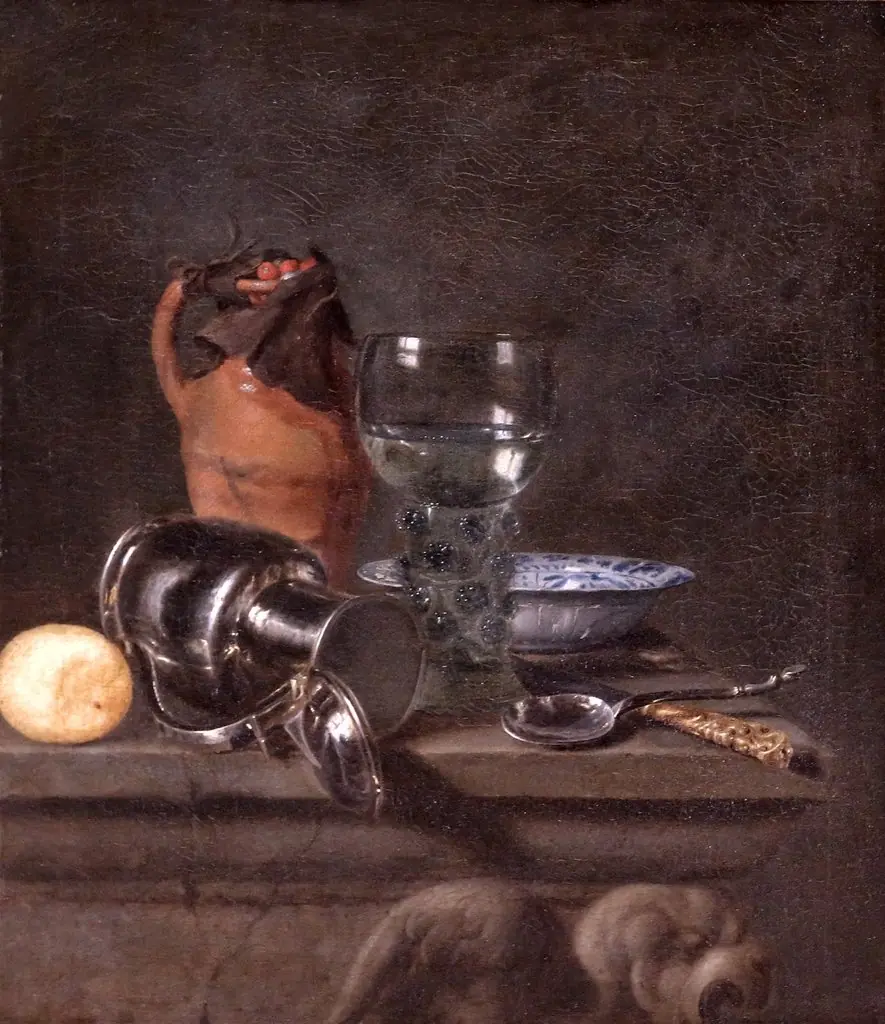 Still life with fallen pewter jug and roemer
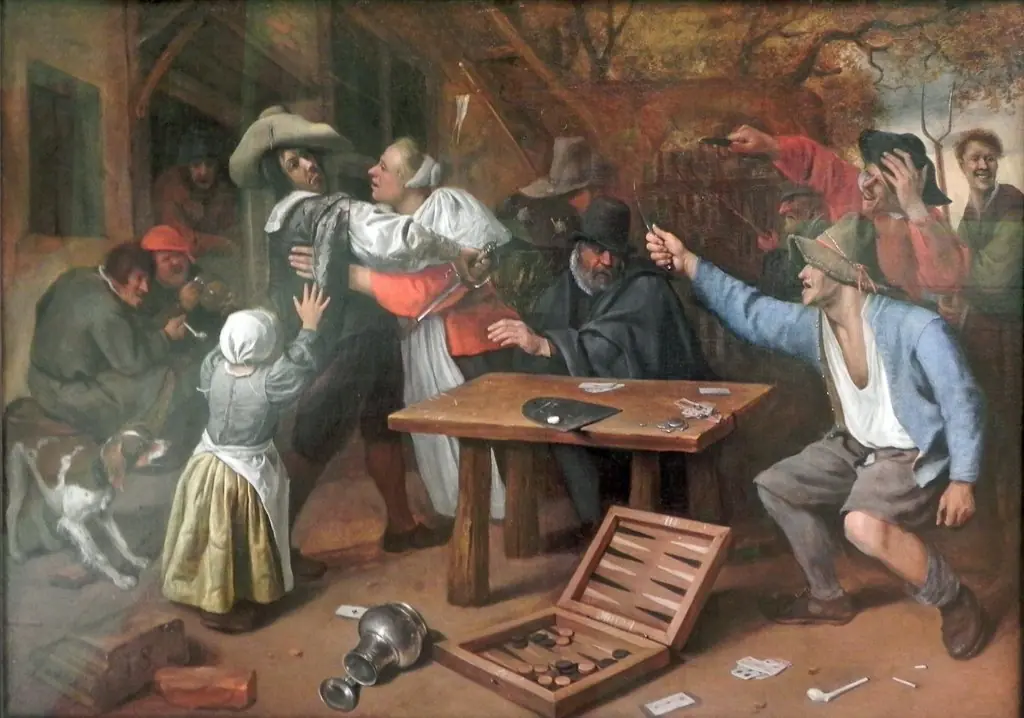 Gamblers Quarrelling
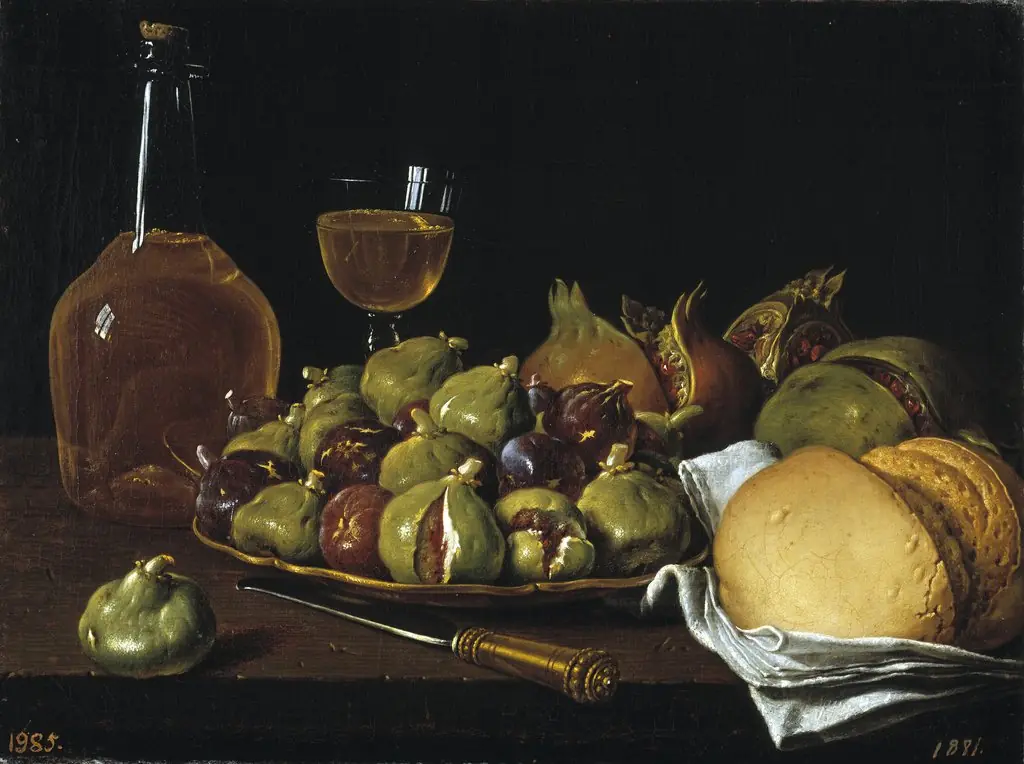 Still Life with Bread Pomegranates Figs and Tableware
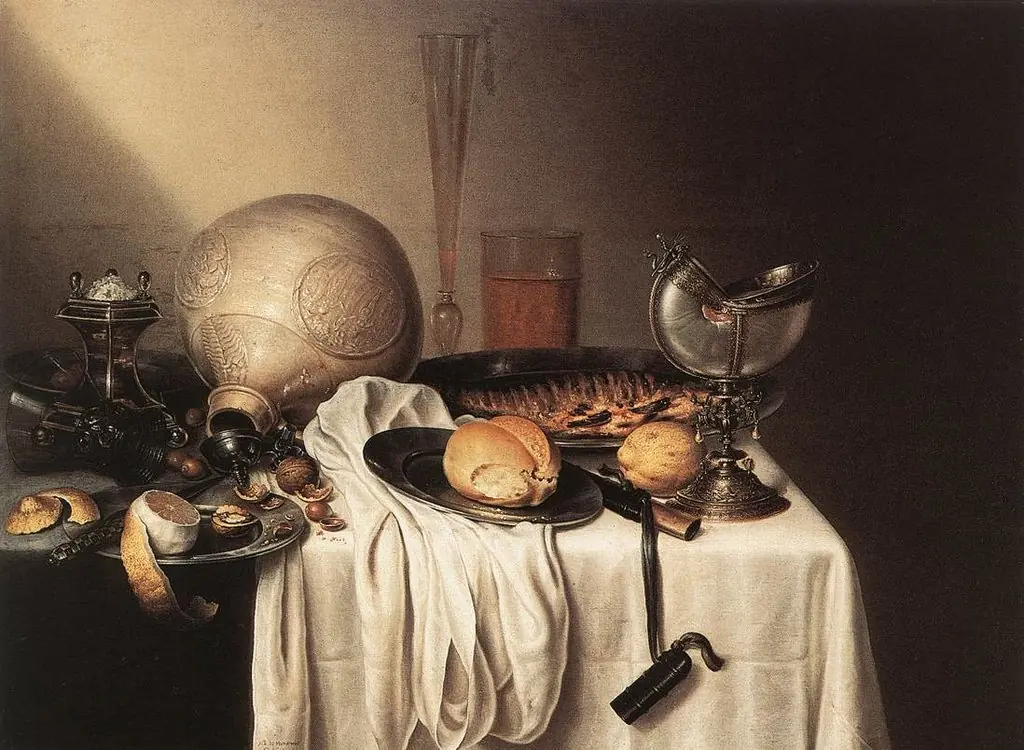 Still-Life with a Bearded Man Crock and a Nautilus Shell Cup
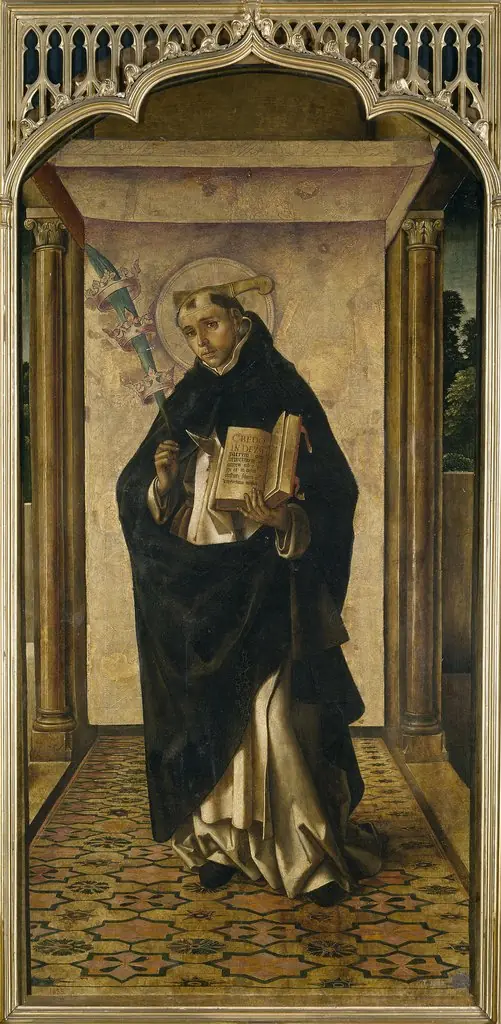 Saint Peter Martyr
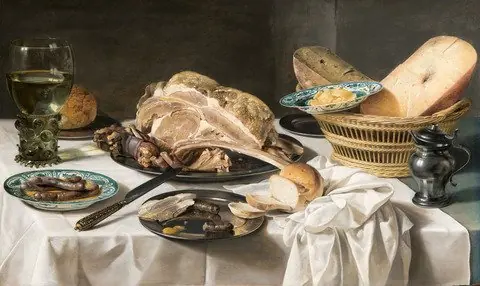 Breakfast Still Life with a Ham and a Basket of Cheese
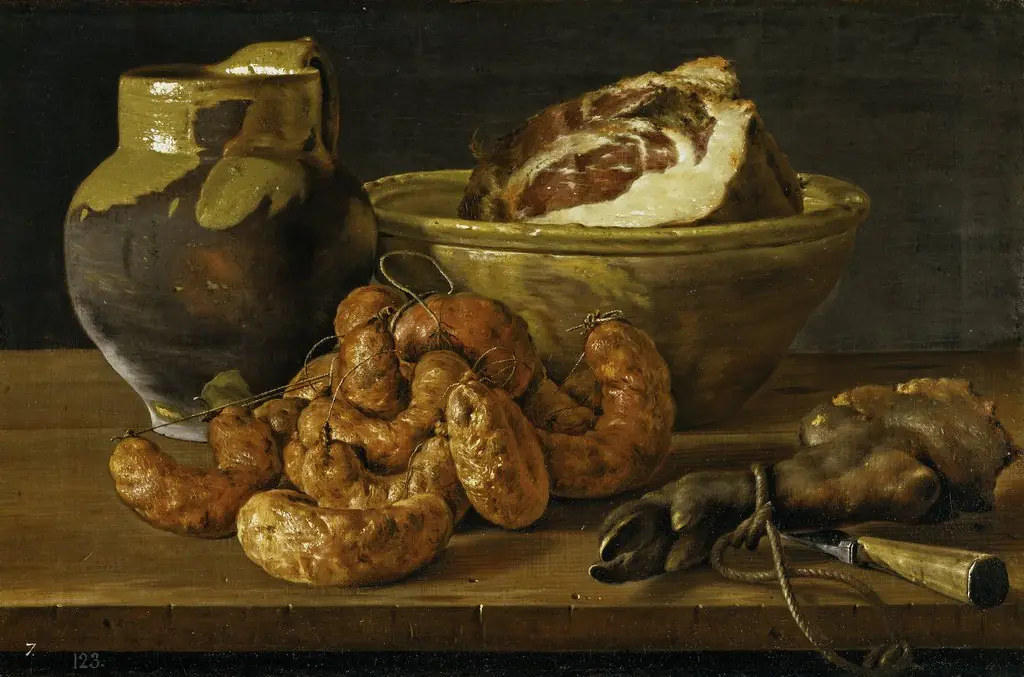 Still Life with Sausages Ham and Vessels
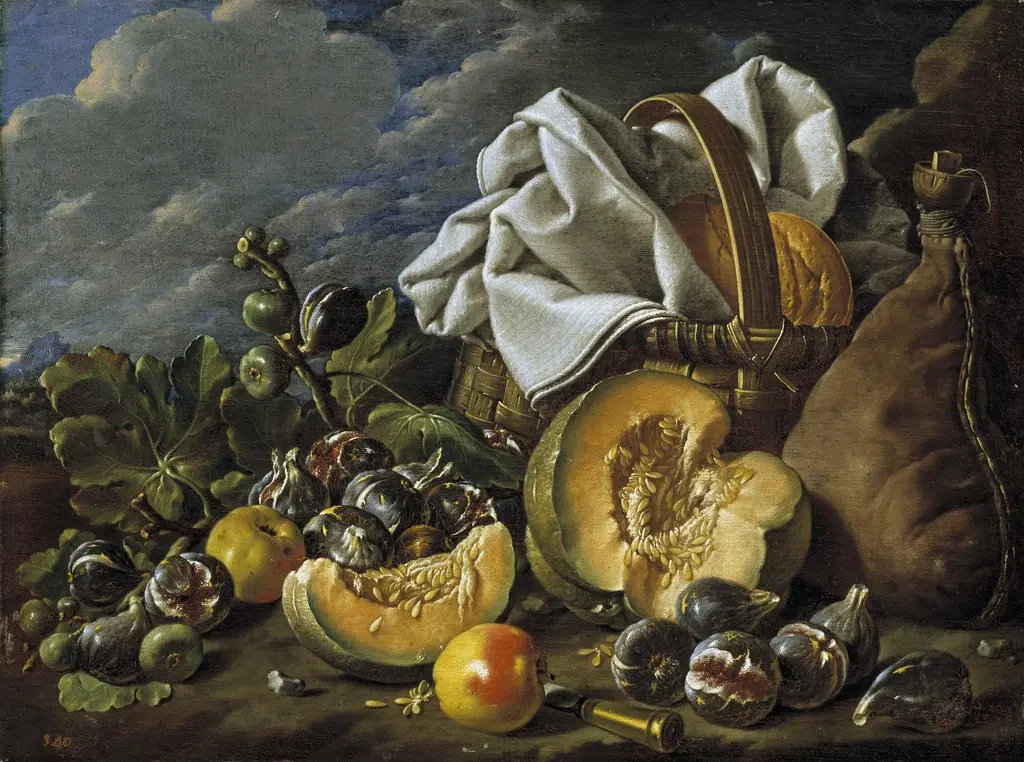 Still Life with Melon Figs Apples Wineskin and Picnic Hamper in a Landscape
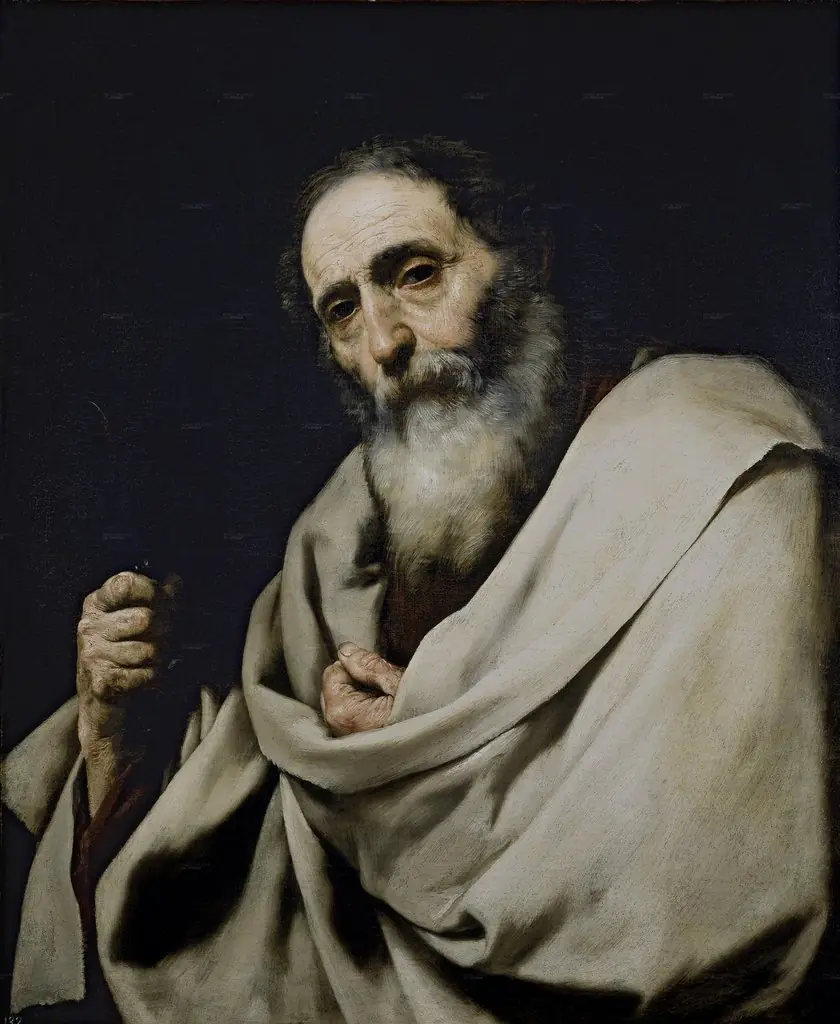 Saint Bartholomew
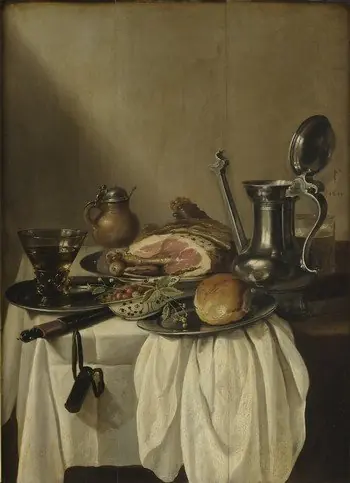 Still life of a laid table
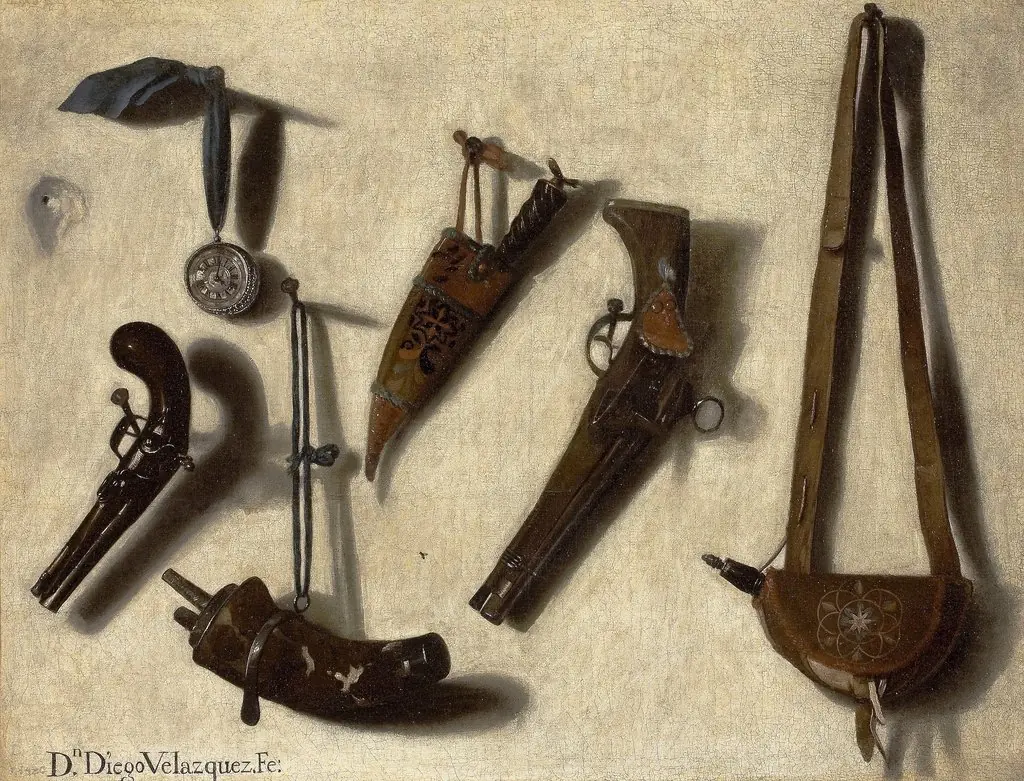 Weapons and Hunting Equipment
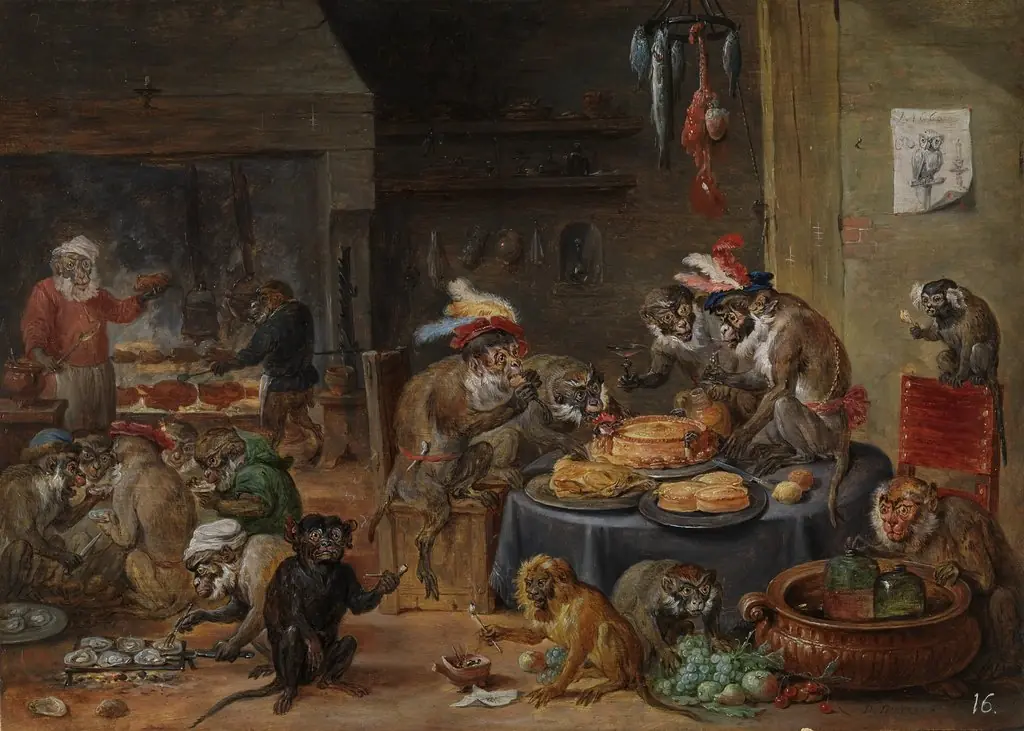 The Monkeys’ Banquet
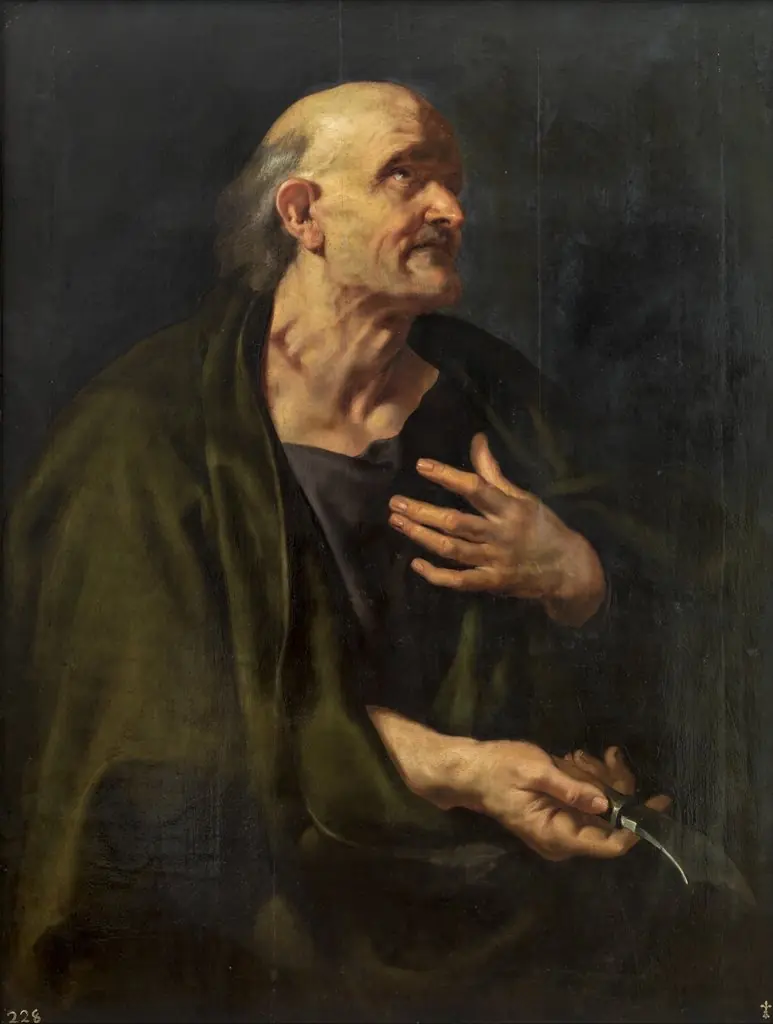 Saint Bartholomew
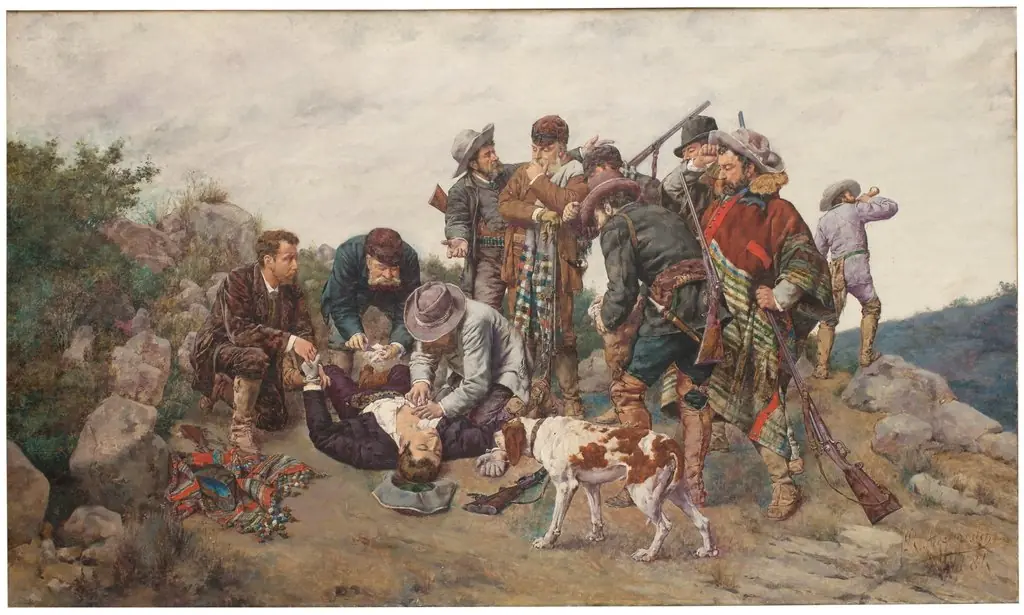 Una desgracia en montería
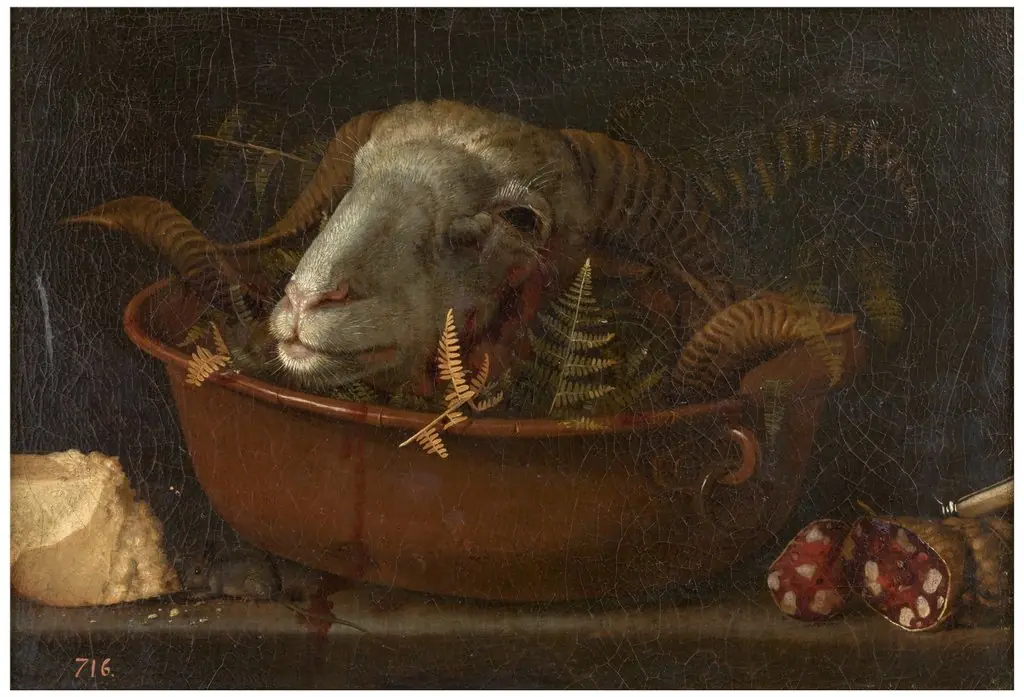 Still life with ram head
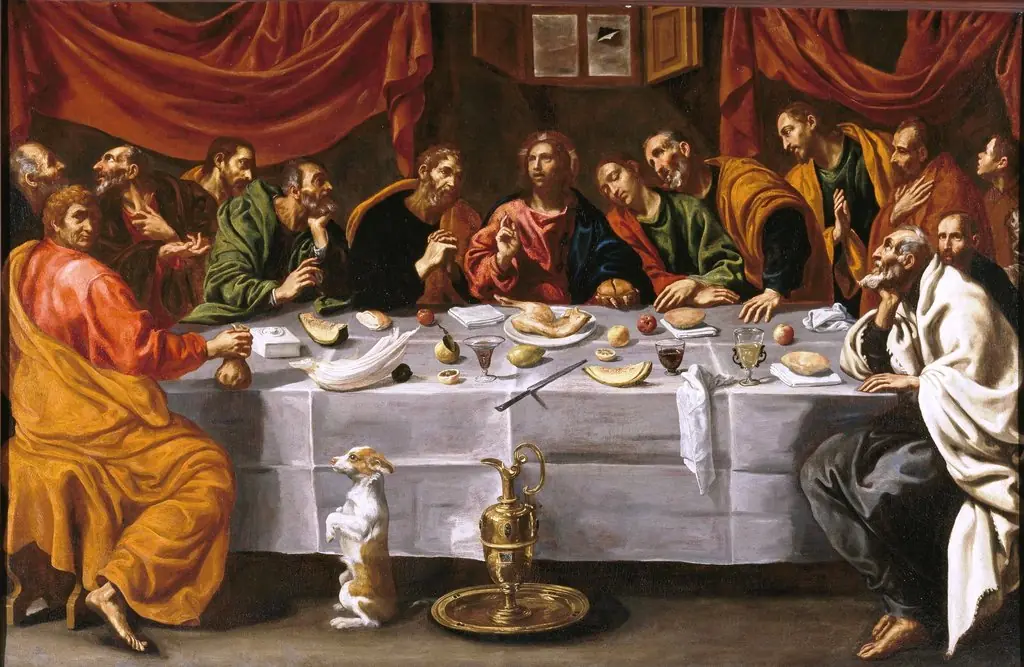 The Last Supper
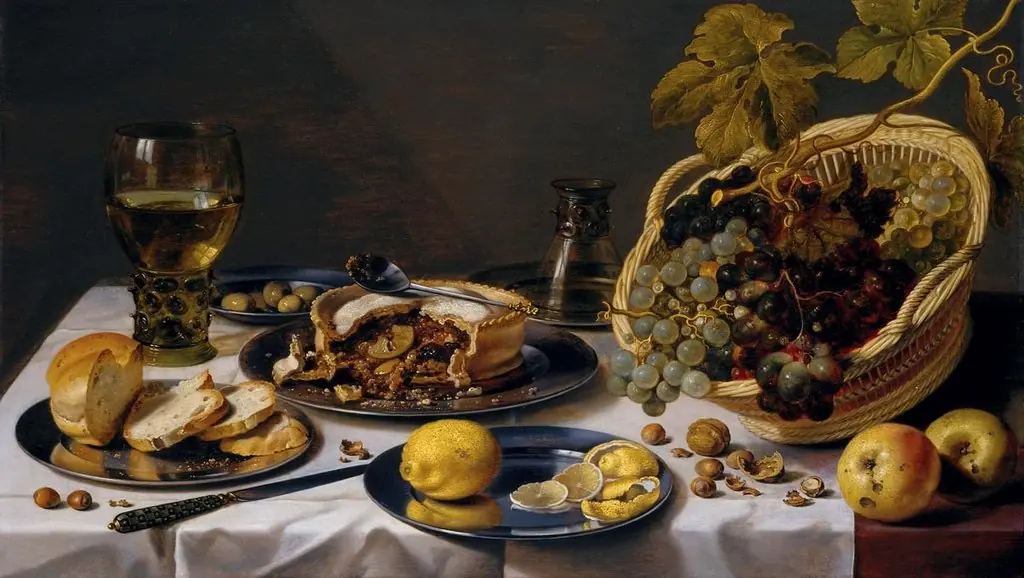 Tabletop Still Life with Mince Pie and Basket of Grapes
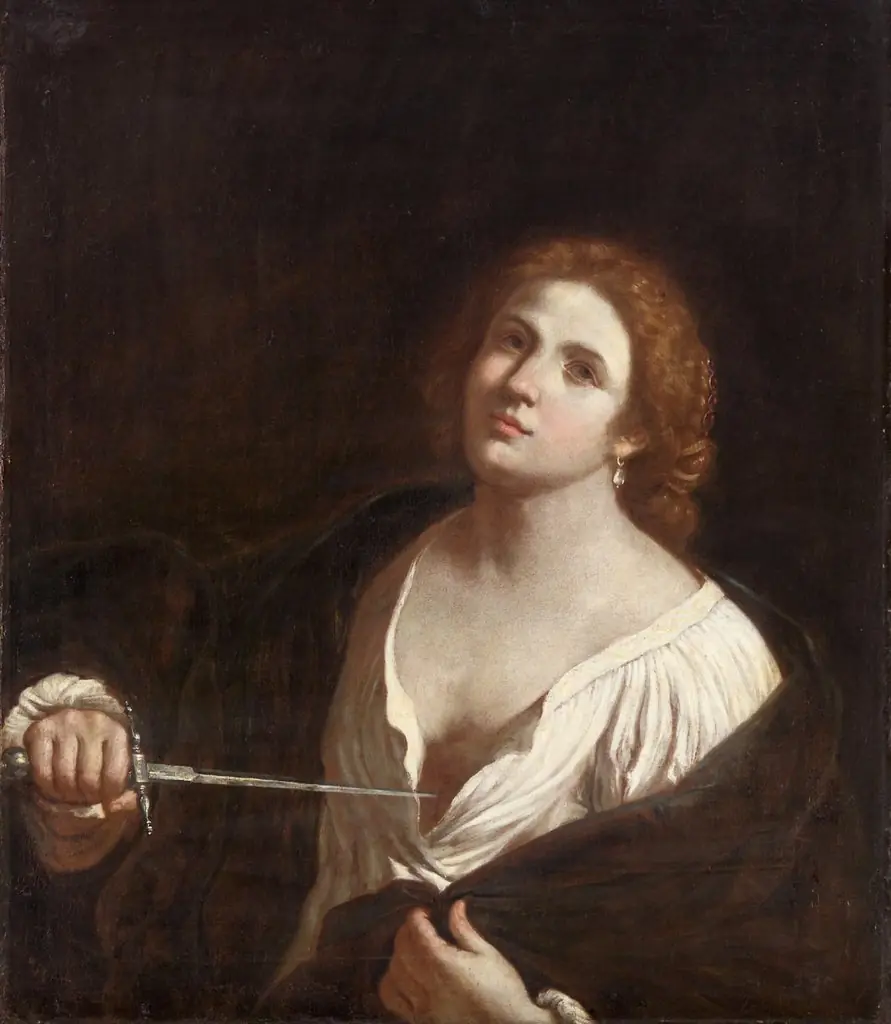 Lucretia
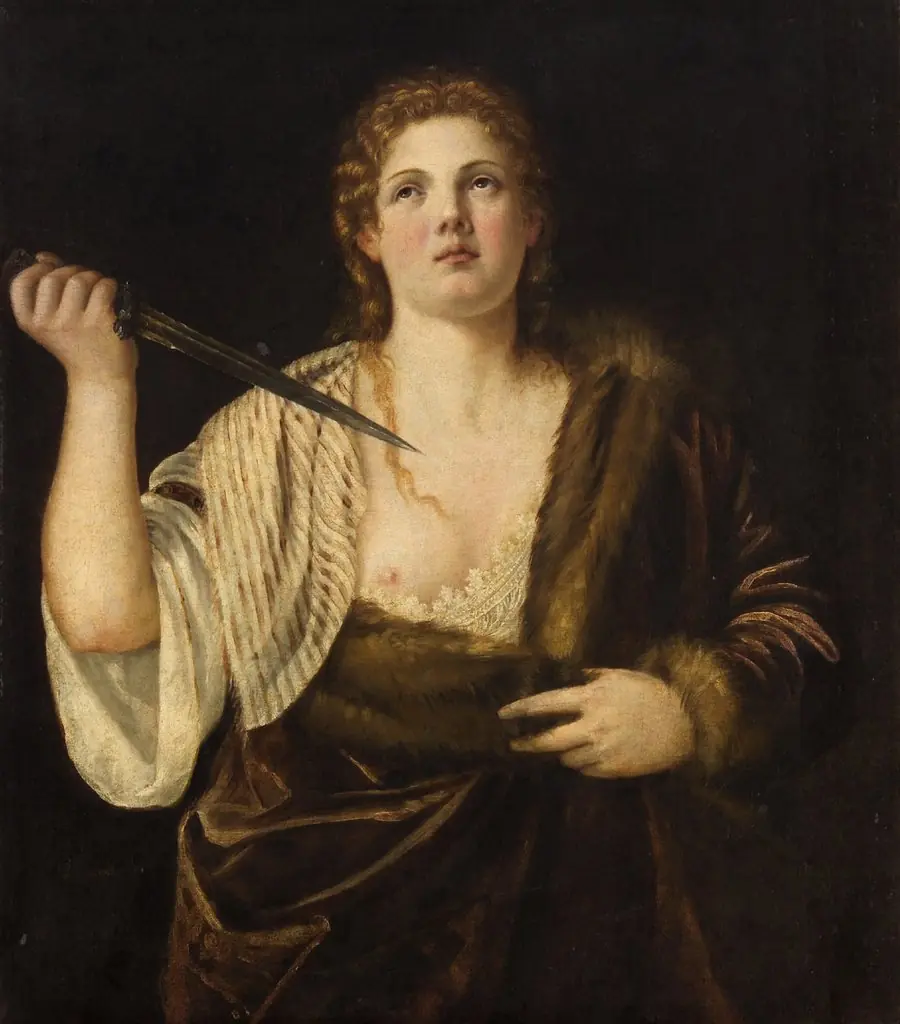 Lucretia
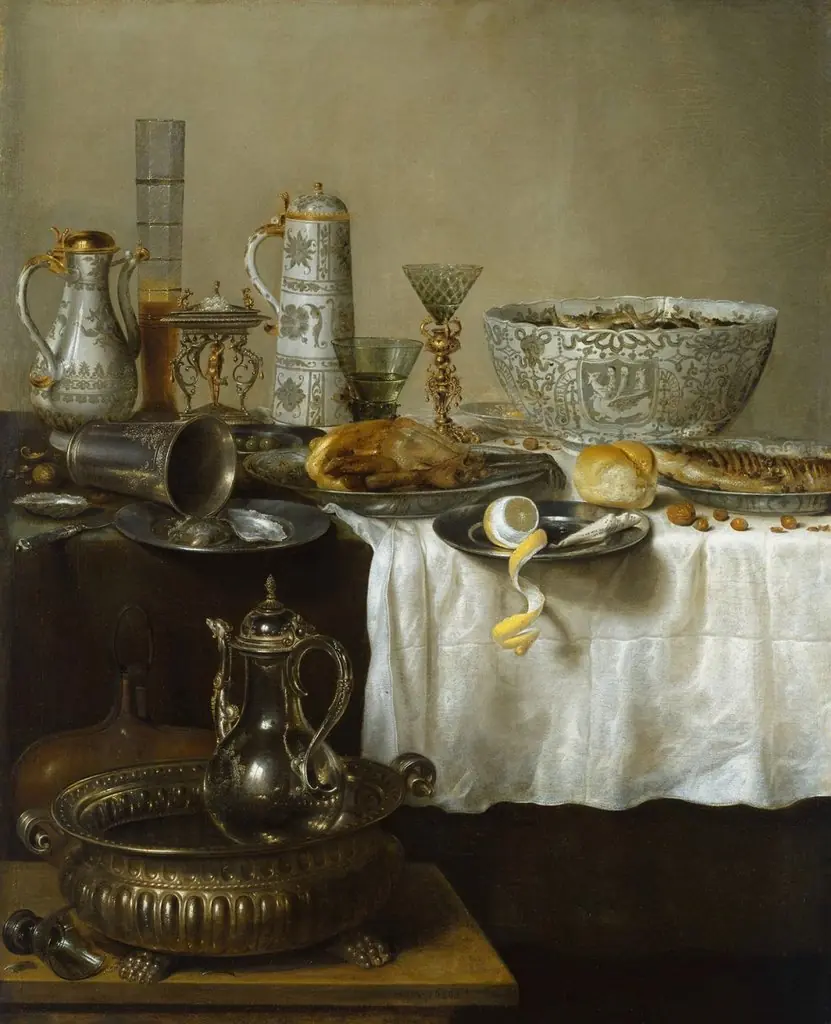 Sumptuous still life
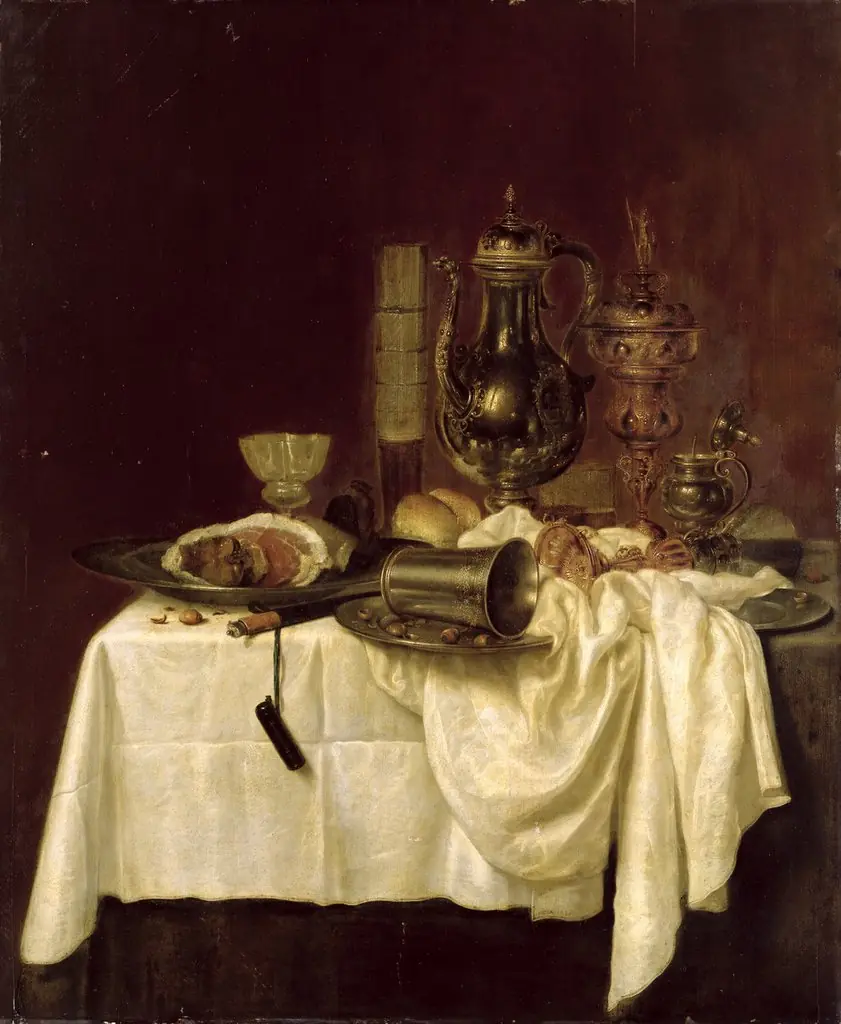 Still life with ham, decanter, columbine cup and passglass on a laid table
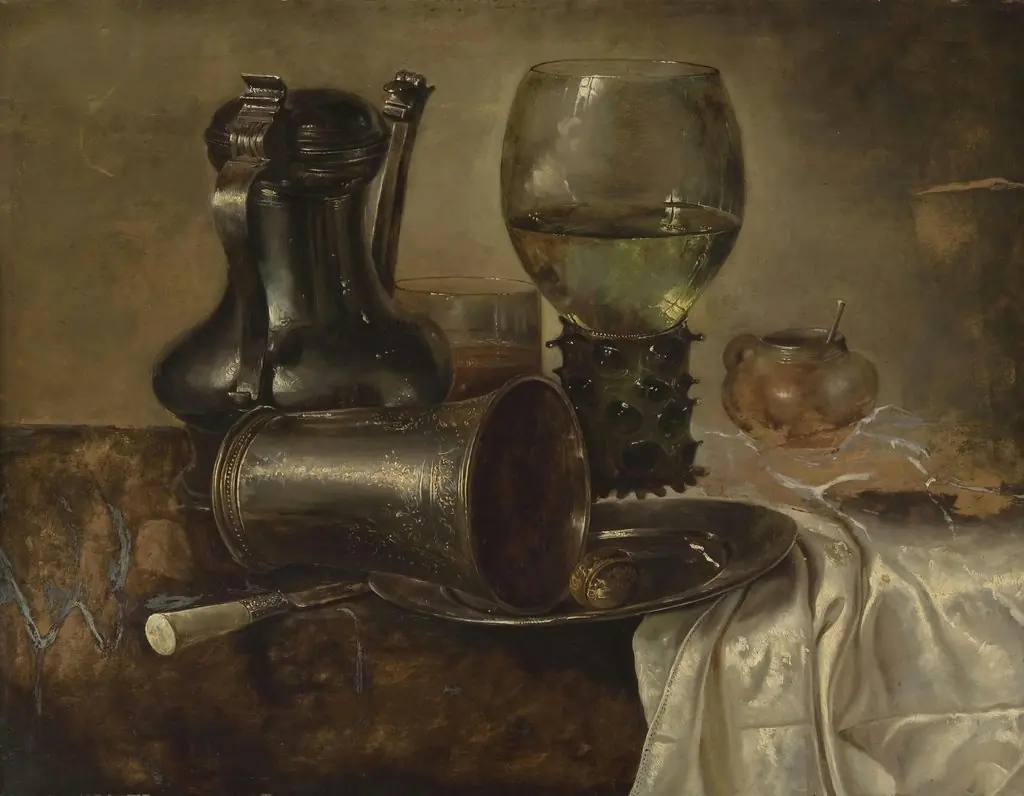 Still Life with a Roemer, a Covered Flagon, and a Beaker
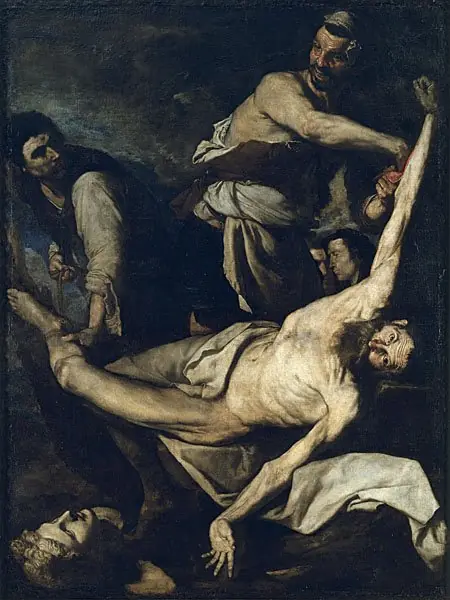 Martyrdom of Saint Bartholomew
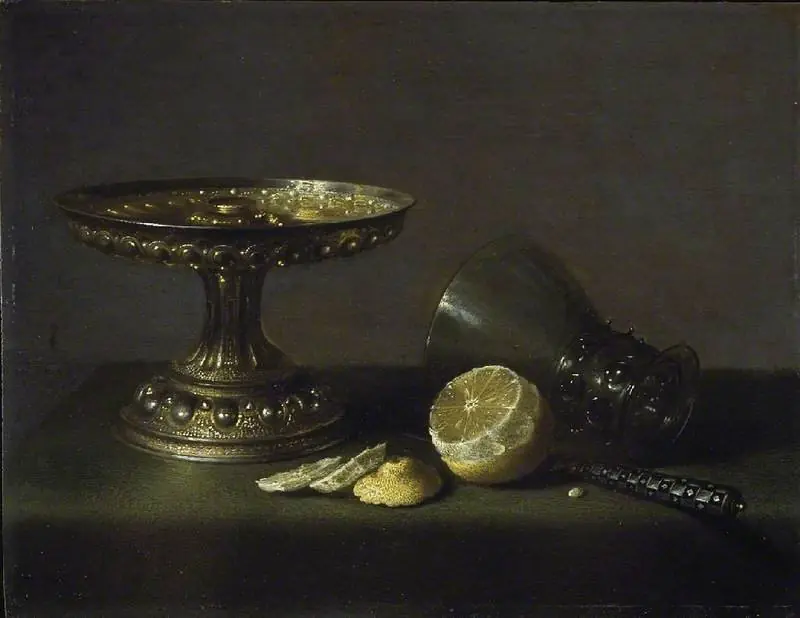 Still-life
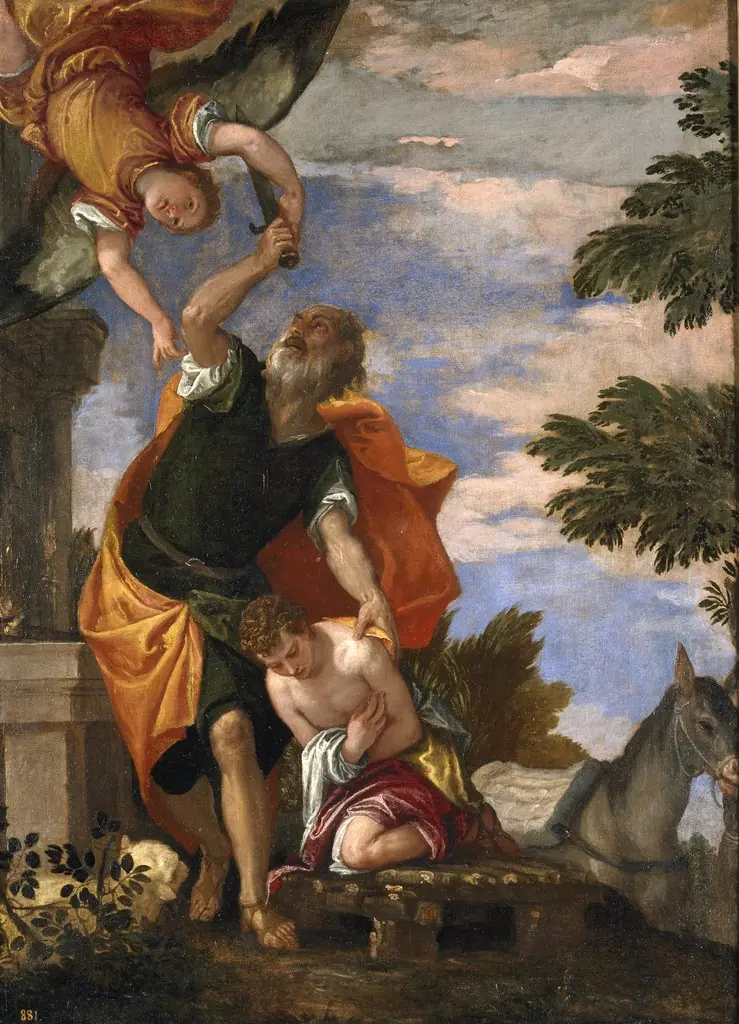 The Sacrifice of Isaac
 The Sacrifice of Isaac
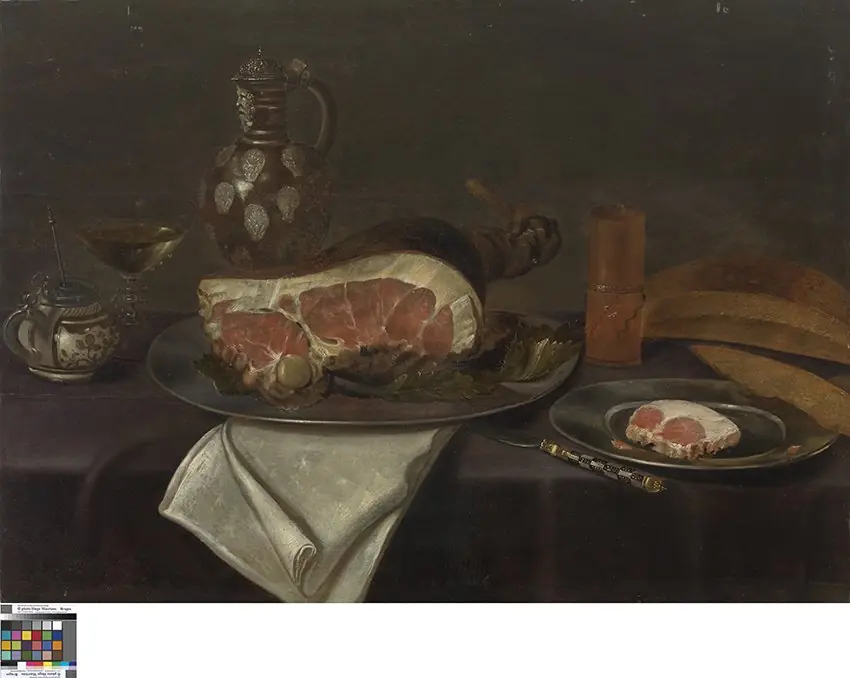 Still life with ham, mustard pot, and stoneware jug
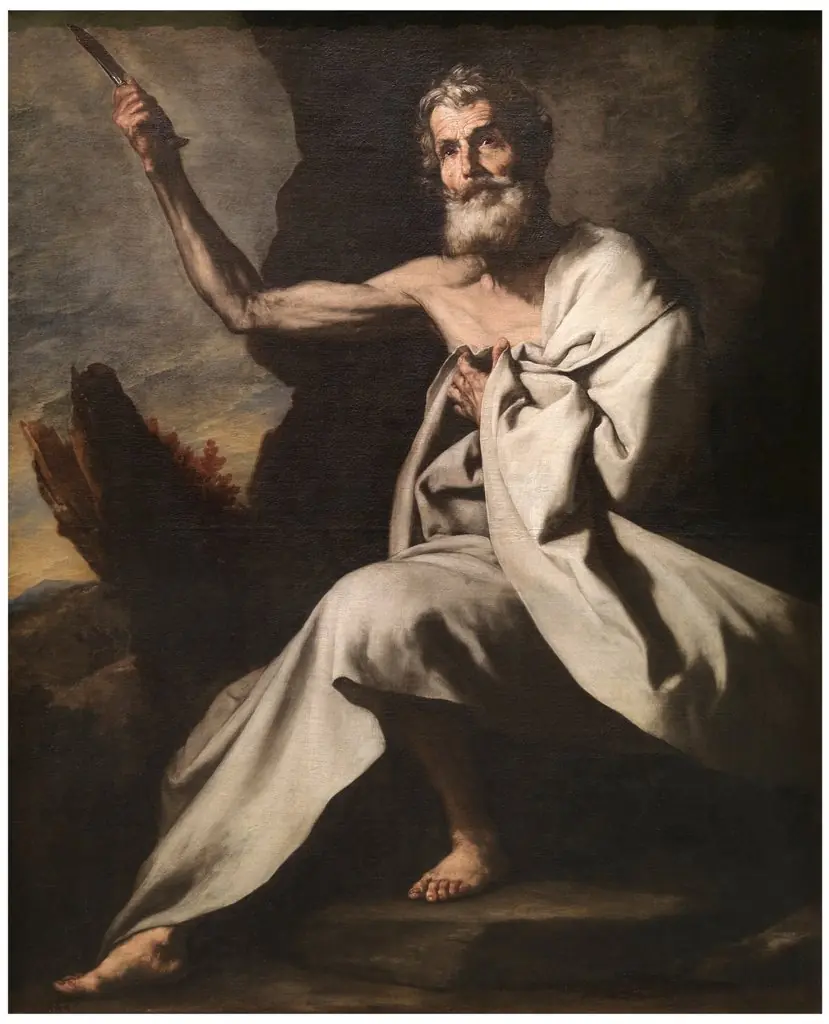 Saint Bartholomew
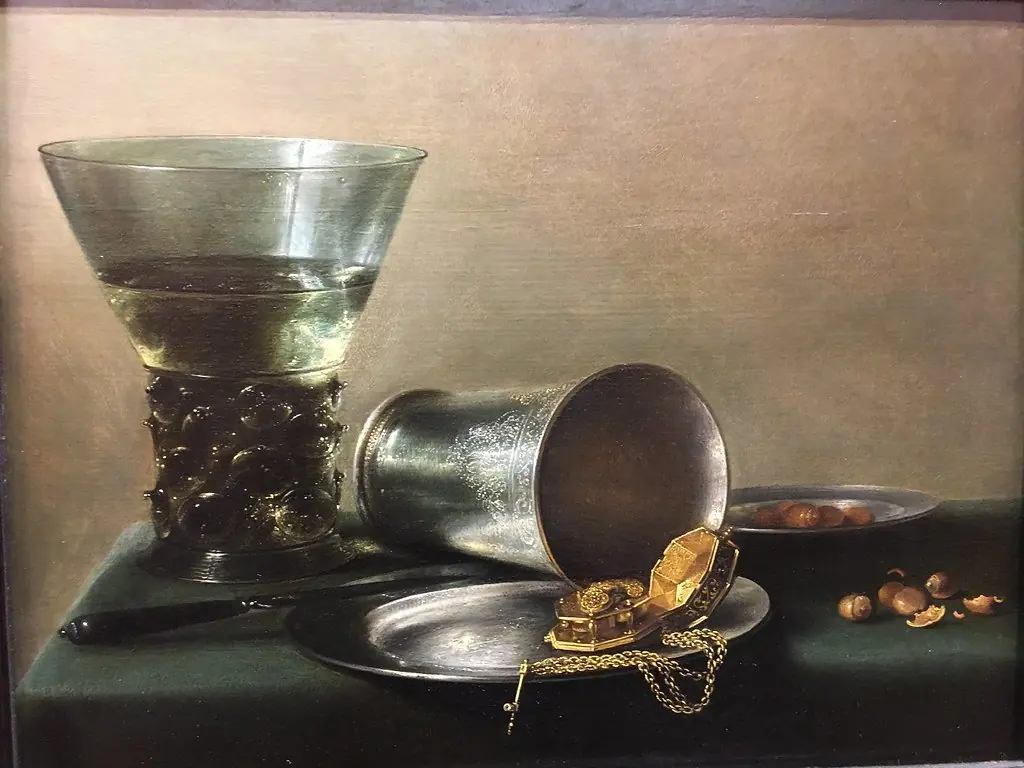 Still life with a large berkemeyer, silver chalice and a gold pocket watch
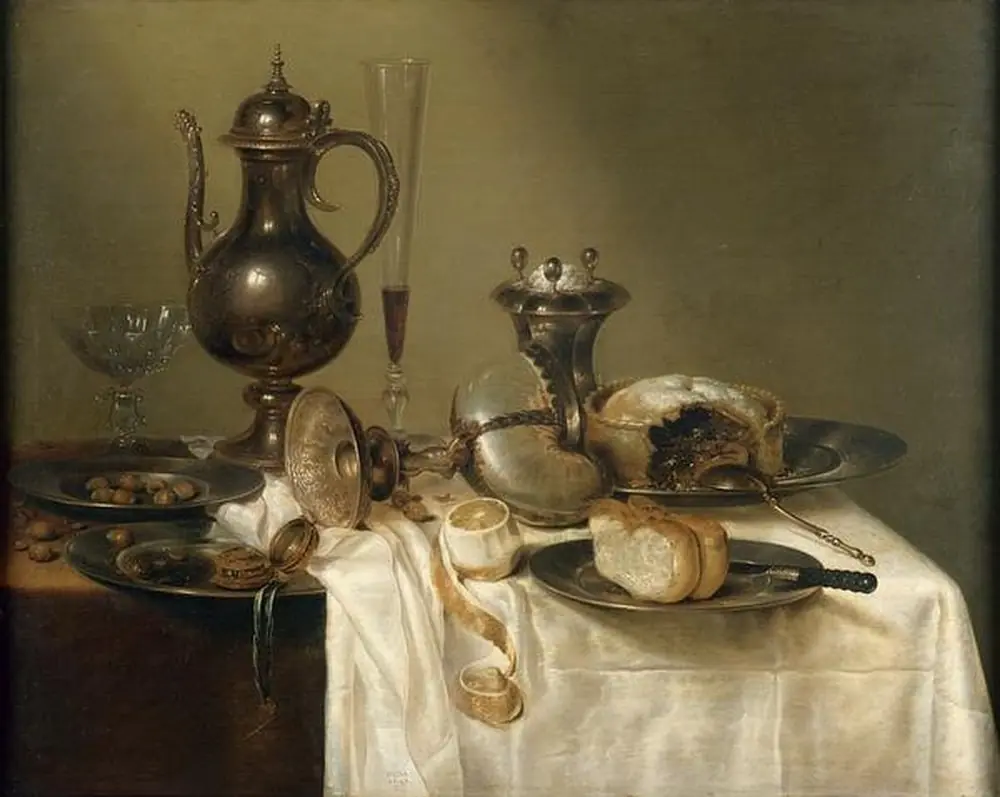 Still life with decanter, nautilus cup, wine glasses and pie
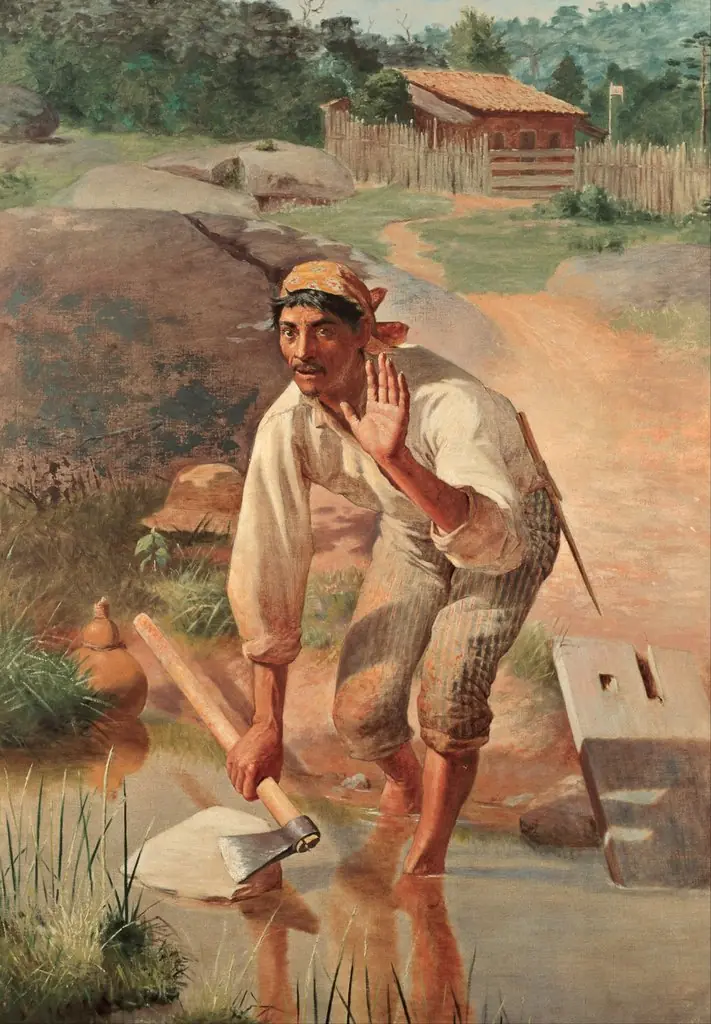 Interrupted Whetting
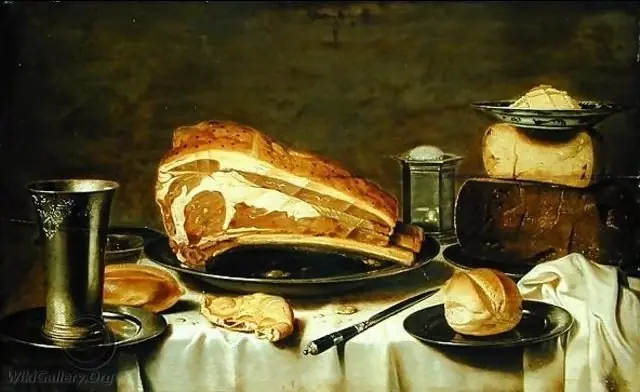 Still life of a laid table with cheese, meat and bread
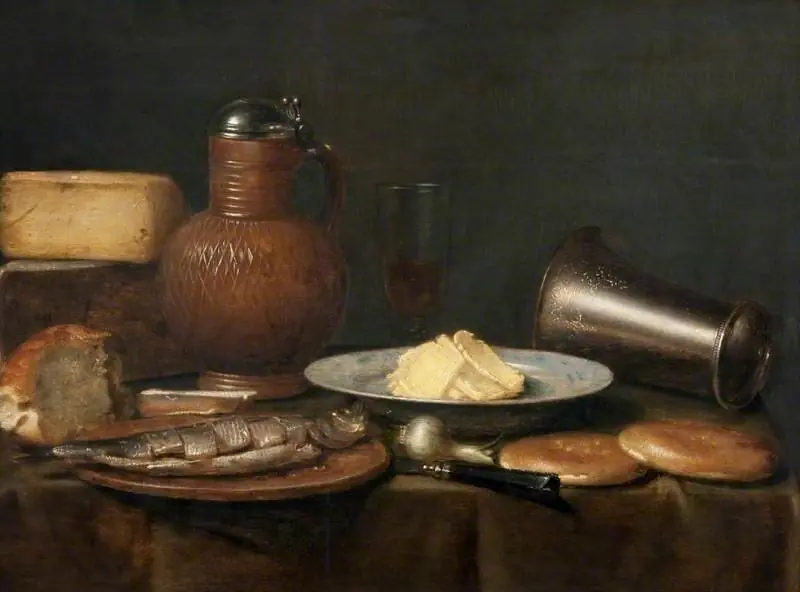 Still Life, a Breakfast Piece
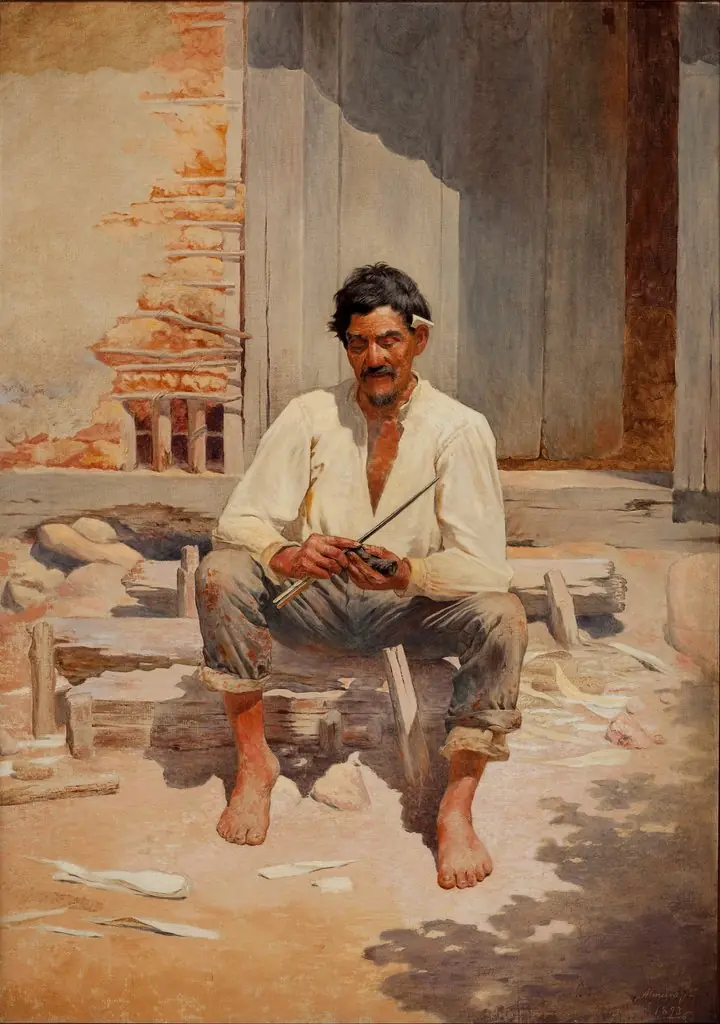 Caipira Cutting Tobacco
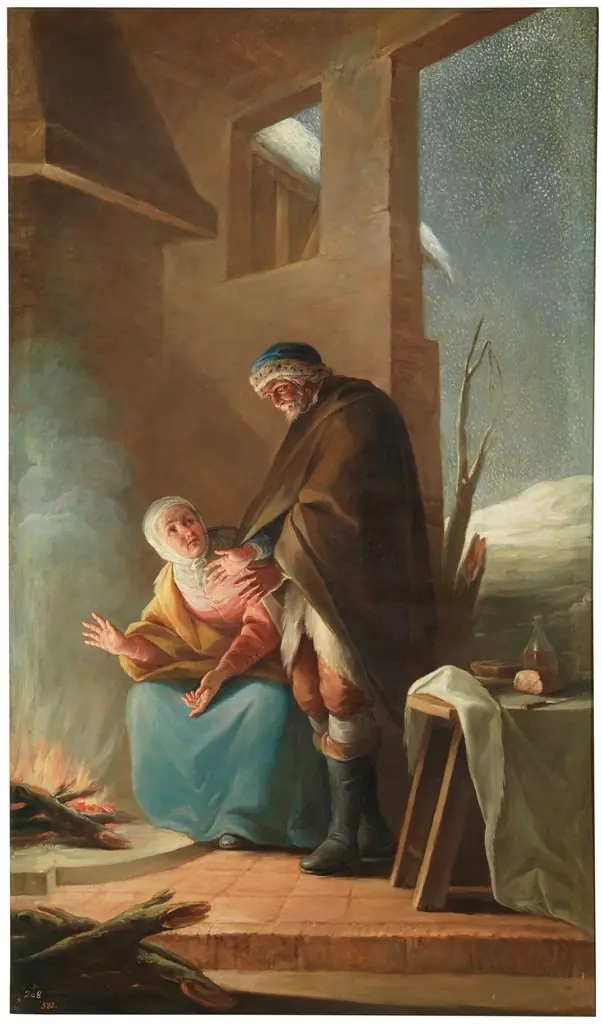 Winter
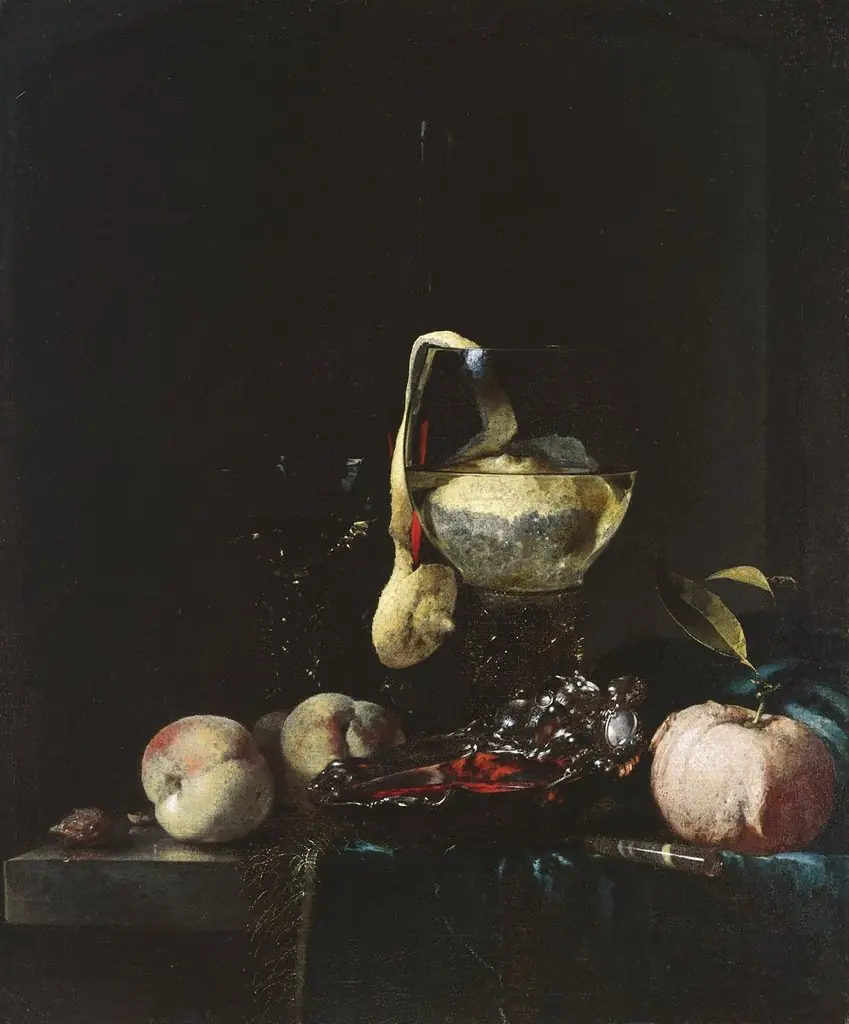 Still Life with Glasses and a Silver Bowl
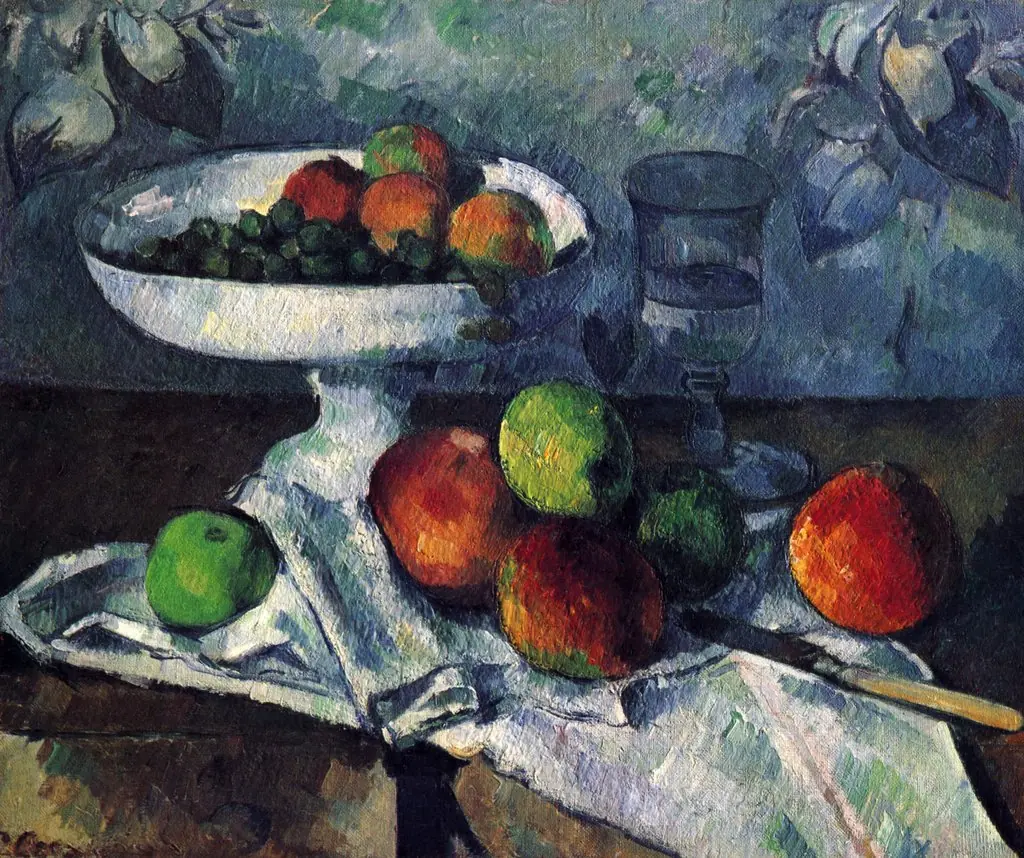 Still Life with Compotier
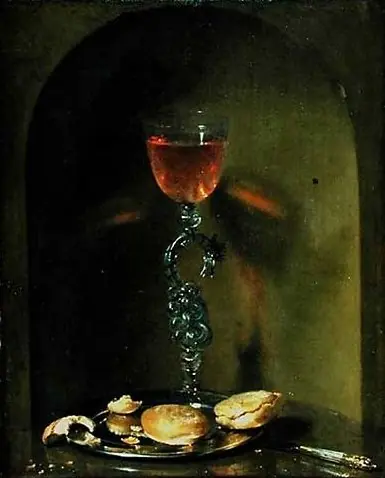 Still Life with Bread and Wine Glass
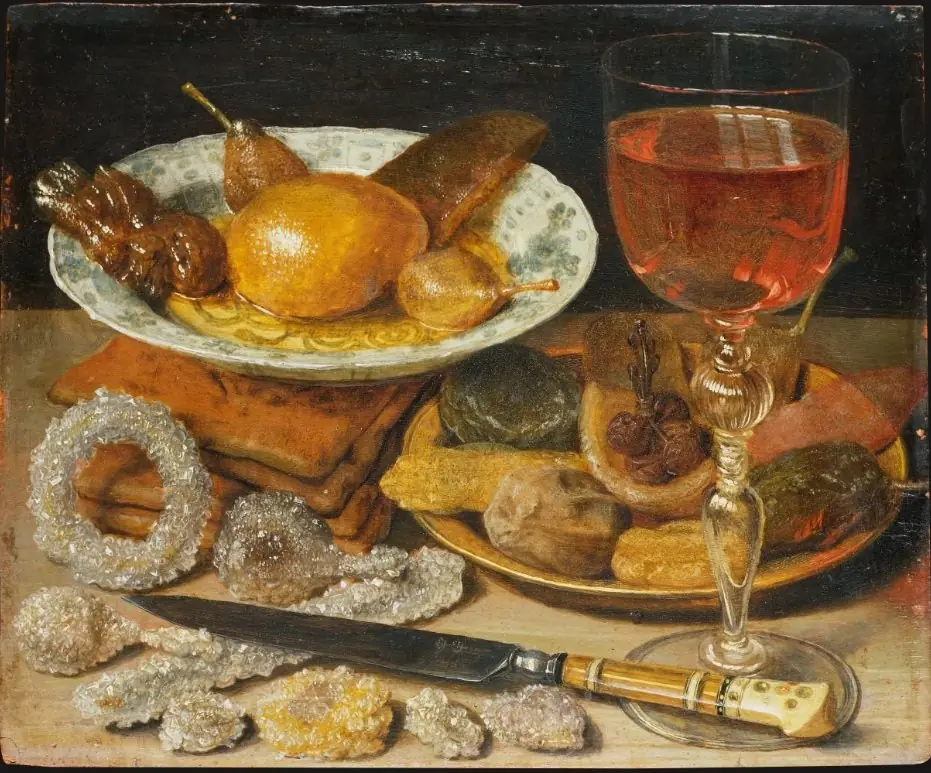 Still Life with Sweetmeats
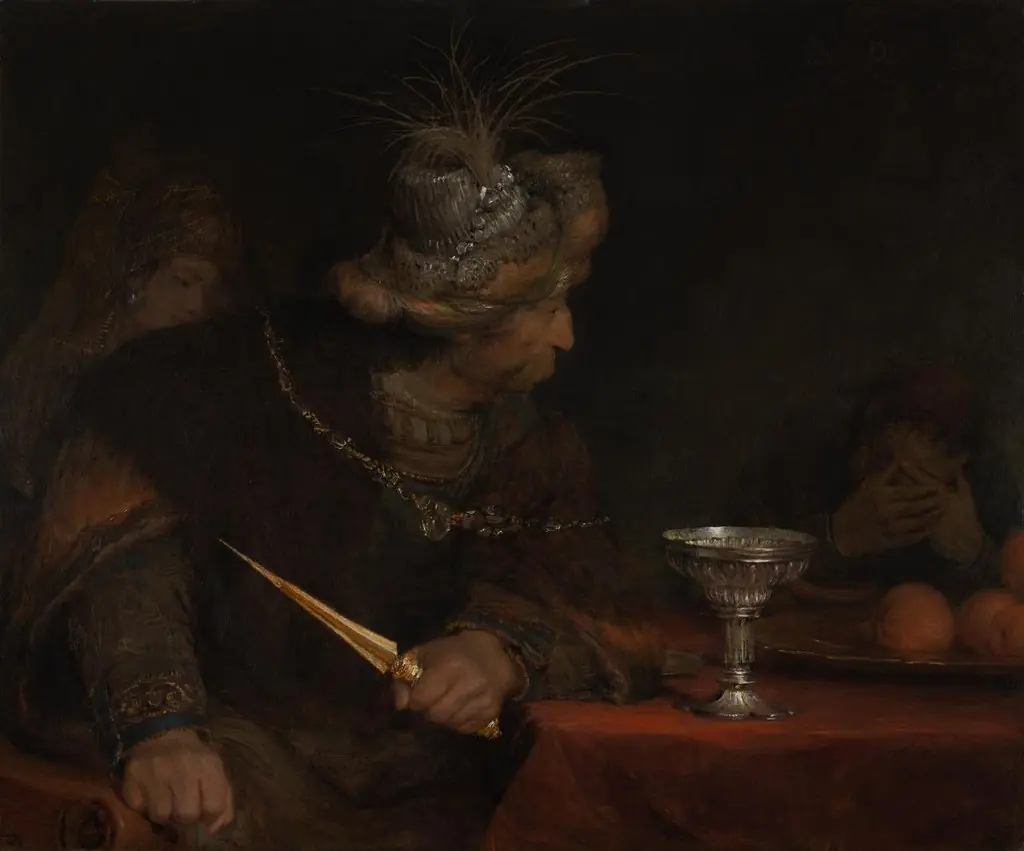 King Ahasuerus condemning Haman
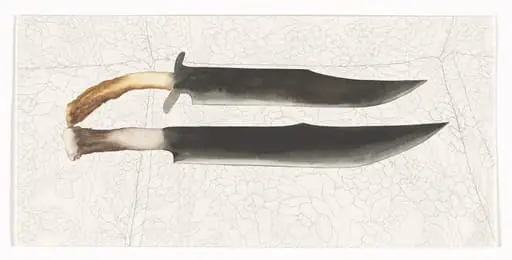 Untitled
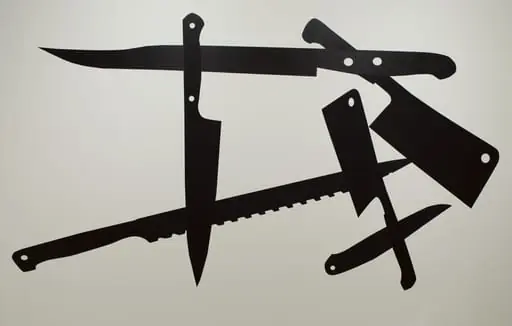 Untitled
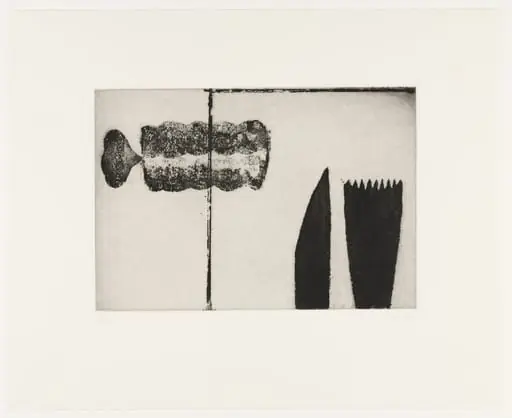 Untitled
Frequently asked questions
What is Knife?
Knife is a subject in art. A knife (pl.: knives; from Old Norse knifr 'knife, dirk') is a tool or weapon with a cutting edge or blade, usually attached to a handle or hilt.
How many Knife works does Artifact World Gallery have?
Artifact World Gallery holds 103 public-domain Knife works, all free to view and download.
Who are the key Knife artists?
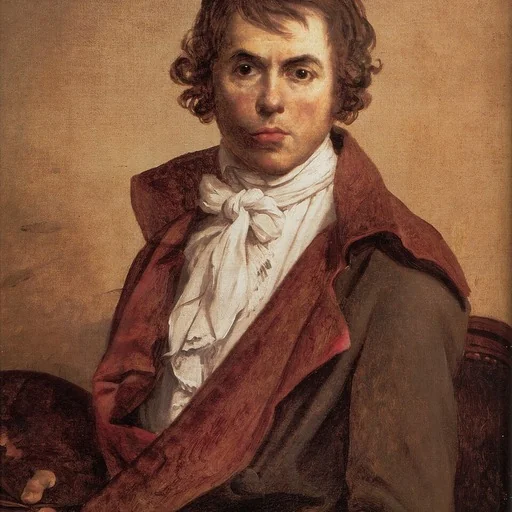
Key Knife artists in the collection include Paolo Veronese, Jacques-Louis David and John Haberle.
Where can I see Knife works?
Knife works in the collection are held by Museo del Prado, Metropolitan Museum of Art and Gemäldegalerie Berlin.