Artwork
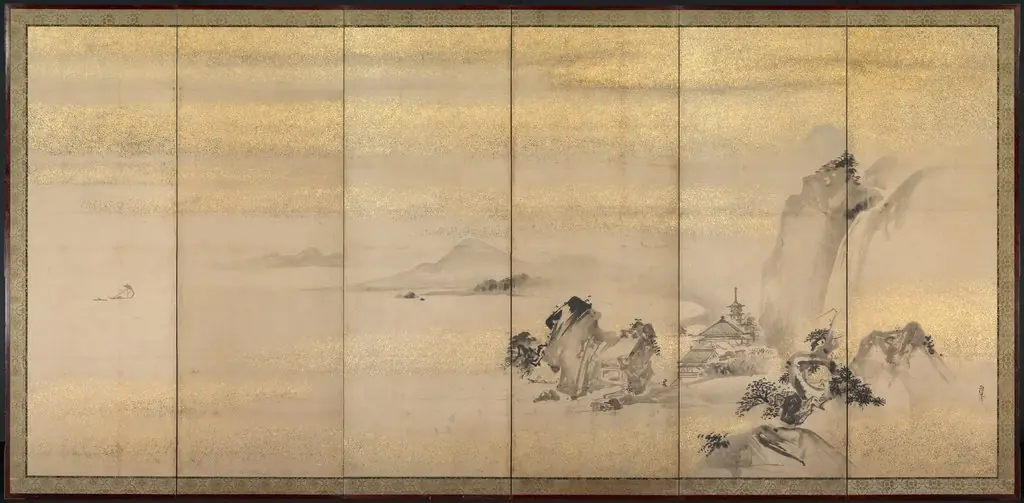
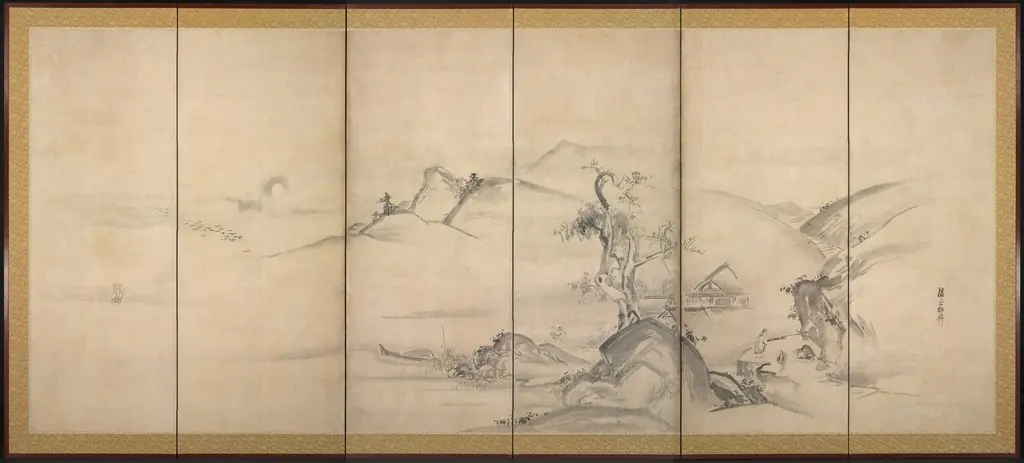
Eight Views of the Xiao and Xiang Rivers
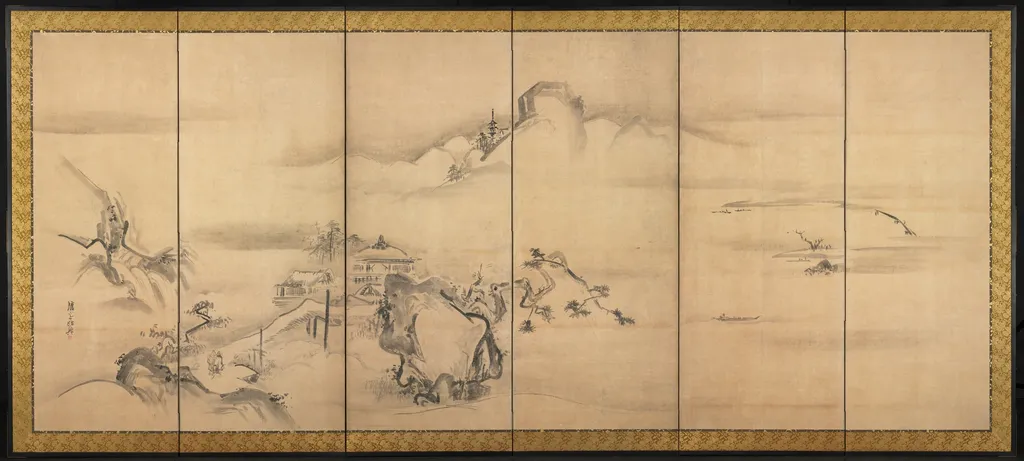
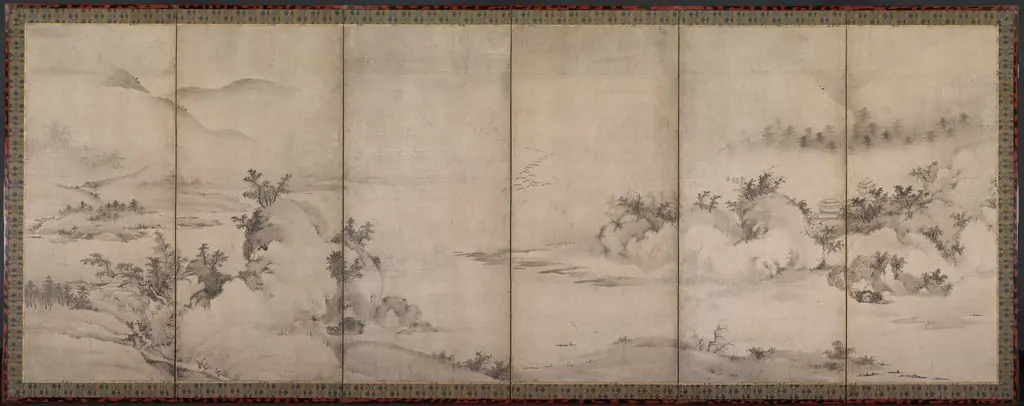
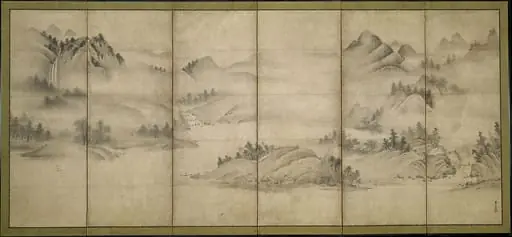
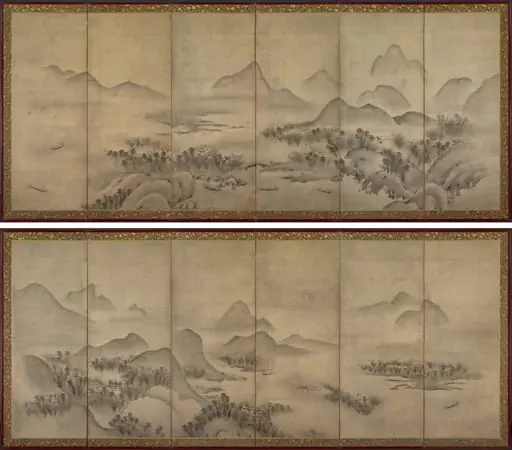
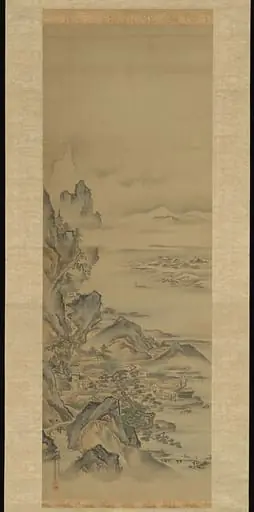
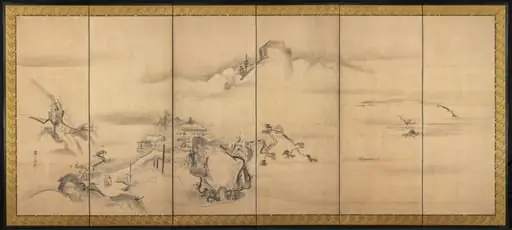
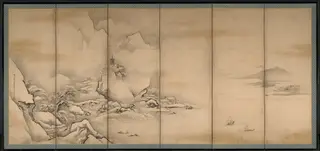
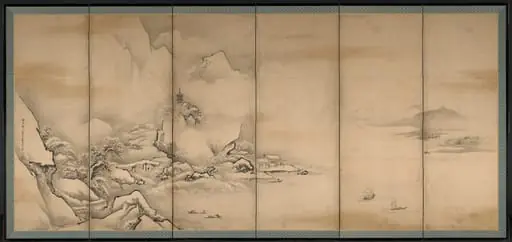
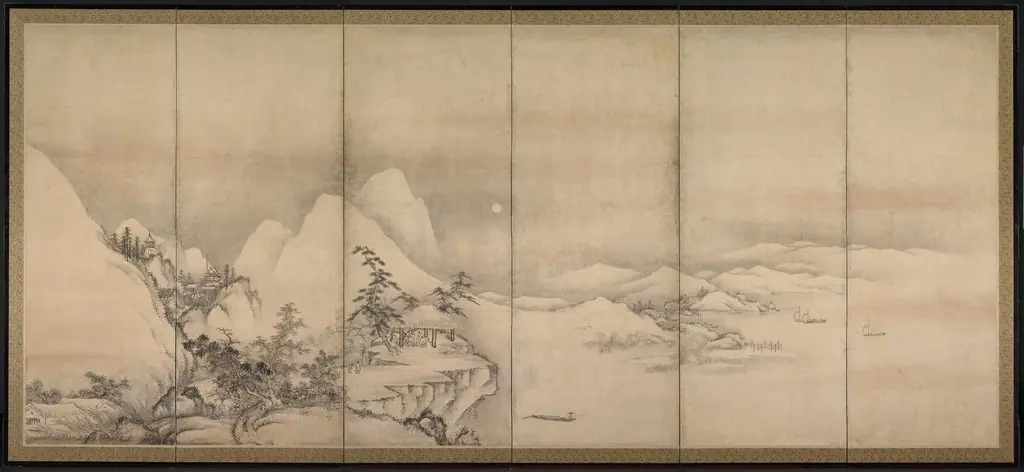
Eight Views of the Xiao and Xiang Rivers is an unspecified painting by the Nanga artist Watanabe Shikō. It dates from 1732 and is held in the collection of the Cleveland Museum of Art.
About this work
Subject & Meaning
Together, the ten works function as visual meditations on the passage of time and the quiet power of natural forces in Chinese landscape tradition.
The series portrays the seasonal transformations of the Xiao and Xiang rivers as they flow through southern China, each view capturing a distinct atmospheric condition that embodies the region's legendary serenity and spiritual resonance. The paintings reflect Daoist ideals of harmony between humanity and nature, using subtle shifts in light and mist to suggest impermanence and contemplative stillness. Together, the ten works function as visual meditations on the passage of time and the quiet power of natural forces in Chinese landscape tradition.
The Cleveland Museum of Art holds this particular piece, which is part of a larger set traditionally attributed to the Japanese artist Watanabe Shikō and created in 1732 during the Edo period.
The work draws on classical Chinese poetic imagery, where rivers symbolize continuity and transcendence, reinforcing its role as both aesthetic object and philosophical expression.
History & Provenance
Watanabe Shikō painted Eight Views of the Xiao and Xiang Rivers in 1732 in Japan. The work entered the collection of the Cleveland Museum of Art, where it remains on view.
The painting was later featured in the museum's exhibition "Japanese Art from the Collection," highlighting its significance within the institution's holdings.
Eight Views of the Xiao and Xiang Rivers is held by the Cleveland Museum of Art, which holds the work as part of its collection of paintings. The painting is catalogued under the inventory number 1960.284.
No exhibition history beyond its placement within the Cleveland Museum of Art's collection is documented in the available sources.
Overview
Eight Views of the Xiao and Xiang Rivers, painted by Watanabe Shikō in 1732, is a multi‑panel work now in the collection of the Cleveland Museum of Art. The composition presents a series of tranquil riverine landscapes, each rendered with delicate ink washes that suggest mist and distant horizons.
Technique & Style
Watanabe employs monochrome ink on a lightly toned paper, allowing expansive empty areas to suggest sky and water. Soft, blurred lines create a sense of atmospheric haze, while the restrained brushwork highlights the subtle variations between each view despite their shared riverine setting.
Context
The work belongs to a broader tradition of “Eight Views” landscape series, a motif that originated in Chinese painting and was adapted by Japanese artists to explore seasonal and topographical variations. Shikō’s interpretation focuses on the Xiao and Xiang rivers, integrating the motif with local geography.
Artist & collection
Artist
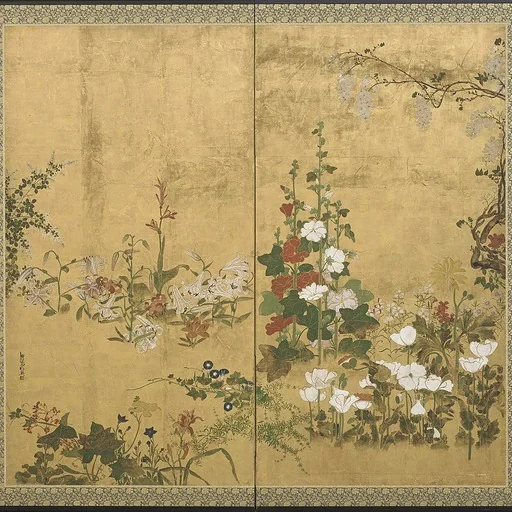
Watanabe Shikō or Motooki (渡辺 始興; 1683 - 5 September 1755) was a Japanese painter of the Rinpa school. Also known by his common name Kyūma, his other art names included Shōken (松軒) and Soshin (素信).