Artwork
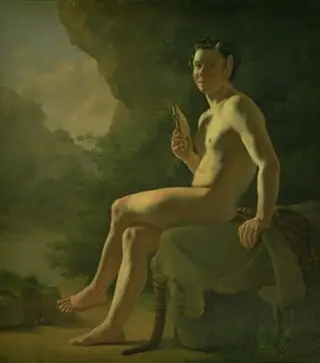
Young Pan in a Grotto. Model
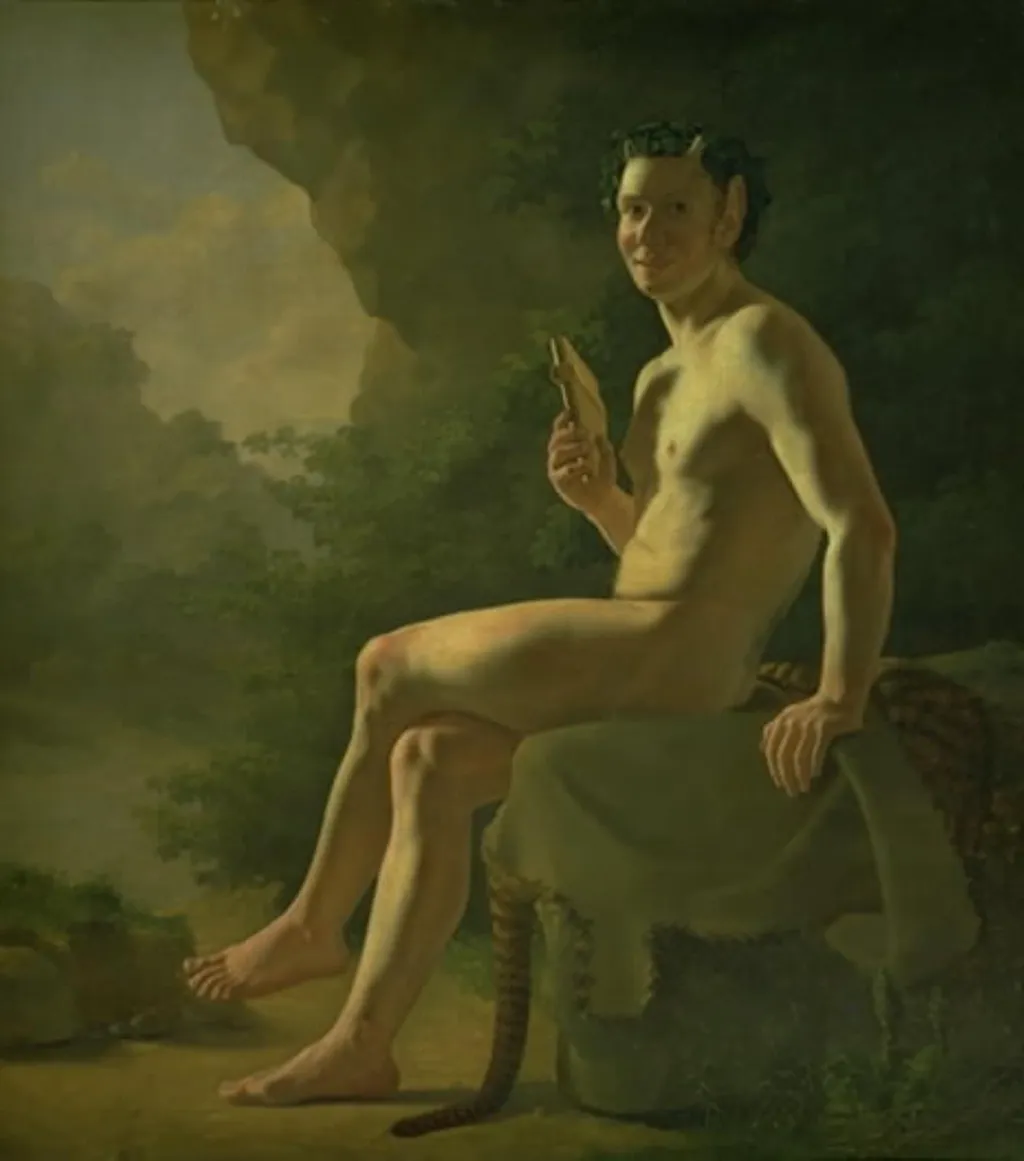
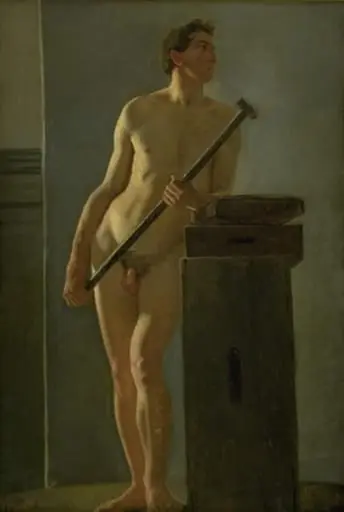
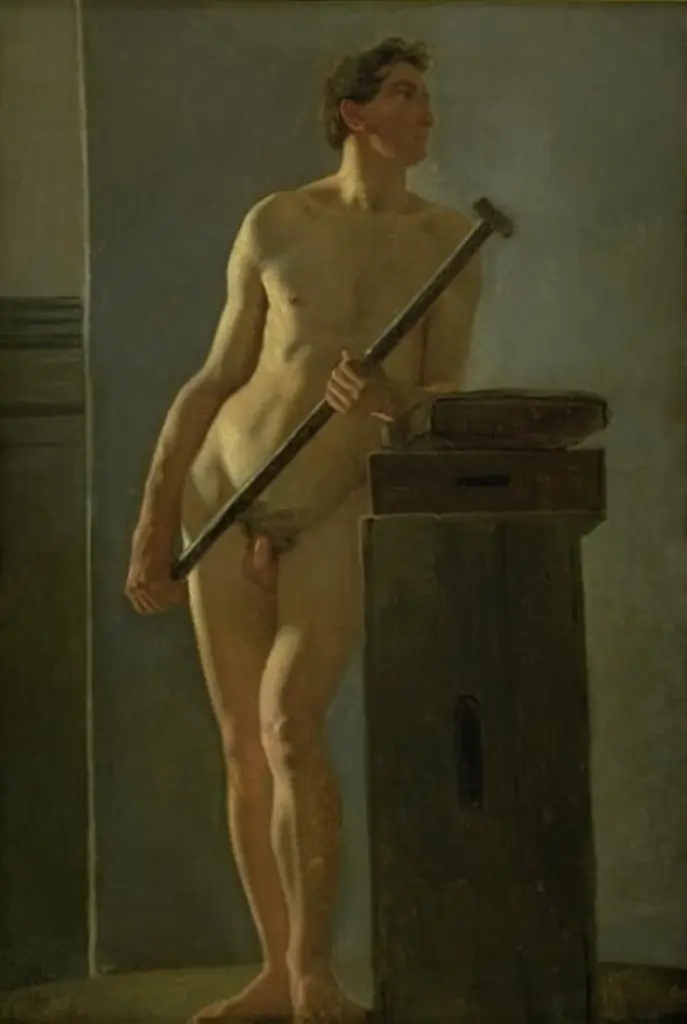
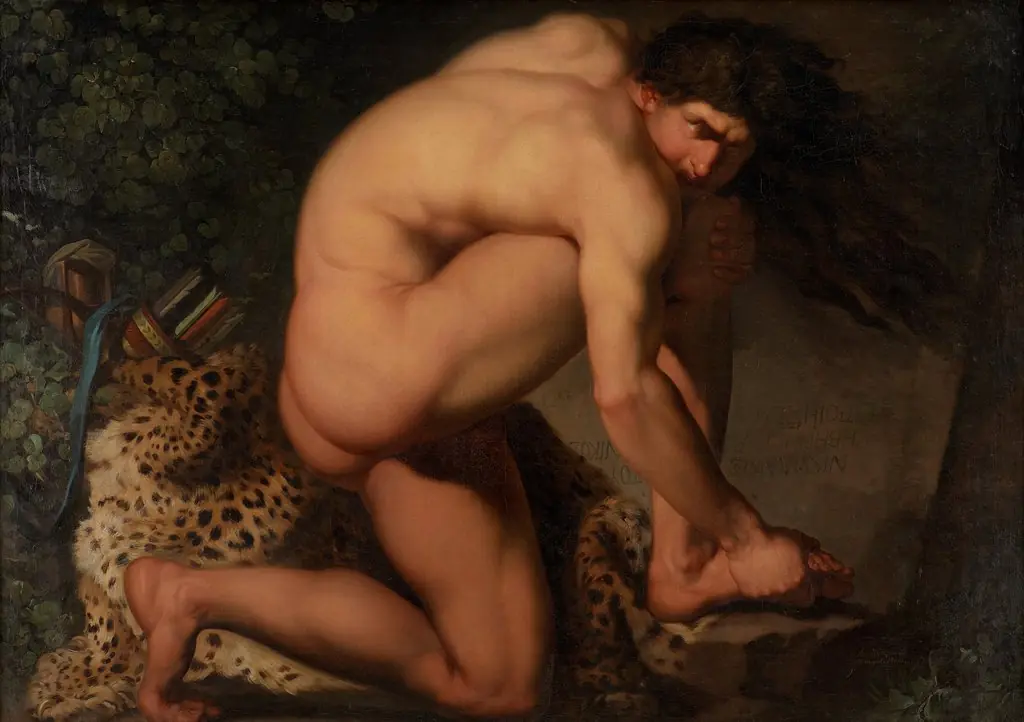
Young Pan in a Grotto. Model is an oil painting by the Biedermeier artist Wilhelm Bendz. It dates from 1825 and is held in the collection of the Statens Museum for Kunst.
About this work
Subject & Meaning
The composition blends realism with poetic atmosphere, emphasizing the interplay between human and divine in the natural world.
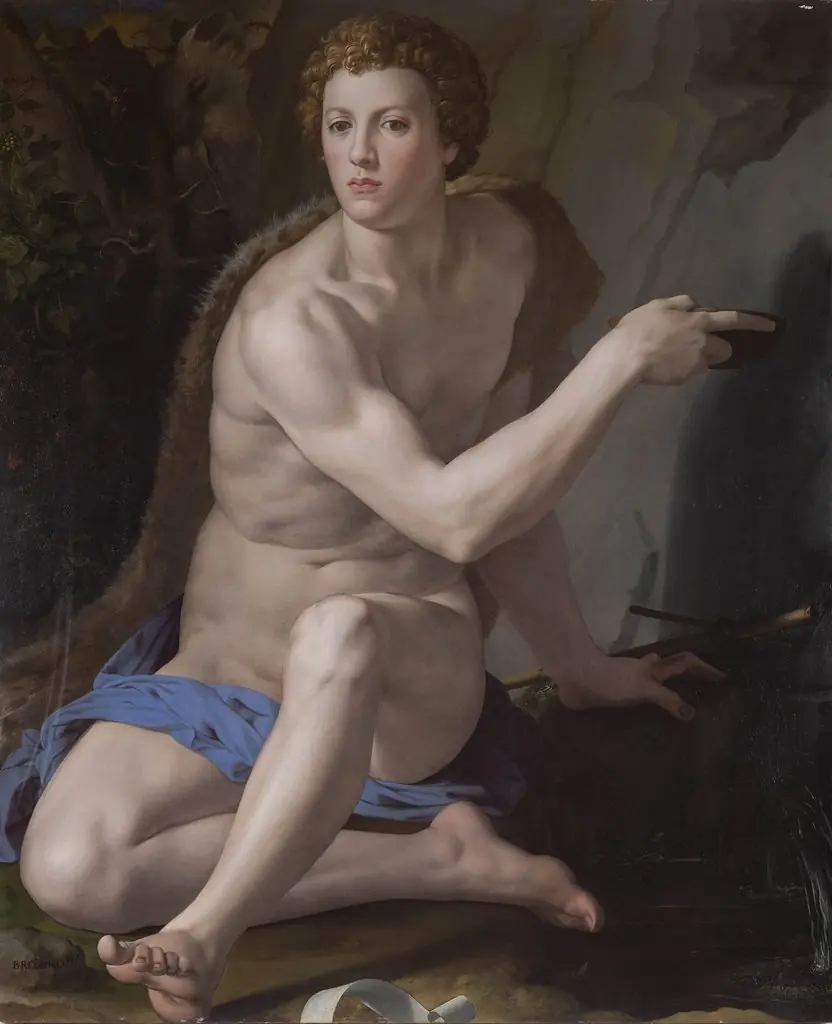
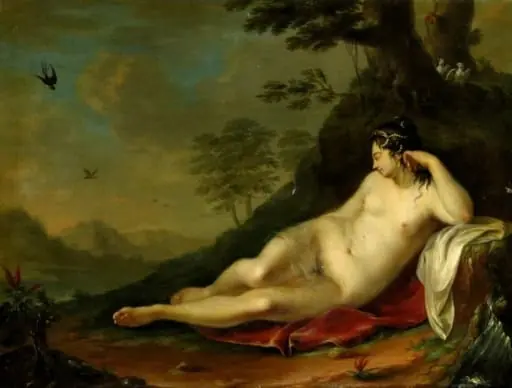
The painting shows the mythological figure Pan seated in a natural grotto, holding a pan flute, symbolizing his role as the god of wild nature and pastoral music. Rendered in oil on canvas, the work reflects the Romantic fascination with classical mythology and the untamed countryside, a theme popular among Danish artists in the 1820s. Bendz captures Pan in a moment of contemplation, his youthful form emerging from shadowed rock, suggesting both innocence and the untamed spirit of the satyr-like deity.
The composition blends realism with poetic atmosphere, emphasizing the interplay between human and divine in the natural world.
Technique & Style
Young Pan in a Grotto is an oil painting executed on canvas, a medium consistent with Wilhelm Bendz's practice in the mid-1820s. The work is classified as a painting and measures 73 cm in height by 65 cm in width.
Stylistically, the subject, a Pan figure with a pan flute situated within a grotto, reflects the neoclassical and romantic interest in mythological themes that characterized Danish Golden Age painting. The relatively modest scale and canvas support suggest an intimate cabinet-picture format rather than a large public commission.
History & Provenance
Wilhelm Bendz created the oil painting Young Pan in a Grotto. Model in 1825. The work, executed in oil on canvas, measures 73 cm in height and 65 cm in width.
It depicts the mythological figure Pan playing a pan flute within a grotto setting. The painting is currently held in the collection of the Statens Museum for Kunst.
Young Pan in a Grotto. Model is held in the collection of the Statens Museum for Kunst in Copenhagen. It entered the museum's holdings with its accession year recorded as 1825. The work has been exhibited in selections of 19th-century Danish painting at the museum, including a 2010 presentation of Danish Golden Age works.
The painting is documented in the museum's catalogue as accession number 1825. It was featured in the 2010 exhibition "Danish Art 1800–1900: Highlights from the Collection" at the Statens Museum for Kunst.
The work is part of the museum's permanent collection and was created by Wilhelm Bendz in 1825 using oil on canvas. It depicts the mythological figure Pan with a pan flute within an imagined grotto setting.
Context
Critical reception of Wilhelm Bendz's Young Pan in a Grotto. Model remains sparse in contemporary records, with no documented critical commentary from the period. Scholarly attention focuses on its stylistic placement within Danish Golden Age genre painting and its depiction of mythological subject matter through a neoclassical lens.
The work is situated within Bendz's brief but significant output as a history and genre painter influenced by contemporaries like Christoffer Wilhelm Eckersberg. It belongs to the Statens Museum for Kunst's collection, reflecting the institution's early acquisition of emerging artists' works in the 1820s. The painting's composition, featuring the mythological figure Pan with his pan flute, demonstrates the era's fascination with antiquity while showcasing Bendz's technical experimentation with oil on canvas.
Scholarship situates this piece at the intersection of Romantic fascination with classical themes and the emerging academic approach to historical painting in Denmark. Its date of 1825 places it during Bendz's formative period before his premature death in 1832, contextualizing it within the broader trajectory of Danish artistic development toward Romanticism. The work's current display at Statens Museum for Kunst allows direct comparison with Bendz's other genre scenes, highlighting his nuanced treatment of mythological narratives within contemporary artistic discourse.
Overview
Created in 1825 by Danish artist Wilhelm Bendz, this oil painting presents a solitary, unclothed figure seated on a rocky ledge within a forested grotto. The work belongs to the early‑19th‑century Biedermeier period and is currently part of the collection of the Statens Museum for Kunst in Copenhagen.
Own this work as a print
Artist & collection
Artist
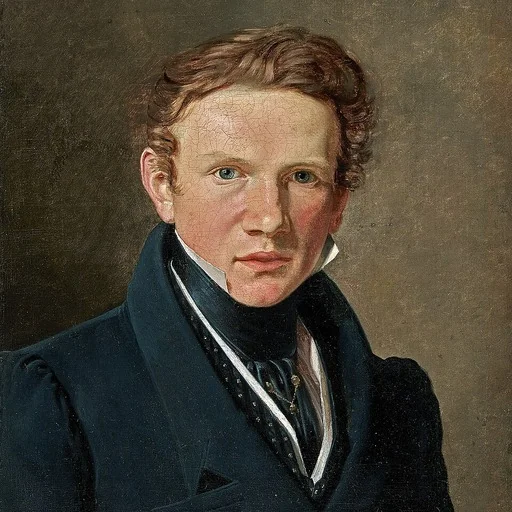
Wilhelm Ferdinand Bendz (20 March 1804 – 14 November 1832) was a Danish painter mainly known for genre works and portraits which often portray his artist colleagues and their daily lives.

 Familien Waagepetersen
 A Young Artist (Ditlev Blunck) Examining a Sketch in a Mirror
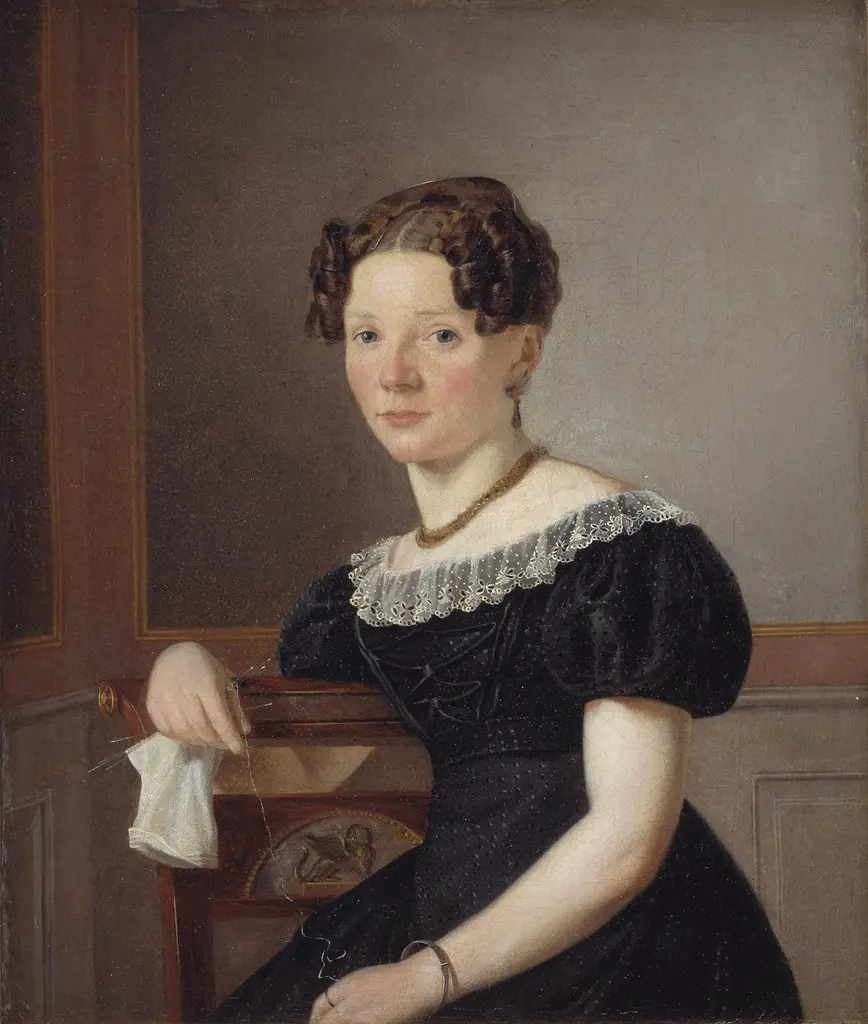 Dame med strikketøj. En af kunstnerens søstre (?)
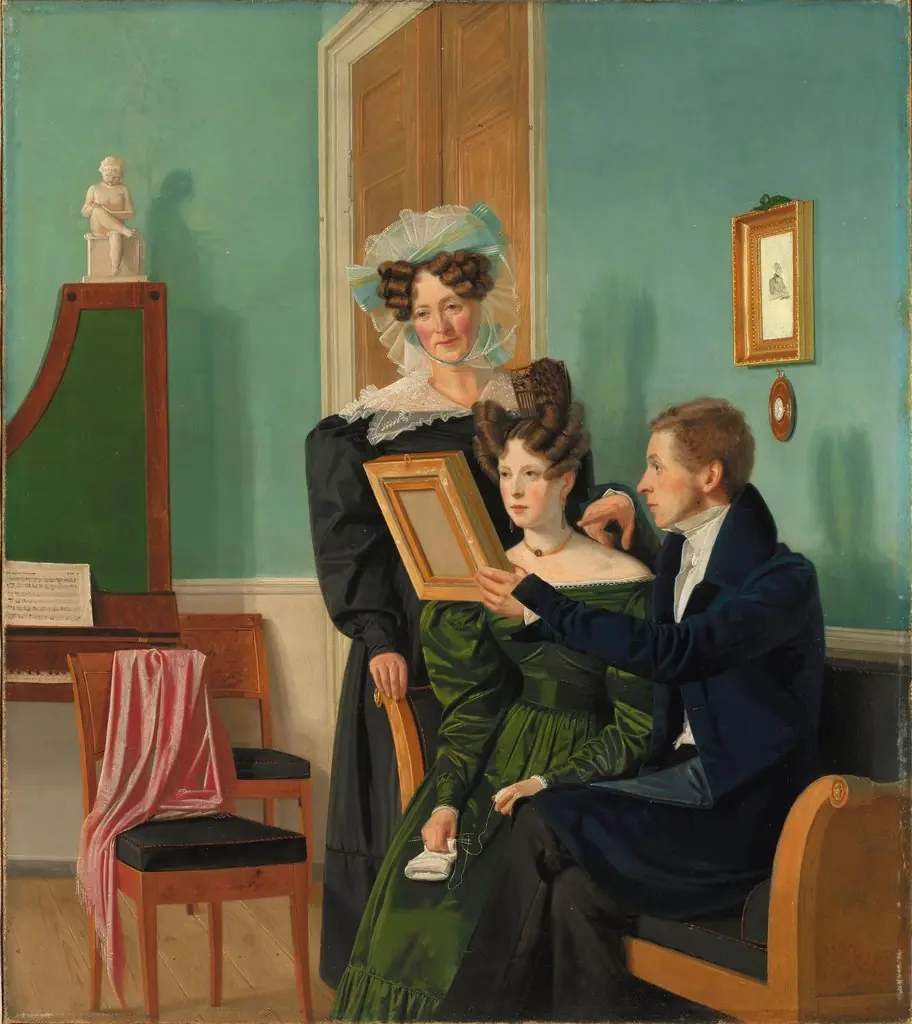 The Raffenberg Family
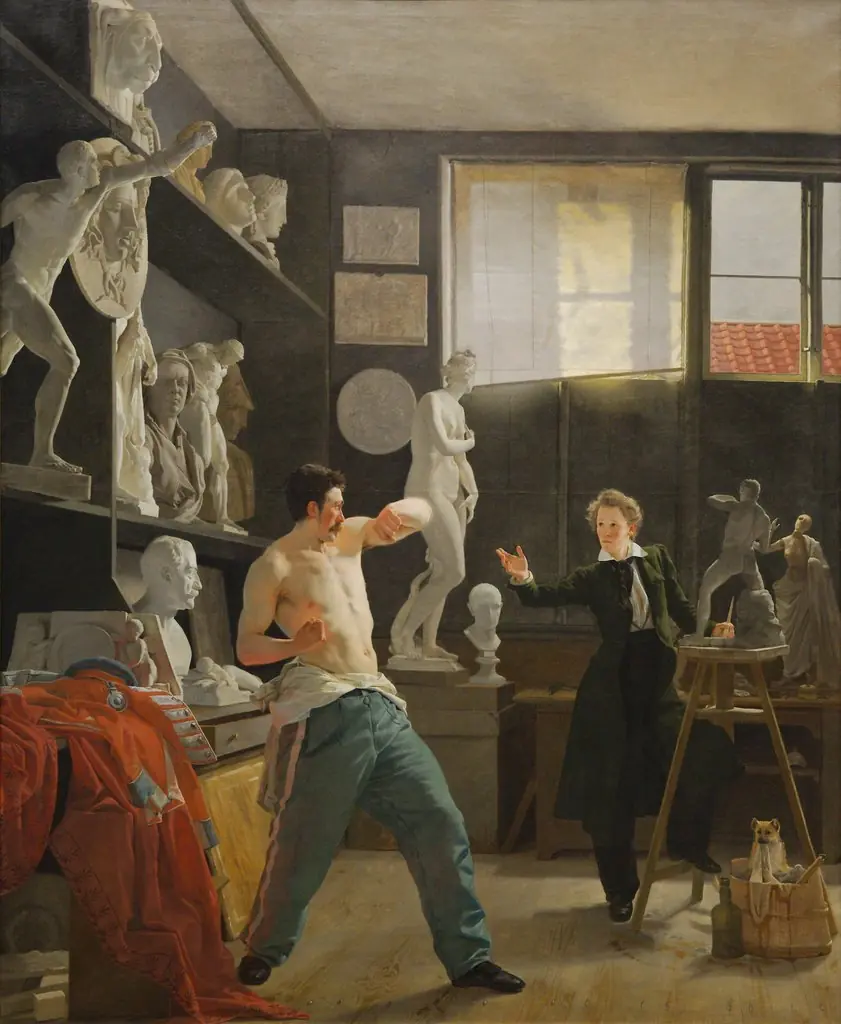 A Sculptor in his Studio Working from the Life
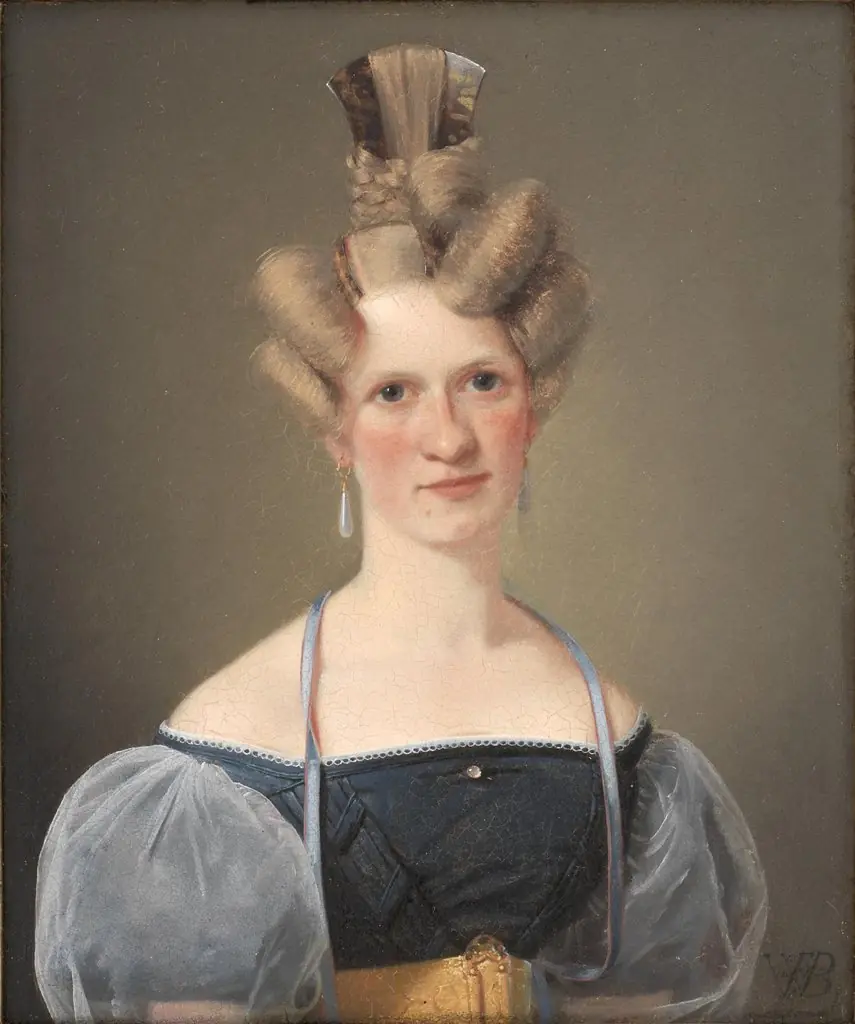 Marie Raffenberg, the Artist's Betrothed
 Portrait of the German Painter Wilhelm von Kaulbach
 Self-Portrait