Artwork
Portrait of a man
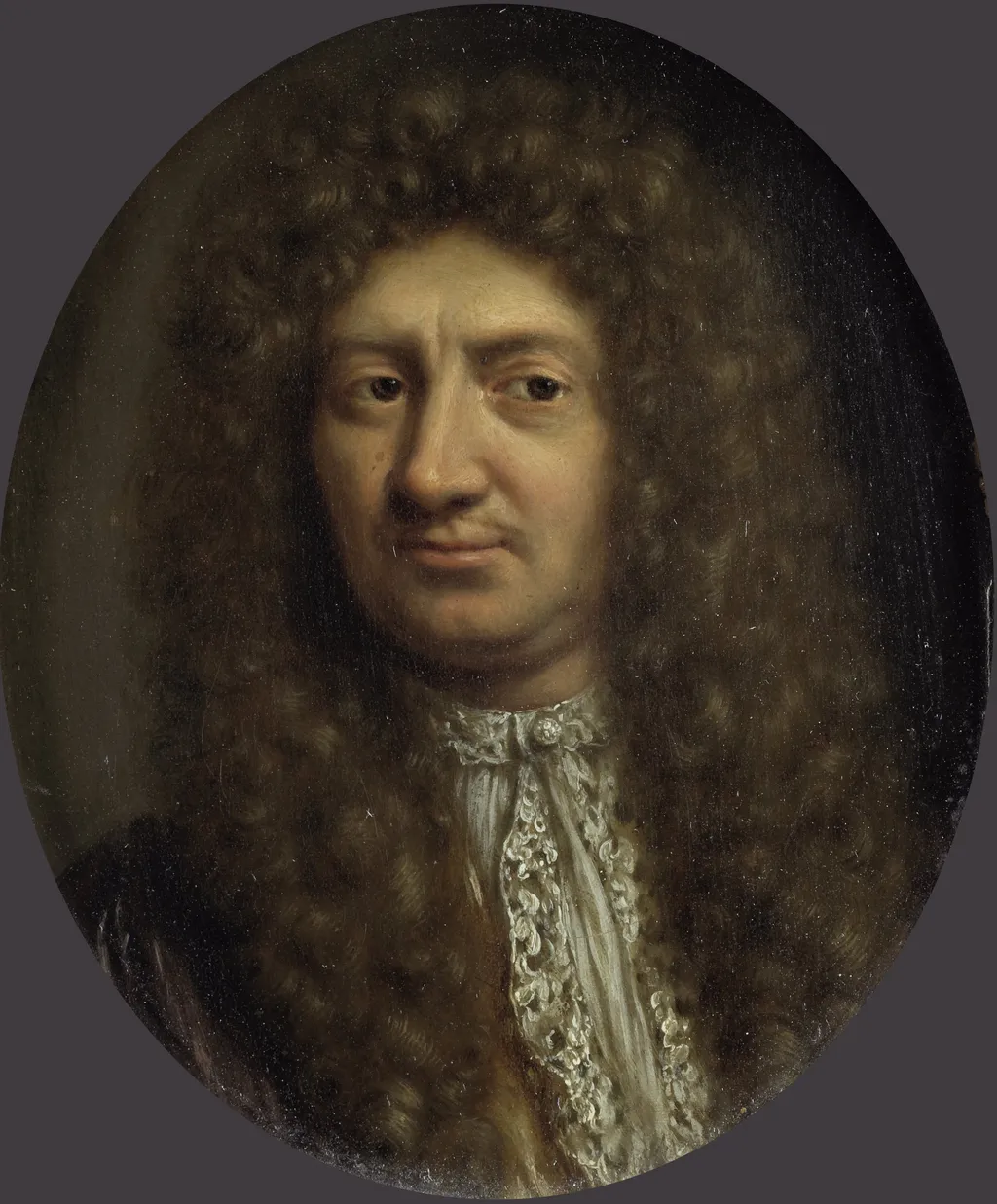
Portrait of a man is an oil painting by the Dutch Golden Age artist Willem van Mieris. It dates from 1670 and is held in the collection of the Rijksmuseum.
About this work
Technique & Style
Portrait of a man is rendered in oil paint on a copper support, a medium that yields a smooth, hard surface suitable for fine detail.
Portrait of a man is rendered in oil paint on a copper support, a medium that yields a smooth, hard surface suitable for fine detail. The work’s modest dimensions, 11.5 cm high by 9.5 cm wide, reflect the small-scale format often chosen for such metal panels. Copper panels were frequently employed by Leiden artists for their ability to retain crisp detail and resist cracking.
As a portrait, it presents an unidentified man with the careful execution characteristic of Willem van Mieris’s oeuvre.
History & Provenance
The painting Portrait of a man was created in 1670 by Willem van Mieris, with some records also attributing involvement to Frans van Mieris the Elder. Executed in oil paint on a copper support, the work measures 11.5 cm in height and 9.5 cm in width. The piece is currently held in the collection of the Rijksmuseum, where it remains on display.
No specific details regarding the original commission, early ownership history, or the chain of custody prior to its acquisition by the museum are provided in the available records.
Legacy
The portrait's presence in the Rijksmuseum collection has established it as a reference point for scholars examining Dutch Golden Age portraiture, particularly in studies of family lineage and artistic workshops. Its attribution to Willem van Mieris and inclusion in the museum's catalogues has reinforced the visibility of the Mieris family workshop, influencing how later generations of Dutch painters approached portraiture on copper supports. The work is frequently cited in academic literature concerning 17th-century portrait conventions and the transmission of technical methods in Leiden.
Overview
Willem van Mieris’s 1670 portrait of an unnamed gentleman is executed on a copper plate, giving the work a compact, round format reminiscent of a medallion. The figure is presented against a stark black background, his face illuminated by a soft light that isolates him from the surrounding darkness. The painting resides in the collection of the Rijksmuseum in Amsterdam.
Subject & Meaning
The sitter, a man with tightly curled hair and a solemn expression, is dressed in a dark coat trimmed with fur and a white lace collar. The direct gaze and restrained demeanor suggest a formal commission, likely intended to convey the subject’s social standing and personal gravitas without overt narrative elements.
Context
The work reflects the Dutch Republic’s mid‑seventeenth‑century taste for intimate, finely finished portraits that emphasized individual character and material wealth. The use of copper as a support, while less common than canvas, was favored for its durability and capacity for luminous detail, aligning the piece with contemporary practices among elite portrait painters.
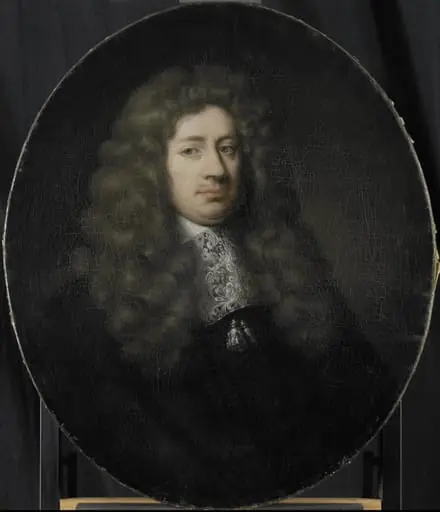
Own this work as a print
Artist & collection

- Portrait of Dominicus Rosmale, Director of the Rotterdam Chamber of the Dutch East India Company, elected 1677
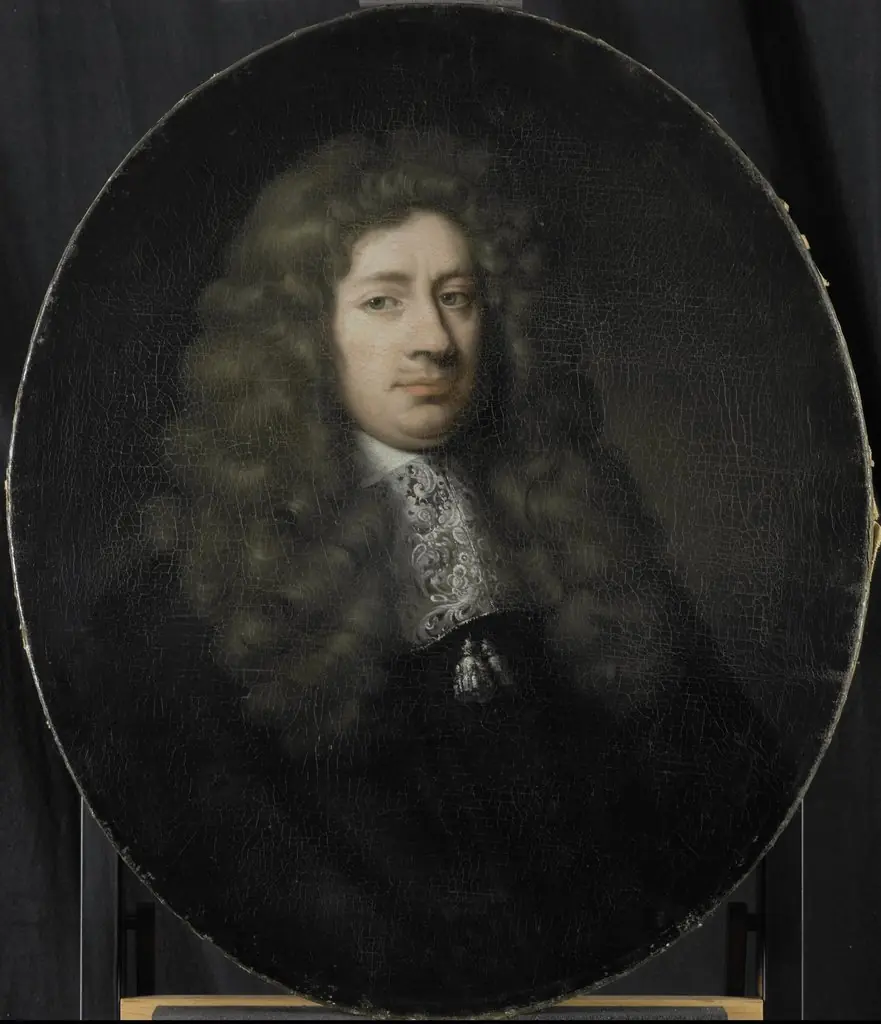 Portrait of Dominicus Rosmale, Director of the Rotterdam Chamber of the Dutch East India Company, elected 1677
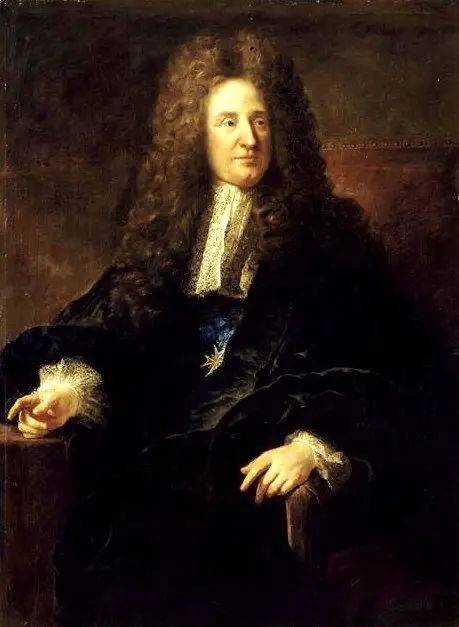 Jules Hardouin-Mansart, count of Sagonne (1646-1708)
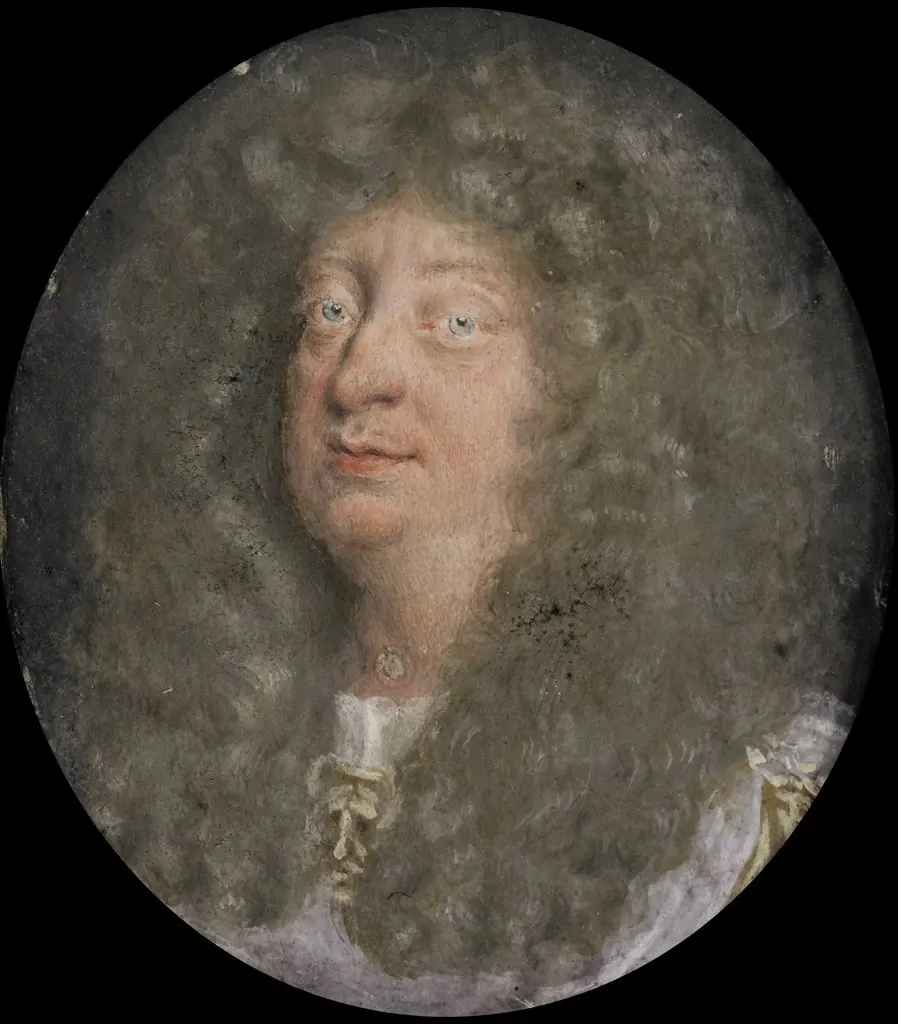 Portrait of Georg Wilhelm
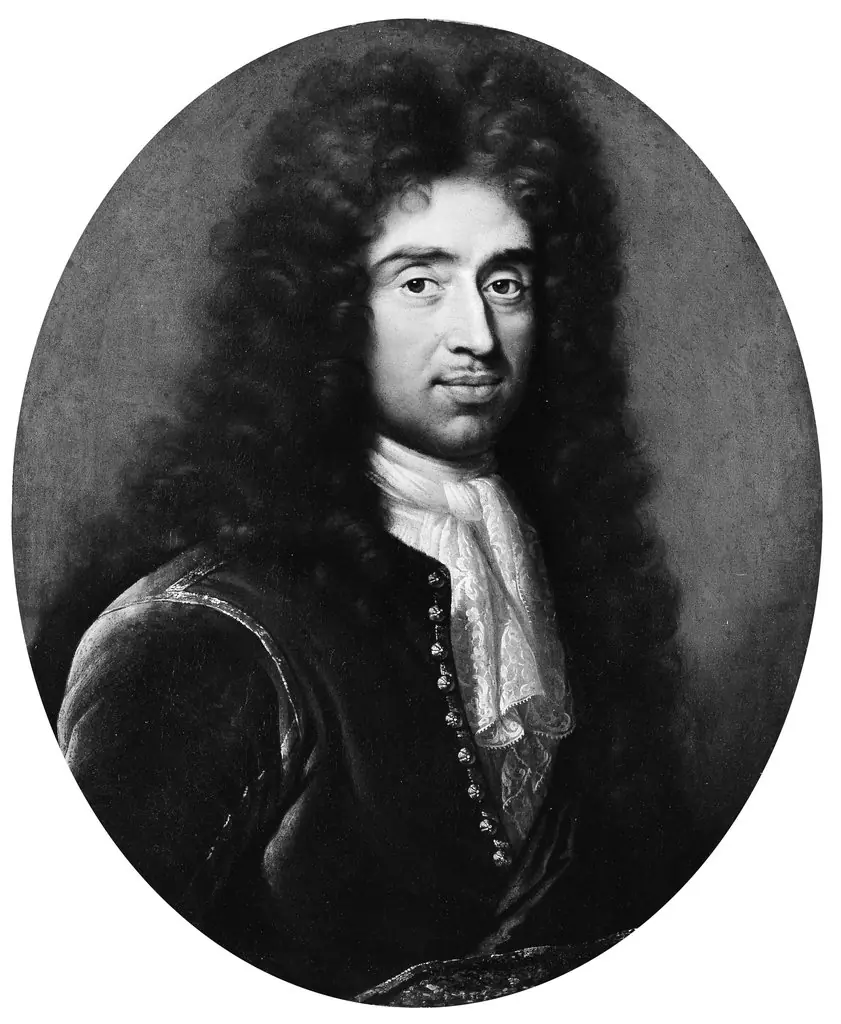 Portrait of a Man in a Brown Coat
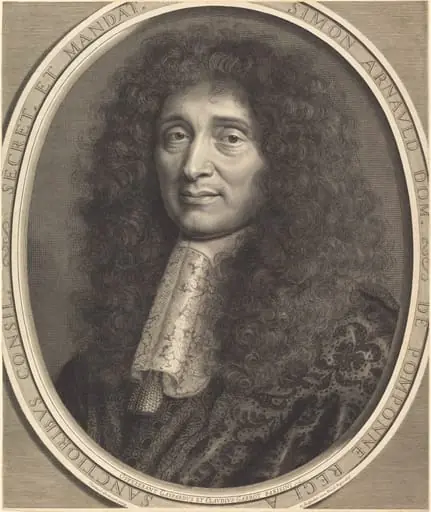 Simon Arnauld, Le Marquis de Pomponne
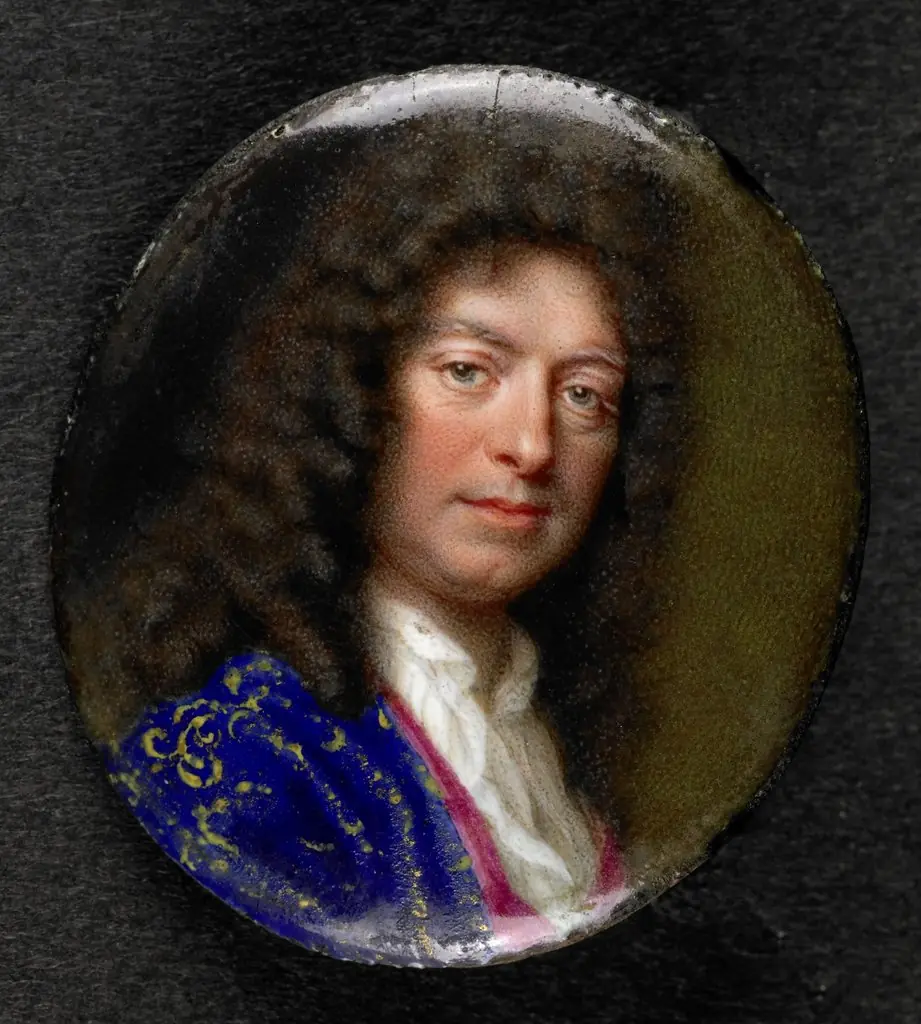 Portret van een man
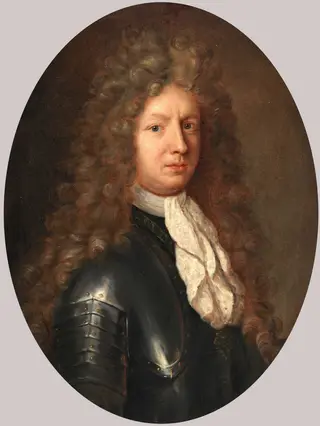 Herzog Philippe von Orléans
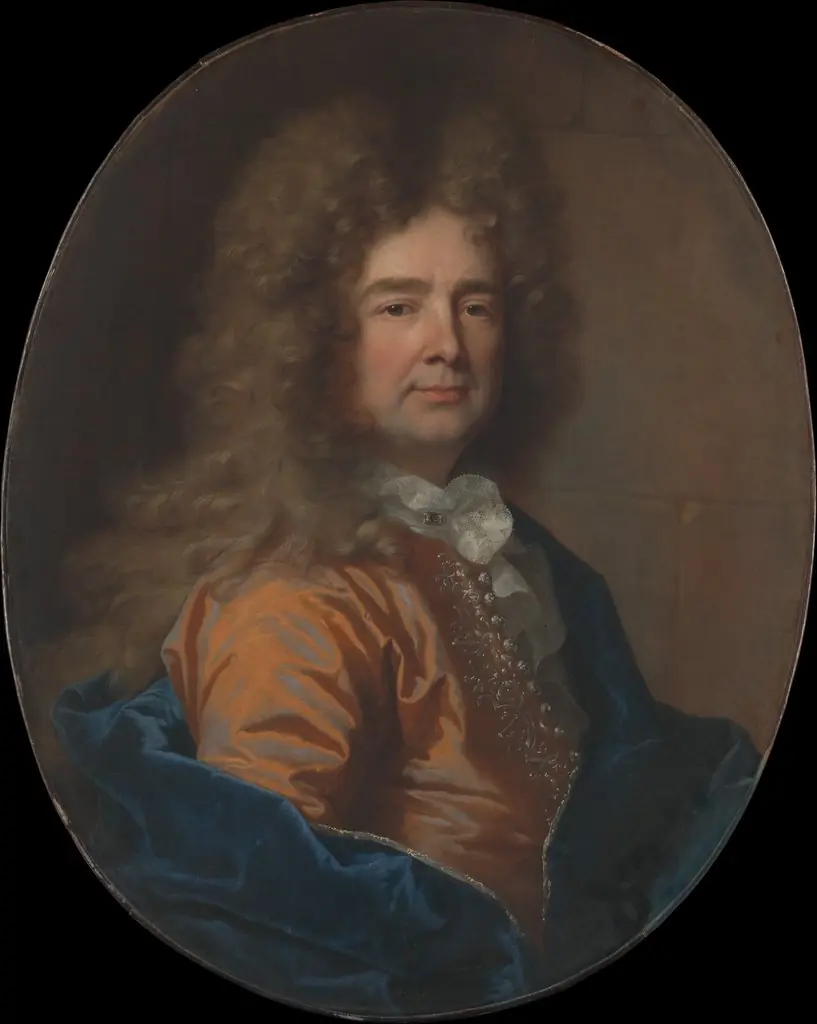 Portrait of a Man
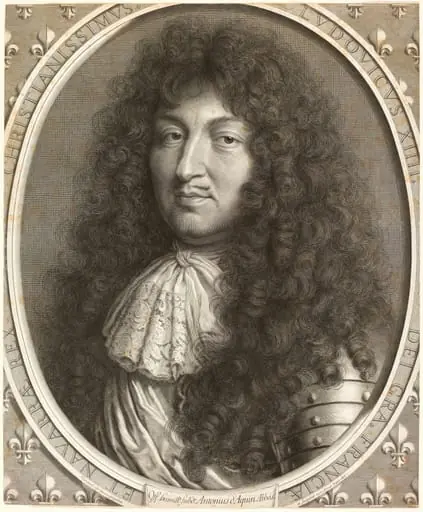 Louis XIV
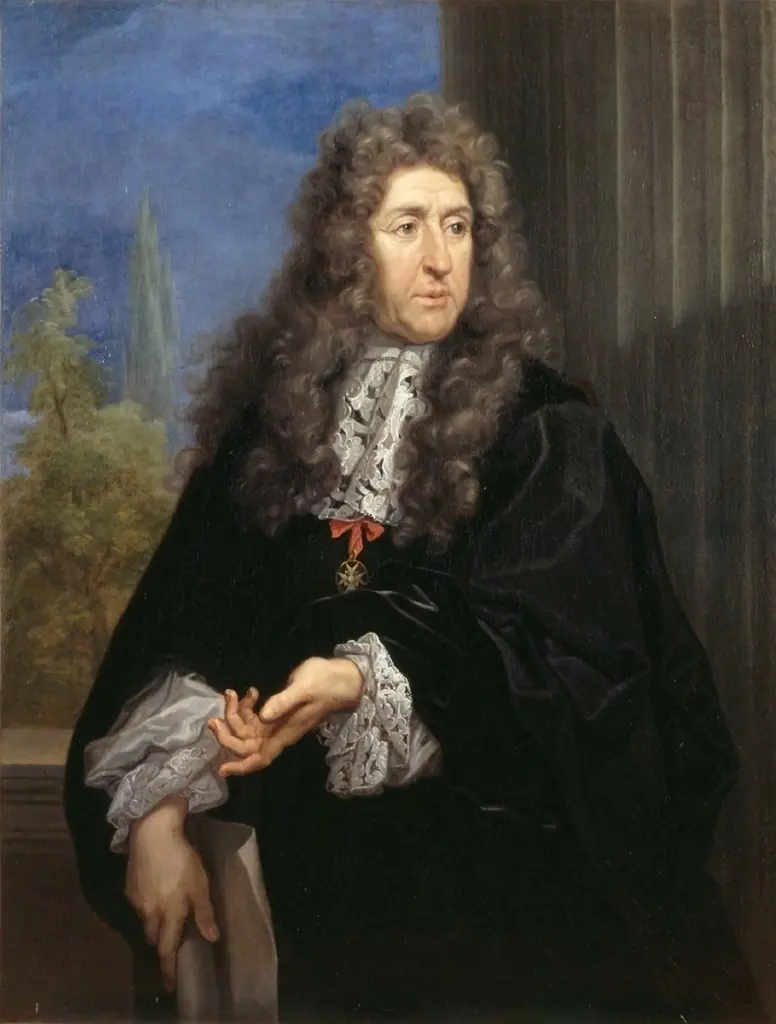 André Le Nôtre
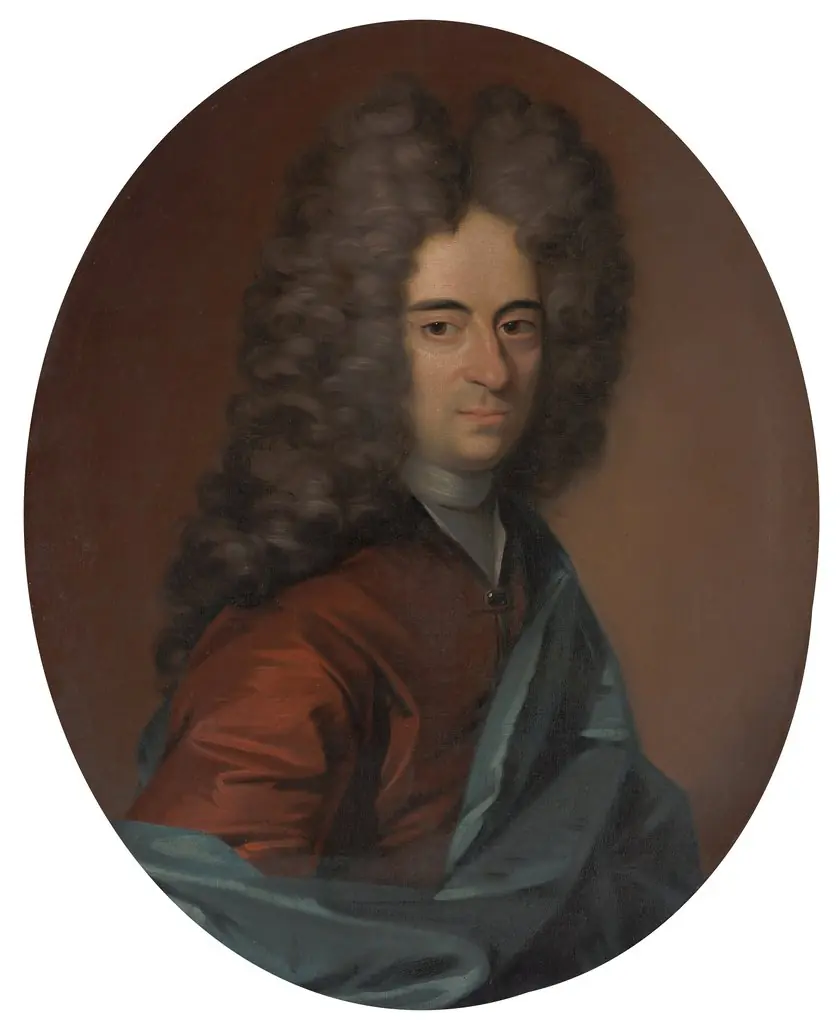 Portrait of a Man, probably Mathias Lambertus Singendonck (1678-1742), Burgomaster of Nijmegen