Artwork
Portrait of Dominicus Rosmale, Director of the Rotterdam Chamber of the Dutch East India Company, elected 1677
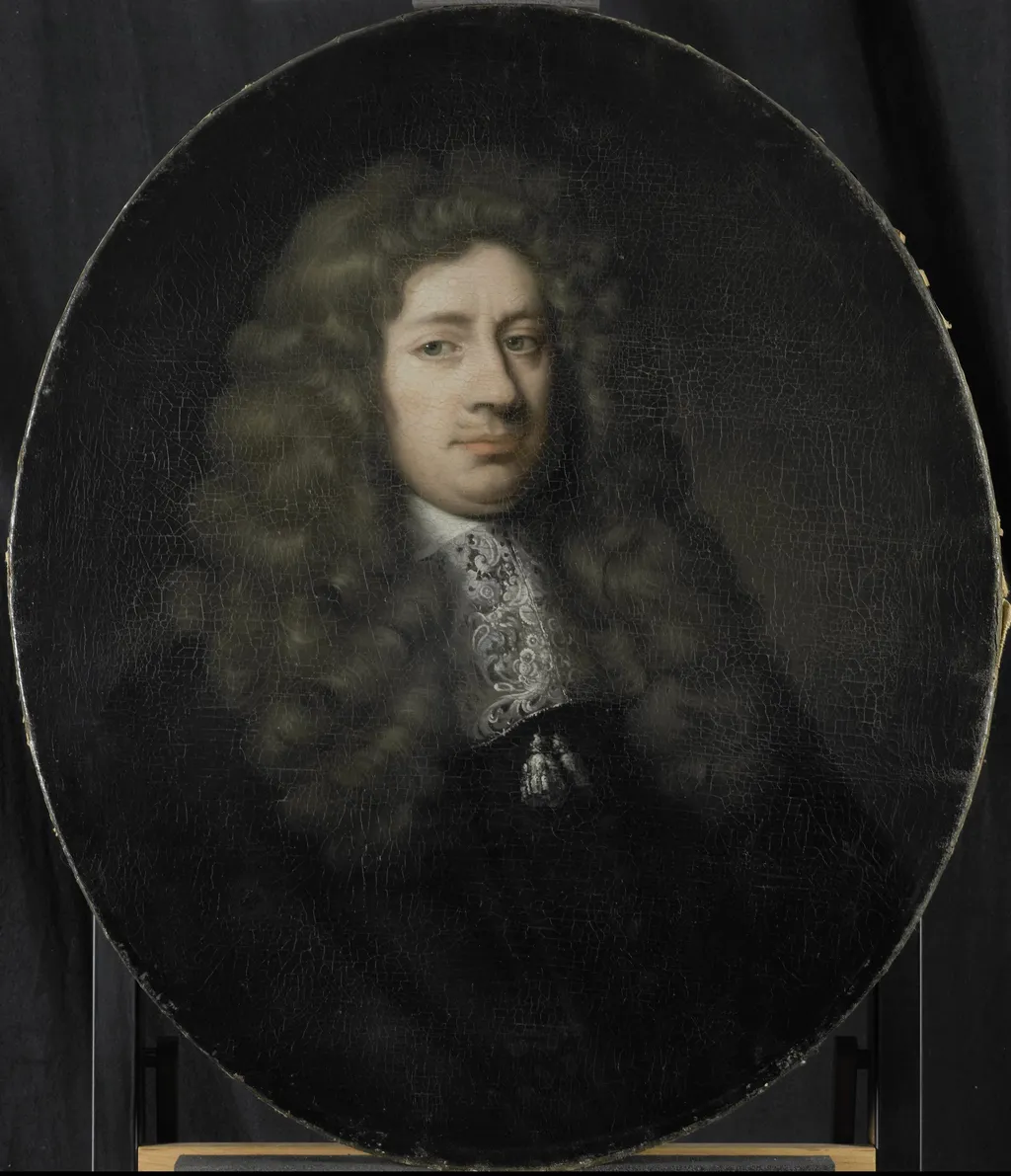
Portrait of Dominicus Rosmale, Director of the Rotterdam Chamber of the Dutch East India Company, elected 1677 is an oil painting by the Rococo painting artist Pieter van der Werff. It dates from 1708 and is held in the collection of the Rijksmuseum.
About this work
Subject & Meaning
The portrait depicts Dominicus Rosmale, who served as director of the Rotterdam Chamber of the Dutch East India Company after his election in 1677.
The portrait depicts Dominicus Rosmale, who served as director of the Rotterdam Chamber of the Dutch East India Company after his election in 1677. His role as a high-ranking company official is central to the work’s purpose: to assert the sitter’s social standing and professional authority within the mercantile elite of the Dutch Republic.
Rosmale is shown in three-quarter view, a convention that conveys dignity and engagement with the viewer. His attire, likely including the black gown and white collar typical of Dutch directors, functions as a visual marker of office and status, aligning with contemporary portrait norms for civic and commercial leaders rather than military or aristocratic figures.
Technique & Style
The work is an oil on canvas portrait painted by Pieter van der Werff in 1708. It depicts Dominicus Rosmale, who served as Director of the Rotterdam Chamber of the Dutch East India Company and was elected to that position in 1677. The painting measures 82 cm in height and 68 cm in width, and is part of the Rijksmuseum collection, which holds it alongside other East India Company related works. The formal qualities align with 18th‑century Dutch portraiture, characterized by precise rendering and a restrained palette.
History & Provenance
The work was executed in 1708 by Pieter van der Werff as a portrait of Dominicus Rosmale, who served as Director of the Rotterdam Chamber of the Dutch East India Company and was elected to that position in 1677. It entered the collection of the Rijksmuseum, where it remains on view in the East India Company gallery. The painting was created shortly after Rosmale’s election, reflecting his official status within the company’s governance.
Its dimensions are 82 cm in height and 68 cm in width, matching the measurements recorded for the work in the museum’s catalogue.
The Portrait of Dominicus Rosmale is held in the collection of the Rijksmuseum in Amsterdam. The work is associated with the historical collections of the East India Company's Rotterdam Chamber and the Nederlandsch Museum voor Geschiedenis en Kunst. No specific inventory or accession number is provided in the available records. The sources do not document any specific exhibition history for this painting.
Legacy
The portrait of Dominicus Rosmale, painted by Pieter van der Werff in 1708, has been recognized for its historical significance within Dutch portraiture and its representation of East India Company leadership. Its inclusion in the Rijksmuseum collection underscores its cultural relevance, while scholarly attention to the work reflects ongoing interest in the visual documentation of colonial-era officials. The painting continues to be cited in discussions of 17th- and 18th-century mercantile portraiture, contributing to broader understandings of power and representation in Dutch art.
Overview
Pieter van der Werff’s oil portrait, executed in 1708, presents Dominick Rosmale, who held the directorship of the Rotterdam Chamber of the Dutch East India Company from 1677. The work belongs to the later Dutch Golden Age and reflects the refined, decorative tendencies of the early rococo period.
Own this work as a print
Artist & collection
Artist
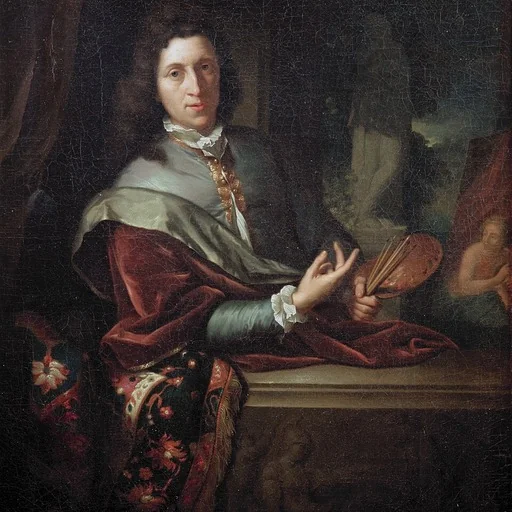
Pieter van der Werff (1665 – 26 September 1722) was a Dutch Golden Age painter. He assisted his older brother, Adriaen van der Werff.

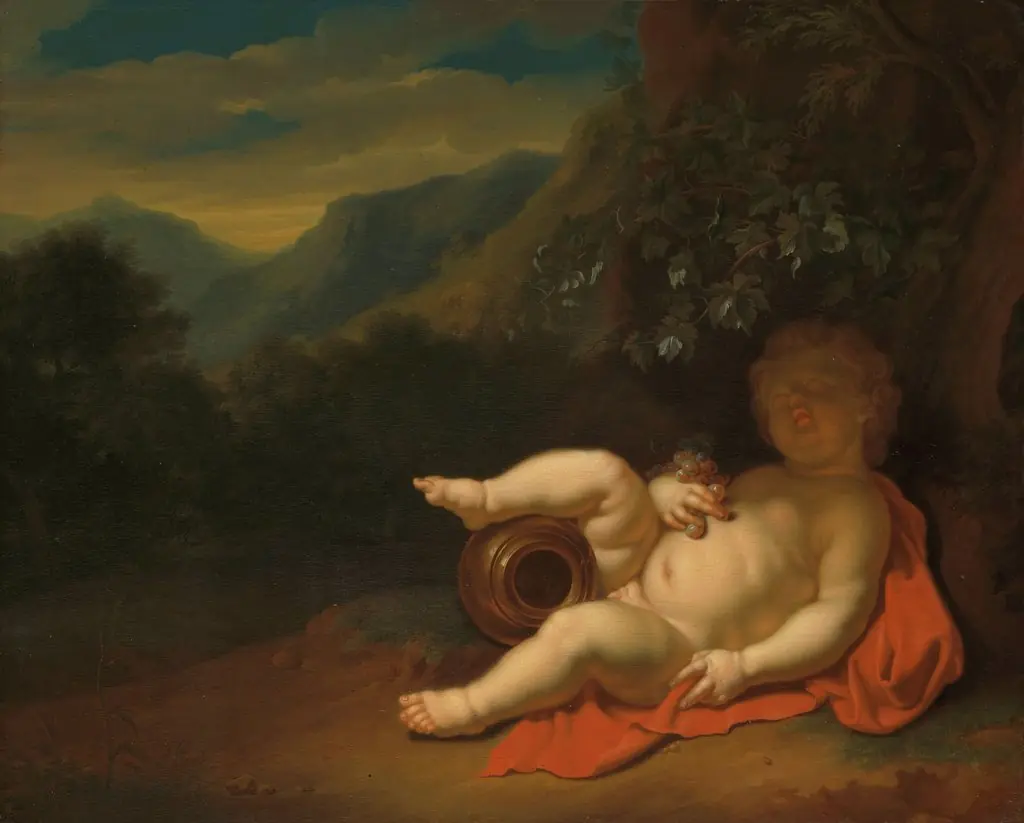 The Infant Bacchus
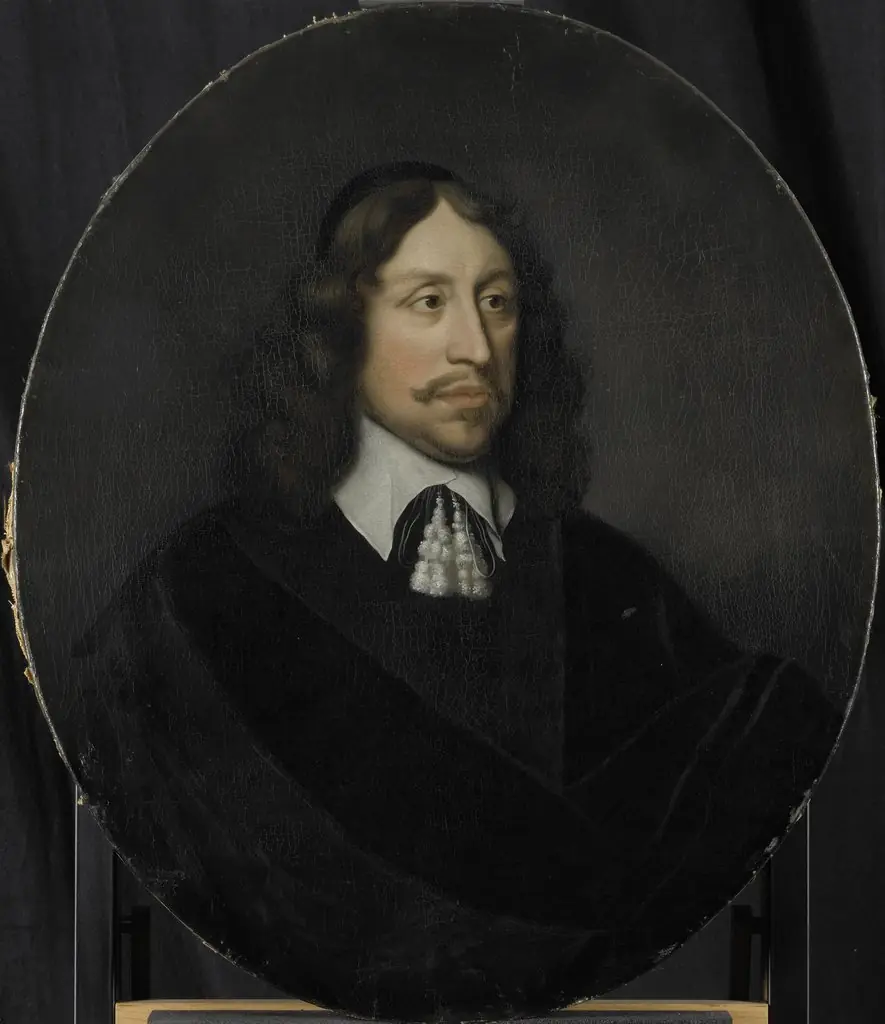 Portrait of Johan de Vries, Director of the Rotterdam Chamber of the Dutch East India Company, elected 1667
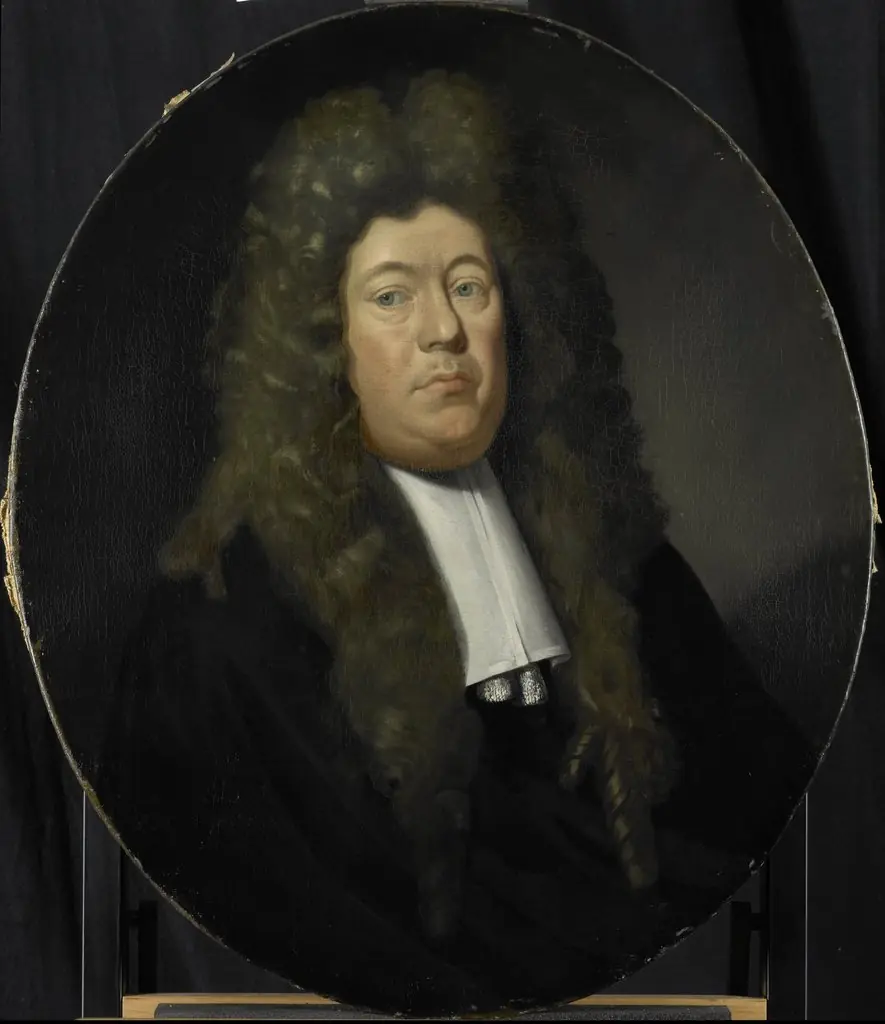 Portrait of Adriaen Paets, Director of the Rotterdam Chamber of the Dutch East India Company, elected 1668
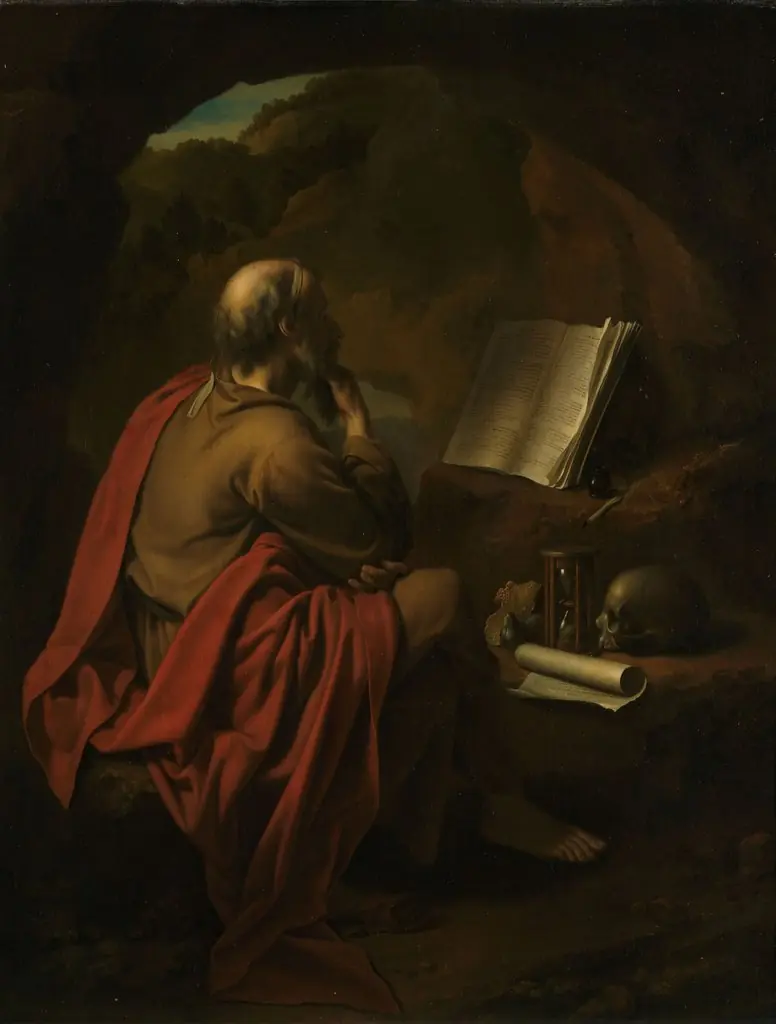 Saint Jerome
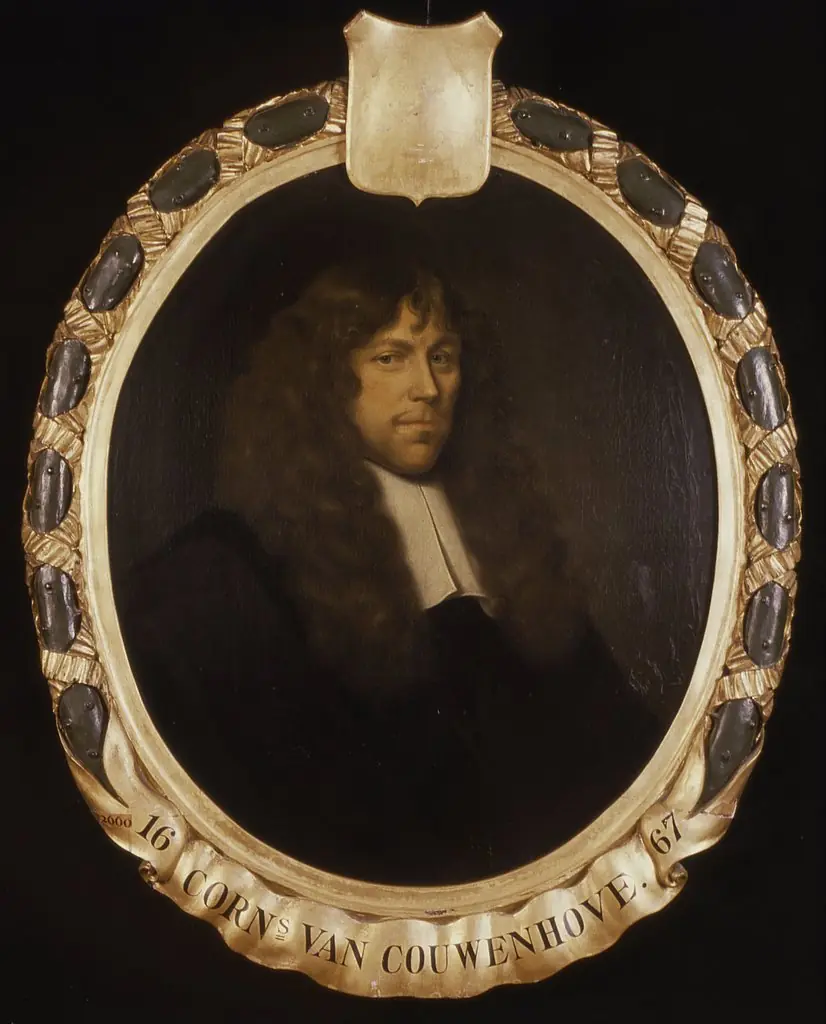 Portrait of Cornelis van Couwenhove, Director of the Rotterdam Chamber of the Dutch East India Company, elected 1667
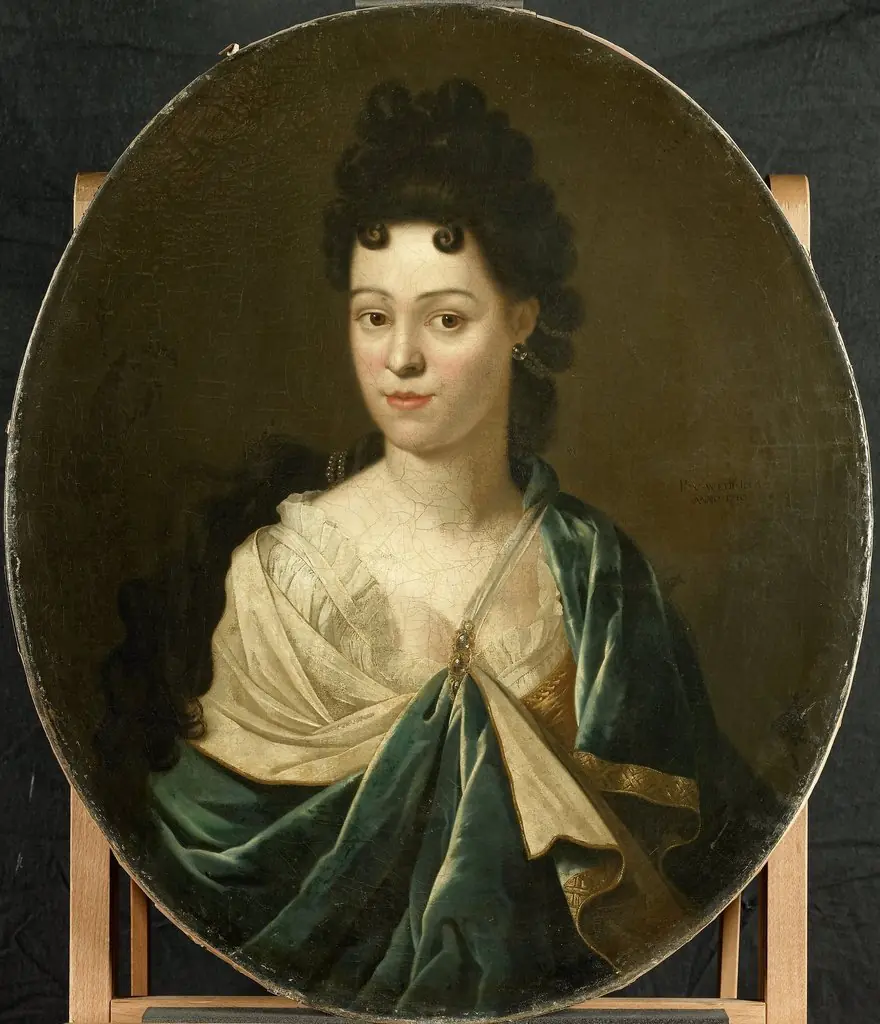 Portrait of Mrs. Brust-Batailhy
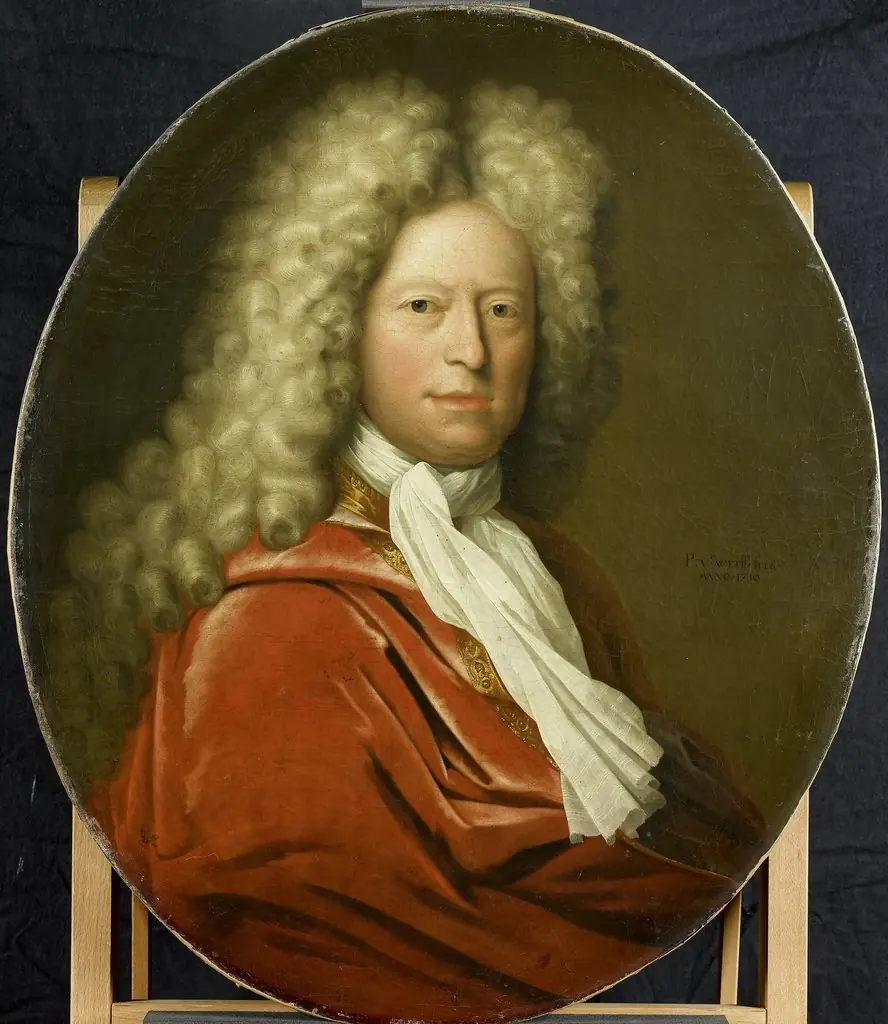 Portrait of Mr. Brust
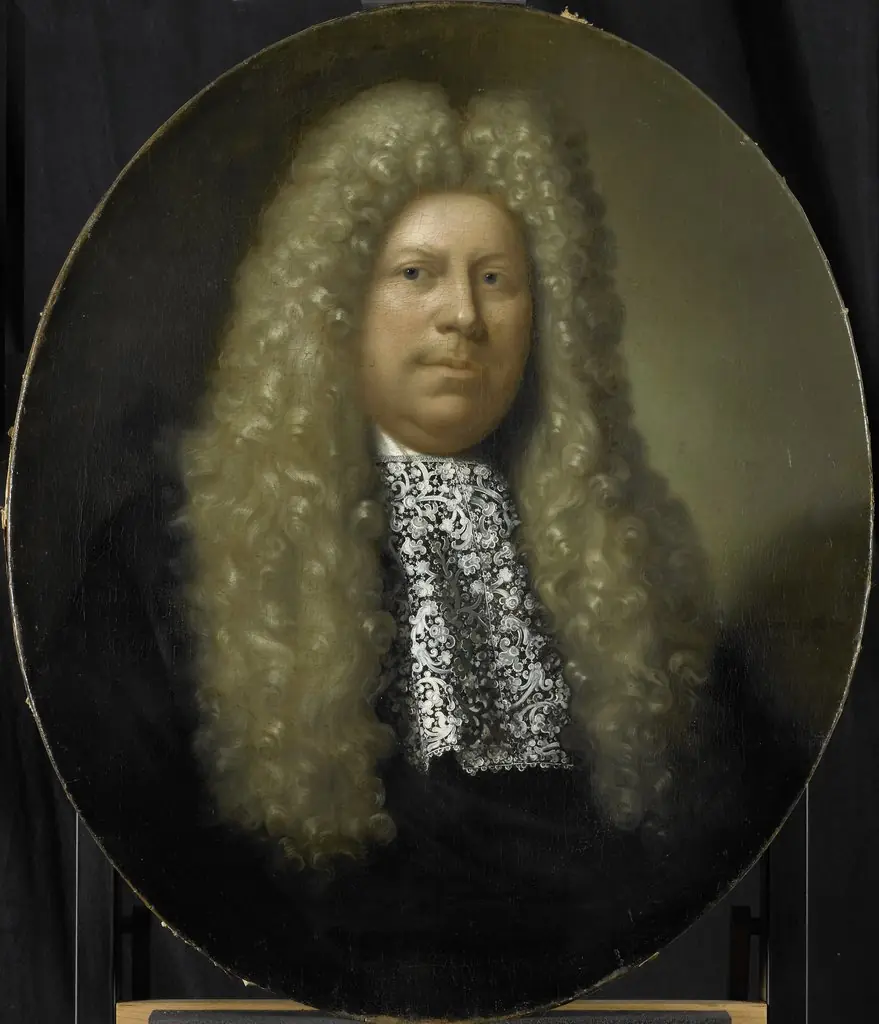 Portrait of Jacob Dane, Director of the Rotterdam Chamber of the Dutch East India Company, elected 1689
- Portrait of Dominicus Rosmale, Director of the Rotterdam Chamber of the Dutch East India Company, elected 1677
 Portrait of Johan de Vries, Director of the Rotterdam Chamber of the Dutch East India Company, elected 1667
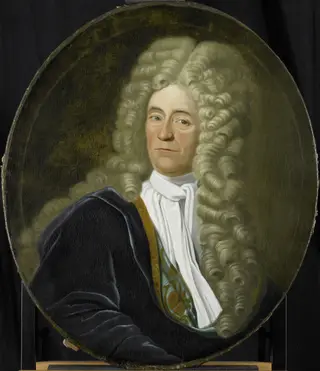 Portrait of Willem van Hogendorp, Director of the Rotterdam Chamber of the Dutch East India Company, elected 1692
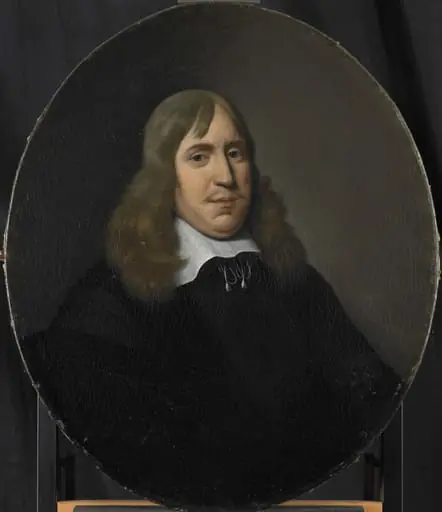 Portrait of Willem Hartigsvelt, Director of the Rotterdam Chamber of the Dutch East India Company, elected 1657