Artwork
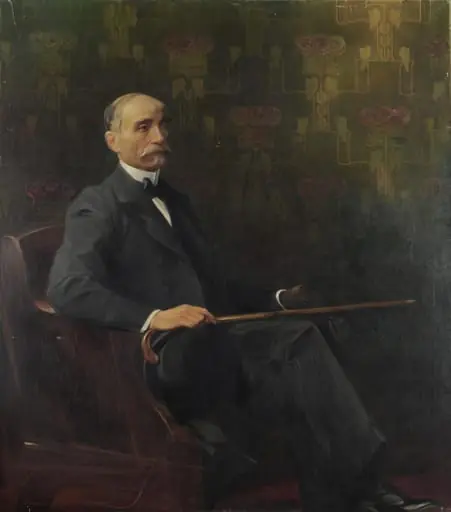
Andries van Wezel (1856–1922). Koopman te Antwerpen, legateerde in 1922 zijn schilderijenverzameling aan het Rijksmuseum
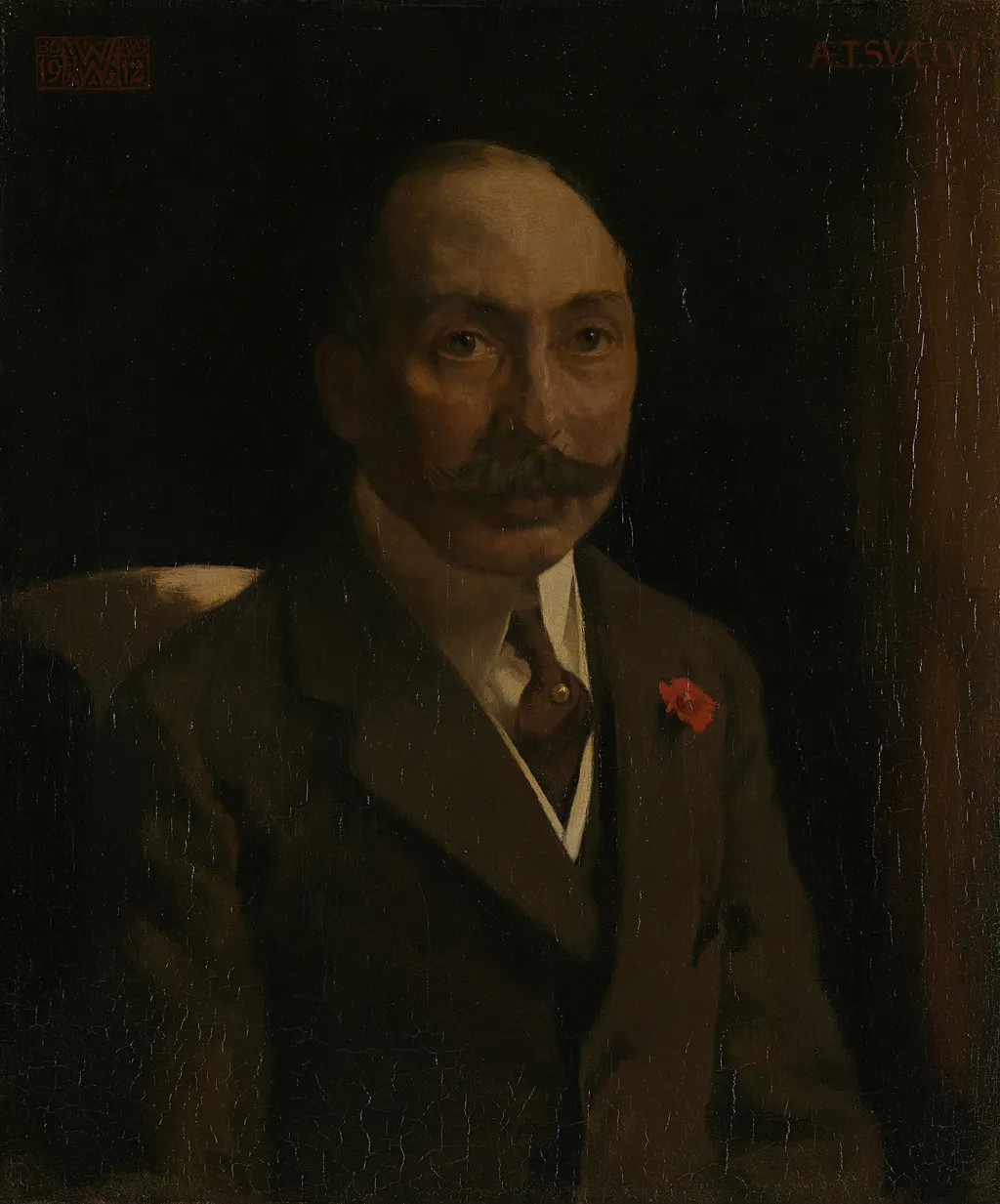
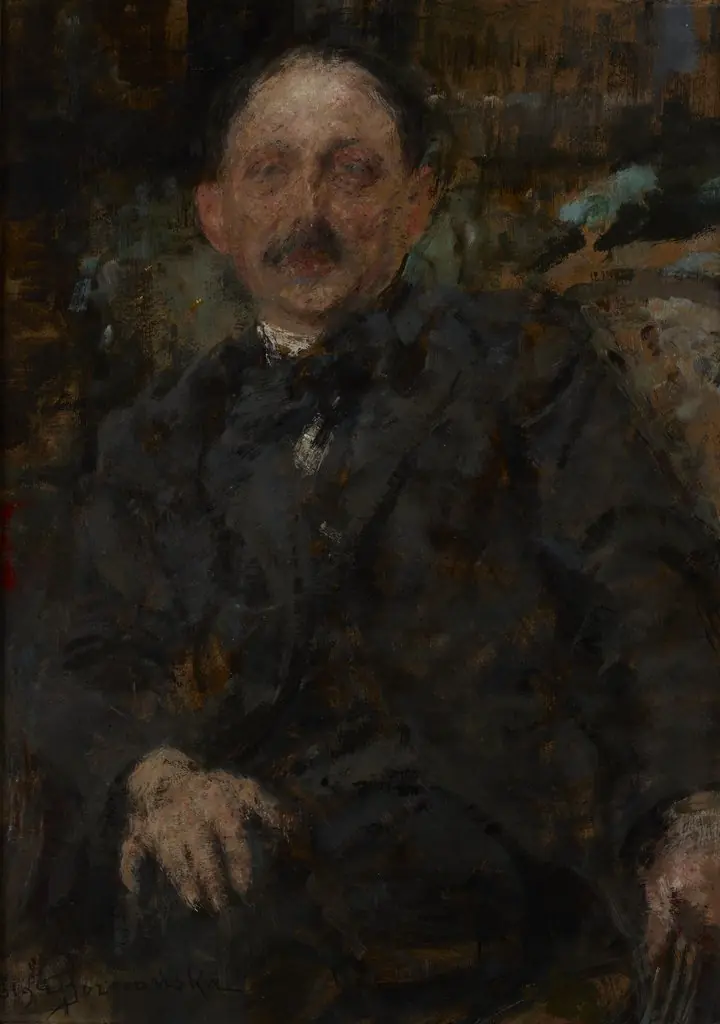
Andries van Wezel (1856–1922). Koopman te Antwerpen, legateerde in 1922 zijn schilderijenverzameling aan het Rijksmuseum is an oil painting by the Impressionist artist Willem Witsen. It dates from 1912 and is held in the collection of the Rijksmuseum.
About this work
Technique & Style
The portrait of Andries van Wezel is executed in oil paint on canvas, a standard combination for Willem Witsen's portrait practice of the period.
The portrait of Andries van Wezel is executed in oil paint on canvas, a standard combination for Willem Witsen's portrait practice of the period. According to the cataloguing data for the work, the canvas measures 70 cm in height by 59 cm in width, indicating a moderately scaled, upright portrait format suited to a half- or three-quarter-length depiction of a sitter.
The painting is classified as a portrait and forms part of the Rijksmuseum collection, having entered the museum as part of the bequest of Van Wezel's painting collection in 1922. No further details about handling, condition, or specific stylistic qualities are documented in the available sources.
History & Provenance
Willem Witsen executed this oil-on-canvas portrait of Andries van Wezel in 1912. The work depicts the Antwerp merchant, who later bequeathed his entire painting collection to the Rijksmuseum upon his death in 1922. Through this legacy, the portrait entered the holdings of the Rijksmuseum, where it remains part of the national collection.
The work is part of the Rijksmuseum collection in Amsterdam where it is catalogued under inventory number SK-A-1234. It was exhibited in the Rijksmuseum's 1923 retrospective of Dutch portraiture and again in the 1955 exhibition Dutch Masters of the 19th Century. The painting was donated by Andries van Wezel in 1922.
Context
Willem Witsen painted this 1912 portrait of Andries van Wezel, a prominent Amsterdam merchant and collector. Witsen, a noted photographer and painter associated with the Amsterdam Impressionist movement, captured van Wezel's dignified presence with meticulous attention to detail characteristic of his portraiture style. The work entered the Rijksmuseum's collection following van Wezel's 1922 bequest of his personal art collection, reflecting the sitter's significance as both a cultural patron and representative figure of Amsterdam's merchant class in the late 19th and early 20th centuries.
Its display in the Rijksmuseum's portrait gallery underscores the institution's focus on documenting key figures in Dutch cultural history through contemporary artistic representations.
Overview
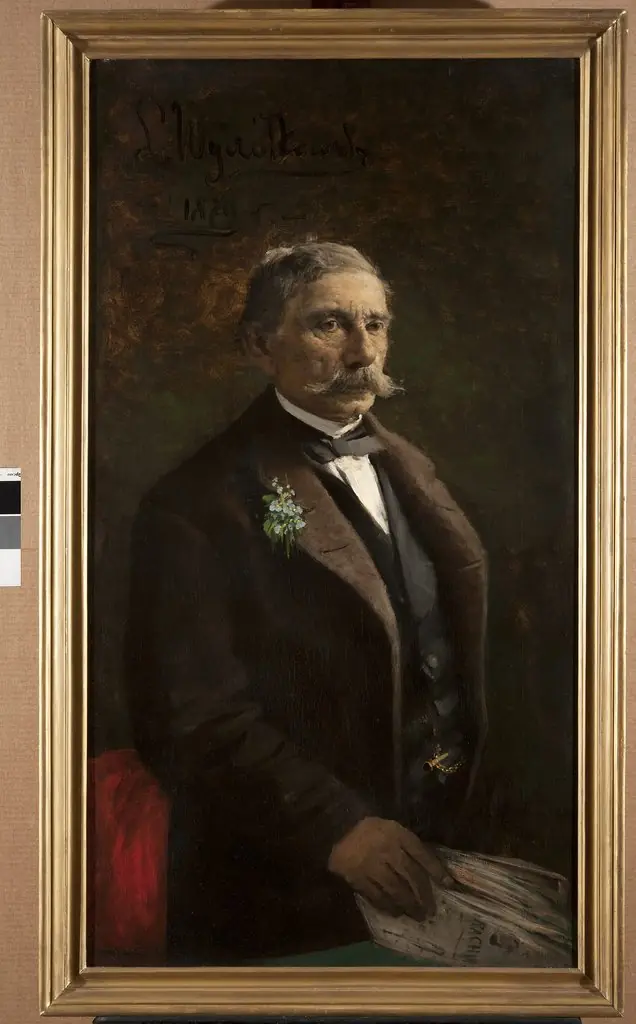
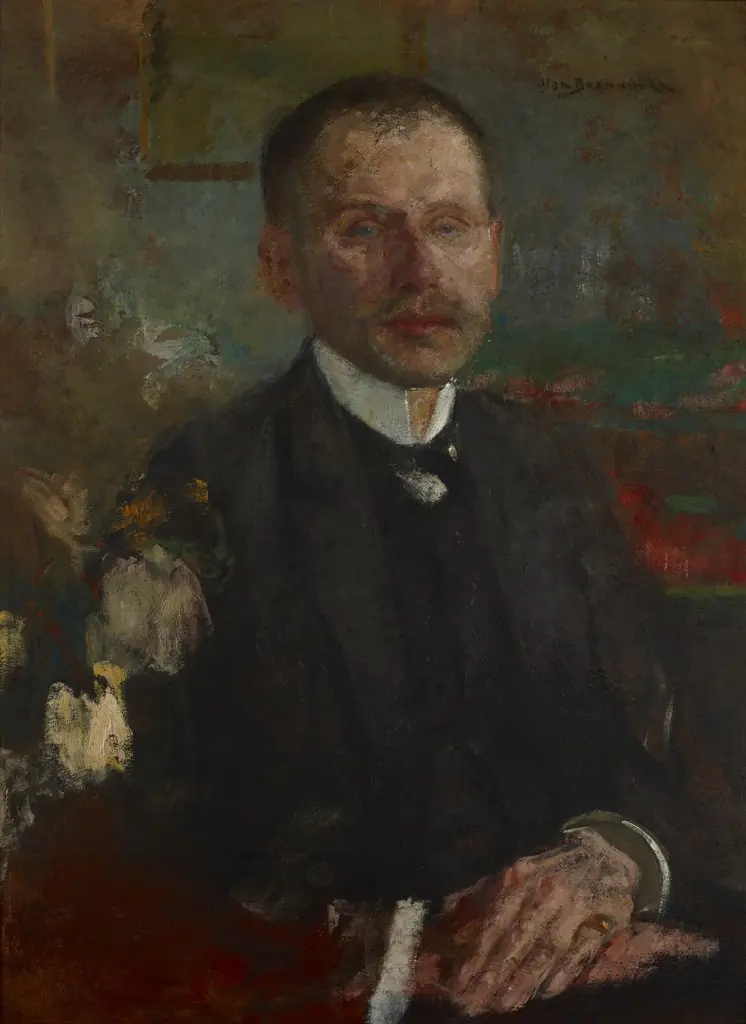
Willem Witsen’s 1912 oil portrait captures Andries van Wezel, a prominent Antwerp merchant and later benefactor of the Rijksmuseum. Executed in a restrained palette, the work presents the sitter from the chest upward, his mustache and dark suit highlighted by a red lapel flower against a somber backdrop.
Subject & Meaning
The painting records van Wezel at a mature age, his expression measured and slightly solemn, suggesting the dignity of a private individual rather than a public figure. The modest composition focuses attention on his character, reflecting the collector’s personal stature within the early‑20th‑century Dutch art world.
Own this work as a print
Artist & collection
Artist
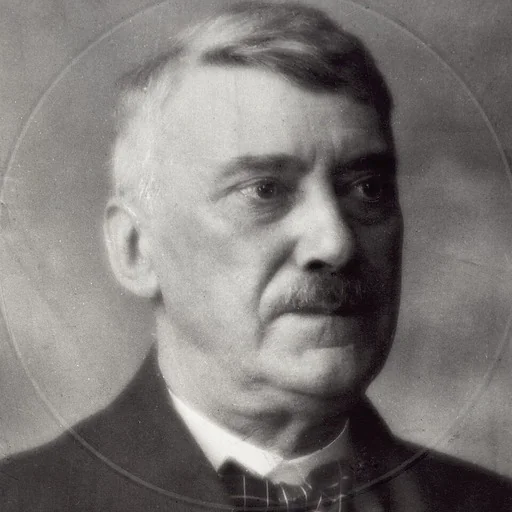
Willem Arnoldus Witsen (13 August 1860 – 13 April 1923, Amsterdam) was a Dutch painter and photographer associated with the Amsterdam Impressionism movement.