Artwork
Our English Coasts
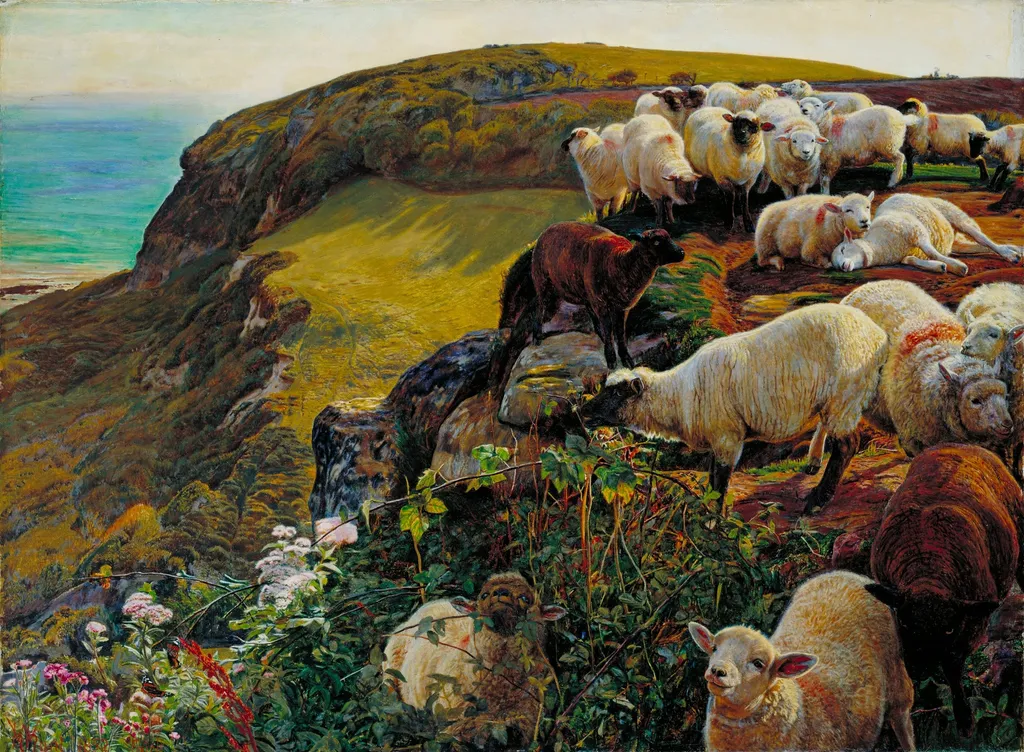
Our English Coasts is an oil painting by the Pre-Raphaelite artist William Holman Hunt. It dates from 1852 and is held in the collection of the National Gallery.
About this work
Overview
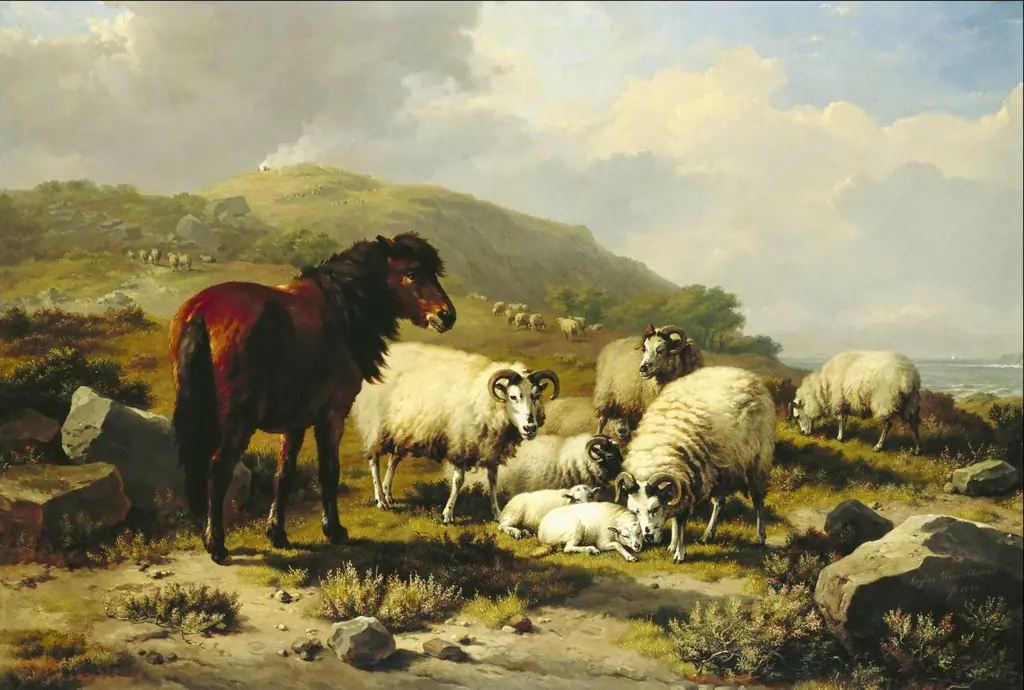
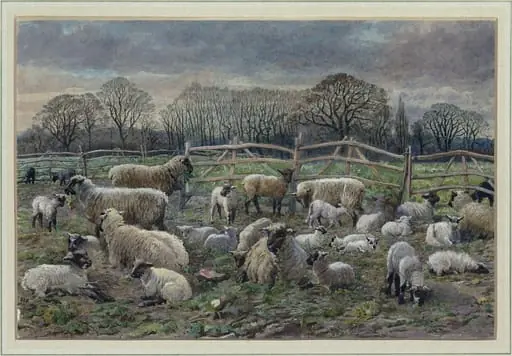
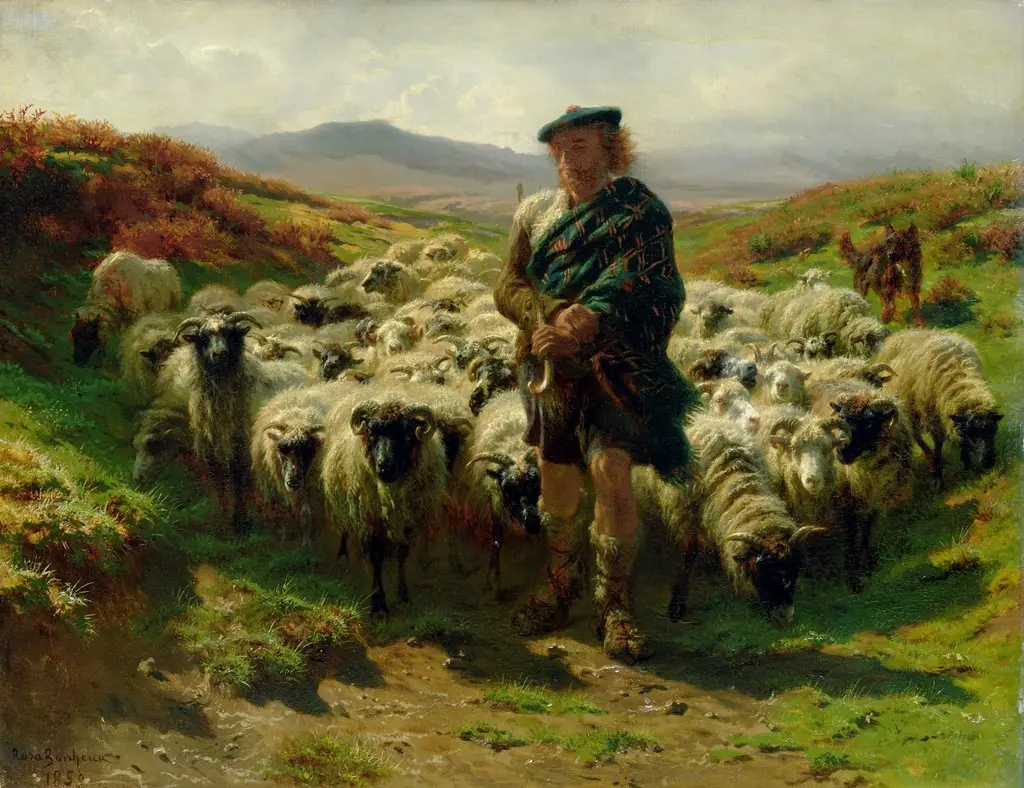
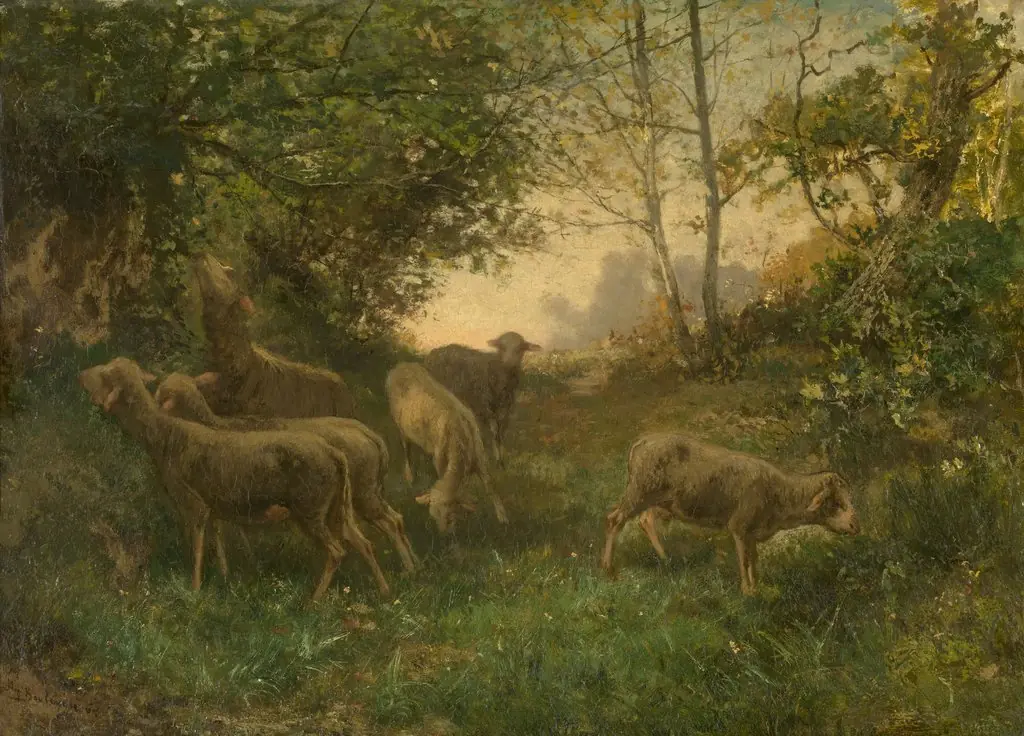
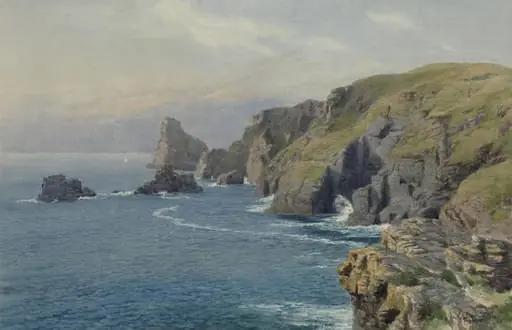
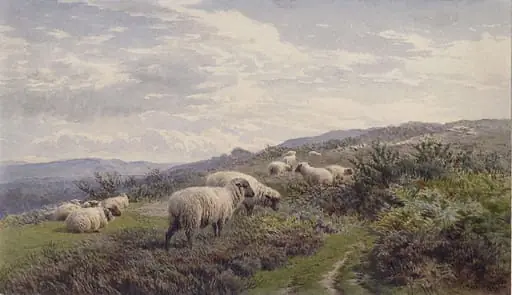
Our English Coasts, painted by William Holman Hunt in 1852, is an oil-on-canvas work depicting a group of sheep on a rugged coastal cliff.
Our English Coasts, painted by William Holman Hunt in 1852, is an oil-on-canvas work depicting a group of sheep on a rugged coastal cliff. The painting is also known by the alternate title Strayed Sheep. It has been part of the Tate Britain collection since 1946, following acquisition through The Art Fund.
The scene captures a quiet moment of nature, emphasizing the vulnerability of the animals against the vastness of the sea and sky.
Subject & Meaning
The sheep, scattered and seemingly lost along the edge of a precipice, suggest themes of isolation and vulnerability. Hunt, influenced by his religious convictions, may have intended the scene as a metaphor for spiritual wandering or moral peril. The absence of human figures heightens the sense of solitude, inviting contemplation of nature’s indifference and the fragility of life within it.
Technique & Style
Hunt employed meticulous brushwork to render the textures of wool, rock, and foliage with precision. The oil paint is applied in layers to capture subtle variations in light and surface, from the coarse crags to the delicate wildflowers in the foreground. His palette favors muted earth tones, olive greens, ochres, and grays, enhancing the somber, atmospheric tone of the coastal landscape.
History & Provenance
Completed in 1852, the painting was exhibited shortly after its creation and later entered private collections before being acquired by the Tate Gallery in 1946. The acquisition was facilitated by The Art Fund, an organization dedicated to preserving significant British artworks for public access. Its consistent presence in institutional collections underscores its recognized place in 19th-century British art.
Context
Hunt painted this work during the height of the Pre-Raphaelite movement, which emphasized close observation of nature and moral seriousness. While many of his contemporaries focused on literary or biblical subjects, Hunt turned to the English landscape as a site of symbolic resonance. The painting reflects a broader Victorian interest in the sublime and the moral dimensions of the natural world.
Legacy
Our English Coasts remains a notable example of Hunt’s commitment to detailed naturalism and symbolic depth. Though less widely known than his religious works, it exemplifies his ability to infuse ordinary scenes with quiet gravity. The painting continues to be studied for its technical precision and its contribution to the evolution of landscape painting in Victorian Britain.
Own this work as a print
Artist & collection
Artist
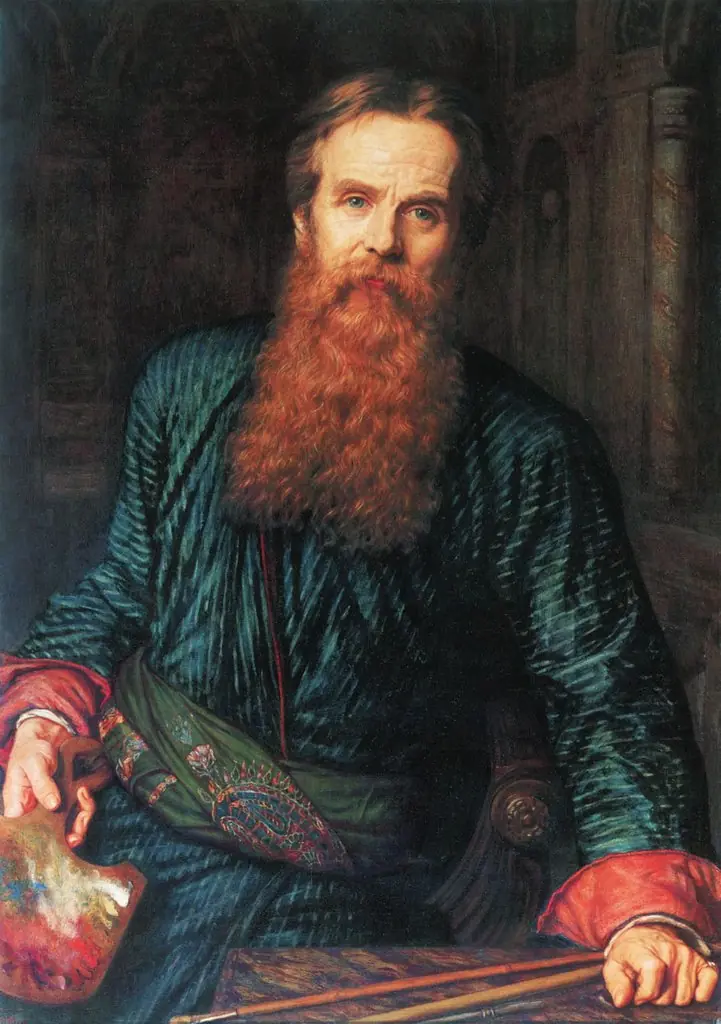
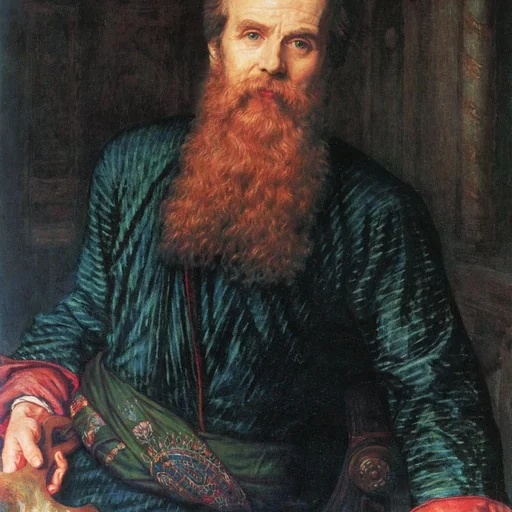
William Holman Hunt (2 April 1827 – 7 September 1910) was an English painter and one of the founders of the Pre-Raphaelite Brotherhood.