Artwork
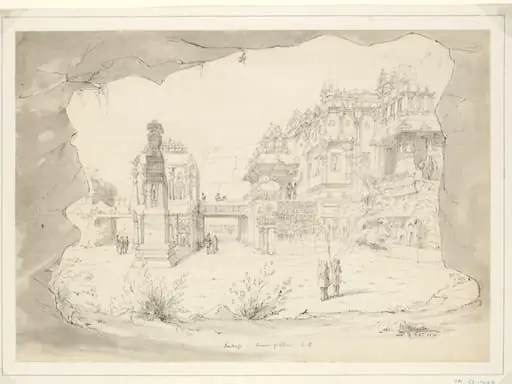
Caves of Karlie: No. 1, The Approach
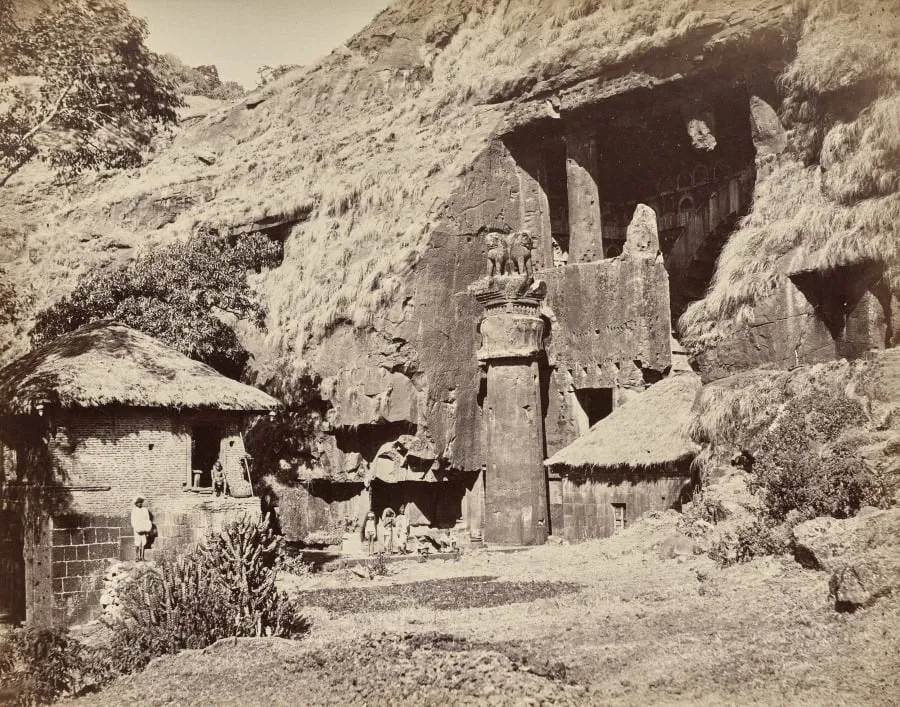
Caves of Karlie: No. 1, The Approach is a photography by the Impressionist artist William H. Johnson. It dates from 1858 and is held in the collection of the Cleveland Museum of Art. Caves of Karlie: No.
- Accession no.
- 2024.77
- Credit line
- Purchase from the J. H. Wade Fund
About this work
Overview
Caves of Karlie: No. 1, The Approach is a photograph depicting the entrance to the ancient Karla Caves in Western India.
Subject & Meaning
The image shows the monumental entrance to the Karla Caves, a complex of shrines carved between the 2nd century BCE and 5th century CE, which provided shelter for monks, travelers, and traders.
Technique & Style
The photograph captures the imposing structure, with its carved doorway, tall pillars, arched windows, and a stone lion on top, set against a rocky cliff, with tiny figures of people and pack animals below.
Artist & collection

Artist
William Henry Johnson (March 18, 1901 – April 13, 1970) was an American painter. Born in Florence, South Carolina, he became a student at the National Academy of Design in New York City, working with Charles Webster…


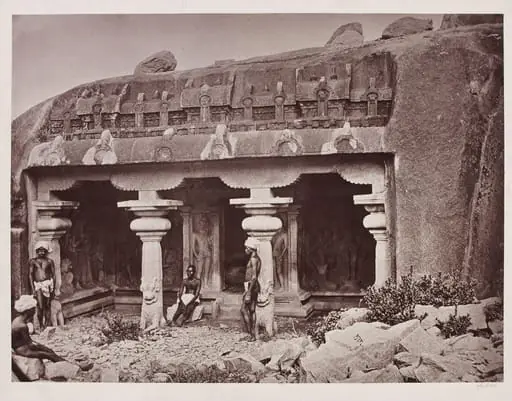 Cave sanctuary at Mahabalipuram
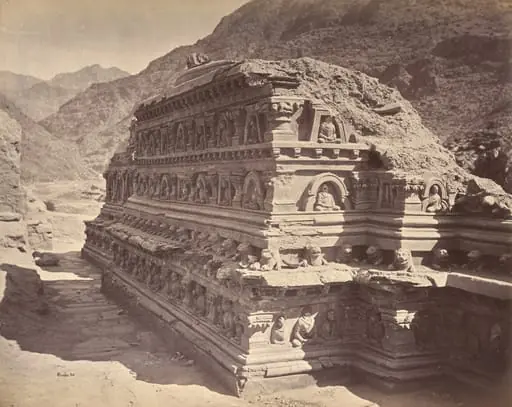 Bhuddist Temple at Ali Musjid
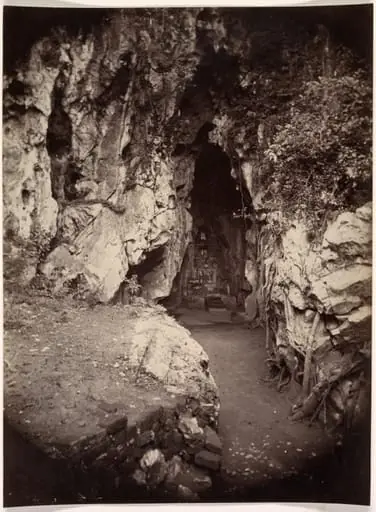 Hoa Nghiem Cave, Grotto of the August Transformation
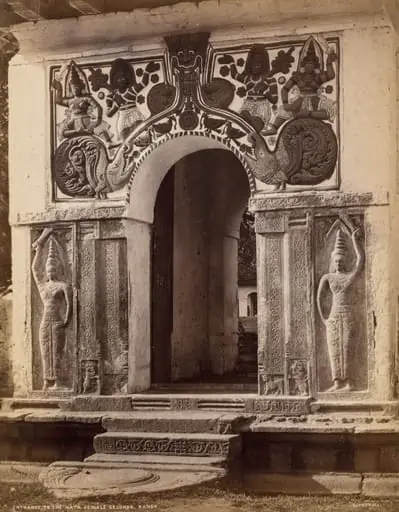 Entrance to the Nata Dewale Grounds, Kandy
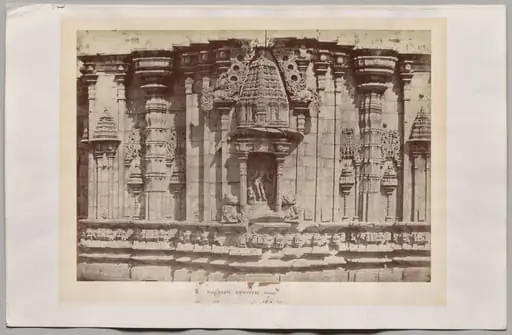 Kirwuttee, A Temple, India
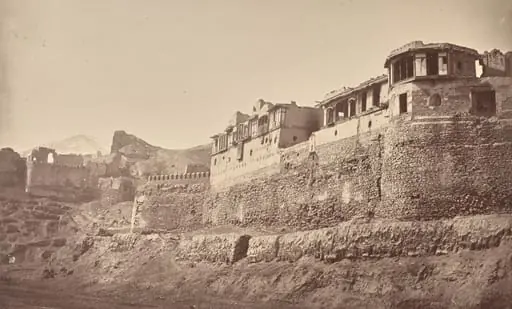 South Wall, Bala Hissar & Residency
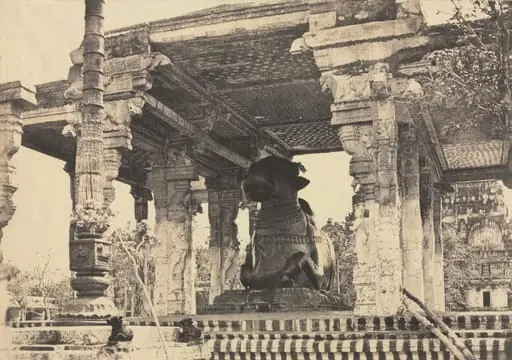 Great Pagoda, Great Bull, Front View, Tanjore, India (Rajarajeshvara Temple), plate 12 from Photographic Views of Tanjore and Trivady (Madras: Madras Presidency)
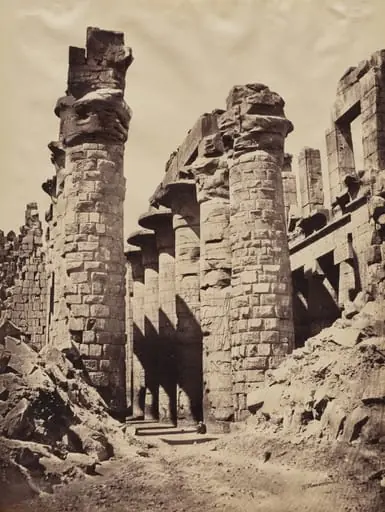 View of Karnak Temple, Hypostyle Hall
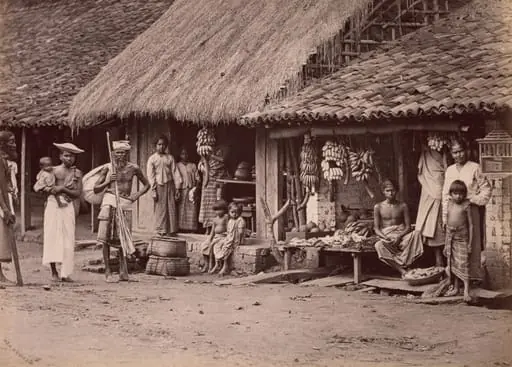 Fruitsellers
 Kailasanatha Temple, Ellora