Artwork
Portrait of Mrs. Nathaniel West (Elizabeth Crowinshield Derby)
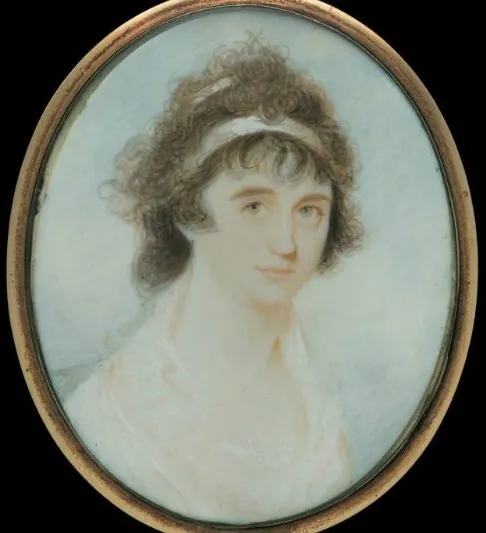
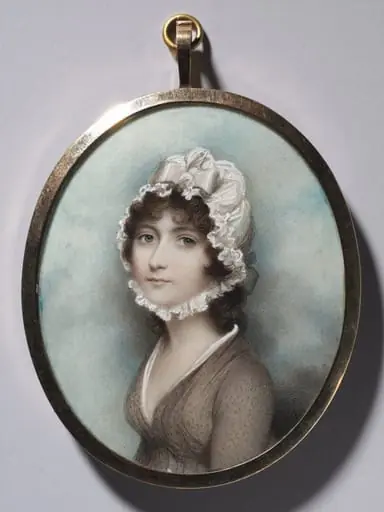
Portrait of Mrs. Nathaniel West (Elizabeth Crowinshield Derby) is a watercolor painting by the American Folk Art artist William Lovett. It dates from 1798 and is held in the collection of the Museum of Fine Arts Boston.
About this work
Overview
William Lovett’s 1798 portrait depicts Elizabeth Crowinshield Derby, identified in the title as Mrs. Nathaniel West. Executed in ivory, the work presents a half‑length view of the sitter against a pale blue backdrop. The composition is formal, with the subject’s gaze directed toward the viewer, conveying a restrained presence typical of late‑eighteenth‑century portraiture.
Subject & Meaning
The figure is rendered with curly brown hair brushed back and secured by a simple headband, while a white, lightweight dress drapes loosely over her shoulders. Her neutral expression and direct eye contact suggest a dignified self‑presentation, reflecting the social expectations of married women of her class during the post‑Revolutionary period.
Technique & Style
Lovett employed the delicate translucency of ivory as his support, allowing subtle tonal variations in skin and fabric.
Lovett employed the delicate translucency of ivory as his support, allowing subtle tonal variations in skin and fabric. The brushwork is fine and controlled, especially in the rendering of hair curls and the soft folds of the dress. The limited palette, whites, browns, and a muted blue background, focuses attention on the sitter’s features, aligning the piece with the restrained neoclassical aesthetic of the era.
History & Provenance
Created in 1798, the portrait entered the collection of the Museum of Fine Arts, Boston, where it remains on view. Documentation traces its acquisition to the museum’s early twentieth‑century purchases of American portraiture, though earlier ownership details beyond the sitter’s identification are not recorded.
Context
The work exemplifies the domestic portrait genre popular among the emerging American middle class after independence. Lovett’s approach mirrors contemporaneous portraitists who favored modest settings and subdued coloration, emphasizing personal virtue and social standing over overt extravagance.
Artist & collection

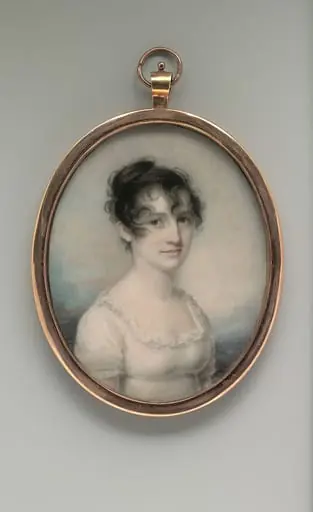 Mrs. Robert Macomb (Mary Cornell Pell )
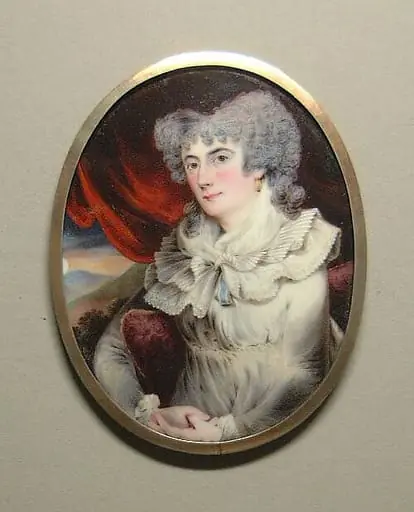 Mrs. William Bingham (Anne Willing)
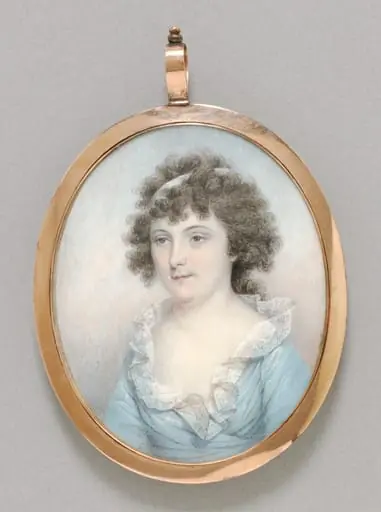 Portrait of Susan Coren Towers
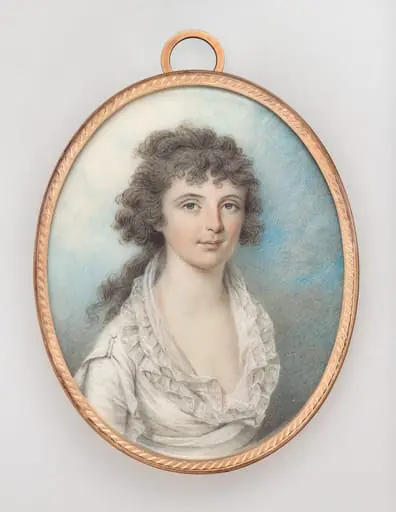 Marcia Burns
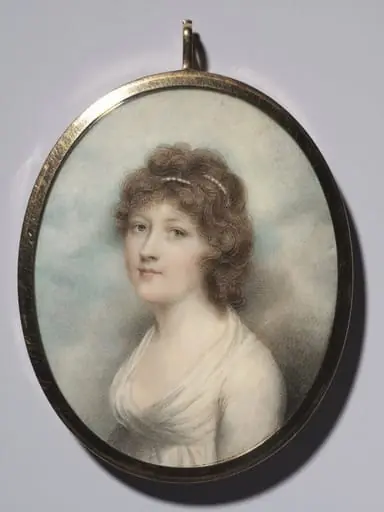 Portrait of a Woman
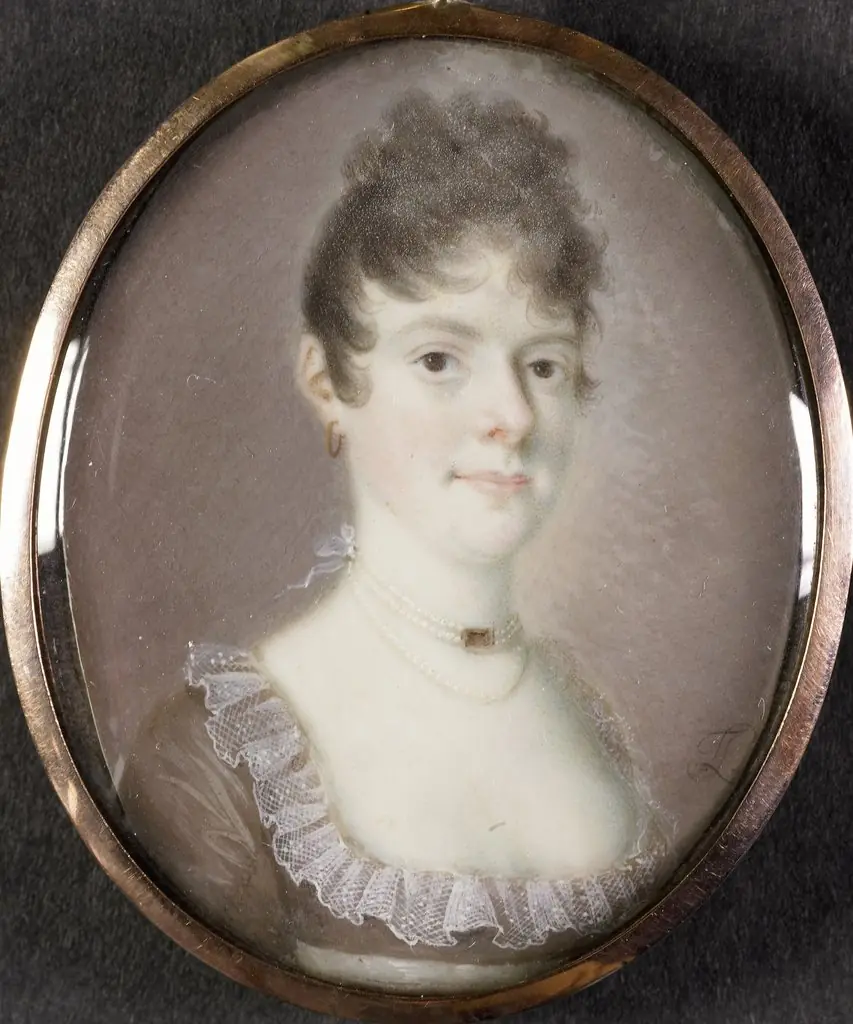 Portret van een vrouw met een parelcollier
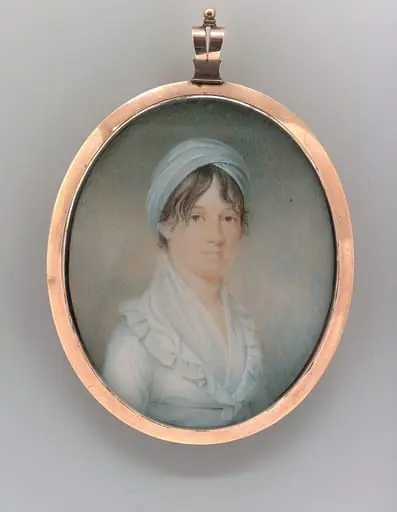 Mrs. Jonathan Pinkney, Jr. (Elizabeth Munroe)
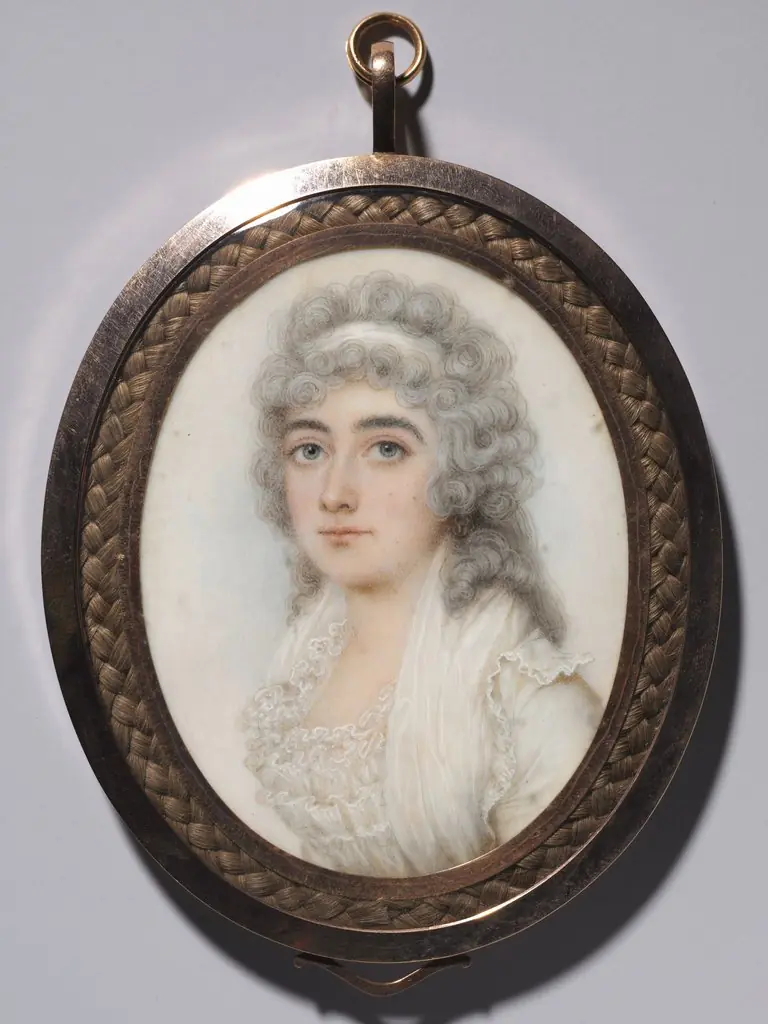 Portrait of a Woman
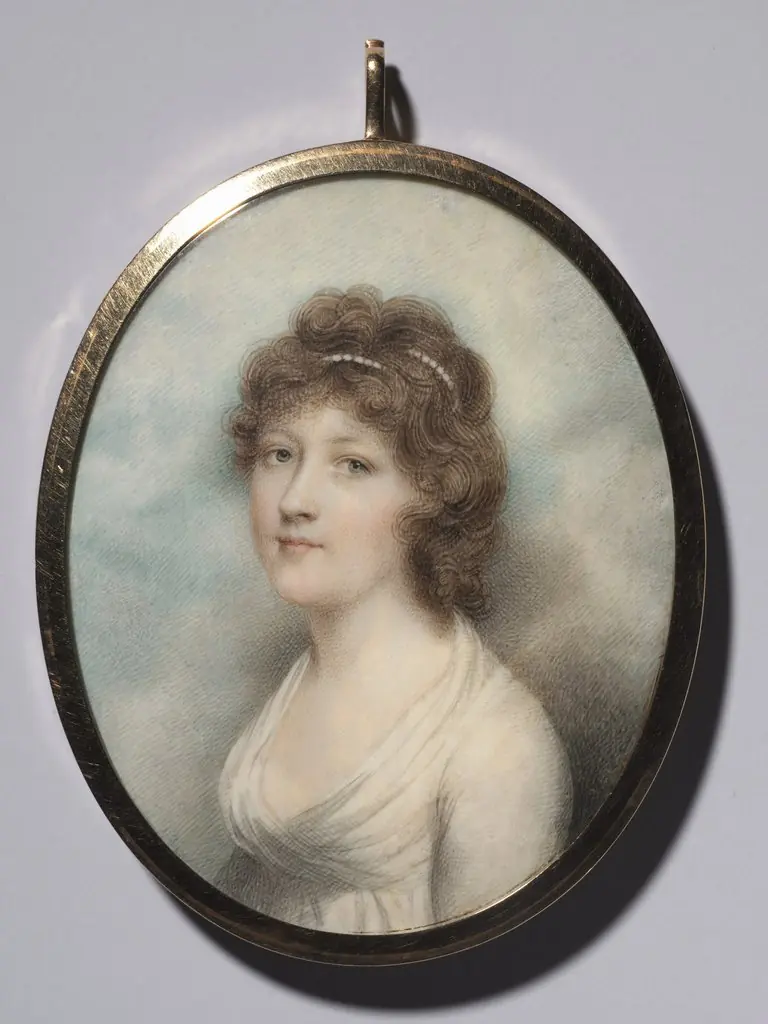 Portrait of a Woman
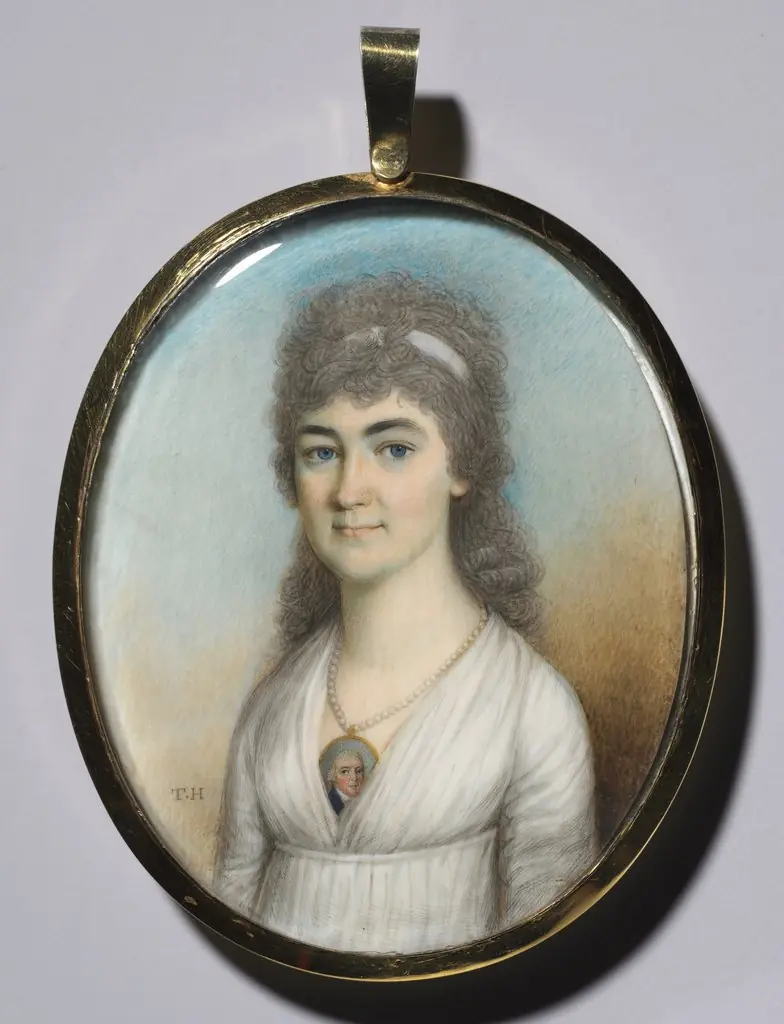 Portrait of a Woman Wearing a Miniature
 Portrait of a Woman
- Ann Brunton, the actress (Mrs. Rob Merry)