Artwork
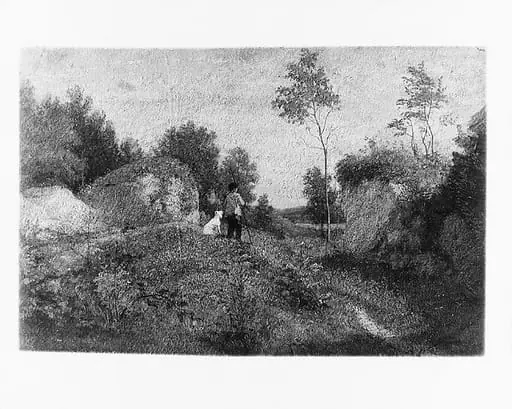
Sand Bank with Willows, Magnolia
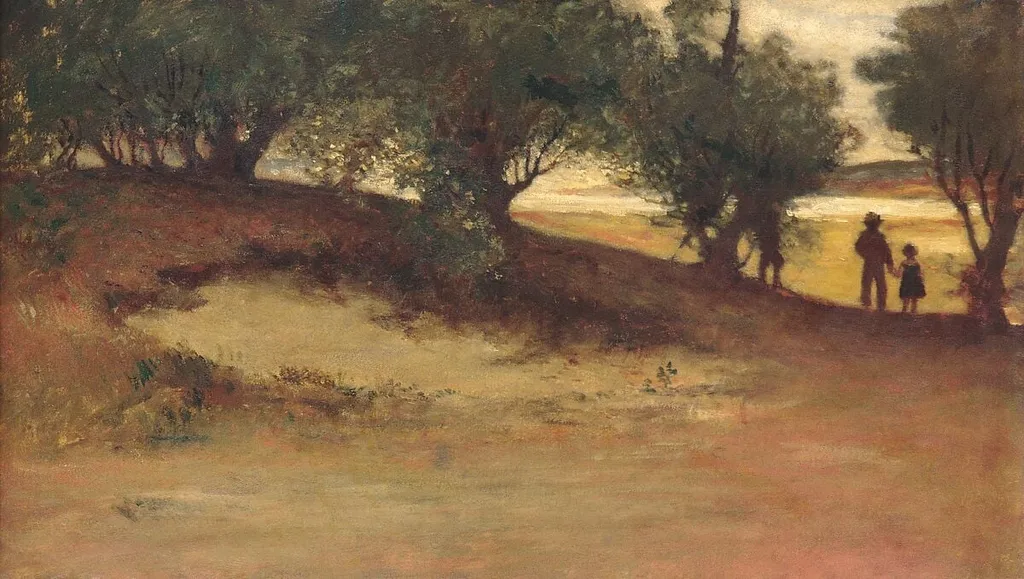
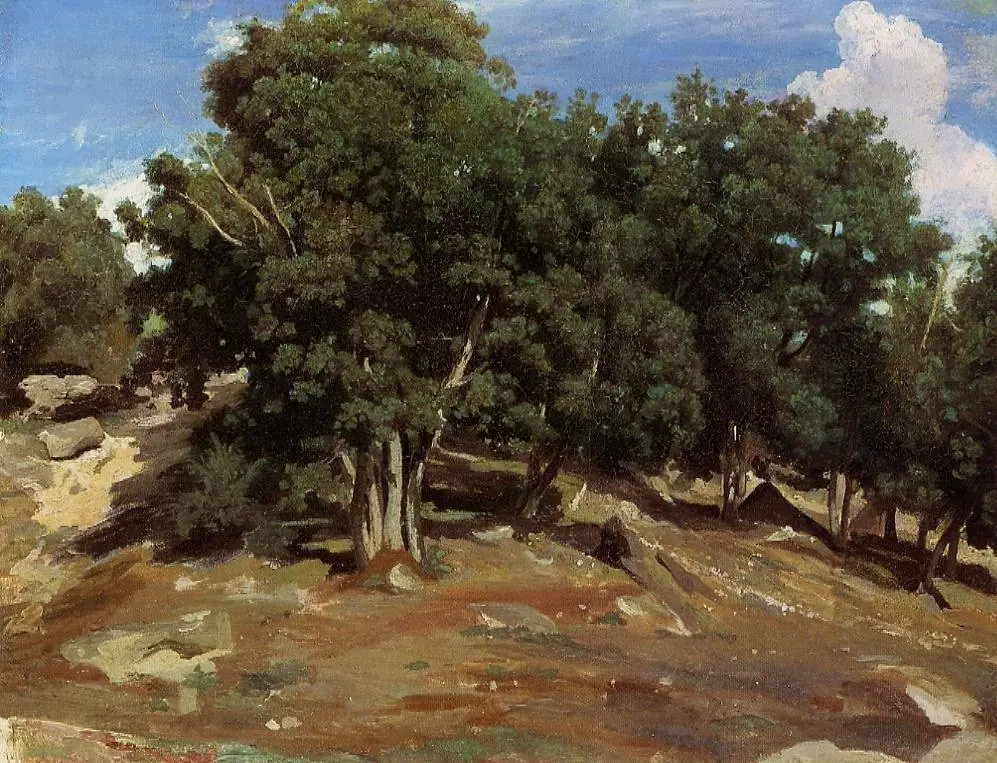
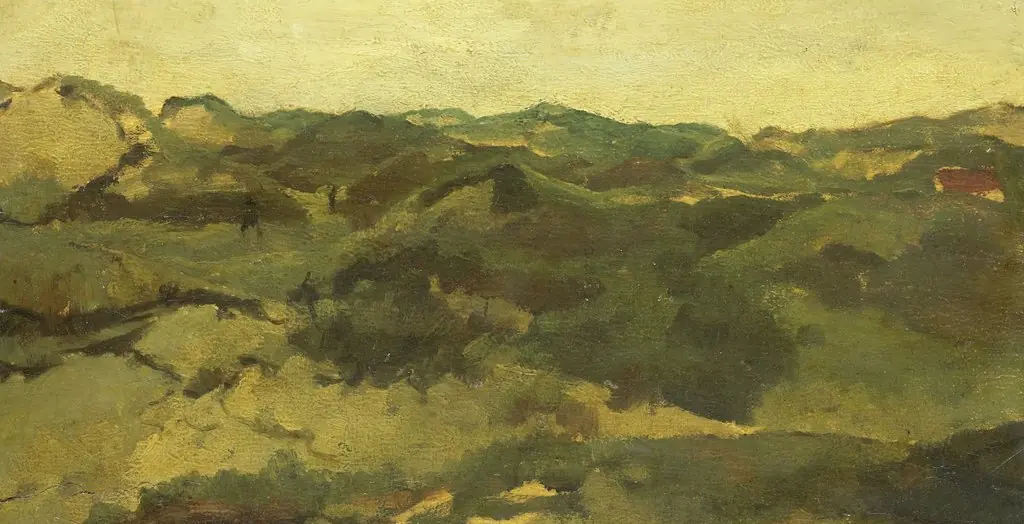
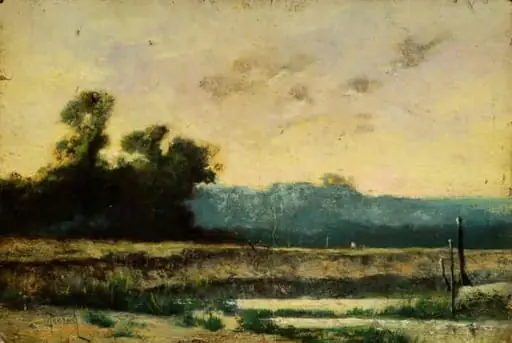
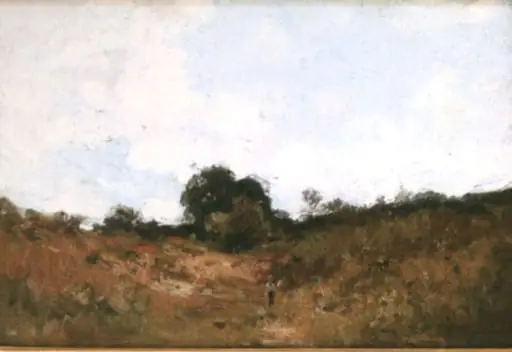
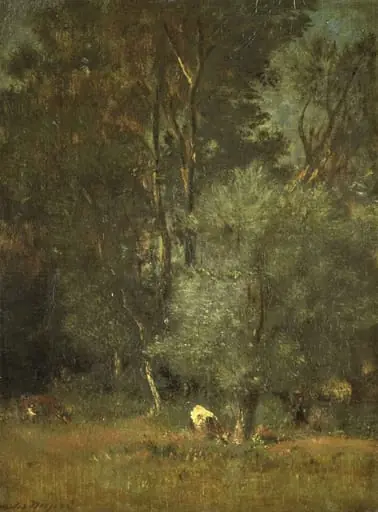
Sand Bank with Willows, Magnolia is an oil painting by the American Impressionist artist William Morris Hunt. It dates from 1877 and is held in the collection of the Metropolitan Museum of Art.
- Accession no.
- 38.153
- Credit line
- Gift of Francis M. Weld, 1938
About this work
Subject & Meaning
The composition emphasizes the presence of trees within a broader pastoral setting, reflecting the era's interest in detailed observation of nature.
The painting titled Sand Bank with Willows, Magnolia, completed by William Morris Hunt in 1877, is an oil on canvas work held in the American Wing of the Metropolitan Museum of Art. It portrays a riverbank landscape dominated by willow trees and a magnolia, exemplifying naturalistic American scenery typical of 19th-century landscape painting. The composition emphasizes the presence of trees within a broader pastoral setting, reflecting the era's interest in detailed observation of nature.
Technique & Style
Sand Bank with Willows, Magnolia is executed in oil on canvas. The painting is a horizontally oriented landscape composition, measuring approximately 61 cm in height by 106.7 cm in width, a format well suited to its panoramic riverbank subject. Held within the Metropolitan Museum of Art's American Wing, the canvas reflects Hunt's characteristic plein-air approach to American scenery.
History & Provenance
Sand Bank with Willows, Magnolia is an oil-on-canvas landscape painting created by William Morris Hunt in 1877. The work measures 61 cm in height and 106.7 cm in width and is accessioned under inventory number 77.10 at the Metropolitan Museum of Art, where it is held within The American Wing. The specific commission details or earlier ownership chain prior to the museum's acquisition are not documented in available records.
Overview
William Morris Hunt's Sand Bank with Willows, Magnolia, painted in 1877, is an oil on canvas landscape. This work exemplifies the artist's dedication to natural scenes following his return to the United States. It reflects his engagement with the American Impressionist movement, showcasing a serene depiction of trees and a sand bank. The painting highlights Hunt's significant role as a prominent landscape artist in Boston during this period.
Context
William Morris Hunt's artistic development was significantly shaped by his studies in Paris, particularly under Jean-François Millet, and his association with the Barbizon artists' colony. Upon returning to America, Hunt became a leading landscape painter in Boston, applying these European influences to American subjects. He was instrumental in fostering a Barbizon-inspired artistic community in the United States, advocating for a direct engagement with nature.
Artist & collection
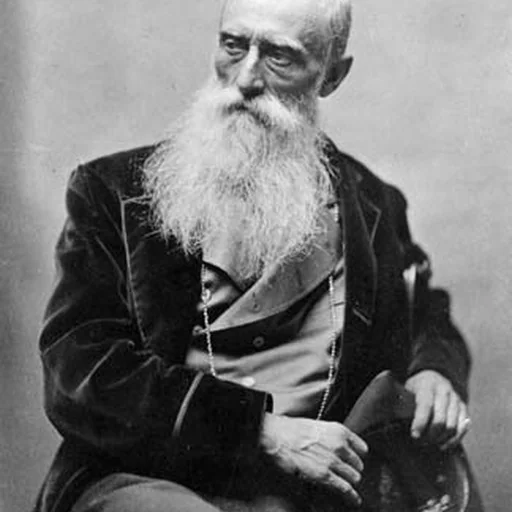
Artist
William Morris Hunt (March 31, 1824 – September 8, 1879) was an American painter.