Artwork
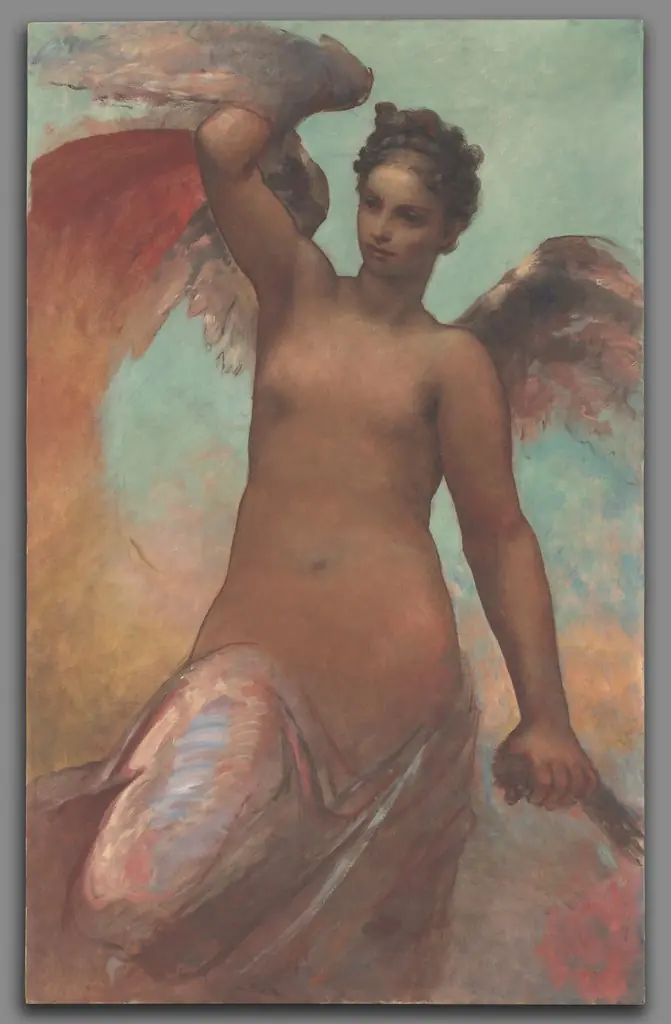
Fortune: A Study for "The Discoverer"
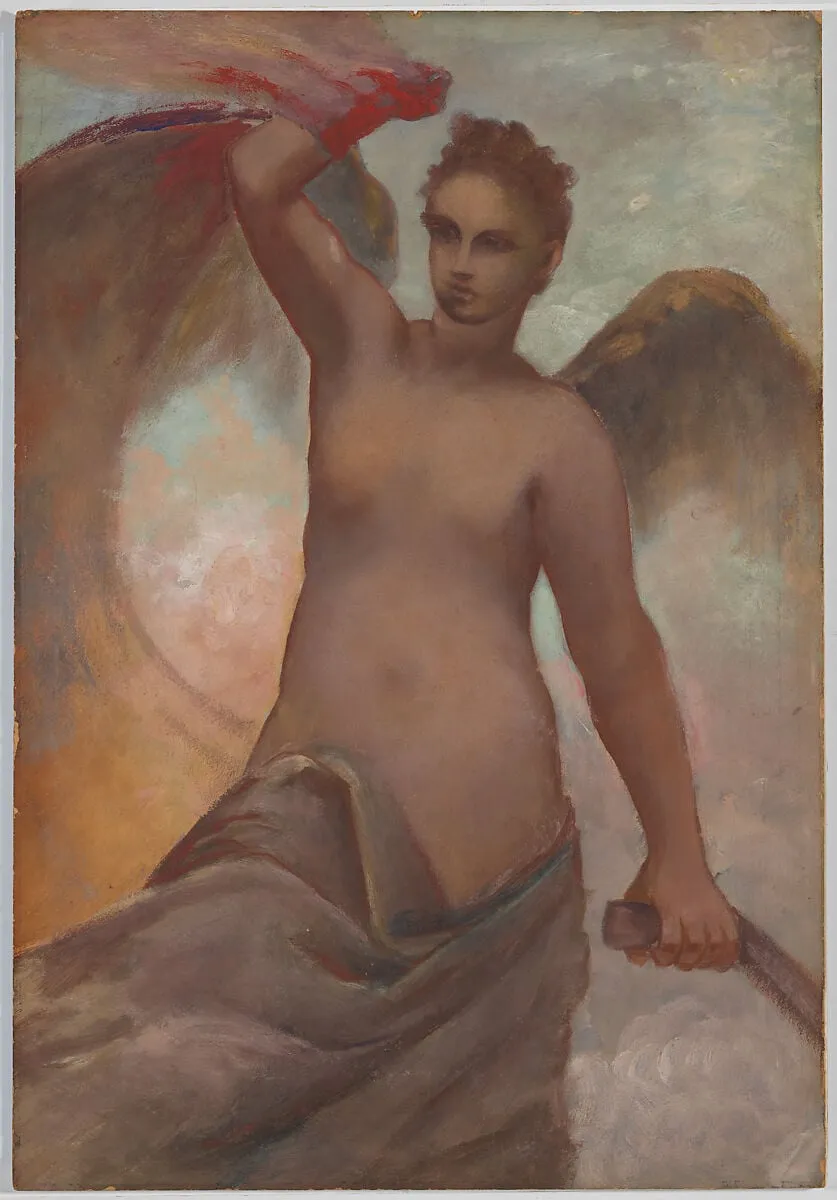
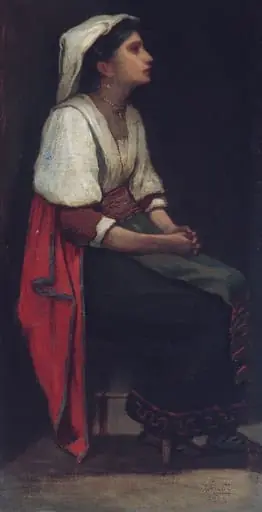
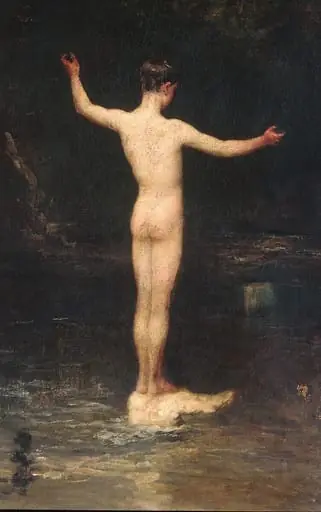
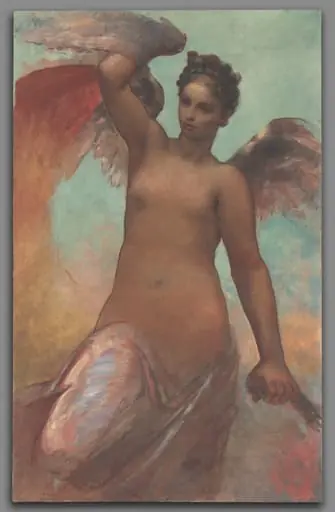
Fortune: A Study for "The Discoverer" is an oil painting by the American Impressionist artist William Morris Hunt. It dates from 1878 and is held in the collection of the Metropolitan Museum of Art.
- Accession no.
- 11.34.1
- Credit line
- Rogers Fund, 1911
About this work
Subject & Meaning
Fortune: A Study for "The Discoverer" presents an allegorical male figure that embodies the personification of Fortune within a religious context.
Fortune: A Study for "The Discoverer" presents an allegorical male figure that embodies the personification of Fortune within a religious context. The work, painted by William Morris Hunt in 1878 on oil on paper, functions as a preparatory study for the larger composition "The Discoverer" and employs traditional iconography of a man to symbolize divine favor and the promise of discovery. Its subject reflects themes of revelation and material blessing, aligning with the genre of religious art as recorded in the Metropolitan Museum of Art’s collection records.
Technique & Style
Fortune: A Study for "The Discoverer" is executed in oil on paper, a support choice that identifies the work as a preparatory study rather than a finished canvas. The Metropolitan Museum of Art cataloguing records the medium simply as oil on paper, with dimensions of approximately 94 by 64.1 centimeters, indicating a relatively large-scale study worked on a flexible support. Hunt's handling of the oil medium on paper allowed for fluid exploration of the allegorical figure, a man personifying Fortune, while retaining the spontaneity associated with a working sketch.
The work is classified within the museum's American Wing and categorized as religious in genre, reflecting the symbolic and allegorical character of the composition. No condition issues, surface treatment notes, or stylistic descriptors are documented in the available records.
History & Provenance
Fortune: A Study for "The Discoverer" was created by William Morris Hunt in 1878 as an oil on paper study. The work was later acquired by the Metropolitan Museum of Art, where it remains in the collection. Hunt’s preparatory intent for the study ties it to a larger composition titled "The Discoverer," aligning its dating and conceptual origin within the artist’s late 1870s output.
The painting’s inclusion in the Metropolitan Museum of Art’s holdings reflects its institutional recognition as part of Hunt’s allegorical religious genre works.
Fortune: A Study for "The Discoverer" is held by the Metropolitan Museum of Art in New York, where it is classified within the American Wing. The work, created by William Morris Hunt in 1878, is an oil on paper painting measuring 94 cm in height and 64.1 cm in width. While the provided sources confirm its current location and physical dimensions, they do not list a specific inventory or accession number for the piece.
Furthermore, the available documentation contains no information regarding the artwork's exhibition history or previous public displays. The painting depicts allegorical figures, specifically a man, and is categorized under religious art.
Overview
William Morris Hunt's Fortune: A Study for "The Discoverer" from 1878 is an oil on paper work. It functions as a preliminary exploration for a larger composition, embodying a religious allegory. This piece showcases Hunt's interest in symbolic narratives, presenting a contemplative figure whose surroundings hint at intellectual endeavor and the pursuit of knowledge.
Context
William Morris Hunt was a prominent American artist, having refined his skills in Paris under Jean-François Millet, a key figure of the Barbizon school. Upon returning to the United States, Hunt became a leading painter in Boston, where he established a group influenced by Barbizon principles. His election to the National Academy of Design in 1871 further solidified his standing, reflecting his significant impact on American art.
Artist & collection
Artist
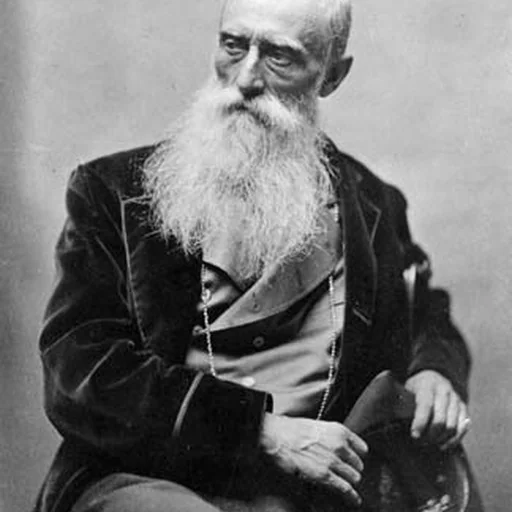
William Morris Hunt (March 31, 1824 – September 8, 1879) was an American painter.