Artwork
J. M. Carlisle
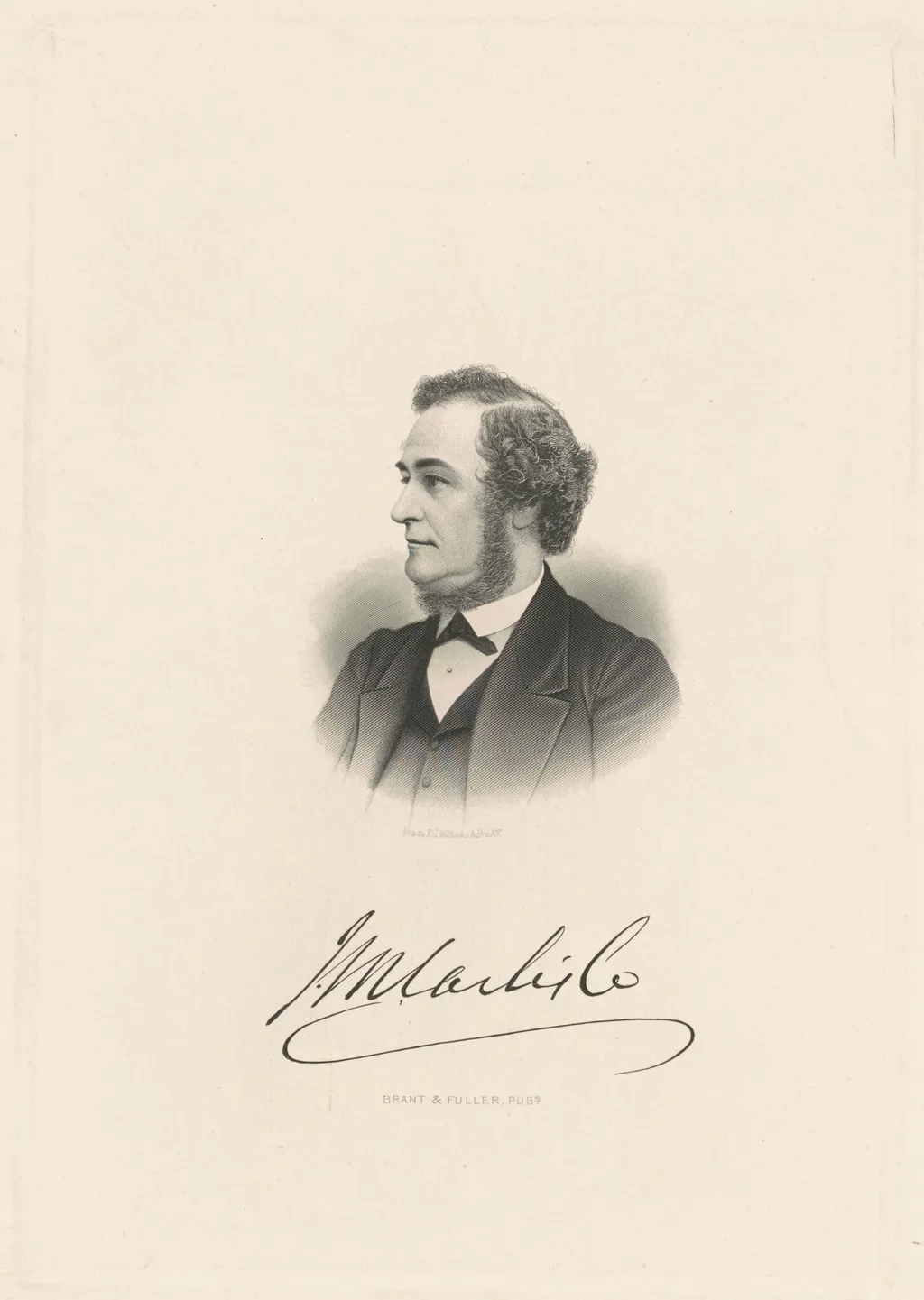
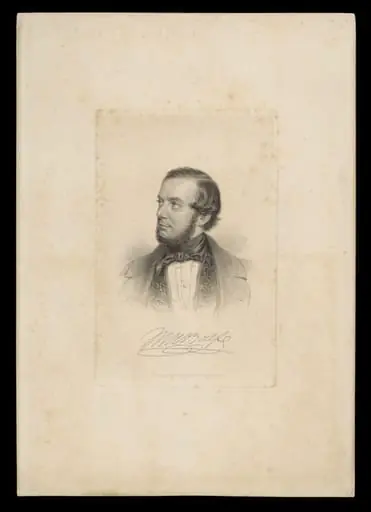
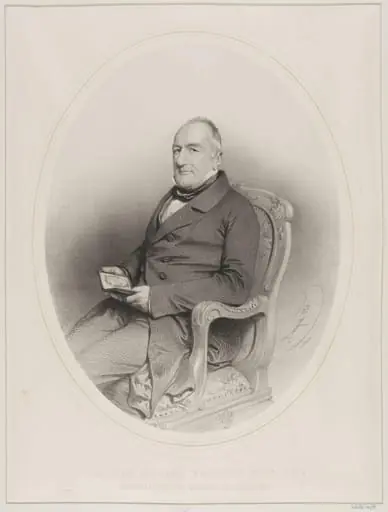
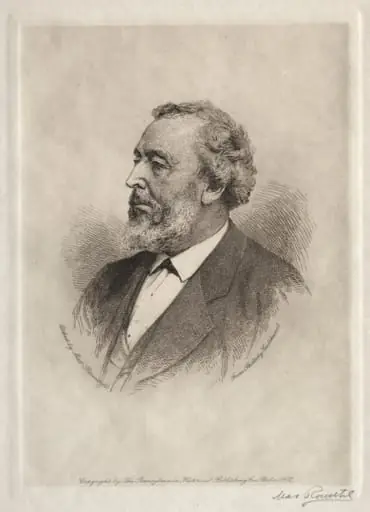
J. M. Carlisle is an ink print by the Impressionist artist E. G. Williams & Bros.. It dates from 1874 and is held in the collection of the National Gallery of Art. This black ink engraving on wove paper dates to approximately 1874 and was produced by Williams & Bros.
- Inscription
- Inscribed:text at bottom in plate: Eng. by E.G. WIlliams & Bro. NY / J.M. Carlisle / Brant & Fuller, Pubs.
About this work
Overview
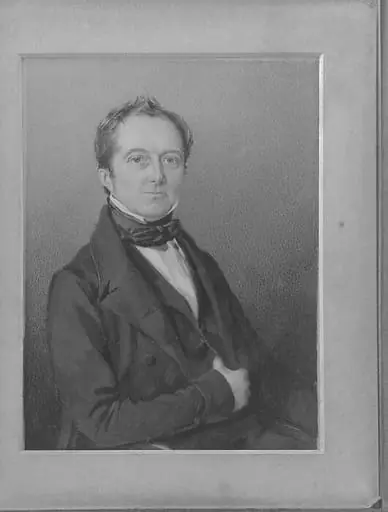
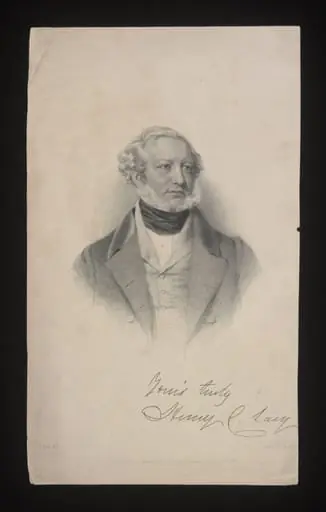
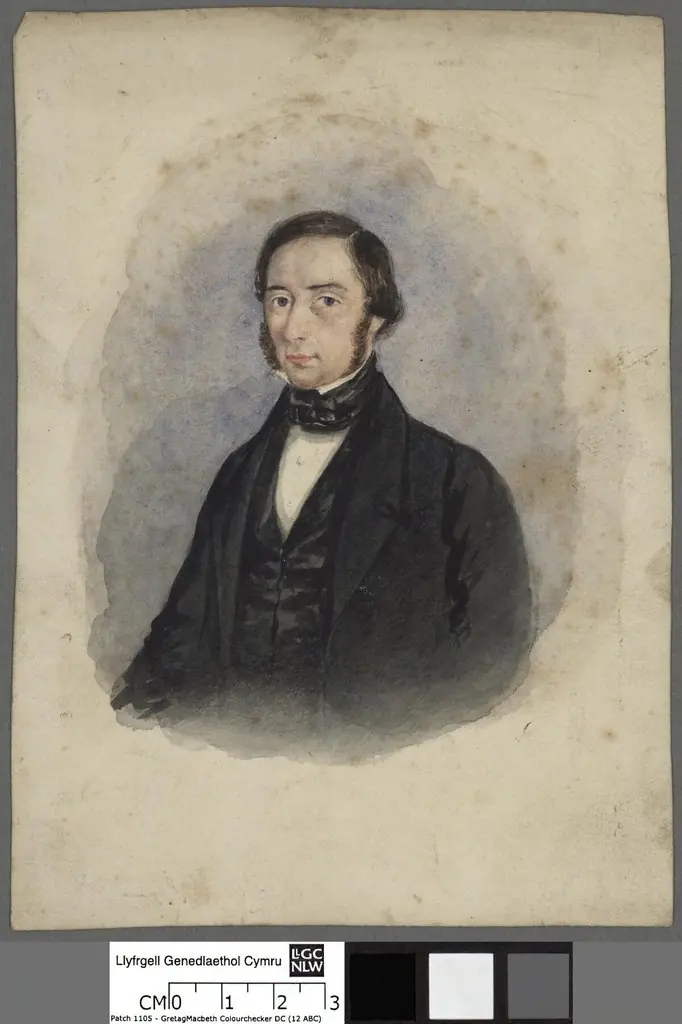
This black ink engraving on wove paper dates to approximately 1874 and was produced by Williams & Bros., E. G. It portrays a man identified as J. M. Carlisle, rendered with precise linear detail characteristic of 19th-century reproductive engraving. The composition is tightly focused on the sitter’s upper body against an unadorned background, emphasizing portraiture over narrative context.
Subject & Meaning
The formal attire, dark jacket, vest, white shirt, and bow tie, aligns with mid-Victorian male dress codes for public or official representation.
The subject, J. M. Carlisle, is depicted with a composed, solemn expression and meticulously groomed facial hair, suggesting a professional or respected status. The formal attire, dark jacket, vest, white shirt, and bow tie, aligns with mid-Victorian male dress codes for public or official representation. The portrait functions as a dignified likeness, likely intended for institutional or familial circulation.
Technique & Style
The image is executed in fine-line engraving, using cross-hatching to model form and suggest texture in the hair, fabric, and skin. The wove paper’s smooth surface enhances the clarity of the lines, allowing subtle gradations of tone. The absence of tonal washes or shading beyond line work reflects a traditional approach to reproductive prints, prioritizing precision over atmospheric effect.
History & Provenance
Produced by Williams & Bros., E. G., a known London-based print firm active in the late 19th century, the engraving was likely made for publication or private commission. No documented exhibition or collection history is widely recorded, suggesting it may have circulated as a modestly distributed portrait, common for professional figures of the era.
Context
In the 1870s, engraved portraits remained a standard medium for disseminating likenesses of public figures before widespread photographic reproduction. This work reflects the persistence of handcrafted printmaking in an age of emerging photographic technology, serving as a bridge between traditional portraiture and modern visual documentation.
Legacy
As a representative example of late Victorian reproductive engraving, the print illustrates the technical skill and aesthetic values of its time. Though not attributed to a major artist, it contributes to the broader archive of 19th-century portraiture, preserving the visual identity of individuals who might otherwise have been overlooked in art historical records.
Own this work as a print
Artist & collection