Artwork
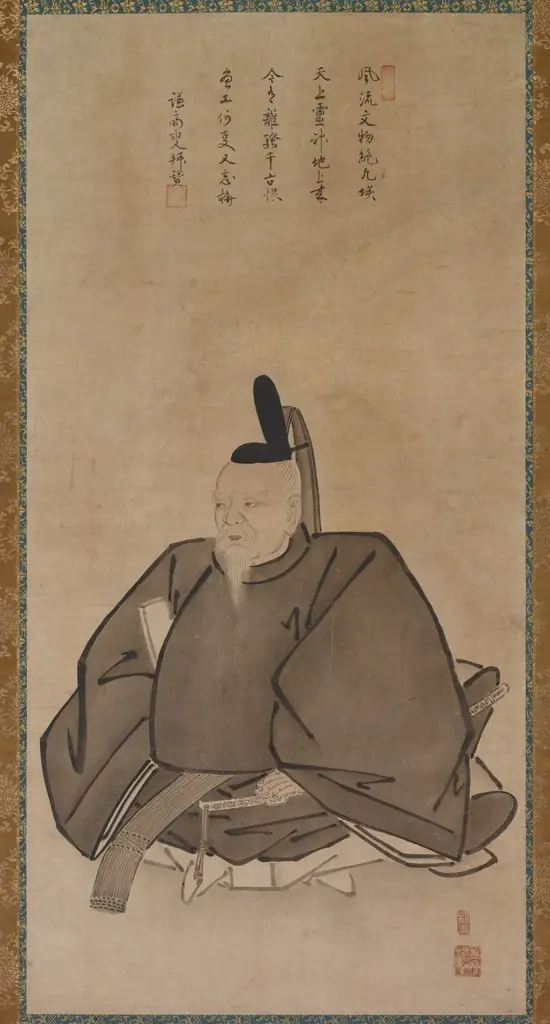
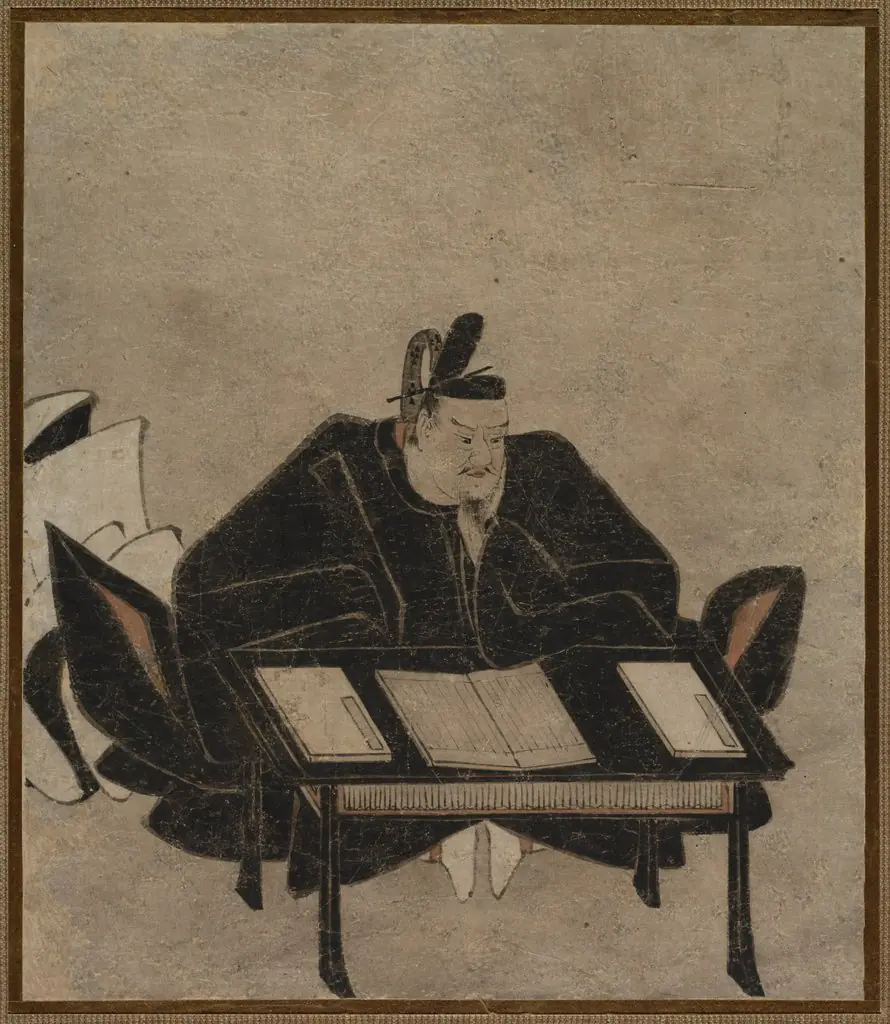
Portrait of Sugawara Michizane
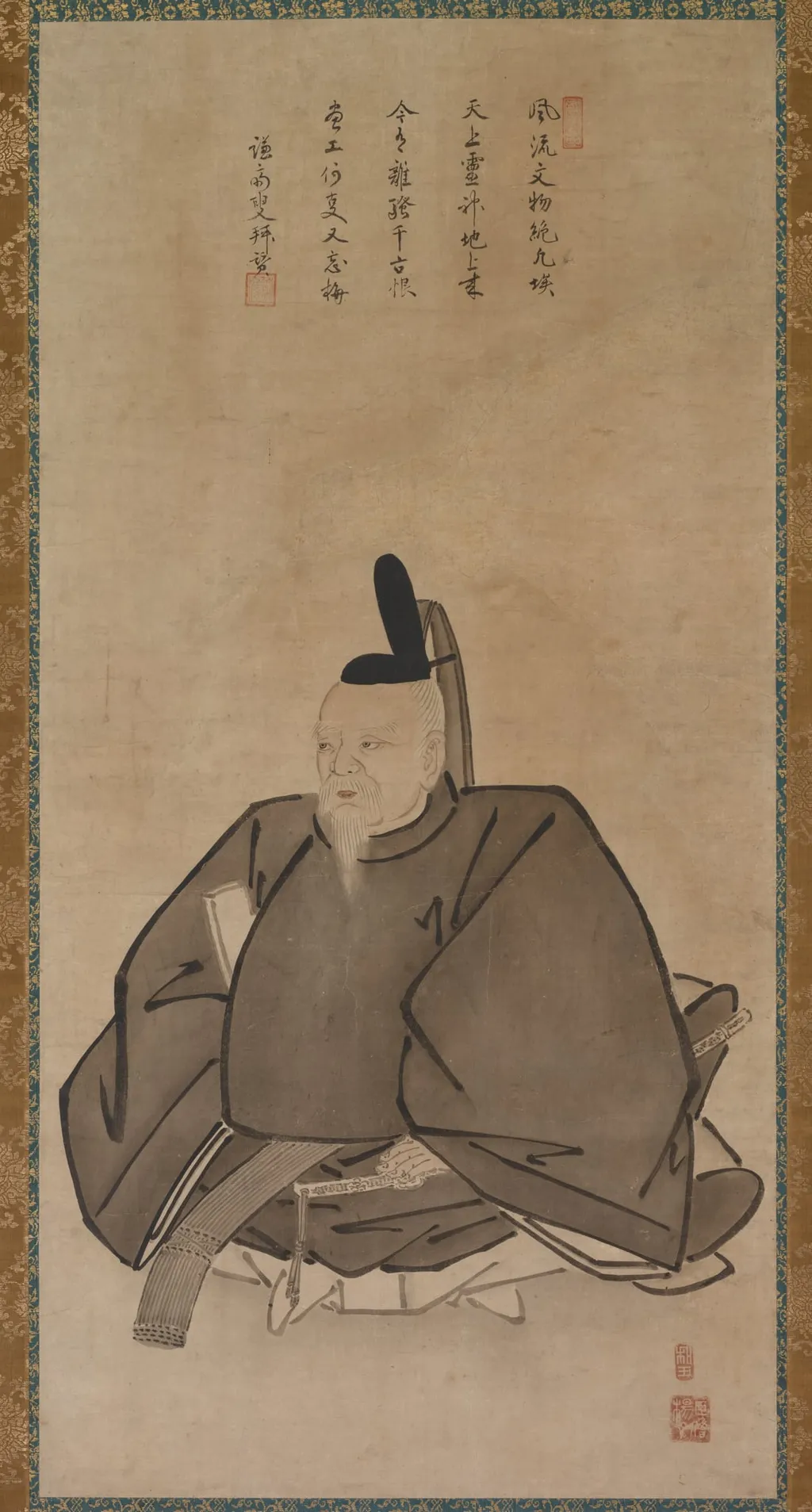
Portrait of Sugawara Michizane is an unspecified painting by the Joseon dynasty painting artist Yōgetsu. It dates from 1500 and is held in the collection of the Cleveland Museum of Art.
- Accession no.
- 2015.491
- Credit line
- Gift from the Collection of George Gund III
About this work
Overview
The work is a painted portrait of Sugawara Michizane (845–903), a court scholar who died in exile on Kyushu after falling victim to political intrigue. Rendered in a Zen Buddhist visual tradition, the image presents him as the deified figure Tenjin, a patron of learning and poetry.
Subject & Meaning
Michizane’s posthumous veneration transformed him from a disgraced official into a protective deity of scholarship. The portrait reflects this shift, portraying him with serene composure, embodying the calm authority associated with the Tenjin cult that arose to appease his restless spirit.
Technique & Style
Executed by the monk‑painter Yōgetsu of Kyushu, the piece employs Chinese-inspired brushwork typical of Zen figure painting, integrating subtle ink washes with delicate coloration. The composition follows conventions used for bodhisattvas and Daoist immortals, emphasizing spiritual presence over realistic detail.
History & Provenance
The painting bears an inscription by the renowned monk Sakugen Shūryō (1501–1579), indicating its creation in the mid‑16th century. Yōgetsu, originally from Kyushu, is known to have traveled eastward to study in either Kyoto or Kamakura, bringing regional influences into his work.
Context
During the Muromachi period, the Tenjin cult gained prominence, and portraits of Sugawara Michizane were incorporated into the visual repertoire of Zen temples. This integration linked the scholar’s historical narrative with broader Buddhist and Daoist iconography, reinforcing his role as a protective, enlightened figure.
Artist & collection


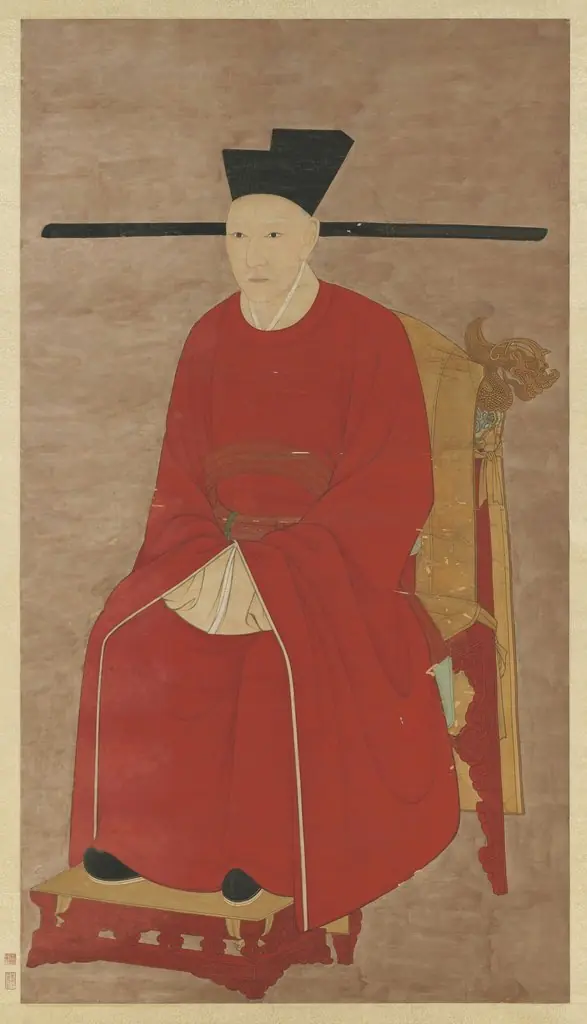 Seated Portrait of Emperor Gaozong
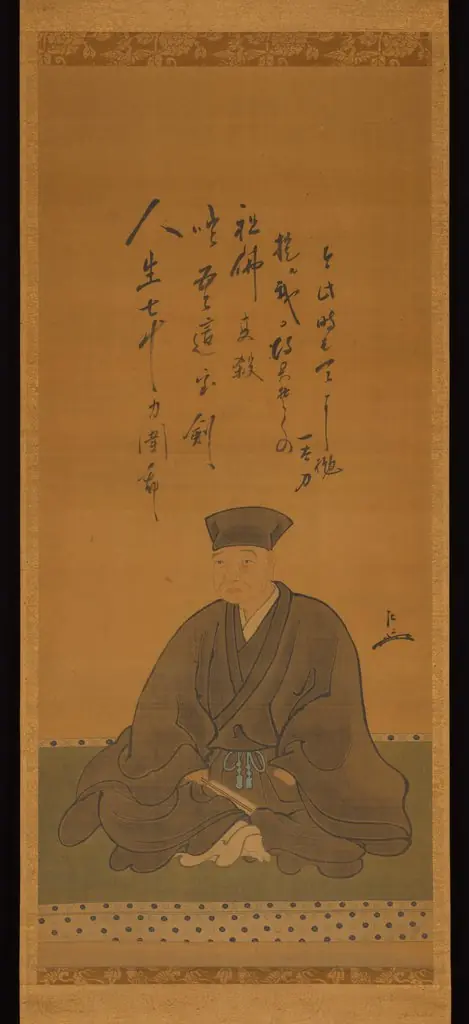 Portrait of Sen no Rikyū with his Death Poem
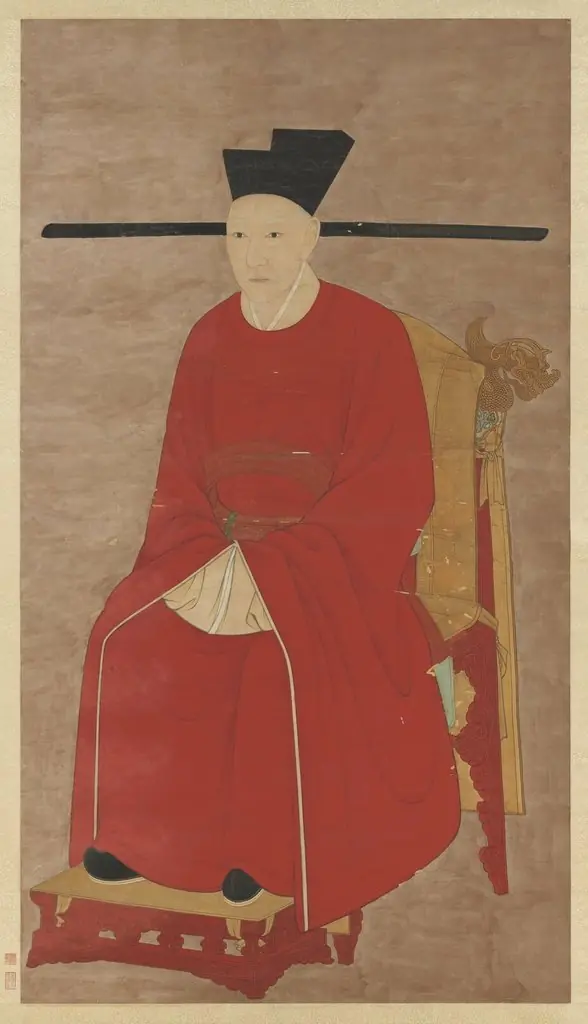 宋高宗坐像 軸
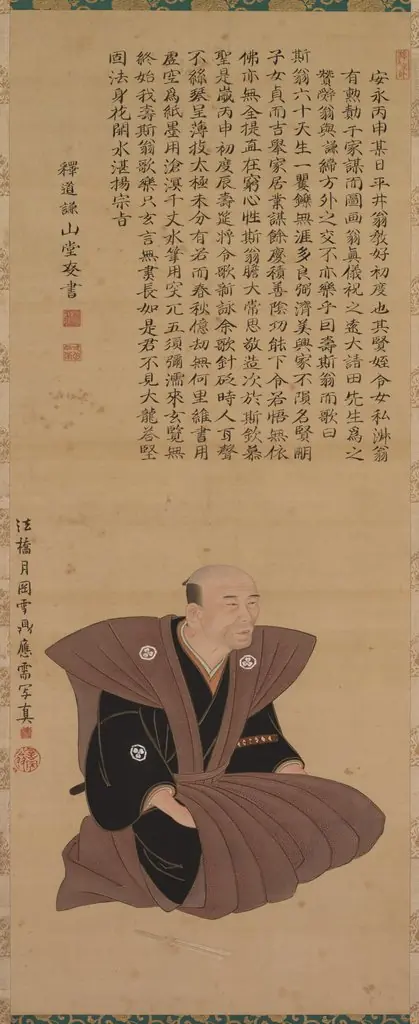 Pair of Portraits of Samurai-Officials: Hirai Kyosei and Hirai Rinsei
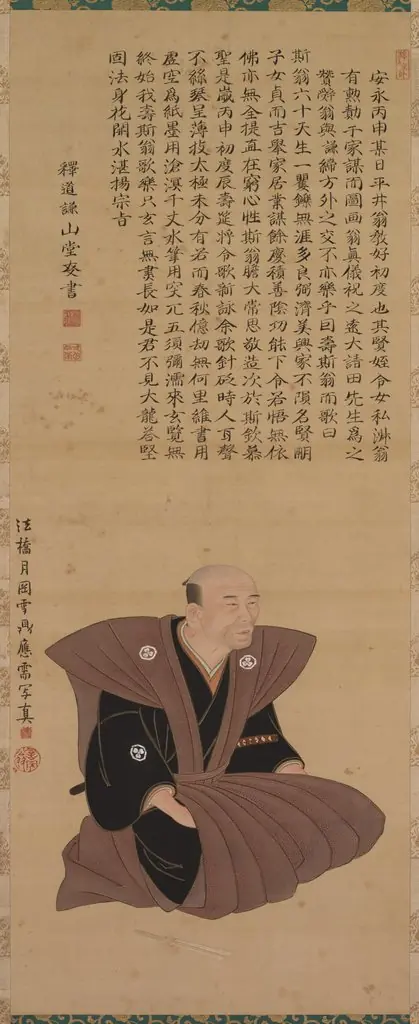 Portrait of Samurai-Official: Hirai KyoseiHirai Kyosei
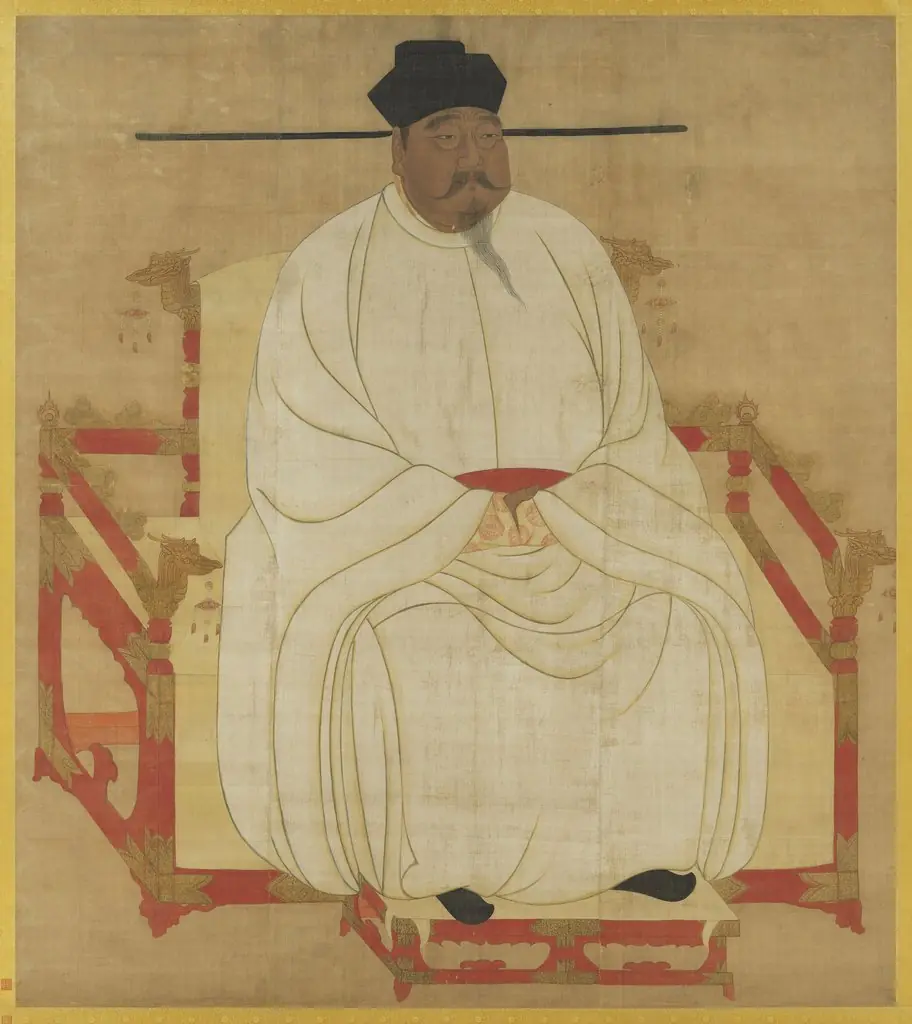 Seated Portrait of Song Taizu
 Portrait of Samurai-Official: Hirai KyoseiHirai Kyosei
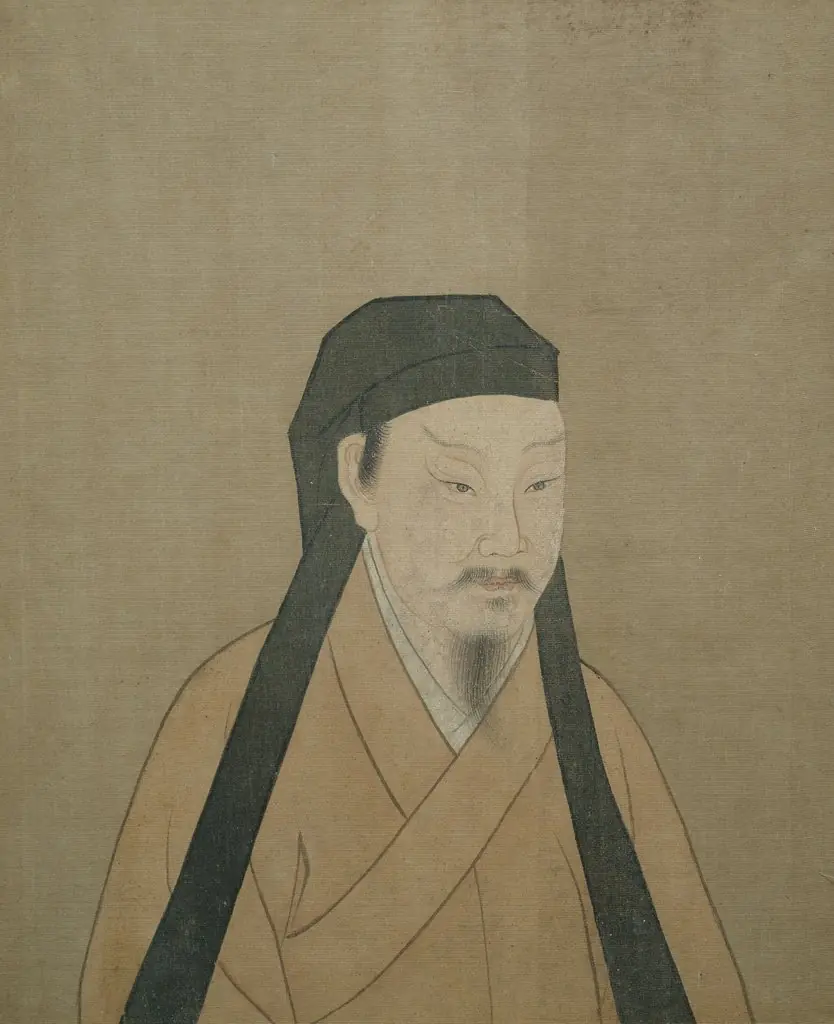 Portrait of a Gentleman
 Seated Official
 宋真宗坐像
宋真宗坐像 Portrait of a Gentleman