Artwork
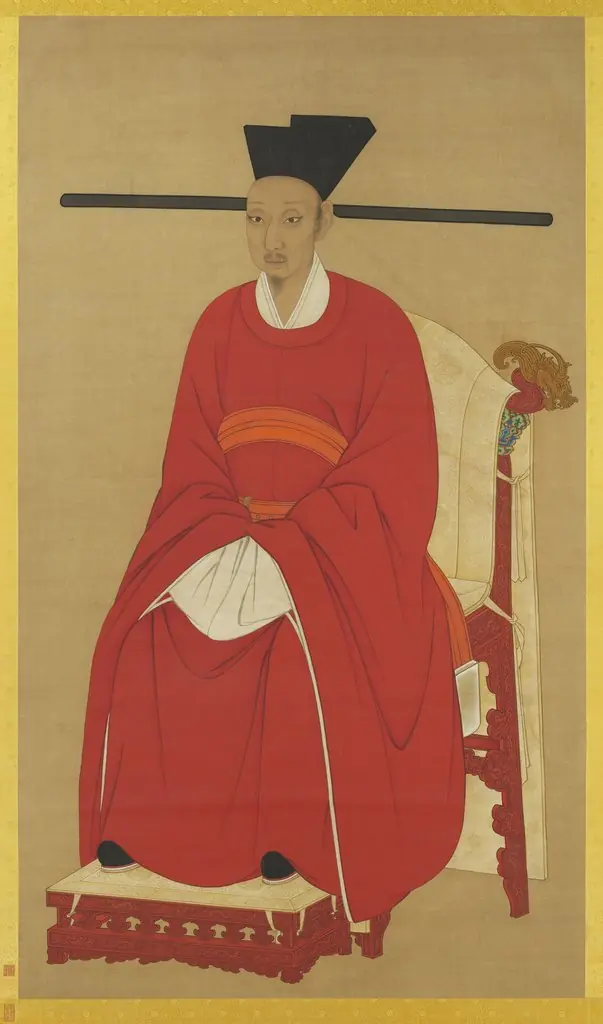
Seated Portrait of Emperor Gaozong
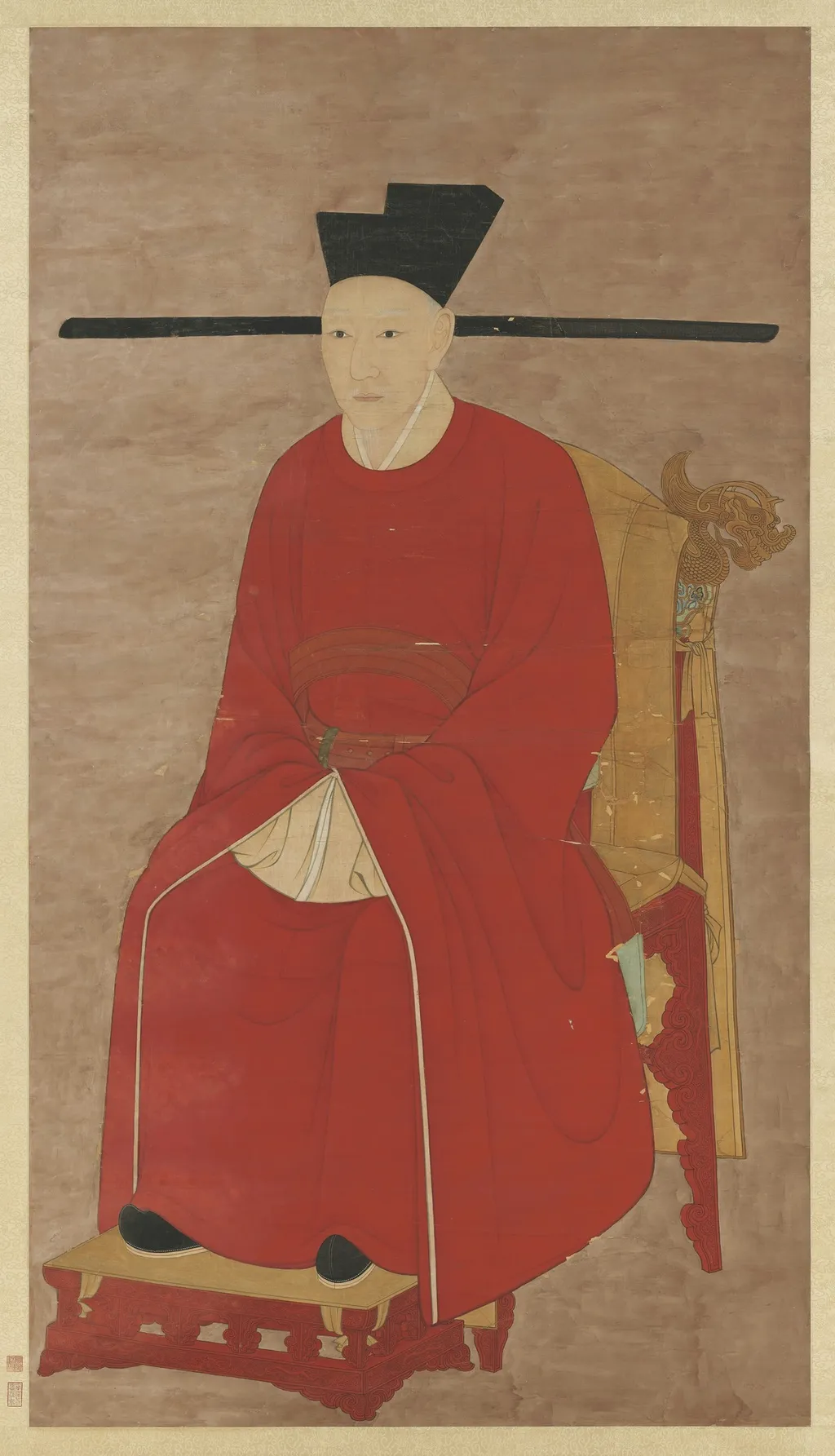
Seated Portrait of Emperor Gaozong is an ink painting by the Song dynasty landscape artist Unknown. It dates from 1200 and is held in the collection of the National Palace Museum.
About this work
Overview
His attire and accessories signal imperial status, while the restrained palette and controlled composition reflect courtly conventions of the period.
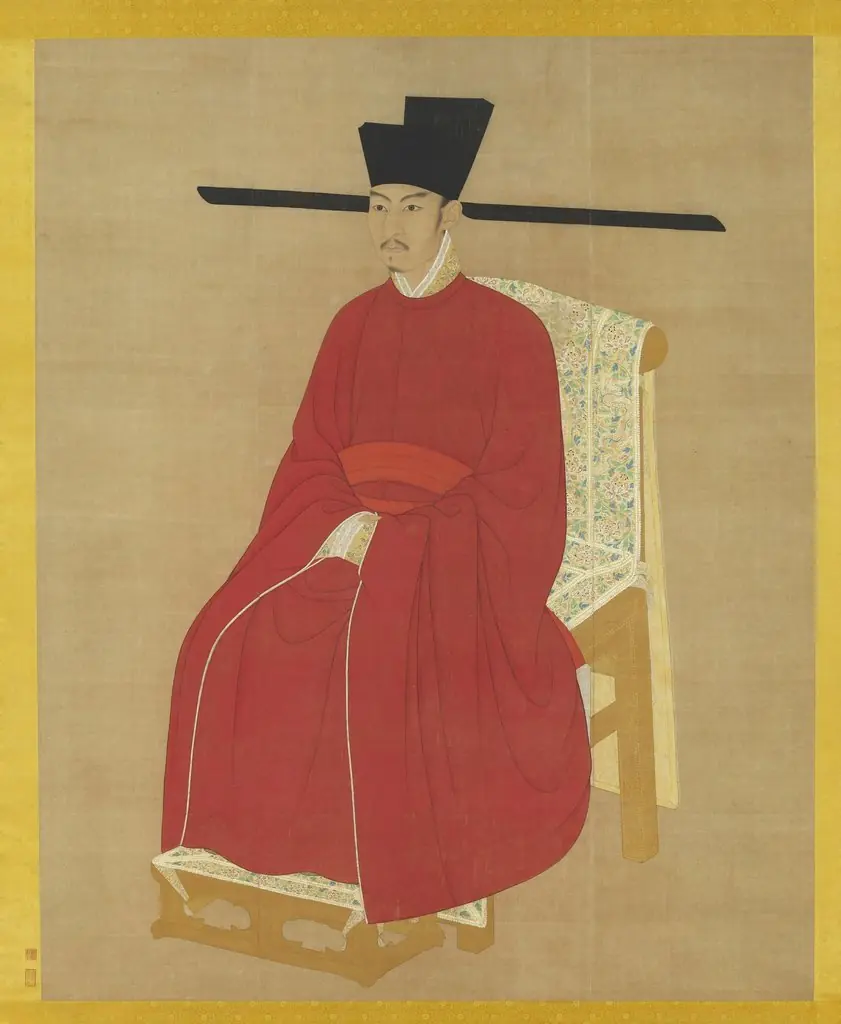
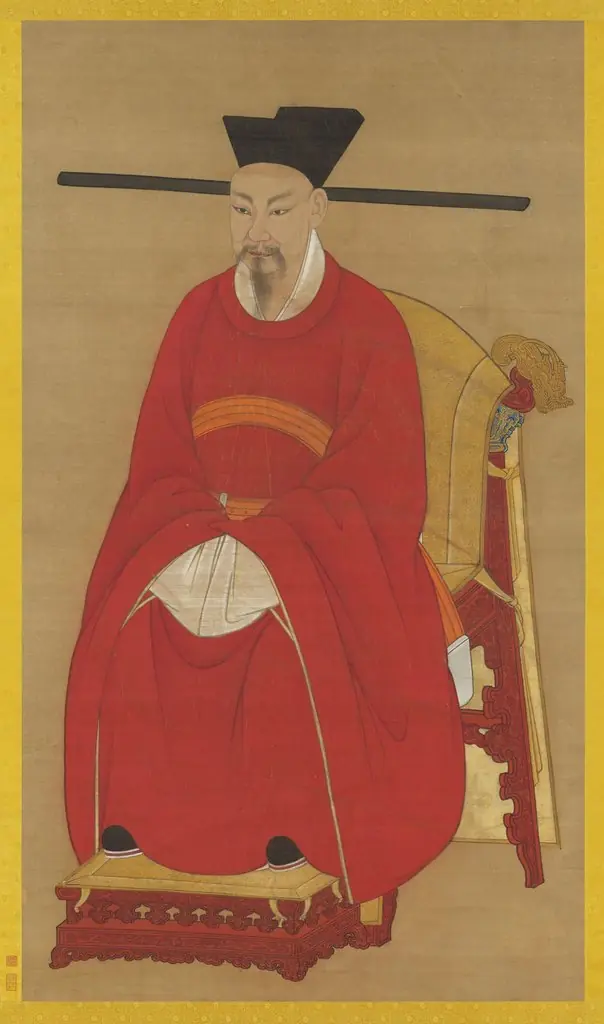
This silk painting presents a formal seated portrait of Emperor Gaozong, likely from the Southern Song dynasty. The figure is rendered with careful attention to detail, set against a plain brown background that focuses attention entirely on the subject. His attire and accessories signal imperial status, while the restrained palette and controlled composition reflect courtly conventions of the period.
Subject & Meaning
The emperor is depicted in ceremonial dress: a red robe with white lining, a black hat, and a long white cord around the neck, symbols of rank and ritual authority. The white fan in his lap suggests composure and restraint, common traits idealized in imperial portraiture. The image does not convey action or emotion but rather enduring presence, reinforcing the emperor’s role as a stabilizing, almost timeless figure.
Technique & Style
The painting employs fine brushwork and subtle tonal gradations to model the folds of fabric and the contours of the face. While not using Western chiaroscuro, the artist achieves depth through layered washes and precise line control. The silk support allows for delicate detail, particularly in the texture of the robe and the smoothness of the hat’s surface, emphasizing craftsmanship over dramatic lighting.
History & Provenance
The portrait likely originated in the Southern Song imperial atelier, where official portraits were produced to affirm dynastic legitimacy. Its survival suggests it was preserved in court collections or temple archives. No definitive record of its early ownership exists, but its materials and style align with documented imperial commissions from the 12th century.
Context
During Gaozong’s reign, the Song court had relocated south after losing northern territories, making visual representations of imperial authority especially vital. Portraits like this served both ceremonial and political functions, reinforcing continuity amid instability. The emphasis on stillness and regalia reflects a broader cultural turn toward introspection and ritual formality in Southern Song art.
Legacy
This portrait exemplifies the Southern Song preference for restrained, psychologically muted imperial imagery. It influenced later dynastic portraiture in China, where formal dress and composed demeanor remained central to depicting rulers. Though not widely reproduced, its stylistic discipline became a model for official representation in East Asian courts.
Artist & collection