Artwork
Egret and Reeds
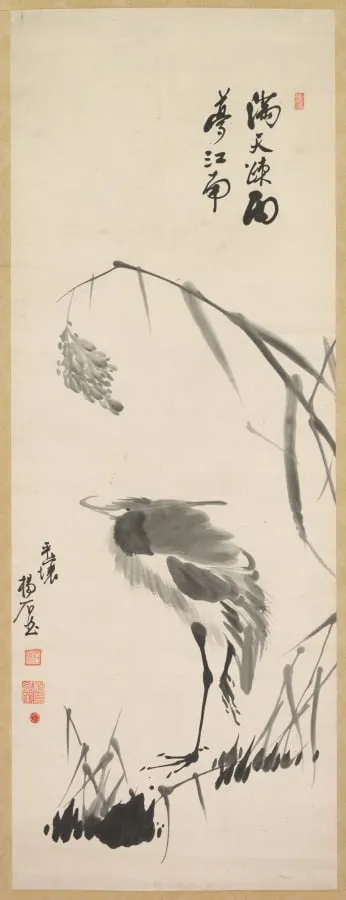
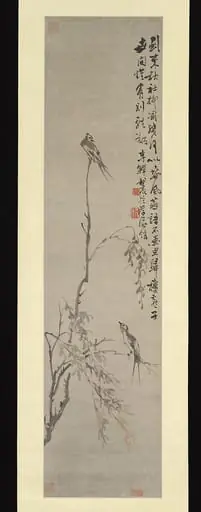
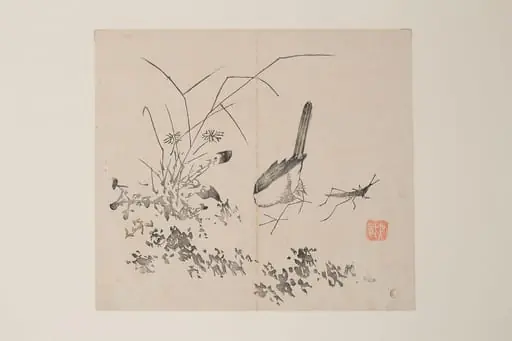
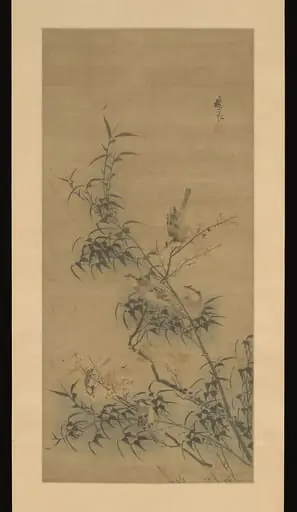
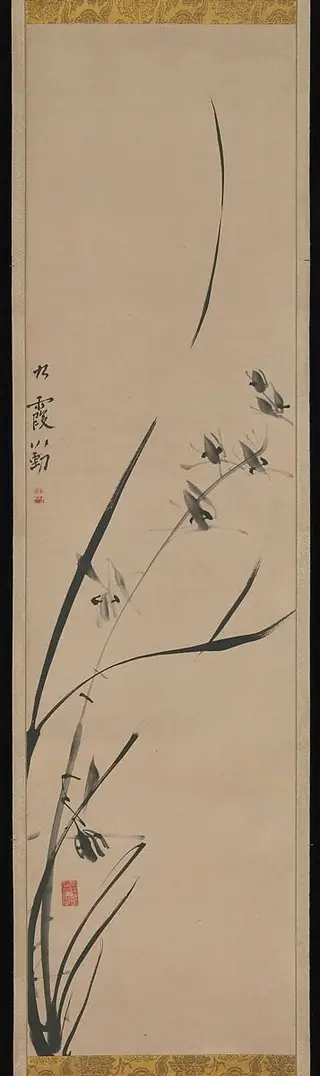
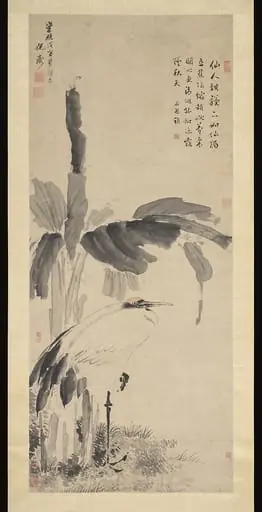
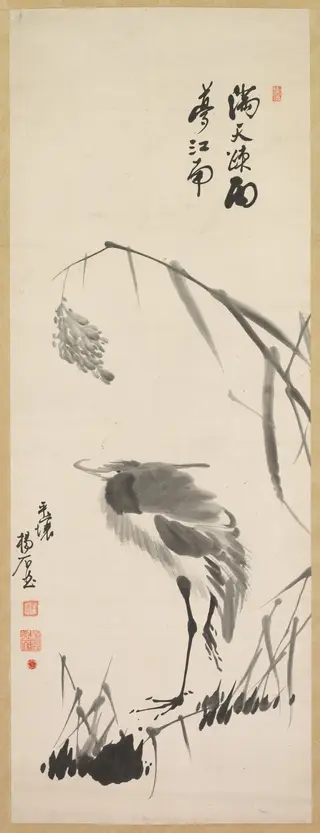
Egret and Reeds is an unspecified painting by the Impressionist artist Yang Ki-hun (Seuk-Eun). It dates from 1804 and is held in the collection of the Cleveland Museum of Art. This hanging scroll depicts a solitary white egret poised on one leg amid a cluster of tall, wind‑swept reeds.
- Accession no.
- 2015.509
- Credit line
- Gift from the Collection of George Gund III
About this work
In the Joseon dynasty, these images carried quiet meanings: purity, patience, the passing of seasons.
A white egret stands in tall green reeds, one leg lifted as if about to step.
Yang Ki-hun painted birds like a scientist, every feather sharp, every stalk bent by wind. But the egret and reeds weren’t just nature studies. In the Joseon dynasty, these images carried quiet meanings: purity, patience, the passing of seasons. The artist knew the Taedong River marshes well, sketching there often.
To see more of Korea’s Joseon dynasty art, look up korea, joseon dynasty (1392–1910).
Overview
This hanging scroll depicts a solitary white egret poised on one leg amid a cluster of tall, wind‑swept reeds. The scene is set on the salt‑marsh shoreline of the Taedong River estuary, a landscape that the artist, Yang Ki‑hun, frequently observed in his native Pyongyang. The composition balances the bird’s delicate form against the dense, green foliage, creating a quiet, natural tableau.
Subject & Meaning
Beyond its literal representation, the work draws on longstanding Korean symbolic conventions. The egret, with its pristine white plumage, traditionally signifies a reclusive scholarly life, while the reeds convey humility and modesty. Together they suggest a contemplative existence attuned to nature’s rhythms, reflecting the artist’s appreciation for both the fauna and the moral ideals they embody.
Technique & Style
Yang Ki‑hun renders the bird and vegetation with meticulous observation, treating each feather and reed blade as a naturalist would. Fine, precise brushwork captures the texture of the egret’s plumage, while the reeds are depicted with subtle bends that imply a gentle breeze. The overall palette is restrained, emphasizing tonal variation over vivid coloration, characteristic of Joseon‑period bird‑and‑flower painting.
History & Provenance
Born in Pyongyang, Yang Ki‑hun earned a reputation for his bird‑and‑flower subjects during the late Joseon era. The scroll likely originated from his sketches made on site at the Taedong River marshes, a favored spot for studying waterbirds. It has remained in Korean collections, serving as a representative example of the period’s naturalist approach to genre painting.
Artist & collection