Artwork
Mustapha III, Sultan of Turkey
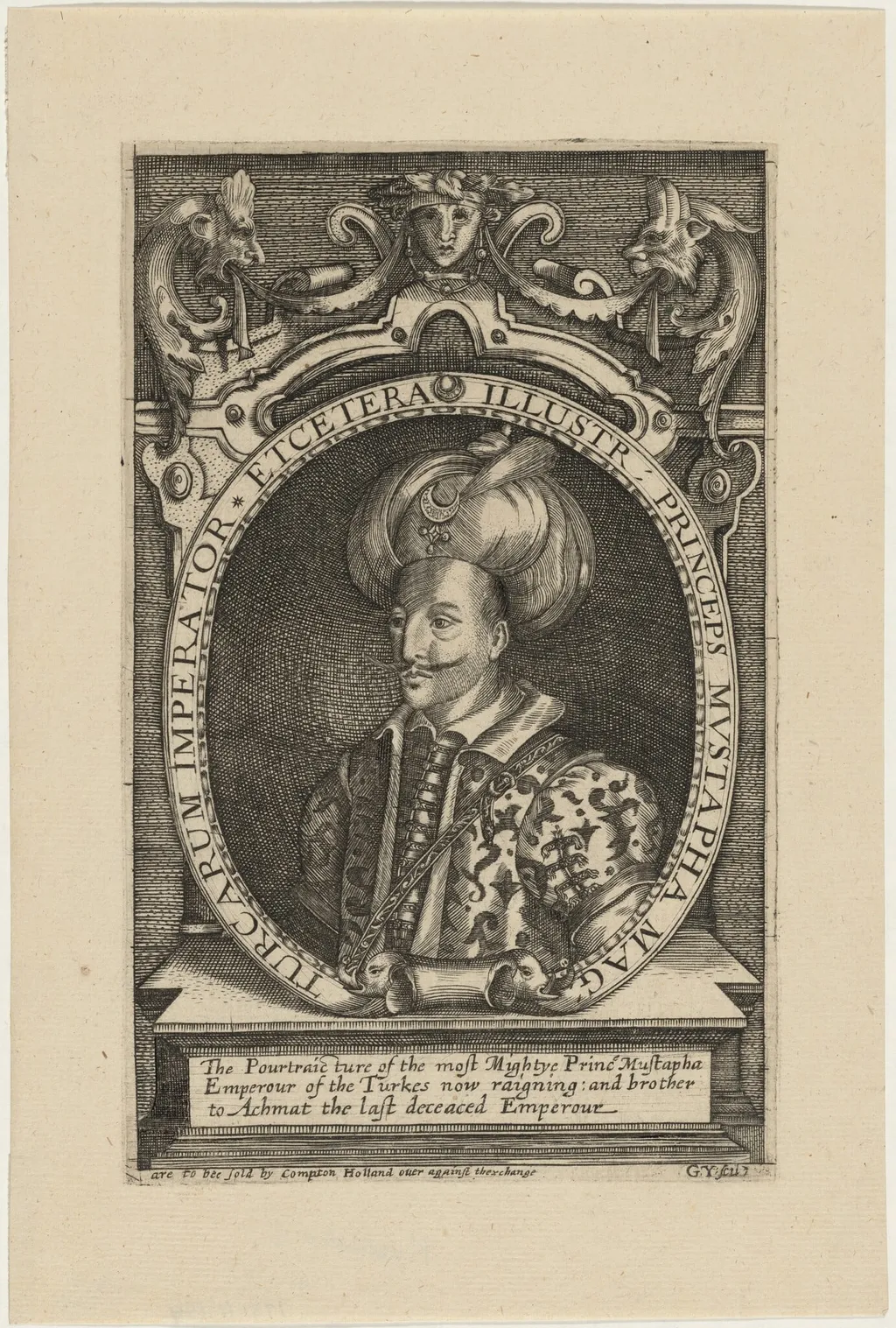
Mustapha III, Sultan of Turkey is an ink print by the Baroque artist George Yeates. It dates from 1664 and is held in the collection of the National Gallery of Art.
About this work
Overview
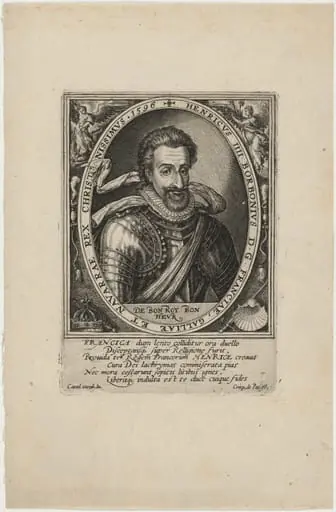
George Yeates’ 1664 engraving presents a portrait of Mustapha III, the reigning sultan of the Ottoman Empire. Rendered in black‑and‑white, the image shows the ruler in a lavishly ruffled collar, a curled wig, and a moustache, holding a rolled document. A decorative oval frame surrounds his head, topped with a crown and Latin inscription that identifies him as the "most mighty prince".
Subject & Meaning
The work functions as a formal representation of the Ottoman sovereign, emphasizing his authority through regal attire and the inclusion of a scroll, a common symbol of governance. The Latin caption, referring to Mustapha III as "Prince of Mystaria," reflects contemporary European attempts to translate Ottoman titles into familiar terms, underscoring diplomatic interest in the sultan’s person.
Technique & Style
Executed as an intaglio print, the engraving was produced by incising lines into a metal plate, which were then inked and pressed onto paper. Yeates employs fine cross‑hatching to model facial features and fabric textures, while the surrounding ornamental frame is rendered with crisp, swirling motifs that contrast with the portrait’s more subdued shading.
History & Provenance
Signed "G. Yeates" in the lower corner, the print dates to 1664, a period when European artists frequently created portrait prints of foreign rulers for a curious market. The piece likely circulated among collectors interested in Ottoman politics, though specific ownership records prior to its museum acquisition remain undocumented.
Own this work as a print
Artist & collection

- Turkish sultans, sultanas and other historical figures
 Turkish sultans, sultanas and other historical figures
 Turkish sultans, sultanas and other historical figures
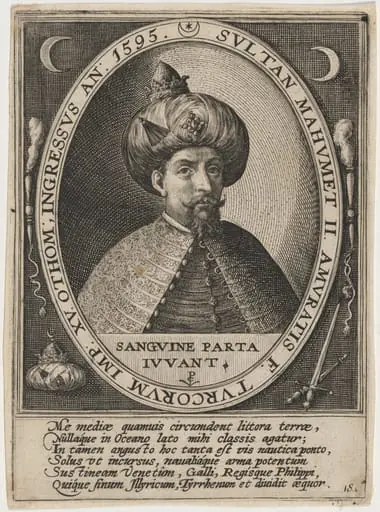 Mehmed II, Sultan of Turkey
 Turkish sultans, sultanas and other historical figures
 Turkish sultans, sultanas and other historical figures
 Turkish sultans, sultanas and other historical figures
 Turkish sultans, sultanas and other historical figures
 Turkish sultans, sultanas and other historical figures
 Turkish sultans, sultanas and other historical figures
 Turkish sultans, sultanas and other historical figures
 Henry IV, King of France