Artwork
Puppy Playing with a Pheasant Feather
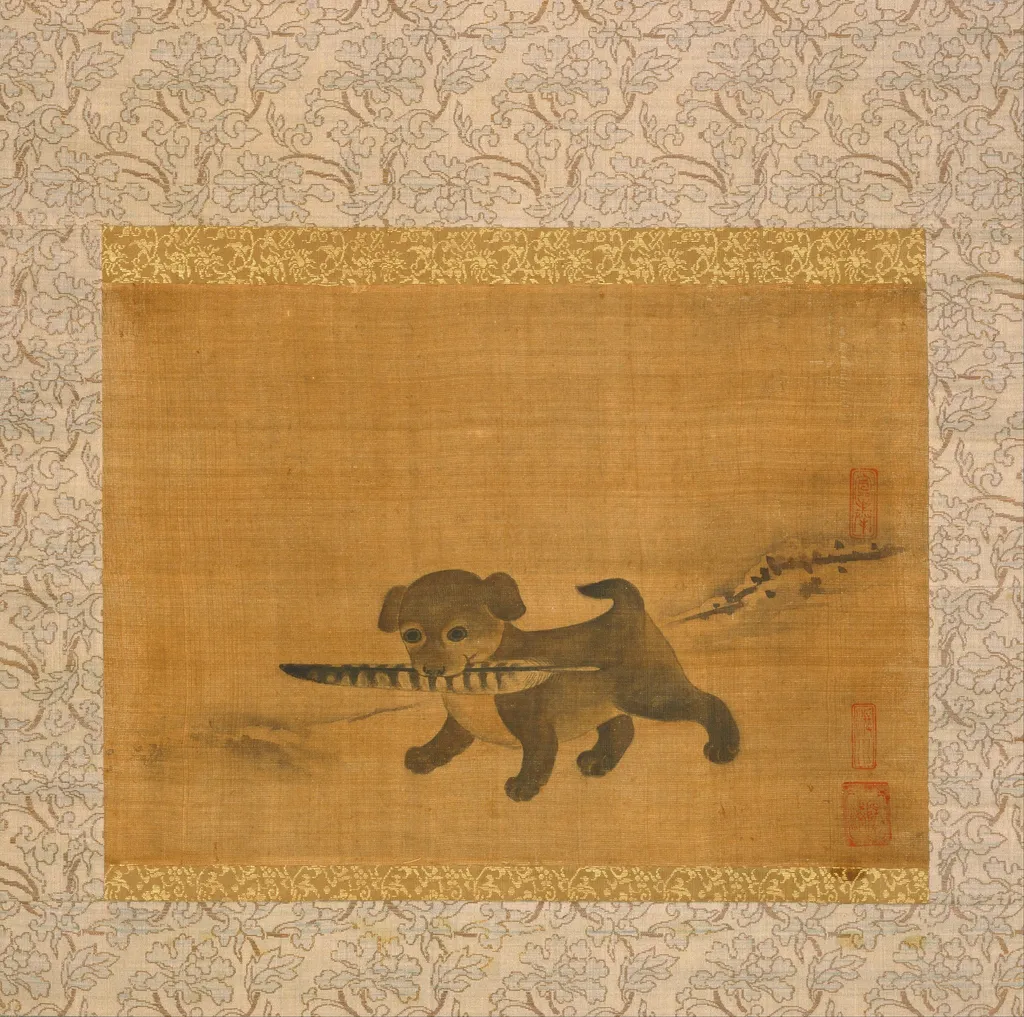
Puppy Playing with a Pheasant Feather is an ink painting by the Joseon dynasty painting artist Yi Ahm. It dates from 1500 and is held in the collection of the Philadelphia Museum of Art.
About this work
Overview
Created around 1500 by the Joseon Dynasty court painter Yi Ahm, this silk painting depicts a puppy engaged with a pheasant feather.
Created around 1500 by the Joseon Dynasty court painter Yi Ahm, this silk painting depicts a puppy engaged with a pheasant feather. Executed in ink wash, the work reflects the literati tradition of capturing natural life with subtle brushwork. Unlike rigid outlines, the puppy’s form emerges through graded tones, emphasizing texture and movement. The piece is part of the Philadelphia Museum of Art’s collection and exemplifies early Joseon animal painting.
Subject & Meaning
The puppy, caught mid-play, holds a pheasant feather in its mouth while gripping it with its front paws. The scene conveys unselfconscious vitality, free from symbolic or moral overtones. The feather, a natural object often associated with flight and delicacy, becomes a playful prop. The composition isolates the animal and its interaction, inviting quiet observation rather than narrative interpretation.
Technique & Style
Yi Ahm avoided sharp contours, instead building the puppy’s form through layered ink washes that suggest fur texture and volume. The silk support absorbs ink unevenly, enhancing the softness of the brushwork. The feather is rendered with fine, fluid strokes, contrasting the puppy’s rounded mass. Background tones are muted and textured, allowing the subject to dominate without distraction.
History & Provenance
The painting originates from the early Joseon court, where literati painters like Yi Ahm were valued for their ability to depict animals with sensitivity. It remained within Korean artistic circles before entering Western collections in the 20th century. Its presence in the Philadelphia Museum of Art reflects early 20th-century interest in East Asian ink painting and its transmission beyond Asia.
Context
During the early Joseon period, court painters increasingly turned to nature as subject matter, moving away from Confucian didacticism. Animal studies, especially of domestic and wild creatures, became a respected genre. Yi Ahm’s work aligns with this shift, emphasizing observation over symbolism. His approach influenced later Korean bird-and-flower painting and found resonance in Japanese ink traditions through cultural exchange.
Legacy
Yi Ahm’s use of ink wash to convey motion and character in animals became a model for subsequent generations of Korean painters. The quiet intimacy of this scene helped define a mode of naturalism that prioritized emotional tone over detail. While not widely reproduced, the painting’s influence persists in the emphasis on spontaneity and subtle brush control within East Asian animal painting traditions.
Own this work as a print
Artist & collection
Artist
Yi Am (Korean: 이암; Hanja: 李巖, c. 1499 or 1507–1566) was a painter during the early- to mid-Joseon Dynasty. As a literati court painter, Yi Am's works spanned portraiture, bird-and-flower and animal paintings. His extant…

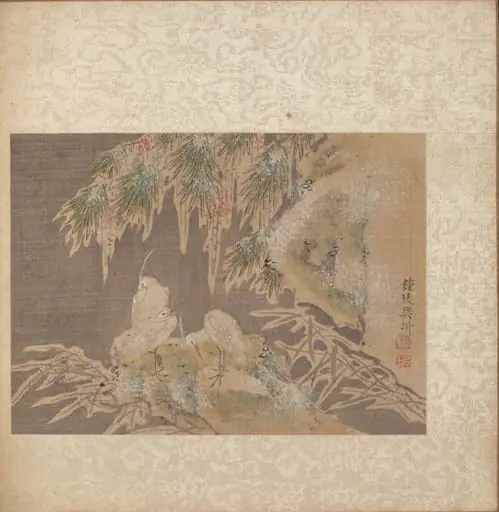
 Album of Miscellaneous Subjects, Leaf 10
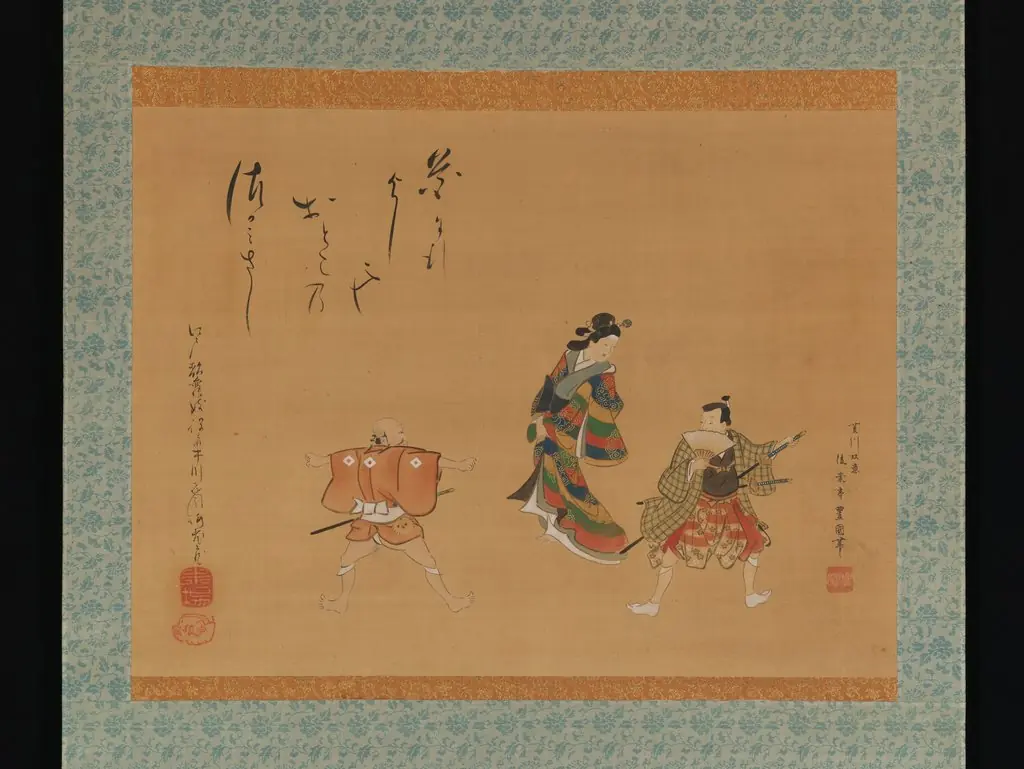 Fuwa Banzaemon
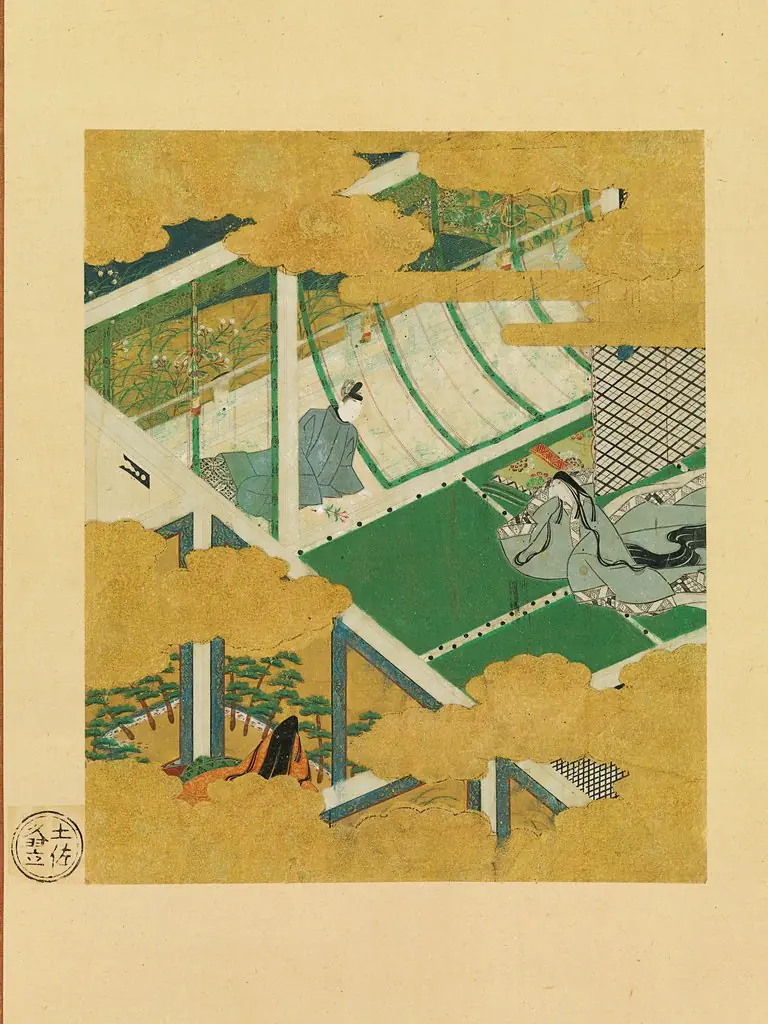
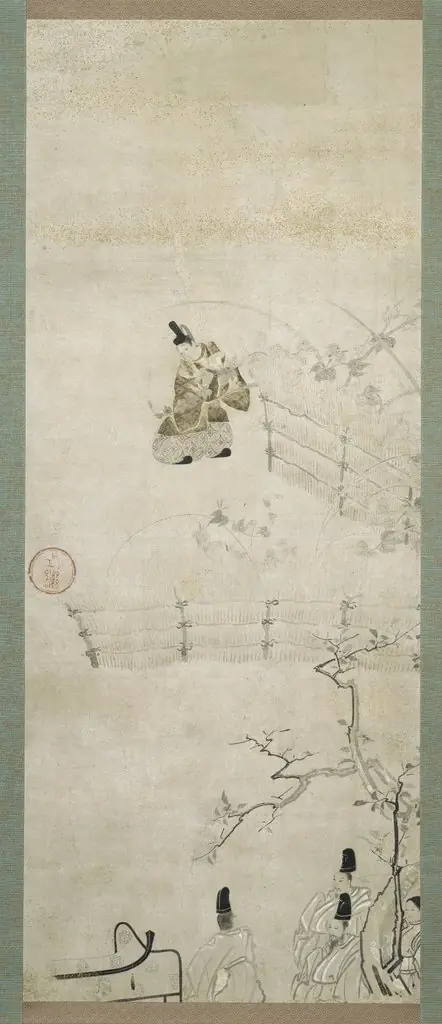 Scene from the Tale of Genji: from the chapter "Yugiri"
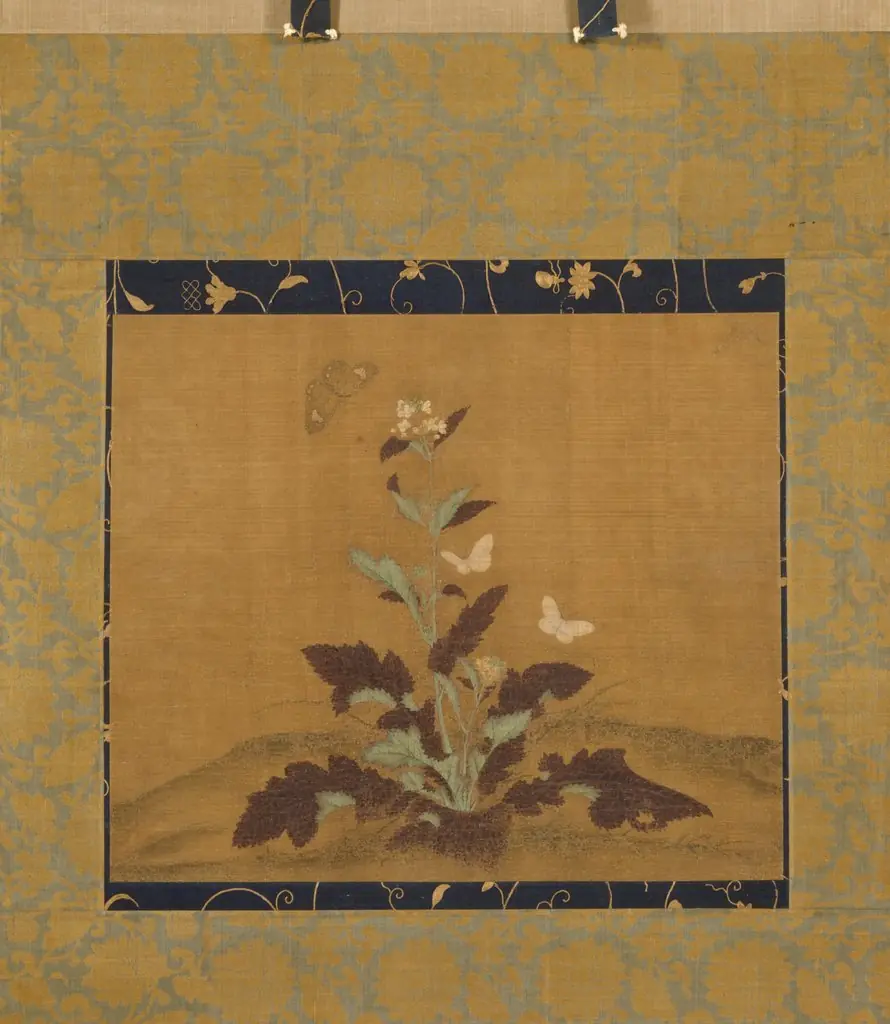 Mustard Plant and Butterflies
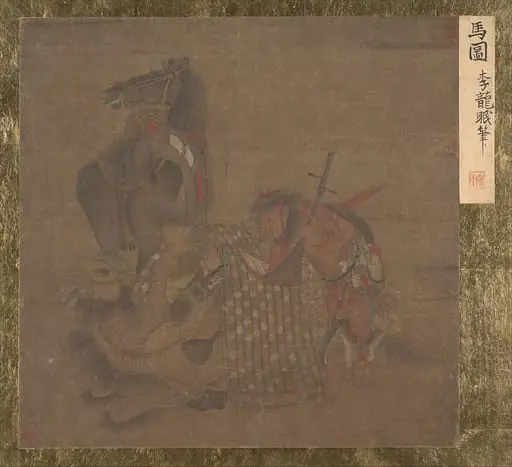 元? 佚名 仿李公麟 人馬駱駝圖 冊頁|Mongol with Horse and Camel
 Untitled
 Untitled
 鉄線下絵和歌色紙|Poem by Fujiwara no Okikaze with Underpainting of Clematis
 Untitled
 Album of Miscellaneous Subjects, Leaf 10
 “Mistflowers” (Fujibakama)
- Puppies