Artwork
“Mistflowers” (Fujibakama)
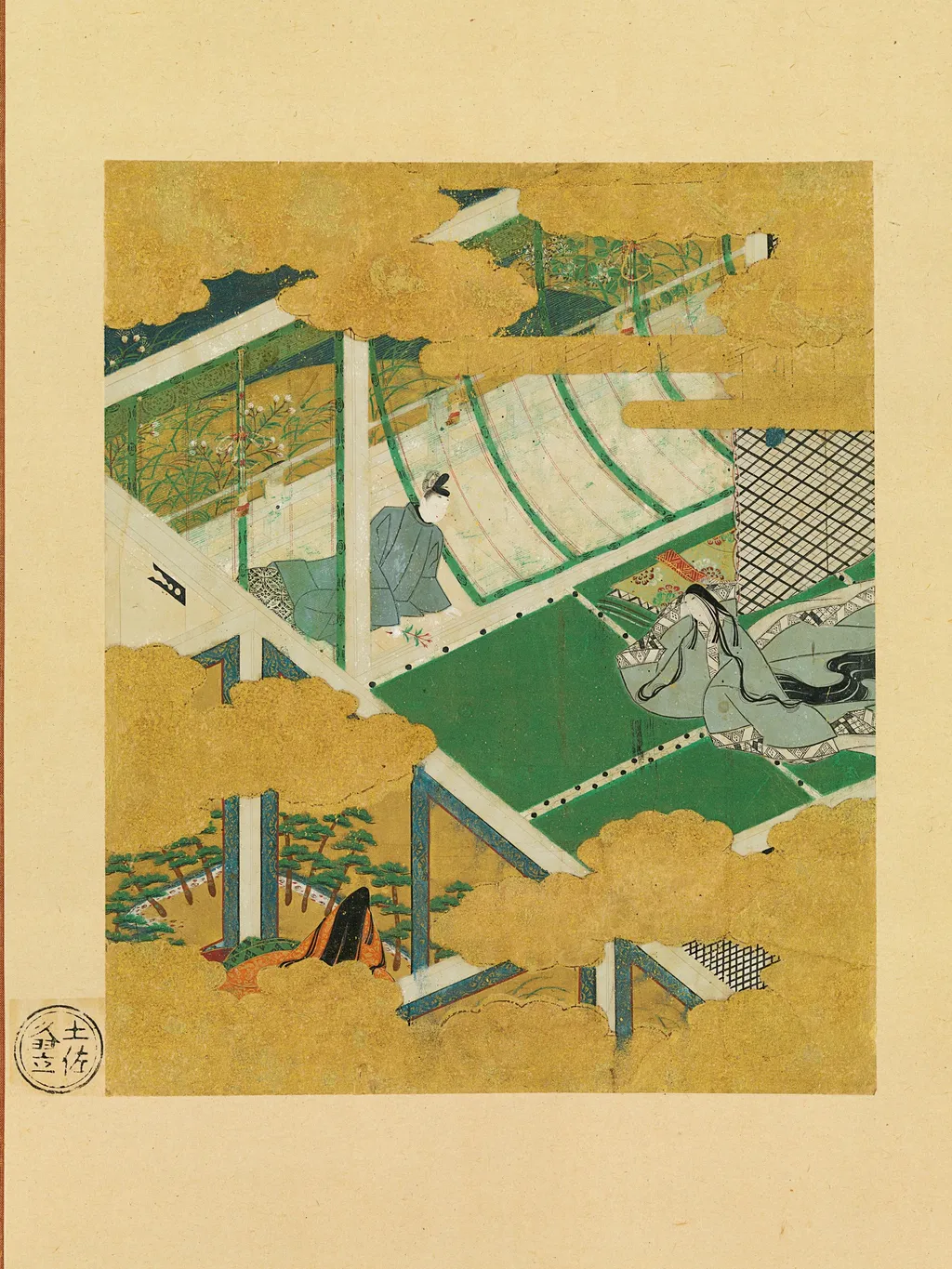
“Mistflowers” (Fujibakama) is an unspecified painting by the Tosa School artist Tosa Mitsuyoshi. It dates from 1598 and is held in the collection of the Metropolitan Museum of Art.
About this work
Subject & Meaning
The title itself references the mistflower (Fujibakama), indicating that the flower is a nominal element of the piece.
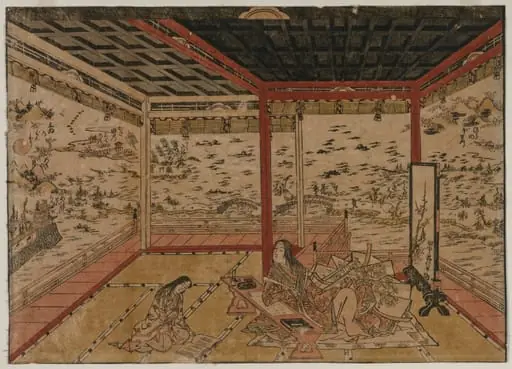
Mistflowers (Fujibakama) portrays a man and a woman, as indicated by the work’s depiction of two figures. The title itself references the mistflower (Fujibakama), indicating that the flower is a nominal element of the piece. The sources do not provide further iconographic details, but the juxtaposition of the figurative scene with the floral title suggests a connection between the human subjects and the plant. Consequently, any interpretation of symbolism must remain tentative pending additional scholarly analysis.
History & Provenance
Mistflowers (Fujibakama) is a Japanese painting executed by Tosa Mitsuyoshi in 1594. The work depicts a man and a woman and was produced in Japan, reflecting the artistic conventions of the late Muromachi period. According to the Metropolitan Museum of Art, the piece is part of its collection, making the museum the current owner.
The painting’s creation is documented in contemporary records that attribute it to the Tosa school and date it to the year 1594. Its provenance is traced through the museum’s records, which indicate that it entered the institution as a designated acquisition, preserving its historical context from the 16th‑century Japanese court.
Overview
Tosa Mitsuyoshi's painting, titled “Mistflowers” (Fujibakama), was created in 1598. This work, now part of The Metropolitan Museum of Art’s collection, depicts a distinctive garden scene. It features three figures rendered with a unique compositional approach and a palette of colors that, while once vibrant, now appear subdued, contributing to its particular aesthetic.
Technique & Style
Mitsuyoshi employs an unconventional visual language in 'Mistflowers,' characterized by a tilted perspective and flattened forms that create an 'off-kilter' impression. The colors, including greens, blues, and earthy browns, appear faded, contributing to a worn aesthetic. These stylistic choices, combined with the unusual angles, evoke a dream-like quality or the immediacy of a preliminary sketch, rather than a strictly realistic depiction.
Own this work as a print
Artist & collection

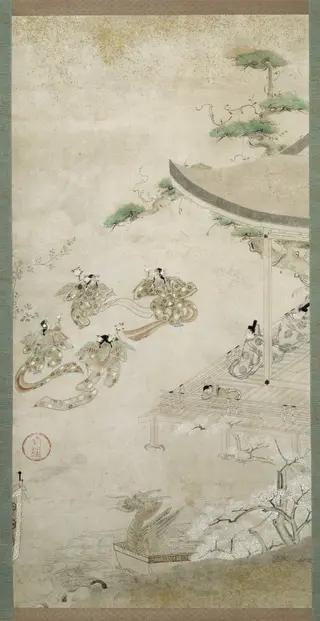 Scene from the Tale of Genji: from the chapter "Butterflies"
 Untitled
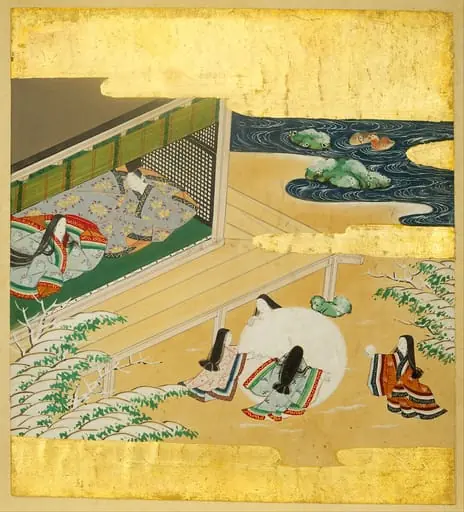 源氏物語画帖|The Tale of Genji (Genji Monogatari)
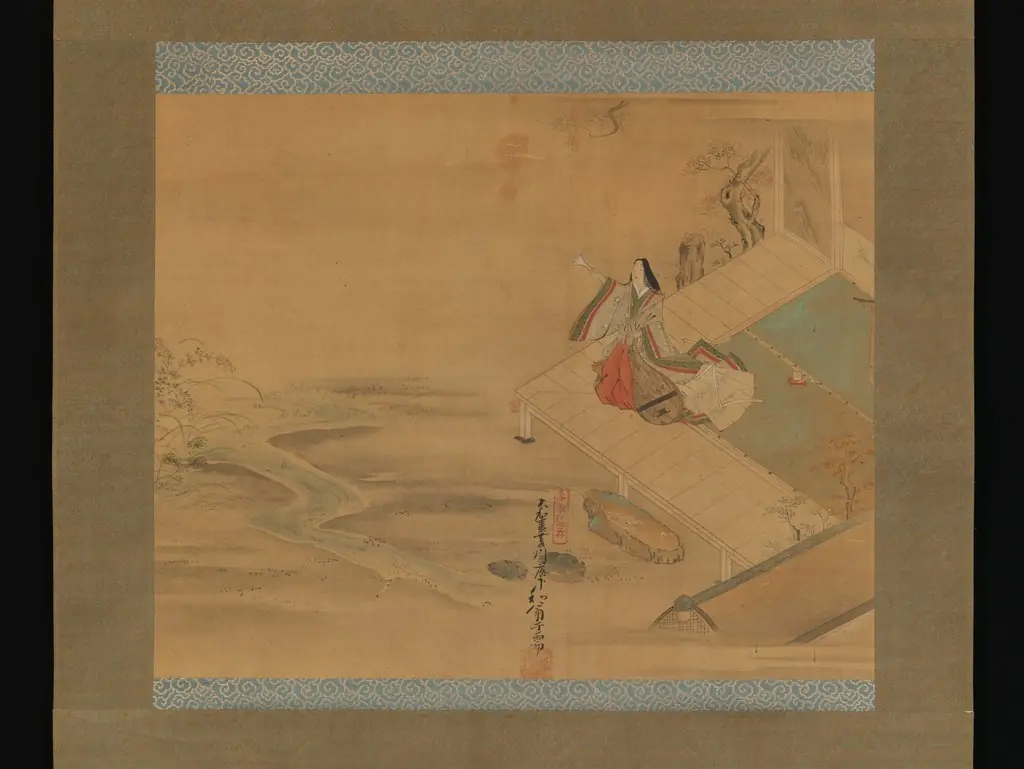 Princess Ogimi from the "Bridge Maiden" (Hashihime) chapter from The Tale of Genji (Genji Monogatari)
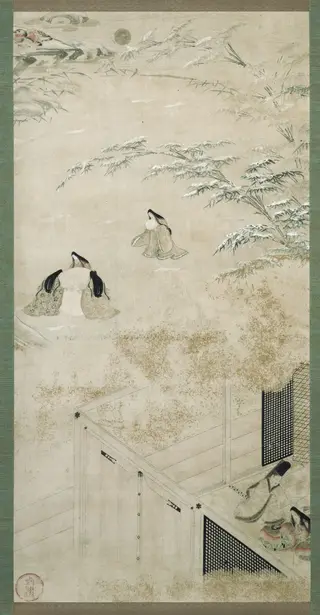 Scene from the Tale of Genji: from the chapter "The Morning Glory"
 Tales of Genji
 伝俵屋宗達筆 源氏物語図「宿木」 |“Trees Encoiled in Vines of Ivy” (Yadorigi)
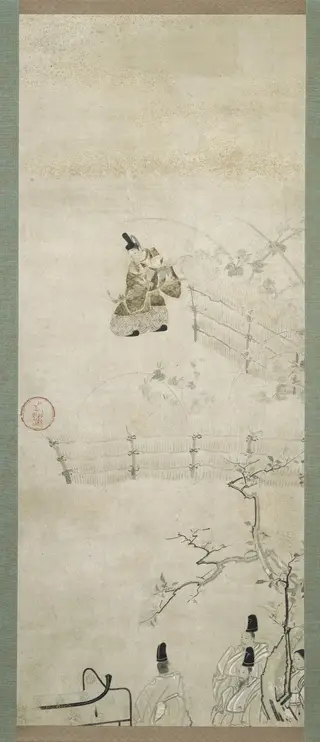 Scene from the Tale of Genji: from the chapter "Yugiri"
 Scenes from The Tale of Genji (Genji monogatari)
 Lady Murasaki at Ishiyama Overlooking a Panorama with Eight Views of Lake Biwa