Artwork
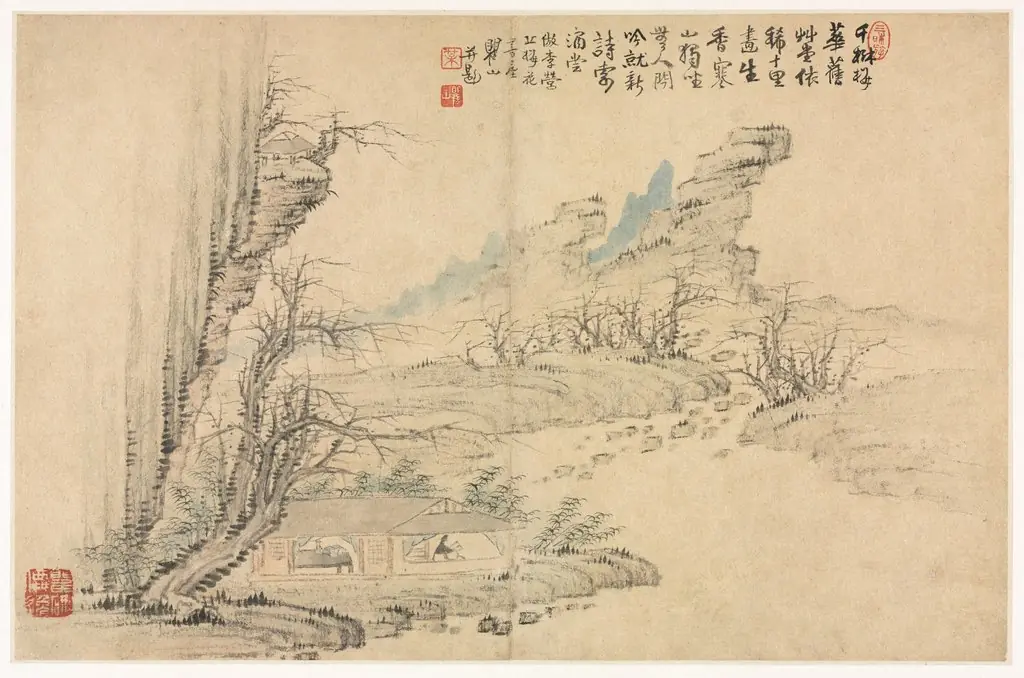
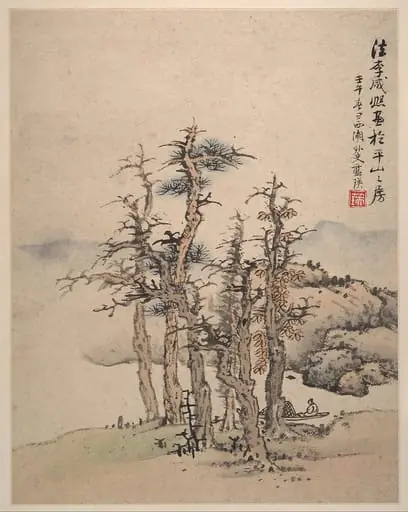
明/清 惲向 仿古山水圖 冊 紙本|Landscapes after old masters
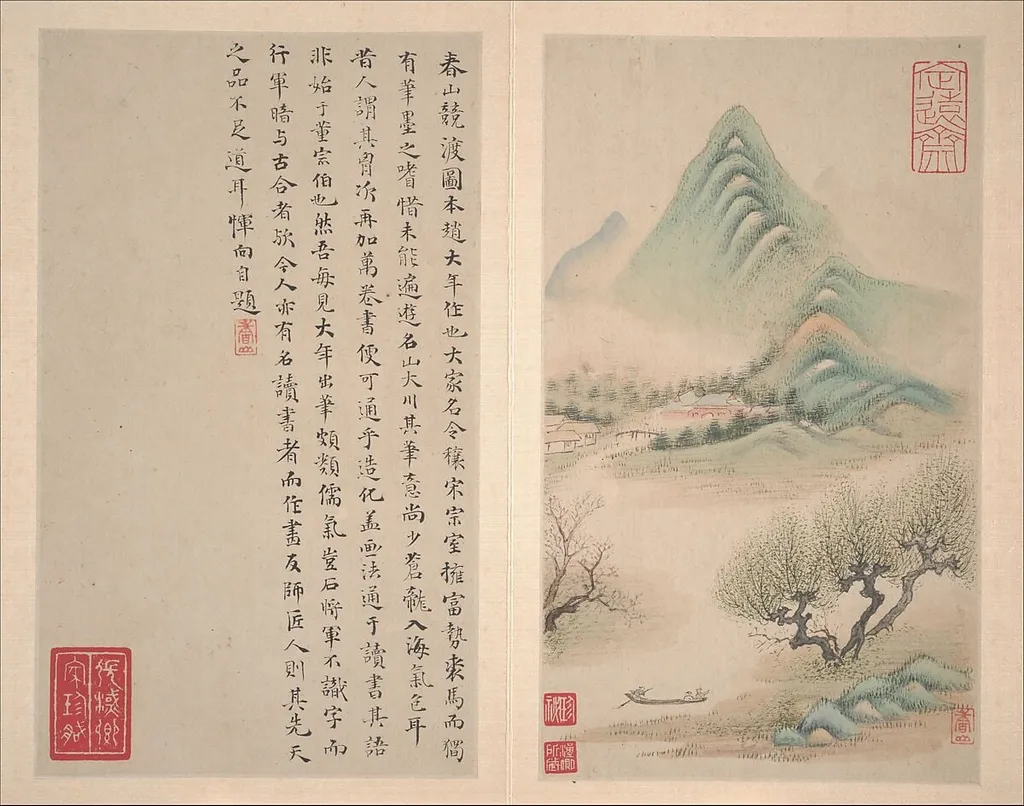
明/清 惲向 仿古山水圖 冊 紙本|Landscapes after old masters is an ink painting by the Baroque artist Yun Xiang. It dates from 1638 and is held in the collection of the Metropolitan Museum of Art.
About this work
Subject & Meaning
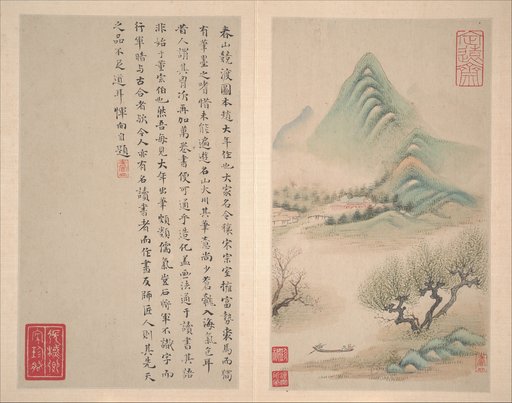
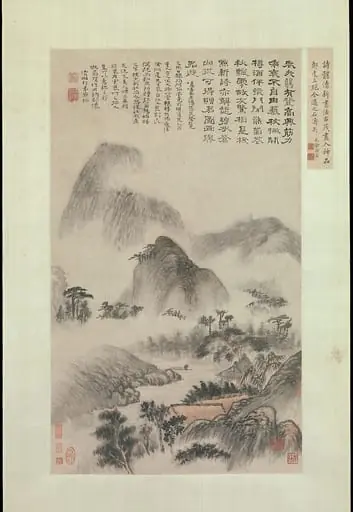
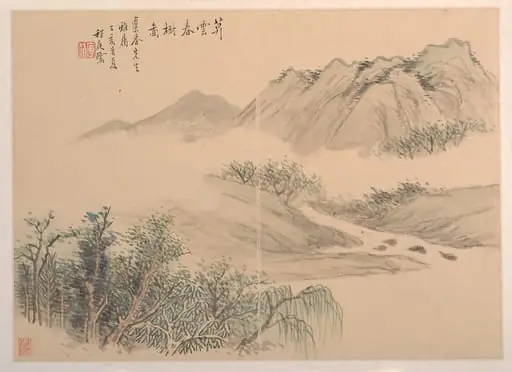
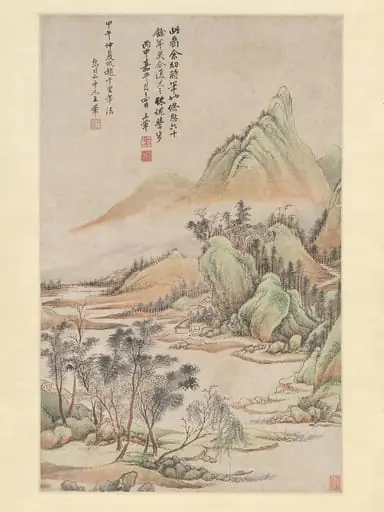
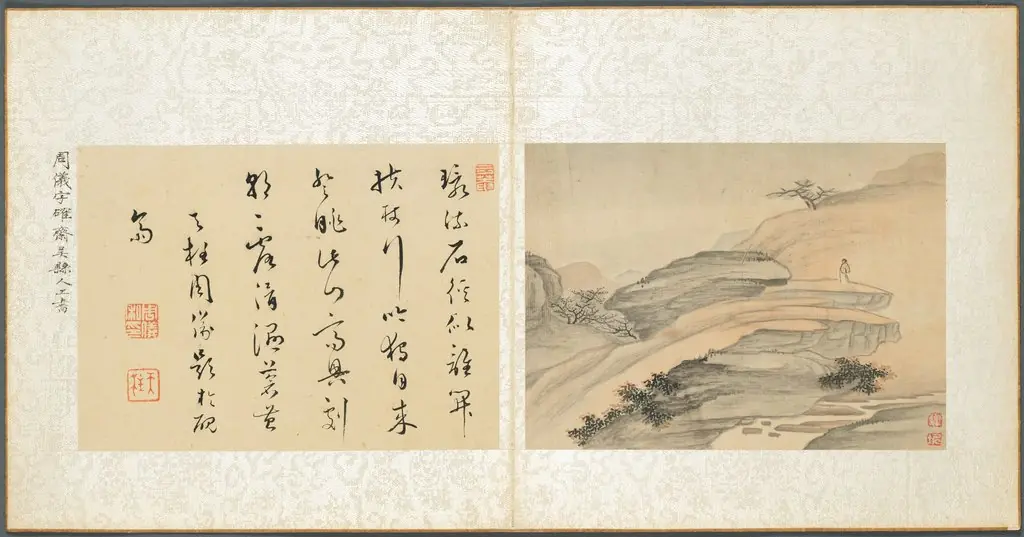
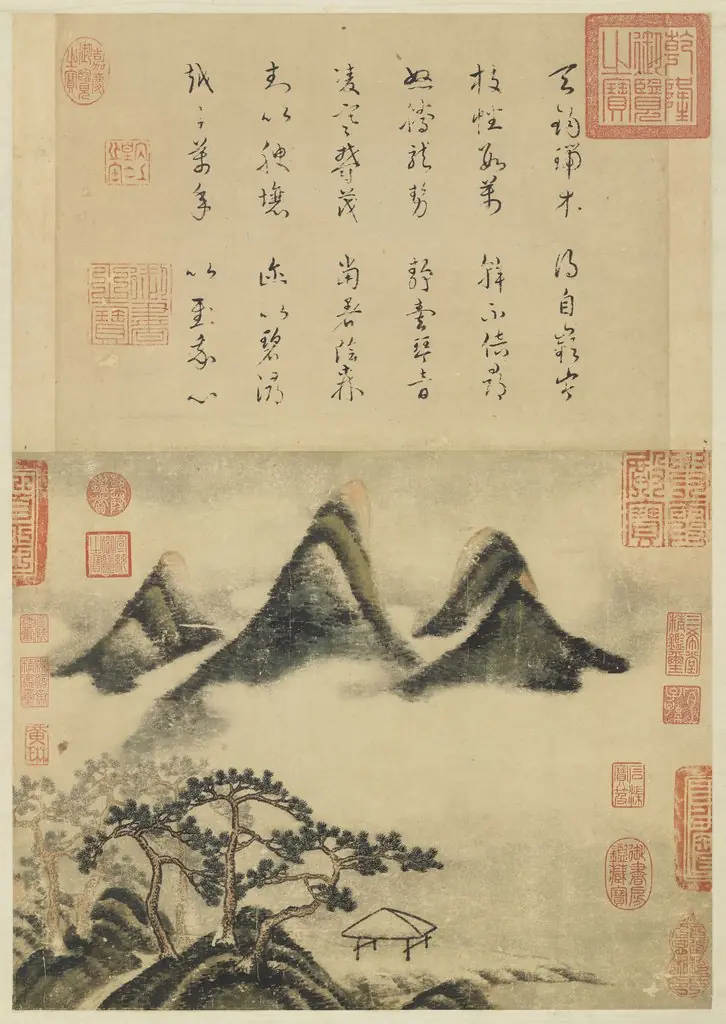
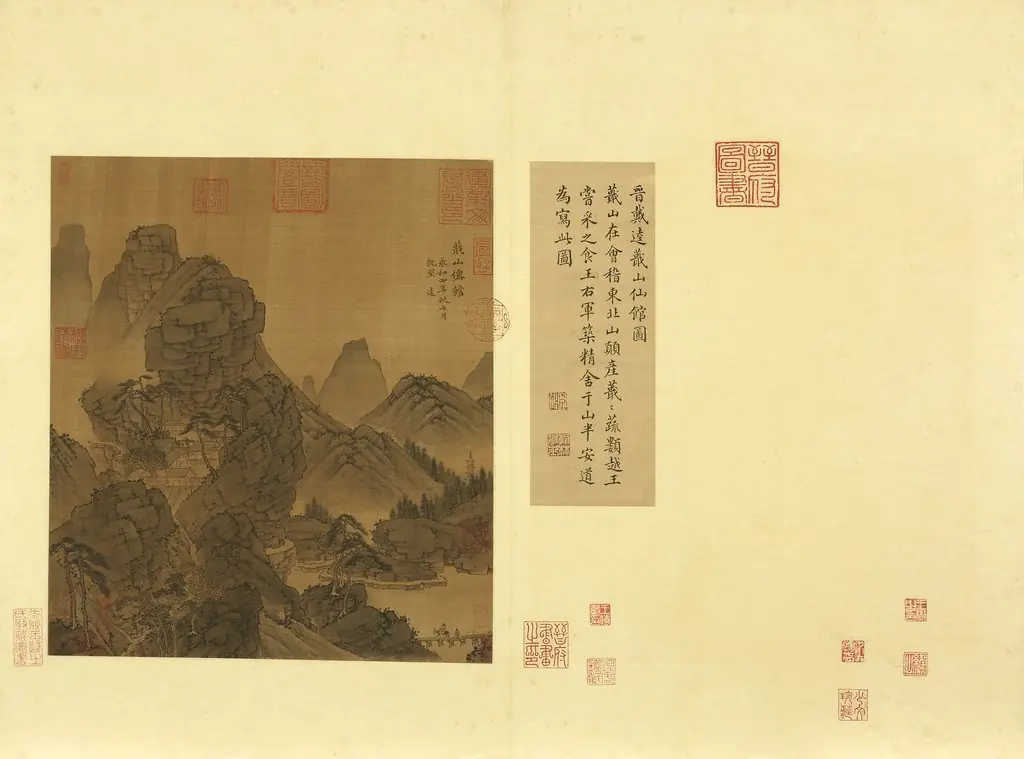
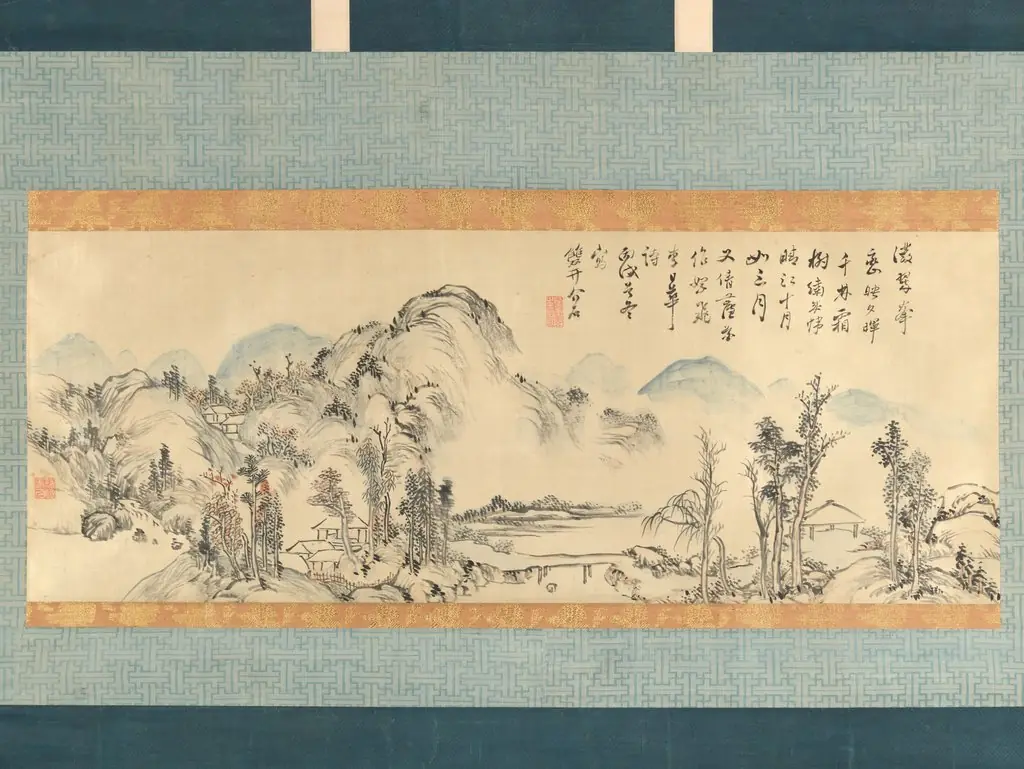
The album titled "明/清 惲向 仿古山水圖 冊" portrays a traditional mountain landscape, a subject explicitly recorded in the sources.
The album titled "明/清 惲向 仿古山水圖 冊" portrays a traditional mountain landscape, a subject explicitly recorded in the sources. Created in 1644 by Yun Xiang, the work employs ink and color on paper across ten leaves, embodying the genre of landscape painting that imitates earlier masters. Its depiction of a mountain aligns with the iconographic convention of representing natural grandeur within Chinese artistic tradition, while the album’s production in China and inclusion in the Metropolitan Museum of Art underscore its historical and cultural significance as a Qing‑era homage to classical mountain imagery.
History & Provenance
Created in 1644 by the artist Yun Xiang, this album comprises ten leaves executed in ink and color on paper. The work, titled 'Landscapes after old masters,' depicts mountainous scenery and was produced in China. While specific details regarding its original commission or intermediate ownership history are not provided in the available records, the album is currently held in the collection of the Metropolitan Museum of Art.
The physical dimensions of the leaves are recorded as 26 cm in height and 15.2 cm in width. The piece is classified as a landscape painting within the museum's holdings.
The album 'Landscapes after old masters' by Yun Xiang, dated to 1644, is held in the collection of the Metropolitan Museum of Art. The institution serves as both the current owner and the physical location of the work. While the piece is classified as an album comprising ten leaves of ink and color on paper, the available records do not specify a distinct inventory or accession number for this entry.
Furthermore, no specific exhibition history or past display events are documented in the provided sources regarding this particular album.
Legacy
Yun Xiang’s album of ten leaves, titled 明/清 惲向 仿古山水圖, was created in 1644 and later entered the collection of the Metropolitan Museum of Art. Its acquisition by a leading public museum has ensured continued scholarly study and public exposure, reinforcing the reputation of the piece as an exemplar of Qing‑era landscape painting that follows classical models. The work’s presence in a major institutional collection underscores its significance within the trajectory of Chinese art, influencing subsequent interpretations of the ‘mountain’ genre and serving as a reference point for studies of artistic homage to earlier masters.
Overview
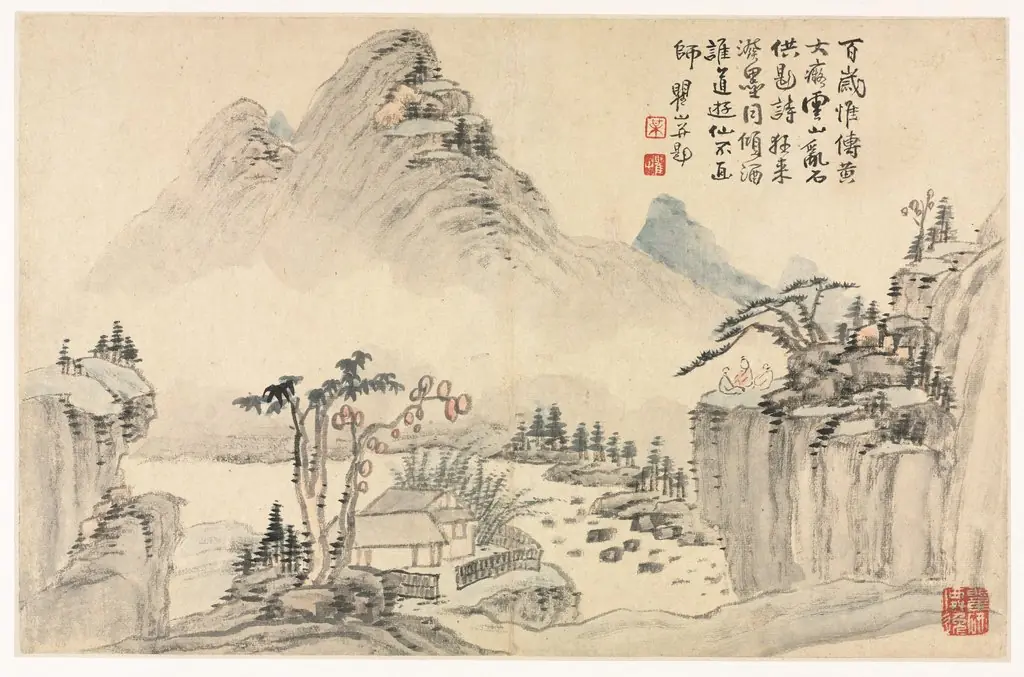
Created in 1638, Landscapes after Old Masters is an album of ten leaves by the Chinese painter Yun Xiang (1586–1655). Executed in ink and color on paper, the work exemplifies the late Ming dynasty tradition of literati painting through the deliberate imitation of earlier masters. Yun Xiang specifically references the brushwork of 10th- and 11th-century landscape painters, reinterpreting their styles within a 17th-century aesthetic.
Each leaf presents a distinct scene featuring mist-shrouded mountains, gnarled pine trees, and diminutive figures of scholars situated within pavilions. A defining compositional characteristic of this album is the vertical continuity of the brushwork; Yun Xiang often employs a single, unbroken line extending from the top to the bottom of the leaf, creating a sense of structural unity and height that mimics the form of the mountains themselves. This approach distinguishes the work from more fragmented compositions of the period.
The album reflects Yun Xiang's position as a significant figure in the orthodox school of painting, where the study and emulation of ancient models served as the primary method for artistic innovation and the cultivation of personal expression. The work stands as a testament to the artist's technical mastery and his deep engagement with the historical lineage of Chinese landscape painting.
Technique & Style
Yun Xiang's approach to these landscapes involved emulating the brushwork of tenth and eleventh-century masters. However, he infused these historical styles with a distinctive personal innovation. Each leaf appears to be rendered with a continuous, uninterrupted line flowing from the top to the bottom of the composition.
This technique creates an impression of spontaneity and a unified visual rhythm, as if the entire mountain form emerged from a single, fluid gesture.
Context
This album belongs to a long-standing tradition of Chinese landscape painting, where mountains often symbolize the grandeur of nature and the pursuit of spiritual cultivation. The practice of creating works "after old masters" was a fundamental aspect of artistic training and expression for literati painters. It allowed artists like Yun Xiang to demonstrate their mastery of historical styles while simultaneously developing their unique voice within an established artistic lineage.
Artist & collection