Artwork
Untitled
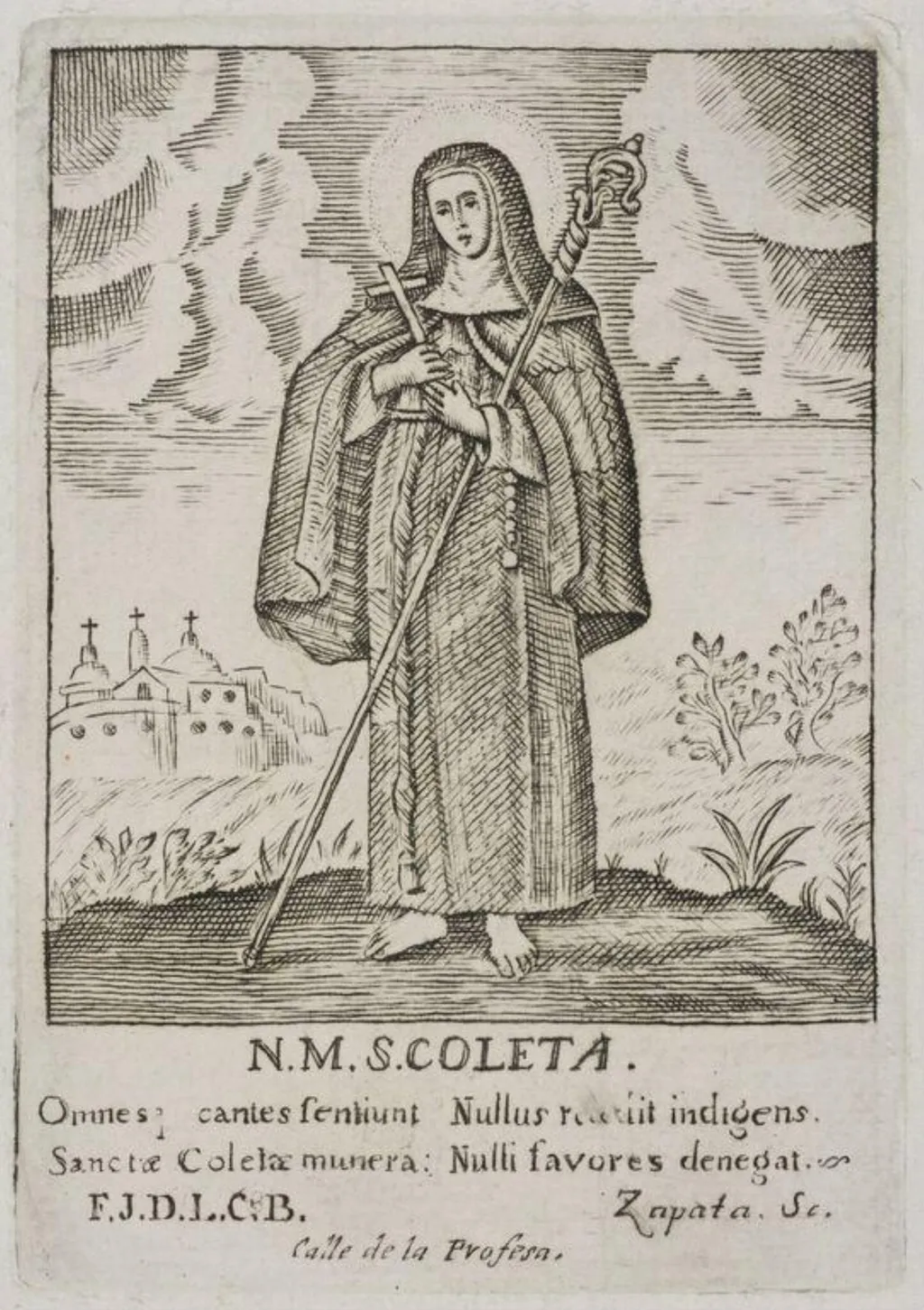
Untitled is a print by the Romanticist artist Salvador Zapata. It dates from 1798 and is held in the collection of the Victoria and Albert Museum. The print entered the museum’s collection in 1922 as part of a group of 151 sheets originally thought to be of Spanish or Mexican origin.
About this work
After a shop closed, the plates often ended up in another printmaker’s hands.
Salvador Zapata made this print in Mexico City between 1786 and 1810. Prints then moved between workshops like trading cards. After a shop closed, the plates often ended up in another printmaker’s hands.
This habit made it hard to know who really made what. The Victoria and Albert Museum bought this sheet in 1922 with 151 others. Most were once thought Spanish, but experts now link many to Mexico City.
Look up the museum that keeps this print.
Overview
The print entered the museum’s collection in 1922 as part of a group of 151 sheets originally thought to be of Spanish or Mexican origin. Recent scholarship has re‑attributed the majority of the group to printmakers active in Mexico City during the mid‑ to late‑18th century, including the present work.
Subject & Meaning
The image itself is untitled, offering no explicit narrative clue; its significance lies in its illustration of the collaborative and commercial practices of the colonial Mexican print market, where designs were frequently reproduced and circulated across workshops.
Technique & Style
Executed as a traditional intaglio print, the sheet reflects the standard methods of the period: a copper or wood matrix was cut, inked, and pressed onto paper. The work bears the hallmarks of the era’s reproducible aesthetic, with clear lines and modest ornamentation typical of commercial prints.
History & Provenance
Created in Mexico City between 1786 and 1810, the sheet was likely produced by Salvador Zapata, a printmaker operating on Calle de Hospicio. After the closure of his workshop, the plate may have passed to other printers, a common practice that obscured original authorship.
Context
During the late 18th century, Mexican print workshops often exchanged plates and reissued designs under new names. Signatures frequently consisted of workshop addresses, such as Calle de la Profesa, rather than personal names, facilitating repeat commissions and the fluid movement of prints among producers.
Legacy
The re‑evaluation of this print and its companions has reshaped understanding of colonial Mexican print culture, highlighting the networked nature of production and the challenges of attributing works within a market that prized replication over individual authorship.
Own this work as a print
Artist & collection
Artist
Salvador Zapata made single-sheet prints in late-18th-century Spain that look like casual souvenirs rather than gallery pieces.

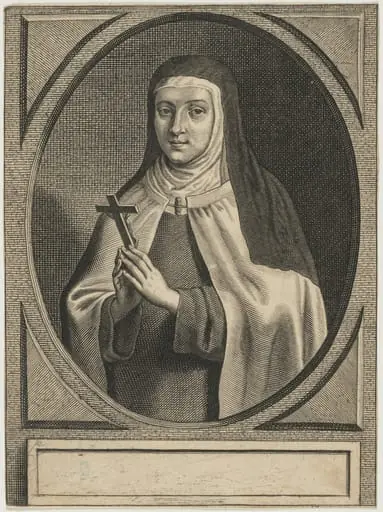
- Portrait of a Nun Holding Crucifix
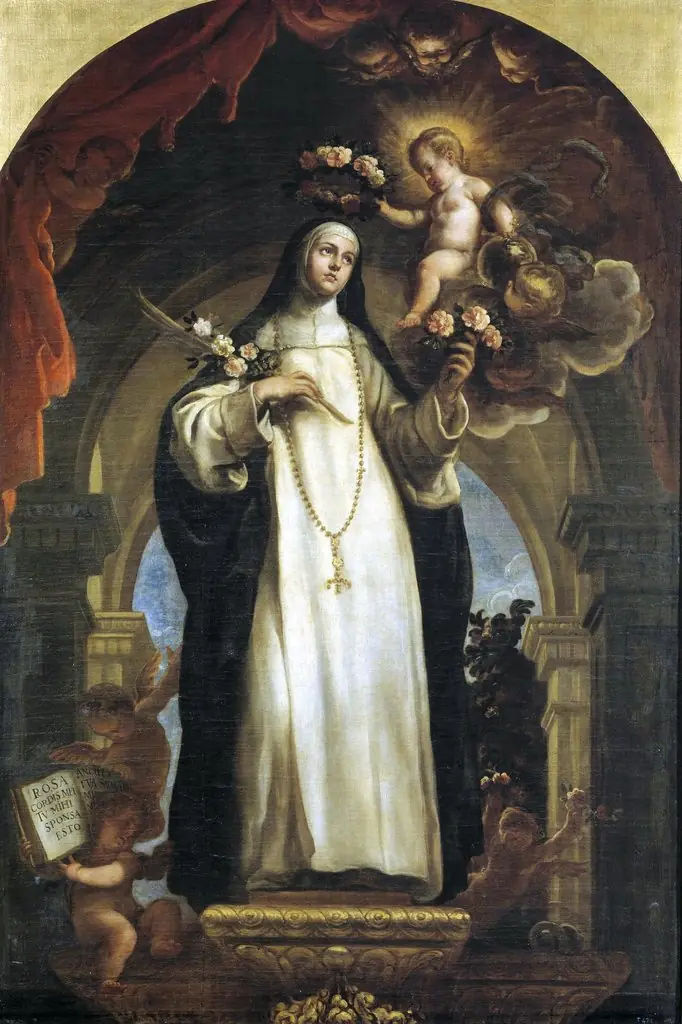 Santa Rosa de Lima
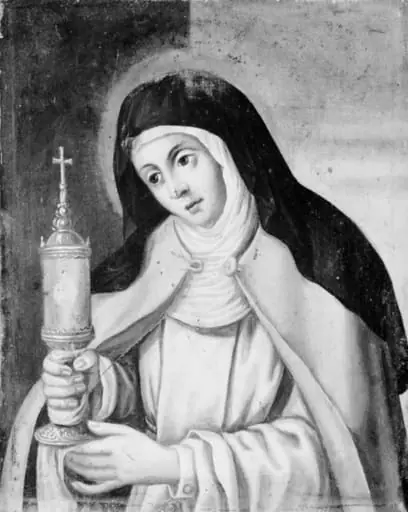 En helgeninde, udklædt som nonne i hvid dragt med sort slør, holdende monstransen i den højre hånd
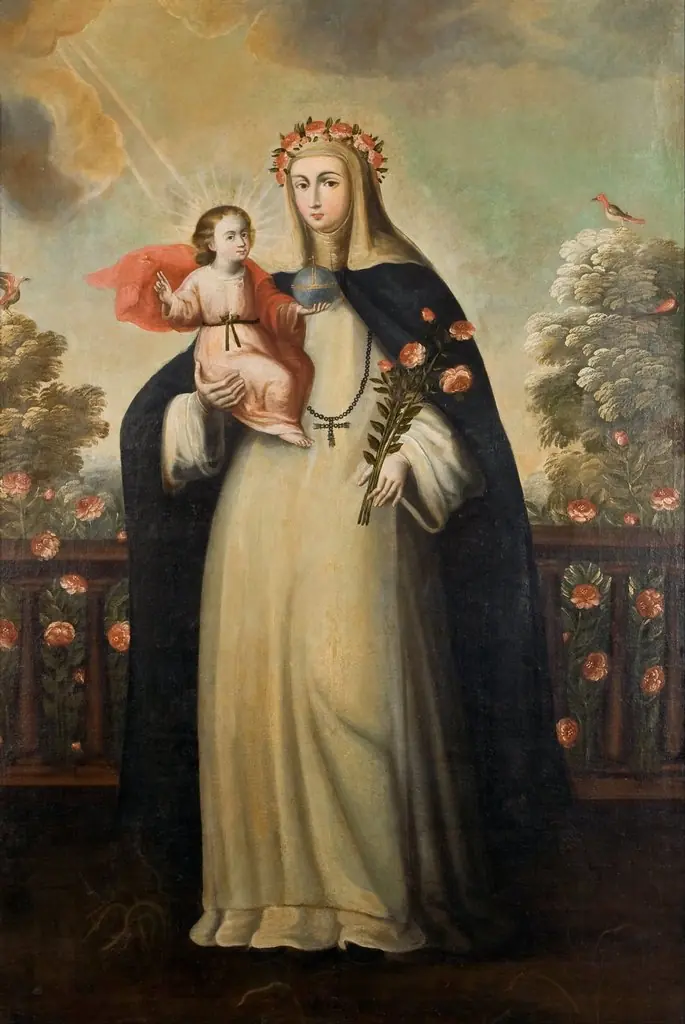 Saint Rose of Lima with Child Jesus
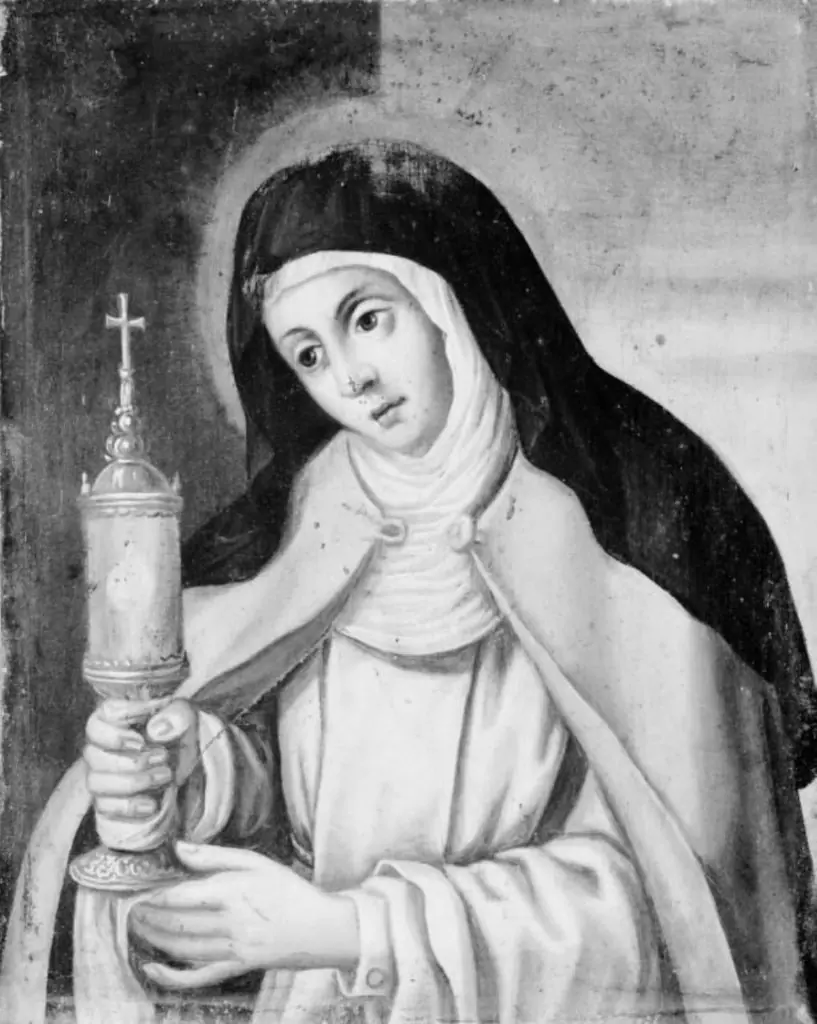 En helgeninde, udklædt som nonne i hvid dragt med sort slør, holdende monstransen i den højre hånd
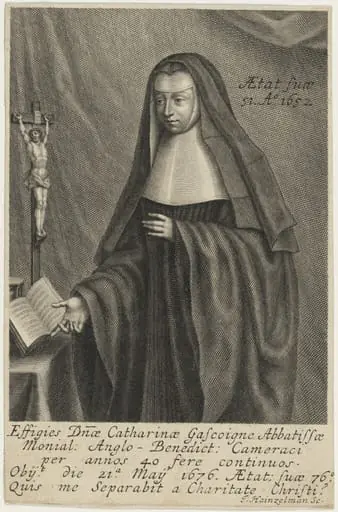 Catherine Gascoigne
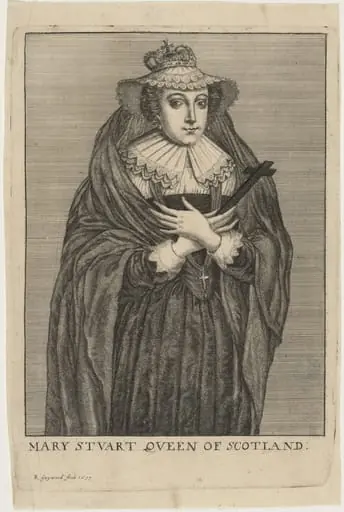 Mary, Queen of Scots
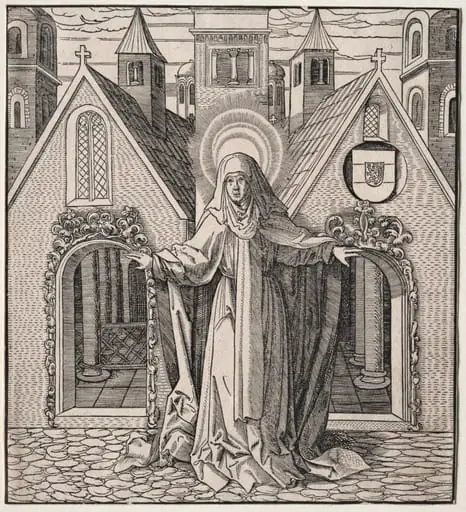 Sancta Rega
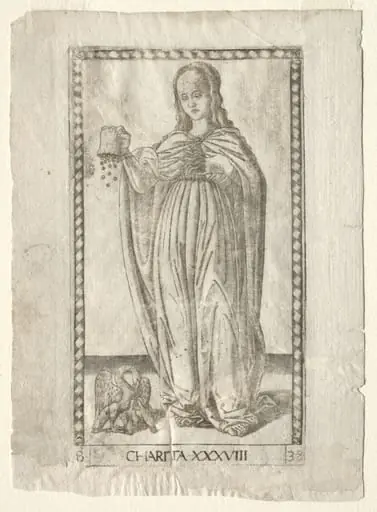 Charity (from the Tarocchi, series B: Cosmic Principles & Virtues, #38)
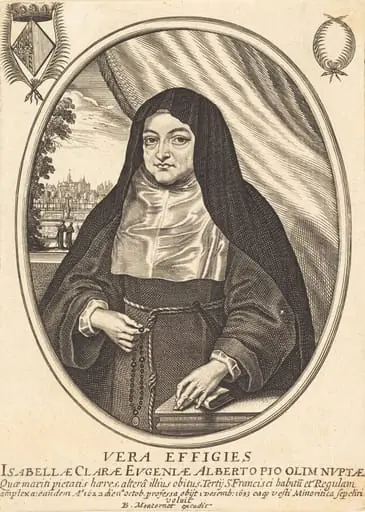 Isabelle Claire Eugénie
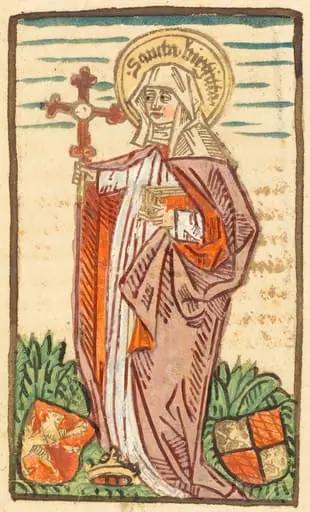 Saint Bridget
 Saint Teresa of Avila