Artwork
J.B. Faure
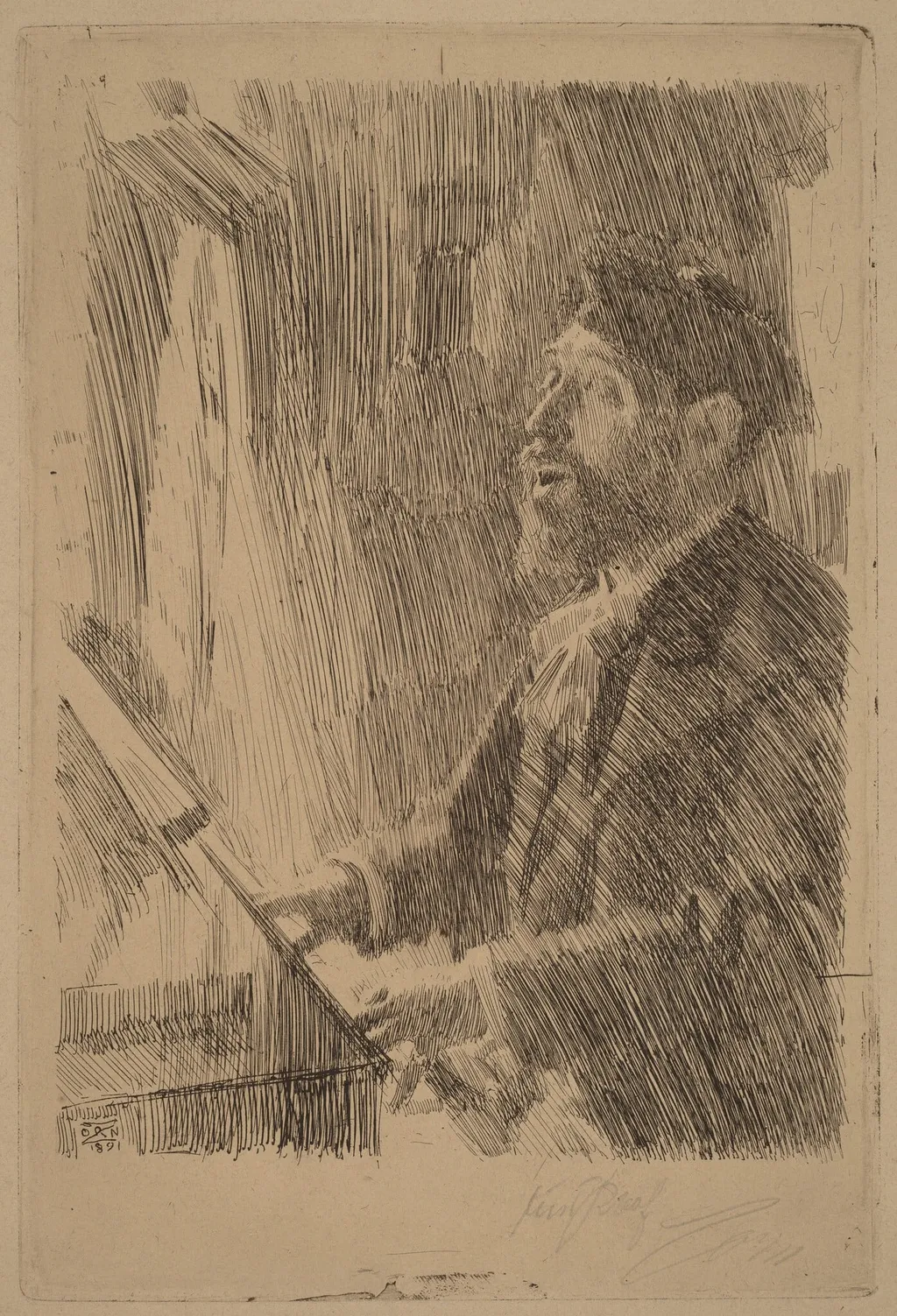
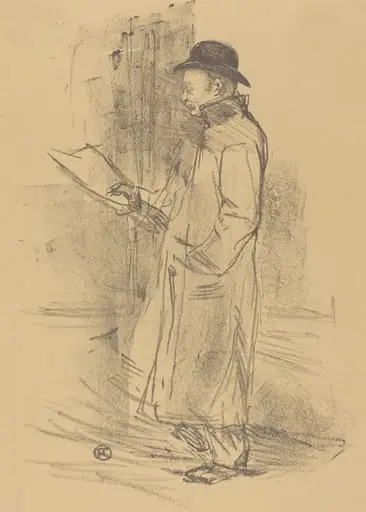
J.B. Faure is an ink print by the Impressionist artist Anders Zorn. It dates from 1891 and is held in the collection of the National Gallery of Art.
- Inscription
- Inscribed:"Zorn" lower left composition, in plate, artist's hand. "Zorn" lower right margin, graphite, artist's hand. "1891" lower left composition, in plate, artist's hand. Verso: none.
- Markings
- Marked:"LRJ" verso, black stamped ink, (Lugt 1760b). "National Gallery of Art" verso, black stamped ink, (Lugt 1932d).
About this work
Overview
Executed in 1891, this piece reflects Zorn's extensive travels and his practice of creating portraits of prominent cultural figures he encountered.
Anders Zorn's 1891 etching, J.B. Faure, depicts the French baritone Jean-Baptiste Faure in a half-length portrait. The composition captures the sitter turned slightly away from the viewer, rendered with the artist's characteristic economy of line. Zorn employs quick, scratchy strokes to define the facial features, while tight, parallel hatching creates the texture of the hair and clothing.
The work exemplifies Zorn's mastery of the etching medium during his mature period, where he achieved a painterly effect through varied line weight and density rather than tonal washes. Executed in 1891, this piece reflects Zorn's extensive travels and his practice of creating portraits of prominent cultural figures he encountered. The etching on wove paper retains the warm, aged tone of the support, with uneven edges suggesting a history of handling.
This work stands as a significant example of Zorn's graphic output, demonstrating his ability to convey character and presence through a limited, confident linear vocabulary.
Subject & Meaning
The composition presents a partially turned head and shoulders, the figure’s profile hinted at by swift, restless lines. The rendering suggests a fleeting moment, capturing the subject’s expression and attire with an immediacy that hints at introspection or quiet observation.
Technique & Style
Zorn employed drypoint, incising the design directly into a metal plate. This produces fine, fuzzy edges that retain ink, resulting in a textured, energetic surface. Parallel, tight strokes build the hair and clothing, while the overall line work remains loose and sketch‑like.
History & Provenance
The print was produced in the late nineteenth century, a period when Zorn was experimenting with various printmaking methods. It has survived on aged, warm‑toned paper with uneven margins, indicating frequent handling or display over the decades.
Context
During the 1890s Zorn was renowned for his portraiture and genre scenes, often exploring the interplay of light and line. J.B. Faure reflects his interest in quick, expressive drawing techniques, aligning with contemporary movements that valued spontaneity in print.
Own this work as a print
Artist & collection
Artist
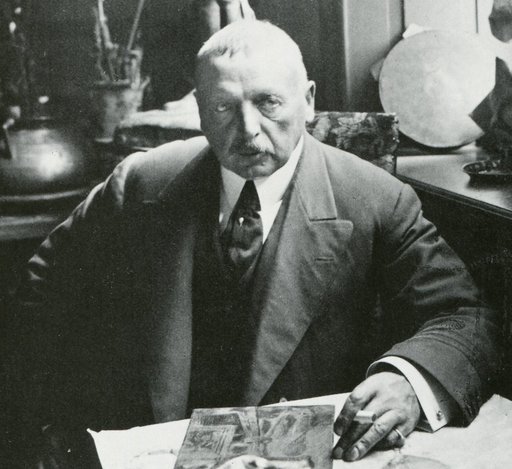
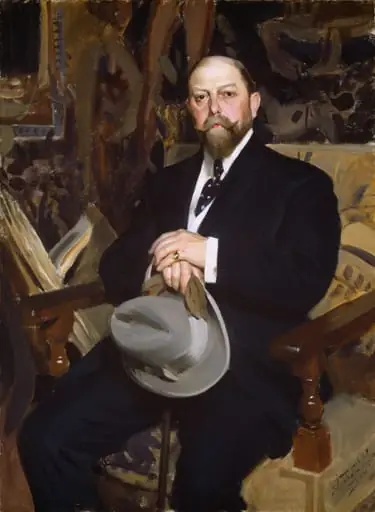
Anders Leonard Zorn was a Swedish artist who attained international success as a painter, sculptor, and etching artist.

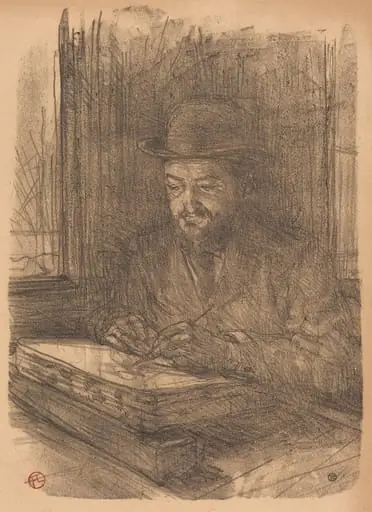
- The Fine Printmaker Adolphe Albert (Le bon graveur - Adolphe Albert)
 Program for "Benefice Gemier" (Programme du "Bénéfice Gémier")
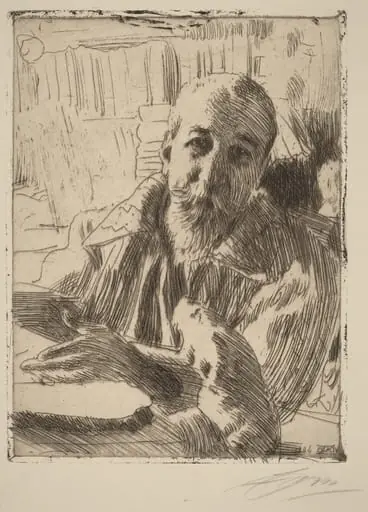 Anatole France
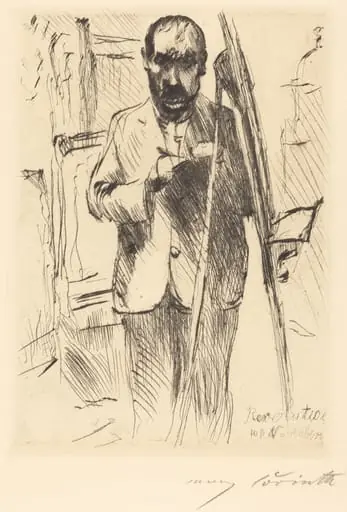 Selbstbildnis an der Staffelei (Self-Portrait with Easel)
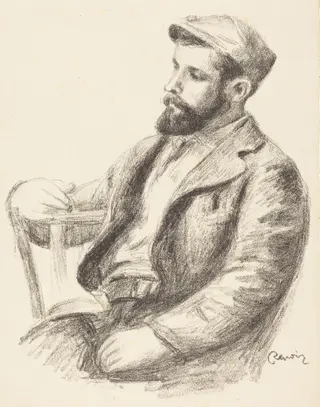 Louis Valtat
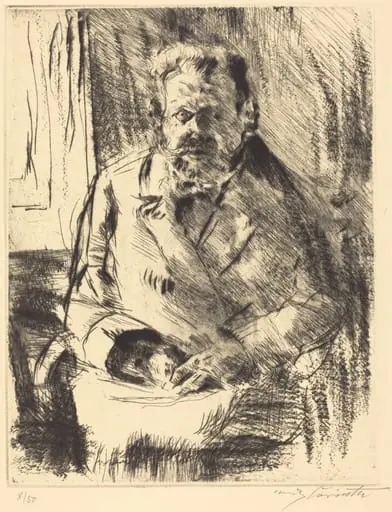 Der Dichter (The Poet)
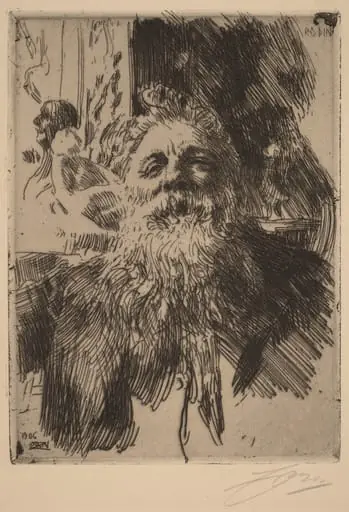 Auguste Rodin
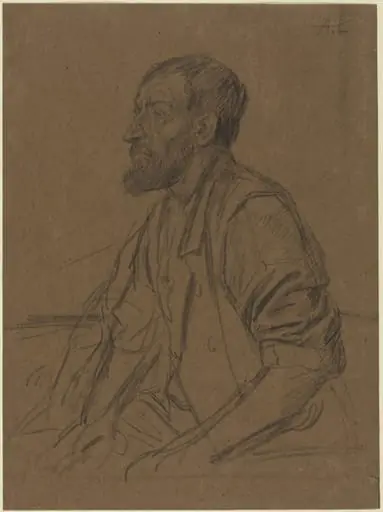 Study of a Workman
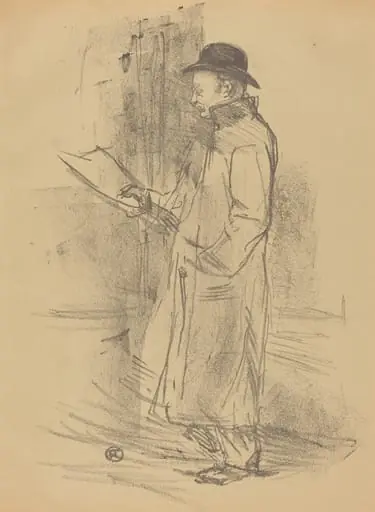 Benefit for Firmin Gémier
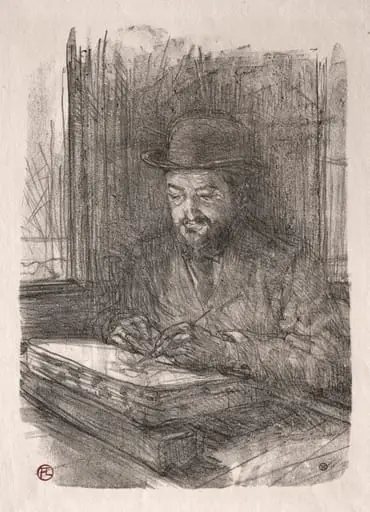 The Good Lithographer
 Bildnisstudie H. St. (Portrait Study of H. St.)
 The Engraver Joseph Tourny (Le graveur Joseph Tourny)