Art Glossary
Sfumato /sfoo-MAH-toh/
Sfumato is a painting technique in which tones and colours are blended so gradually that there are no hard outlines, producing a soft, smoky transition between light and shade.
Sfumato derives from the Italian fumo, smoke, and Leonardo da Vinci described the aim as rendering forms 'without lines or borders, in the manner of smoke.' It is the most delicate of the Renaissance modelling techniques: instead of defining a contour with a drawn edge, the painter dissolves it, building up many thin, translucent layers so that one tone passes imperceptibly into the next.
The most celebrated demonstration is the Mona Lisa, whose famously ambiguous expression depends on the softened, shadowed corners of the mouth and eyes — areas where sfumato refuses to commit to a fixed reading. The technique gives Leonardo's faces their living, atmospheric quality, as though seen through air rather than drawn on a surface.
Sfumato is closely related to chiaroscuro but distinct from it. Chiaroscuro concerns the overall arrangement of light and dark; sfumato concerns the manner of transition between them — specifically, the elimination of any abrupt boundary. A painting can be highly chiaroscural yet hard-edged; sfumato is what makes the gradations themselves soft.
Achieving it required patience and a particular medium: thin oil glazes laid over a long drying period, sometimes dozens of layers. To see sfumato, look at the edges where light meets shadow on a cheek or a hand — in a sfumato passage you will not be able to say exactly where one ends and the other begins.
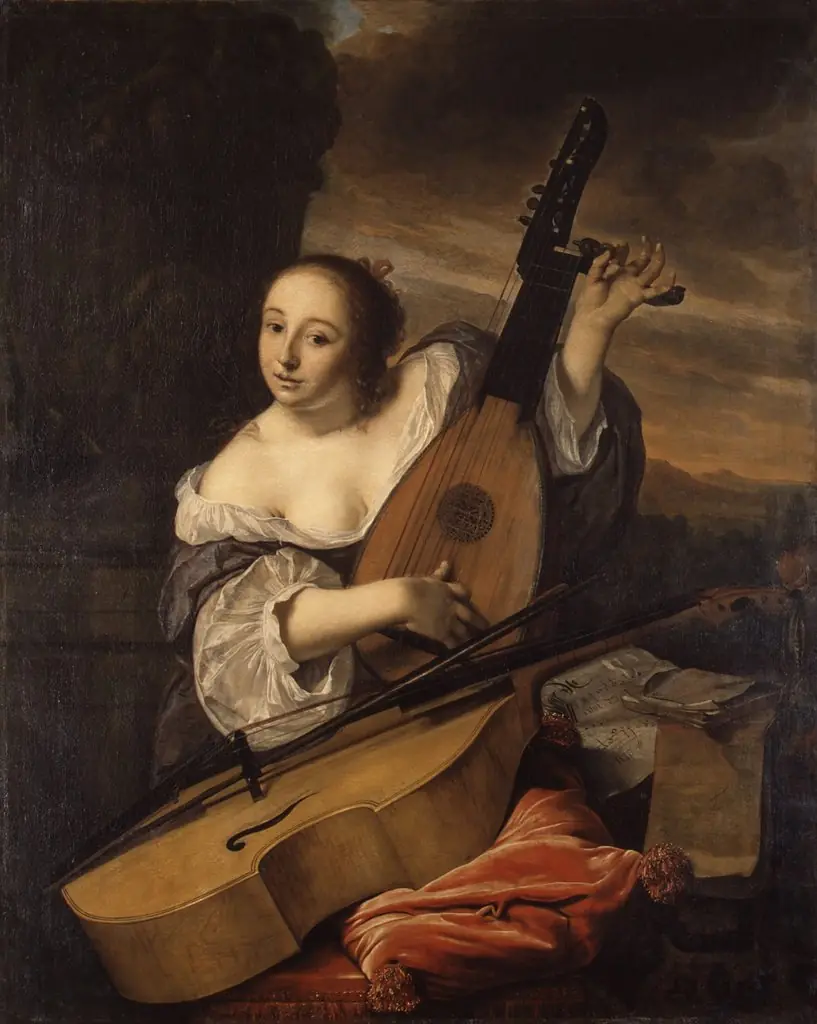
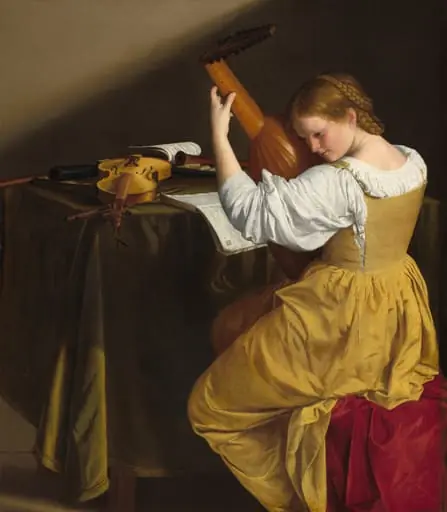
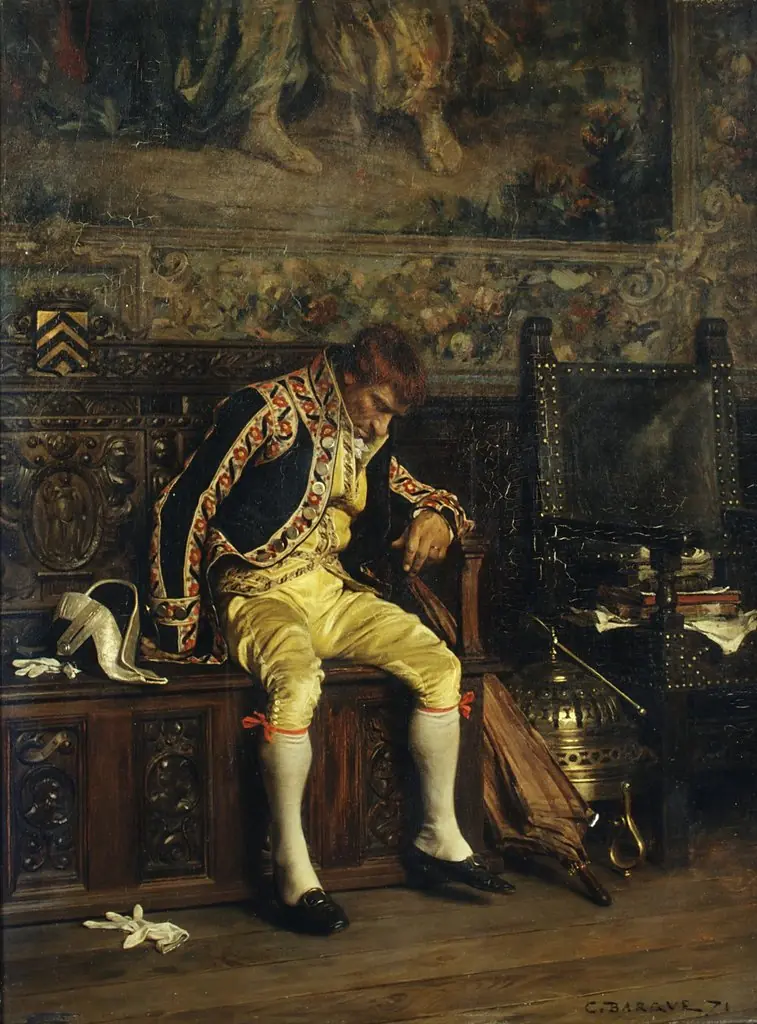
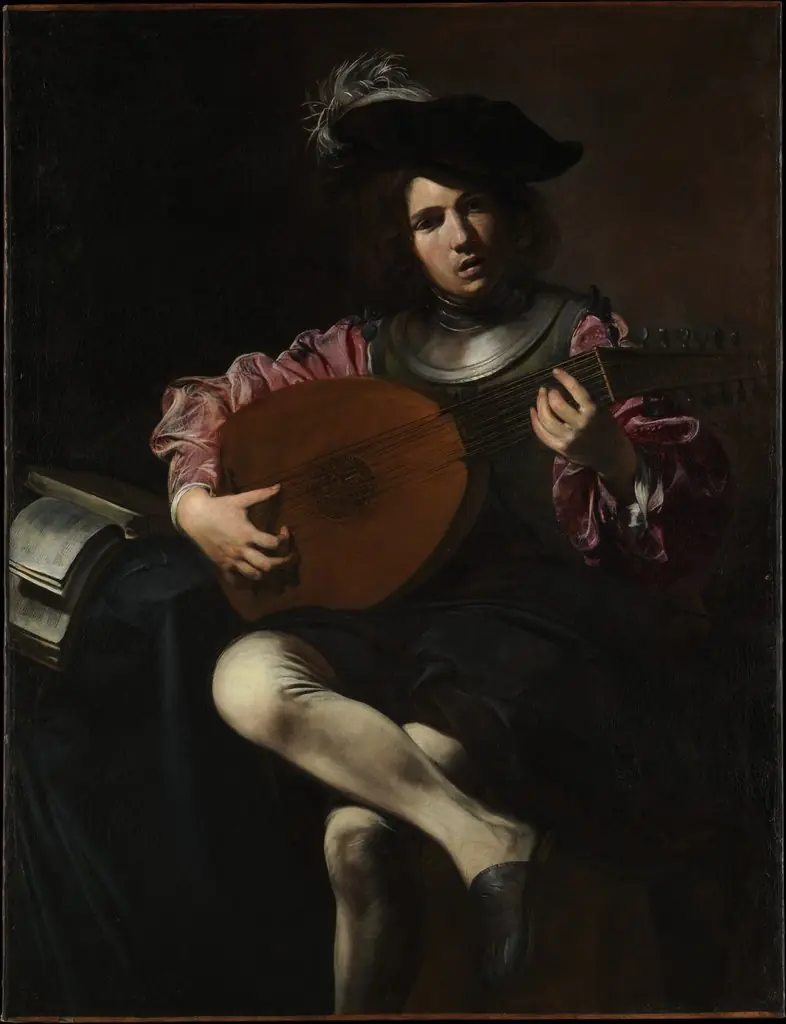
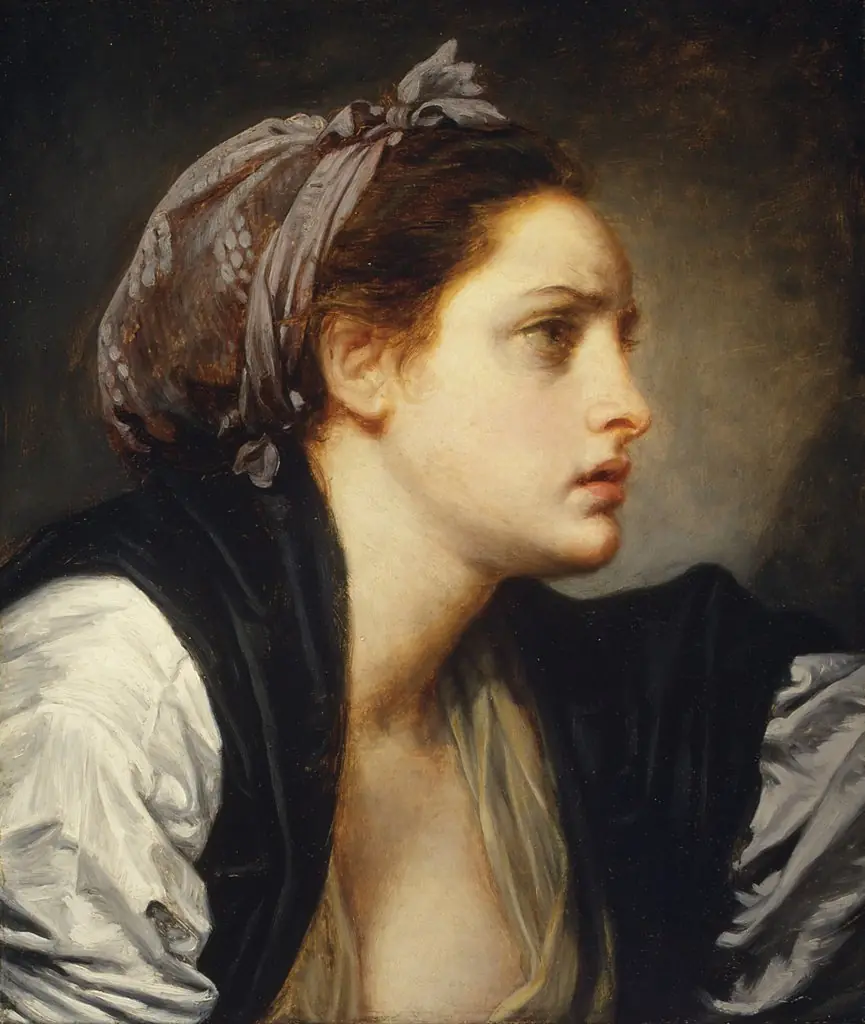
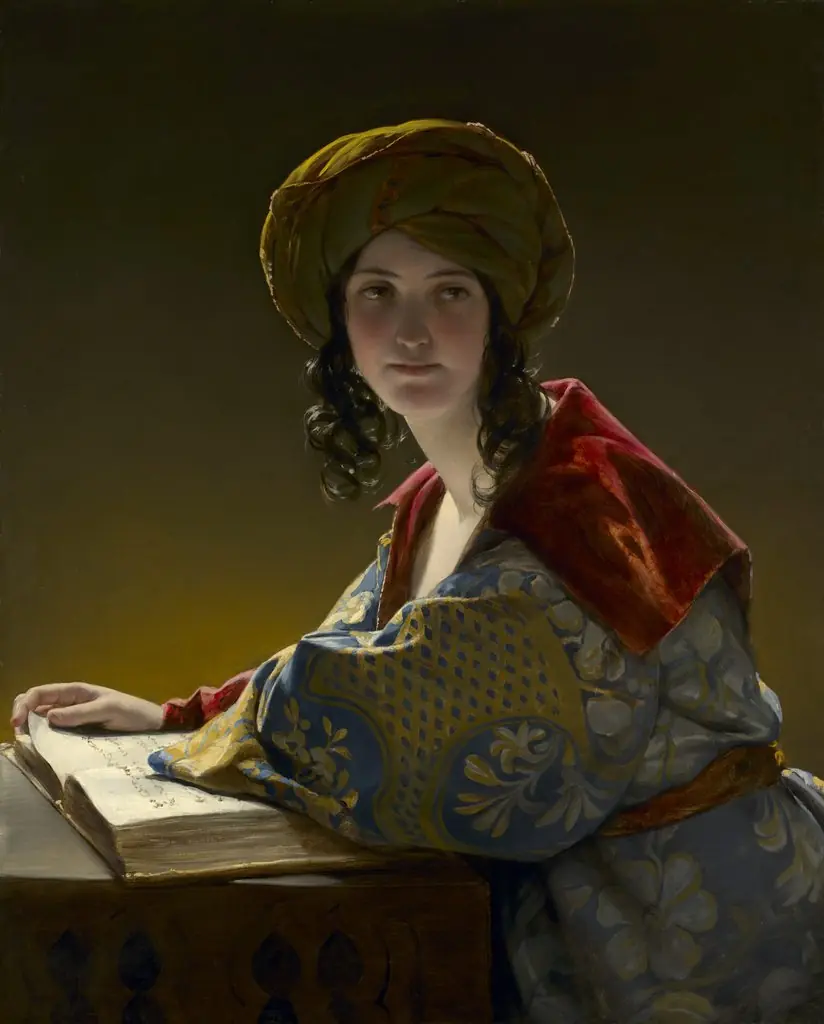
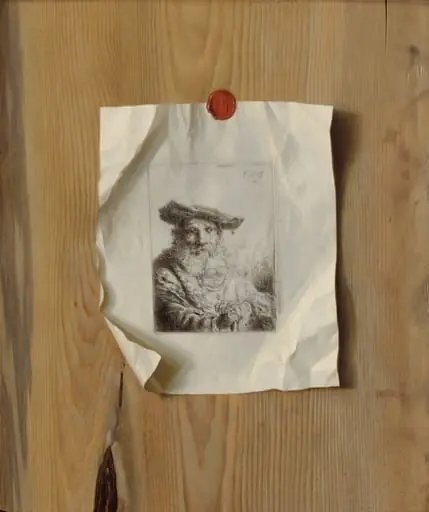
In the collection
Frequently asked
What is sfumato?
Sfumato is a technique of blending tones so softly that no hard lines or borders remain, creating a smoky, gradual transition between light and shadow.
Who invented sfumato?
Leonardo da Vinci is credited with perfecting and naming sfumato; the Mona Lisa is its most famous example.