Curated Theme
Vanitas — On Mortality
The skull and the guttering candle: still life as a memento mori.
1,227 works in the collection
Vanitas is the branch of still-life painting that exists to remind you that you will die. The name comes from Ecclesiastes — vanitas vanitatum, all is vanity — and the genre flourished in seventeenth-century Holland and Flanders, where Protestant moral seriousness met an unprecedented appetite for objects. The pictures assemble a vocabulary of decay: a skull, a guttered candle, a watch, soap bubbles, cut flowers already wilting, a book left open and unfinished. Each is a symbol of time running out, and the painter's virtuosity in rendering them — the gleam on a glass, the bloom on a grape — is itself part of the lesson, since that beauty too will pass. The mood is contemplative and melancholic by design. Look for the small interruptions of the perfect arrangement: the fly on the fruit, the petal fallen to the table. Those are the painter speaking directly to you, in the only language a still life has, about the one thing it is really about.
In this gallery
-
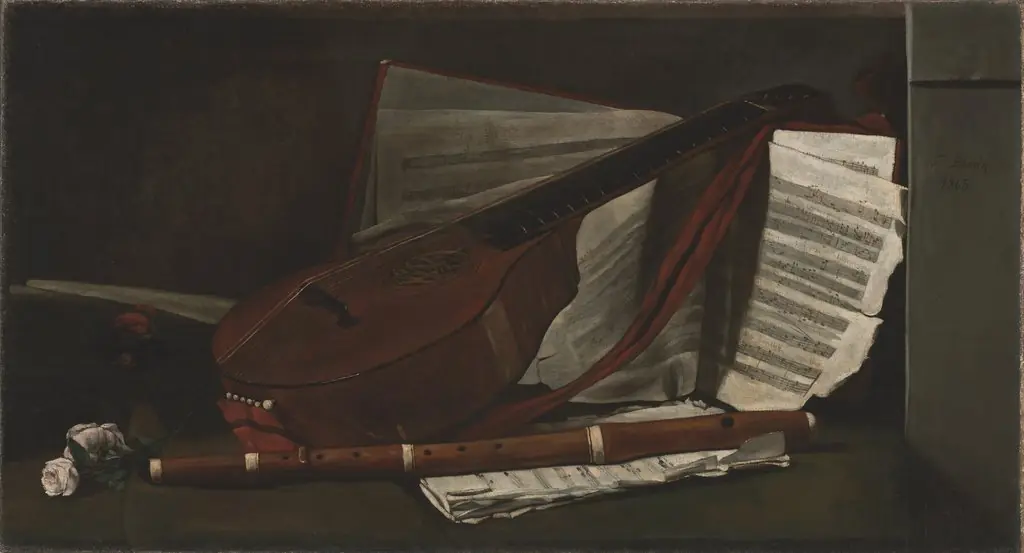 Attributes of Music
 -
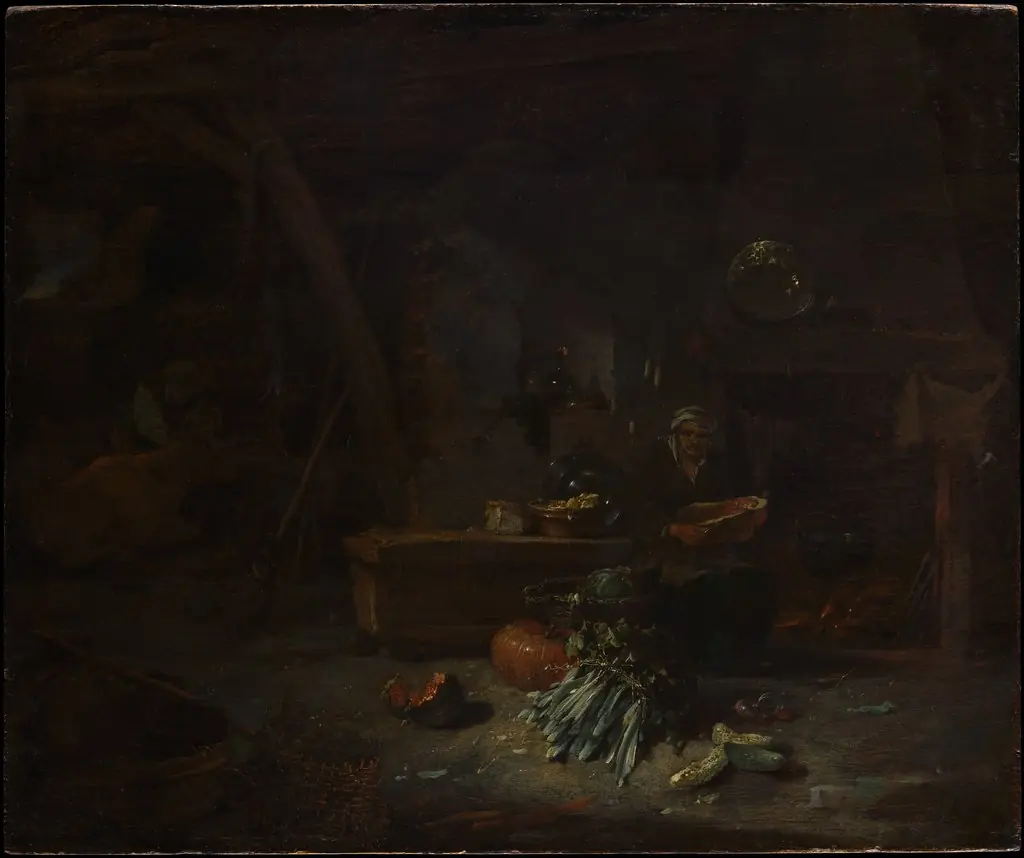 Interior of a Kitchen
 -
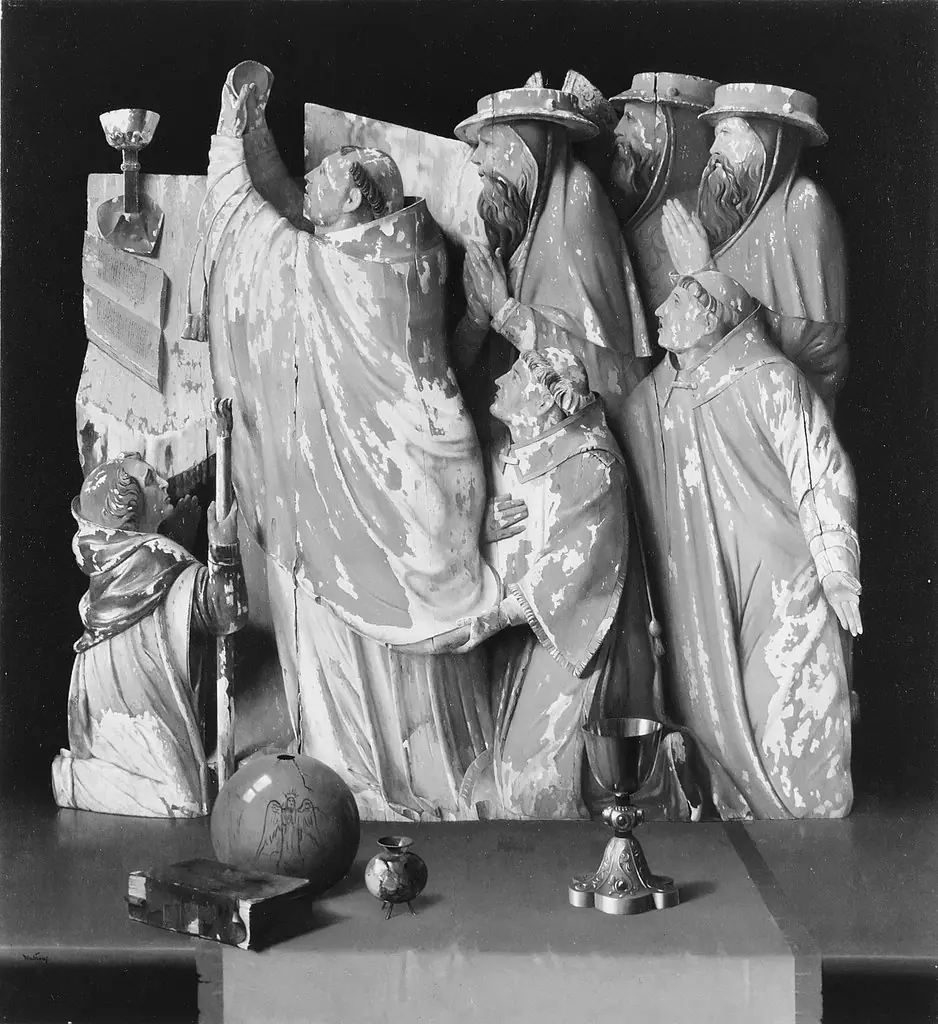 The Celebration of the Mass
 -
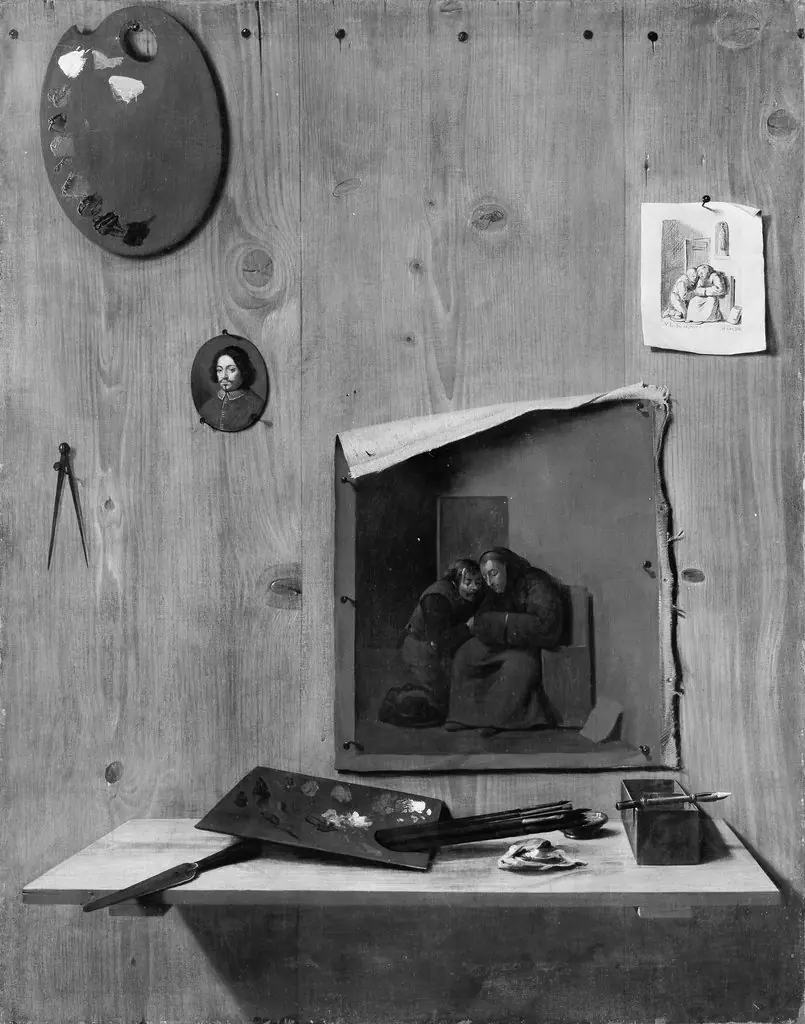 Trompe l'oeil with Palettes and Miniature
 -
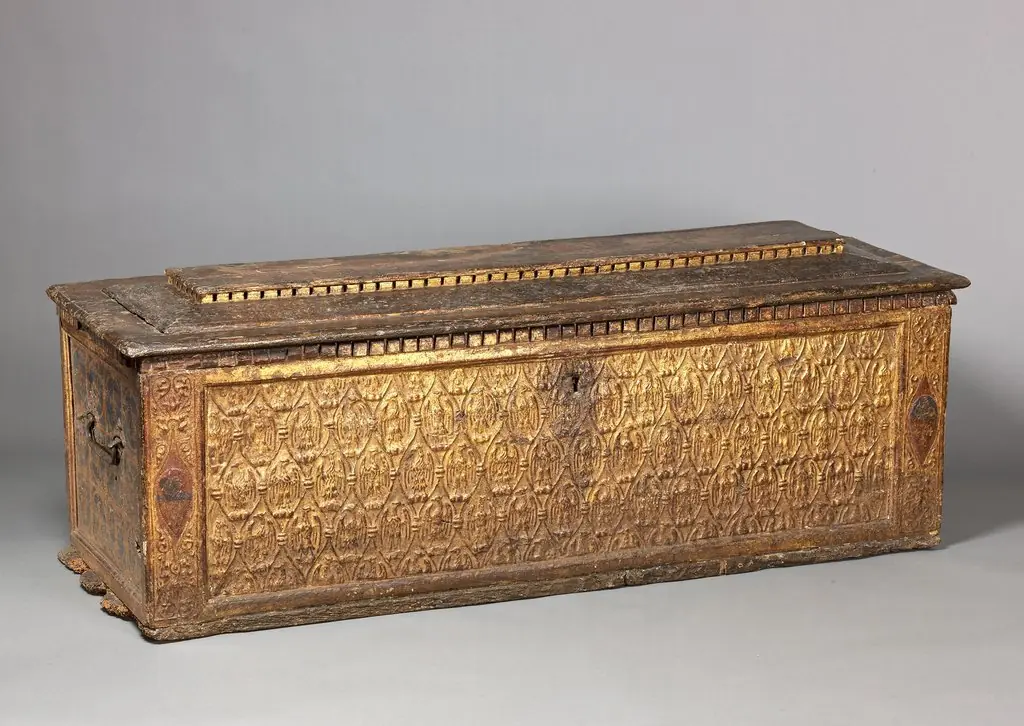 Cassone
 -
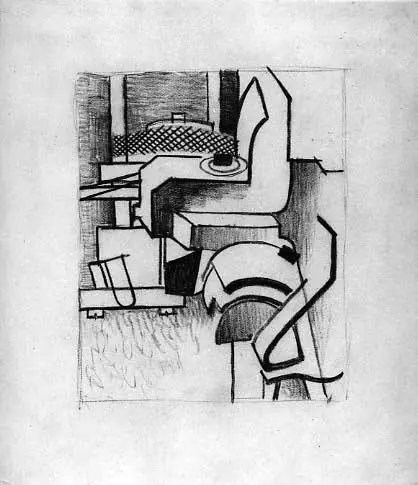 Untitled
 -
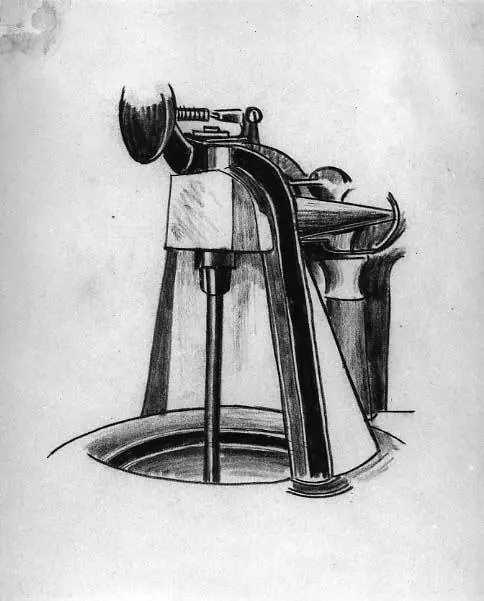 Study for "The Well"
 -
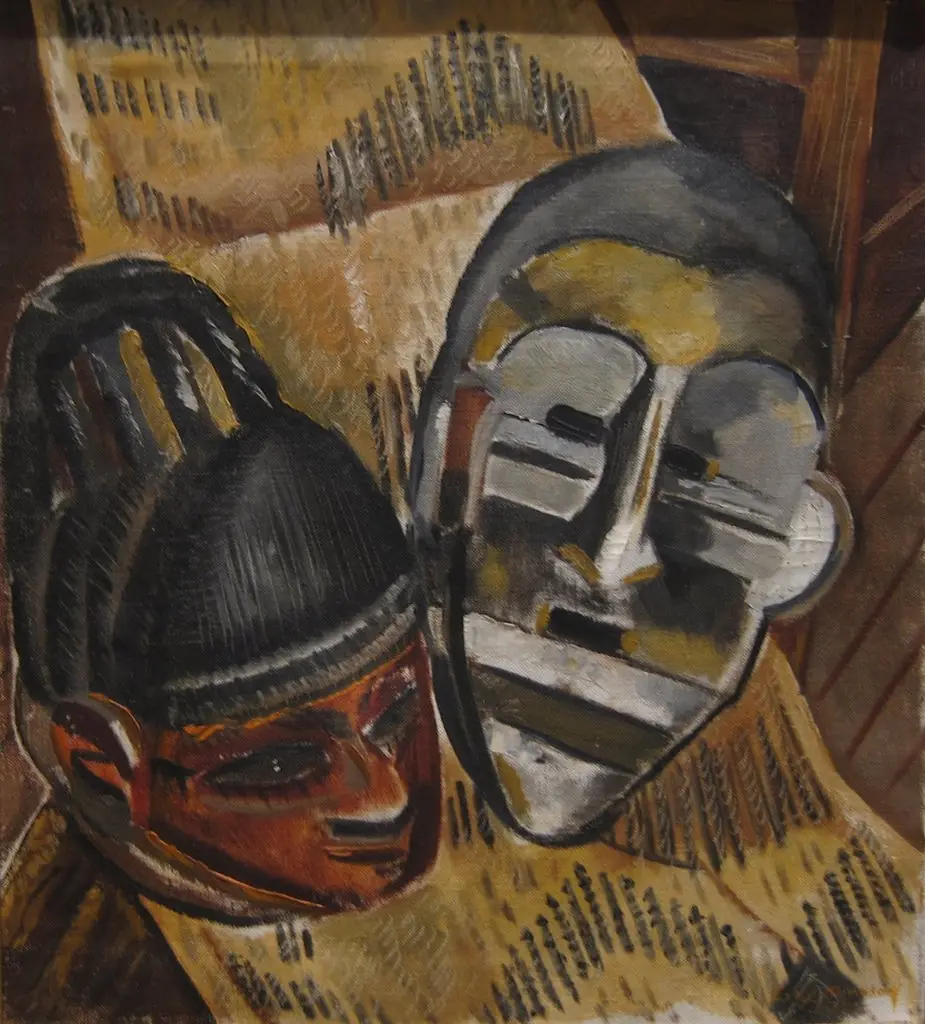 Negro Masks
 -
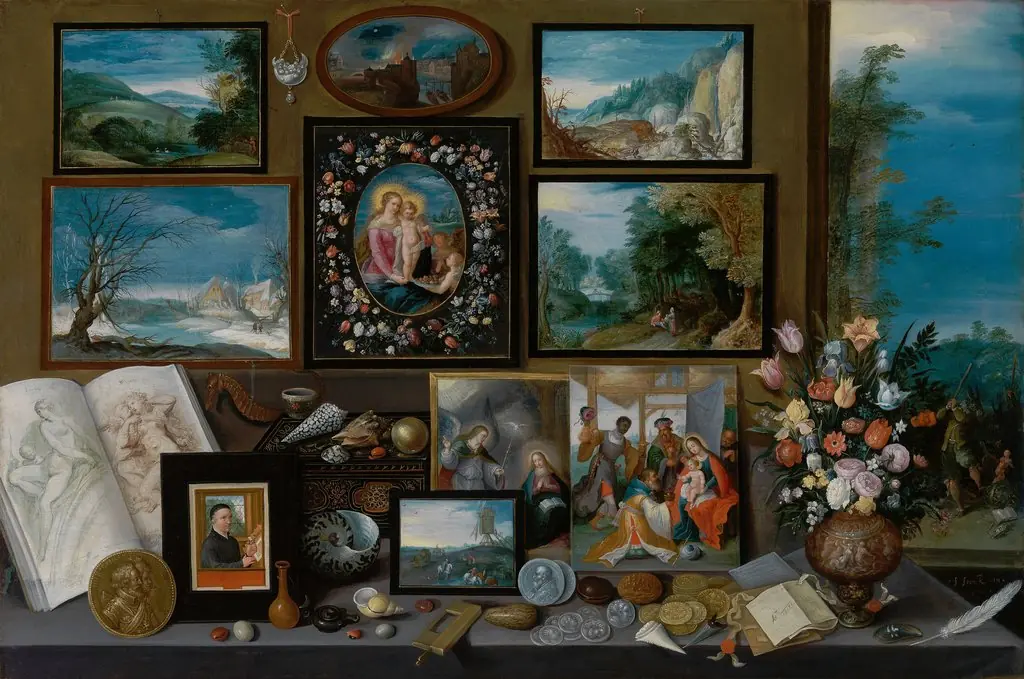 A Collection
 -
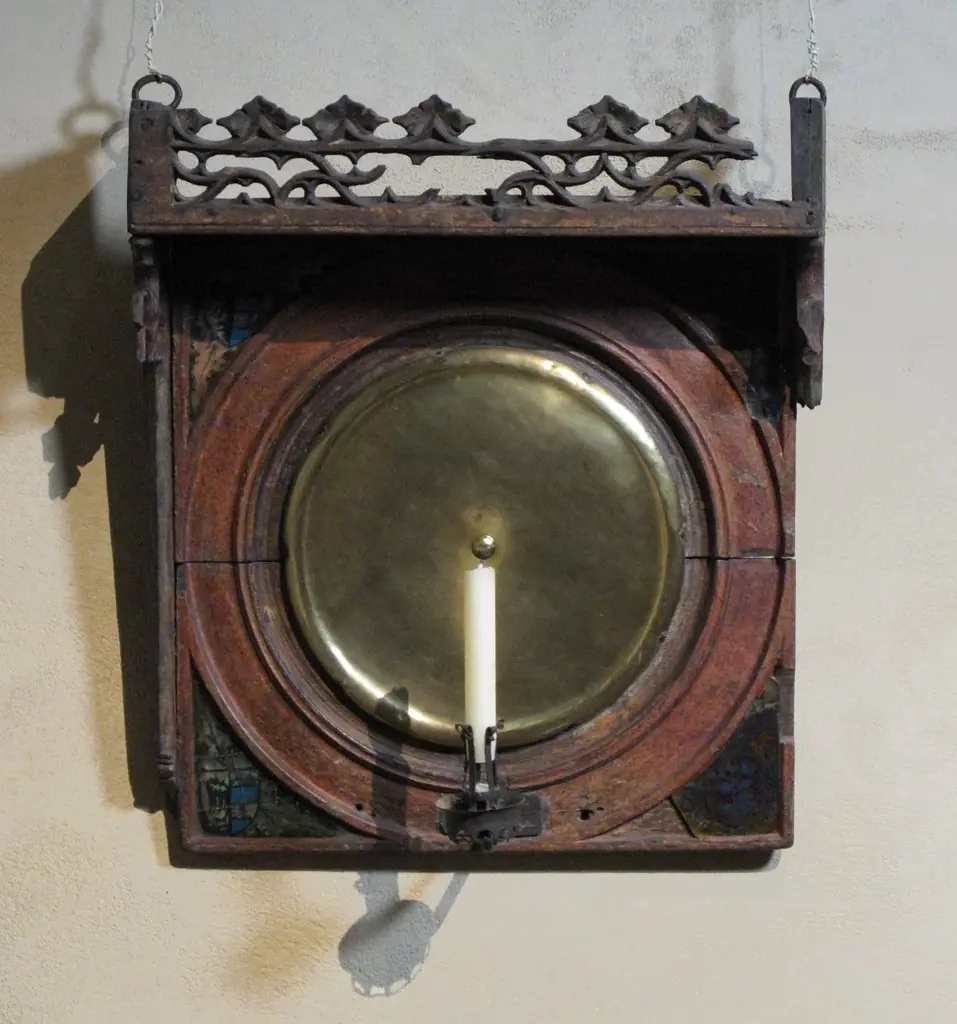 Mirror or Light Reflector
 -
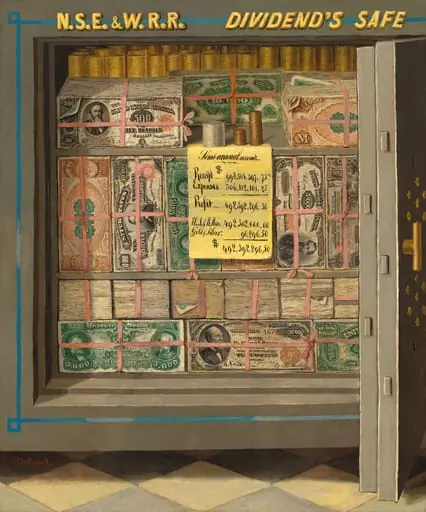 Safe Money
 -
 Disbanding of the Mercenary Troops on the Neude, Utrecht, July 31st, 1618
 -
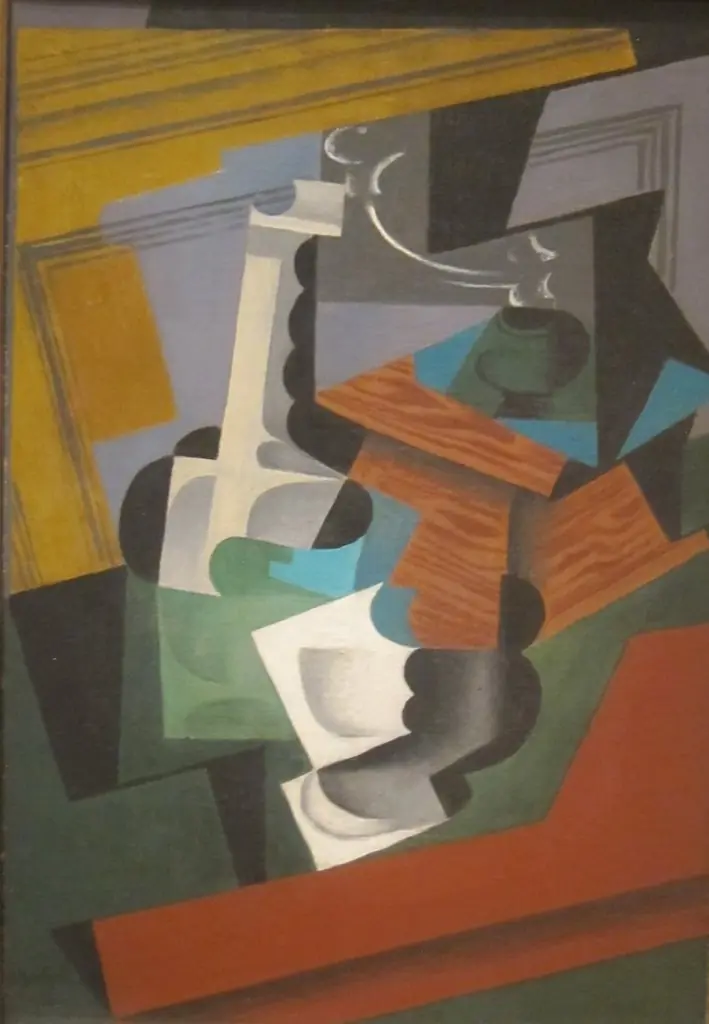 The Coffee Mill
 -
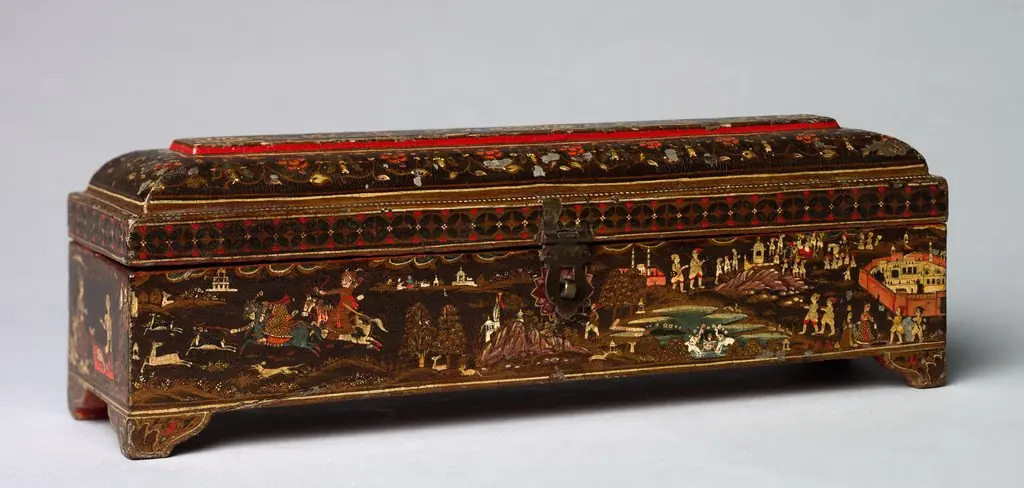 Rajput Box with Various Scenes
 -
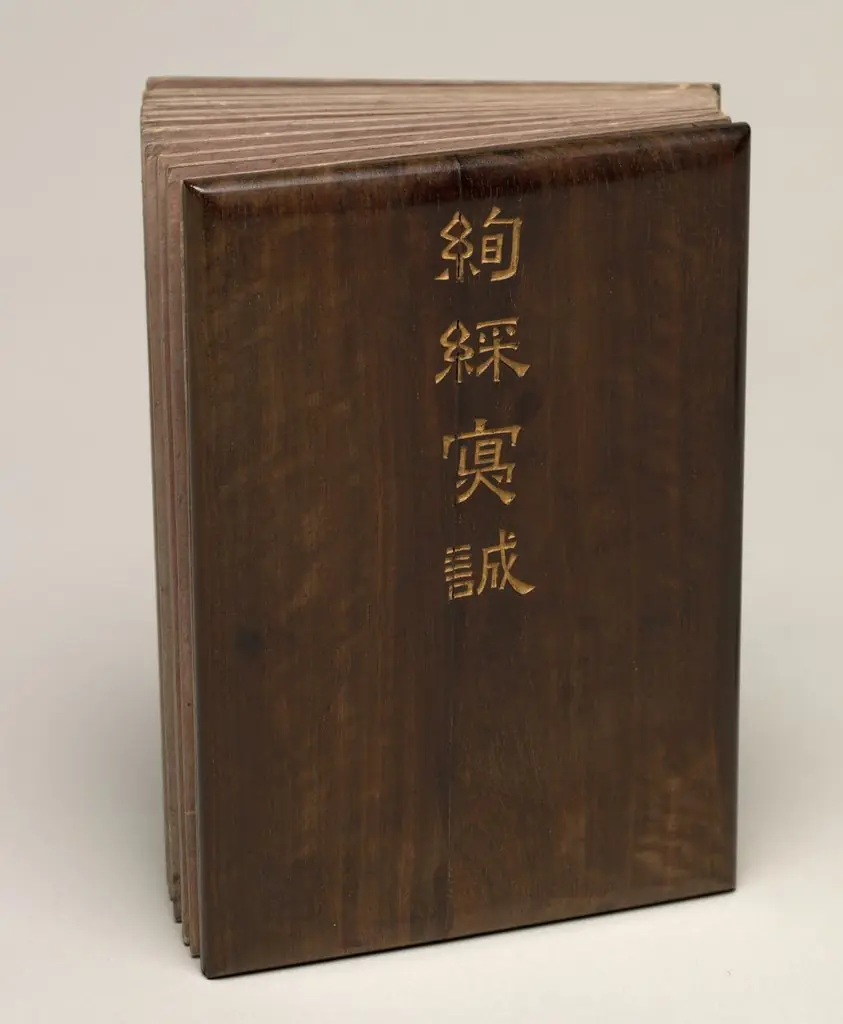 Desk Album: Flower and Bird Paintings
 -
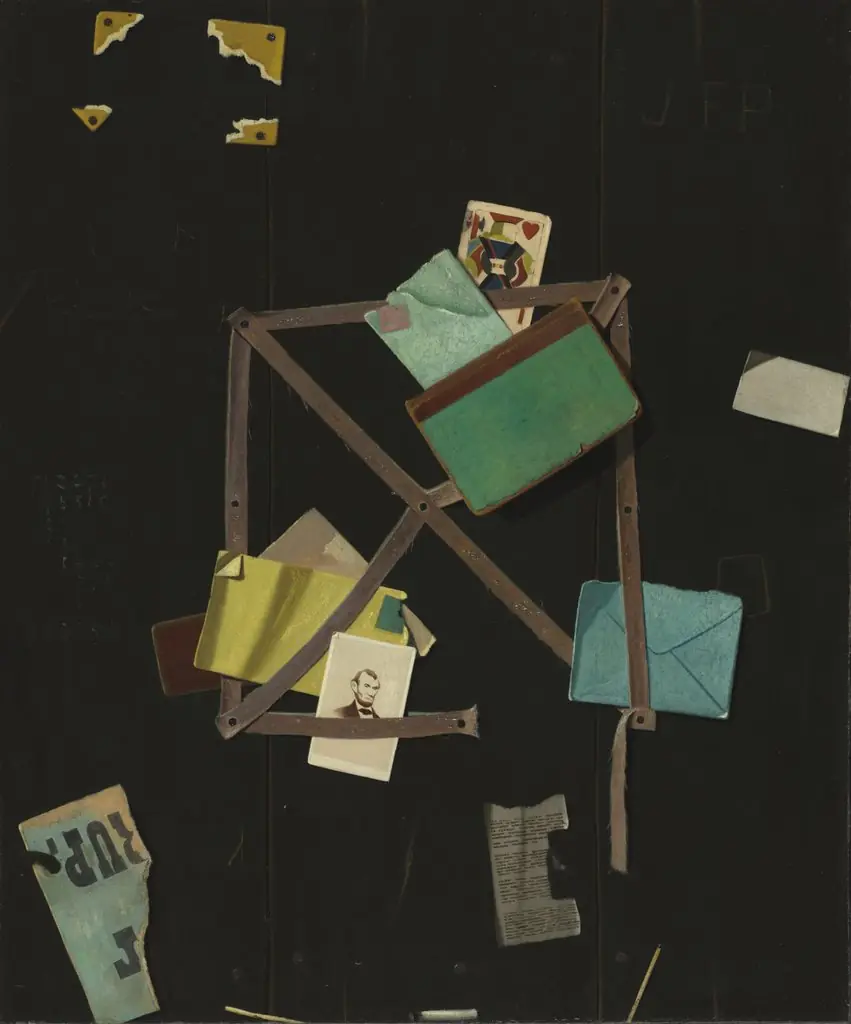 Card Rack with a Jack of Hearts
 -
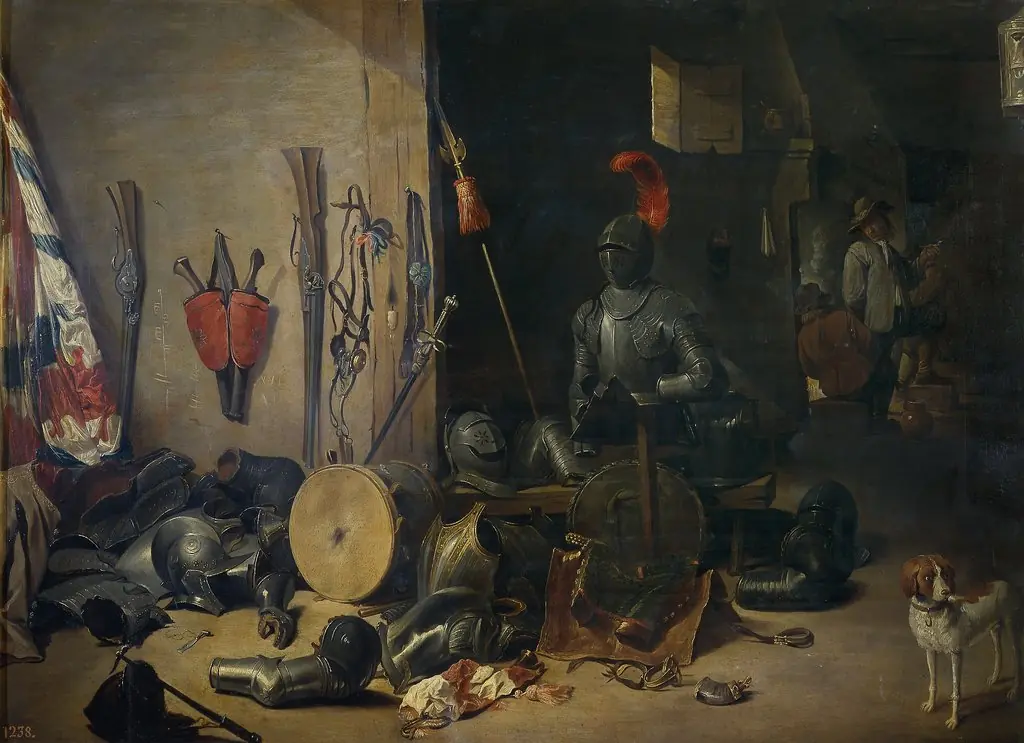 Le Corps de Garde
 -
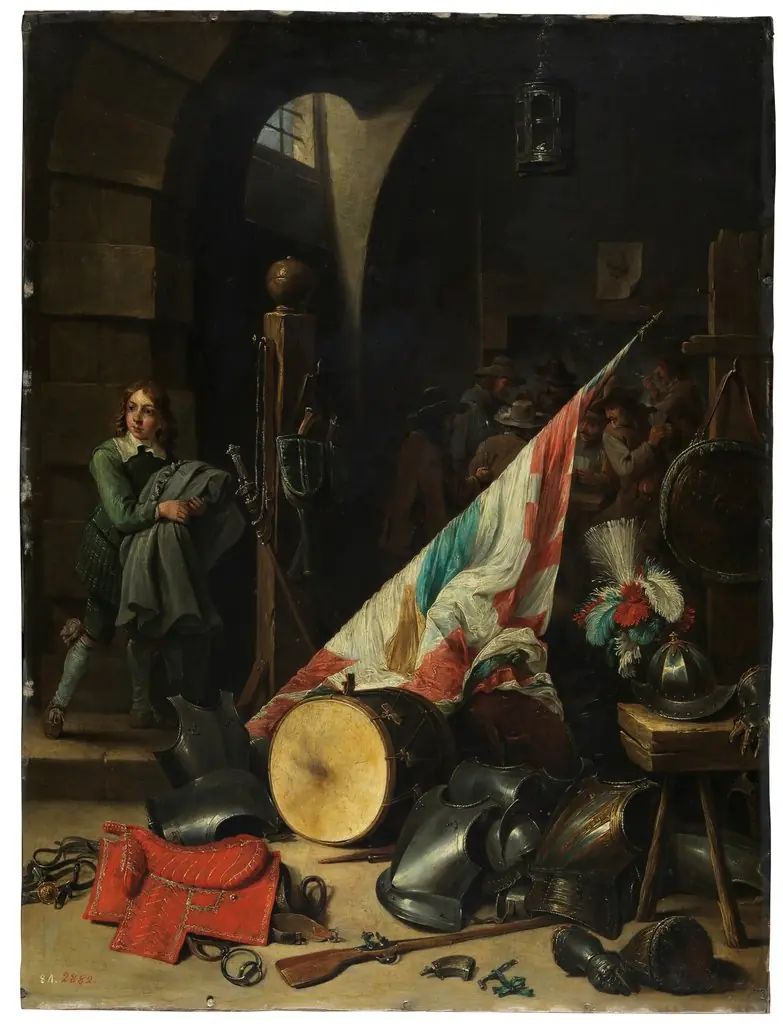 The Guard-Room
 -
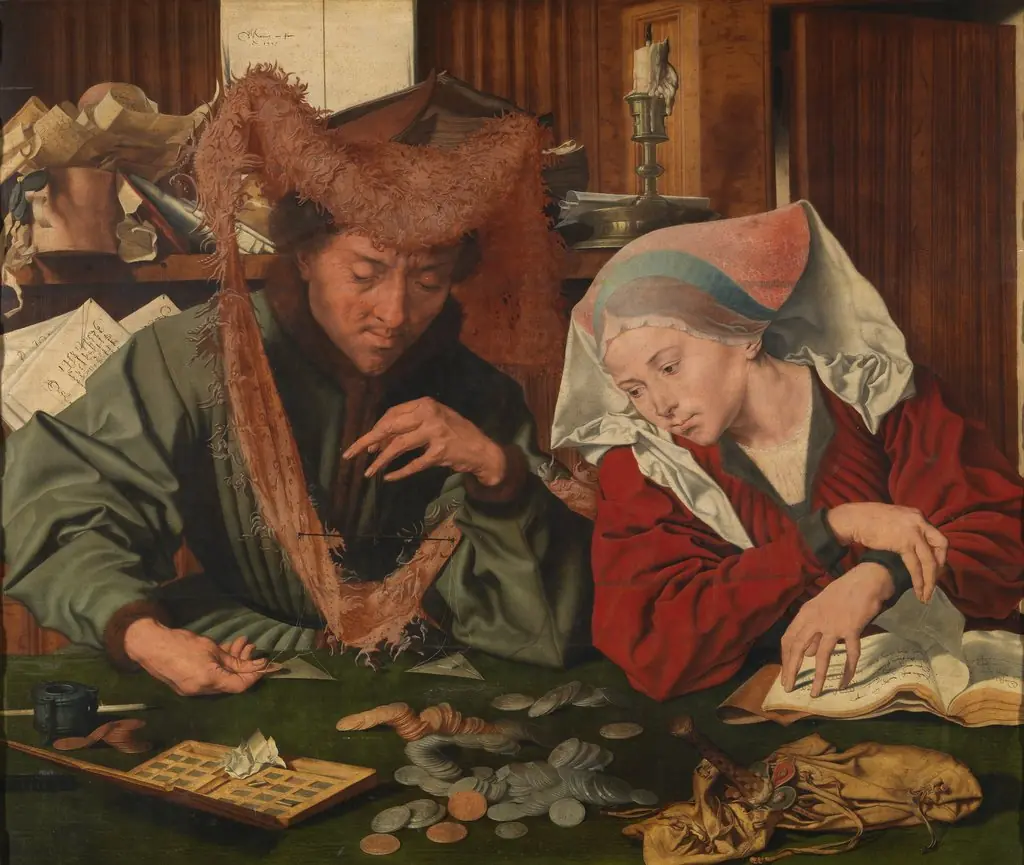 The Moneychanger and His Wife
 -
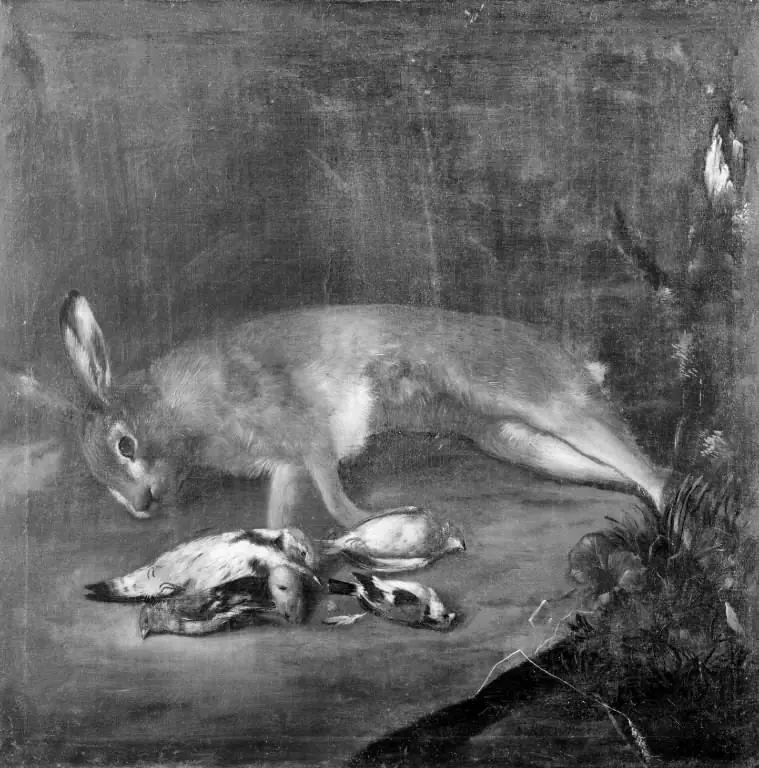 Bag
Bag -
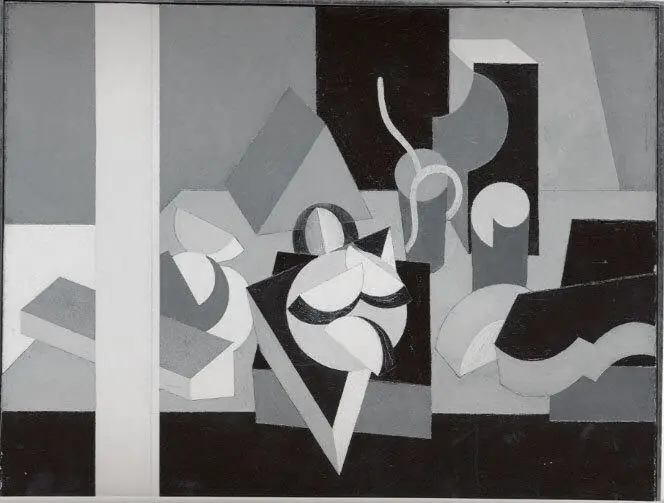 Objects on a Table
 -
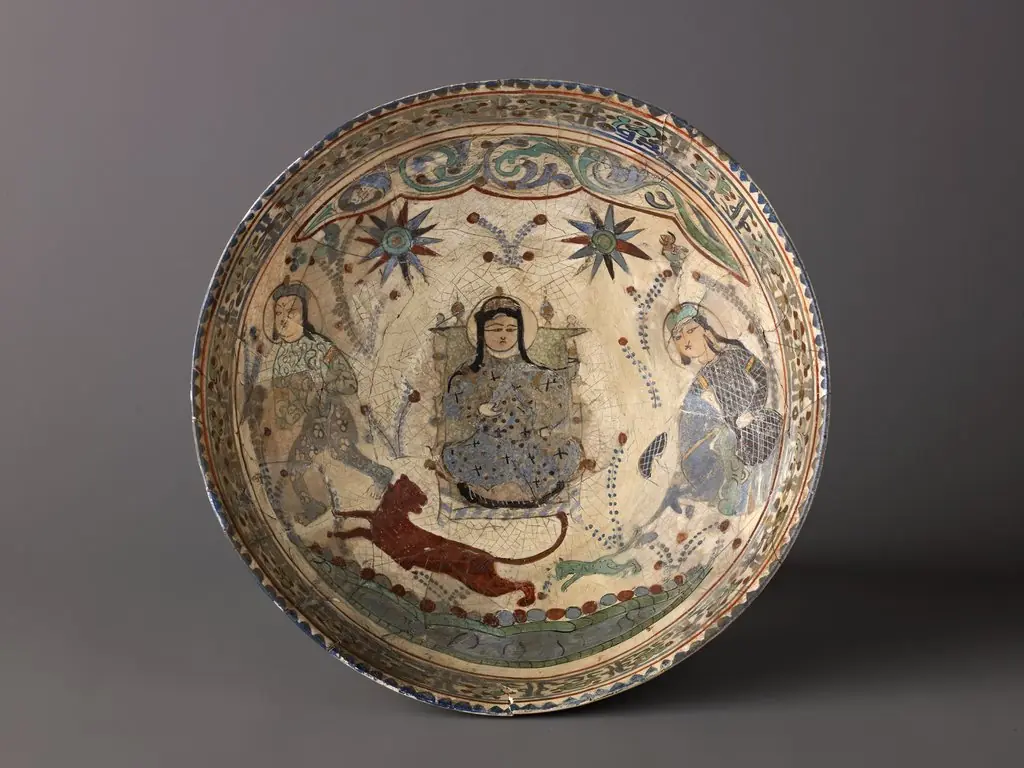 Bowl, Minai'i ("enameled") ware
 -
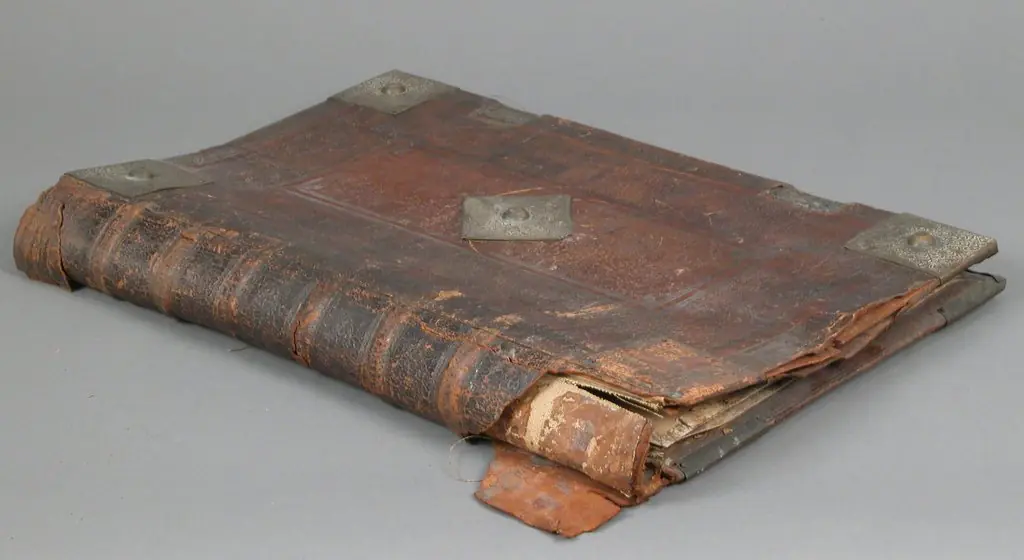 Portfolio
 -
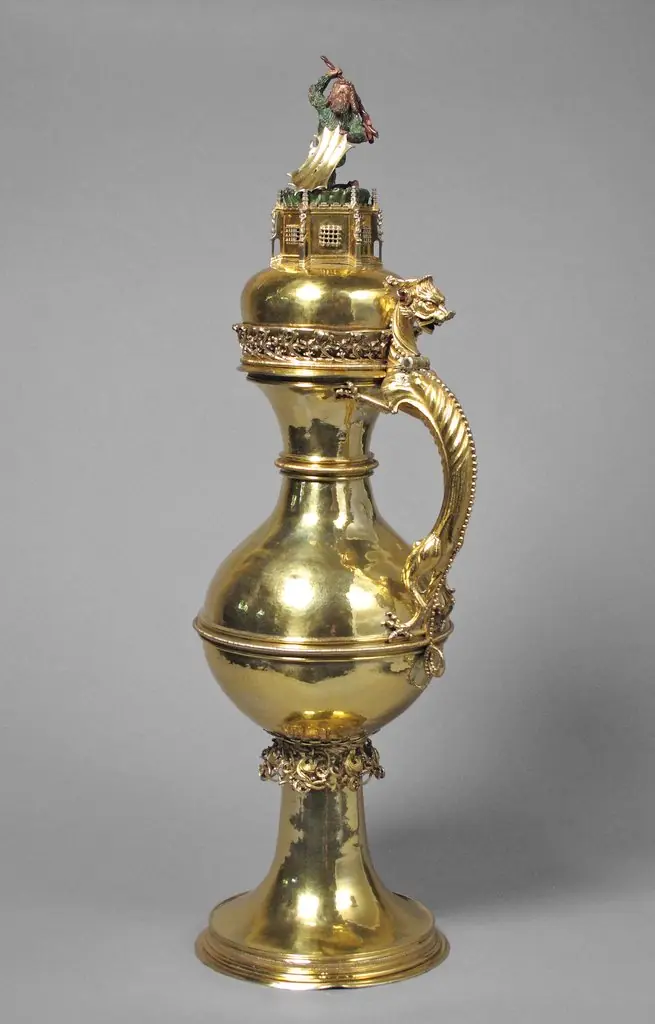 Ewer
Ewer -
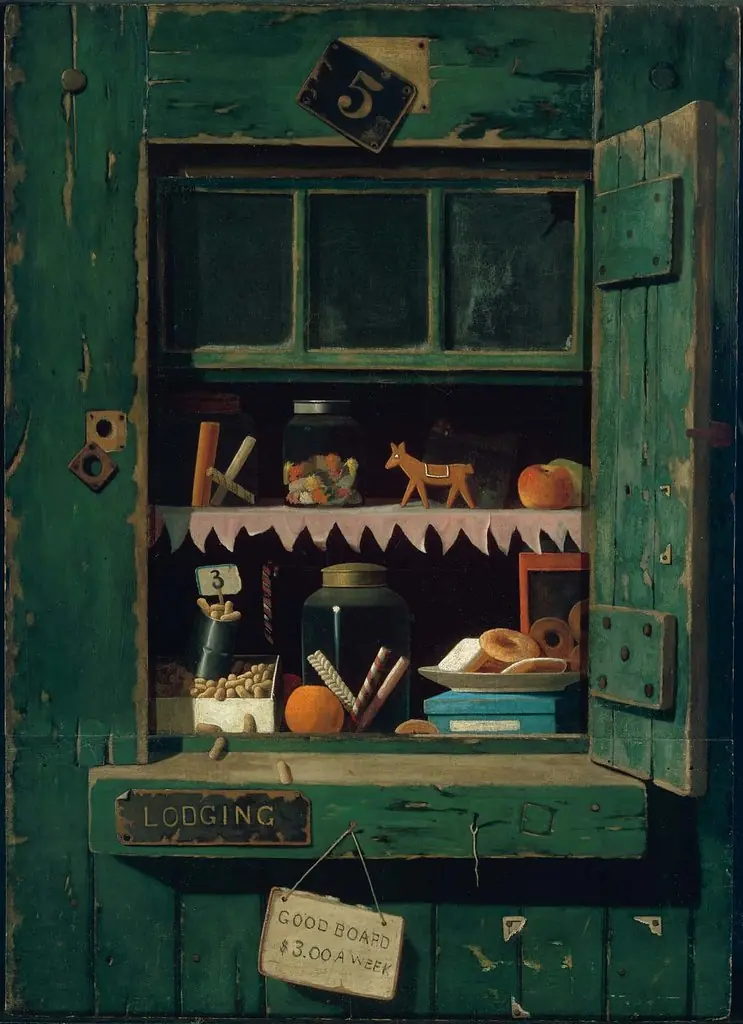 The Poor Man's Store
 -
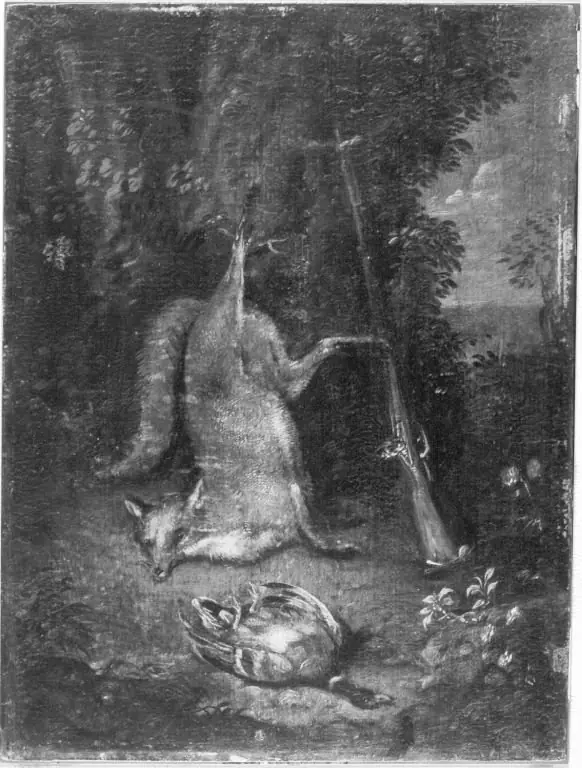 Jagdbeute
 -
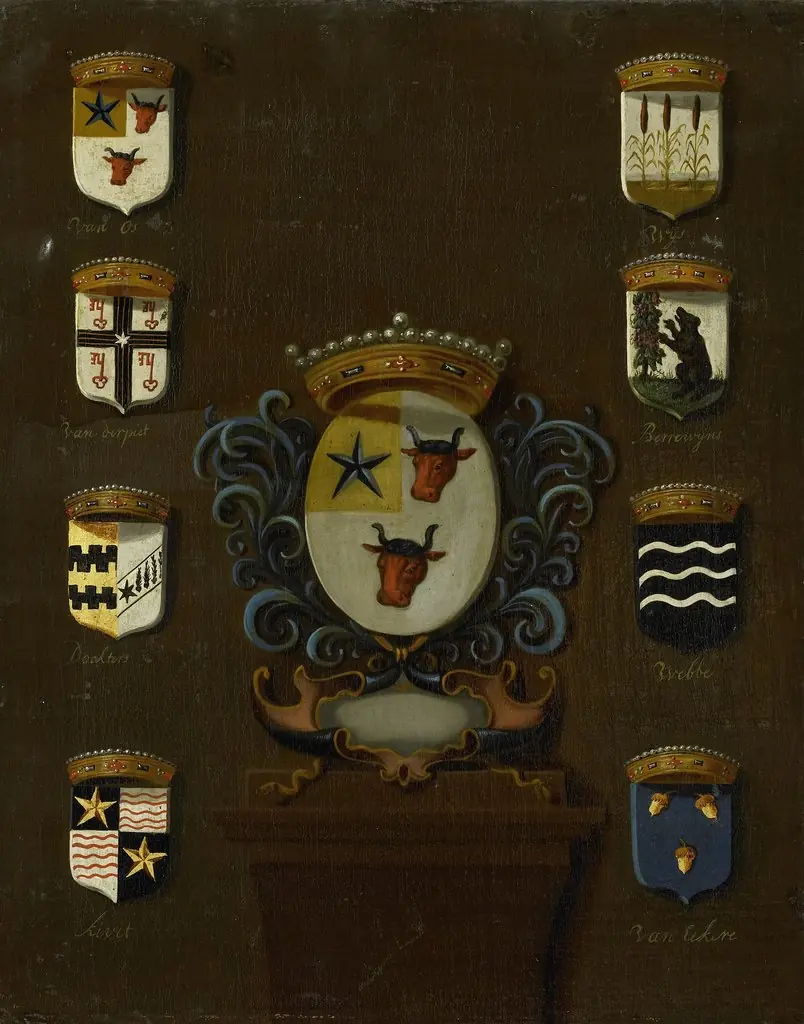 Coat of Arms of Sara van Os, Wife of Jan van Reyersbergh with its eight quarterings
 -
 Wounded Buffalo Bull
 -
 Page from Tales of a Parrot (Tuti-nama): text page
 -
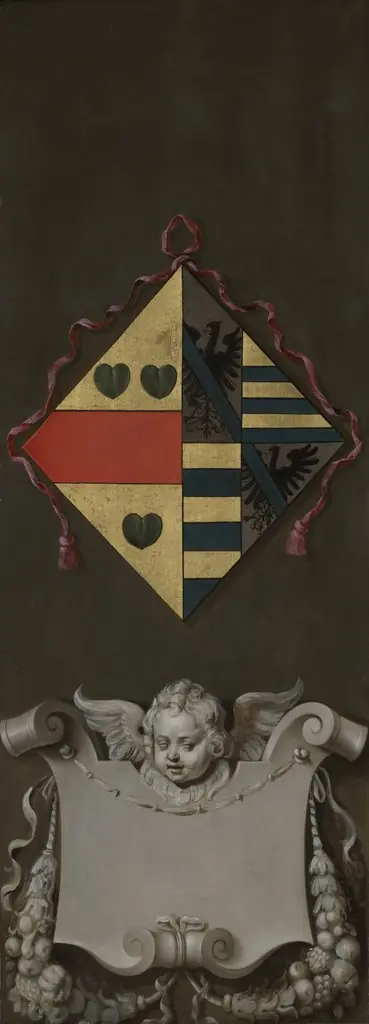 Coat of Arms of Adriana Perez
 -
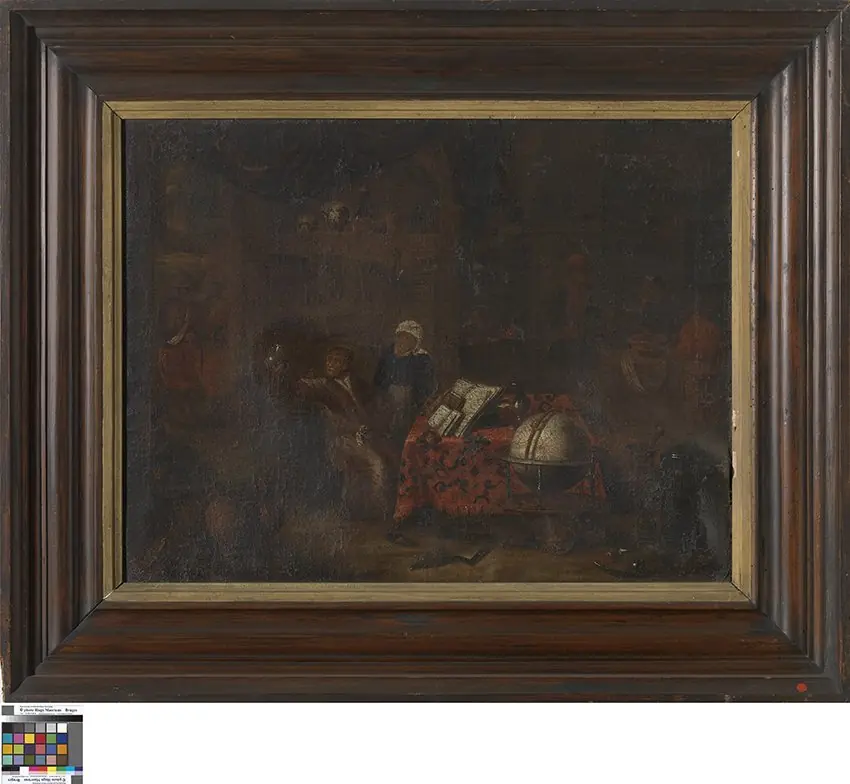 Singerie
 -
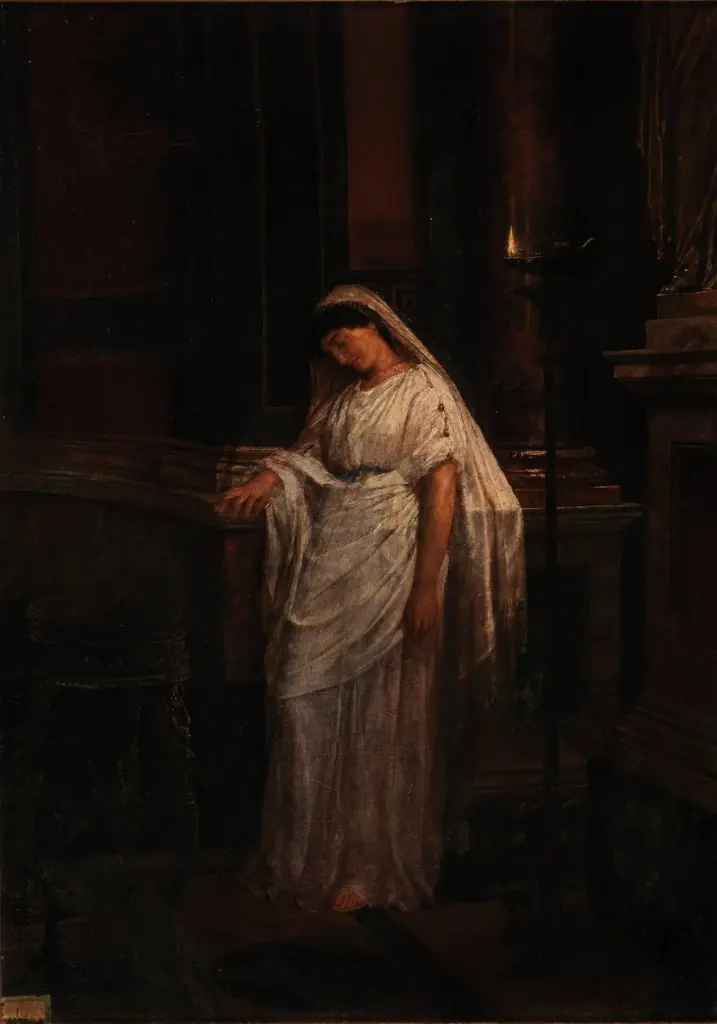 Una vestal
 -
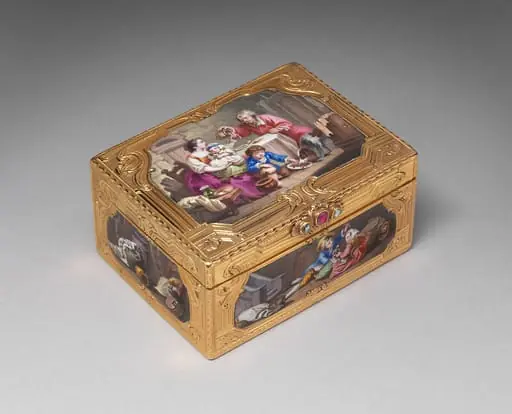 Snuffbox
 -
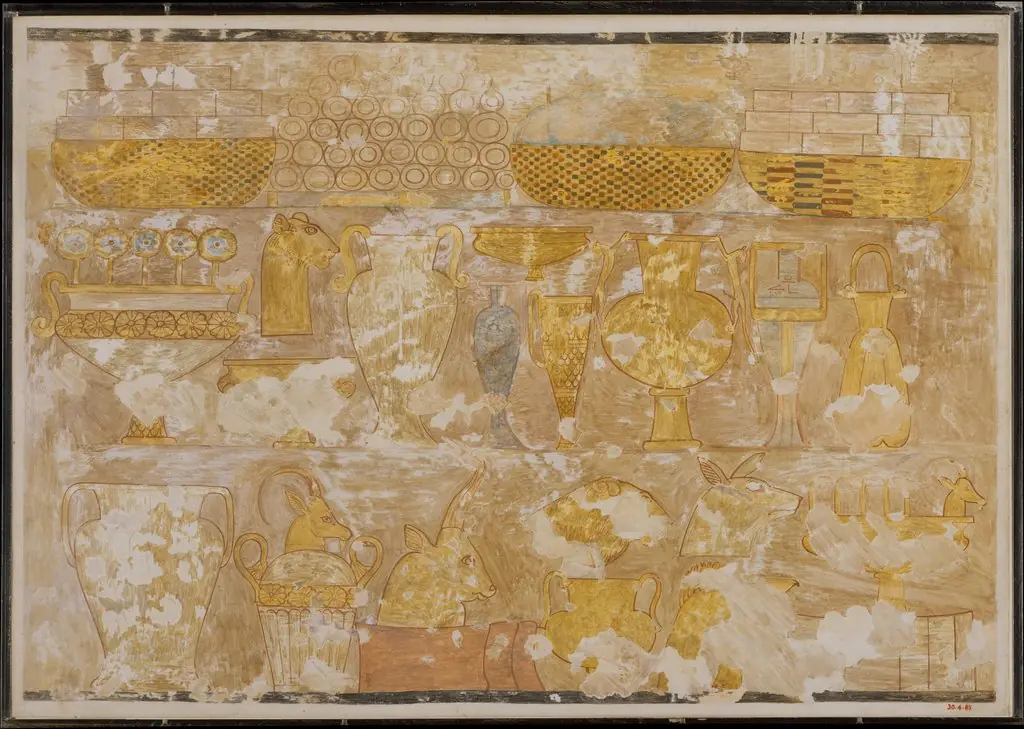 Gifts from the Keftiu, Tomb of Rekhmire
 -
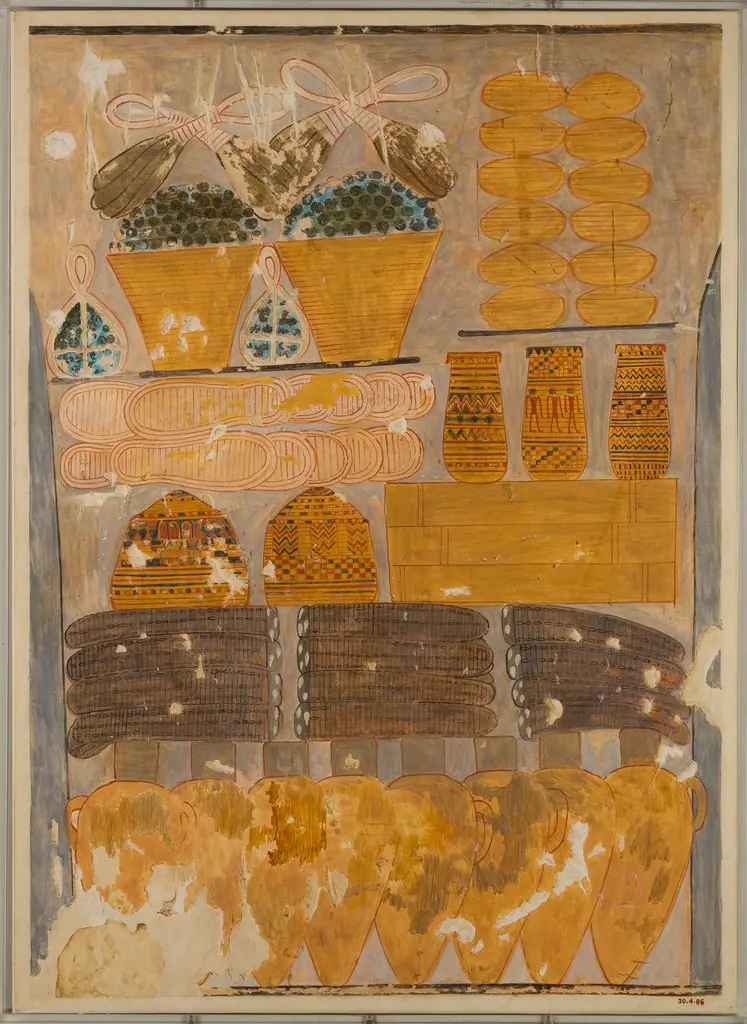 Provisions Stored in the Temple, Tomb of Rekhmire
 -
 Decoratiestuk met een guirlande van muziekinstrumenten en bladmuziek
 -
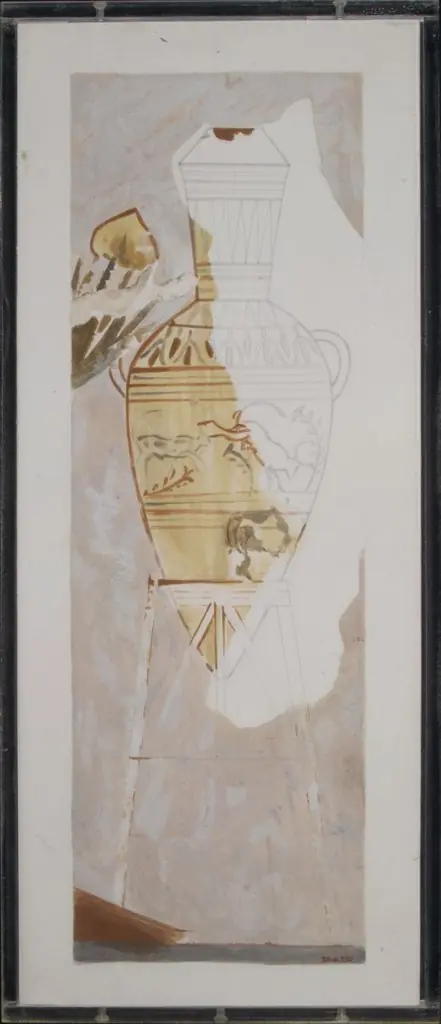 Jar and Stand, Tomb of Nakht
 -
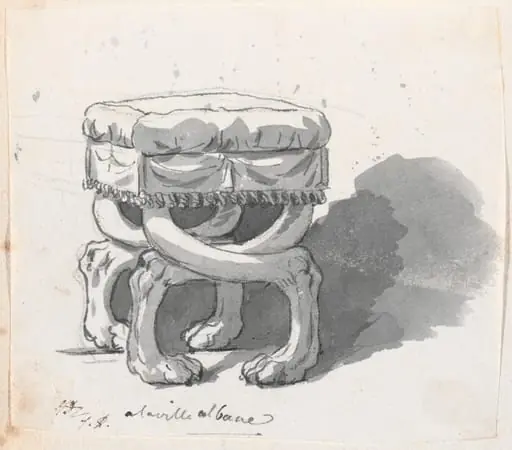 Footrest from the Villa Albani
 -
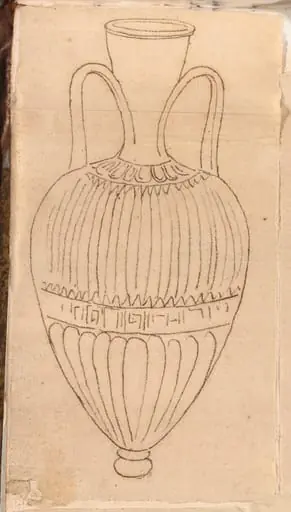 Double-Handled Vase
 -
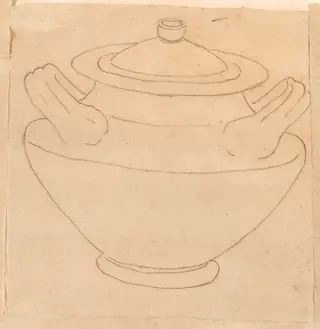 Double-Handled Pot
 -
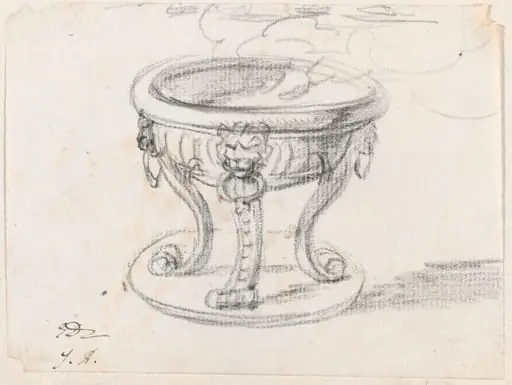 Decorative Brazier
 -
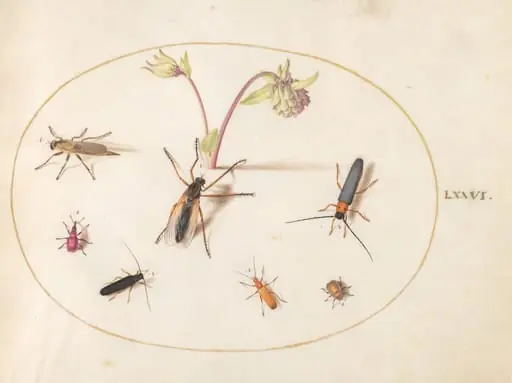 Plate 76: Insects with a Pink and Cream Columbine
 -
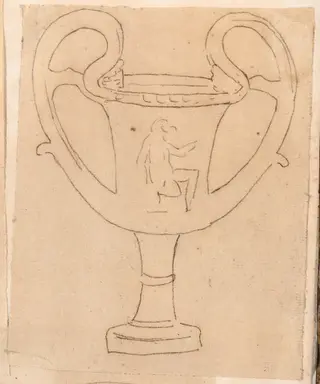 Greek Vase
 -
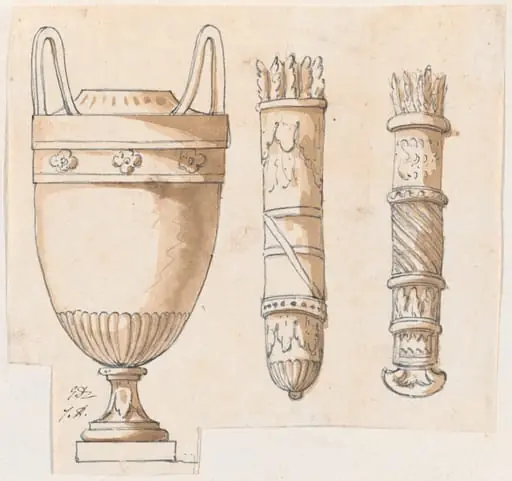 An Urn and Two Quivers
 -
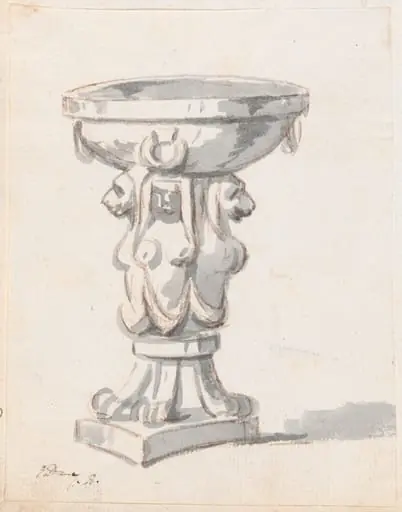 Basin Supported by Sphinxes
 -
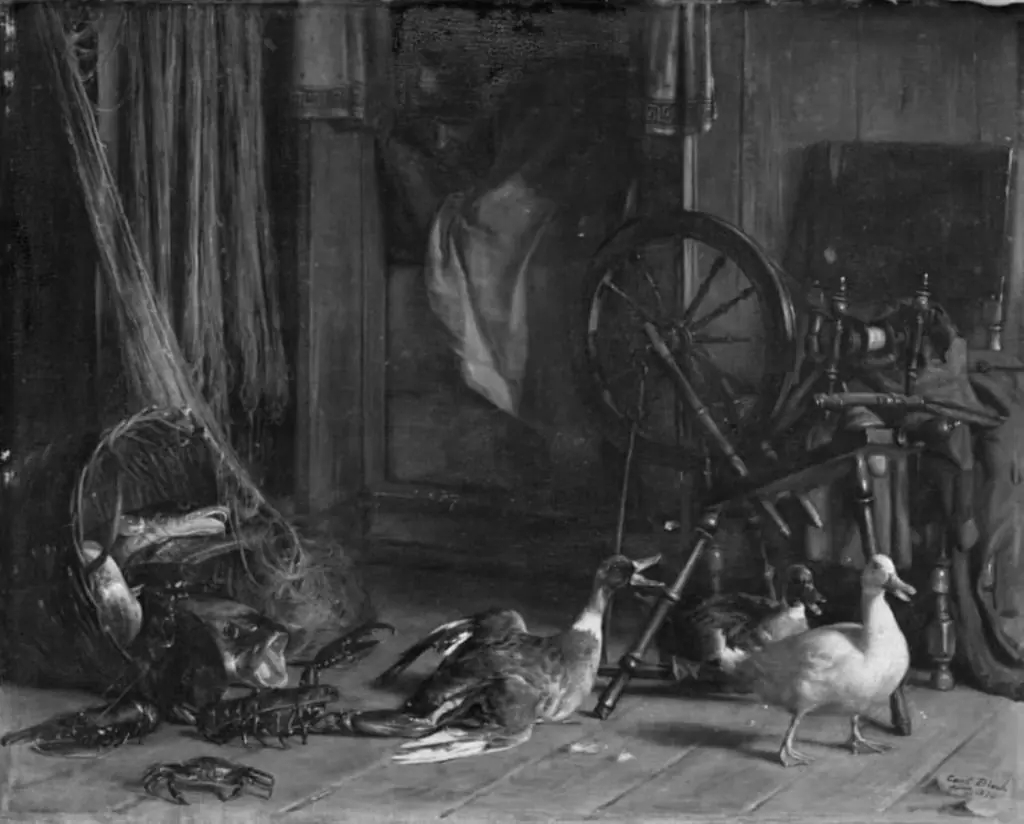 En forstyrret middagssøvn
 -
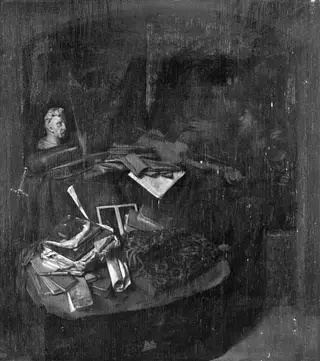 An Old Jewish Doctor Advising a Woman
 -
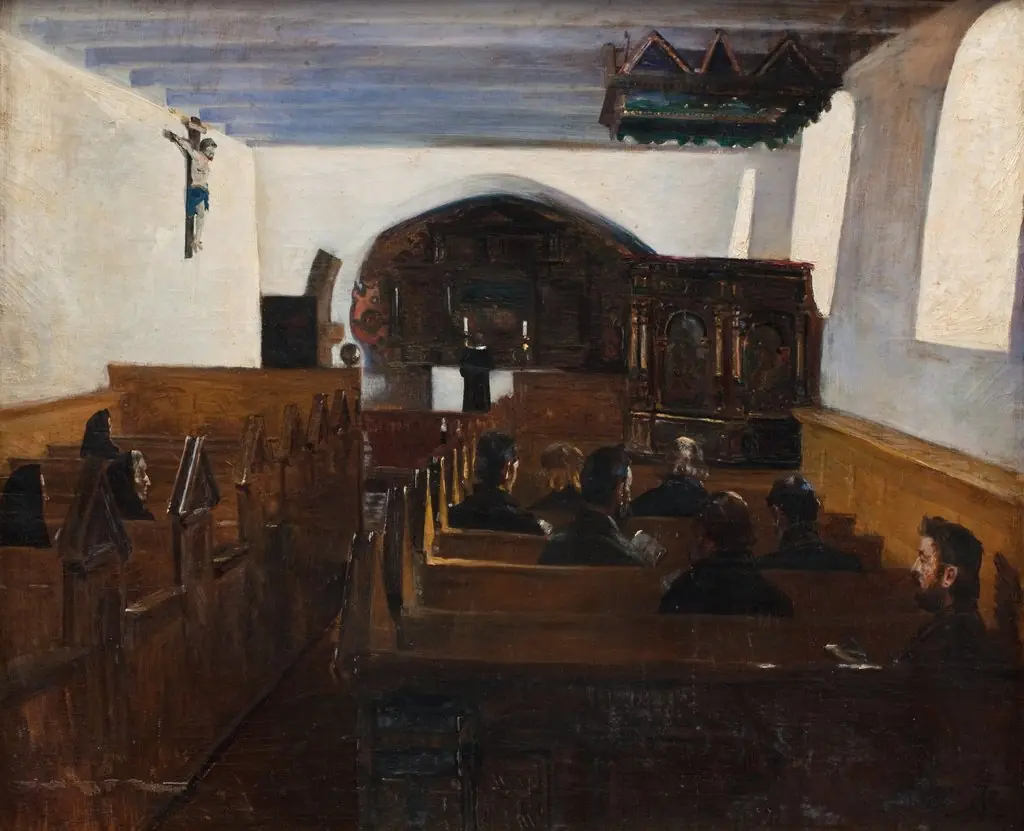 A church Service in the Island of Mors, Jutland
 -
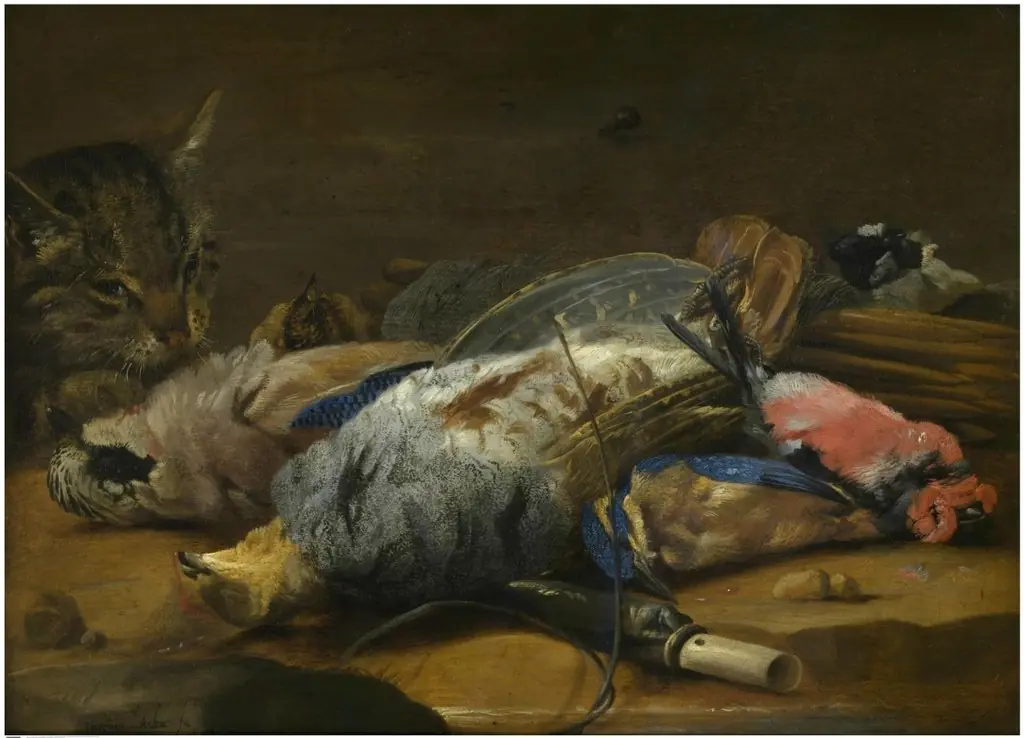 Cat and dead fowl
 -
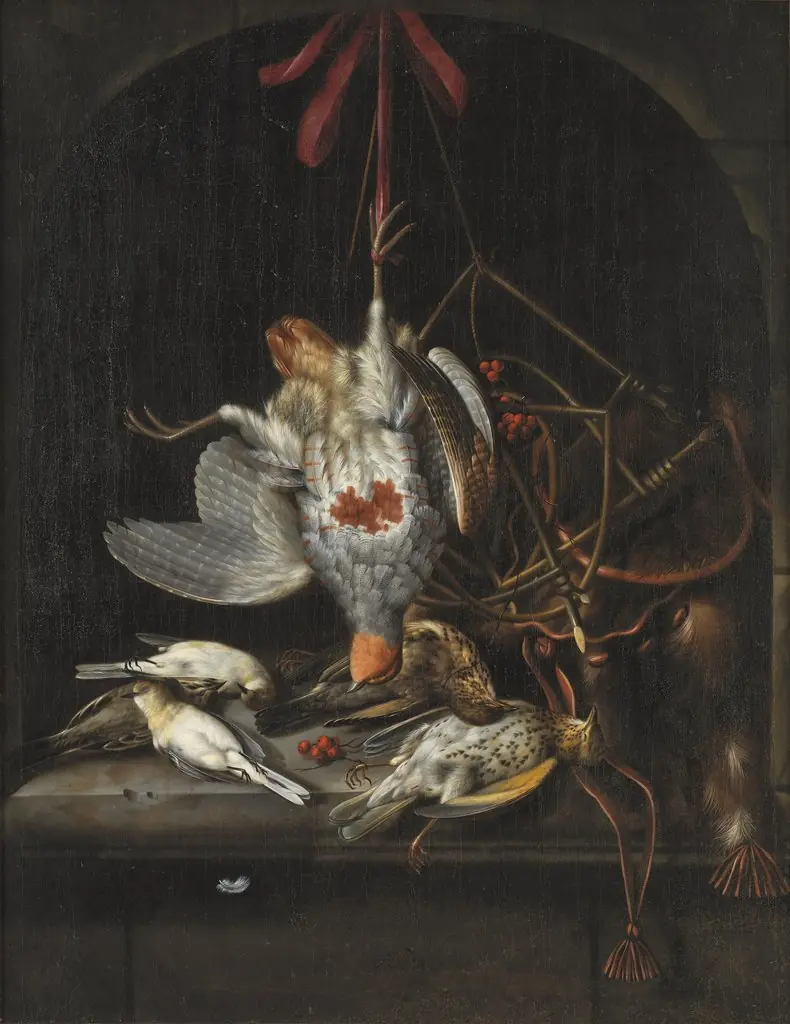 Dead Wildfowl
 -
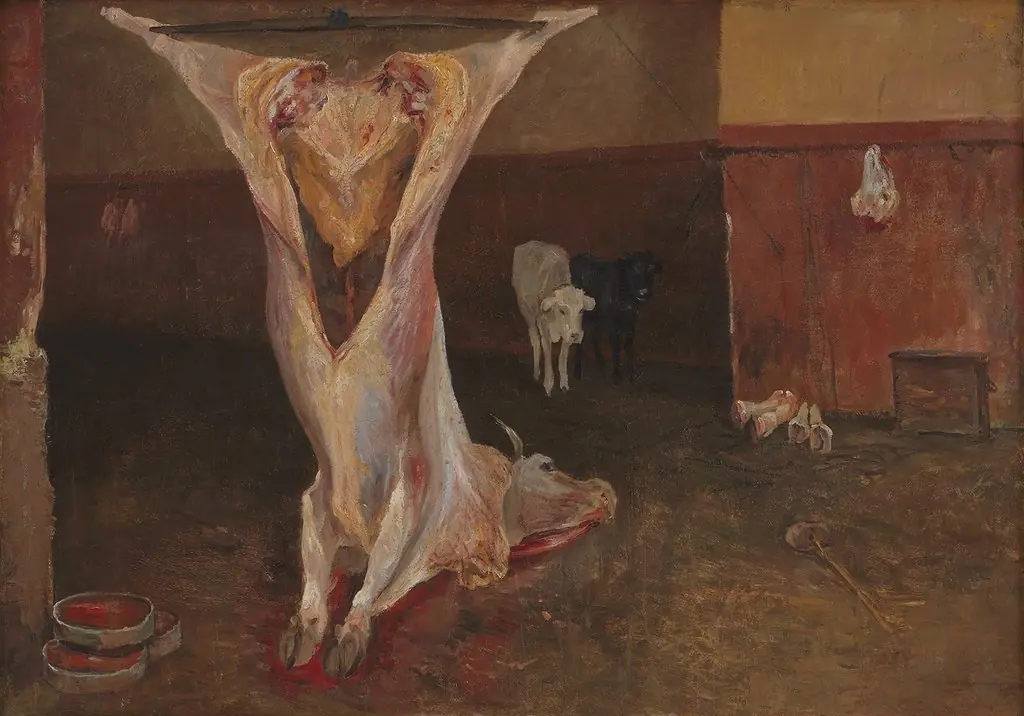 Carcase of an Ox. Rome
 -
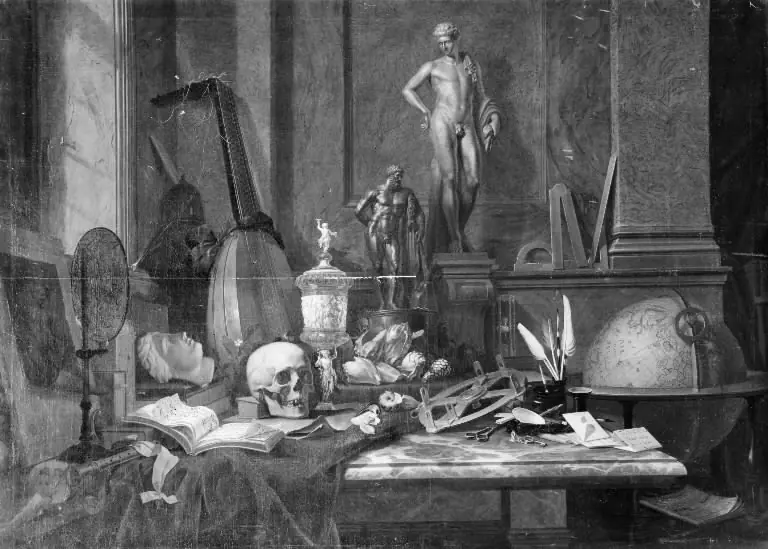 Opstilling. Allegori på forkrænkeligheden
 -
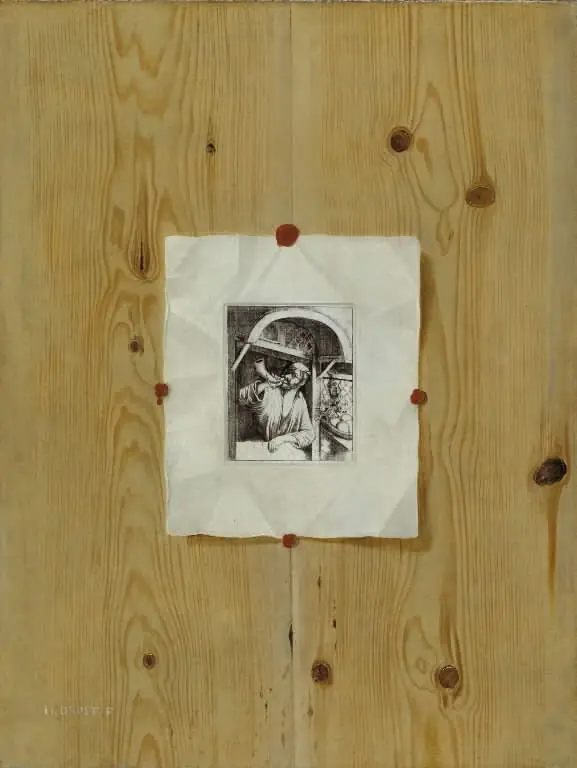 Trompe l'Oeil. Board with an Etching of a Baker Sounding his Horn
 -
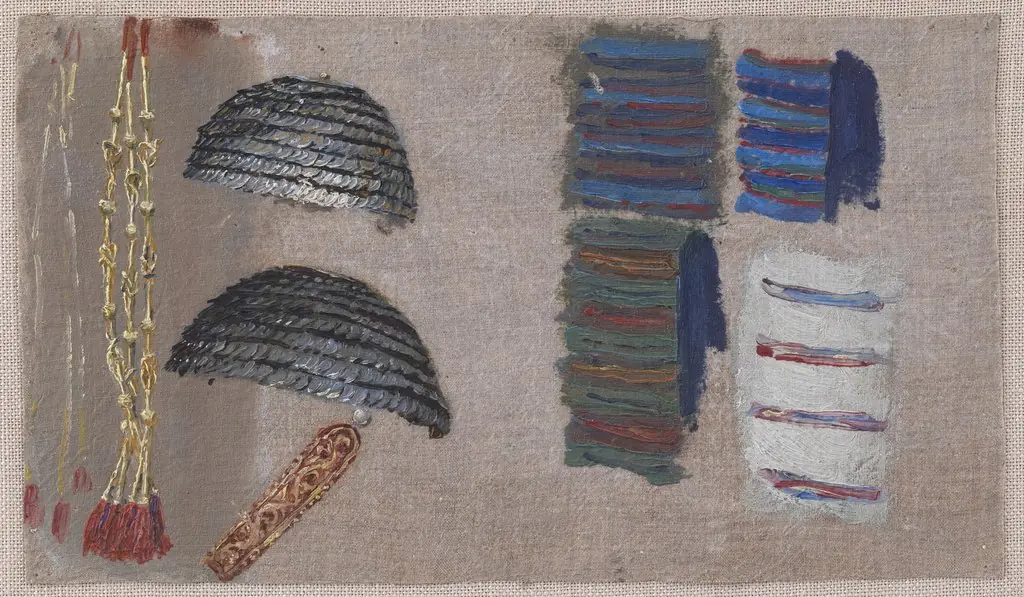 Dragtstudier. Megara. KMS 4233
 -
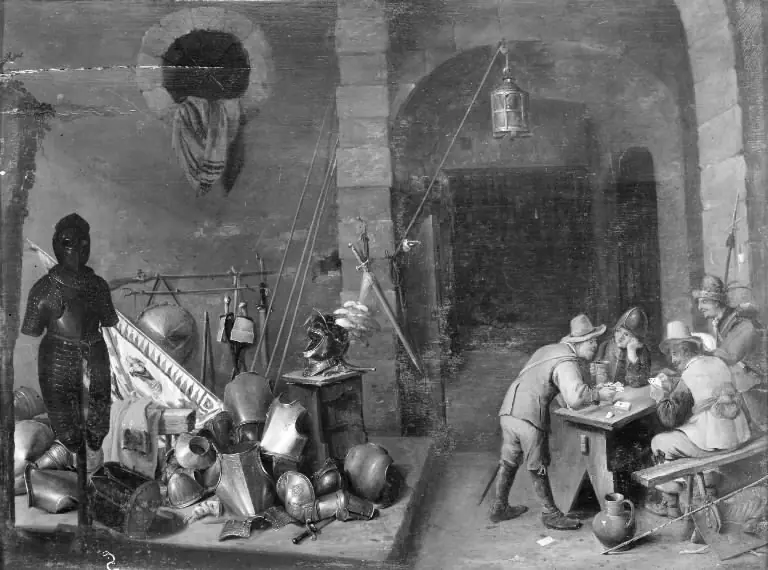 Casemate
 -
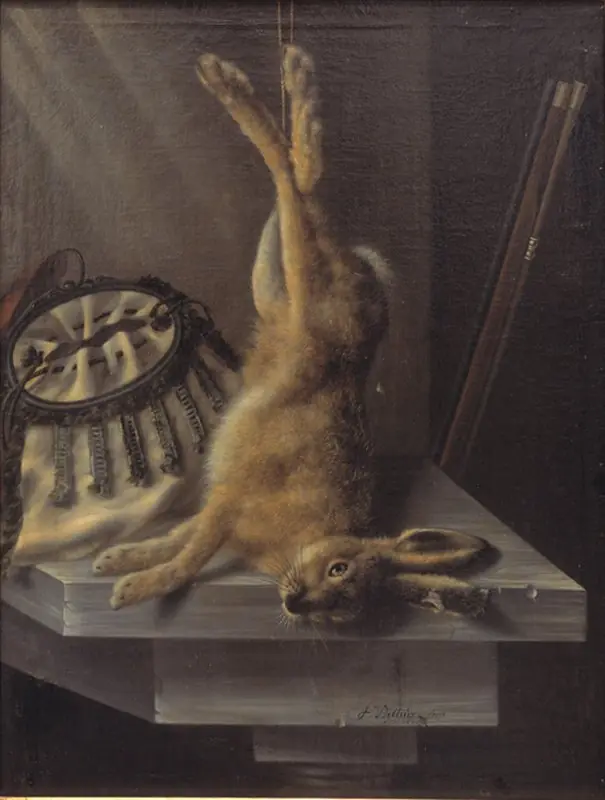 A Dead Hare
 -
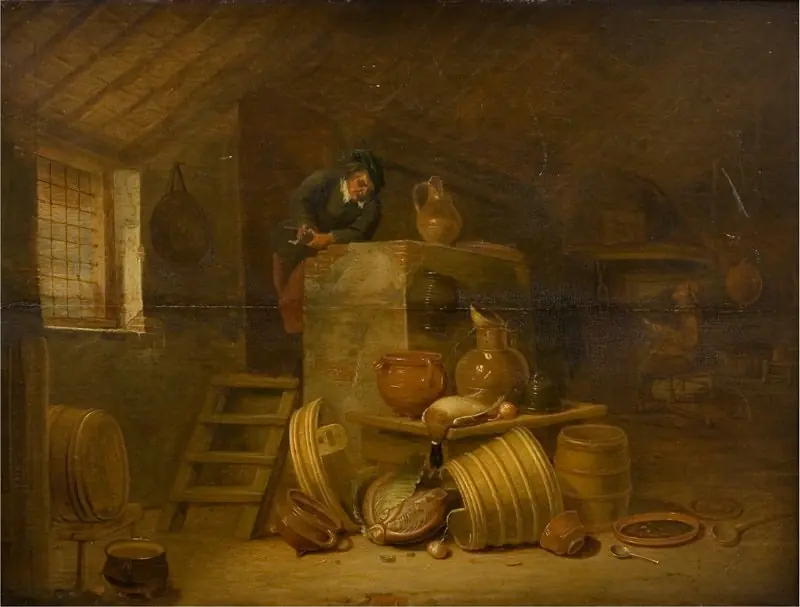 Interior of a Kitchen
 -
 Opstilling
 -
 Snuffbox
 -
 Goldfish