Movement
Arts and Crafts movement
Arts and Crafts movement is an art movement of the 1880–1910 period. The gallery holds 38 works in this movement, including works by Marshall, Faulkner & Co. Philip Webb, William De Morgan and Gerrit Willem Dijsselhof. Browse Arts and Crafts movement paintings, portraits, pictures and artworks from the world's public-domain museum collections.
The Arts and Crafts movement was an international movement in design and the decorative arts that arose in Britain in the second half of the nineteenth century and flourished until the First World War. It emerged as a reaction against industrialization, which its adherents blamed for shoddy machine-made goods and the degradation of the craftsman into a factory hand. Its intellectual roots lay in the writings of the critic John Ruskin (1819–1900), whose chapter "The Nature of Gothic" extolled the dignity of medieval handwork, and in the Gothic Revival before it. The designer and reformer William Morris (1834–1896) gave these ideas practical form, founding the decorating firm Morris, Marshall, Faulkner & Co. in 1861 (reorganized as Morris & Co. in 1875). The movement took its name from the Arts and Crafts Exhibition Society, established in London in 1887.
Visually the style favoured honest construction, truth to materials, and forms drawn from vernacular British building and the natural world. Patterns of native flora and fauna, rendered in a flatter, more rectilinear manner than the writhing line of Art Nouveau, recur across wallpapers, textiles, tiles, stained glass, metalwork, and furniture. Philip Webb's Red House (1859–60), built for Morris, became the movement's architectural manifesto, its asymmetrical, red-brick plan prizing craftsmanship over classical symmetry.
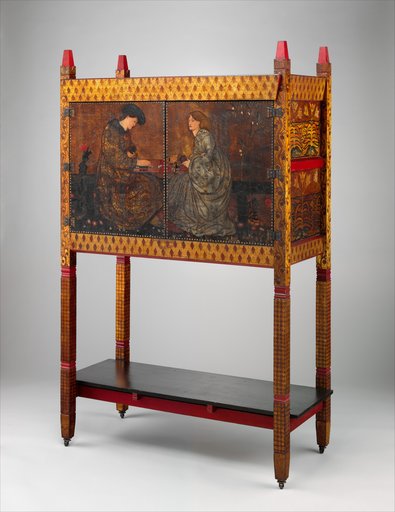
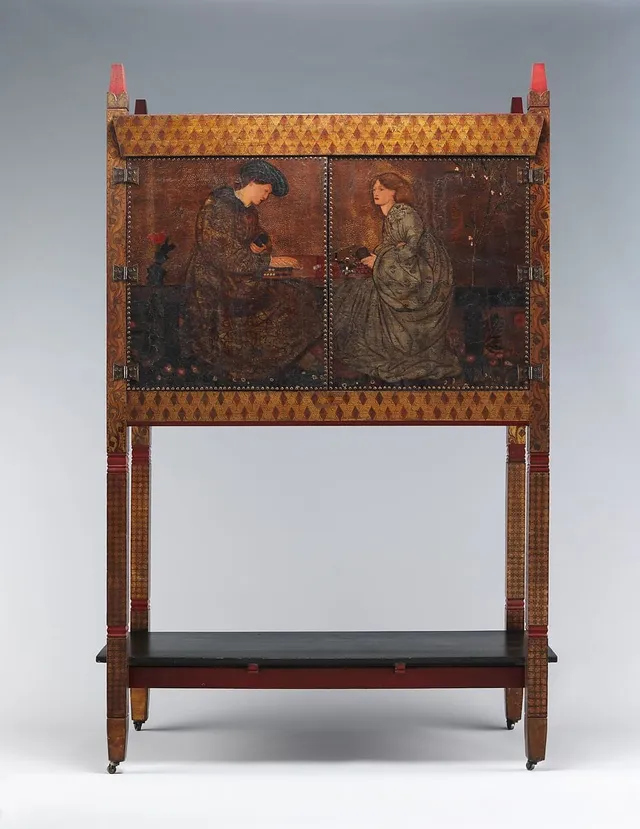
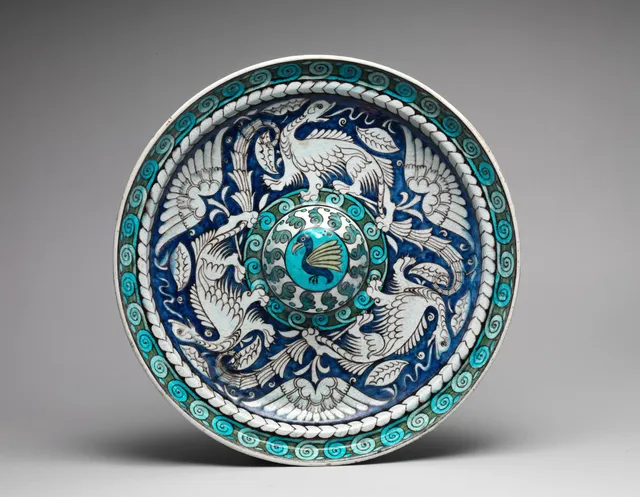
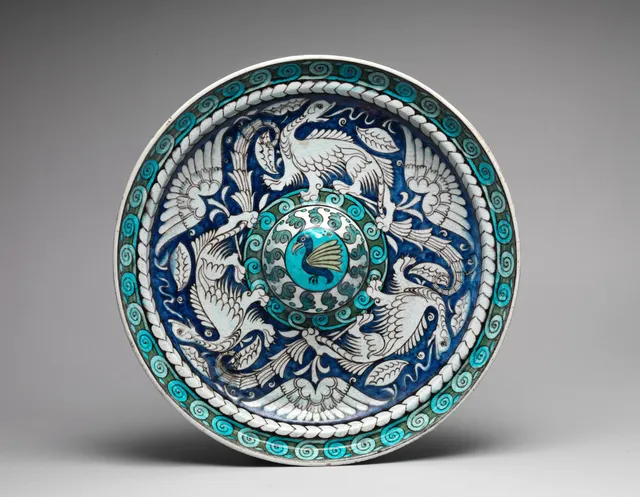
Morris and Webb anchor the canon alongside the ceramicist William De Morgan, famed for lustreware and tiles; the architect-designers C. F. A. Voysey and Ernest Gimson; and C. R. Ashbee, who founded the Guild of Handicraft in 1888. Our collection holds De Morgan's painted Plate and the firm's The Backgammon Players, attributed to Marshall, Faulkner & Co. with Philip Webb.
The movement spread widely, taking distinct national forms: Carl Larsson's domestic watercolours in Sweden, Harry Clarke's stained glass in Ireland, and the Slavophile revival at Abramtsevo in Russia, where Sergey Malyutin helped originate the matryoshka doll around 1890. In America, Gustav Stickley (1858–1942) popularized its ideals through Mission furniture and his magazine The Craftsman.
Though it shared Art Nouveau's nature-worship and anti-industrial spirit, Arts and Crafts remained more restrained and structural. Its insistence on good design for everyday life fed directly into European modernism and the Bauhaus.
Key artists
Artist
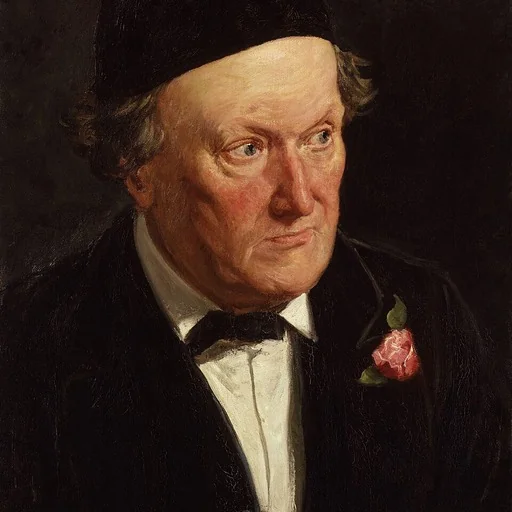
Works
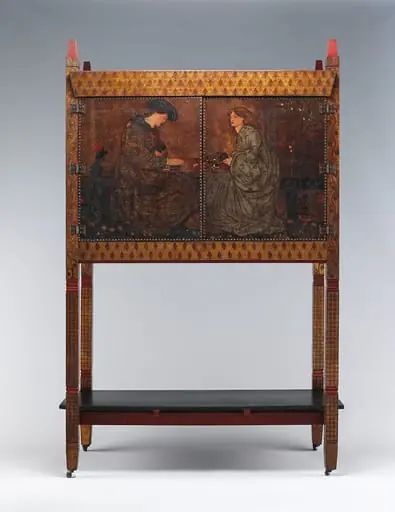 The Backgammon Players
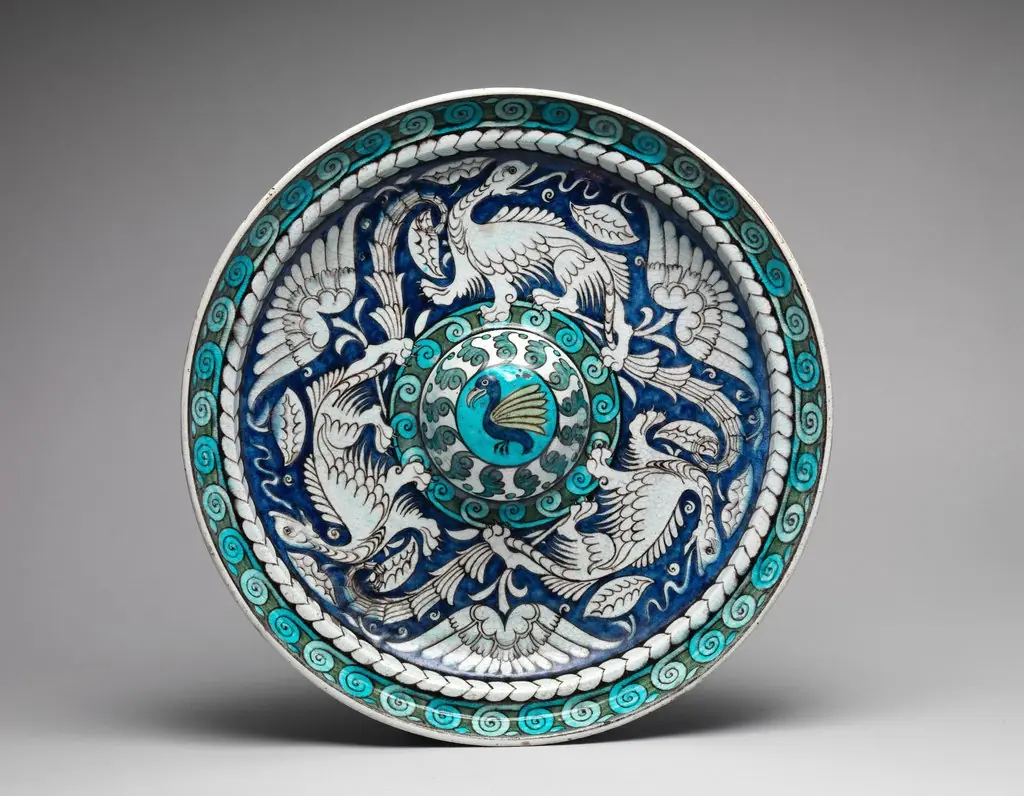 Plate
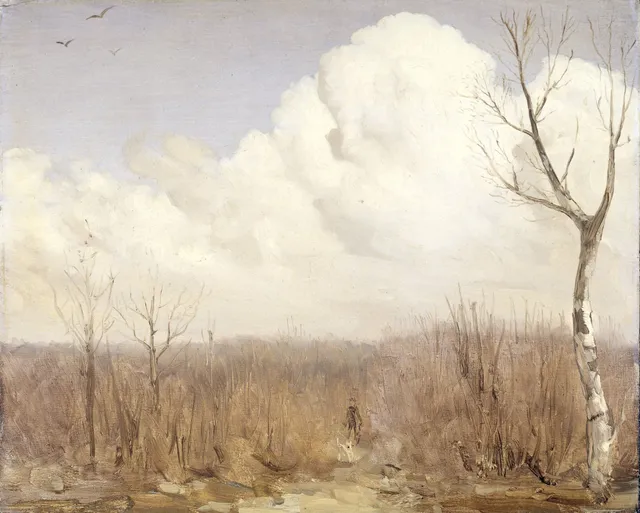
Plate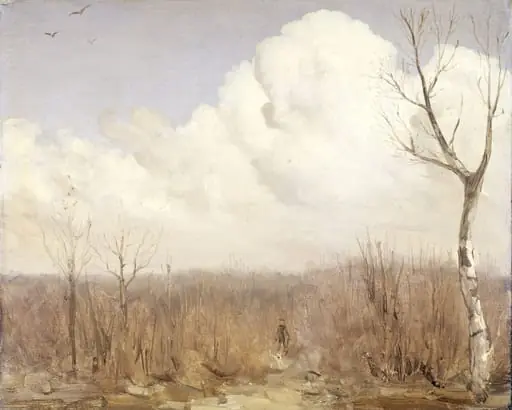 Autumn Day
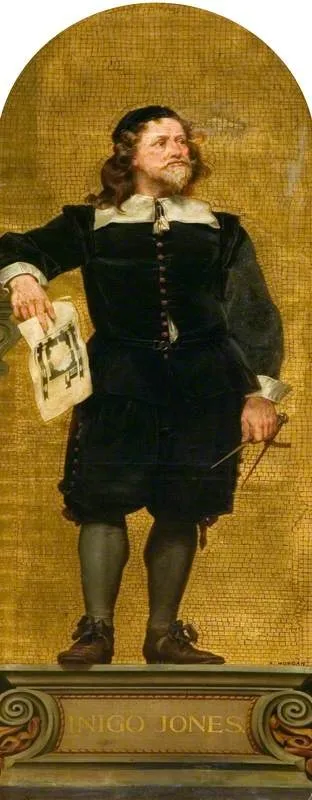
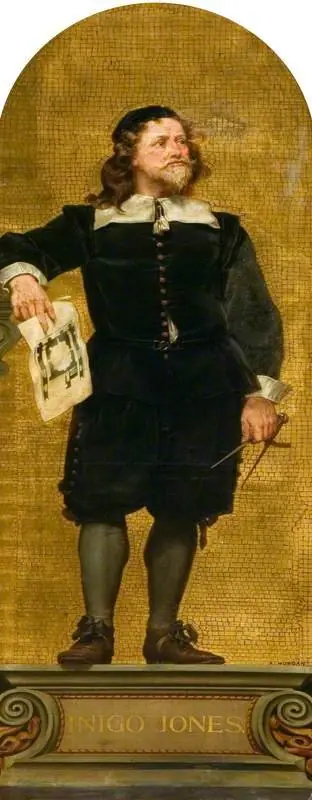 Inigo Jones (1573–1652) (design for a mosaic in the Victoria and Albert Museum)
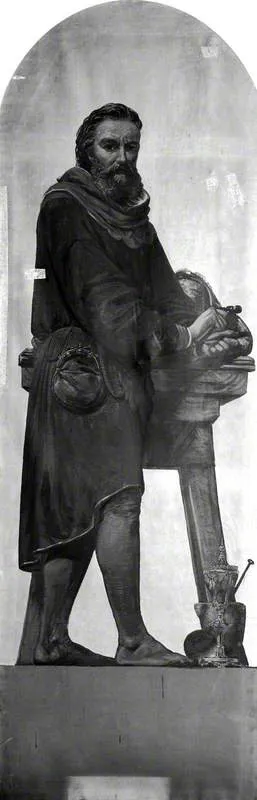
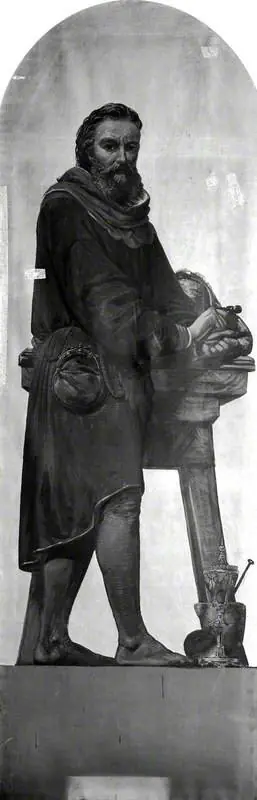 William Torrel (1291–1303) (design for a mosaic in the Victoria and Albert Museum)
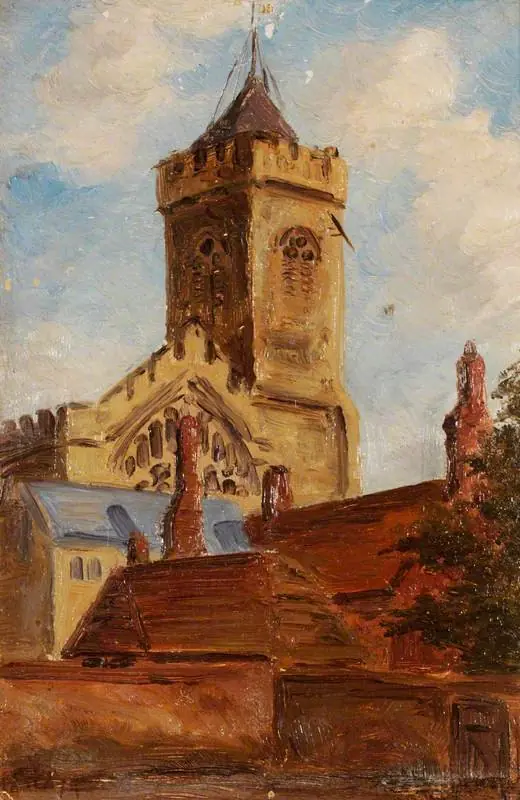 A Gothic Church Tower and Other Buildings
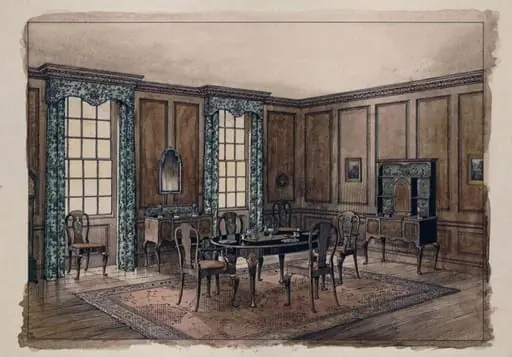 Perspective design for a panelled dining-room to be executed by William Henry Haynes & Co. Design
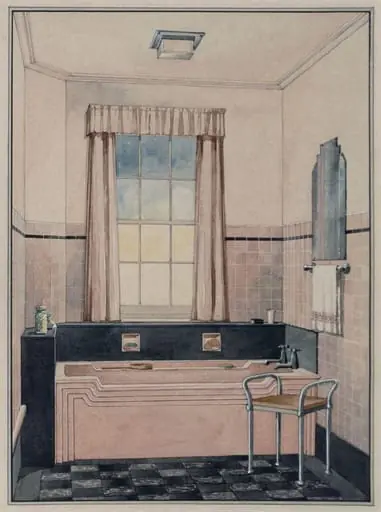 Design for a bathroom
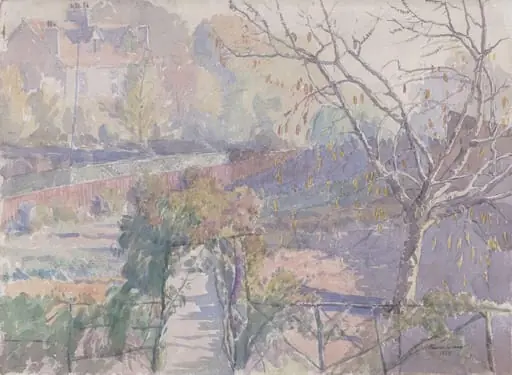 The Back Garden
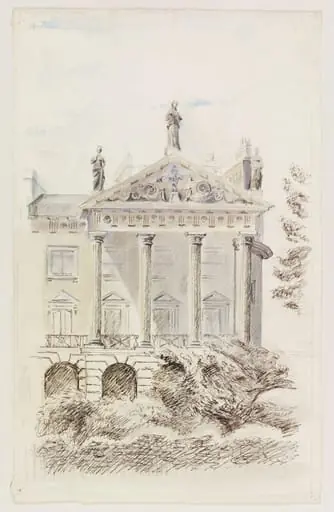 Sussex Terrace, Regent's Park
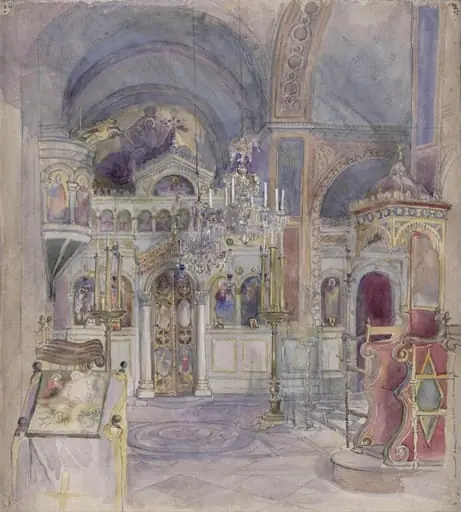 Interior of the Church of St. Theodore at Athens
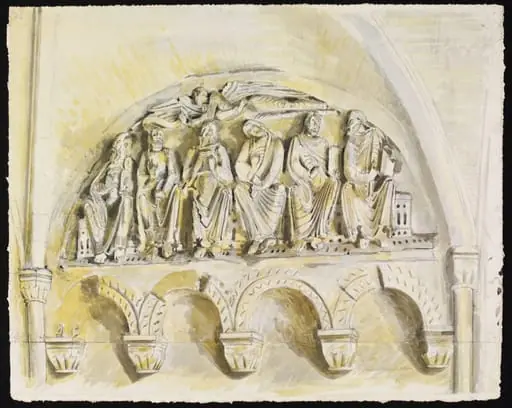 Tympanum, Abbey Porch, Malmesbury
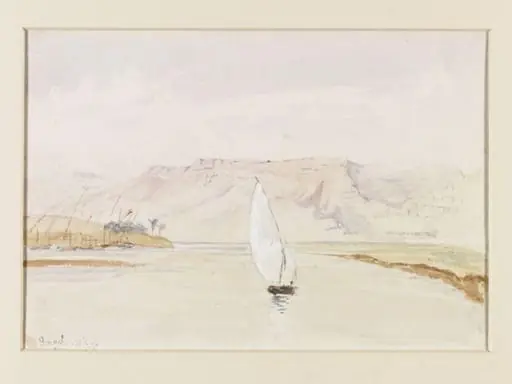 Girgeh
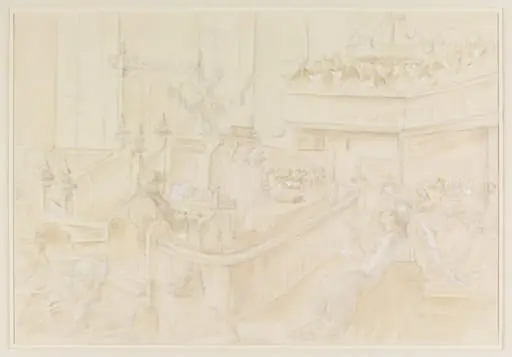 Eisteddfod at Adfa Chapel, Montgomeryshire
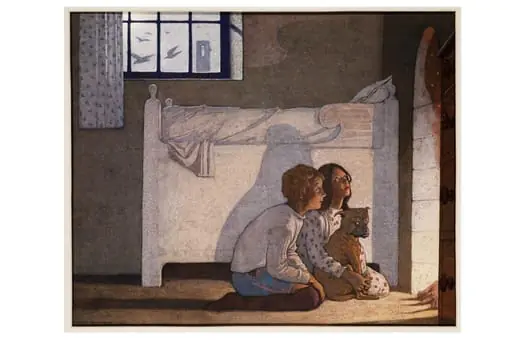 The children by the fireside recounting their adventures
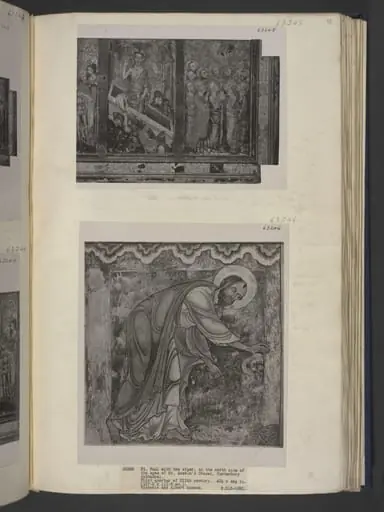 St Paul
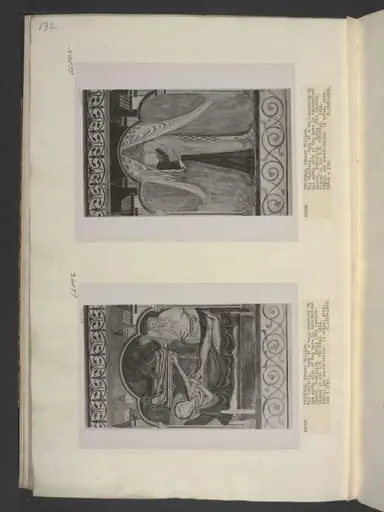 The Visiting
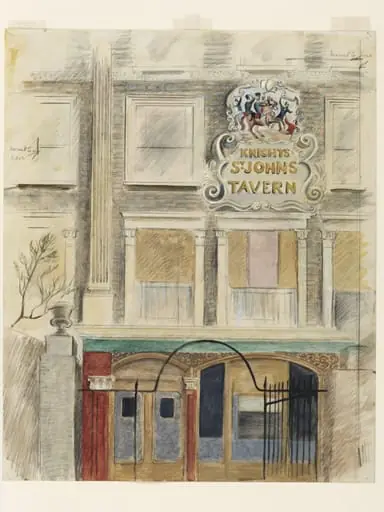 The Knights of St Johns Tavern, Queen's Terrace, St John's Wood, London
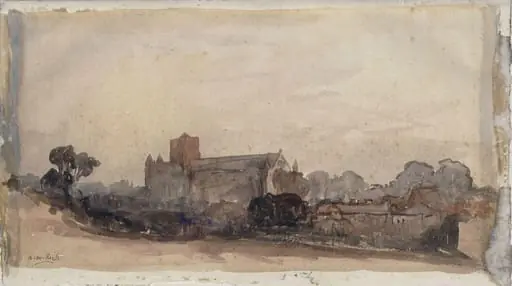 St. Alban's Abbey
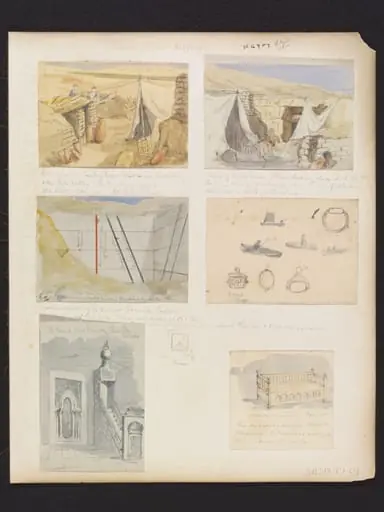 System adopted by the earliest Pyramid builders for setting out their work
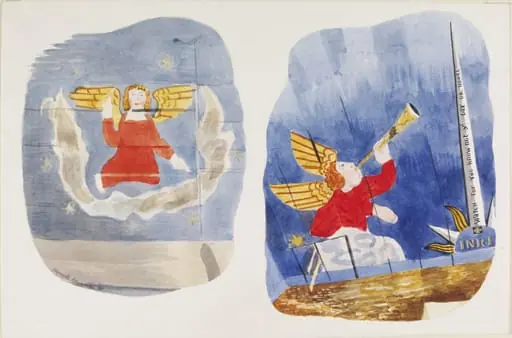 Detail of Ceiling at Gwydir Uchar Chapel, Llanrwst, Caernarvonshire
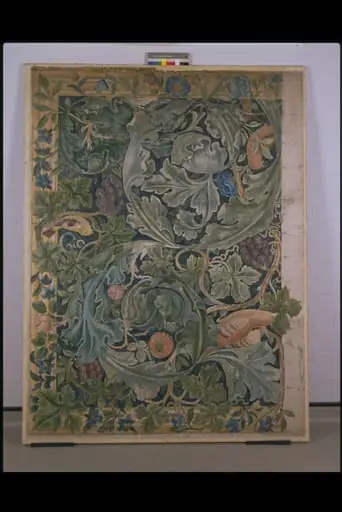 Cartoon for <i>Acanthus and Vine</i> tapestry
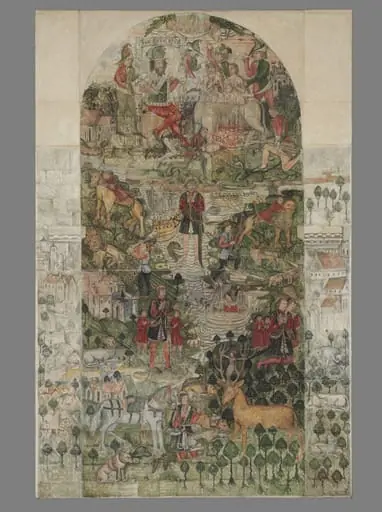 The Legend of St Eustace
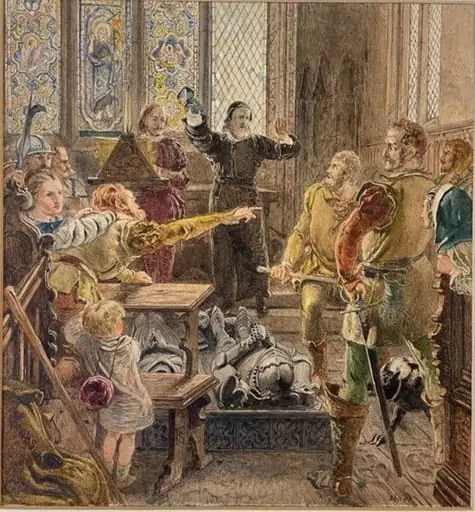 Design for the decoration of the inner court of Wallington Hall, Northumberland
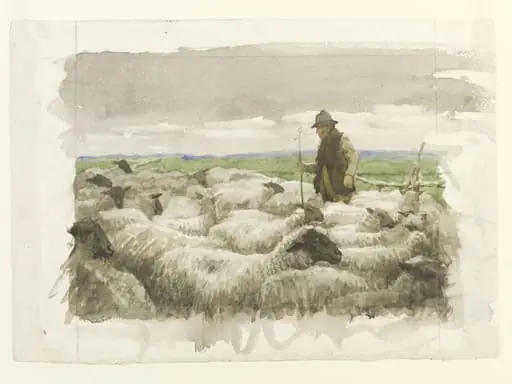 Shepherd and Sheep
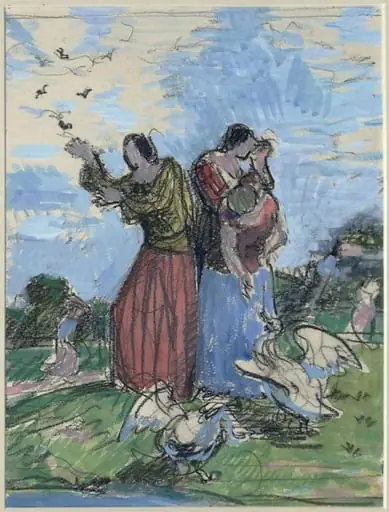 Study for Composition
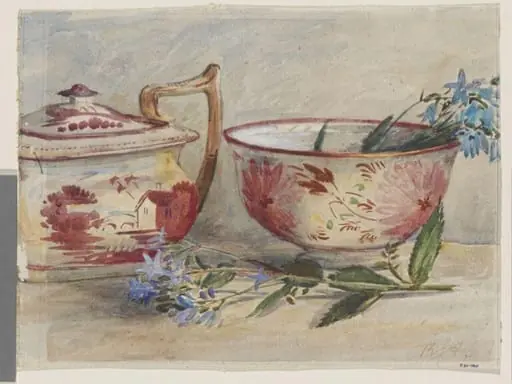 Lustre teapot and bowl
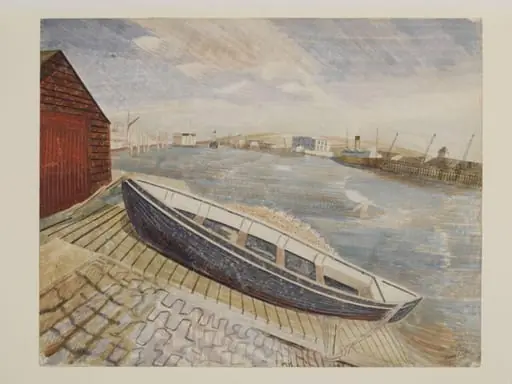 September Noon
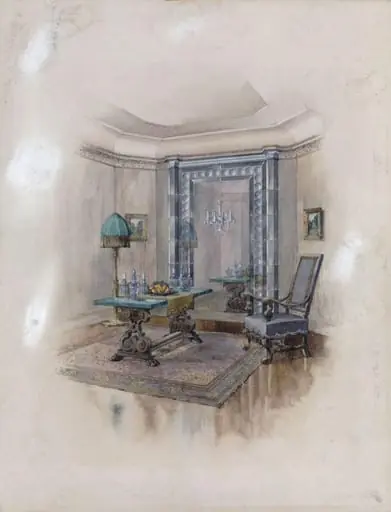 Perspective design for a dining room by William Henry Haynes & Co. London
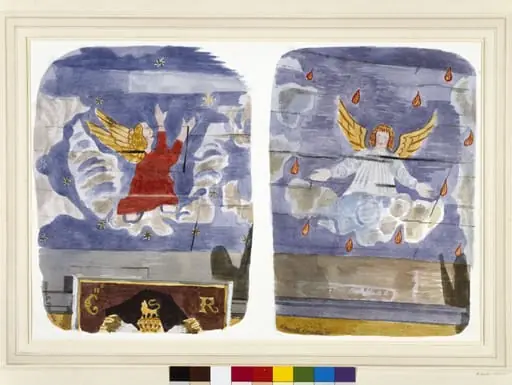 Gwydir Uchaf Chapel; details of ceiling
 The Nativity
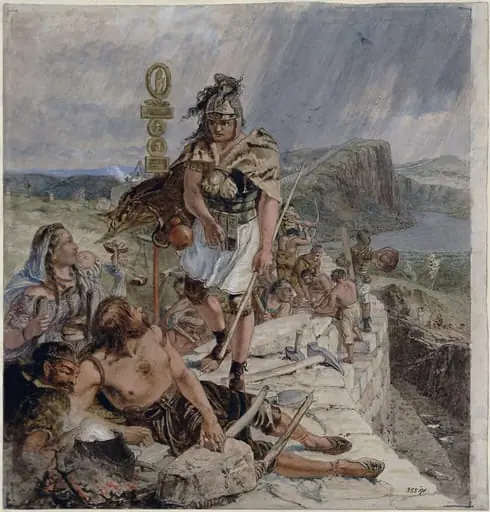 Design for the decoration of the inner court of Wallington Hall, Northumberland
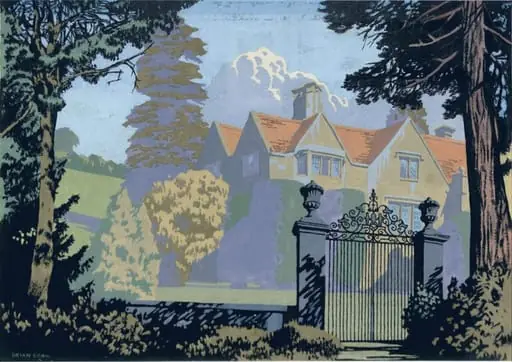 Design for The English Country House
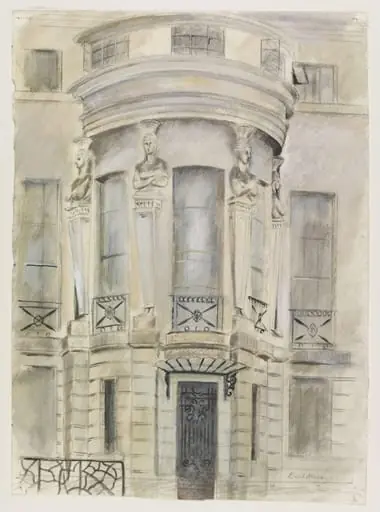 No.1, Cornwall Terrace, Regent's Park
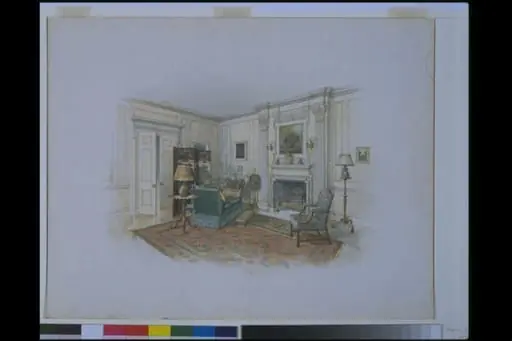 Untitled
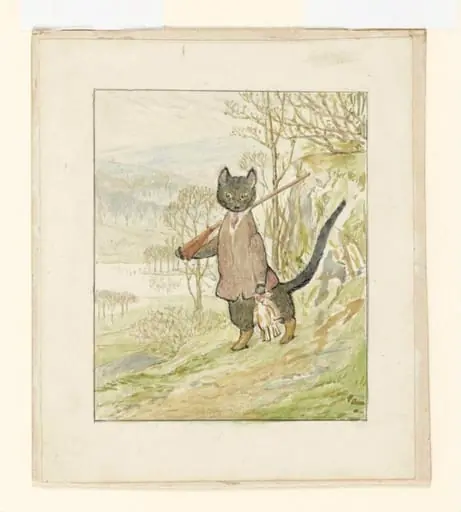 Study for the frontispiece of Kitty-in-Boots
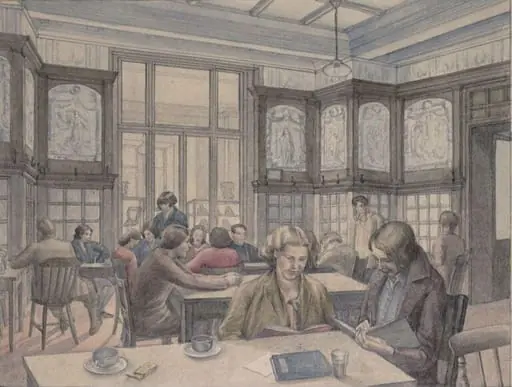 The Old Grill Room of the Victoria and Albert Museum, Occupied by Students from the Royal College of Art
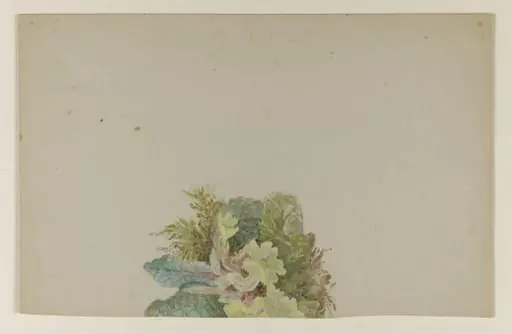 A cluster of primroses with leaves and moss
Groups & collectives
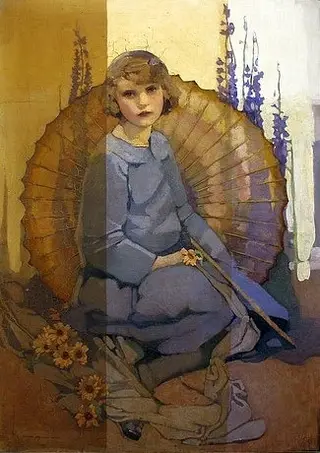
Frequently asked questions
What is Arts and Crafts movement?
Arts and Crafts movement is an art movement. A British reform movement (1880–1910) led by William Morris that reacted against industrial mass production by reviving hand-made craft, medieval guild traditions, and honest use of materials.
How many Arts and Crafts movement works does Artifact World Gallery have?
Artifact World Gallery holds 38 public-domain Arts and Crafts movement works, all free to view and download.
Who are the key Arts and Crafts movement artists?
Key Arts and Crafts movement artists in the collection include Marshall, Faulkner & Co. Philip Webb, William De Morgan and Gerrit Willem Dijsselhof.
When did Arts and Crafts movement take place?
Arts and Crafts movement dates from 1880–1910.
Where can I see Arts and Crafts movement works?
Arts and Crafts movement works in the collection are held by Victoria and Albert Museum, Metropolitan Museum of Art and Rijksmuseum.