Artist
Movement
Cusco School
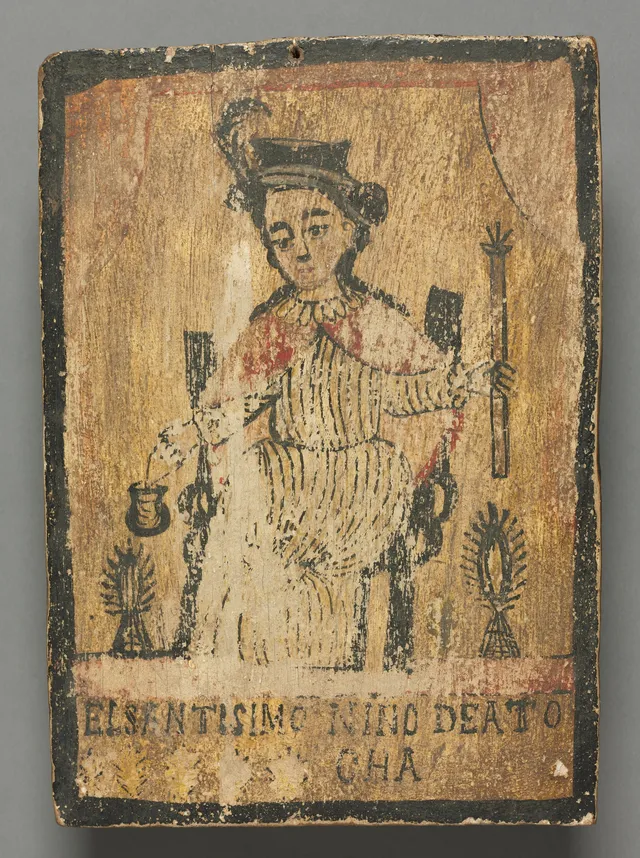
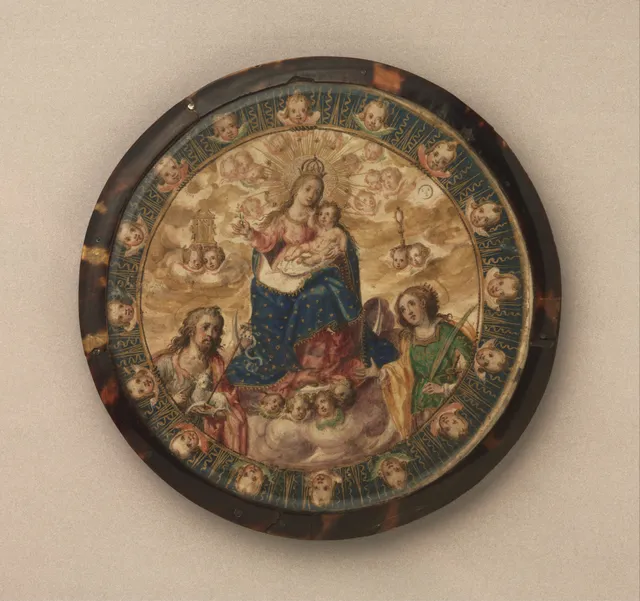
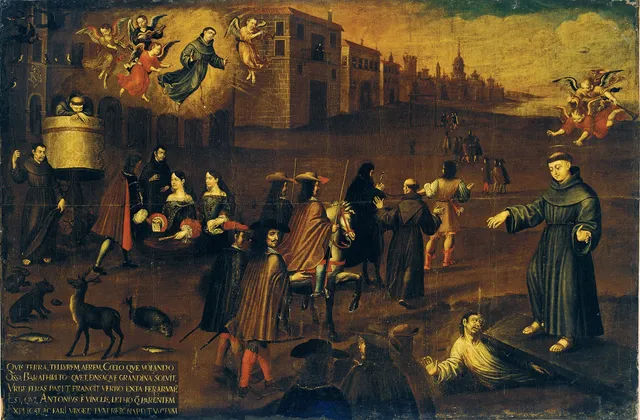
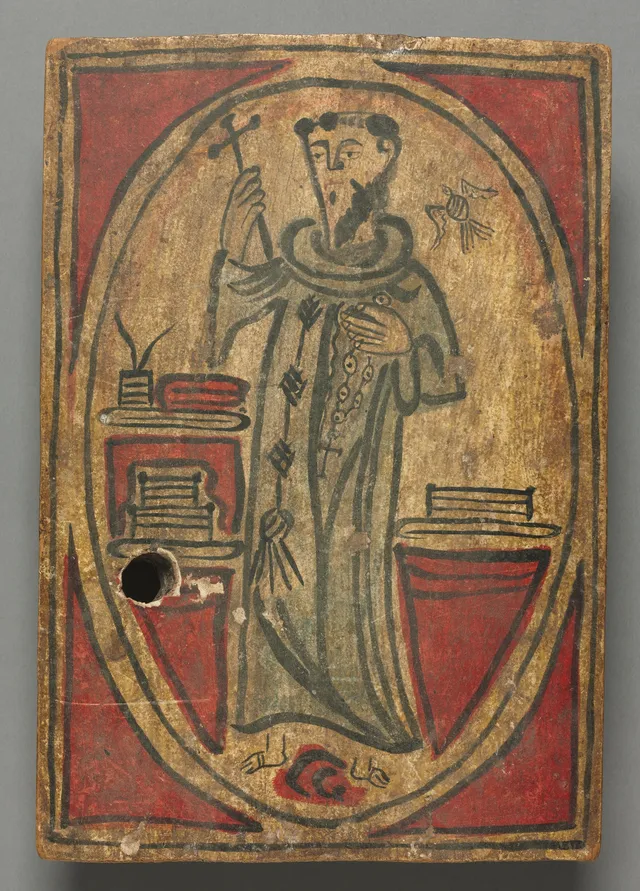
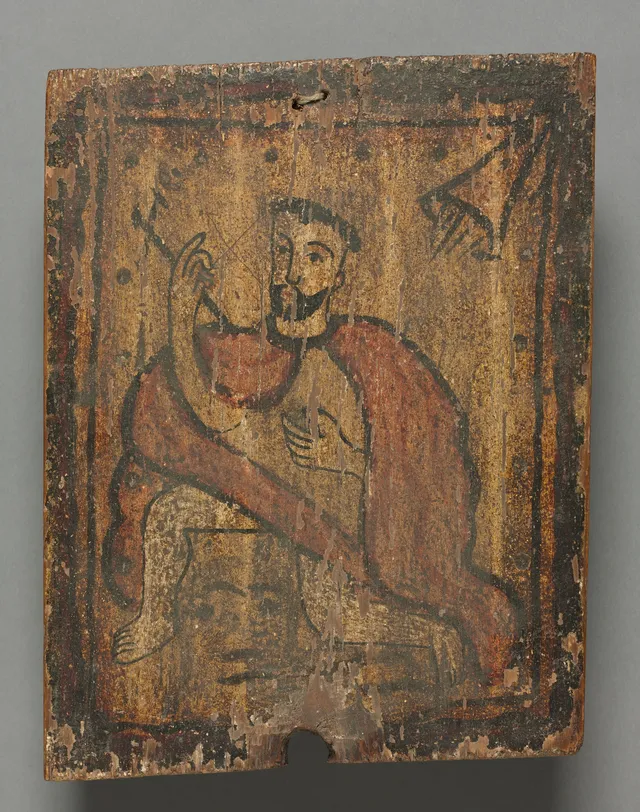
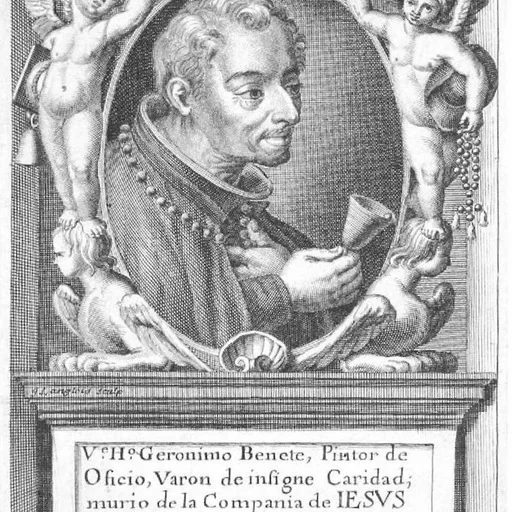
Cusco School is an art movement dating from 1534. The gallery holds 13 works in this movement, including works by Antonio Molleno, Andrés Lagarto and Jerónimo Benete. Browse Cusco School paintings, portraits, pictures and artworks from the world's public-domain museum collections.
The Cusco School (escuela cuzqueña) was the dominant tradition of Roman Catholic painting in the southern Andes during Peru's colonial period, flourishing in and around the former Inca capital of Cusco across the sixteenth, seventeenth, and eighteenth centuries. European artists arrived in the city soon after the Spanish conquest of the 1530s, and the Jesuit painter Bernardo Bitti, who first reached Cusco in 1583, imported the elongated figures and cool elegance of Italian Mannerism. Workshops staffed largely by Indigenous and mestizo painters absorbed these models—mostly from imported Flemish and Italian engravings rather than original canvases—and gradually bent them toward a distinctly Andean sensibility. A decisive rupture came in 1688, when Indigenous masters broke from the Spanish-dominated painters' guild, freeing native artists to work and price their output independently and accelerating the school's turn toward a recognizably local idiom.
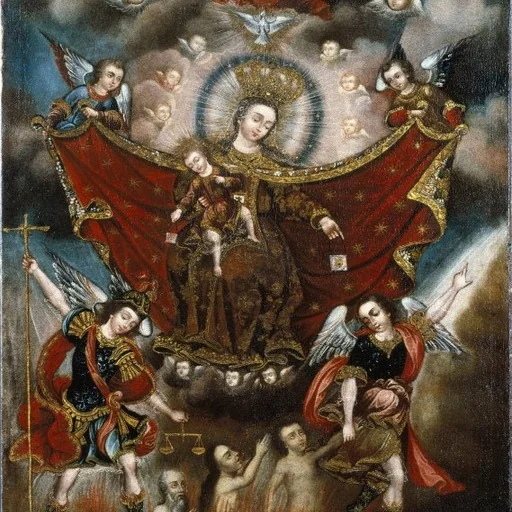
The resulting style is unmistakable: devotional subjects—the Virgin, archangels, and saints—set against dark grounds, with solemn, sometimes severe faces and richly patterned surfaces. Its signature technique is brocateado, the application of stamped and painted gold leaf over garments to imitate Andean textile brocade, lending even modest panels a hieratic shimmer. Painters favored flattened space, decorative profusion, and the insertion of local flora, fauna, and dress into European compositions.
Diego Quispe Tito (1611–after 1681), an Indigenous painter from outside Cusco, is regarded as the school's leading figure; his Flemish-influenced landscapes crowd biblical scenes with leafy trees and birds, possibly coded references to Inca nobility, as in his serial canvases on saints and the zodiac. Basilio Santa Cruz Pumacallao supplied grand Baroque canvases for the cathedral, while Marcos Zapata (active c. 1748–1764) painted its celebrated Last Supper (1753), in which Christ and the apostles share a platter of cuy (guinea pig). Smaller devotional panels—santos de retablo of San Francisco, San Jerónimo, and the Santo Niño de Atocha—typify the school's vast popular output, several examples of which this catalogue holds.
The style radiated outward from Cusco to Lake Titicaca, Upper Peru (Bolivia), Quito, Santiago, and as far as Argentina, becoming one of the most widespread artistic traditions native to the Americas and a foundational reference for later Andean and Latin American religious art.
Key artists
Works
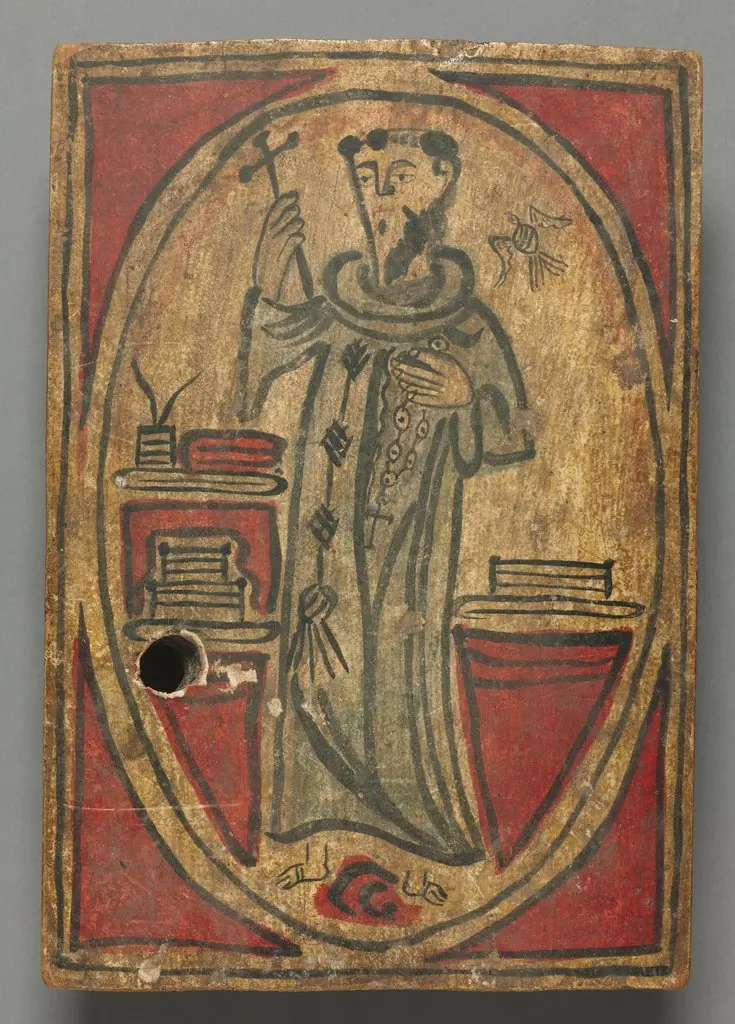 San Francisco de Assisi: santo de retablo
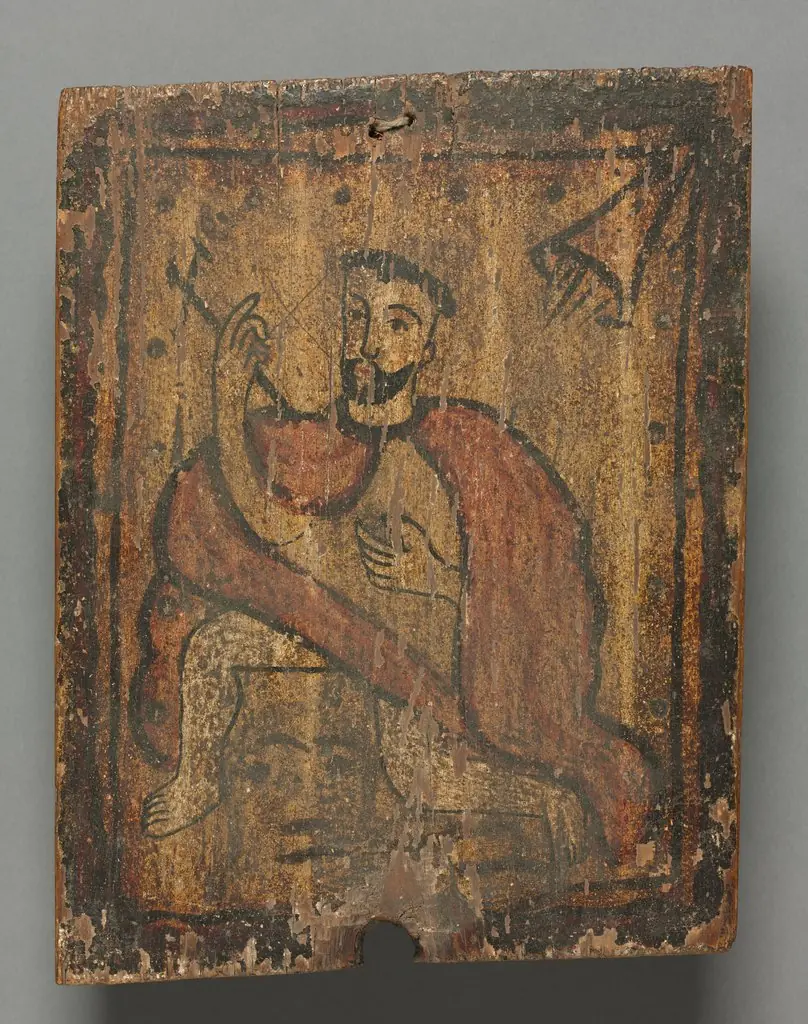 San Geronimo: santo de retablo
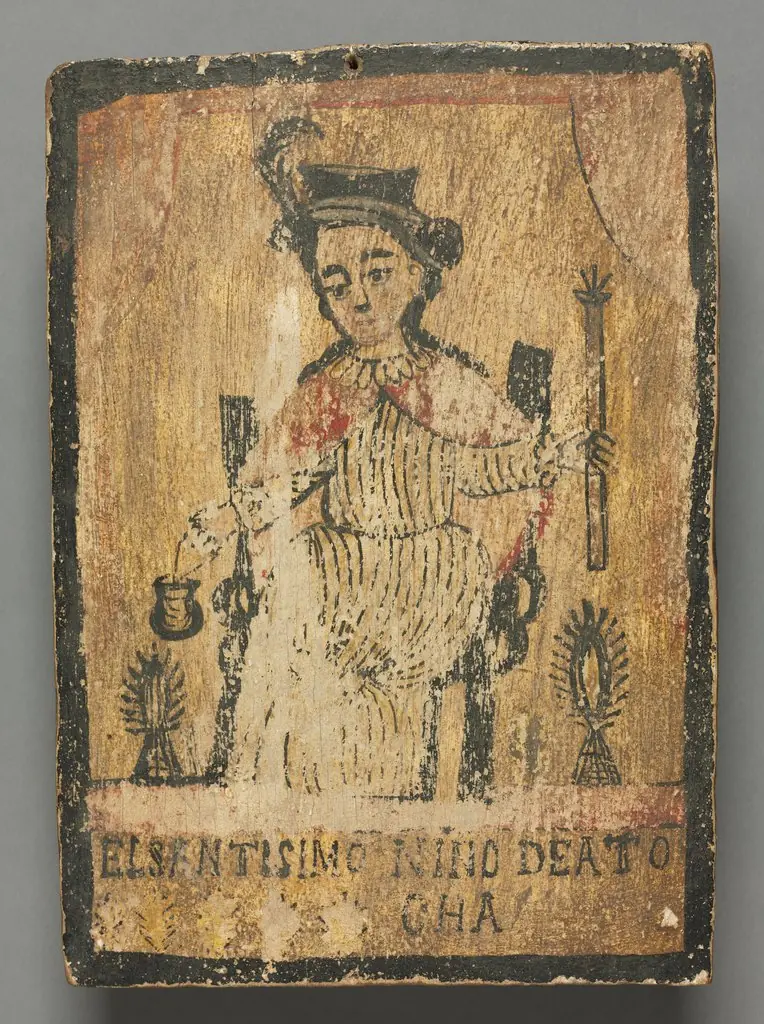 El Santo Nino de Atocha: santo de retablo
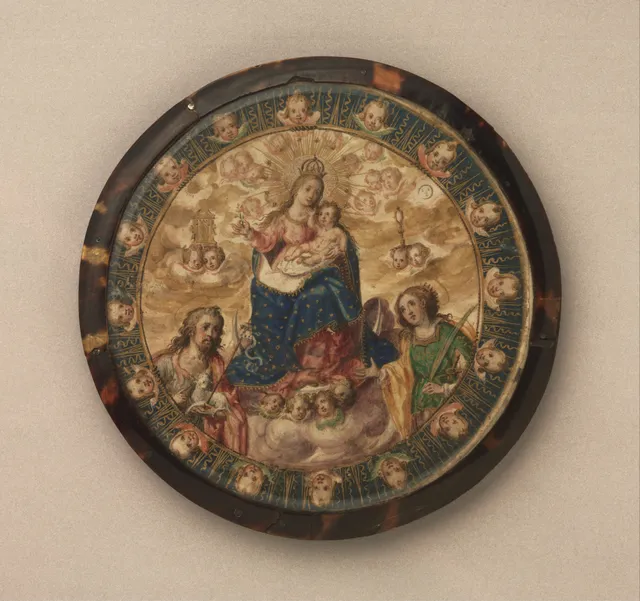
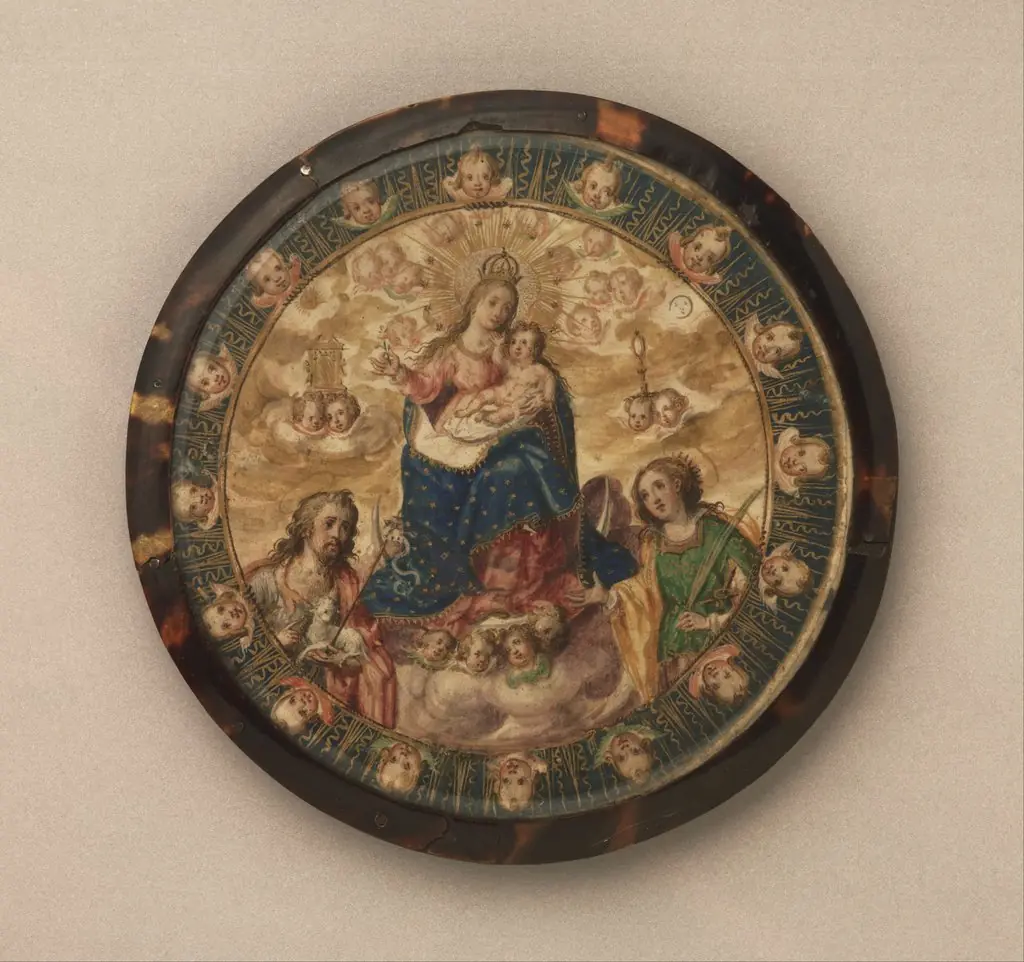 Nun's Shield showing the Virgin and Child with Saints John the Baptist and Catherine of Alexandria
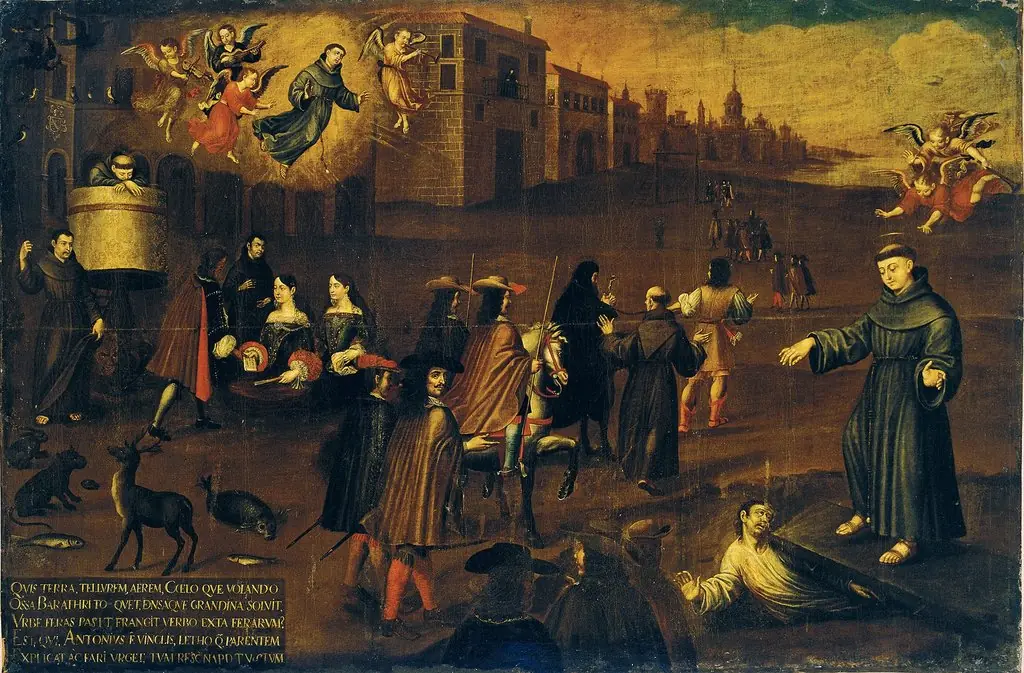 The miracles of San Antonio de Padua
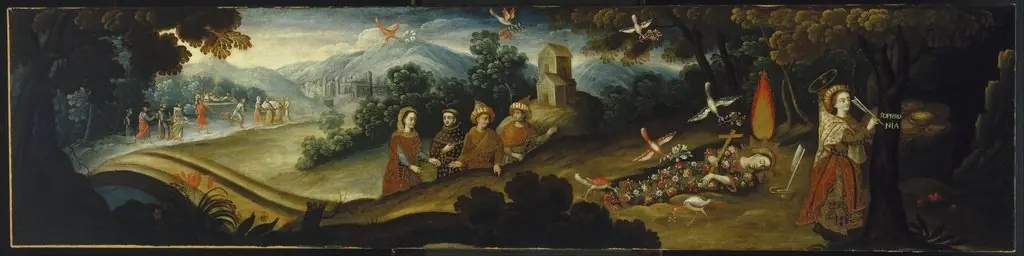 The Legend of Santa Sophronia
 Retábulo de Santa Catarina
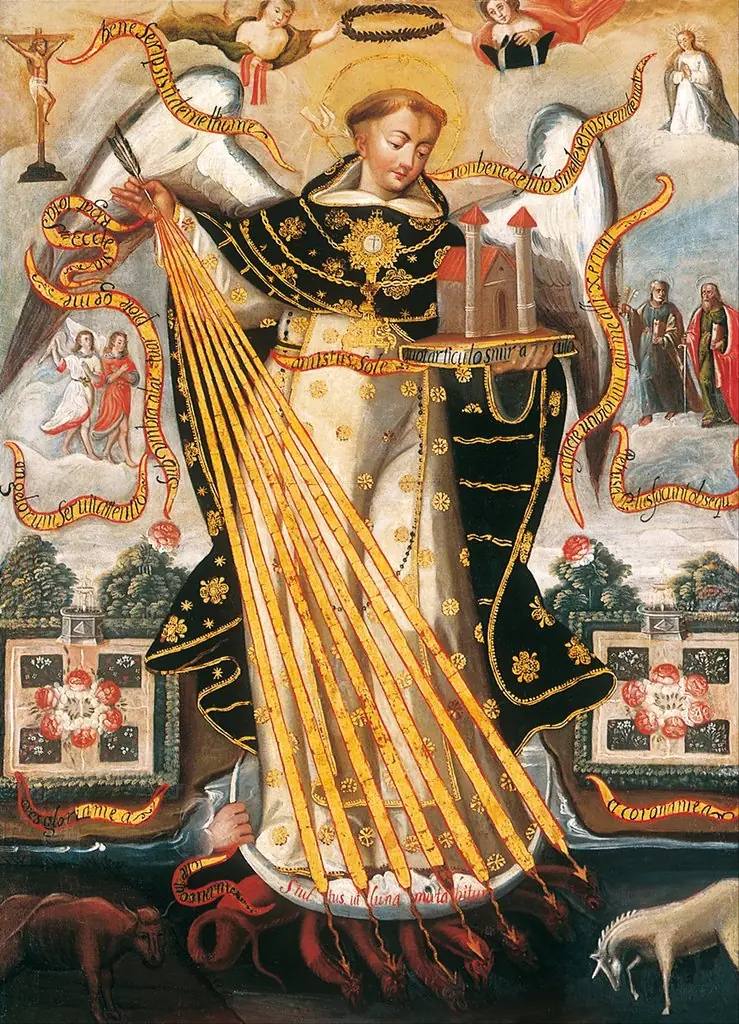 Saint Thomas Aquinas, Protector of the University of Cusco
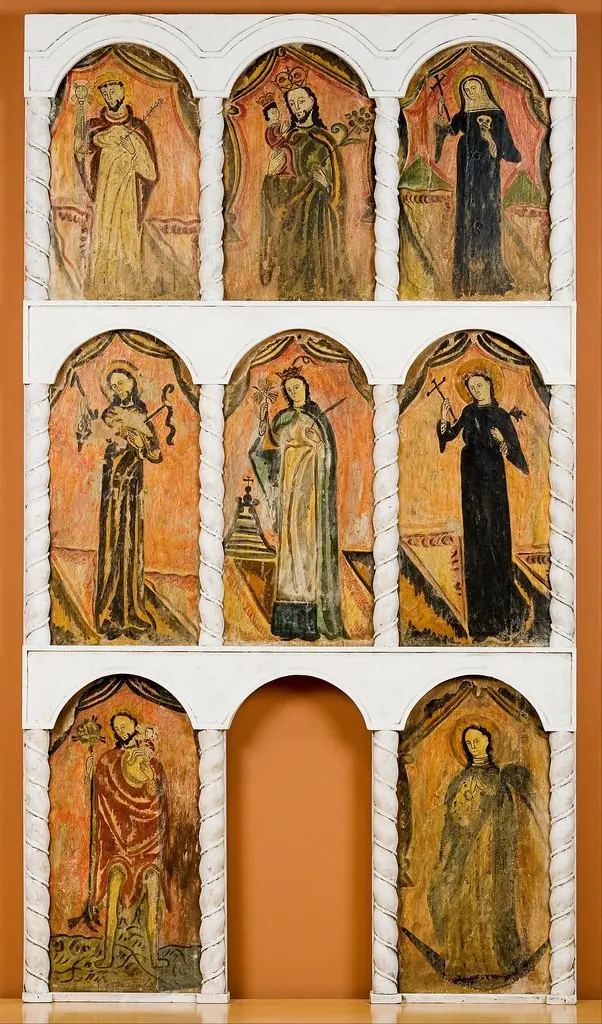 Altarscreen panels mounted in contemporary framework
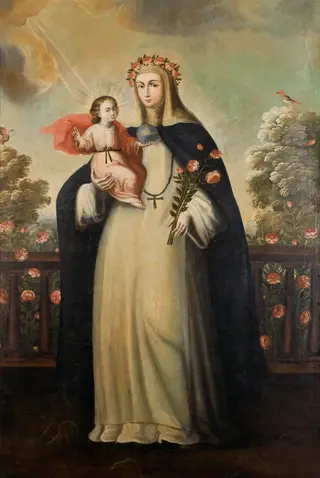 Saint Rose of Lima with Child Jesus
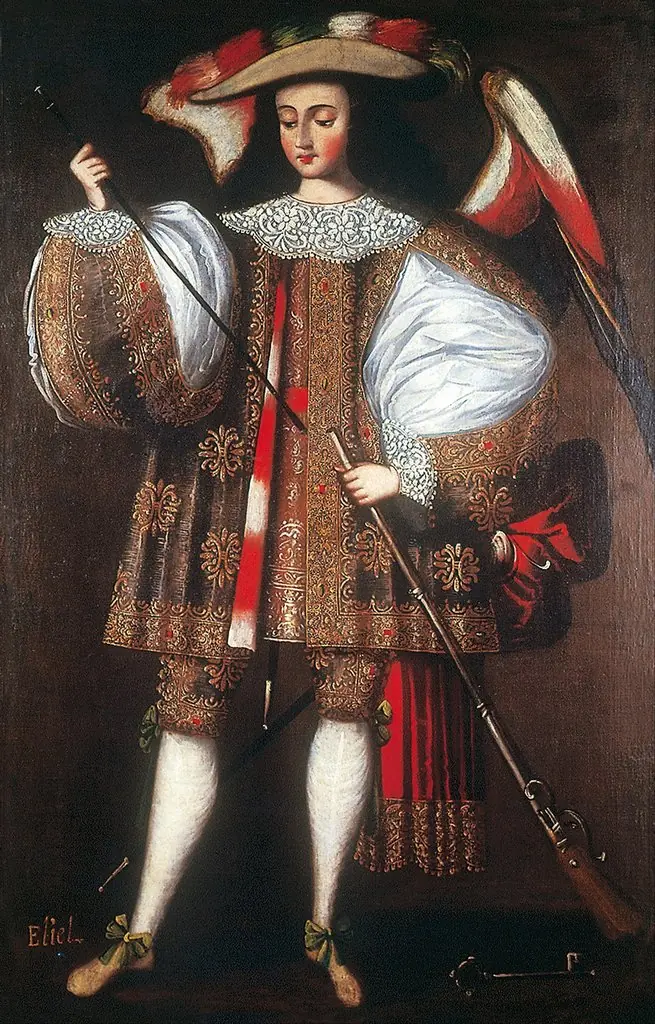 Archangel Eliel with Harquebus
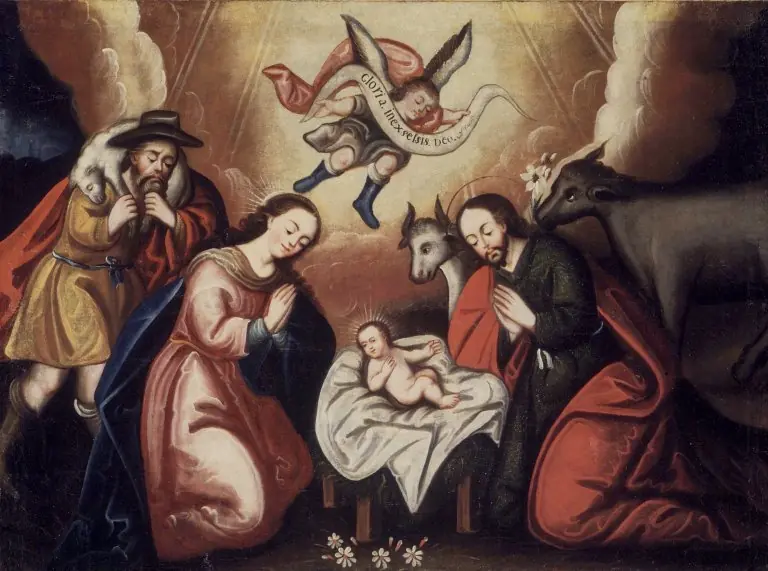 The Nativity
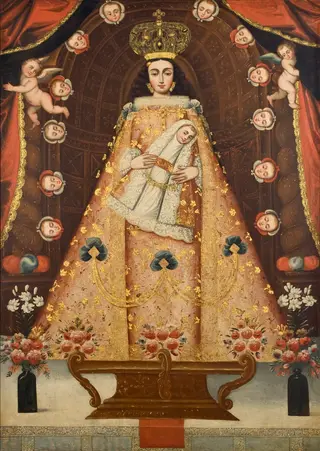 Virgin of Bethlehem
Frequently asked questions
What is Cusco School?
Cusco School is an art movement. A regional school of painting that developed in Cusco, Peru, from the 16th through 18th centuries as indigenous and mestizo artists worked under the Catholic Church.
How many Cusco School works does Artifact World Gallery have?
Artifact World Gallery holds 13 public-domain Cusco School works, all free to view and download.
Who are the key Cusco School artists?
Key Cusco School artists in the collection include Antonio Molleno, Andrés Lagarto and Jerónimo Benete.
When did Cusco School take place?
Cusco School dates from around 1534.
Where can I see Cusco School works?
Cusco School works in the collection are held by Lima Art Museum, Cleveland Museum of Art and Brooklyn Museum.