Movement
Rayonism
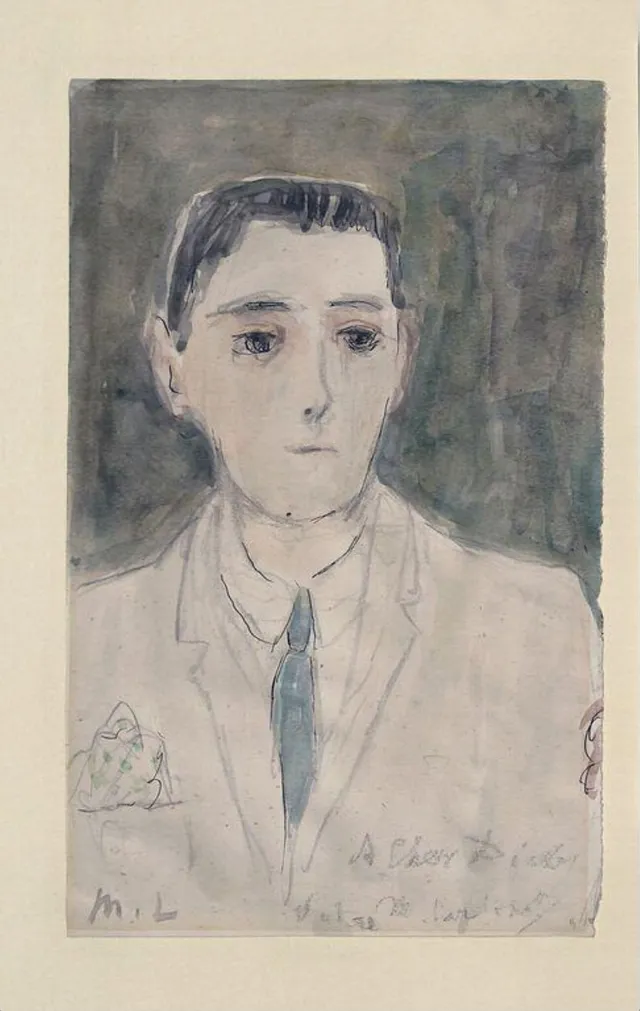
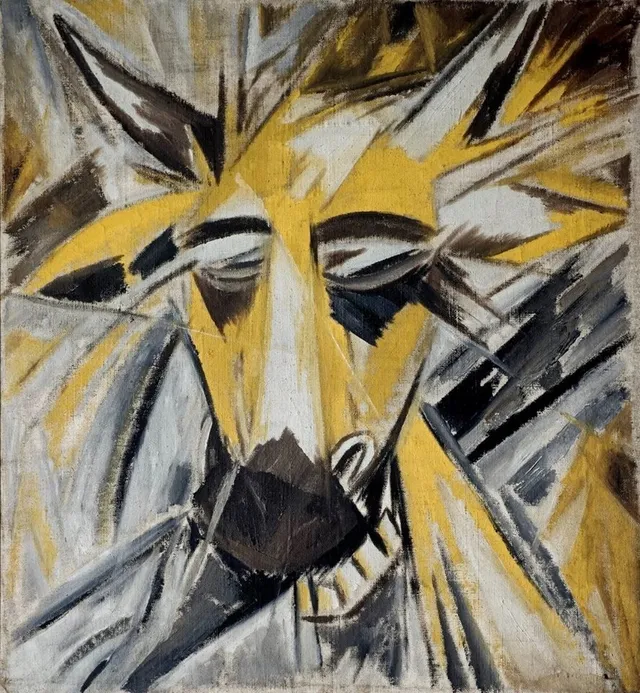
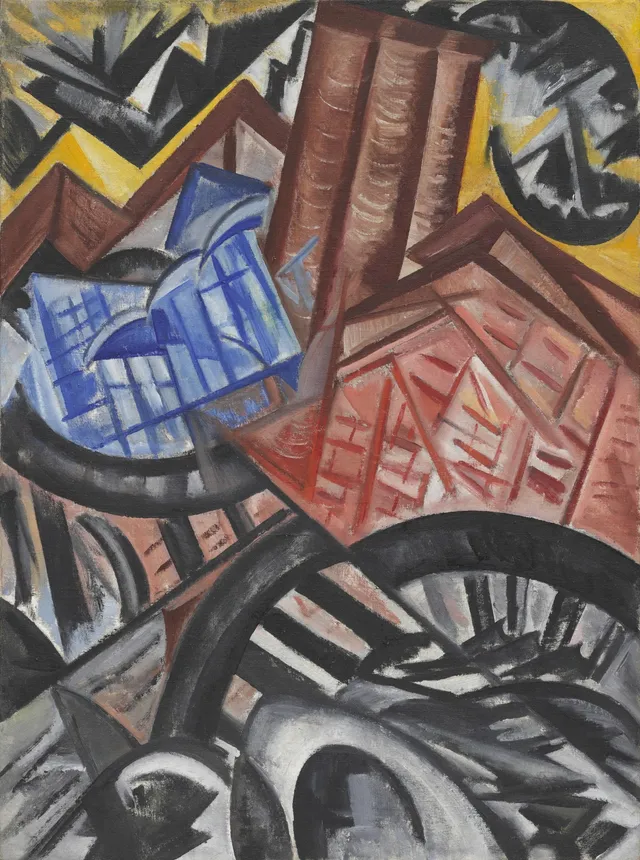
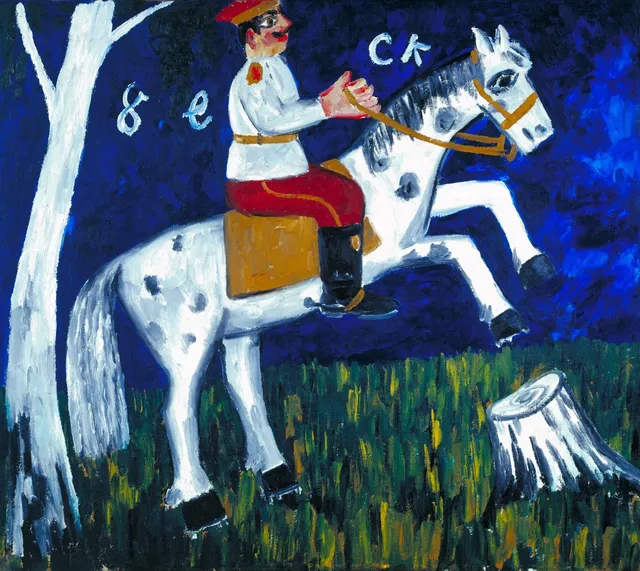
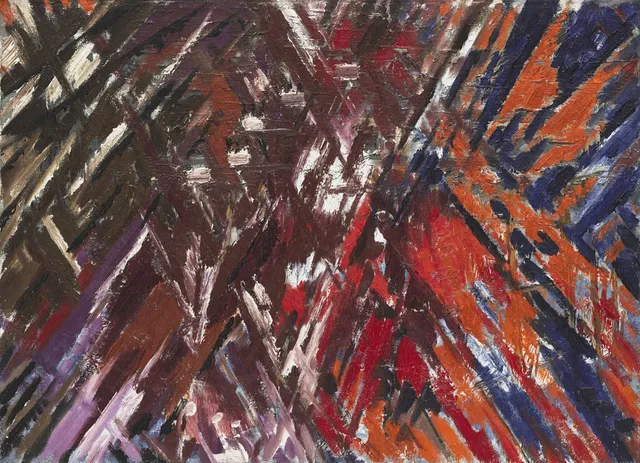
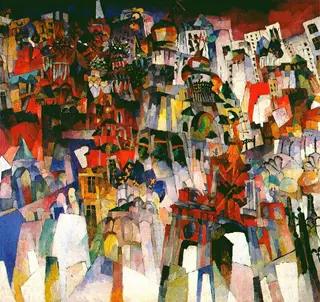
Rayonism is an art movement of the 1911–1914 period. The gallery holds 5 works in this movement, including works by Mikhail Larionov and Natalia Goncharova. Browse Rayonism paintings, portraits, pictures and artworks from the world's public-domain museum collections.
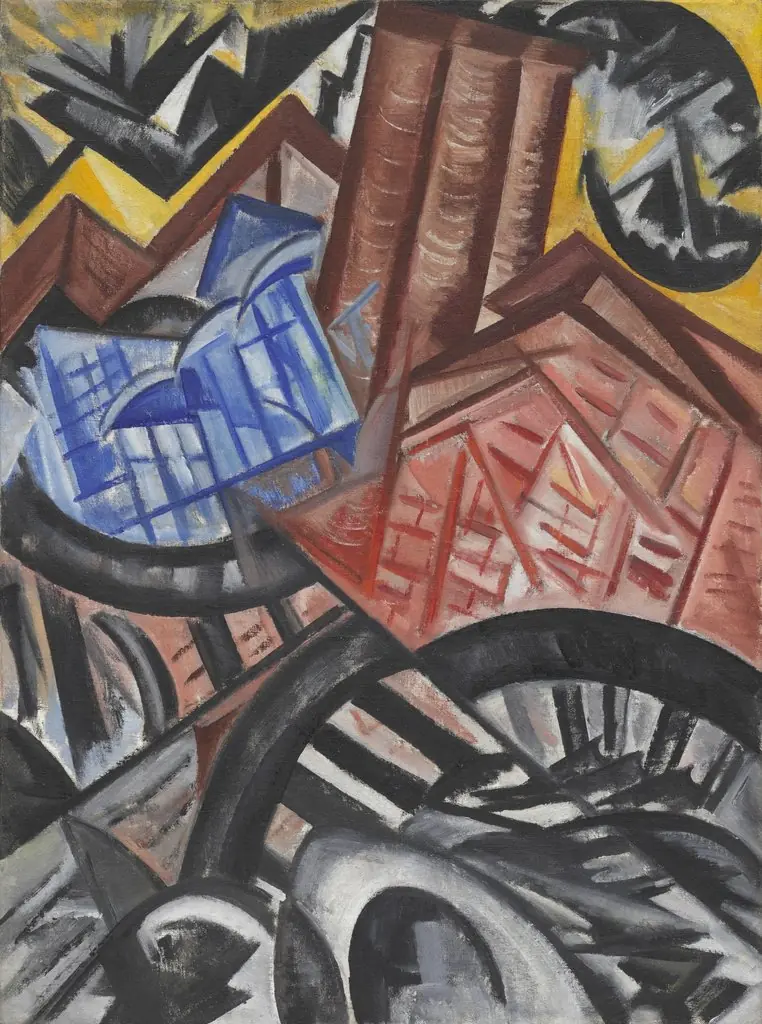
Rayonism (in Russian, *Luchizm*, from *luch*, "ray") was among the first Russian movements to push painting toward pure abstraction. It was founded in Moscow by the painters Mikhail Larionov and his partner Natalia Goncharova around 1912, growing directly out of the radical exhibiting groups Larionov had helped organize, the Jack of Diamonds and the more provocative Donkey's Tail. Larionov showed one of the first Rayonist canvases, *Glass*, at the Donkey's Tail exhibition in 1912, and the style made its formal public debut at the Target exhibition in Moscow in 1913. That same year the two artists issued the manifesto "Rayonists and Futurists," co-signed by associates including Aleksandr Shevchenko and Mikhail Le-Dantyu. The movement absorbed contemporary fascination with X-rays, radioactivity, and notions of a "fourth dimension," fusing them with Russian neo-primitivist and folk sources.
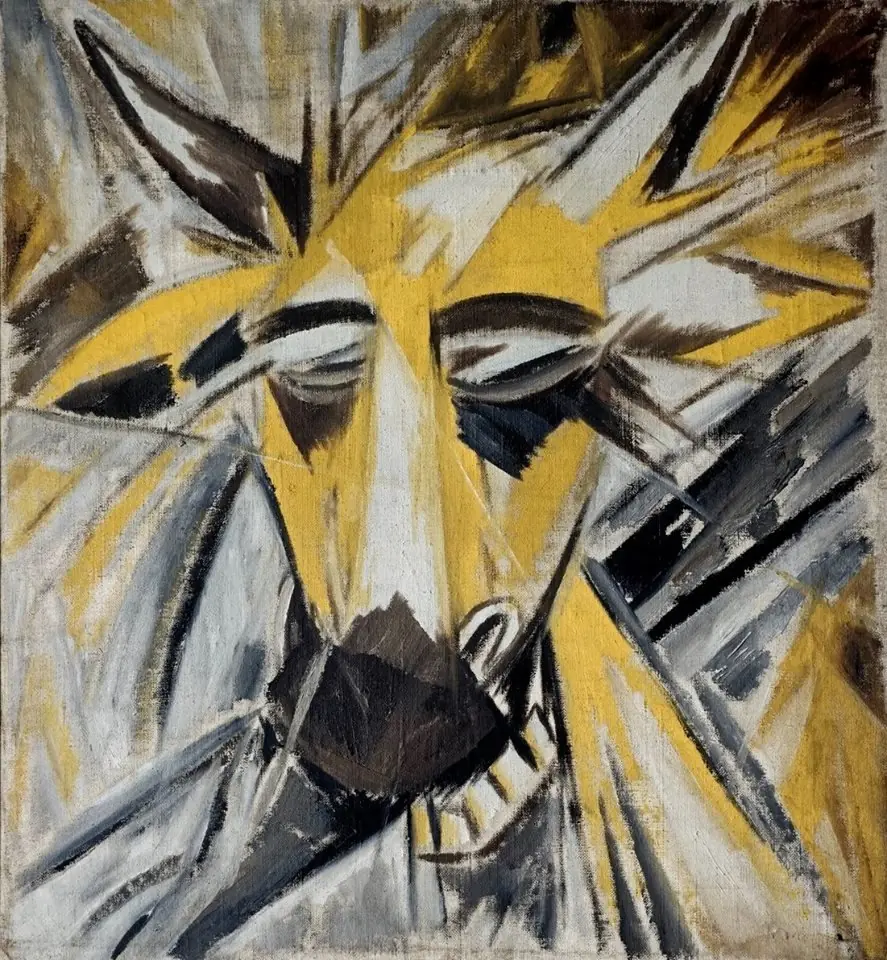
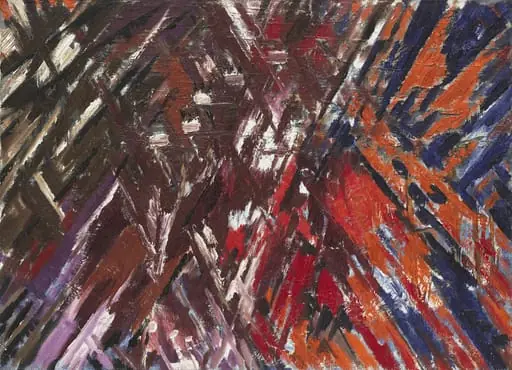
Its governing idea was that we never see objects themselves, only the rays of light reflected from them; those rays, not solid form, were the proper subject of painting. Rayonist canvases are built from bundles of slanting, intersecting colored lines that register the crossing of reflected beams in space, dissolving recognizable things into fields of energy and movement. Larionov characterized the style as a "synthesis of Cubism, Futurism, and Orphism," and at its most advanced it abandoned the depicted object entirely in pursuit of non-objective art.
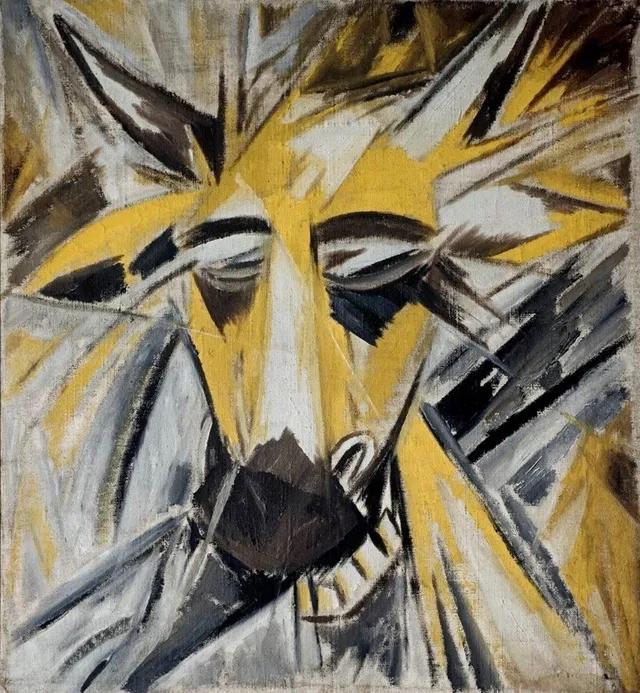
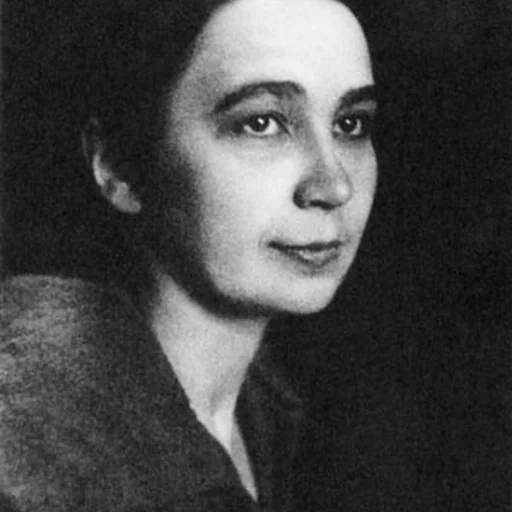
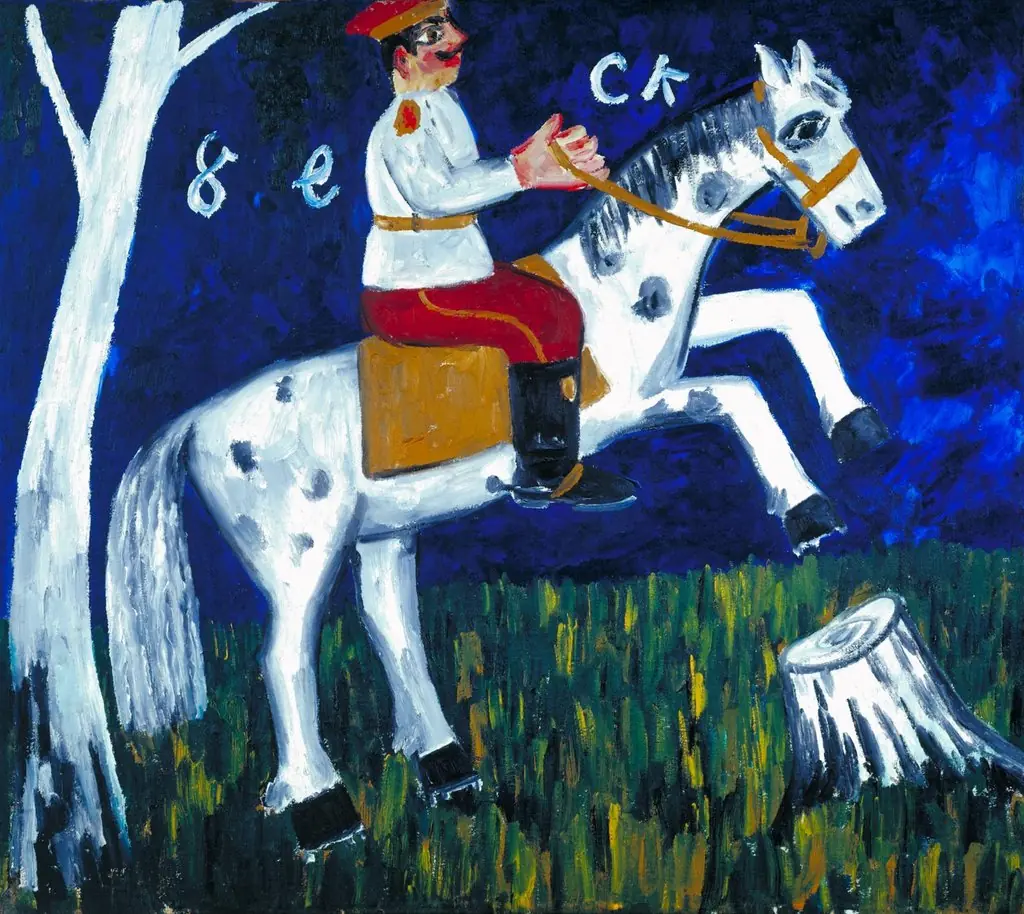
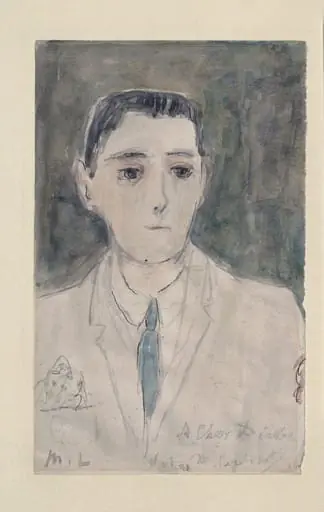
Larionov and Goncharova remain the movement's two canonical figures. Beyond *Glass*, Larionov's key works include *Rayonist Composition: Domination of Red* (1912–13), while Goncharova applied the idiom in works such as her Rayonist landscapes and still lifes. This catalogue holds several Larionov paintings — among them *Bull's Head*, *Soldier on a Horse*, and *Anton Dolin*, the last reflecting his later career designing for Sergei Diaghilev's Ballets Russes.
Rayonism was short-lived, effectively over by 1914–15 as war intervened and the pair left Russia to work in theater abroad. Yet as one of the earliest fully abstract languages in Russia, it helped clear the ground for Kazimir Malevich's Suprematism and for Constructivism, and it stands beside Italian and Russian Futurism — its closest neighbor in this taxonomy — in the broader avant-garde drive to paint speed, light, and energy rather than static appearance.
Key artists
Works
Groups & collectives
Frequently asked questions
What is Rayonism?
Rayonism is an art movement. A short-lived Russian abstract movement (1912–1914) pioneered by Mikhail Larionov and Natalya Goncharova.
Who are the key Rayonism artists?
Key Rayonism artists in the collection include Mikhail Larionov and Natalia Goncharova.
When did Rayonism take place?
Rayonism dates from 1911–1914.
Where can I see Rayonism works?
Rayonism works in the collection are held by Museum of Modern Art, Tate and Victoria and Albert Museum.