Movement
Modernism
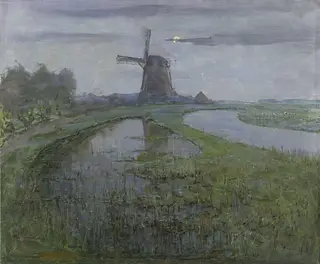
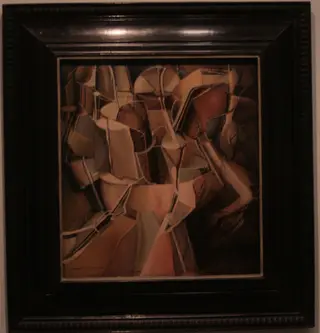
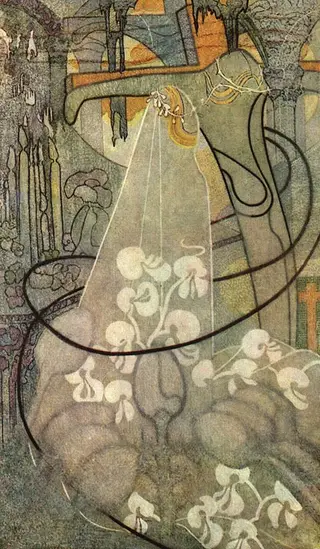
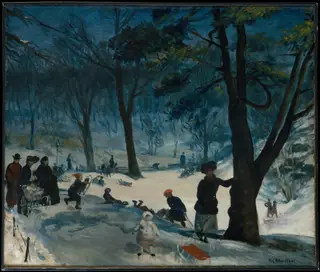
Modernism is an art movement dating from 1900. The gallery holds 3 works in this movement, including works by Henri Matisse, Maurice Utrillo and Louis Eilshemius. Browse Modernism paintings, portraits, pictures and artworks from the world's public-domain museum collections.
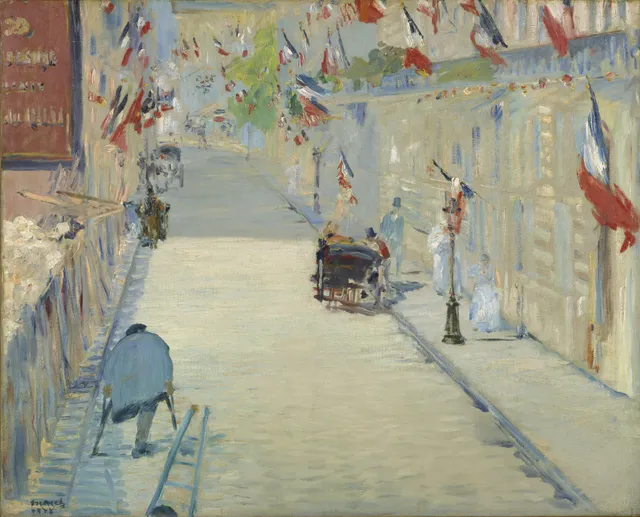
Modernism was the dominant current in Western art from roughly the 1860s to the mid-twentieth century, a sweeping reorientation of art, architecture, literature and thought toward the conditions of modern industrial life. Its visual roots are most often traced to Paris, where Édouard Manet's exhibition of *Le déjeuner sur l'herbe* at the Salon des Refusés in 1863 announced a decisive break with academic convention. Against a backdrop of rapid industrialization, urban growth and new technologies, modernists rejected the authority of the royal academies, the hierarchy of genres, and inherited techniques such as illusionistic perspective. Manet's *The Rue Mosnier Dressed with Flags* (1878), held in this collection, typifies the new ambition: to paint contemporary life directly and to let the marks of the brush remain visible as paint on a flat surface.
Formally, Modernism is defined less by a single style than by a shared impulse toward experiment and a tendency toward abstraction. Artists foregrounded the material facts of their medium — flatness, colour, line and gesture — rather than concealing them behind a window onto the world. Bright, non-naturalistic colour, simplified or fragmented form, and the progressive loosening of the link between image and visible reality became hallmarks across successive avant-garde movements.
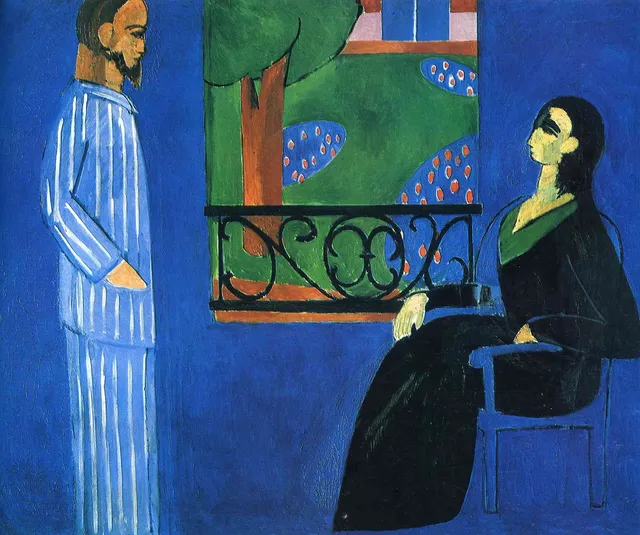
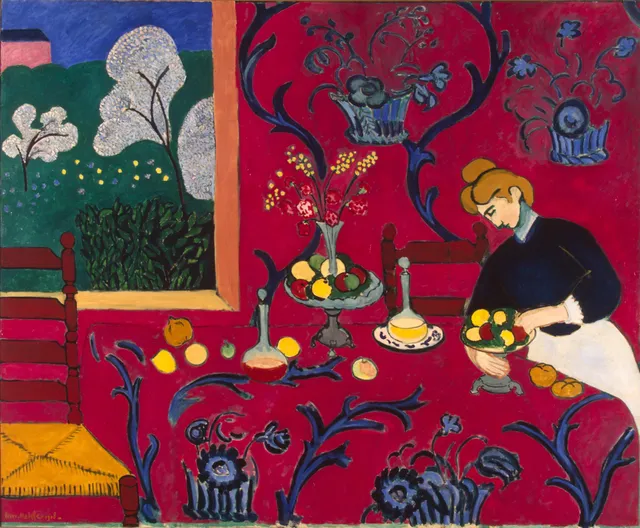
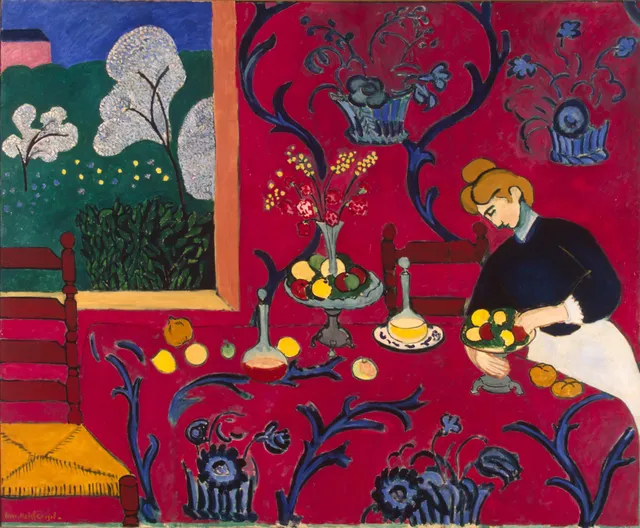
Modernism's canon runs through a chain of innovators. Paul Cézanne reduced nature to underlying geometric structure; Henri Matisse, leader of the Fauves, pushed colour to expressive extremes in works such as *The Dessert: Harmony in Red (The Red Room)* (1908) and *The Conversation* (1909), both in this collection. Pablo Picasso and Georges Braque shattered single-point perspective in Cubism, while Wassily Kandinsky and Piet Mondrian advanced toward pure abstraction. In the United States, Georgia O'Keeffe became a driving force of American modernism.
The movement is an umbrella spanning Impressionism, Post-Impressionism, Fauvism, Cubism, Futurism, Expressionism, Constructivism, De Stijl and Abstract Expressionism. Its reach extended into architecture and design, prizing originality, formal innovation and freedom of expression. Most scholars see Modernism waning between the 1950s and 1960s, giving way to a Postmodernism that rejected its faith in progress and purity. It also coexisted with more figurative, place-rooted currents such as Regionalism, against which its abstractions were often measured.
Key artists
Works
Groups & collectives
Frequently asked questions
What is Modernism?
Modernism is an art movement. The broad cultural revolution in Western art, literature, and music that ran roughly from the 1860s through the 1960s, driven by a rejection of tradition in favor of experimentation.
Who are the key Modernism artists?
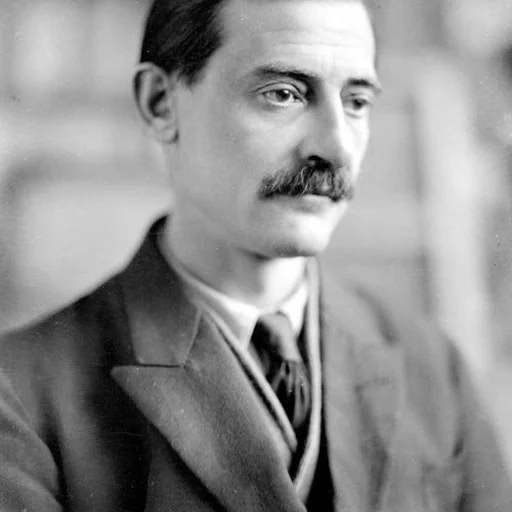
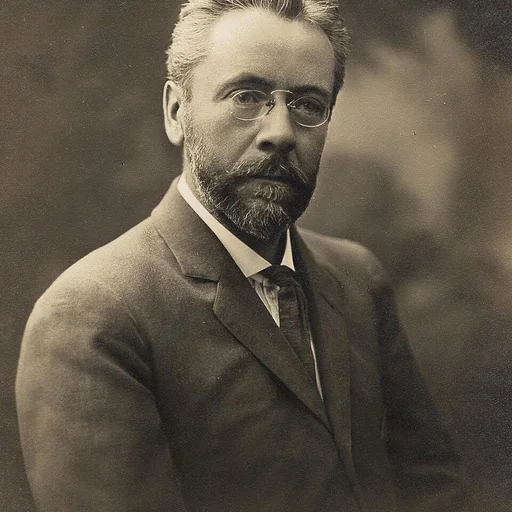
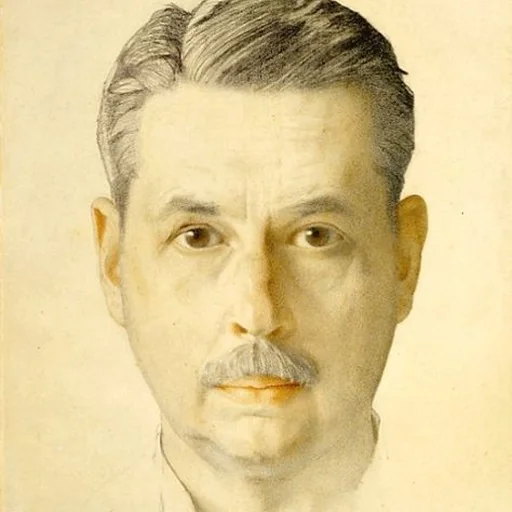
Key Modernism artists in the collection include Henri Matisse, Maurice Utrillo and Louis Eilshemius.
When did Modernism take place?
Modernism dates from around 1900.
Where can I see Modernism works?
Modernism works in the collection are held by Hermitage Museum and J. Paul Getty Museum.