Movement
New Objectivity
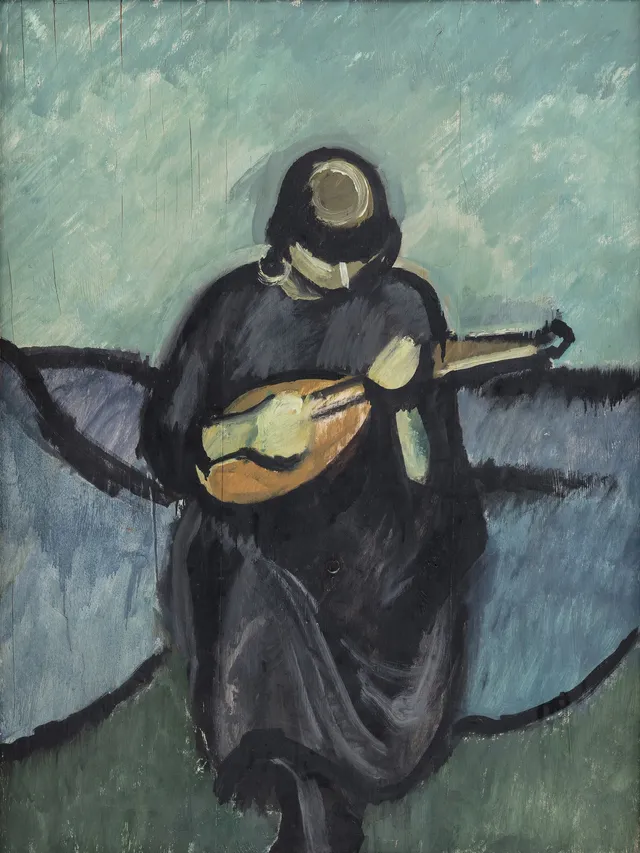
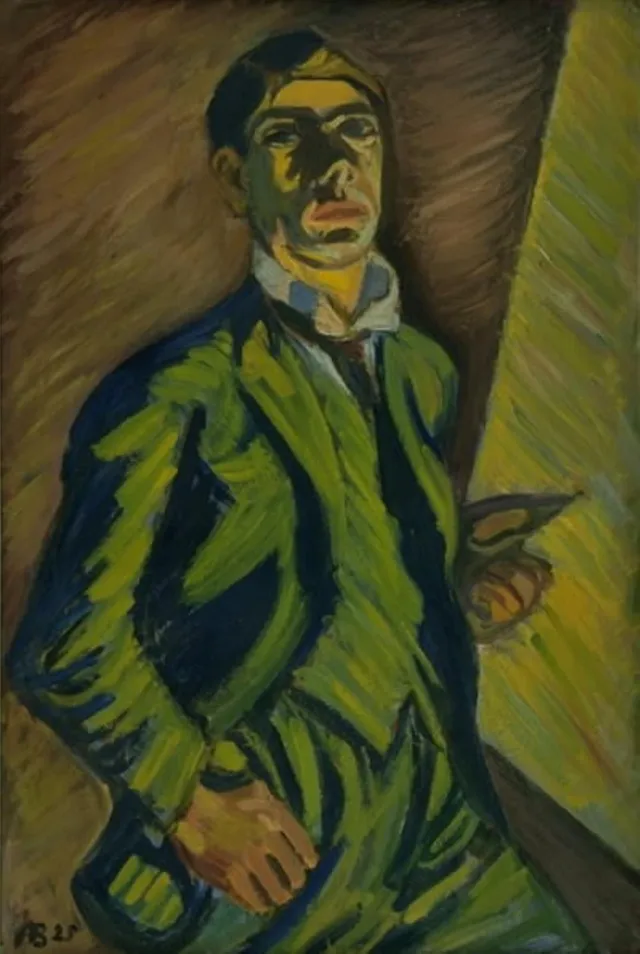
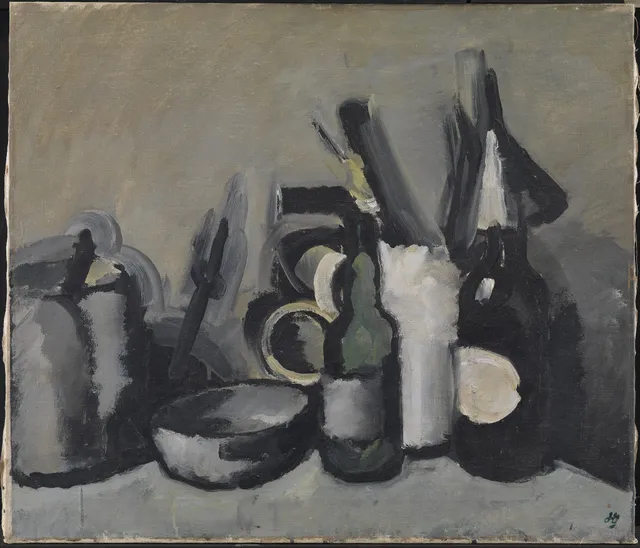
New Objectivity is an art movement of the 1920–1933 period. The gallery holds 3 works in this movement, including works by Max Beckmann, Harald Giersing and George Grosz. Browse New Objectivity paintings, portraits, pictures and artworks from the world's public-domain museum collections.
New Objectivity (German: *Neue Sachlichkeit*) was the dominant current in German visual art, literature, and architecture from the mid-1920s until the Nazi seizure of power in 1933. The term was coined by Gustav Friedrich Hartlaub, director of the Kunsthalle Mannheim, as the title of a 1925 exhibition, *Neue Sachlichkeit: Deutsche Malerei seit dem Expressionismus* ("New Objectivity: German Painting Since Expressionism"), which opened on 14 June 1925. The movement arose from disillusionment: the trauma of the First World War and the political and economic turbulence of the Weimar Republic (1919–1933) made the utopian, emotionally charged visions of Expressionism feel untenable. In their place came a sober, clear-eyed engagement with the modern world as it actually was.
Stylistically, New Objectivity rejected Expressionist abstraction and spiritual longing in favour of cool, hard-edged, almost photographic precision. Artists returned to representational drawing, meticulous detail, and an unsentimental gaze, often turning their scrutiny on the cabarets, brothels, street-corners, and bourgeois drawing rooms of Weimar society. Hartlaub distinguished two wings: the politically combative *Verists*, who used caustic satire and grotesque distortion to expose social corruption, and the quieter *Classicists*, whose calm, statuesque realism shaded into what is sometimes called Magic Realism.
The acknowledged leaders of the verist wing were Otto Dix, George Grosz, and Max Beckmann, alongside figures such as Georg Scholz and Christian Schad. Dix's *Portrait of the Journalist Sylvia von Harden* (1926), with its cropped hair, monocle, and cigarette, offered an indelible image of the emancipated "new woman," while Grosz's *Pillars of Society* (1926) skewered the militarists, clergy, and profiteers he blamed for Germany's decay. The movement extended powerfully into photography, where Karl Blossfeldt's magnified plant studies, gathered in *Urformen der Kunst* (1928), and Albert Renger-Patzsch's *Die Welt ist schön* (1928) pursued an objective, scientific clarity of vision.
New Objectivity was effectively extinguished after 1933, when the Nazis condemned much of it as "degenerate art," forcing many of its practitioners into exile or silence. Its legacy nonetheless endured: it shaped the trajectory of documentary photography, fed into Magic Realism, and remains the defining visual record of Weimar Germany's brief, volatile modernity. Our collection situates it directly in dialogue with the Expressionism it answered and revised.
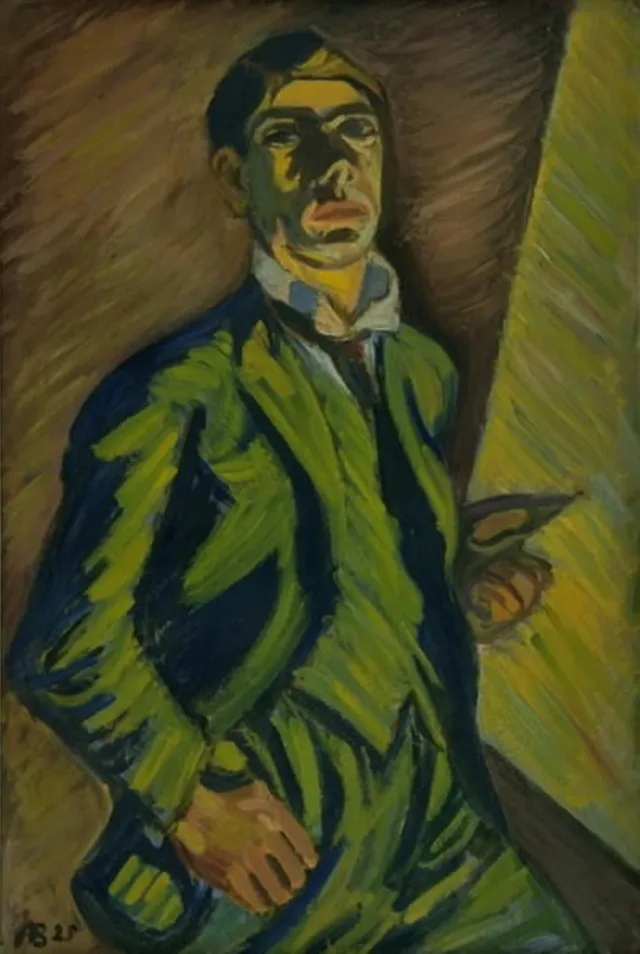
Key artists
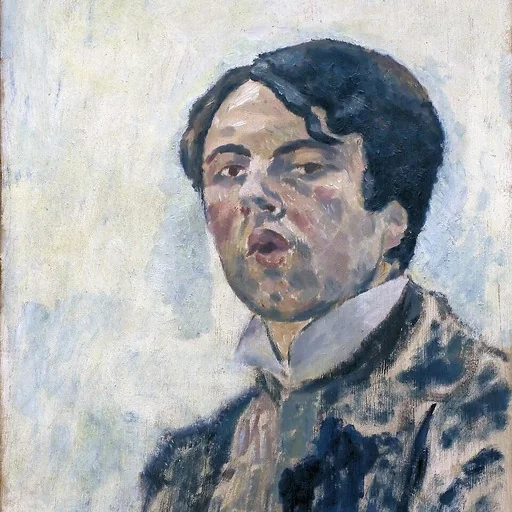


Works
Groups & collectives
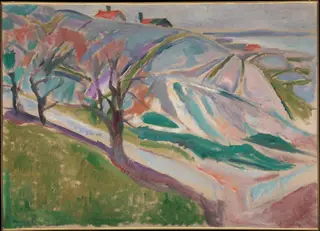
Frequently asked questions
What is New Objectivity?
New Objectivity — a German movement of the 1920s that reacted against Expressionist emotion with cold, clinical realism.
Who are the key New Objectivity artists?
Key New Objectivity artists in the collection include Max Beckmann, Harald Giersing and George Grosz.
When did New Objectivity take place?
New Objectivity dates from 1920–1933.
Where can I see New Objectivity works?
New Objectivity works in the collection are held by Statens Museum for Kunst.