Movement
Harlem Renaissance
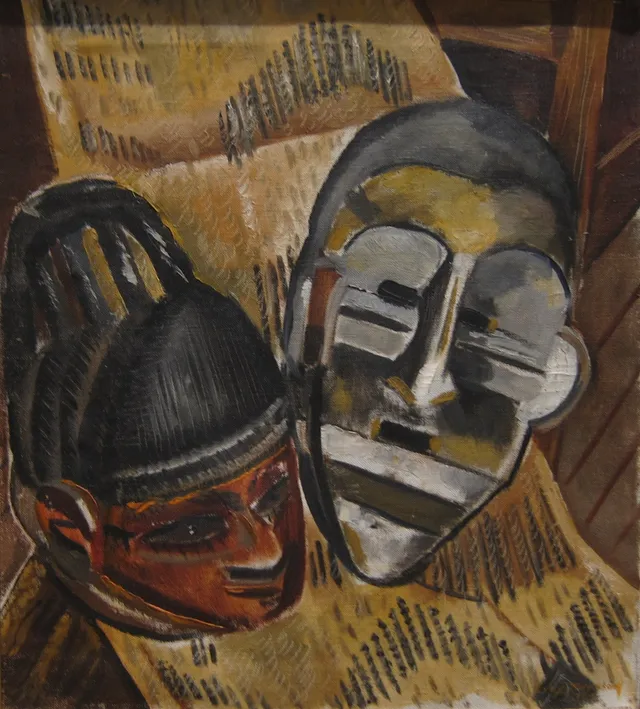
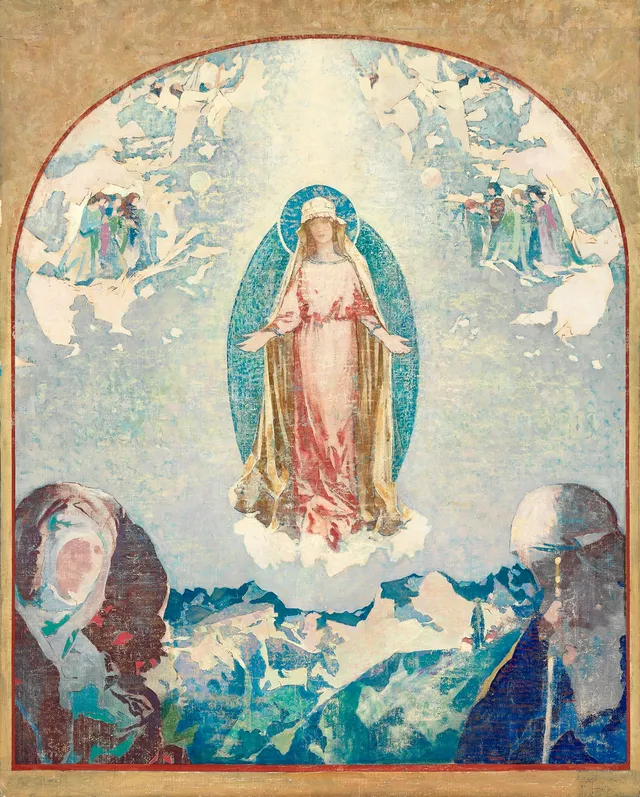
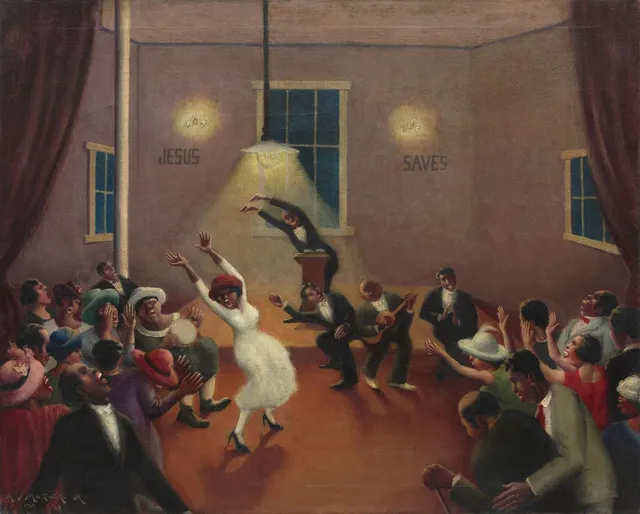
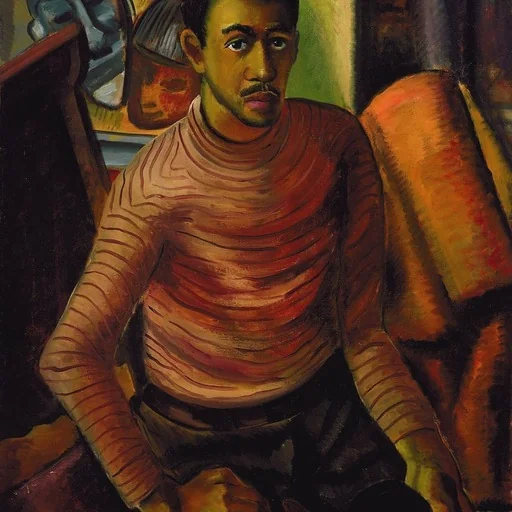
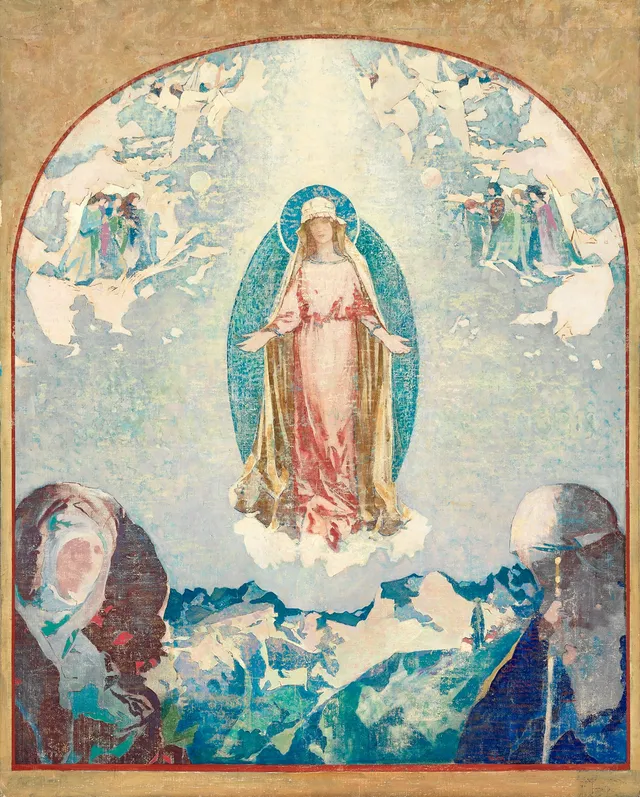
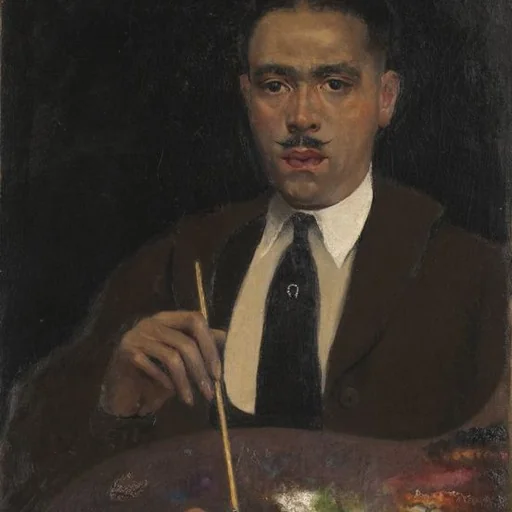
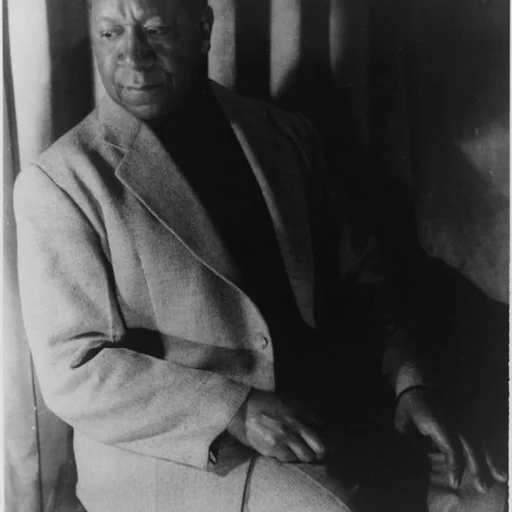
Harlem Renaissance is an art movement of the 1910–1940 period. The gallery holds 4 works in this movement, including works by Malvin Gray Johnson, Archibald Motley and Beauford Delaney. Browse Harlem Renaissance paintings, portraits, pictures and artworks from the world's public-domain museum collections.
The Harlem Renaissance was the flowering of African American visual art, literature, music, and thought centred on the Harlem district of New York City during the 1920s and into the 1930s. Its conditions were set by the Great Migration, the movement of hundreds of thousands of Black Americans out of the rural South toward northern cities in search of work and relief from Jim Crow violence. Concentrated in Harlem, this new urban community produced a self-conscious cultural awakening, given intellectual shape by Alain Locke, whose 1925 anthology The New Negro called on artists to forge a modern Black identity grounded in self-representation rather than the demeaning stereotypes of the past.
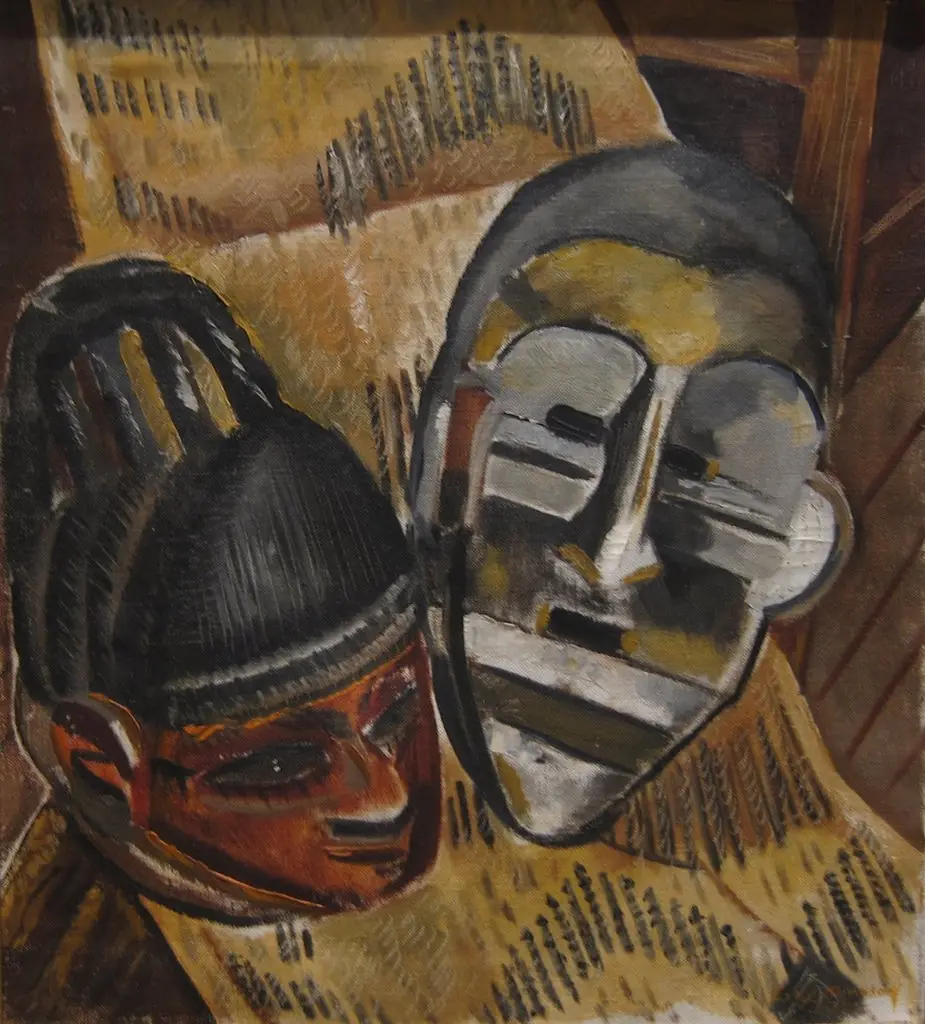
In the visual arts the movement had no single style, but recurring strategies emerged: the fusion of European modernism with African sculptural sources, an embrace of everyday Black life, and imagery of dignity, labour, and racial memory. Its signature painter was Aaron Douglas, who arrived in Harlem in 1925 and studied under the German artist Winold Reiss. Drawing on Art Deco, the flat profiles of ancient Egyptian art, and what he called the abstract qualities of spirituals, Douglas developed a distinctive silhouette style of overlapping figures and radiating bands of light, fully realised in his mural cycle Aspects of Negro Life (1934).
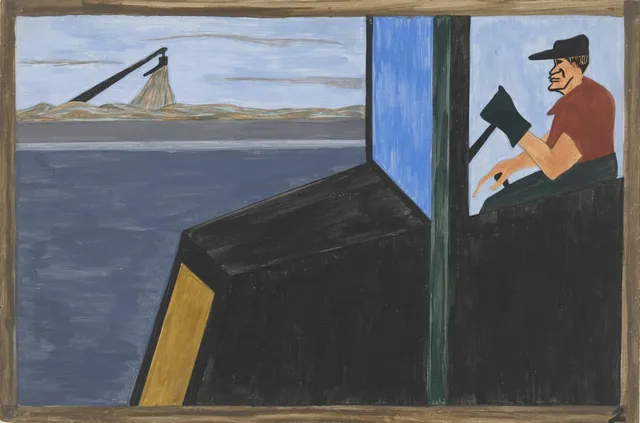
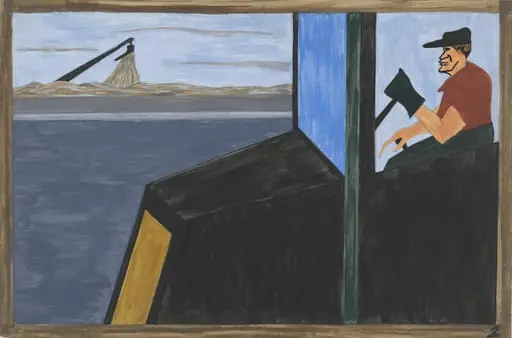
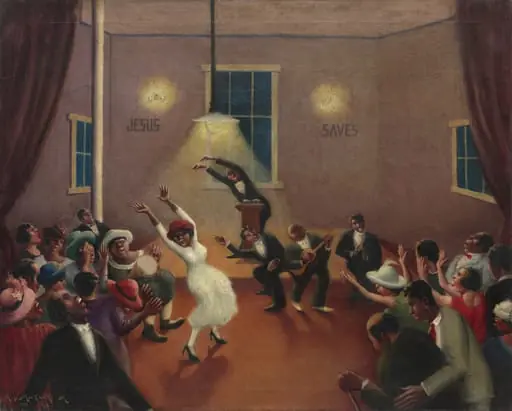
The movement's reach extended well beyond Harlem itself. Archibald Motley Jr., working largely from Chicago and a 1929 sojourn in Paris, painted vivid, jazz-saturated scenes of dance halls and nightlife. The sculptor Augusta Savage produced intimate, dignified portraits such as Gamin (1929) and the monumental Lift Every Voice and Sing (later titled The Harp) for the 1939 New York World's Fair; as a teacher she trained a younger generation, including Jacob Lawrence. Lawrence's sixty-panel Migration Series (1940–41), rendered in stark flat planes and bold pigment, became the era's defining narrative work.
The Harlem Renaissance reshaped American art's understanding of who could be both its subject and its author. Its dialogue with European modernism and African form anticipated later currents of social realism and the Black Arts Movement, while artists such as Beauford Delaney, Palmer Hayden, Malvin Gray Johnson, Charles White, and Elizabeth Catlett carried its commitments forward across the twentieth century.
Key artists
Works
Frequently asked questions
What is Harlem Renaissance?
Harlem Renaissance is an art movement. An explosion of African-American cultural creativity based in Harlem, New York, during the 1920s and 1930s.
Who are the key Harlem Renaissance artists?
Key Harlem Renaissance artists in the collection include Malvin Gray Johnson, Archibald Motley and Beauford Delaney.
When did Harlem Renaissance take place?
Harlem Renaissance dates from 1910–1940.
Where can I see Harlem Renaissance works?
Harlem Renaissance works in the collection are held by Museum of Modern Art, Cleveland Museum of Art and Metropolitan Museum of Art.