
Movement
Magic Realism
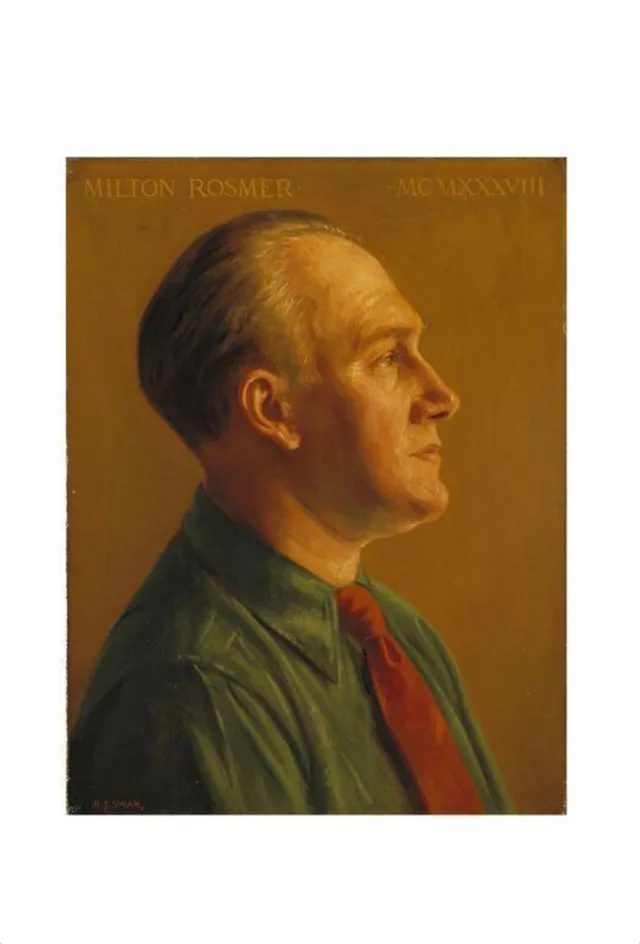
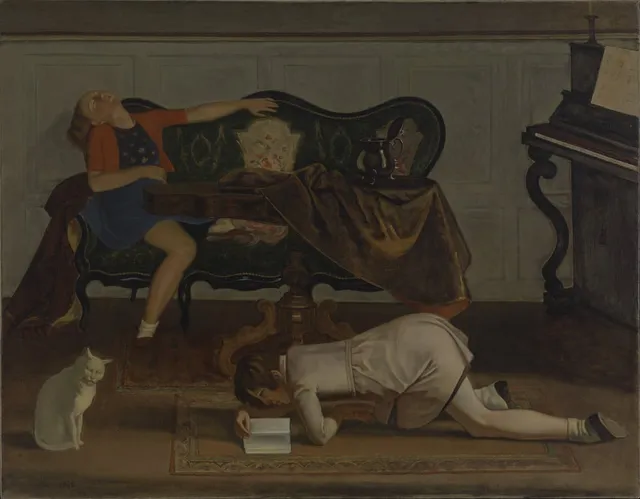
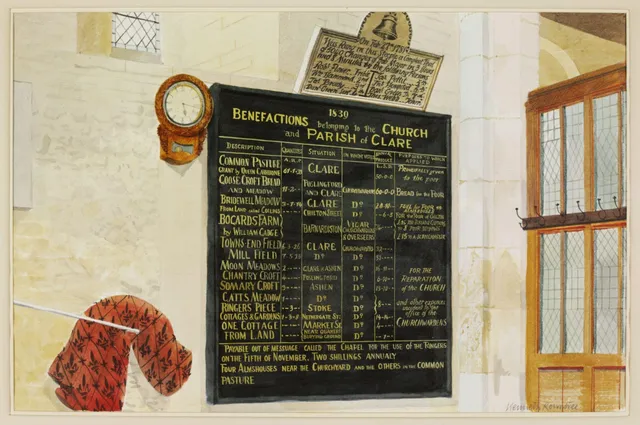
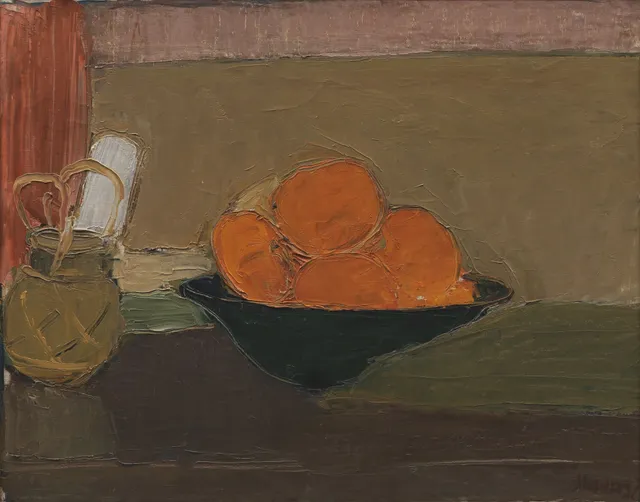
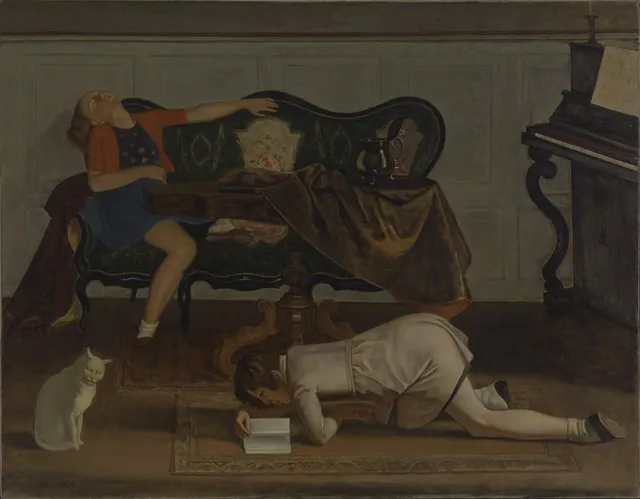
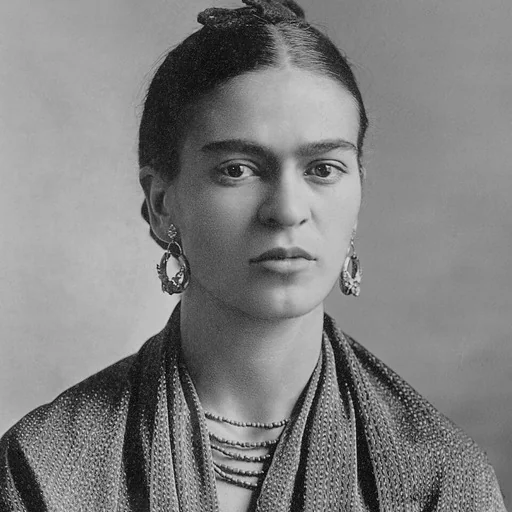
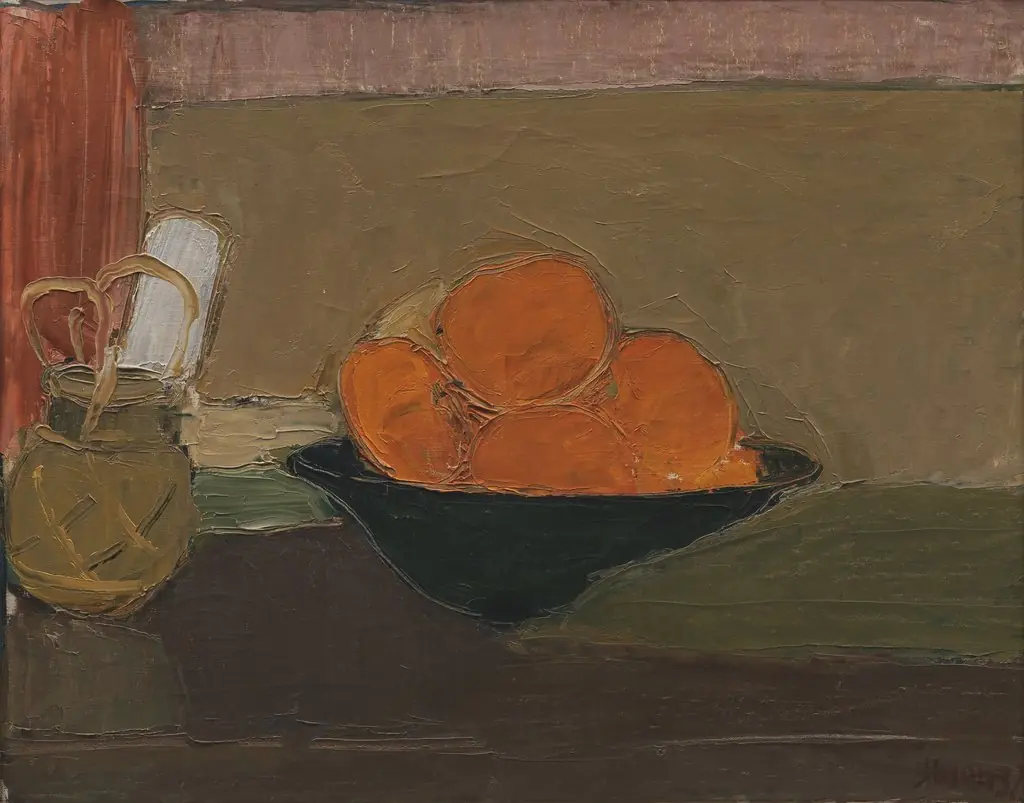
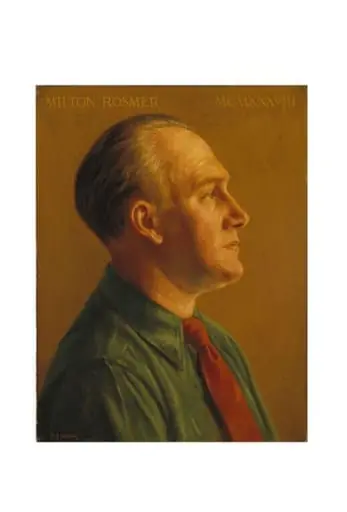
Magic Realism is an art movement. The gallery holds 4 works in this movement, including works by Walter Gramatté, Robert John Swan and Frida Kahlo. Browse Magic Realism paintings, portraits, pictures and artworks from the world's public-domain museum collections.
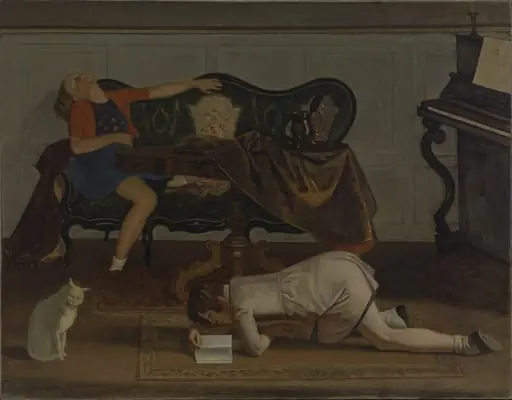
Magic Realism was christened by the German art historian and critic Franz Roh in his 1925 book Nach Expressionismus: Magischer Realismus ("After Expressionism: Magic Realism"). Roh used the term to name a wave of painters who, recoiling from the heated subjectivity of Expressionism, returned to crisp, objective depiction—but rendered the ordinary world with such heightened, almost hallucinatory precision that it acquired an aura of mystery. The style emerged in Weimar Germany alongside the Neue Sachlichkeit (New Objectivity) movement formalized in a 1925 Mannheim exhibition, part of the broader post-war European "return to order."
Its hallmarks are technical clarity in the service of unease: smooth, cold surfaces, hard contours, sharply focused detail, and the meticulous "counterfeiting of material surfaces." Unlike Surrealism, with which it is often confused, Magic Realism keeps faith with the solid, observable object rather than the dream or the subconscious; the strangeness arises from how reality is seen, not from fantastical invention. Lincoln Kirstein, introducing the Museum of Modern Art's landmark 1943 show American Realists and Magic Realists, wrote that such painters "try to convince us that extraordinary things are possible simply by painting them as if they existed."
In Europe the canon runs through Giorgio de Chirico and Alberto Savinio, the New Objectivity painters Alexander Kanoldt and Georg Schrimpf, and German figures such as Walter Gramatté. An American strain crystallized in the 1940s around Paul Cadmus—whose egg-tempera The Fleet's In! (1934) was yanked from a Washington exhibition by Navy officials—and Ivan Albright's mercilessly detailed allegories. Frida Kahlo embraced the label over Surrealism, insisting "I never paint dreams or nightmares. I paint my own reality," while Balthus brought a comparable still, charged exactitude to the human figure.
The term's most famous afterlife came in literature: by the mid-1950s critics applied "magical realism" to Jorge Luis Borges and later Gabriel García Márquez, where it became a defining mode of Latin American fiction. In painting it remains a porous category, bordering Surrealism, Precisionism, and neo-romanticism, yet enduring as a name for art in which the literal world is made to feel quietly uncanny.
Key artists

Works

Frequently asked questions
What is Magic Realism?
Magic Realism is an art movement. A mode of painting that places fantastical or uncanny elements within otherwise realistic settings, creating an unnerving ambiguity.
Who are the key Magic Realism artists?
Key Magic Realism artists in the collection include Walter Gramatté, Robert John Swan and Frida Kahlo.
Where can I see Magic Realism works?
Magic Realism works in the collection are held by Victoria and Albert Museum, Statens Museum for Kunst and Museum of Modern Art.