February 2 in Art History
7 real events recorded on February 2, the earliest from 1616. 2 artists were born , 1 died on this date.
Born on this day 2
- 1616 Born
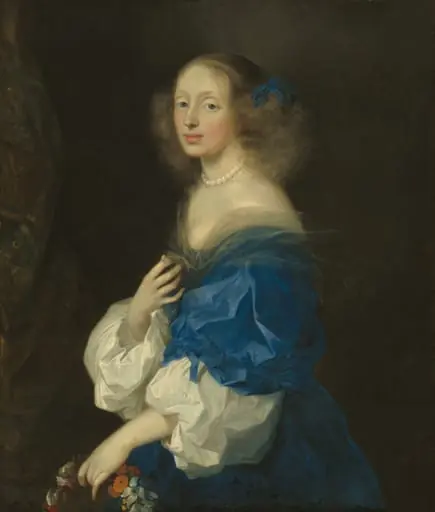
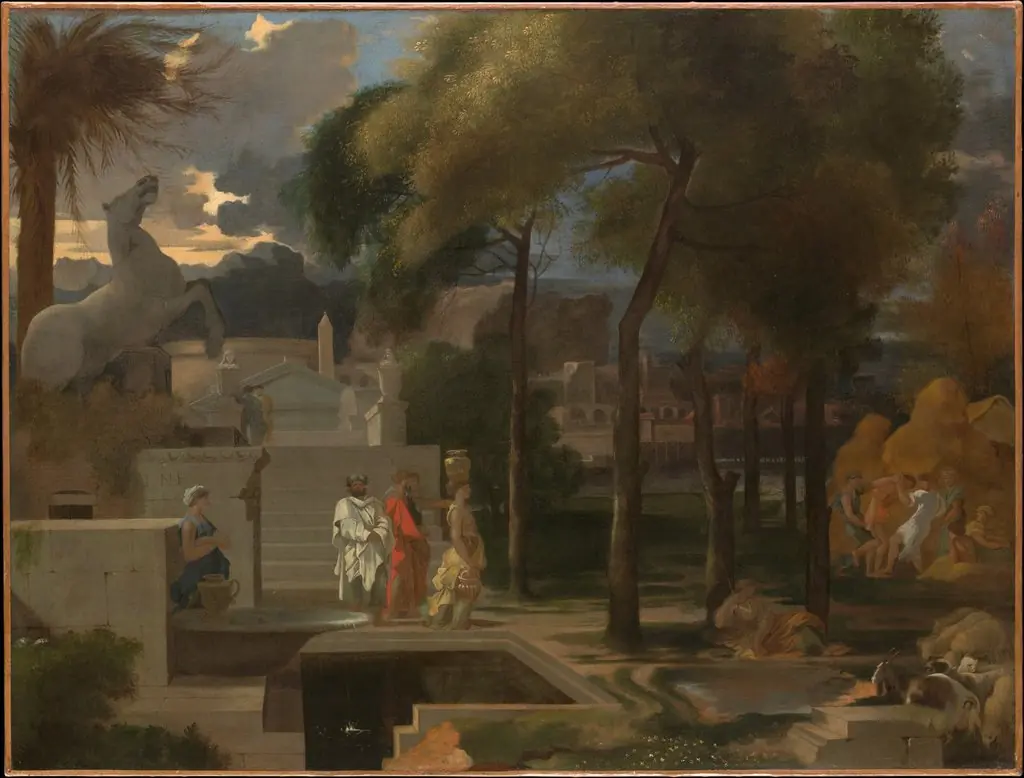
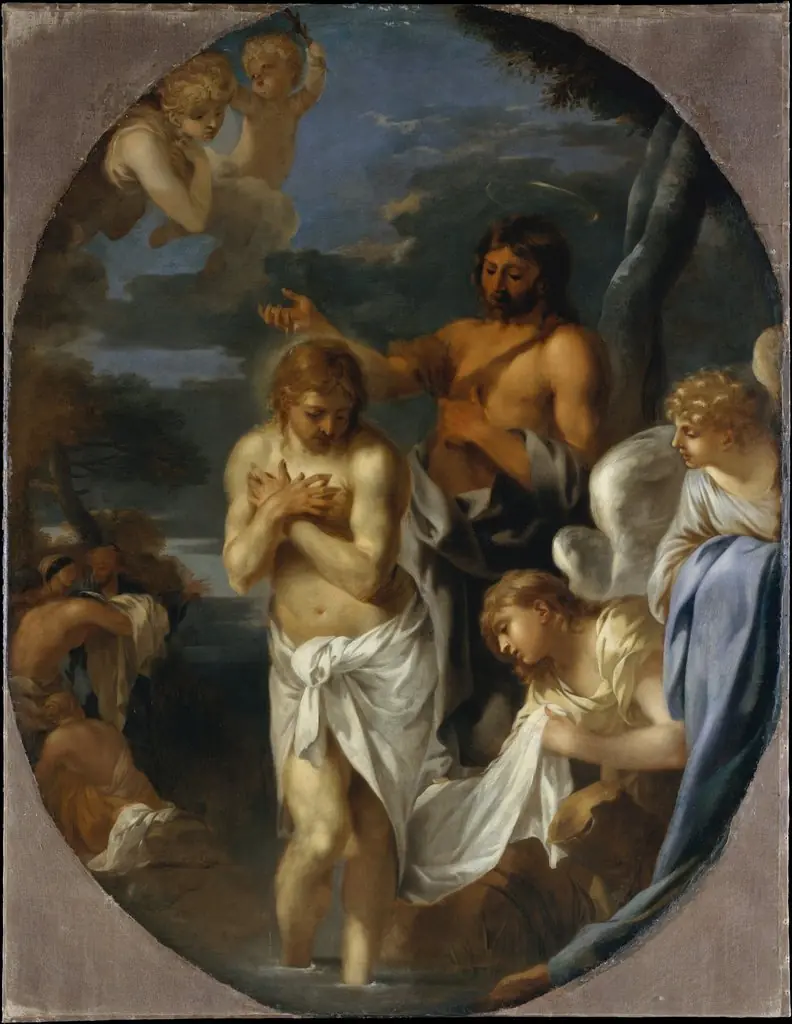
Born this day: Sébastien Bourdon
Sébastien Bourdon, a 17th-century French painter and engraver, was born on this day in 1616. His work embodies the French Baroque style, with notable pieces like Countess Ebba Sparre and The Finding of Moses. Bourdon's art often blended elements of landscape and figurative painting.
Sébastien Bourdon's contributions to French Baroque painting remain significant in the history of art.
- 1814 Born
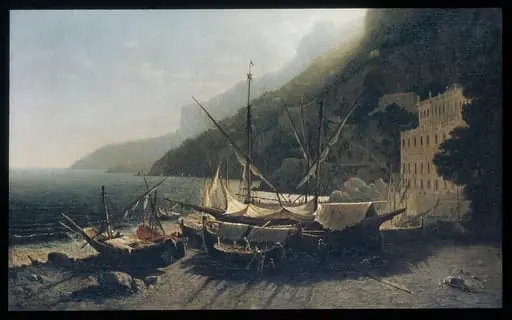
Born this day: George Loring Brown
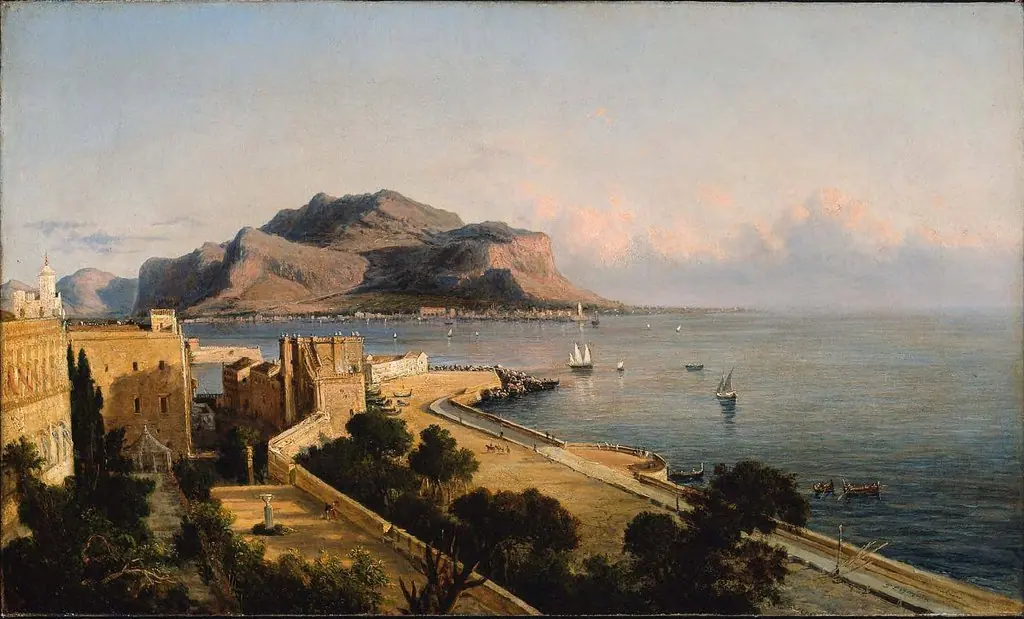
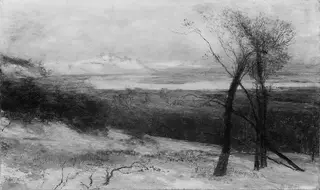
On February 2, 1814, American artist George Loring Brown was born. He began his career as an illustrator and wood engraver, later training in Paris with Eugène Isabey. Brown's work is defined by his landscapes, often featuring dramatic skies and loose brushwork, influenced by European masters like Claude Lorrain and Constable. He spent years painting Italian landscapes, catering to the tourist market.
George Loring Brown's landscapes continue to capture the essence of 19th-century European scenery, reflecting his unique blend of American and European artistic influences.
Died on this day 1
- 1897 Died
Died this day: Homer Dodge Martin
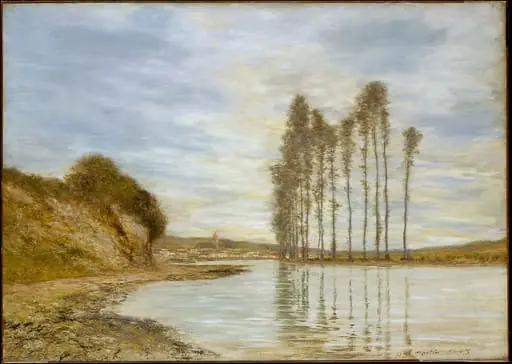
Homer Dodge Martin was an American artist known for his landscape paintings, with works like View on the Seine and Behind Dunes, Lake Ontario showcasing his skill. He was a notable figure in American art, with his pieces featured in many prominent museums.
Homer Dodge Martin's landscapes remain a significant part of American art history.
Exhibitions & salons 2
- 1889 Exhibition
Sixth Les XX exhibition opens in Brussels
The sixth annual exhibition of Les XX opened in Brussels on 2 February 1889, according to the dated poster reproduced on the French page for the group. Les XX was an invitation-based Belgian avant-garde circle founded by Octave Maus, and its salons helped connect Belgian artists with the most experimental painters working in France. The 1889 exhibition is especially notable because Paul Gauguin and Georges Seurat were among the invited artists; the English Les XX page identifies Gauguin's Vision After the Sermon as included, while the French Gauguin exhibition page calls his 1889 Salon des XX presentation his first important exhibition of works. The show placed Gauguin, Seurat, Pissarro, Caillebotte, Cezanne, Luce, and Cross within a Brussels setting that actively cultivated international modernism.
The exhibition helped make Brussels a major relay point between Impressionism, Neo-Impressionism, Symbolism, and later European avant-gardes.
Camille Pissarro , Georges Seurat , Paul Gauguin , Maximilien Luce
- 1930 Exhibition
Thirty-three Moderns opens at Grand Central Art Galleries
On 2 February 1930, Grand Central Art Galleries opened Thirty-three Moderns, a show of contemporary work drawn from 33 artists associated with the avant-garde Downtown Gallery. The fetched Grand Central Art Galleries source records more than 130 works, including Morris Kantor's Woman Reading in Bed, Walt Kuhn's Beryl, Samuel Halpert's Girl in a Bathing Suit, Marguerite Zorach's Sixth Avenue, and works by Yasuo Kuniyoshi. The account also preserves Edward Alden Jewell's New York Times response, which emphasized the theatrical collision between the conservative prestige of Grand Central and the 'radicals' of Downtown modernism, as well as sales and collector attention on opening day. The exhibition is notable as a market and visibility event: it brought downtown modernists into one of New York's largest and most establishment-oriented art-sales spaces.
The show marked a public rapprochement between New York's avant-garde artists and a more mainstream commercial gallery audience.
Yasuo Kuniyoshi , Morris Kantor , Samuel Halpert , Walt Kuhn , Marguerite Zorach Grand Central Art Galleries, Manhattan
Unveilings & commissions 1
- 2002 Unveiling
Empowerment unveiled in Lincoln
Stephen Broadbent's public sculpture Empowerment was unveiled on 2 February 2002 in Lincoln's City Square, spanning the River Witham. The fetched sculpture page documents the exact unveiling date and identifies the work as an aluminium-and-steel public artwork sponsored by Alstom UK Ltd, Lincoln Co-operative Society, and other local partners before donation to Lincoln City Council. Broadbent Studio's project page confirms the 2002 date, Lincoln location, civic client, and concept: a millennium commission inspired by turbine blades and Lincoln's engineering heritage. The two 16-meter-high figures reach toward one another across the water, turning industrial forms into a civic image of mutual power. While local rather than global in scale, the commission is a documented public-art unveiling that became a recognizable emblem of Lincoln's contemporary urban identity.
The sculpture gave Lincoln a contemporary public landmark tied to both civic regeneration and the city's industrial history.
Manifestos & publications 1
- 1911 Publication
First issue of Die Aktion appears
Franz Pfemfert published the first issue of Die Aktion on 2 February 1911 in Berlin-Wilmersdorf. The fetched source identifies the magazine as a political and cultural journal that promoted literary Expressionism and left-wing politics, and states that the first issue carried the subheading 'Magazine for liberal politics and literature.' Within a year the subtitle expanded to include art, and the magazine soon became a leading organ of German Expressionist writing and visual culture. Its network included writers and artists tied to the wider avant-garde, and after 1914 the publication became especially noted for expressive woodcuts and for maintaining an antiwar intellectual position under censorship. The launch matters because Die Aktion joined art, literature, and politics in a format that helped define the German Expressionist public sphere.
Die Aktion became one of the central print platforms through which German Expressionism circulated before and during World War I.