Artwork
Countess Ebba Sparre
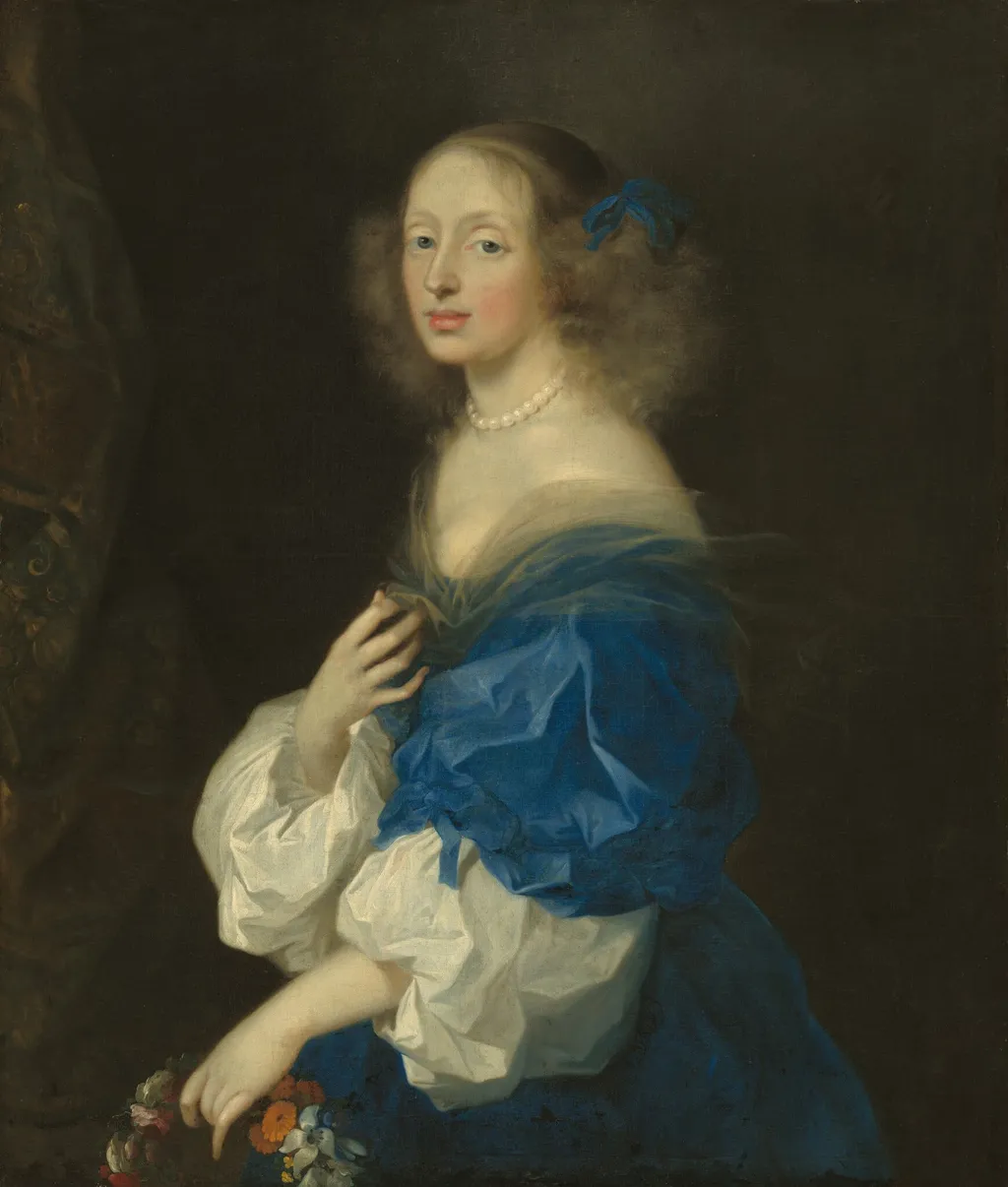
Countess Ebba Sparre is an oil painting by the Baroque artist Sébastien Bourdon. It dates from 1652 and is held in the collection of the National Gallery of Art.
About this work
Subject & Meaning
The portrait was likely commissioned by Queen Christina of Sweden, with whom Ebba Sparre was a close companion.
The painting depicts Ebba Sparre, a Swedish noblewoman, as its sole main subject. Executed in 1652 by Sébastien Bourdon, the work is classified strictly as a portrait genre piece. The portrait was likely commissioned by Queen Christina of Sweden, with whom Ebba Sparre was a close companion.
The available sources confirm the identity of the sitter and the probable patron but do not elaborate on specific iconographic details or allegorical meanings beyond its nature as a commissioned likeness.
Technique & Style
The portrait of Countess Ebba Sparre is executed in oil on canvas, a technique consistent with mid-seventeenth-century European portraiture. The composition emphasizes the sitter's poised demeanor, framed against a neutral backdrop that directs focus to her refined attire and composed expression. No specific condition reports are documented in the available institutional records.
History & Provenance
Painted by Sébastien Bourdon in 1652, the portrait of Countess Ebba Sparre was likely commissioned by Queen Christina of Sweden. The work was inventoried in 1656 among the Queen's goods destined for Rome. Following Christina's death, the painting passed to Cardinal Decio Azzolini in Rome, then to his nephew Marchese Pompeo Azzolini, and in 1696 was sold to Principe Livio Odescalchi, Duke of Bracciano.
It later passed to his nephew Baldassare Odescalchi-Erba, and in 1721 was sold through Pierre Crozat to Philippe II, Duke of Orléans, entering the French royal collection. In 1791 it was sold from the Orléans collection and passed through several hands before eventually entering the Samuel H. Kress Collection; it is now housed at the National Gallery of Art in Washington, D.C.
Legacy
The portrait's later reputation is reflected in its distinguished ownership history. After likely being commissioned by Queen Christina of Sweden, it passed through successive noble families, including the Azzolini, Odescalchi, and Orléans collections, before being sold in the late-18th-century Orléans dispersal. This trajectory of high-profile collectors underscores its enduring esteem.
Eventually the work entered the Samuel H. Kress Collection and is now housed at the National Gallery of Art in Washington, D.C., where it continues to be recognized as a significant example of Sébastien Bourdon's portraiture.
Overview
Sébastien Bourdon's oil on canvas portrait, Countess Ebba Sparre, depicts a noblewoman from the 1650s. The artist captures the sitter in an indoor setting, presenting her with an air of quiet composure. Dressed in elaborate attire, her presence is emphasized by a restrained background, allowing the viewer to focus on her subtle demeanor and the refined details of her presentation.
Own this work as a print
Artist & collection
Artist
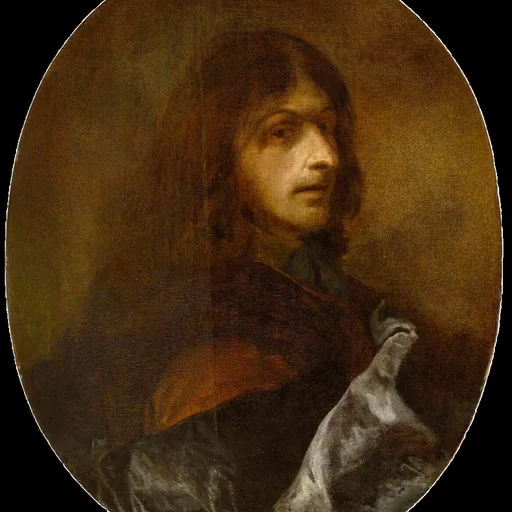
Sébastien Bourdon (French pronunciation:; 2 February 1616 – 8 May 1671) was a French painter and engraver. His chef d'œuvre is The Crucifixion of St. Peter made for the cathedral of Notre Dame.

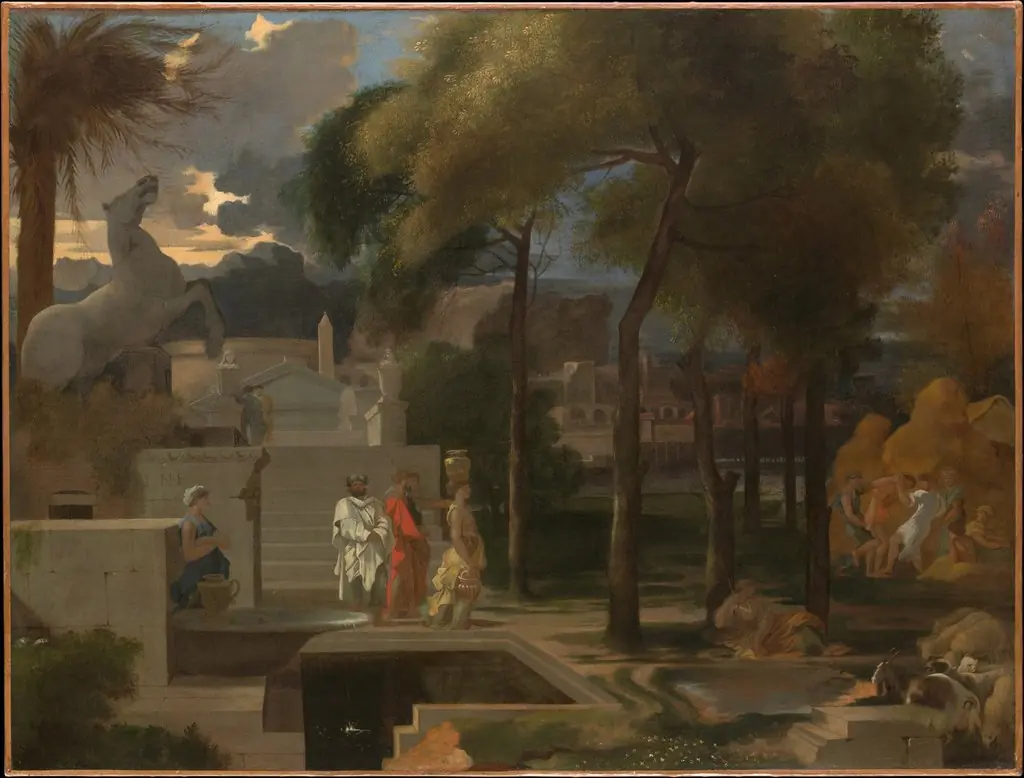

- Mary, Lady Van Dyck
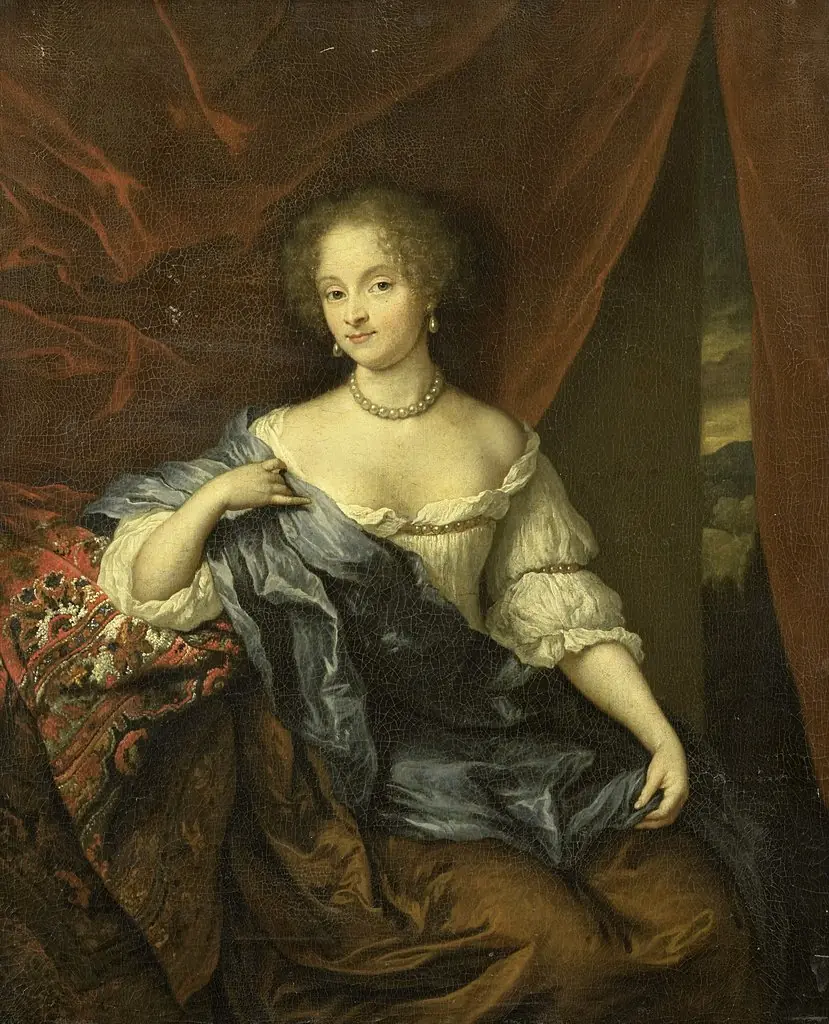 Portrait of a woman, possibly a member of the van Citters family
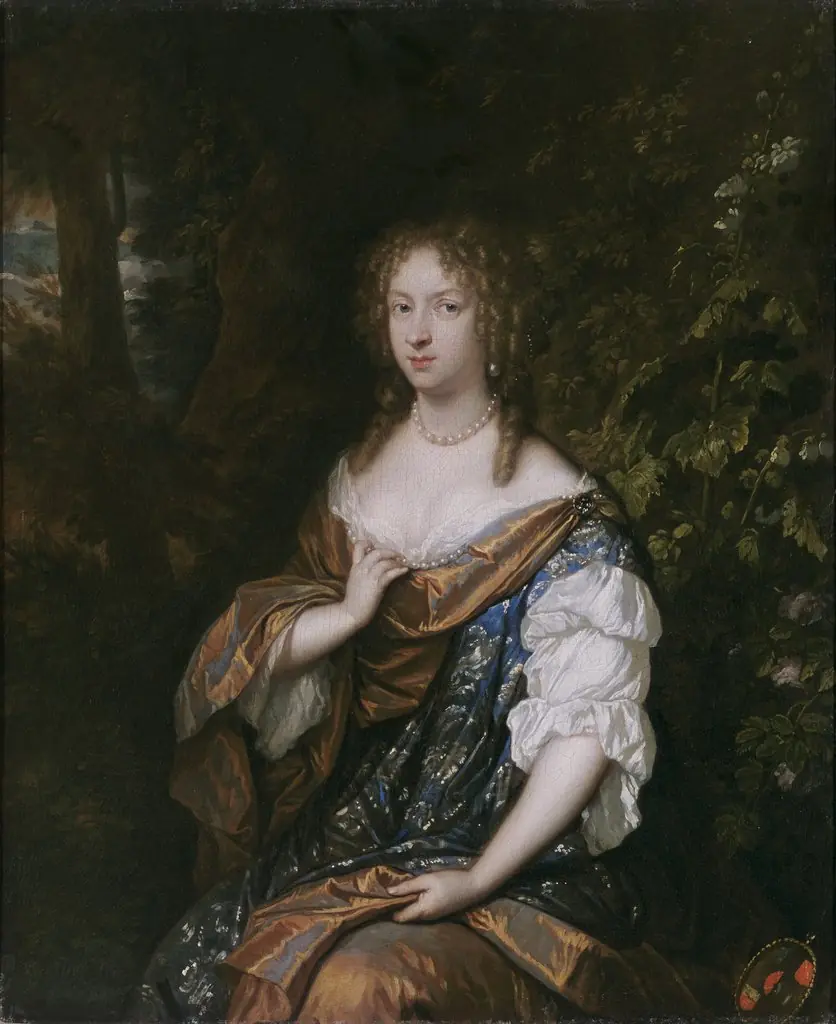 Alida de Lange, Wife of Johan Rammelman
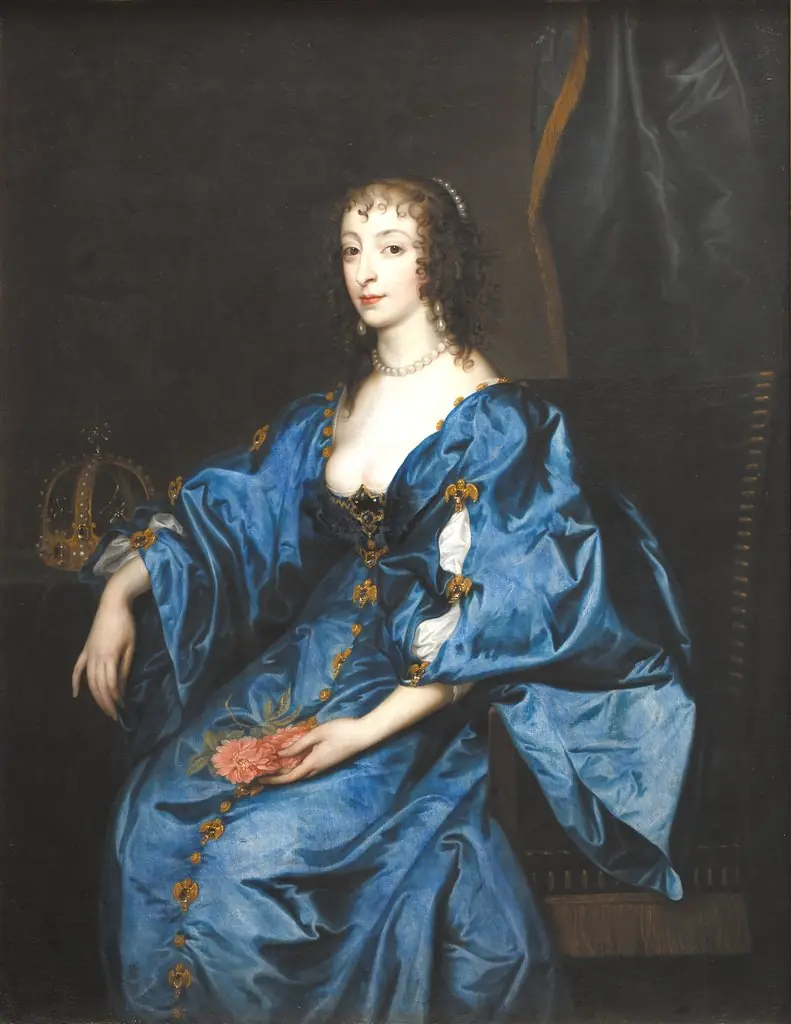 Queen Henrietta Maria of England
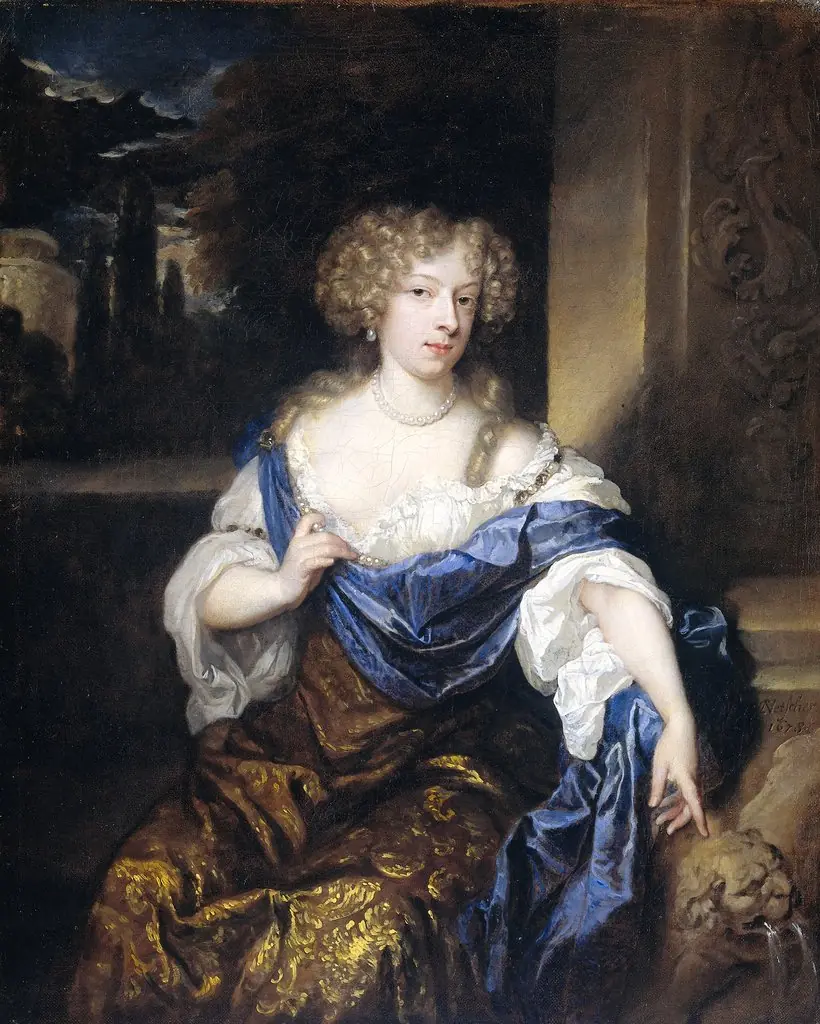 Portrait of Helena Catharina de Witte (1661-95), wife of Iman mogge, lord of Haamstede
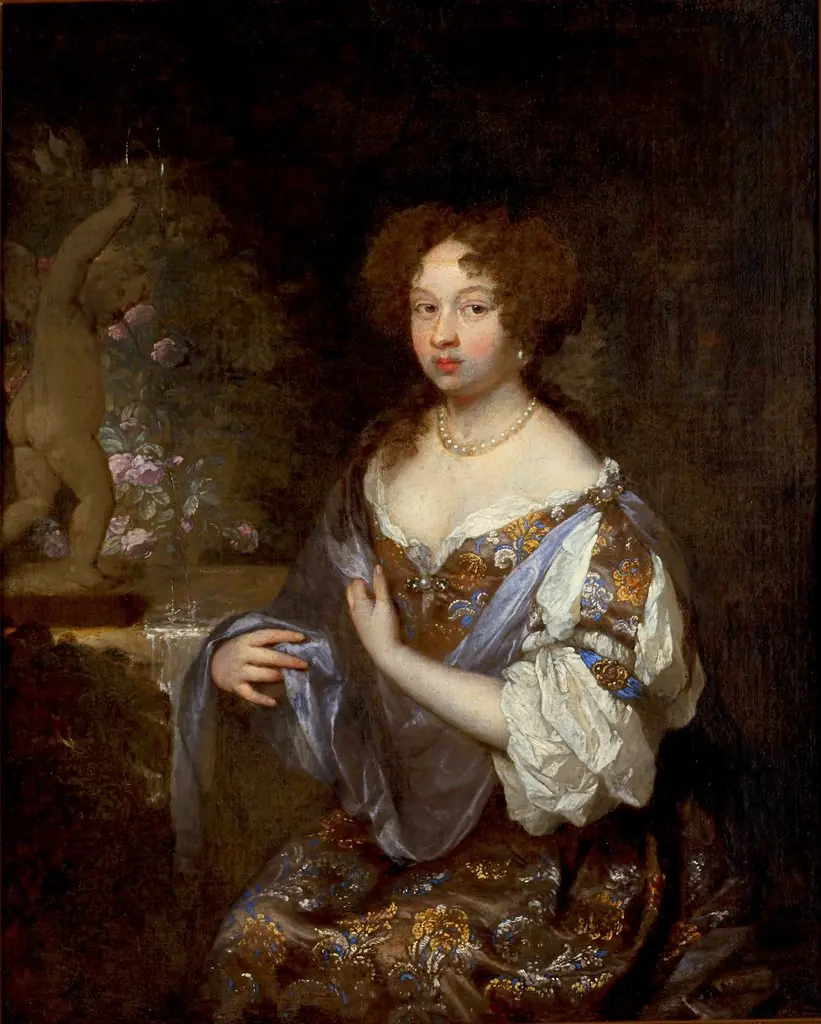 Portrait of a Lady
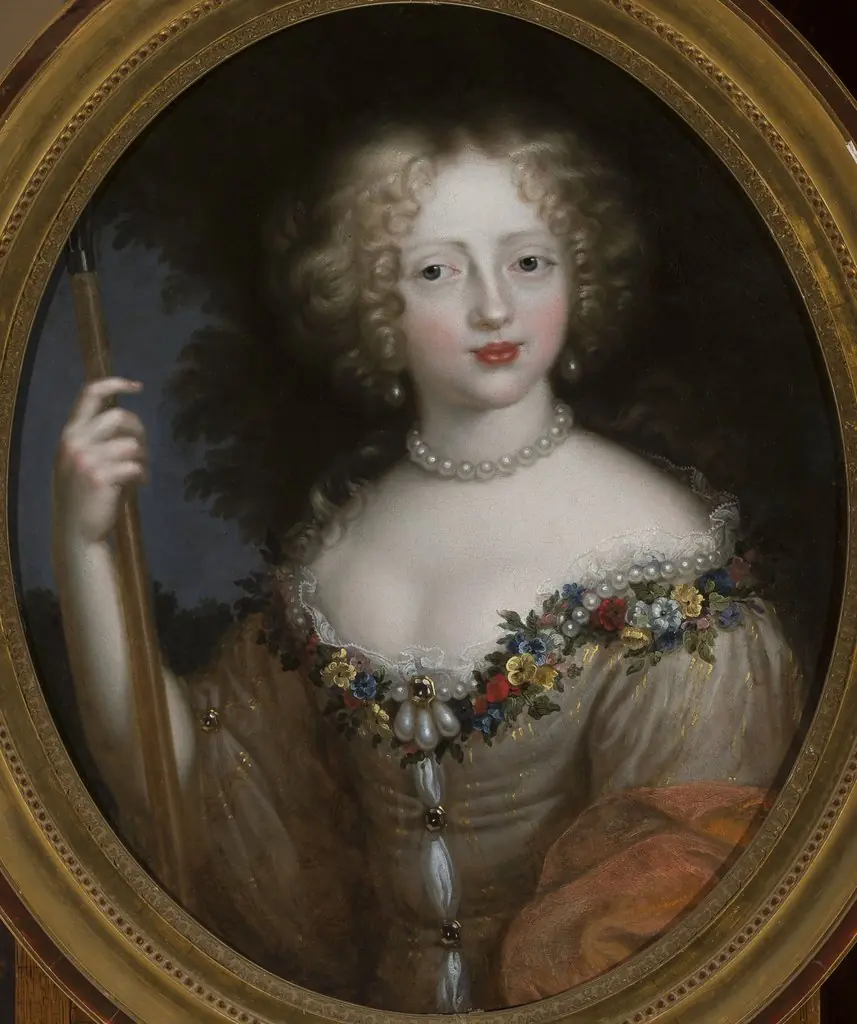 Portrait of a young woman
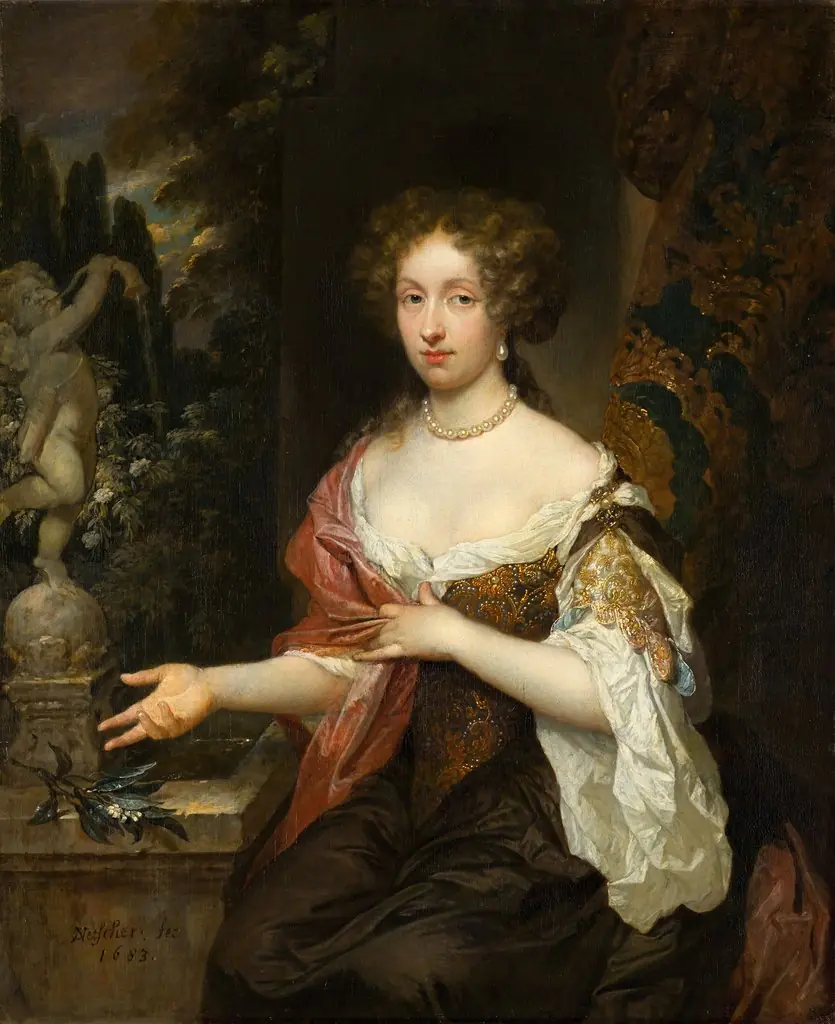 Portrait of Maria Timmers (1658-1753)
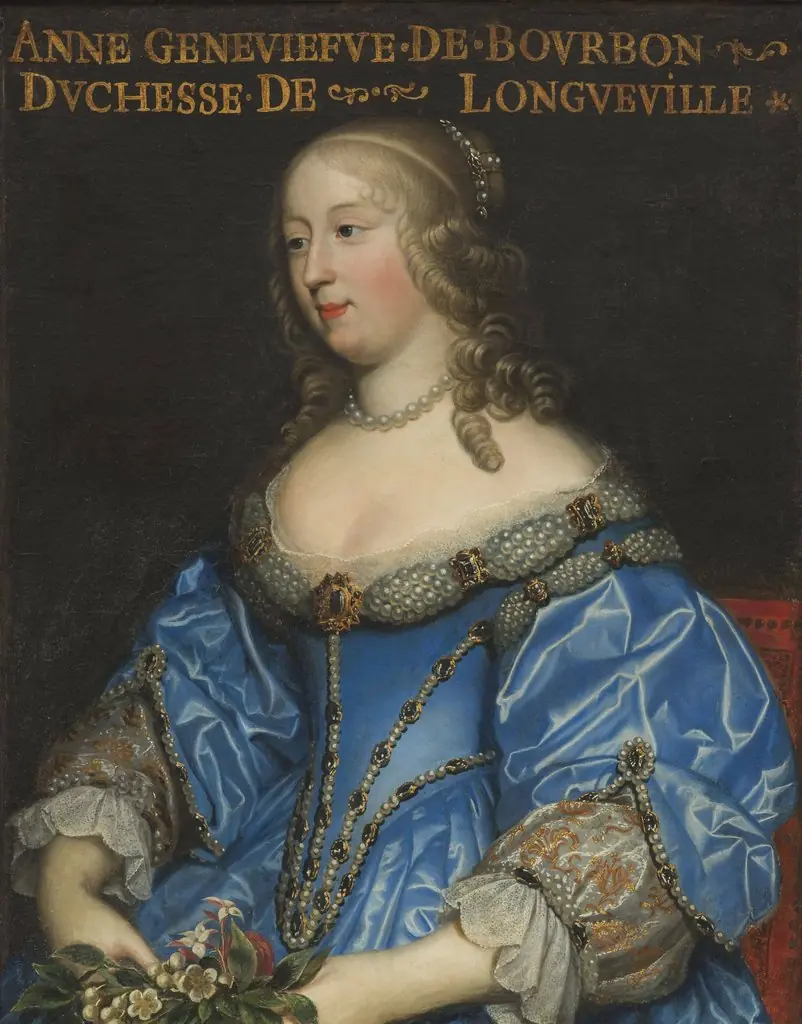 Anne-Genneviève de Bourbon-Condé, Duchess of Longueville
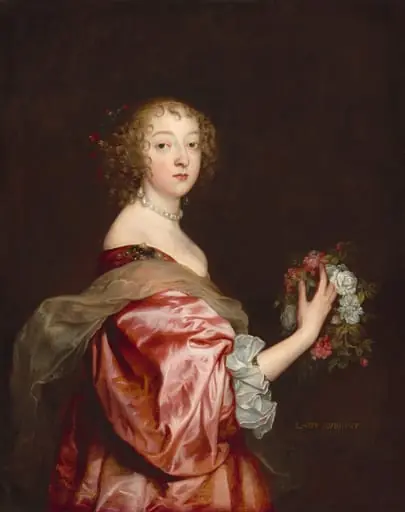 Catherine Howard, Lady d'Aubigny
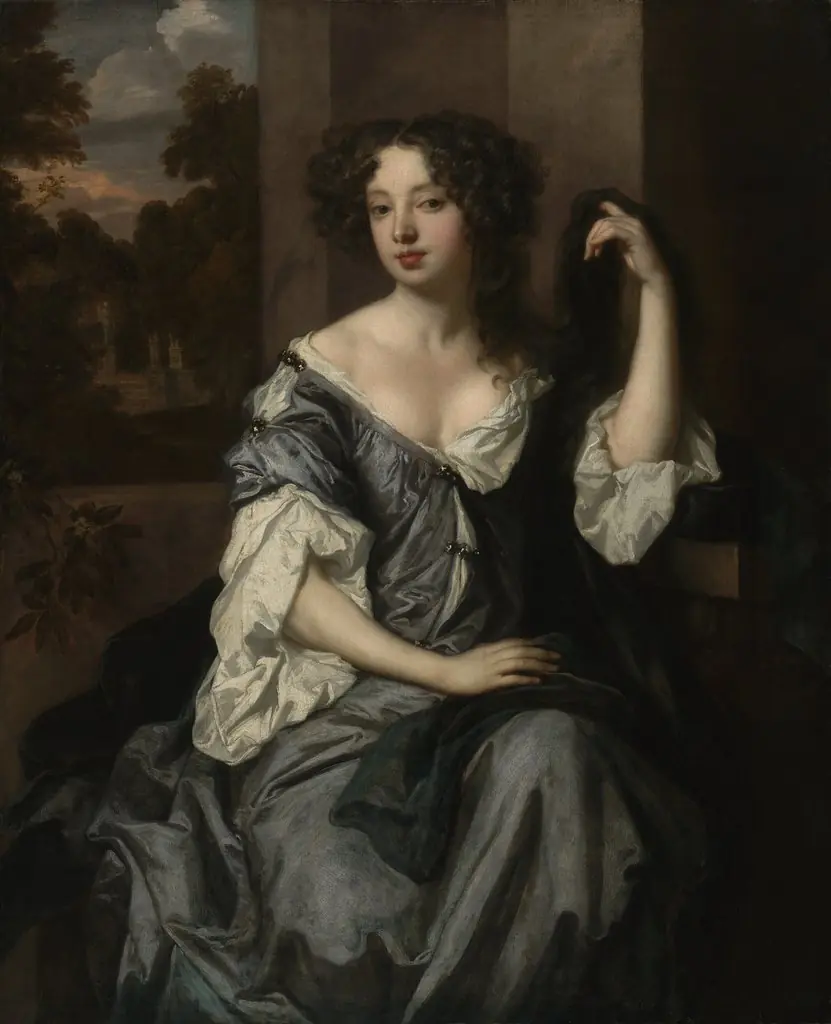 Portrait of Louise de Keroualle, Duchess of Portsmouth
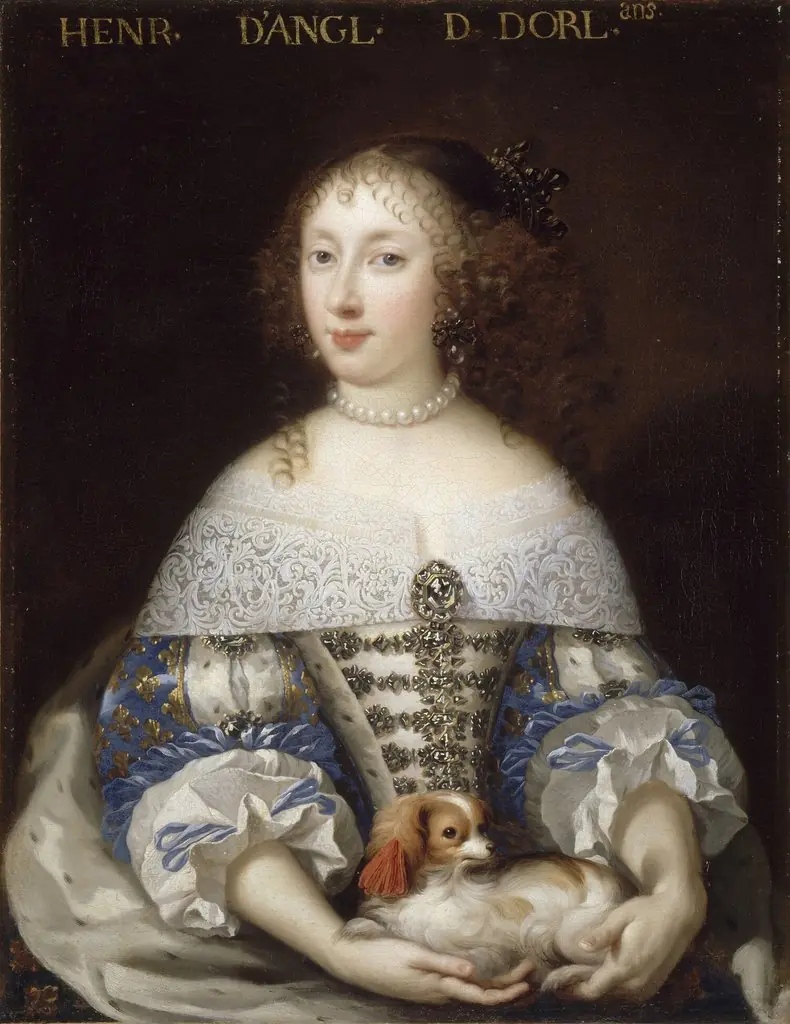 Henriette-Anne of England, Duchess of Orleans, known as Madame (1644-1670)