Artist
Paul Gauguin
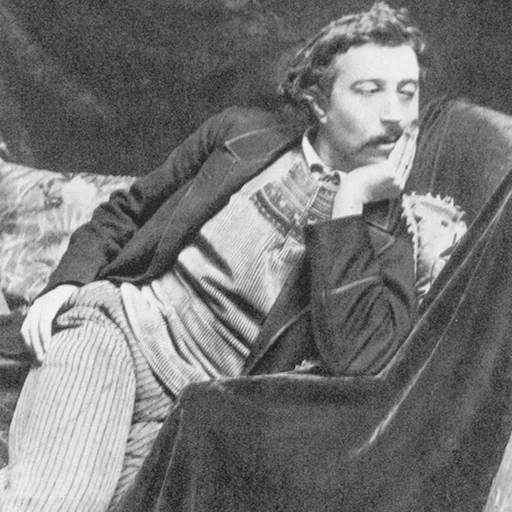
French, 1848–1903
Paul Gauguin was a French Impressionism painter. 340 works are cataloged here, principally at National Gallery of Art, most of them oil paintings. Paul Gauguin was born in Paris.
Eugène Henri Paul Gauguin (; French:; 7 June 1848 – 8 May 1903) was a French painter, sculptor, printmaker, ceramist, and writer, whose work has been primarily associated with the Post-Impressionist and Symbolist movements. He was also an influential practitioner of wood engraving and woodcuts as art forms. While only moderately successful during his lifetime, Gauguin has since been recognized for his experimental use of color and Synthetist style that were distinct from Impressionism.
Gauguin was born in Paris in 1848, amidst the tumult of Europe's revolutionary year. In 1850, Gauguin's family settled in Peru, where he experienced a privileged childhood (until the age of six) that left a lasting impression on him. Later, financial struggles led them back to France, where Gauguin received formal education.
Initially working as a stockbroker, Gauguin started painting in his spare time, his interest in art kindled by visits to galleries and exhibitions. The financial crisis of 1882 significantly impacted his brokerage career, prompting a shift to full-time painting. Gauguin's art education was largely self-taught and informal, shaped significantly by his associations with other artists rather than academic training.
His entry into the art world was facilitated by his acquaintance with Camille Pissarro, a leading Impressionist. Pissarro took on a mentor role for Gauguin, introducing him to other Impressionist artists and techniques. He exhibited with the Impressionists in the early 1880s, but soon began developing his distinct style, characterized by a bolder use of color and less traditional subject matter.
His work in Brittany and Martinique showcased his inclination towards depicting native life and landscapes. By the 1890s, Gauguin's art took a significant turn during his time in Tahiti, then a French colony, where he sought a refuge from the Western civilization. Gauguin's later years in Tahiti and the Marquesas Islands were marked by health problems and financial struggles.
His paintings from that period, characterized by vivid colors and Symbolist themes, would prove highly successful among the European viewers for their exploration of the relationships between people, nature, and the spiritual world. Gauguin's art became popular after his death, partially from the efforts of dealer Ambroise Vollard, who organized exhibitions of his work late in his career and assisted in organizing two important posthumous exhibitions in Paris. His work was influential on the French avant-garde and many modern artists, such as Pablo Picasso and Henri Matisse, and he is well known for his relationship with Vincent and Theo van Gogh.
Works by Paul Gauguin
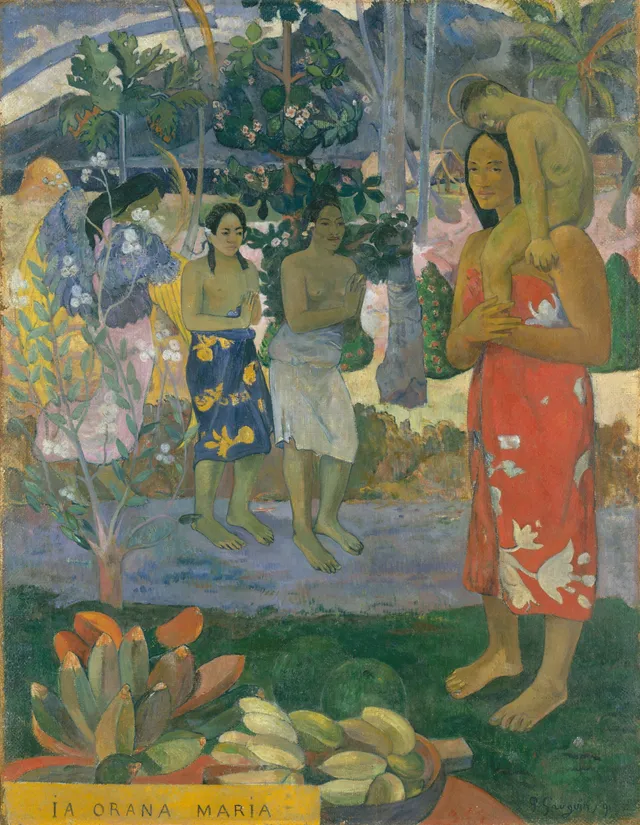 Ia Orana Maria
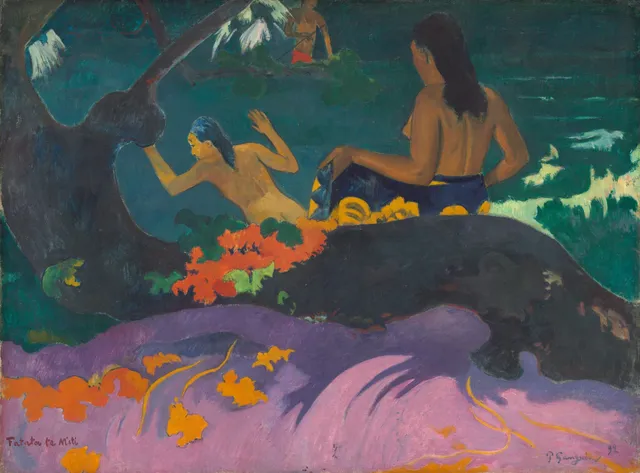 Fatata te Miti (By the Sea)
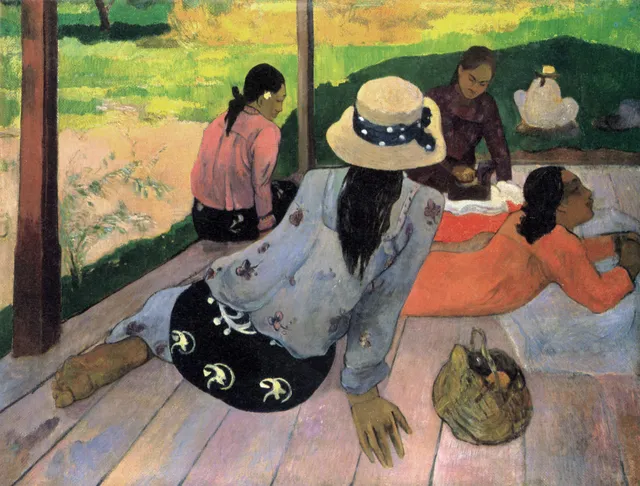 The Siesta
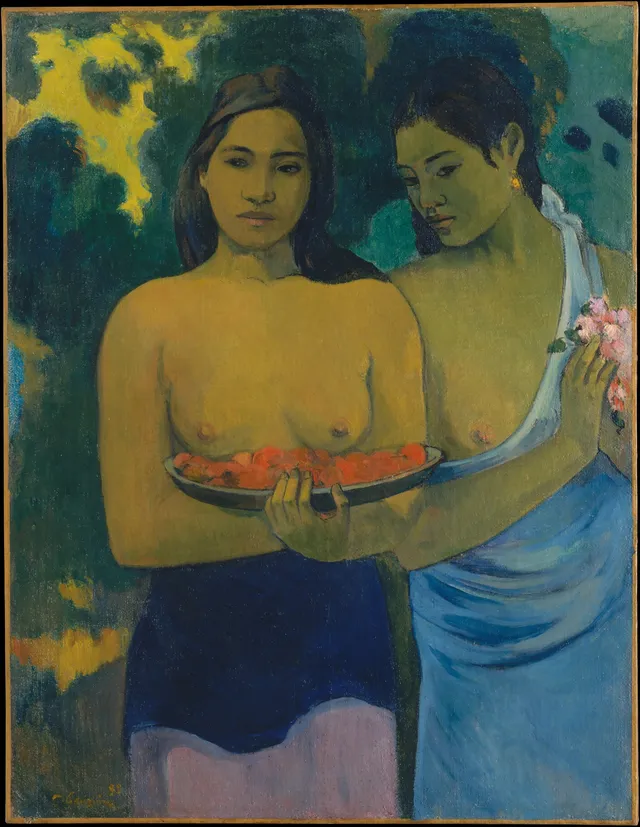 Two Tahitian Women
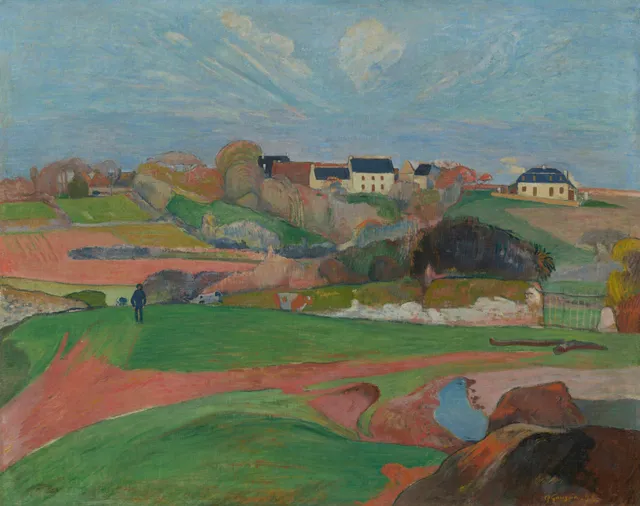 Landscape at Le Pouldu
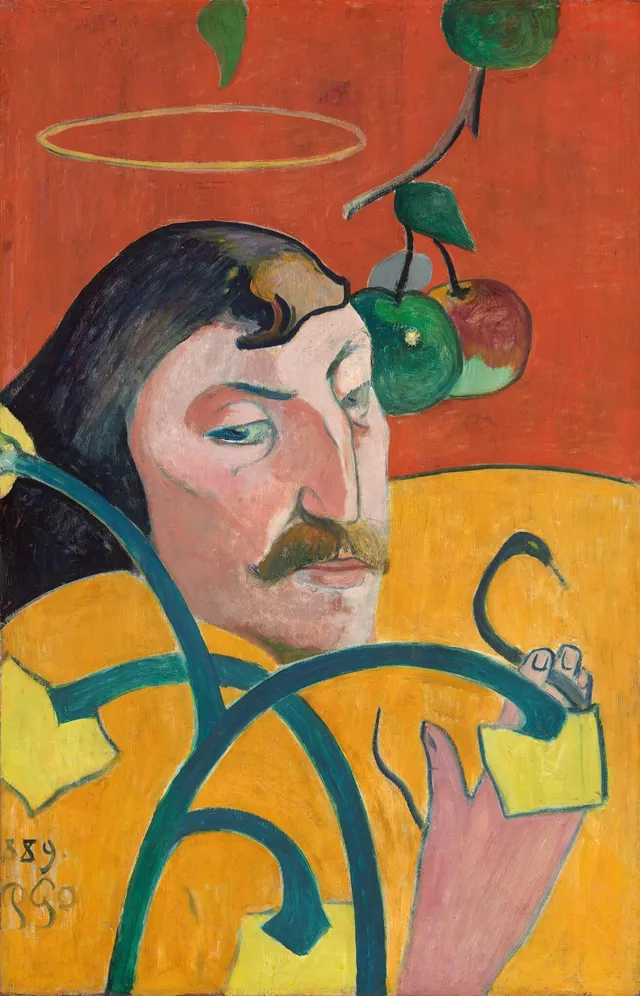 Self-Portrait
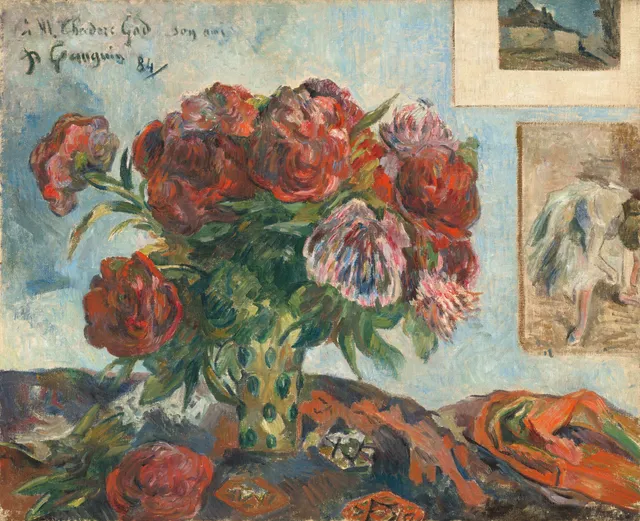 Still Life with Peonies
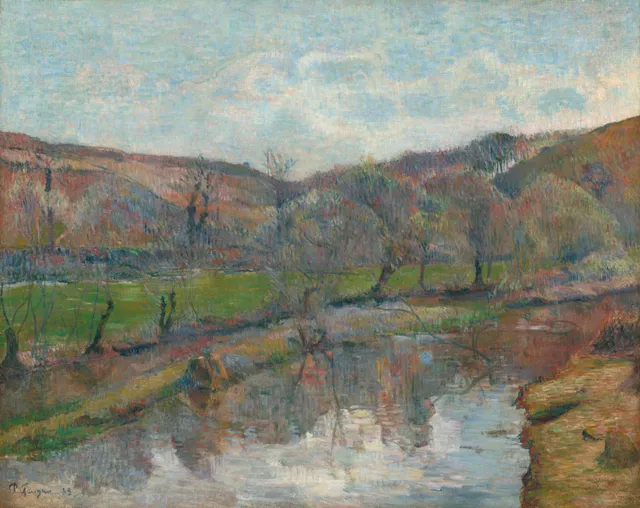 Brittany Landscape
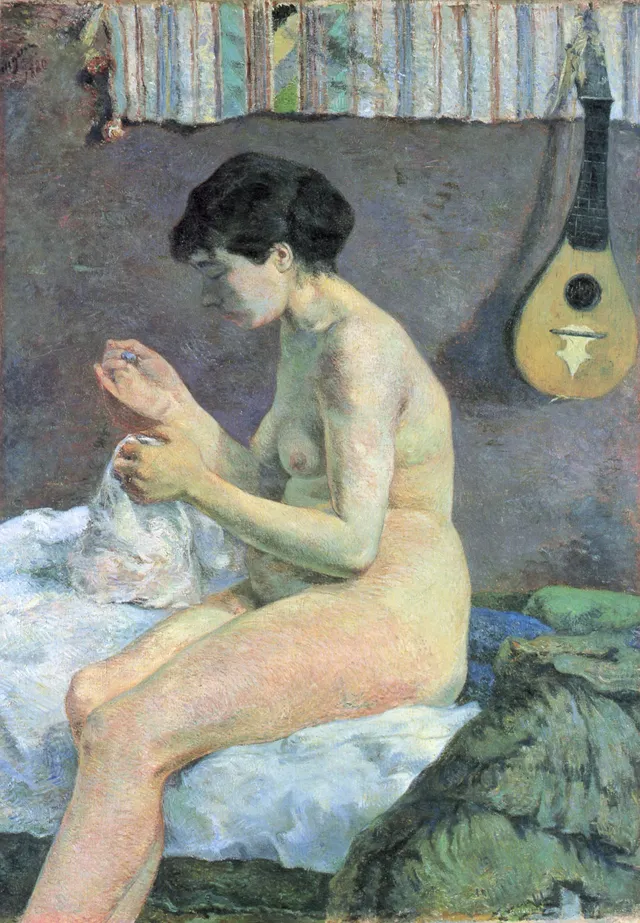 Study of a Nude
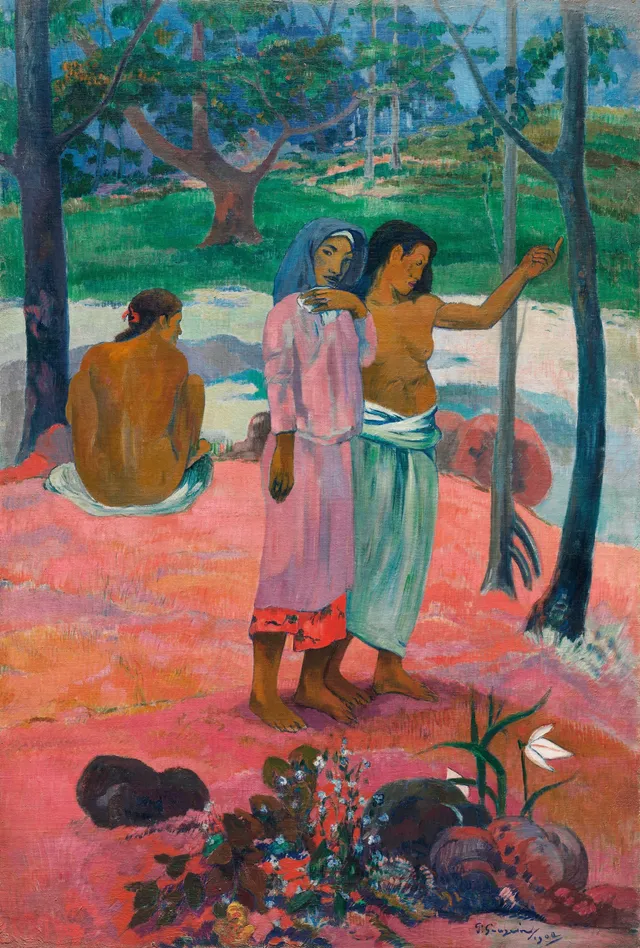 The Call
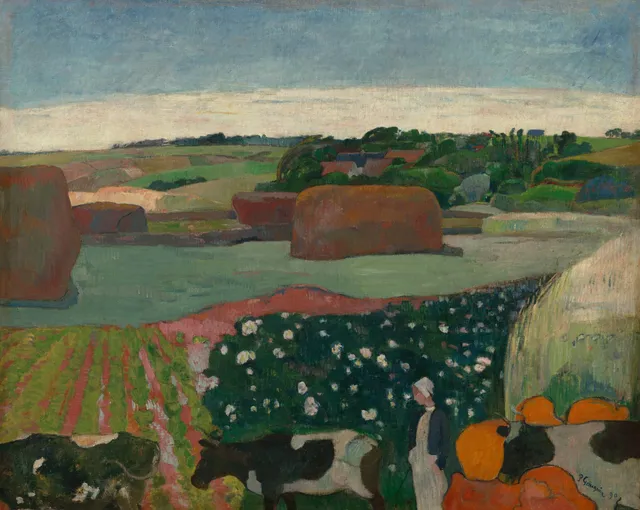 Haystacks in Brittany
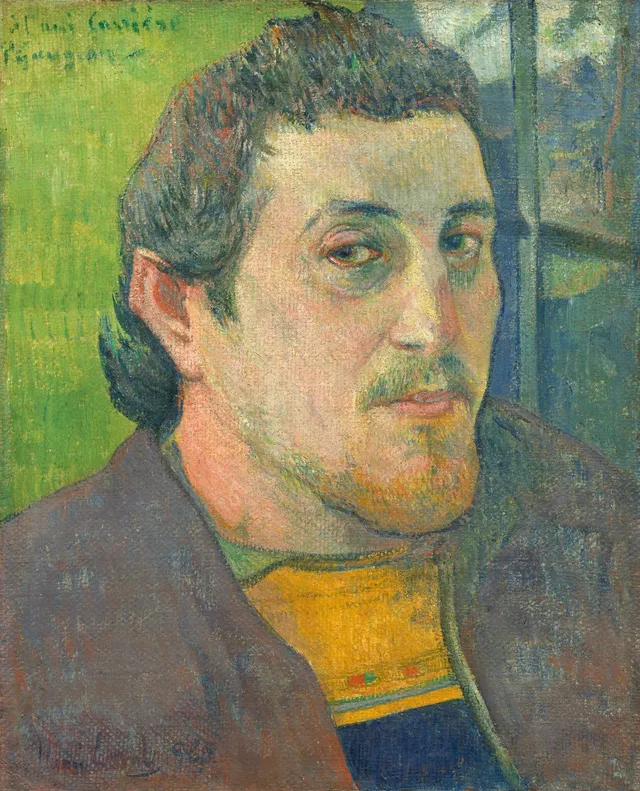 Self-Portrait Dedicated to Carrière
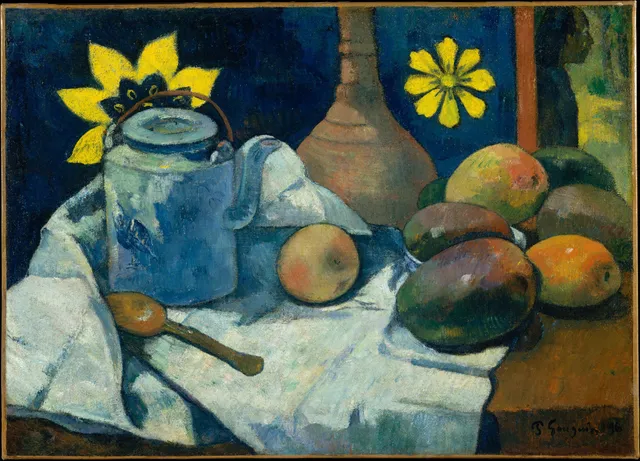 Still Life with Teapot and Fruit
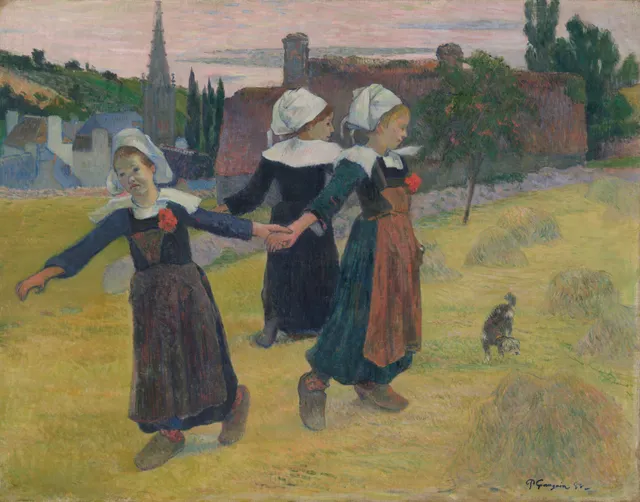 Breton Girls Dancing, Pont-Aven
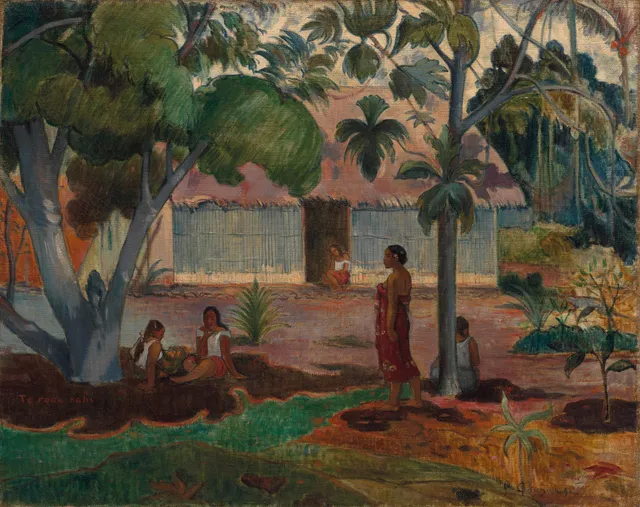 The Large Tree
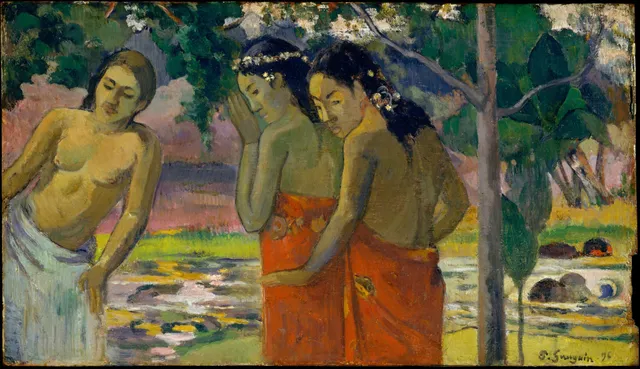 Three Tahitian Women
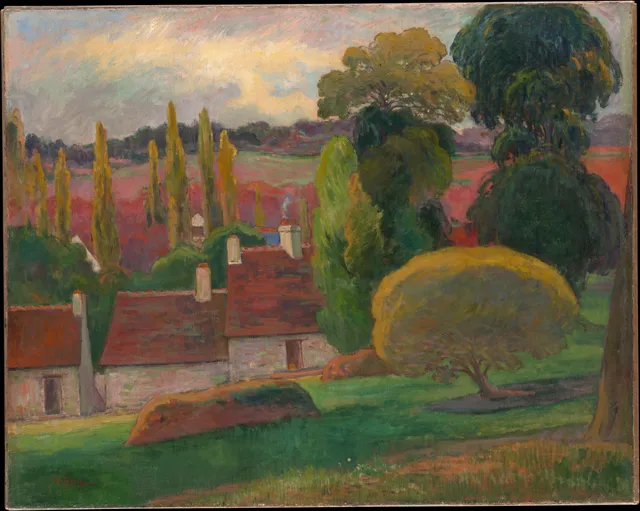 A Farm in Brittany
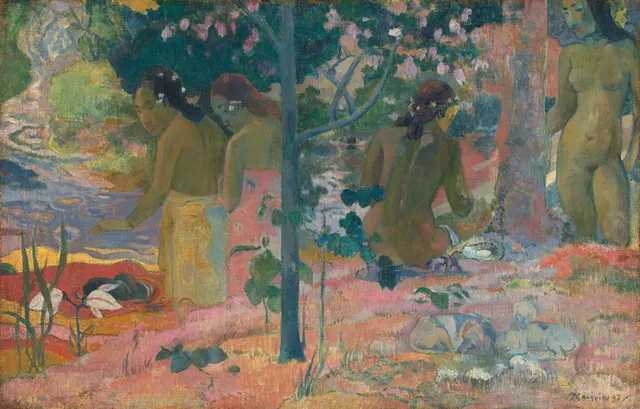 The Bathers
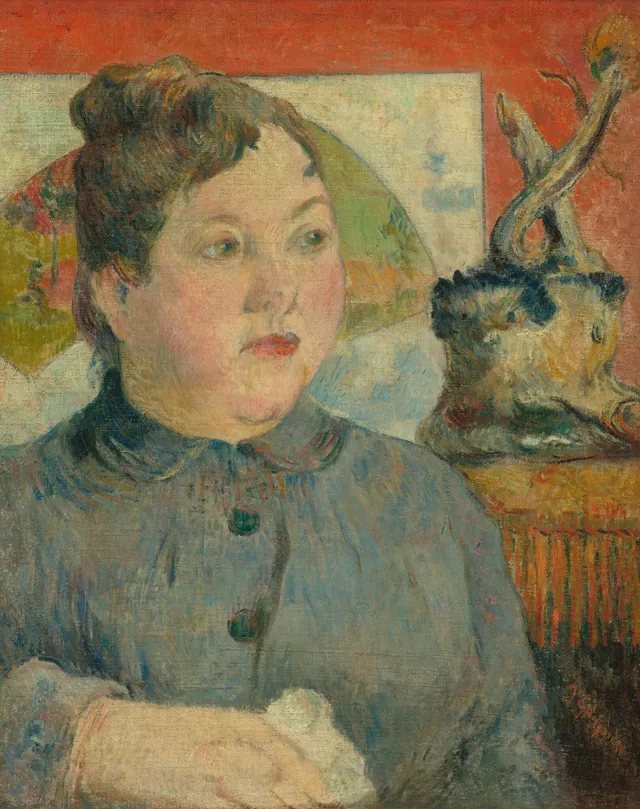 Madame Alexandre Kohler
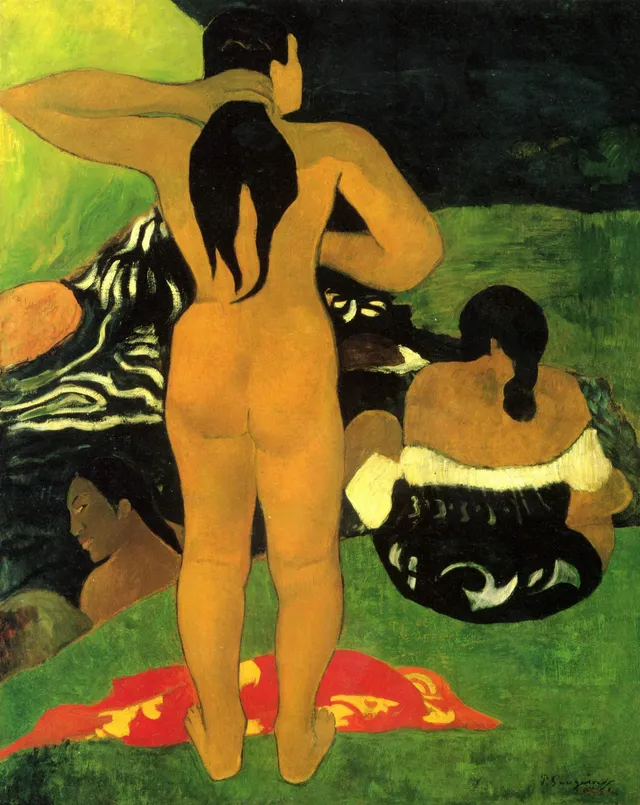 Tahitian Women Bathing
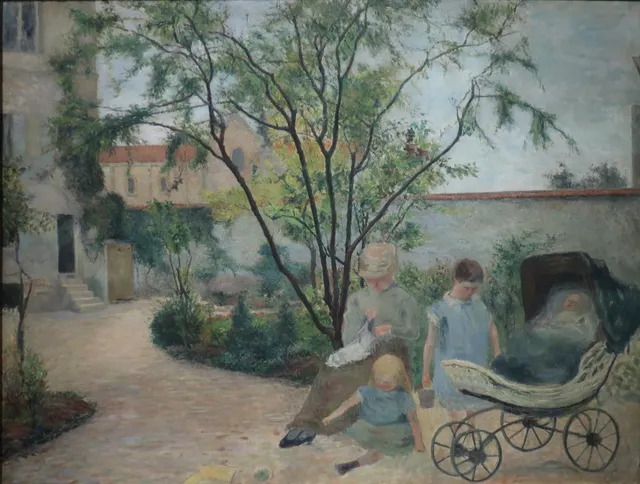 Figures in a Garden
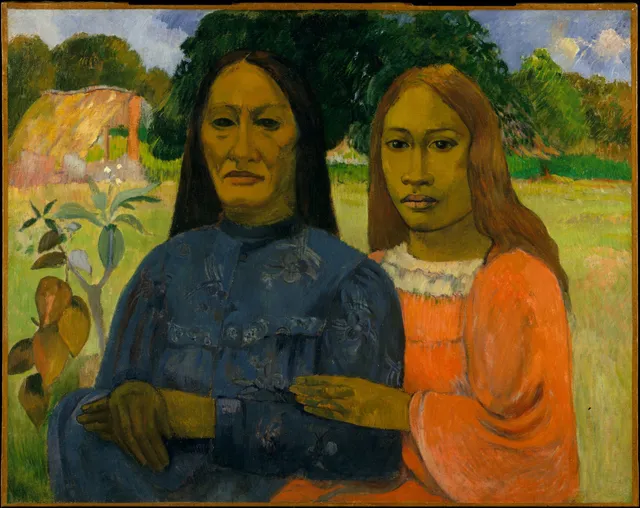 Mother and daughter
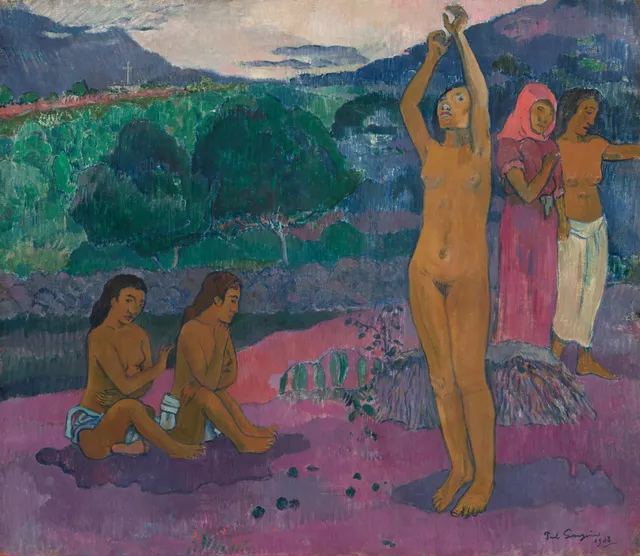 The Invocation
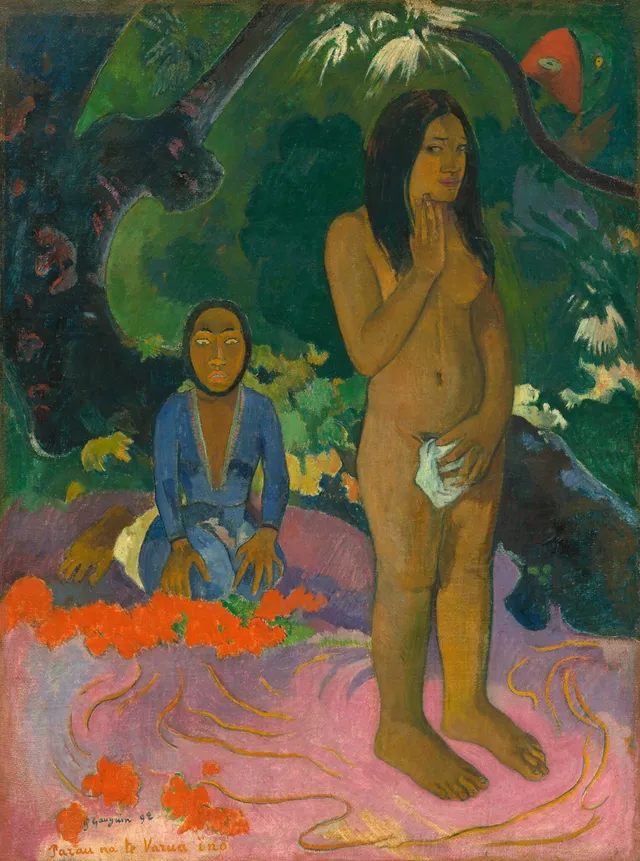 Parau na te Varua ino (Words of the Devil)
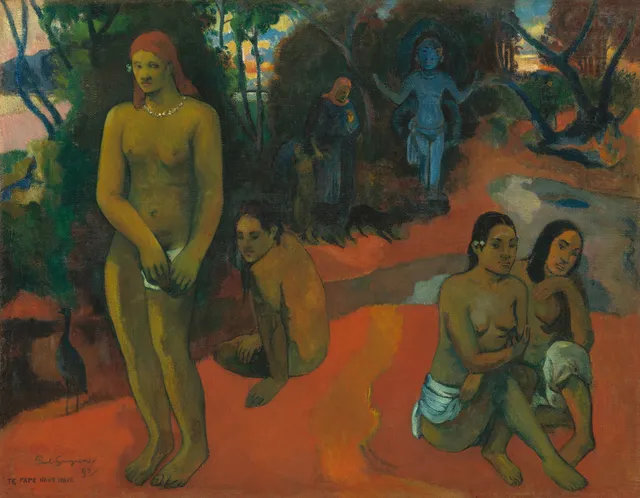 Te Pape Nave Nave (Delectable Waters)
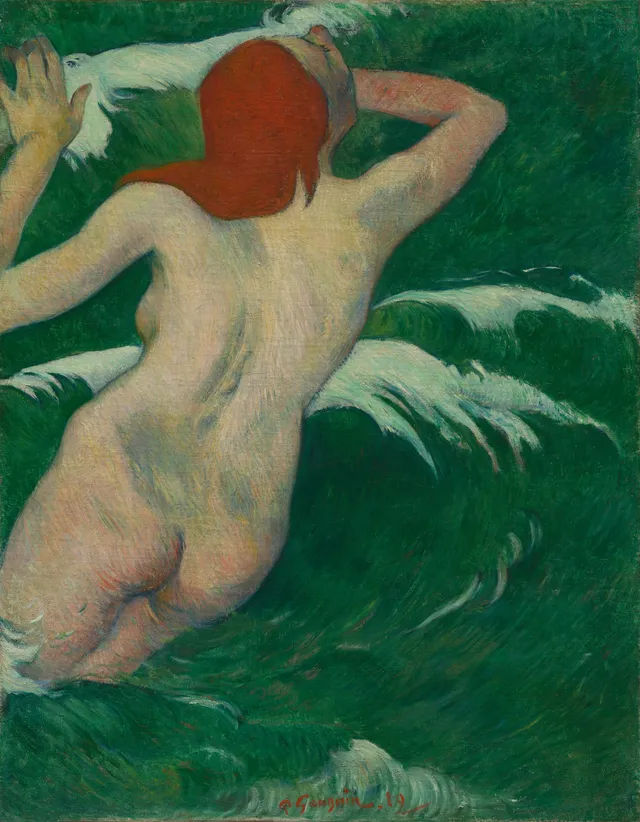 In the Waves (Dans les Vagues)
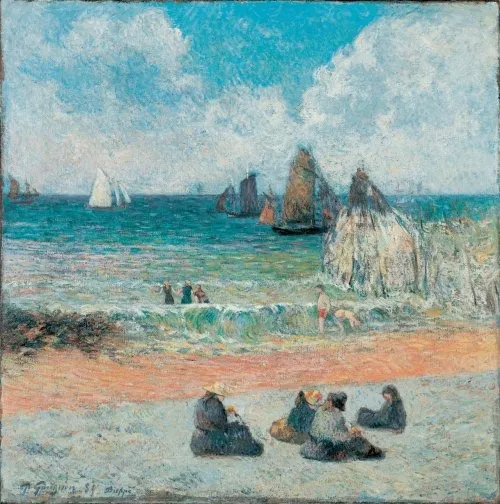 Coast at Dieppe
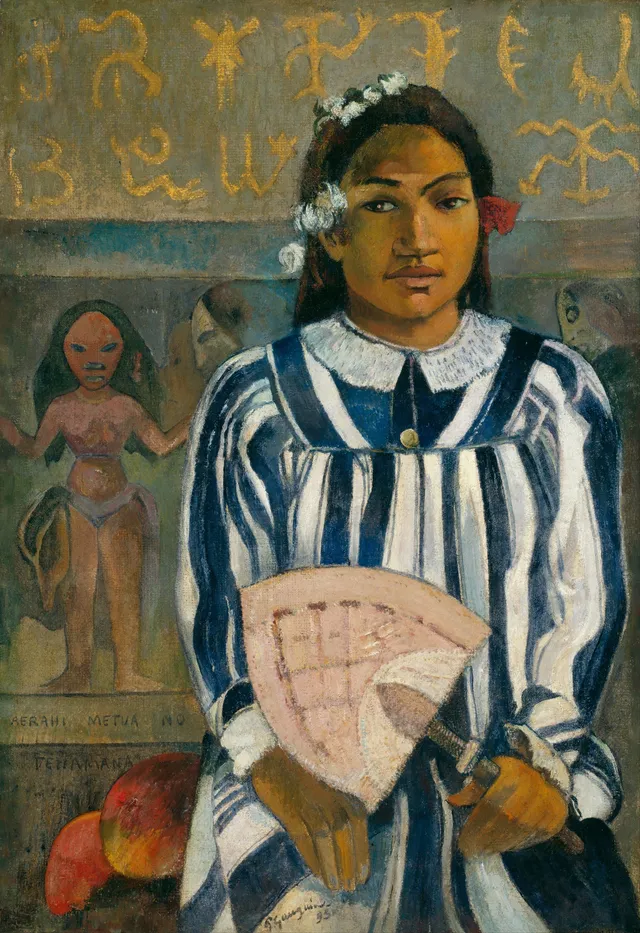 Merahi metua no Tehamana
Collections represented


Moments involving Paul Gauguin
- Museum of Modern Art Opens · 1929 It became the preeminent global institution for the collection and promotion of modern and contemporary art.
- Eighth (and Last) Impressionist Exhibition · 1886 Impressionism's group identity dissolved at the very moment its successor movement stepped on stage, the torch passing visible in a single room.
- Sixth Les XX exhibition opens in Brussels · 1889 The exhibition helped make Brussels a major relay point between Impressionism, Neo-Impressionism, Symbolism, and later European avant-gardes.
Artists in a similar vein