June 10 in Art History
4 real events recorded on June 10, the earliest from 1525. 2 artists were born , 1 died on this date.
Born on this day 2
- 1819 Born
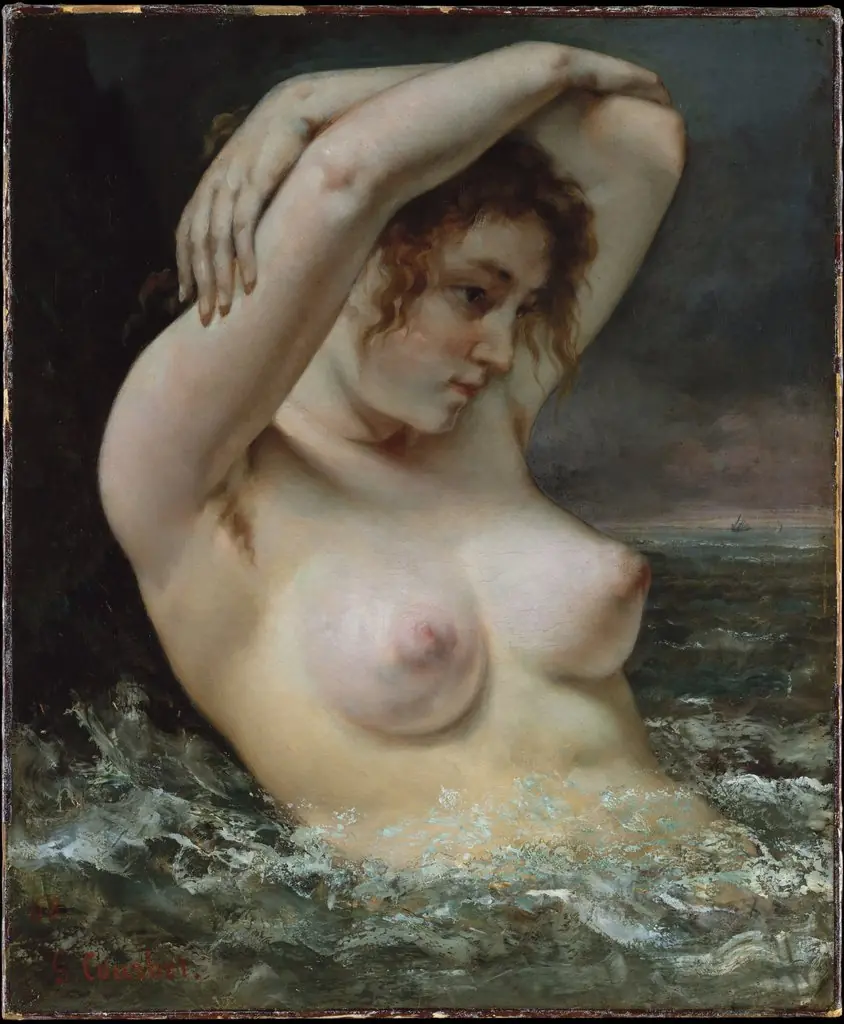
Born this day: Gustave Courbet
Gustave Courbet, born on June 10, 1819, was a French painter who pioneered the Realism movement, rejecting academic conventions and Romanticism by painting only what he could see. His bold and unidealized depictions of everyday life, often on a grand scale, challenged traditional art forms.
Courbet's innovative style and commitment to realism paved the way for later art movements, including Impressionism and Cubism.
- 1845 Born
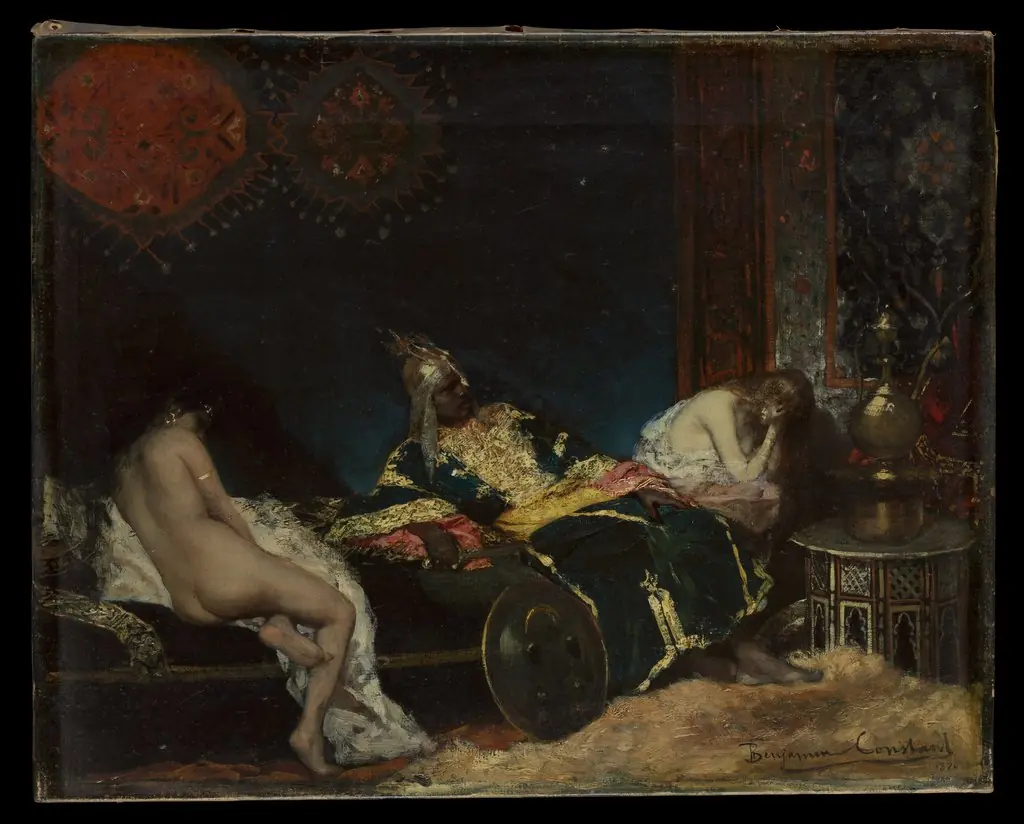
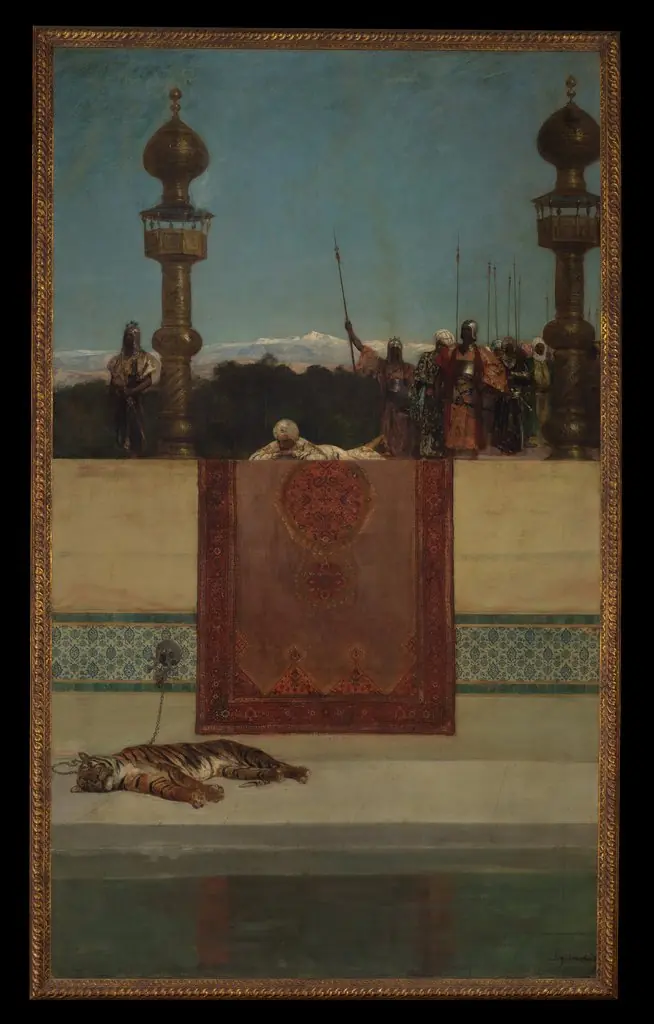
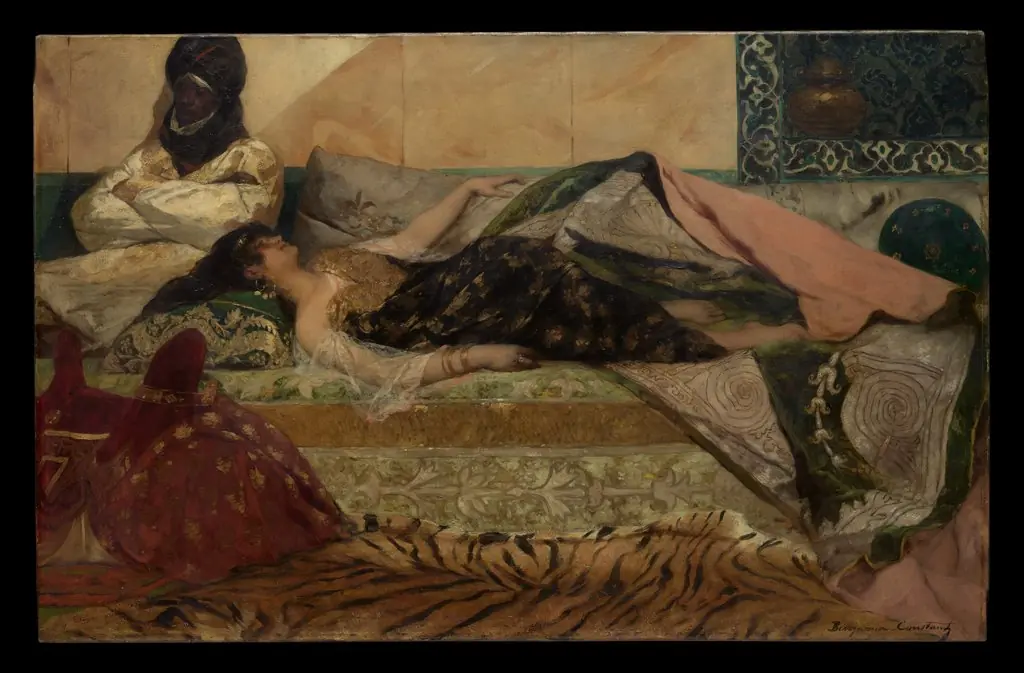
Born this day: Jean-Joseph Benjamin-Constant
Jean-Joseph Benjamin-Constant, a French painter and etcher, was born on June 10, 1845. He is best known for his captivating Oriental subjects and portraits, which continue to inspire with their beauty and historical significance. His notable works, such as The Serbian Concubine and Odalisque, showcase his mastery of the genre.
Benjamin-Constant's work remains a significant part of the Orientalist movement in art history.


Died on this day 1
- 1525 Died
Died this day: Tosa Mitsunobu
Tosa Mitsunobu was a Japanese artist known for his work in the traditional Japanese style, particularly with scenes of nature like bamboo. His active career spanned from around 1462 to 1525, leaving a mark on Japanese art. On this day in 1525, Mitsunobu passed away, concluding a life dedicated to art.
Tosa Mitsunobu's legacy remains in his contributions to the traditional Japanese art form.

Openings & foundings 1
- 1884 Founding
Founding of the Art Workers' Guild
On June 10, 1884, the Art Workers' Guild was founded in London by a group of architects, artists, and designers including William Burges, Edward Burne-Jones, and William Morris. The Guild was established to promote the unity of the arts and to elevate the status of the craftsman, reflecting the ideals of the Arts and Crafts Movement. It sought to bridge the gap between fine art and decorative arts, advocating for high-quality design in everyday objects and resisting the dehumanizing effects of industrial mass production. The organization became a central hub for the dissemination of Arts and Crafts principles in Britain.
It institutionalized the Arts and Crafts philosophy, influencing generations of designers and architects to value craftsmanship over industrial efficiency.