March 22 in Art History
7 real events recorded on March 22, the earliest from 1599. 2 artists were born , 1 died on this date.
The day's biggest moments
Born on this day 2
- 1599 Born
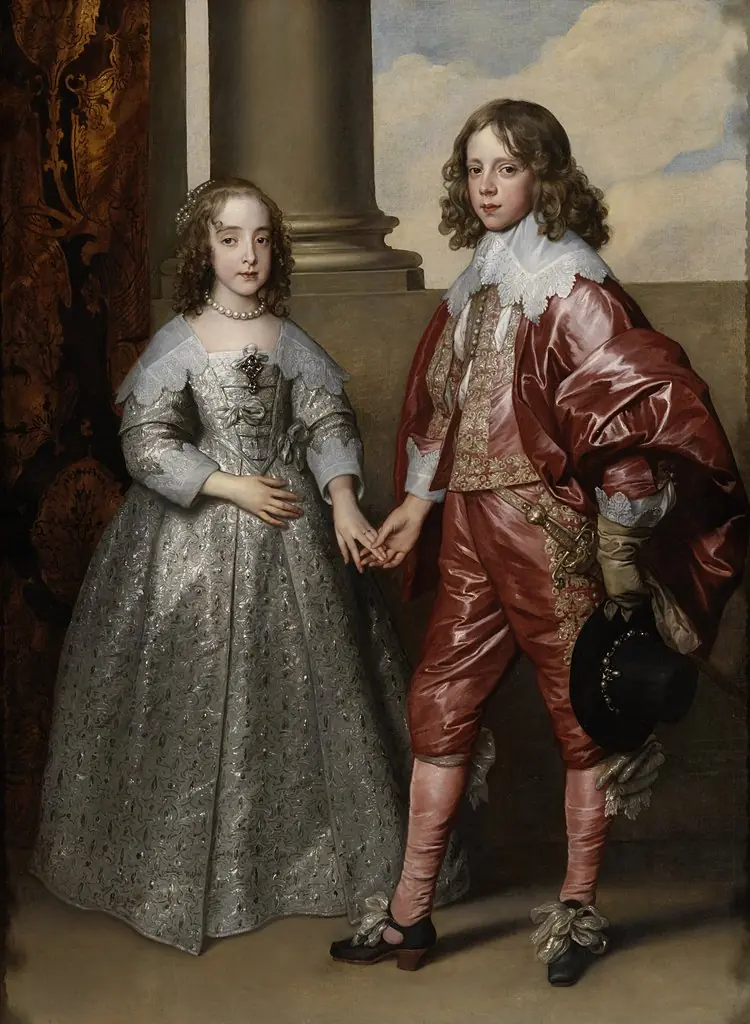
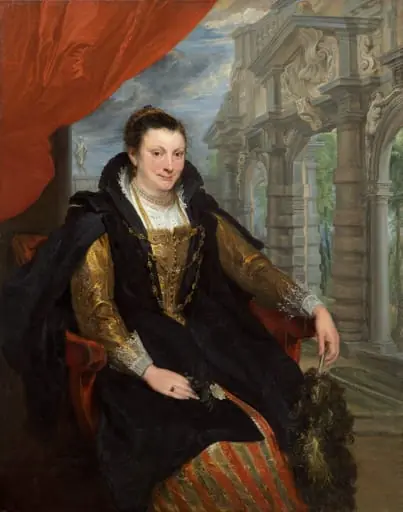
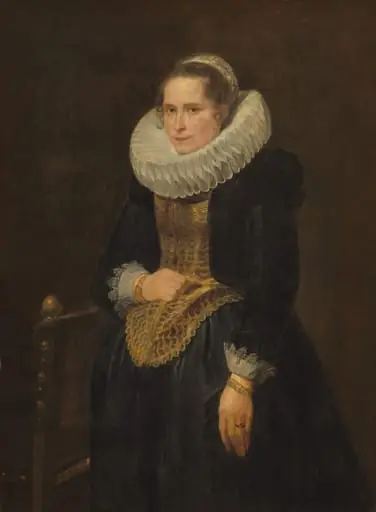
Born this day: Anthony van Dyck
Anthony van Dyck, a Flemish Baroque artist, was born on March 22, 1599. He became the leading court painter in England, known for his portraits that captured the essence of his subjects. Van Dyck's work was influenced by Peter Paul Rubens and he is notable for his Iconography series of portrait etchings.
Van Dyck's portraits continue to be celebrated for their masterful depiction of elegance and refinement.
- 1816 Born
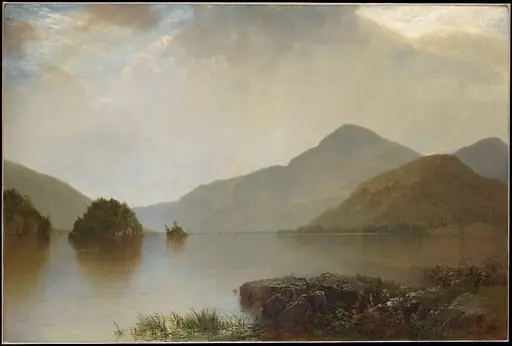
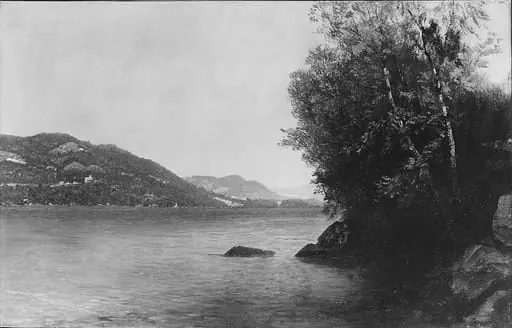
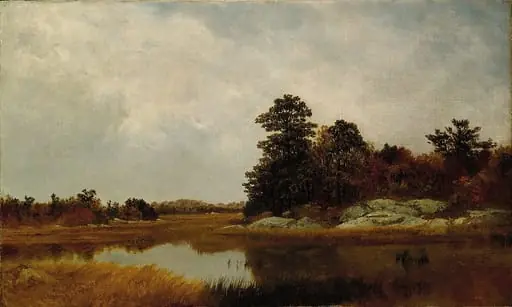
Born this day: John Frederick Kensett
John Frederick Kensett, born on March 22, 1816, was a prominent American landscape painter and engraver associated with the Hudson River School, known for his serene and luminous depictions of New England and New York State landscapes. His work is characterized by a preference for cooler colors and restrained composition.
Kensett's legacy lies in his contributions to American landscape painting and his role as a founder of the Metropolitan Museum of Art.
Died on this day 1
- 1937 Died
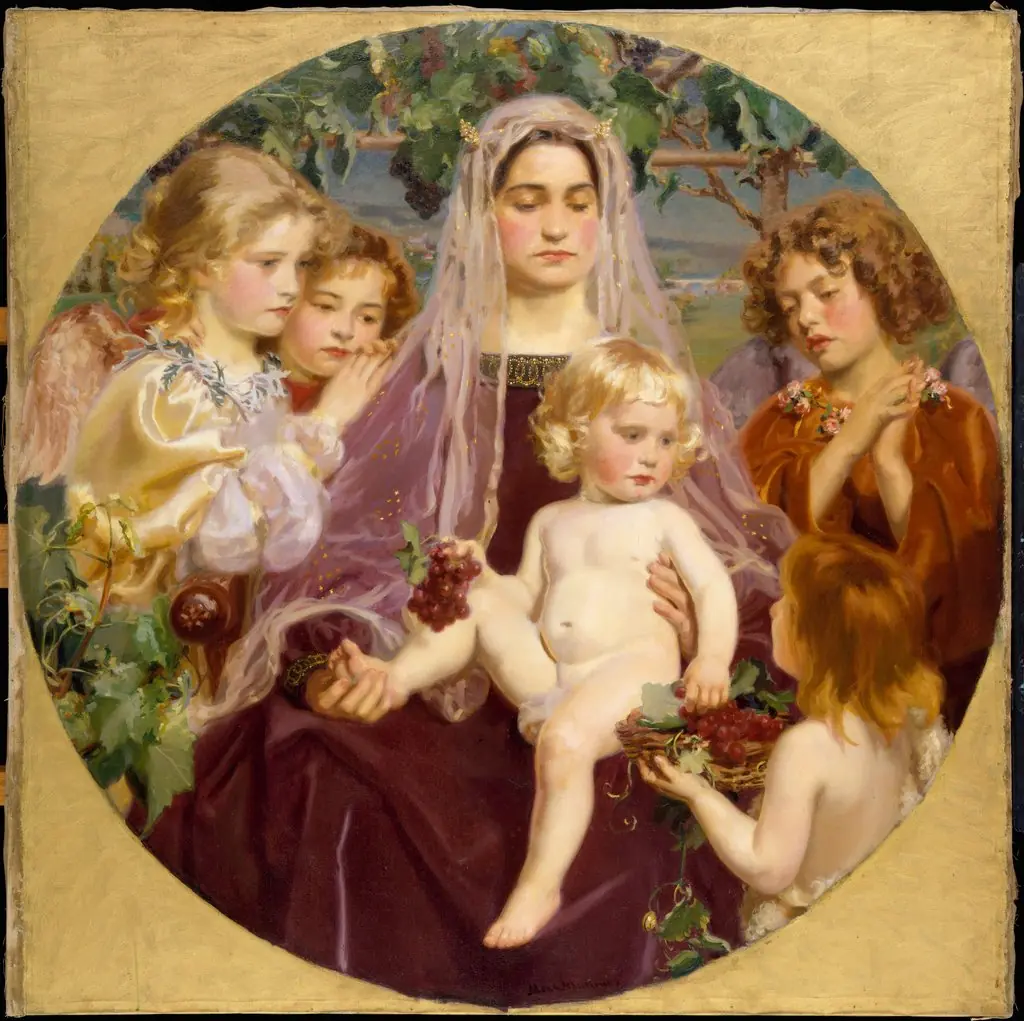
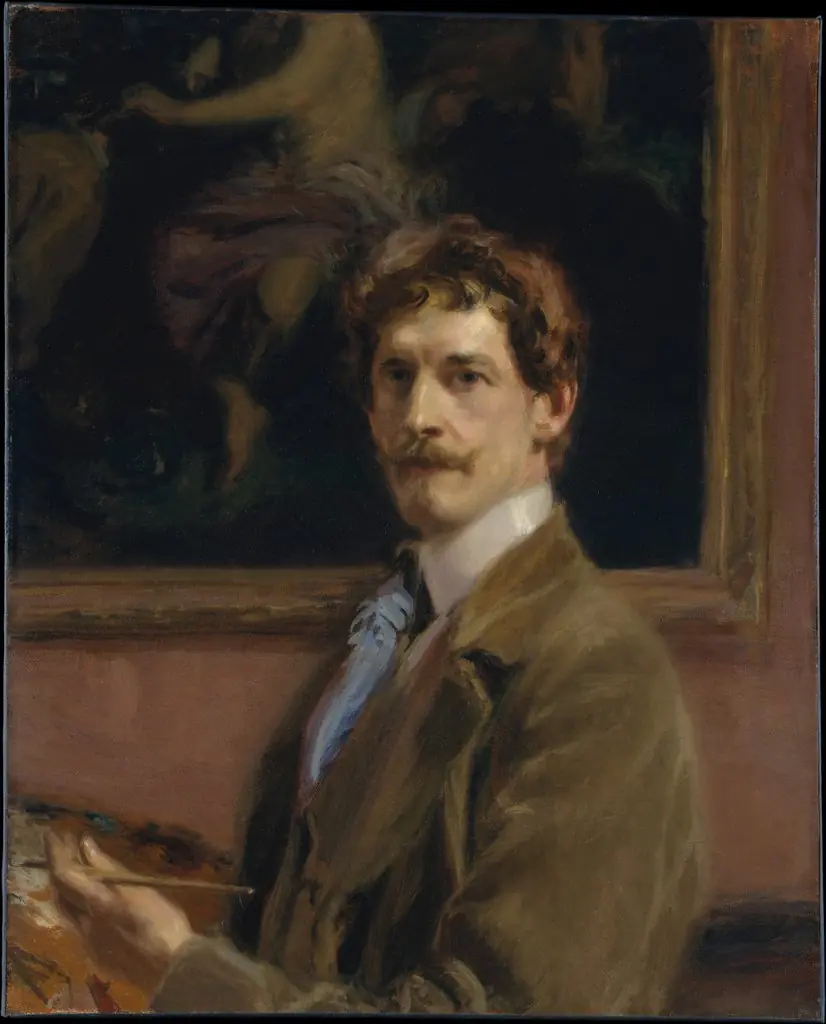
Died this day: Frederick William MacMonnies
Frederick William MacMonnies was a renowned American sculptor of the Beaux-Arts school, also accomplished as a painter and portraitist, known for works like Nathan Hale and Bacchante and Infant Faun. He achieved success in both France and the United States.
MacMonnies remains a prominent figure in American art history, bridging styles between his native country and France.
Exhibitions & salons 2
- 2007 Exhibition
Van Gogh and Expressionism Opens
Neue Galerie New York opened Van Gogh and Expressionism, an exhibition devoted to Vincent van Gogh's impact on German and Austrian Expressionism. Organized by Jill Lloyd with the Van Gogh Museum, Amsterdam, it brought together more than eighty paintings and drawings, including major Van Gogh canvases and works by Gustav Klimt, Egon Schiele, Ernst Ludwig Kirchner, Otto Dix, Oskar Kokoschka, Emil Nolde, Vasily Kandinsky, and others. The show argued that Expressionists saw Van Gogh not only as a model of color, brushwork, and structure, but as a precedent for emotional intensity and spiritual urgency. Neue Galerie presented it as the first exhibition to examine that influence in detail, aligning Van Gogh's posthumous reception with the museum's core collection of Austrian and German modernism.
The exhibition sharpened public understanding of Van Gogh as a catalyst for Expressionist modernism.
Ernst Ludwig Kirchner , Vincent van Gogh , Otto Dix , Gustav Klimt , Oskar Kokoschka
- 2021 Exhibition
Alice Neel: People Come First Opens at The Met
The Metropolitan Museum of Art opened Alice Neel: People Come First at The Met Fifth Avenue. The museum described it as the first New York museum retrospective of Neel in twenty years and an ambitious survey of roughly one hundred paintings, drawings, and watercolors. Organized with the Guggenheim Museum Bilbao and the Fine Arts Museums of San Francisco, the exhibition framed Neel as one of the twentieth century's most radical painters, emphasizing her portraits of activists, Spanish Harlem neighbors, queer artists and performers, mothers, nudes, and members of New York's global diaspora. Opening after a year of pandemic closure and social upheaval, the retrospective foregrounded Neel's political humanism and her belief that portraiture could assert the dignity of ordinary people.
The retrospective reinforced Neel's central place in narratives of social realism, feminism, and modern portraiture.
Openings & foundings 1
- 1876 Opening Landmark
Alte Nationalgalerie Opens on Museum Island
The Nationalgalerie building on Berlin's Museum Island, now the Alte Nationalgalerie, opened in the presence of Kaiser Wilhelm I. The project had grown from Joachim Heinrich Wilhelm Wagener's bequest of 262 paintings and from Prussian ambitions to create a public home for contemporary national art. Designed from plans by Friedrich August Stuler and completed under Johann Heinrich Strack, the temple-like structure combined late Classicism, Neo-Renaissance detail, and modern iron-and-brick fireproof construction. Its initial display paired the Wagener collection with cartoons by Peter von Cornelius, while its broader mission was to give Berlin a repository for modern and primarily Prussian art. Later acquisitions under Hugo von Tschudi expanded that mission toward French Impressionism, making the gallery a key institution in Germany's museum history.
It anchored Berlin's National Gallery system and helped define Museum Island as a modern museum ensemble.
Auctions, prizes & heists 1
- 2021 Auction
Journey of Humanity Sells at Dubai Charity Auction
Sacha Jafri's Journey of Humanity sold at auction in Dubai for 228 million dirhams, or about $62 million. The work, made during the COVID-19 pandemic and recognized as the world's largest painting on canvas, measured more than 17,000 square feet and incorporated contributions from children in more than 140 countries. The buyer was reported as Andre Abdoune, and Jafri donated proceeds to children's charities. Calendar and market sources place the sale on March 22, 2021, while later market lists rank it among the highest prices paid for art by a living artist. Its scale, charity framing, and price made it a highly visible example of pandemic-era spectacle, philanthropy, and art-market publicity intersecting outside the conventional gallery system.
The sale turned a record-size participatory canvas into one of the decade's most publicized living-artist auction results.